Panther or Leopard? Clearing the Name Confusion with Culture, History and Science

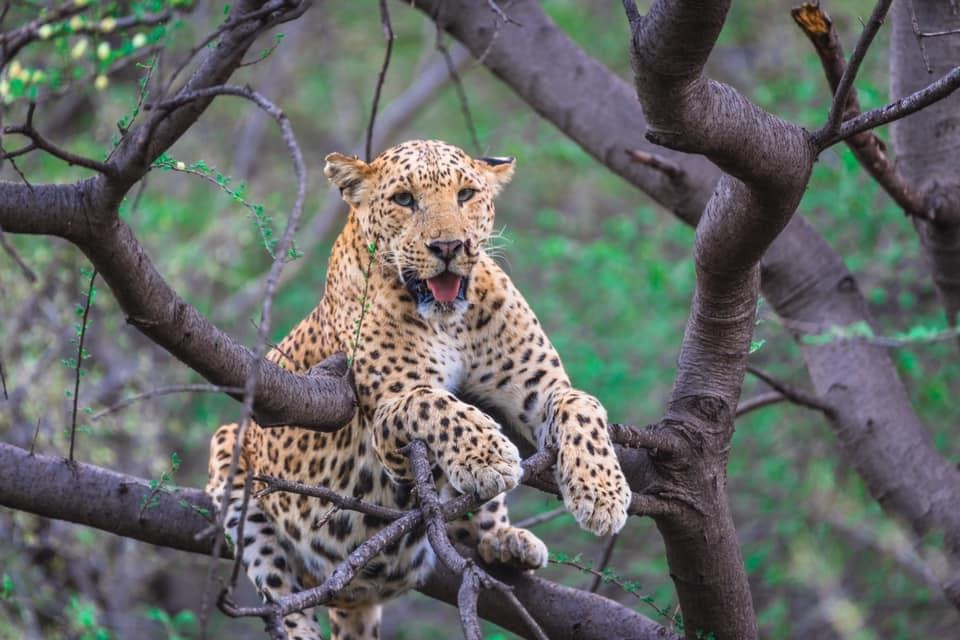
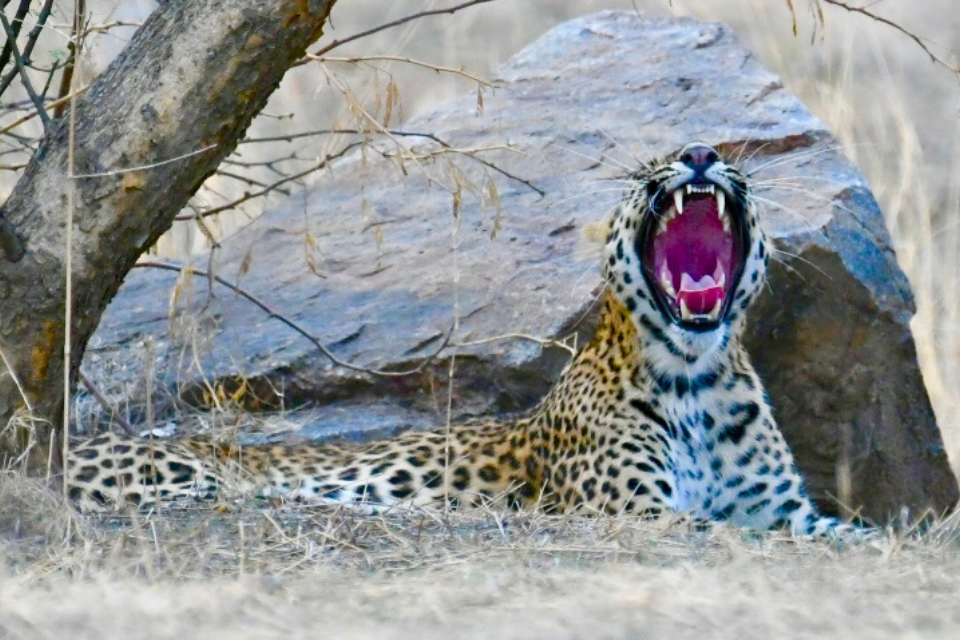
If you have ever been on a Jaipur safari or chatted with a local guide in Rajasthan, you have likely heard the words panther and leopard used like twins. Someone will whisper, “Panther spotted near the waterhole.” Moments later, you see the honey-gold coat, black rosettes, and that unmistakable cat-like glide of a leopard. So what is going on here? Is a panther the same as a leopard? Is there a secret black cat living in the Aravallis? And where does Jhalana fit into the story?
This guide untangles the name confusion with a mix of culture, history, and science. By the end, you will know exactly what to call what, why the terms overlap in India, and how to talk about the famous felines of Jhalana Leopard Reserve like a pro.

Leopard Conservation in an Expanding City: How Jaipur Balances Tourism & Habitat

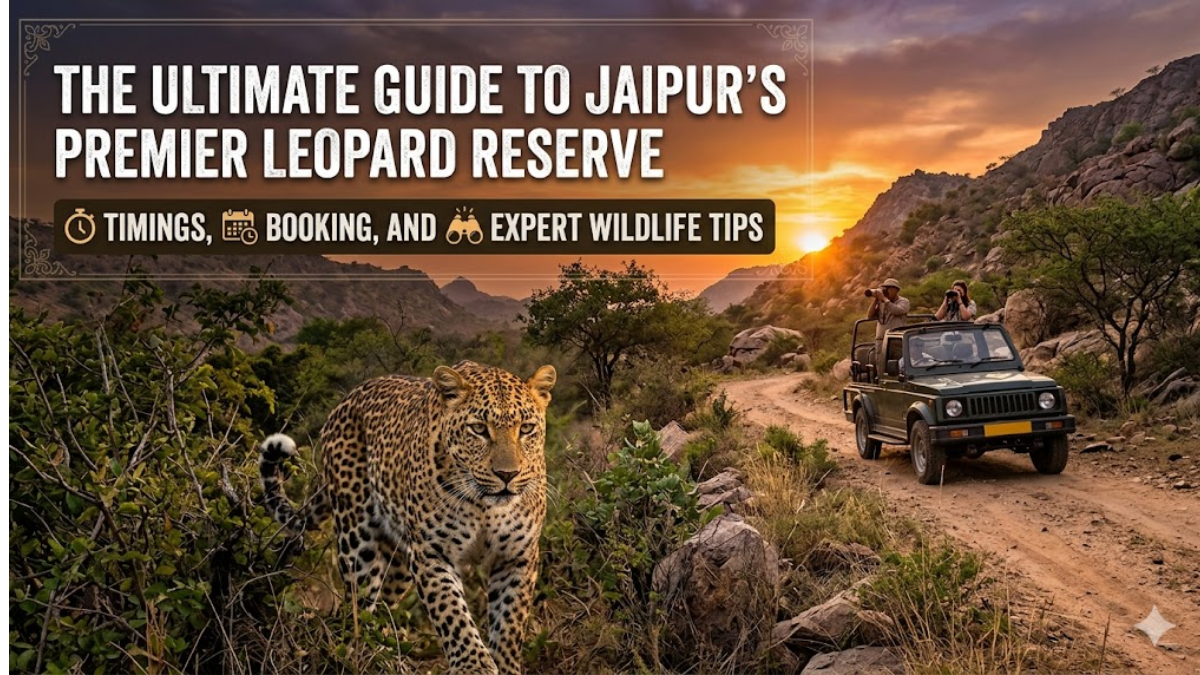
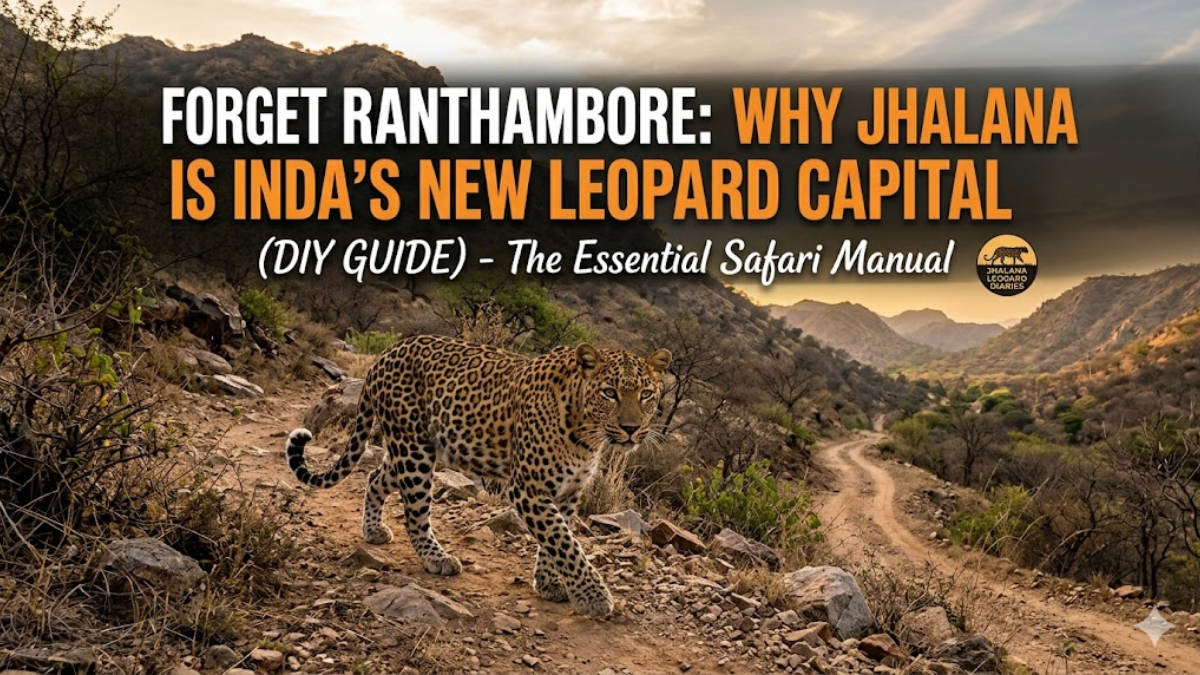
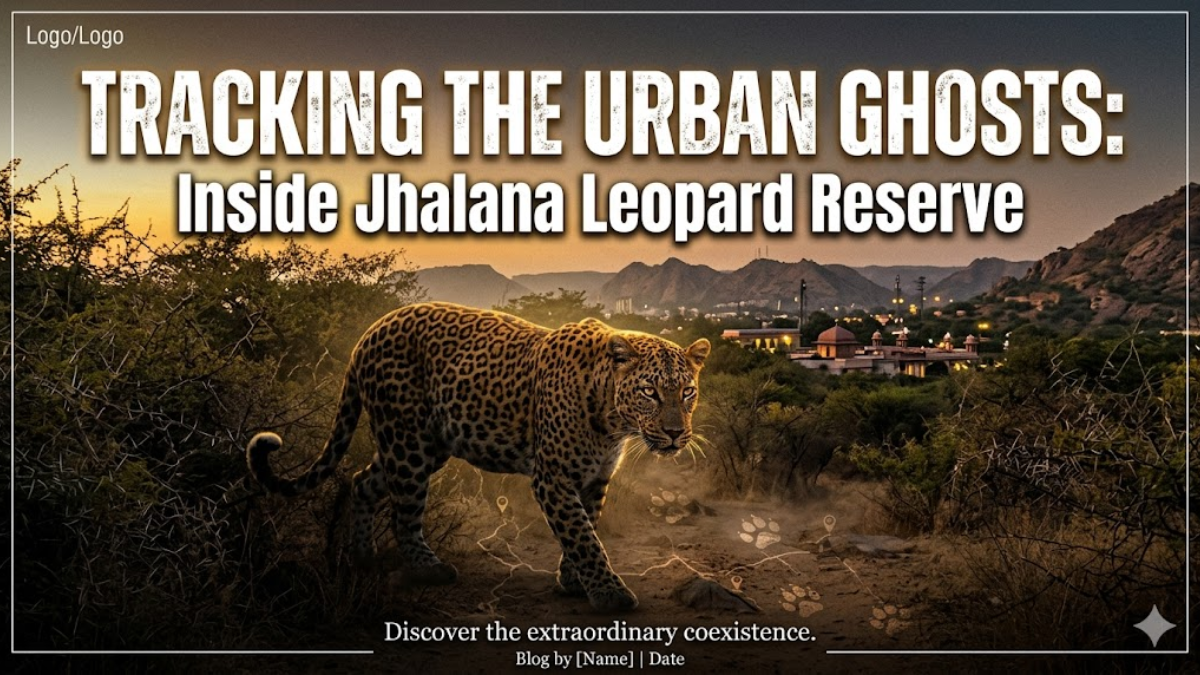
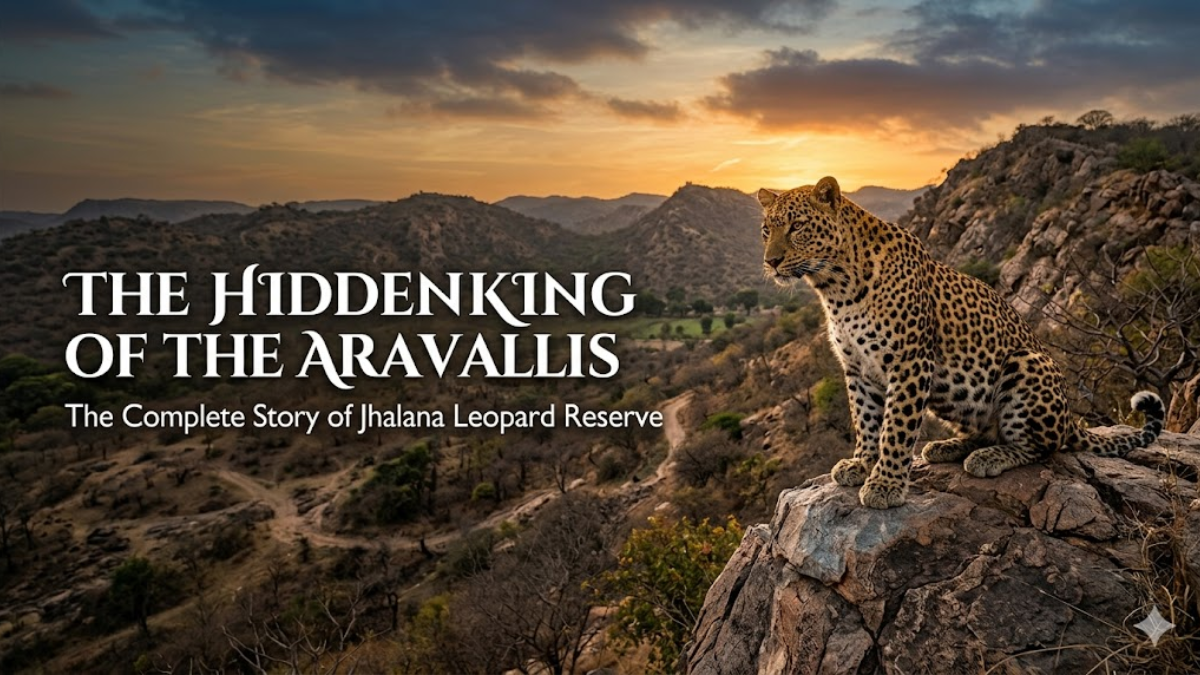
Jaipur is famous for forts, textiles, and pink façades—but one of its most compelling stories prowls in the scrub hills that ring the city. In 2017, as part of Rajasthan’s “Project Leopard,” Jhalana on Jaipur’s southeastern edge was formally designated as a leopard reserve—a pioneering move for an urban landscape in India. Since then, the city has tried to do something few fast-growing metros attempt: share space with a big cat while inviting visitors to learn, not intrude.
This guide unpacks how Jaipur is attempting that balance—what makes Jhalana unique, how corridors and carrying capacity shape decisions, what community engagement looks like on the ground, and how tourism can help (or hurt) conservation if not done carefully.

The Complete Birdwatcher’s Guide to Jhalana & Amagarh (Jaipur)

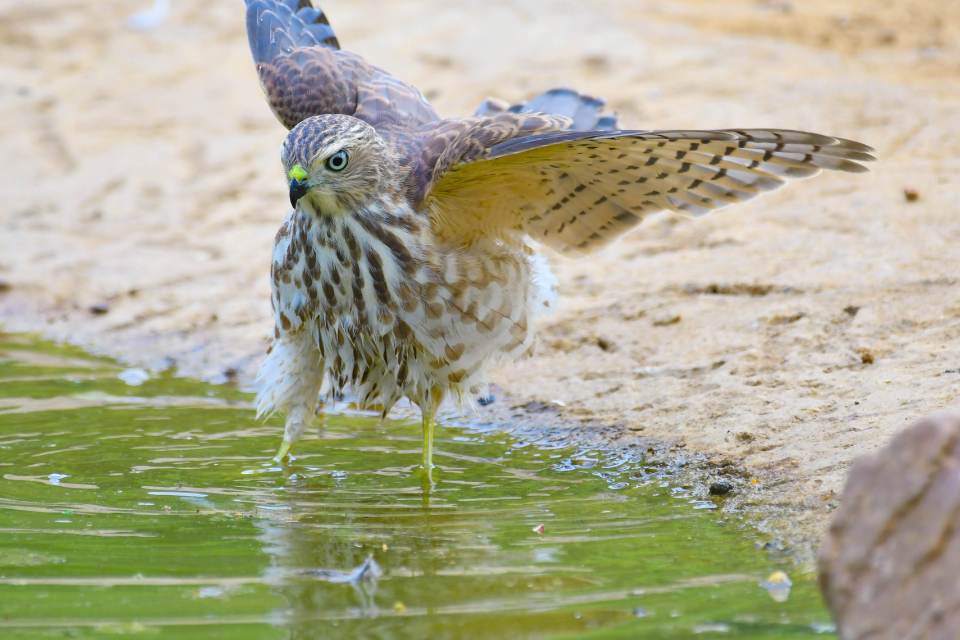
When most people think of Jhalana, they think leopards. But the same scrub-forest, rocky Aravalli slopes, and small waterholes that shelter big cats also host a remarkably reliable dry-zone bird assemblage—francolins calling at dawn, drongos hawking insects on open tracks, bee-eaters flashing neon over thorn scrub. Just across the ridge, Amagarh Fort and the surrounding hills add cliff and temple-tank habitats that pull in different species, especially during migration and the monsoon.
This guide keeps things practical and SEO-sharp for “birding Jhalana” and “birds of Amagarh” searches while giving you a field-ready plan: what to look for, where to go, when to go, how to log on eBird—and how to do all of it responsibly.

How to Photograph Leopards at Dusk: Settings, Spots & Ethics at Jhalana

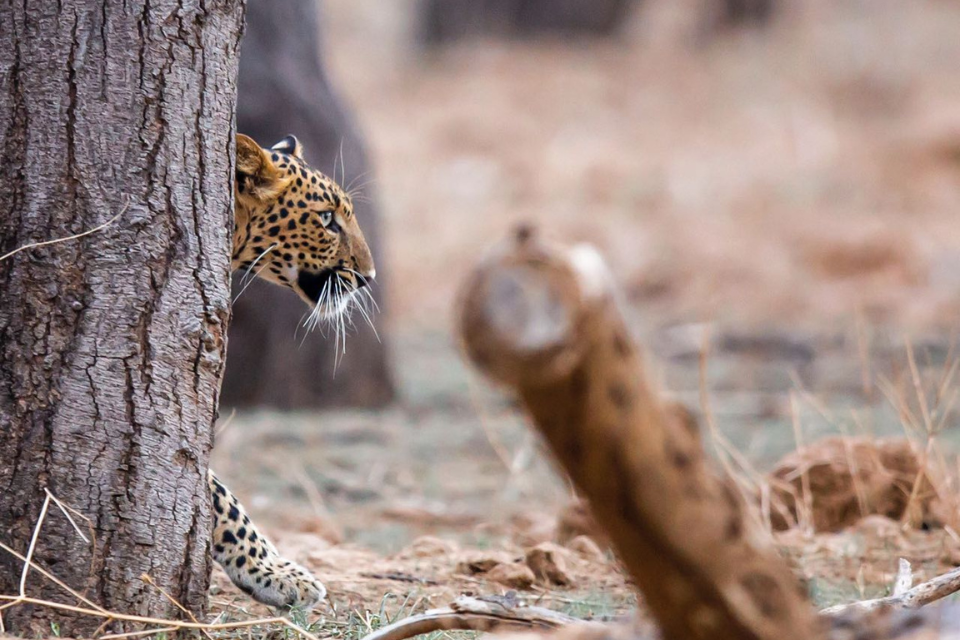
Jhalana’s compact, scrub-forest habitat and rocky hillocks create natural funnels for leopard movement. As temperatures drop toward evening, leopards often transition from day beds in thickets toward edge habitats: the interface of rocks, trails, and shallow nullahs. You’re betting on predictable movement windows in unpredictable light—that’s where skill with exposure, autofocus, and vehicle craft pays off.
Behavioral cues to watch:
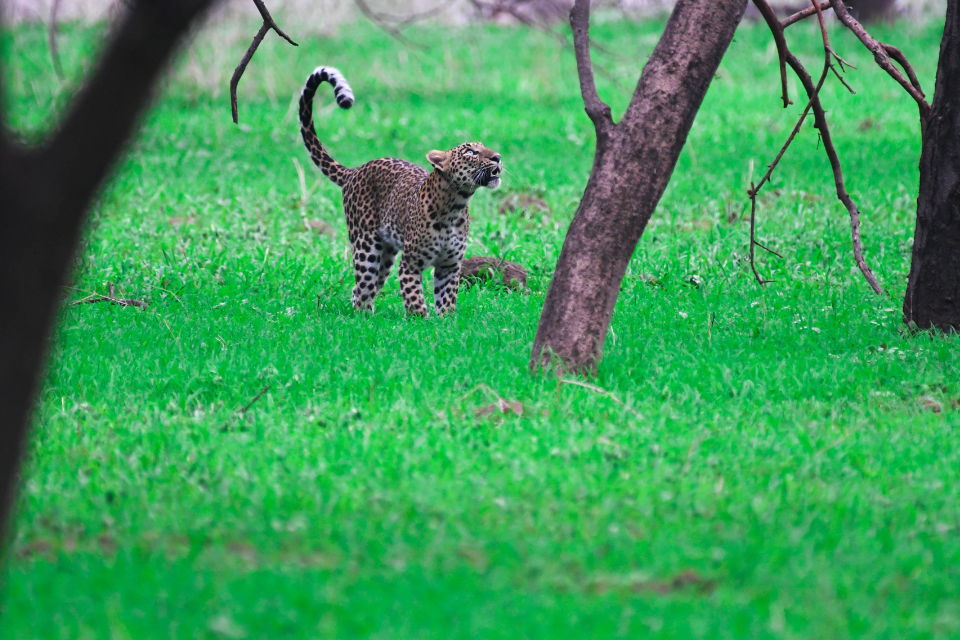
• Head-up scanning from rocks or termite mounds just before last light.
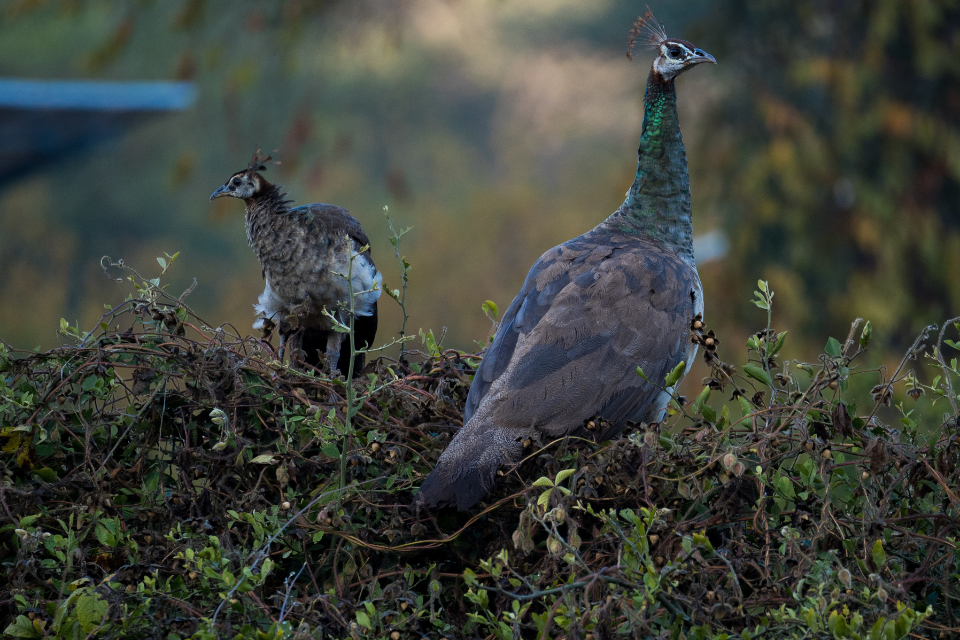
• Trail crossings at scrub edges; listen for alarm calls (peafowl, langur, sambar).
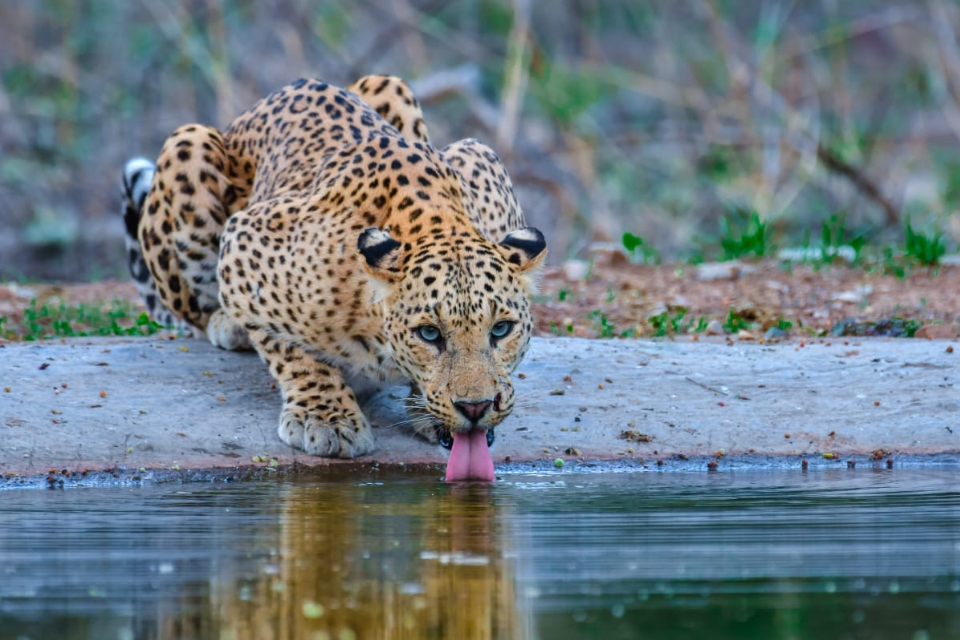
• Waterhole checks on warmer evenings.

Gypsy vs Bolero vs Shared Jeep: Picking the Right Vehicle Type for Jaipur Safaris

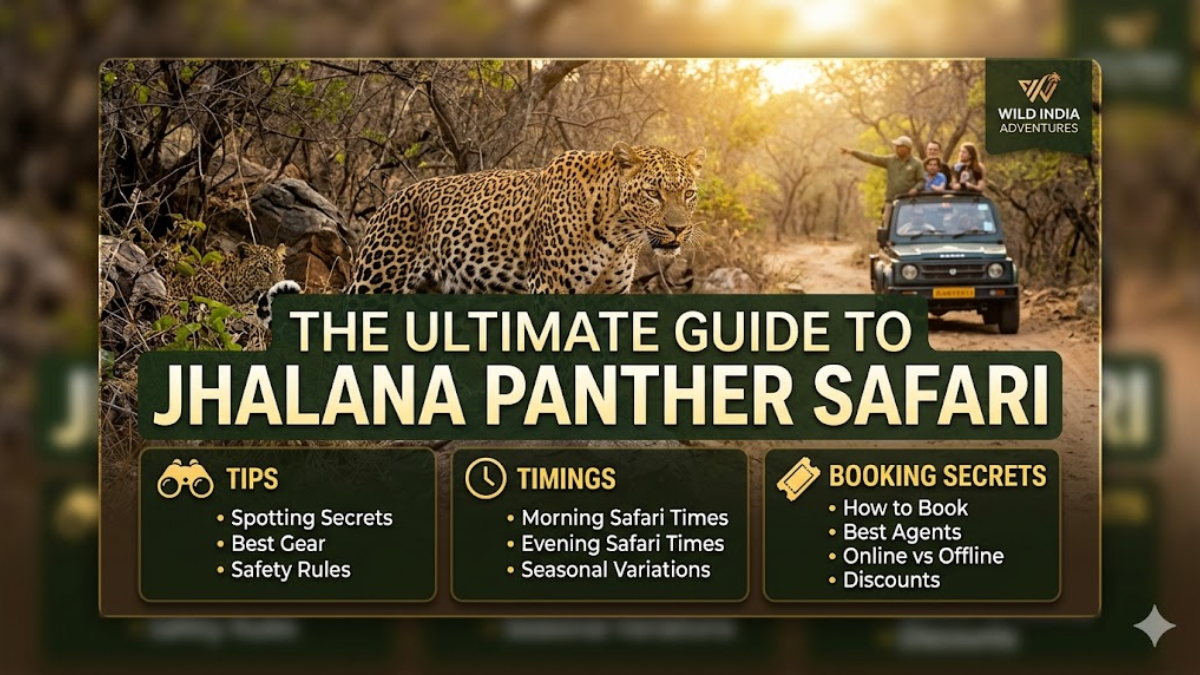
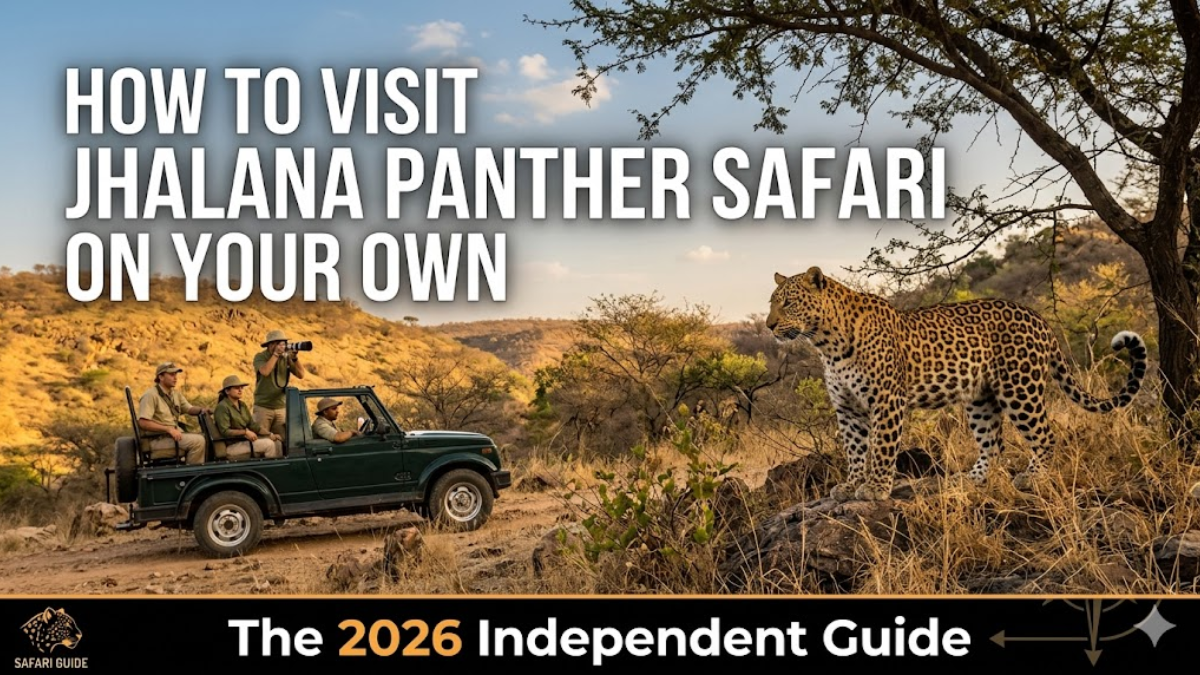
The right vehicle decides what you see, how comfortably you see it, and how good your photos look. In habitats like Jhalana (acacia-scrub, undulating hills, narrow tracks), vehicle height and side openness directly impact your eye-level composition with leopards and other wildlife. So, “Jaipur safari Gypsy or Bolero?” isn’t just a preference—it’s your field strategy.

Maila Bagh Safari Explained: Routes, Entry Gates, Ticketing & Best Time

The operational entry used by registered safari vehicles is via Vidyadhar Nagar (north/north-east Jaipur). Local coverage and operator pages consistently reference this approach for Maila Bagh–Beed Papad drives. Pin “Vidyadhar Nagar leopard safari entry” (near Bhuteshwar Mahadev / Papad Ke Hanumanji corridor) and then follow on-ground boards to the forest department check-post. Always buffer 20–25 minutes for paperwork/briefing.
Parking & reporting: Most operators ask you to report 30–40 minutes before your slot at the designated parking/assembly point, from where registered gypsies enter the safari in batches. Keep original ID handy.

Maila Bagh (Beed Papad) vs Jhalana vs Amagarh in 2025–26:

if you’re chasing freshest routes and fewer crowds, Maila Bagh/Beed Papad is the hot, new third zone. For the most established logistics and “safe bet” urban leopard viewing, Jhalana remains the classic. If you want rugged terrain, birding variety and seasonal drama in the Aravallis, Amagarh is a strong middle path. This guide compares them head-to-head—pros/cons, access, leopard density, track networks, approximate booking caps, timings, and best months—and ends with a decision flowchart and FAQs so you can book with confidence.
Maila Bagh (often called Beed Papad Safari) was officially launched around World Environment Day, June 5, 2025, adding a third leopard-watching venue in Jaipur alongside Jhalana and Amagarh. Early coverage cited about 19 leopards, two primary routes (Kishan Bagh side and New Biological Park–Audhi Ramsagar linkage), roughly 15 km² of motorable tracks, and ~10 registered vehicles for guided tours, with access via Vidyadhar Nagar.

Top 10 Insider Secrets for a Stellar Leopard Safari Experience

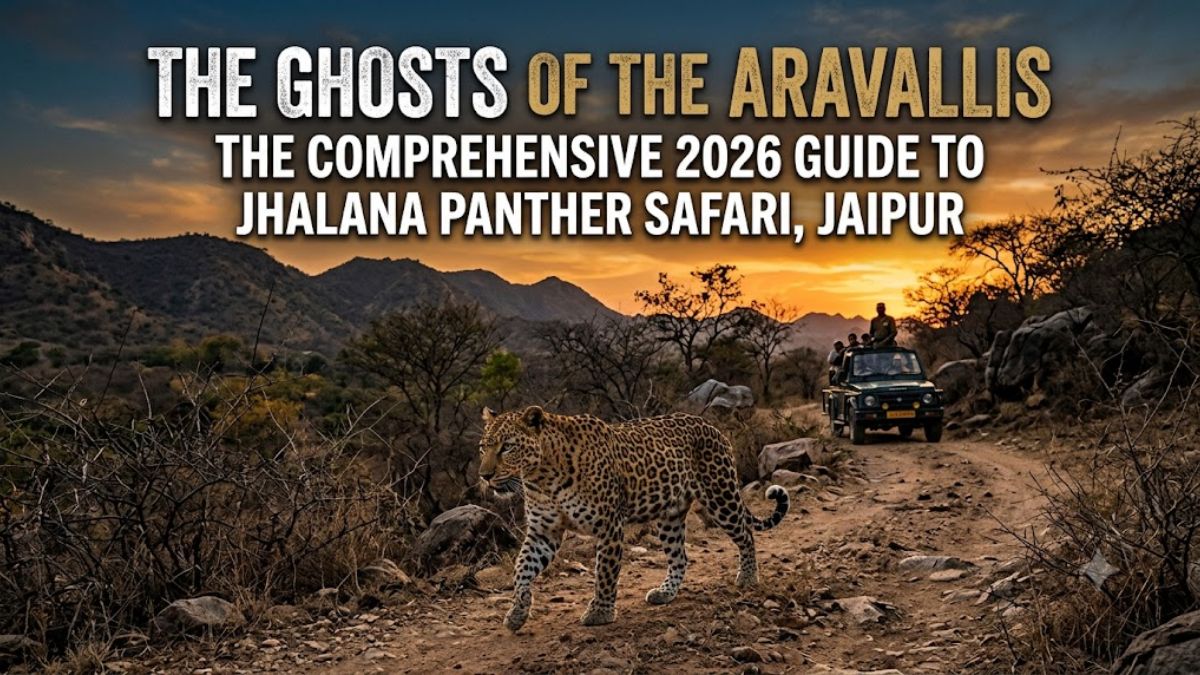
Leopards are the ghosts of the savannah and forest—present, watching, yet rarely seen on your schedule. While luck plays a role, seasoned guides know that a few quiet strategies dramatically improve the odds of a memorable encounter and the quality of your images. This guide distills those insider moves into 10 practical secrets you can use on your next safari—whether you’re in India’s rocky scrublands, Africa’s acacia savannahs, or the teak forests where leopards slink between sun and shade.
Promise of this guide: Not obvious clichés. You’ll get granular, field-useful tips about timing, vehicle etiquette, shot planning, gear setup, and ethical behavior that actually leads to calmer cats and better frames.
This month-by-month guide shows you what to expect in each window—weather, visibility, birdlife, track conditions, and how to tune your plan for families, photographers, or first-timers.

Seasonal Safari Spotlight: How Jhalana Transforms Month by Month

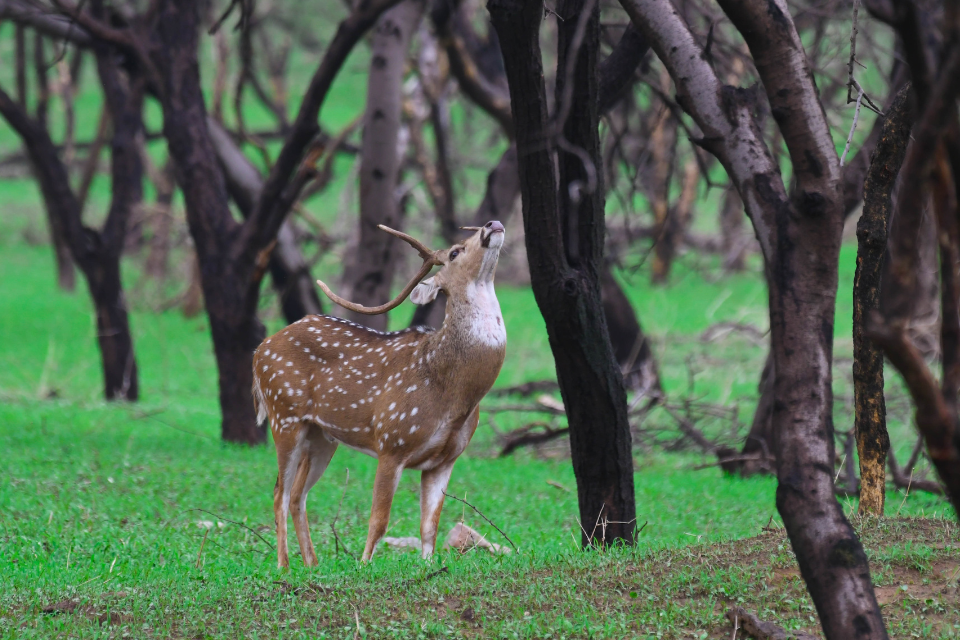
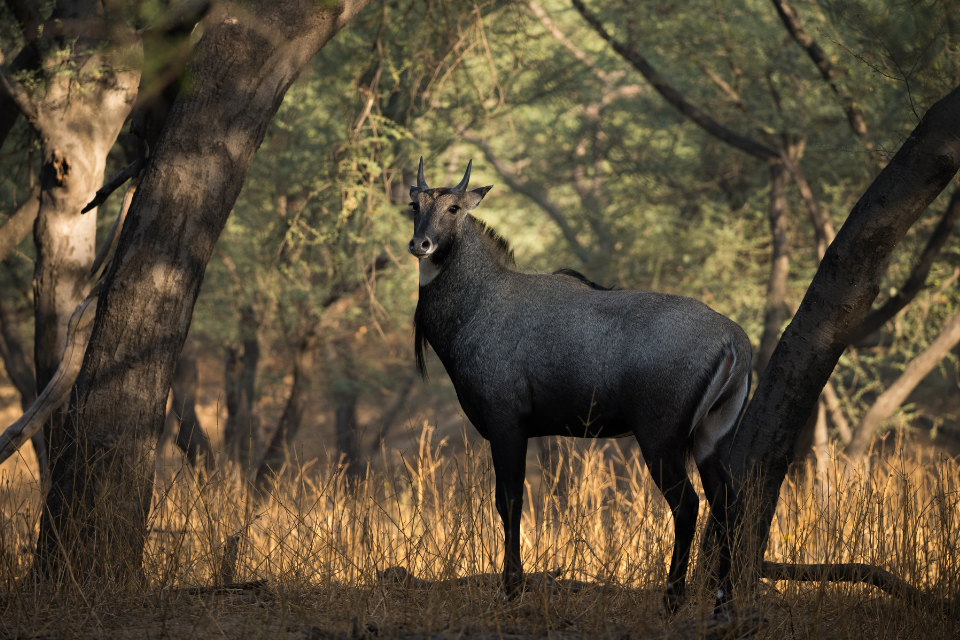
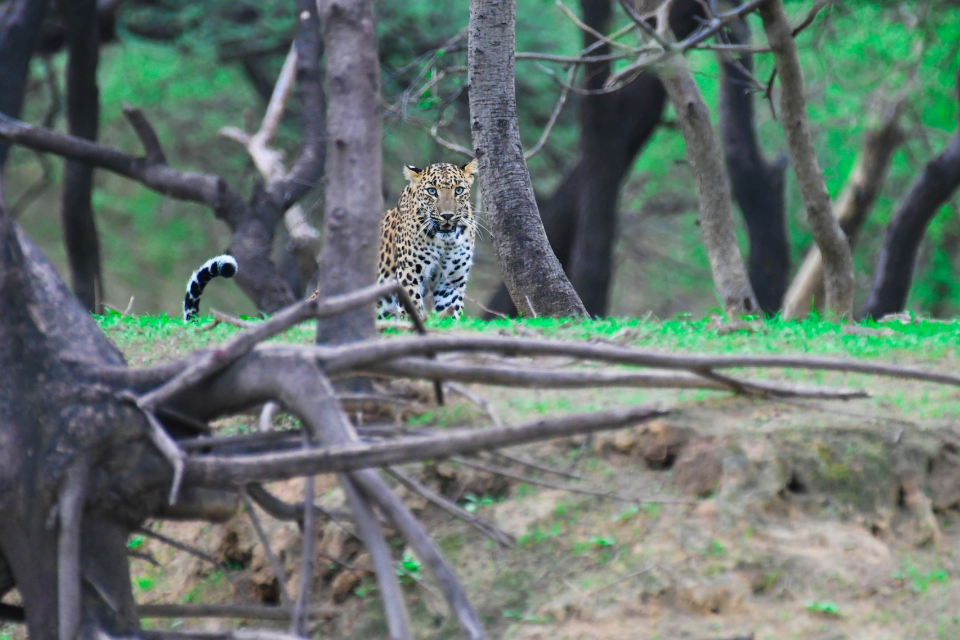
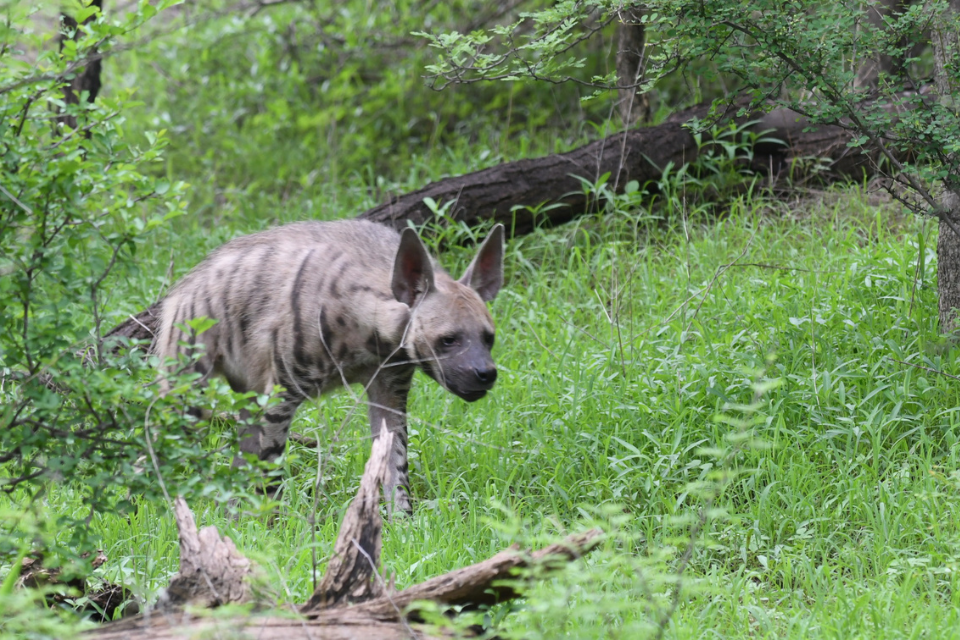
If you’ve ever dreamed of seeing leopards against a backdrop of Aravalli hills, Jhalana Leopard Safari is your kind of wild. Spread across scrub forests and rocky outcrops on Jaipur’s edge, this urban wilderness punches far above its size with surprisingly reliable leopard activity, rich birdlife, and a cast of supporting characters—hyenas, jackals, desert foxes, nilgai, and peacocks that seem to know exactly where the camera is. What makes Jhalana truly special, though, is how dramatically it changes month by month. One visit isn’t like the next: post-monsoon the forest glows green; winter pulls in migratory birds; summer bakes the landscape into tawny minimalism that’s perfect for big-cat photography.
This month-by-month guide shows you what to expect in each window—weather, visibility, birdlife, track conditions, and how to tune your plan for families, photographers, or first-timers.

Flora That Feeds the Forest: Jhalana’s Trees, Shrubs, and Medicinal Plants

Tucked inside Jaipur’s urban sprawl, Jhalana Leopard Reserve is known for big cats—but its quiet backbone is green. The dry-deciduous woodland and scrub of the Aravalli foothills hold hardy trees, thorny shrubs, and time-tested medicinal plants that literally feed the forest—by shading soil, seeding food webs, and buffering heat. Jhalana is a mosaic of stony hillsides, gullies, and flats that flush emerald in the monsoon, then bronze through a long dry spell. That shifting rhythm shapes what survives here: plants built for drought, heat, and hungry mouths.

Book Your Safari Now !

100% Confirmed Safari Booking if Booked 10 Days Prior*