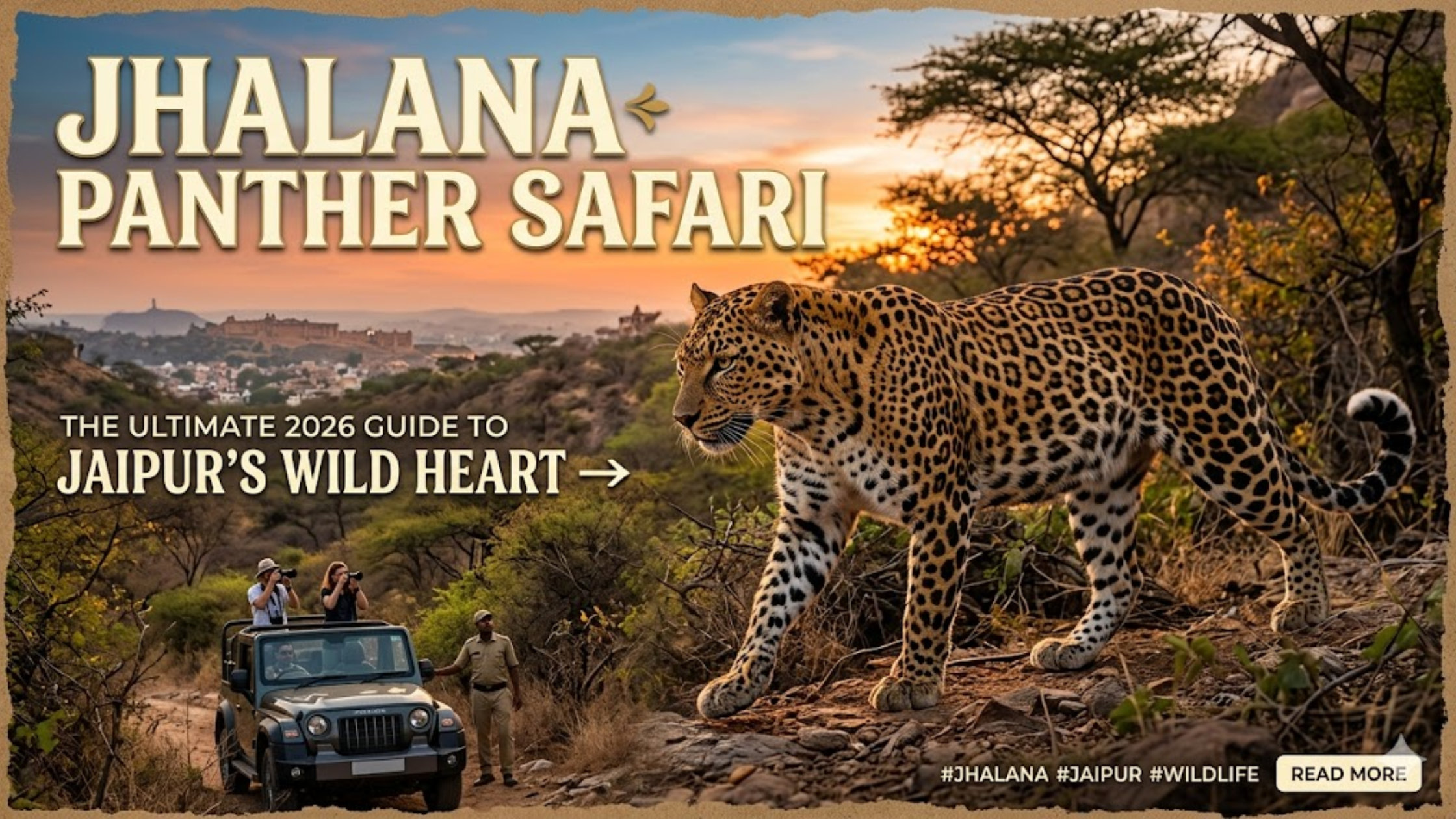
Jhalana Panther Safari: The Ultimate 2026 Guide to Jaipur’s Wild Heart
Jaipur, the “Pink City,” is world-renowned for its majestic forts and vibrant culture. However, in recent years, it has emerged as a global leader in urban wildlife conservation. Nestled within the city limits lies a sanctuary that challenges the boundary between urban sprawl and the raw wild. The Jhalanpantehr safari experience offers a rare glimpse into the lives of leopards (panthers) thriving in their natural habitat, just minutes away from luxury malls and international airports.
The 2026 Trending Wildlife Narrative
As of May 2026, Jhalana is no longer just a “local secret.” It has become a primary destination for travelers who seek high-probability sightings without the long travel times associated with larger national parks like Ranthambore.
Why It Is Trending Right Now:
-
Urban-Wild Coexistence: It is perhaps the only place on earth where you can photograph a wild leopard with the twinkling lights of a metropolitan city in the background.
-
The “Double Safari” Strategy: A popular trend in 2026 is booking the last evening slot followed immediately by the first night slot to witness the shift in predator behavior from basking to hunting.
-
Accessibility: Located only 15 minutes from Jaipur International Airport, it is the ultimate “quick escape” for domestic and international transit travelers.
Sighting Hotspots and Safari Zones
While Jhalana is a compact reserve of nearly 20 sq. km, it boasts one of the highest leopard densities in India, housing over 35–40 leopards. Unlike massive parks with distinct, far-flung zones, almost all routes here offer high sighting opportunities.
Key Landmarks for Sightings:
-
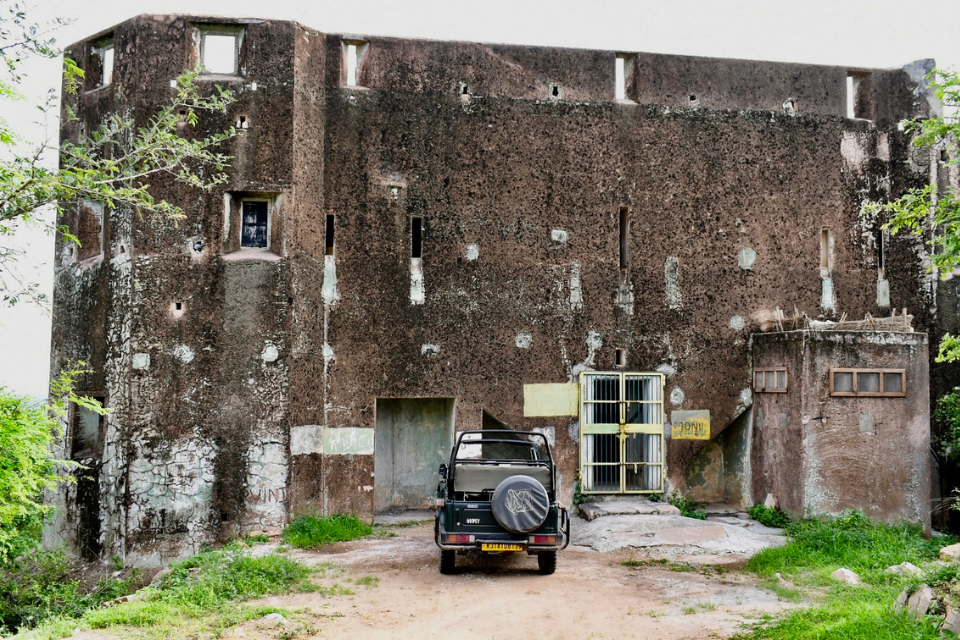
Shikaar Audi: A historic, three-storied royal hunting lodge that serves as a perfect vantage point for spotting animals near the water bodies.
-
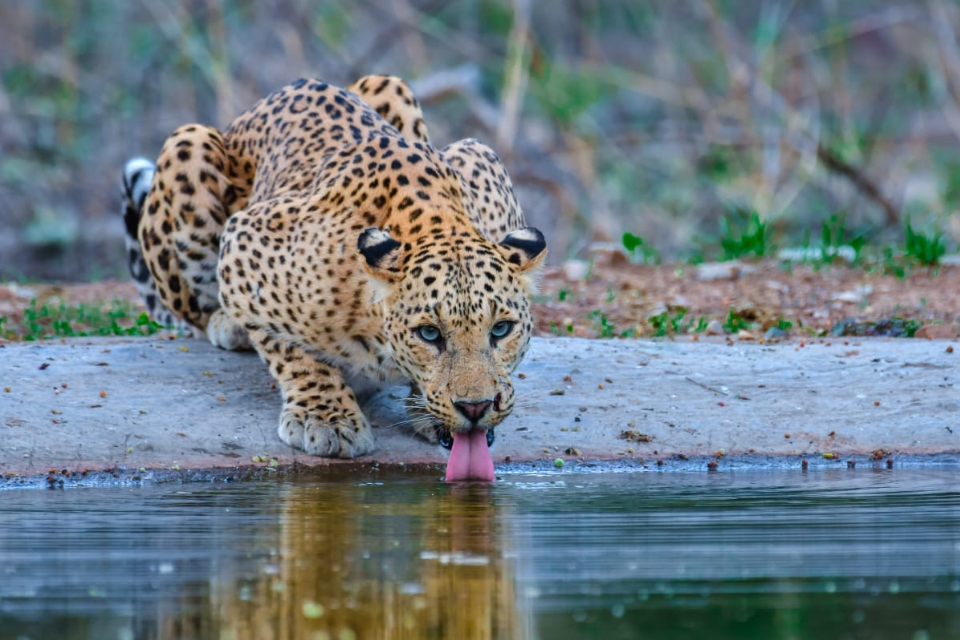
Mangarh & Jhalana Pond: During the blistering summer months (April to June), these watering holes become the epicenter of activity as leopards and other mammals must quench their thirst frequently.
-
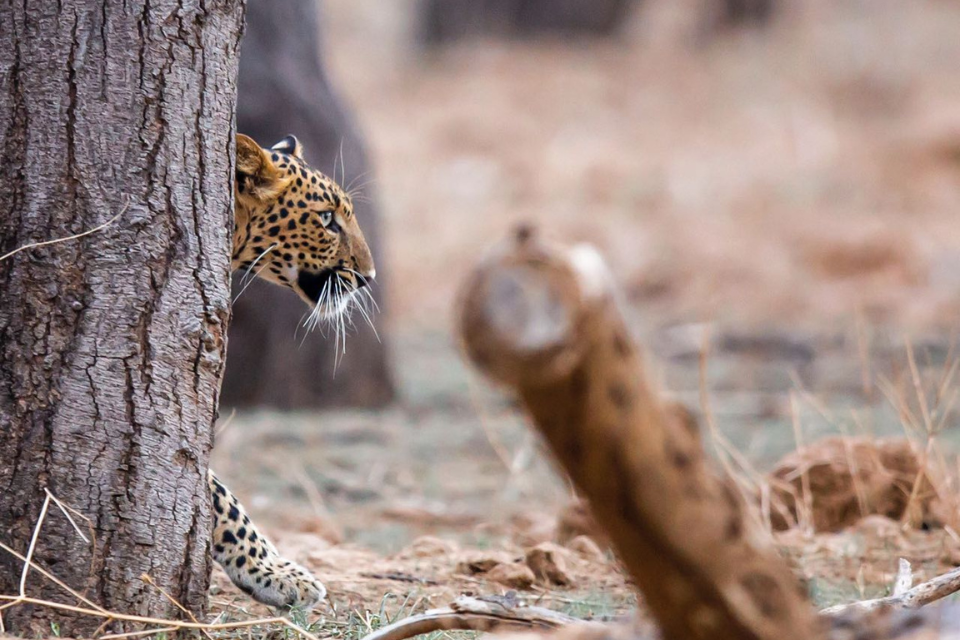
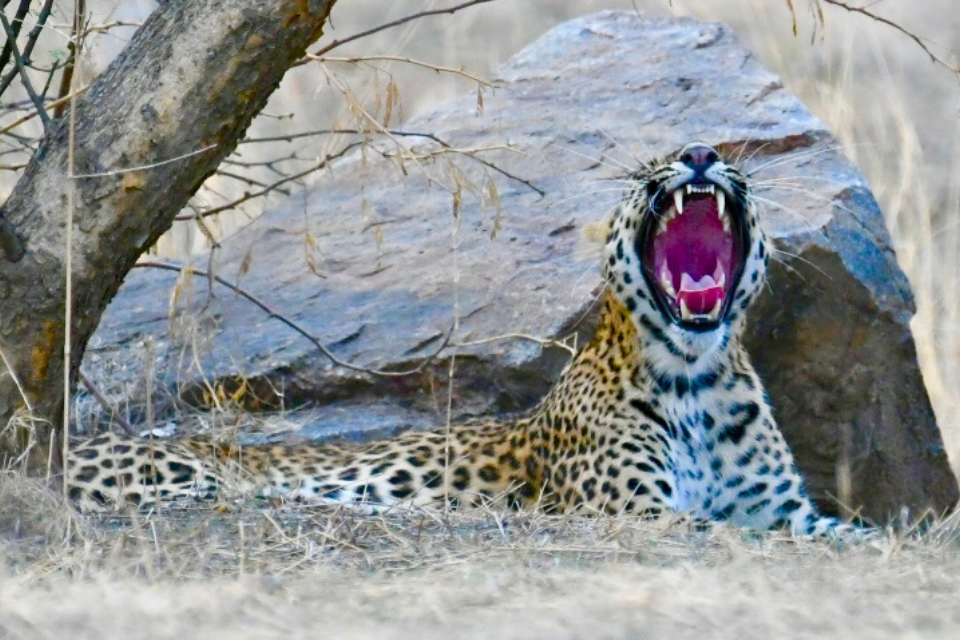
Aravalli Ridges: The rocky cliffs provide natural camouflage for leopards. Witnessing a cat navigate these boulders is a highlight of the Jaipur leopard safari experience.
The “Big 3” and Beyond: Fauna of Jhalana
While leopards are the undisputed stars, the ecosystem is teeming with diverse wildlife that comes alive across different shifts.
The Mammals
-
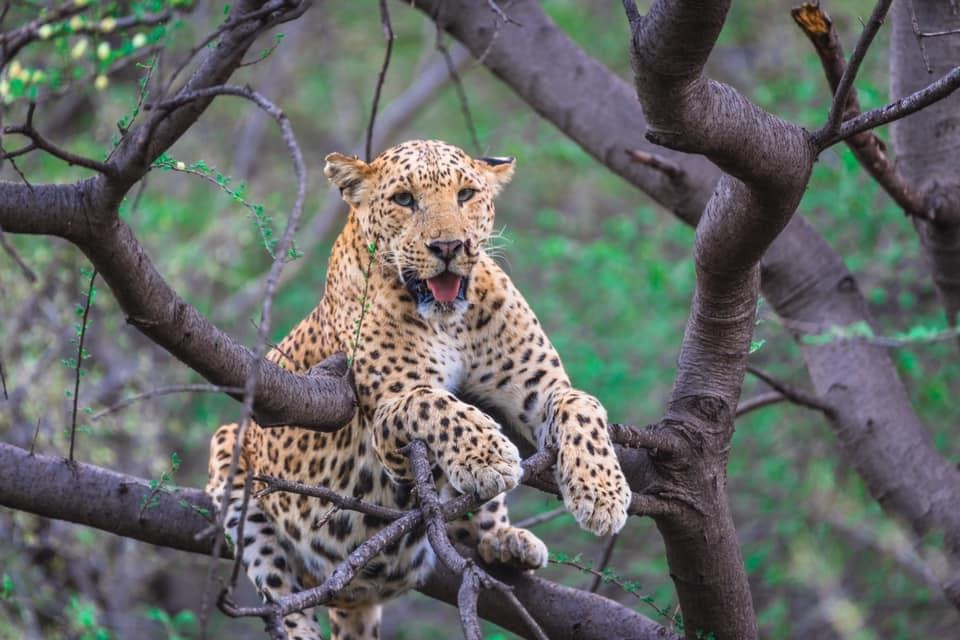
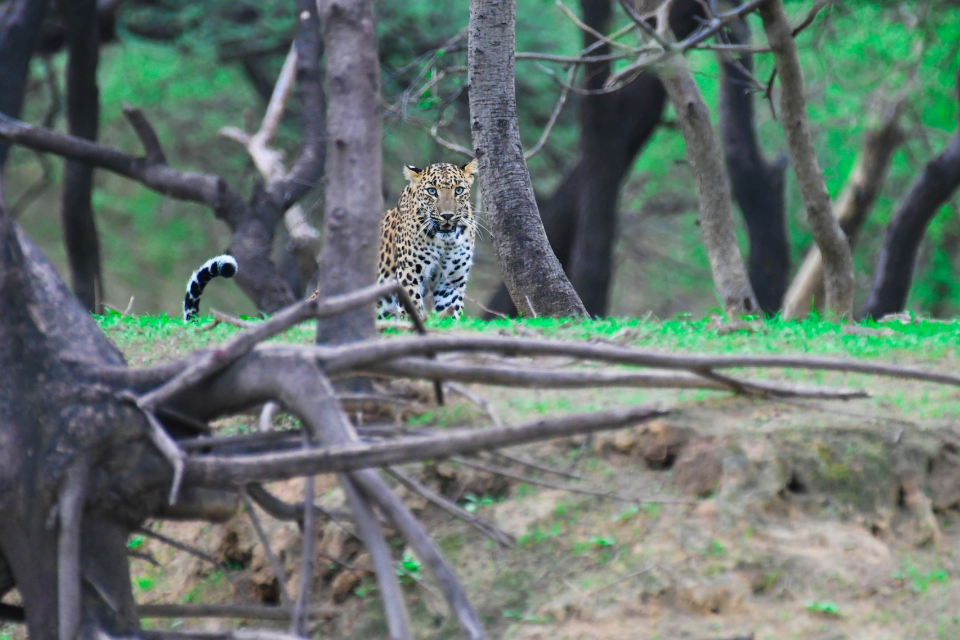
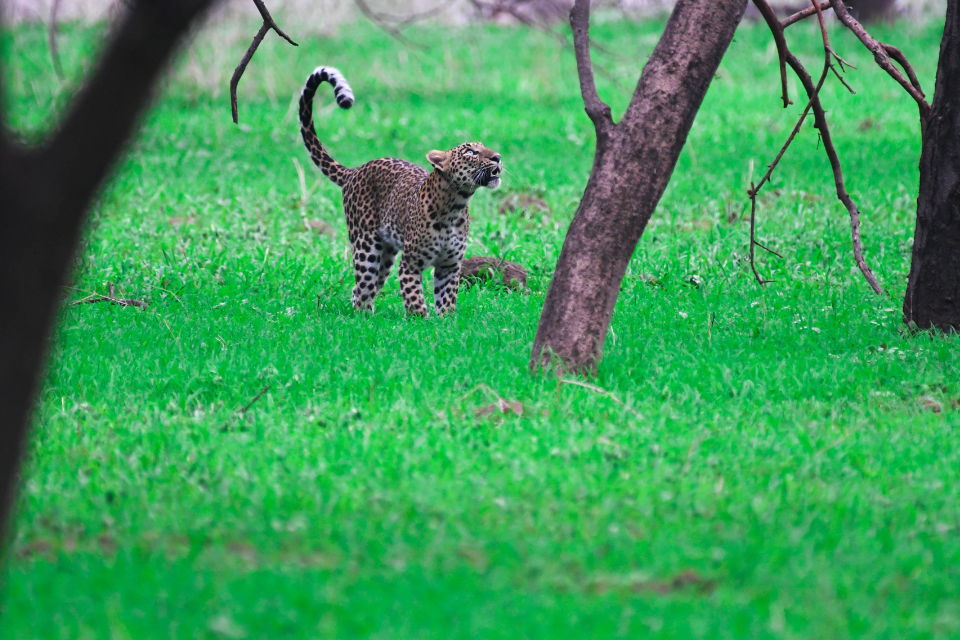
Leopards (Panthera pardus): The apex predator here. They are well-habituated to vehicles, leading to confident, long-duration sightings.
-
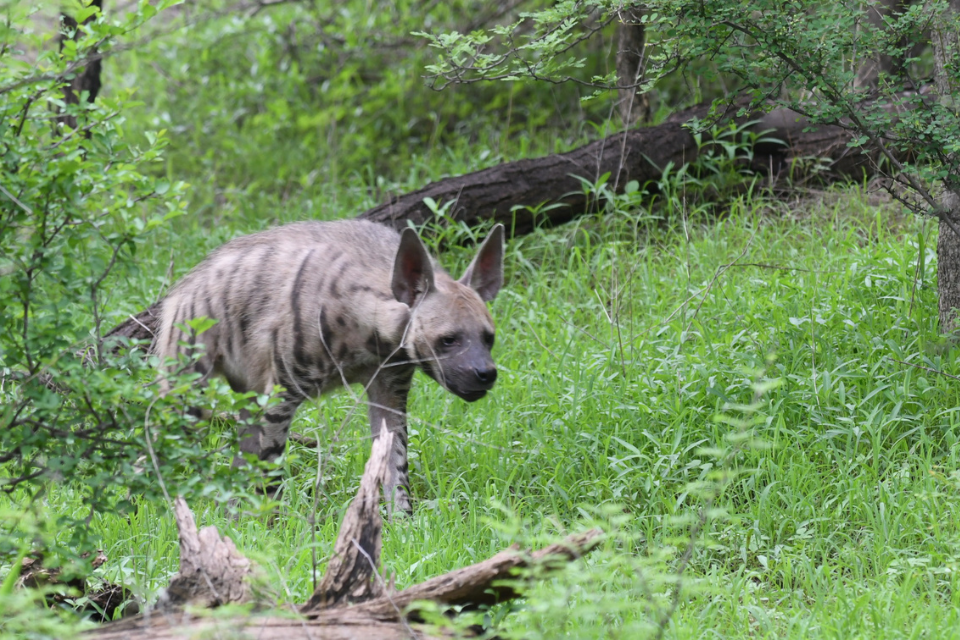
Striped Hyenas: Often spotted at dusk or during night safaris, these elusive scavengers are a major draw for 2026 visitors.
-
Desert Foxes & Golden Jackals: Frequently seen near the scrubby edges of the forest.
-
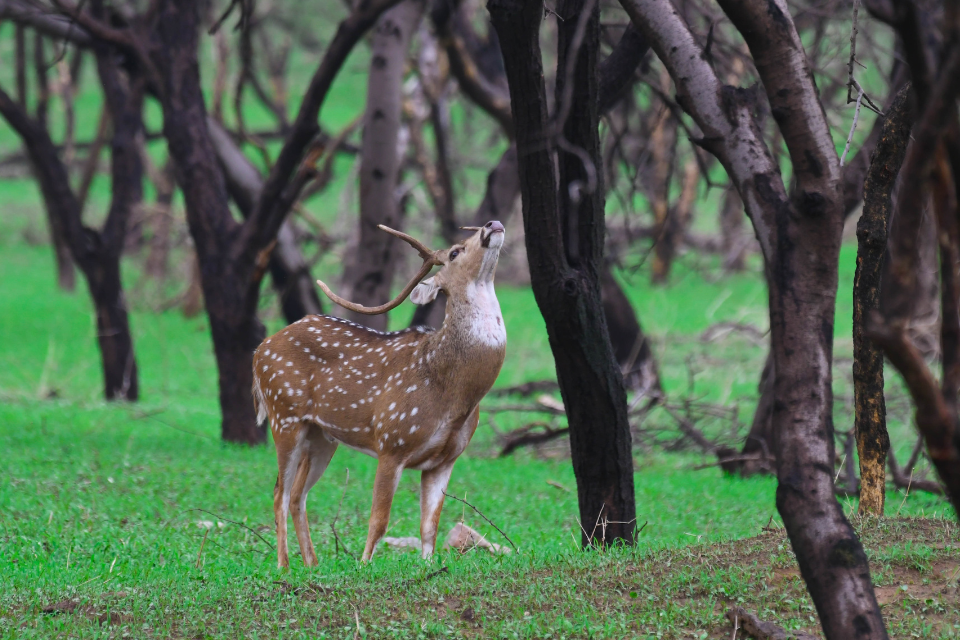
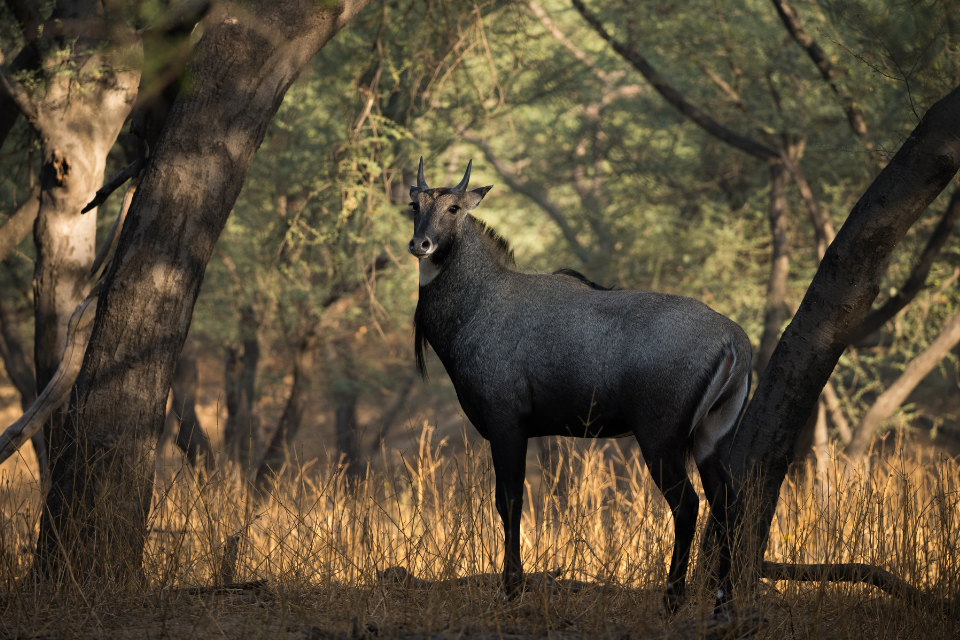
Prey Base: Large herds of Blue Bulls (Nilgai), Spotted Deer (Chital), and Sambar Deer maintain the ecological balance.
Avian Diversity
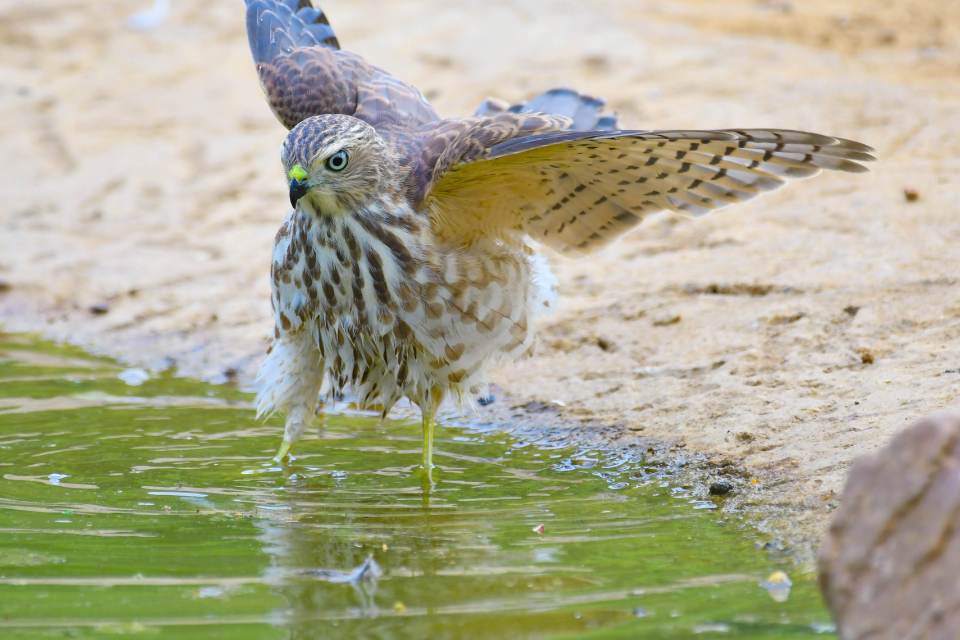
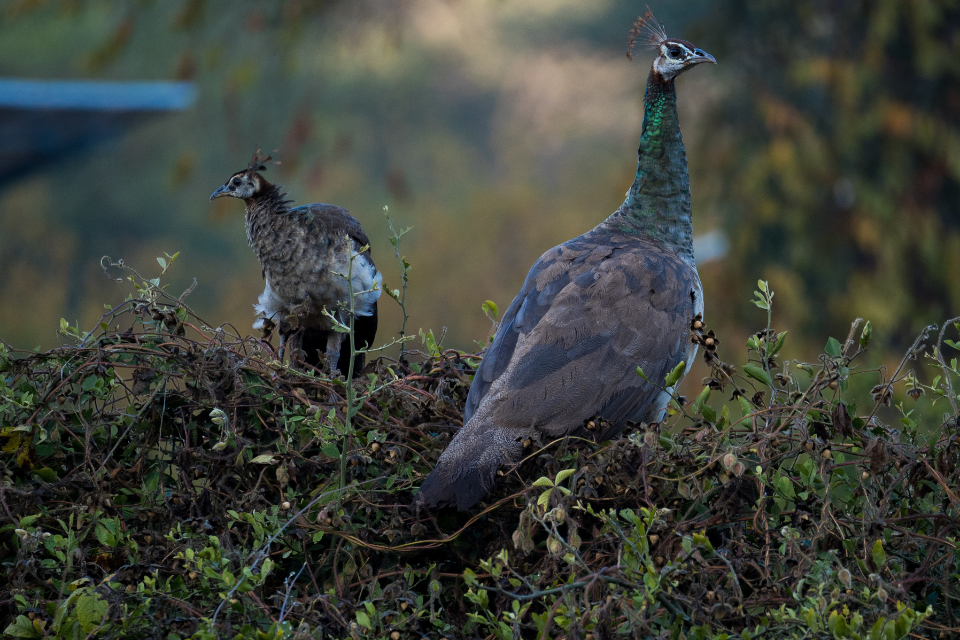
Jhalana is a birdwatcher’s paradise, hosting over 160 bird species. Look out for the Indian Pitta, Spotted Owlets, and various migratory birds that visit during the winter months.
Strategic Planning: Best Time to Visit
Jhalana is unique because it remains open year-round, unlike many other Indian reserves that close during the monsoon.
| Season | Months | Why Visit? |
| Winter | Oct – March | Pleasant weather, green landscapes post-monsoon, and ideal for sunbathing leopard sightings. |
| Summer | April – June | Severe heat (up to 45°C), but the best probability for sightings as animals congregate at water holes. |
| Monsoon | July – Sept | Lush green scenery. A raincoat is essential, but capturing a leopard against the dense green foliage is a lifetime experience. |
Photography Tips for 2026
With the rise of “silent tracking” via electric-capable gypsies and better low-light camera tech, photography in Jhalana has reached new heights.
-
Lens Choice: A versatile 70-200mm or 100-400mm lens is ideal. Because leopards often get quite close to the vehicles, massive prime lenses are not always necessary.
-
Golden Hour: The first hour of the morning and the last of the evening provide a magical glow on the panther’s coat.
-
Night Mode: For night safaris, use a camera with high ISO capabilities and “fast” lenses (f/2.8 or wider). Flash photography is strictly prohibited to protect the animals’ vision.
Eco-Etiquette and Rules
To maintain the delicate balance of this urban sanctuary, strict rules are enforced:
-
Silence is Golden: Keep voices to a whispered tone to avoid scaring away wildlife.
-
Stay Inside: Never exit the vehicle under any circumstances during the safari.
-
Sober Tones: Wear earthy colors like khaki, olive green, or brown to blend into the environment.
-
Plastic-Free Zone: Littering is strictly forbidden; Jhalana is a protected green lung of Jaipur.
Conclusion
The Jhalanpanteh Safari is a testament to what happens when a city decides to protect its wild inhabitants. It offers a sophisticated, accessible, and thrilling adventure for anyone visiting Rajasthan. Whether you are chasing the perfect photograph or simply seeking a quiet moment in nature, Jhalana delivers an experience that resonates long after the engine stops.
Frequently Asked Questions (FAQs)
Q1: How do I book a safari at Jhalana?
You can book your permits through the official Rajasthan Forest Department portal or verified local travel partners. It is highly recommended to book 30-45 days in advance, especially for weekends.
Q2: Is a night safari in Jhalana worth it?
Yes. It offers a completely different perspective of the forest, focusing on hunting behaviors and nocturnal mammals like hyenas and civets.
Q3: What is the cost of the Jhalana Panther Safari?
In 2026, prices generally range around INR 1350 per Indian passenger and INR 2750 for foreign nationals, though full gypsy bookings are also available for a more private experience.
Q4: How long does a typical safari session last?
A standard session, whether morning, evening, or night, lasts approximately 2.5 to 3 hours.
Q5: Can I see leopards in the monsoon?
Yes, Jhalana is one of the few reserves in India that remains open during the monsoon season (July to September), offering a unique lush-green backdrop for sightings.