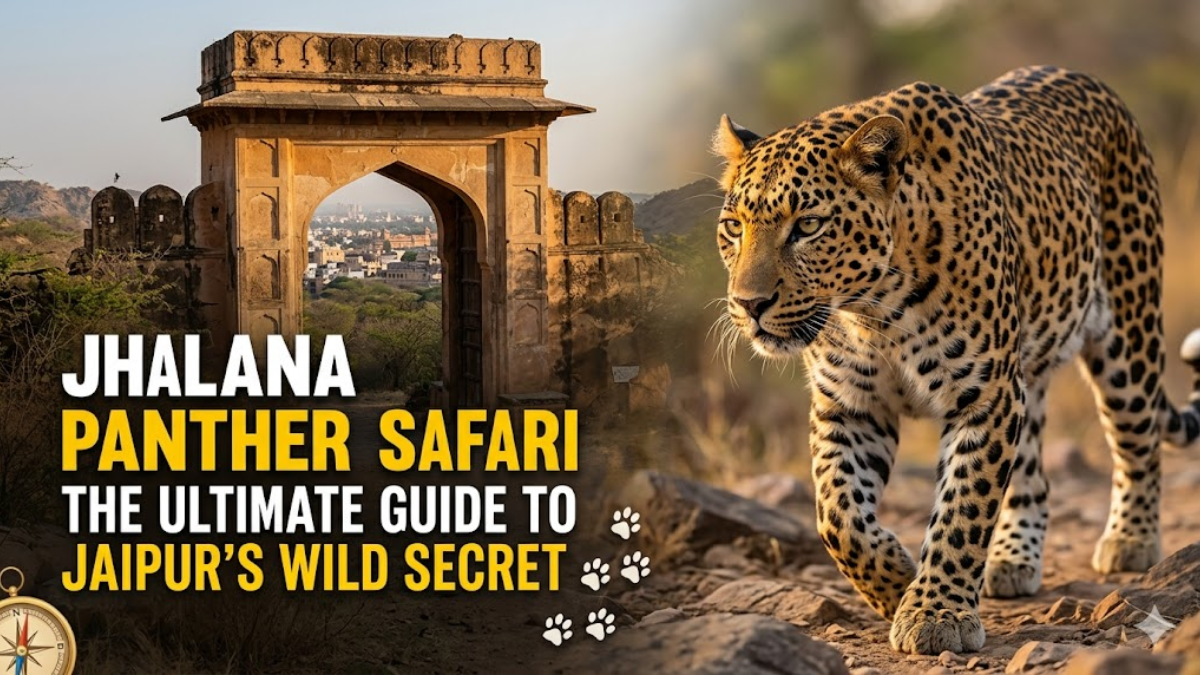
Jhalana Panther Safari: The Ultimate Guide to Jaipur’s Wild Secret
Jaipur is world-famous for its majestic forts, royal palaces, and vibrant markets. But hidden amidst the urban sprawl lies a silent, golden-eyed predator that has made the city its home. The Jhalana Panther Safari is not just a wildlife tour; it is a rare phenomenon where nature and civilization coexist in a way seen nowhere else on the planet.
Once a royal hunting reserve, Jhalana is now India’s first dedicated leopard reserve. If you are a wildlife enthusiast, a photographer, or someone seeking an adrenaline rush, this is the place where the “Prince of the Jungle” reigns supreme.
The Transformation: From Hunting Grounds to Leopard Haven
Spanning over 20 square kilometers, Jhalana is a relatively small forest area compared to Ranthambore or Sariska. However, what it lacks in size, it more than makes up for in density.
Historically, these hills were the private hunting grounds of the Maharajas of Jaipur. For decades, the forest was neglected until the Rajasthan Forest Department recognized its potential. In 2017, it was officially opened as a leopard reserve. Today, it is home to approximately 35-40 leopards, making the leopard-to-area ratio one of the highest in the world.
Why is Jhalana Unique?
Most wildlife sanctuaries require hours of driving and a bit of luck to spot a big cat. Jhalana is different for three main reasons:
-
Urban Proximity: It is located right in the heart of Jaipur city. You can literally finish your breakfast at a luxury hotel and be inside the jungle watching a leopard within 15 minutes.
-
High Sighting Probability: Because the area is compact, the chances of spotting a leopard are significantly higher than in larger national parks.
-
The Landscape: The terrain is a mix of deciduous forest, narrow valleys, and steep hills of the Aravalli range, providing a dramatic backdrop for wildlife photography.
The Stars of the Show: Wildlife at Jhalana
While the leopard (Panthera pardus) is the undisputed king here, the ecosystem supports a rich variety of flora and fauna.
The Leopards
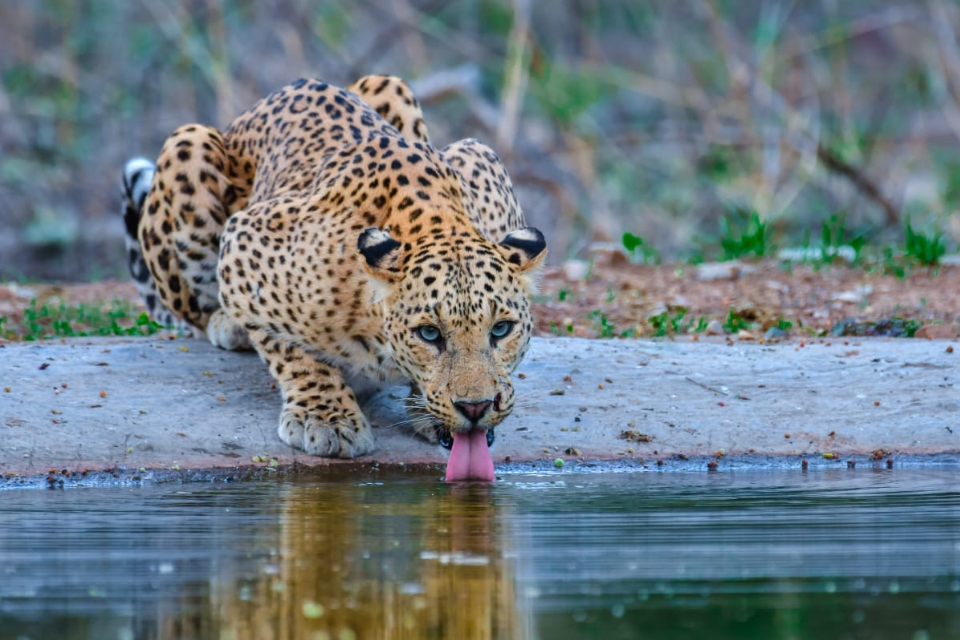
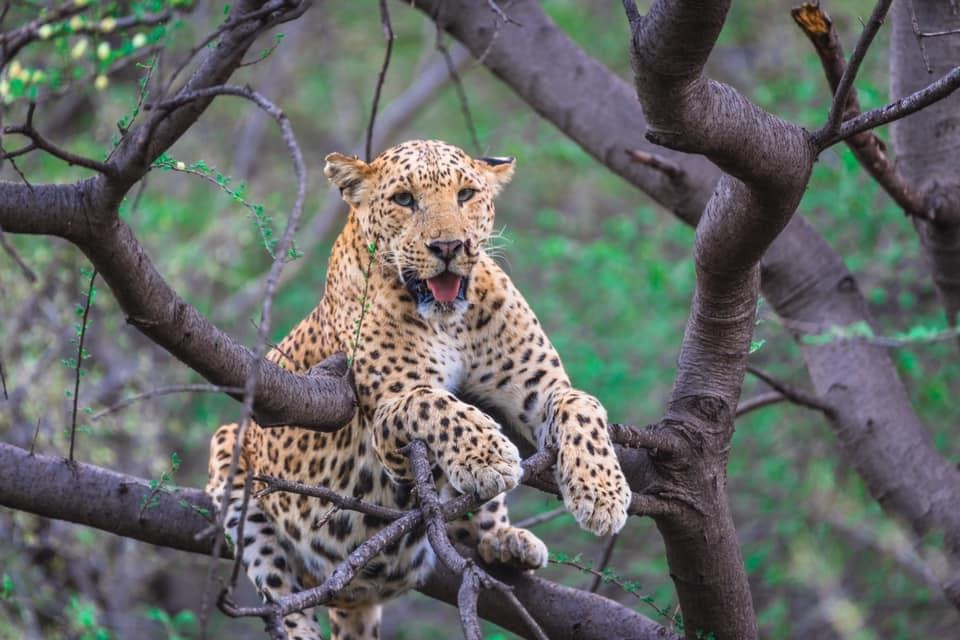
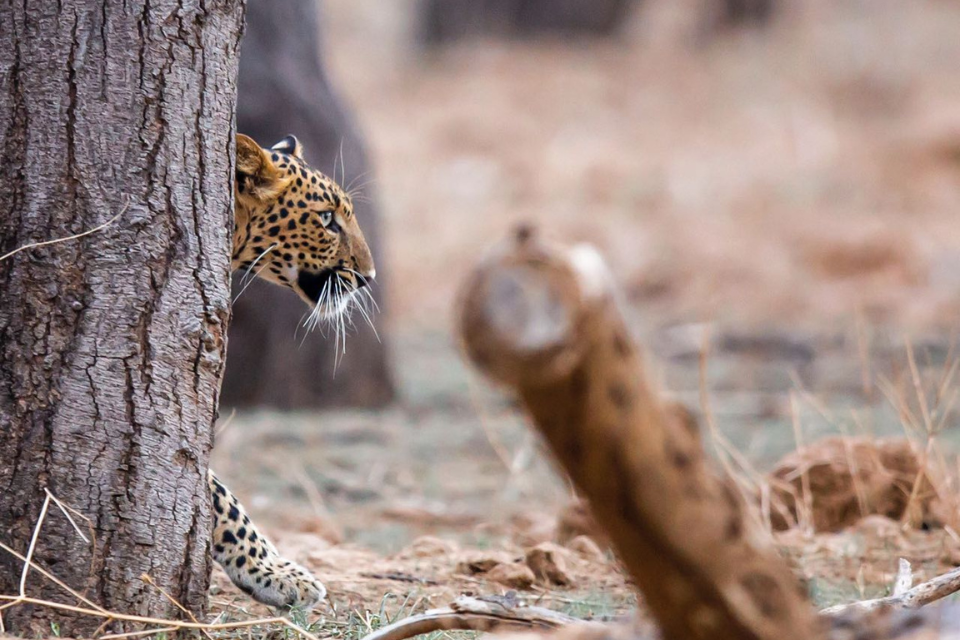
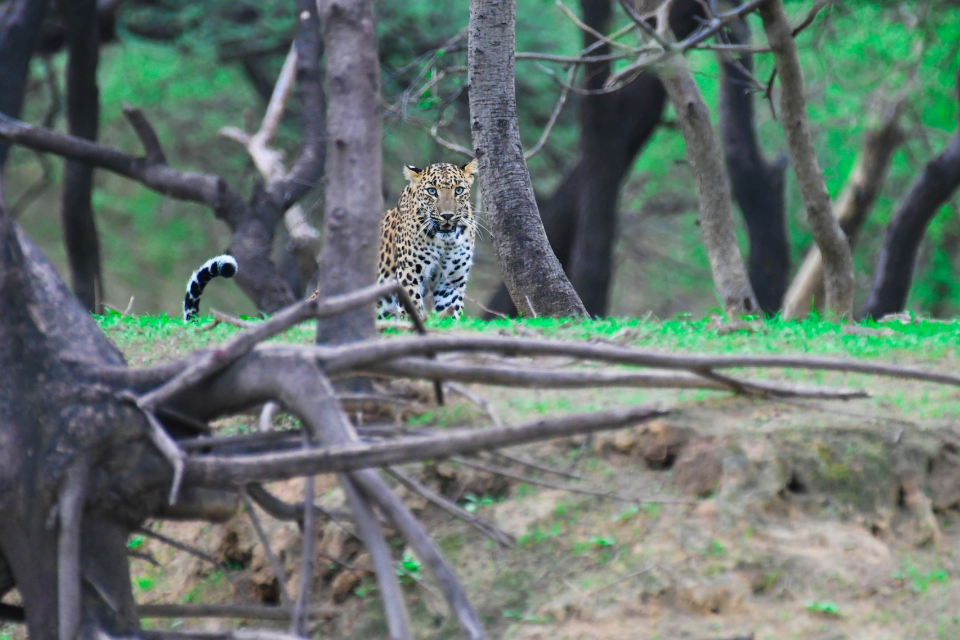
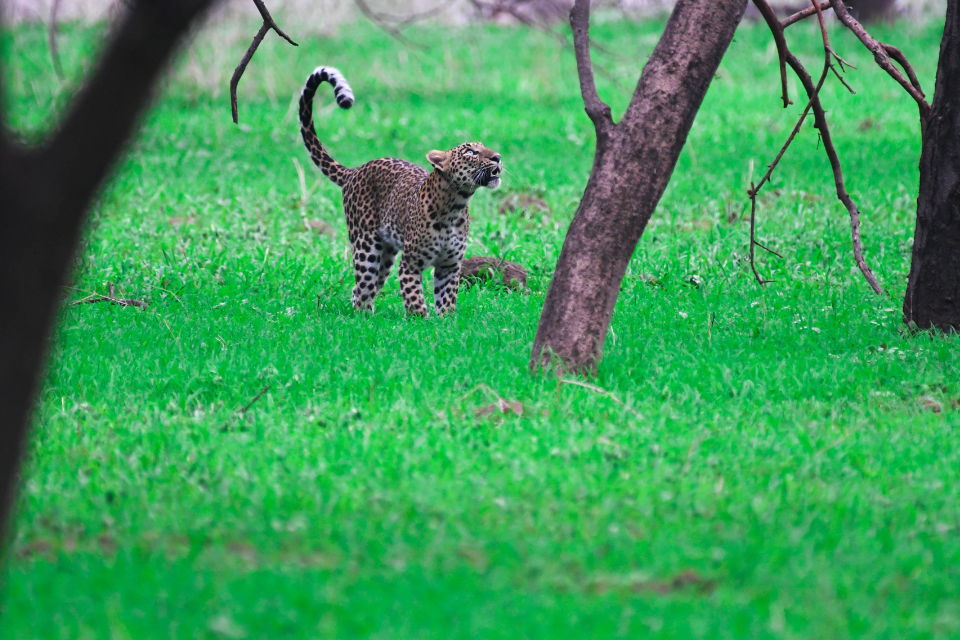
The leopards of Jhalana are famously “bold.” Unlike their cousins in other forests who are shy and elusive, Jhalana’s leopards are accustomed to the sound of safari jeeps. Names like Flora, Juliet, and Rana have become legendary among local guides and frequent visitors.
Other Inhabitants
-
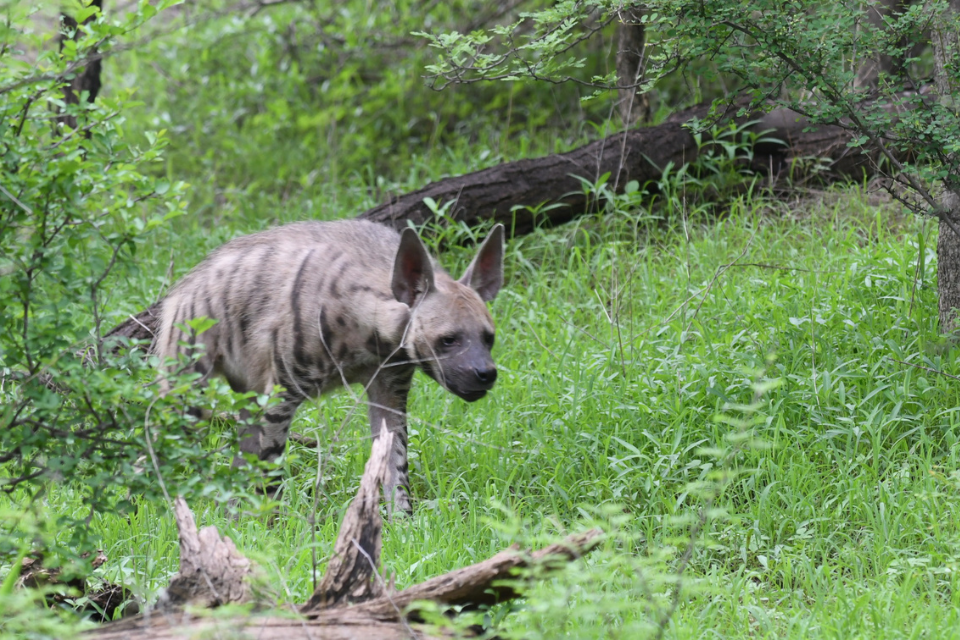
Striped Hyena: Often spotted near the water holes, especially during the evening safaris.
-
Desert Fox & Golden Jackal: Seen darting through the dry scrub.
-
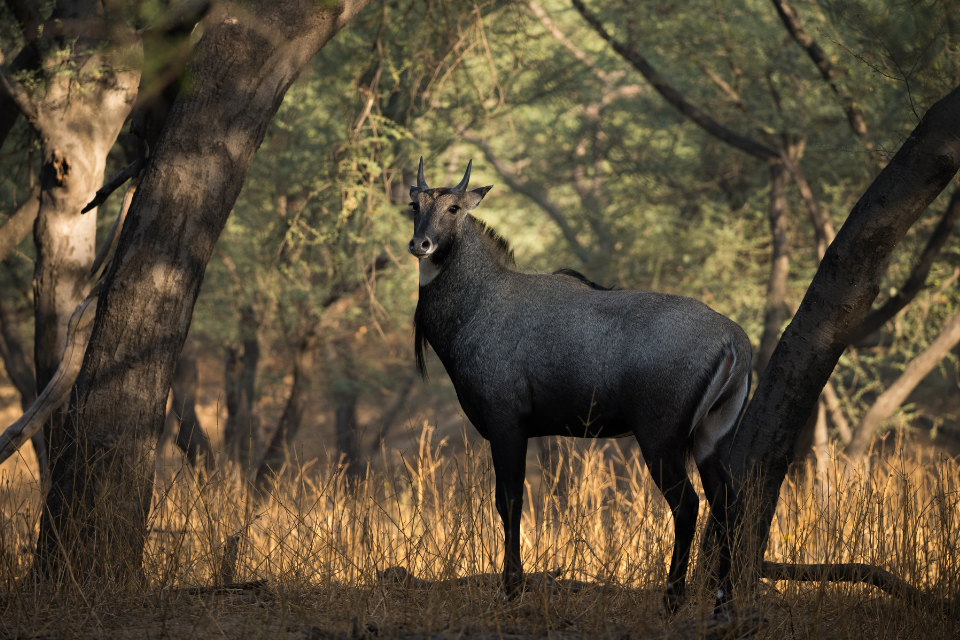
Blue Bull (Nilgai): The largest Asian antelope, often found grazing in the open plains.
-
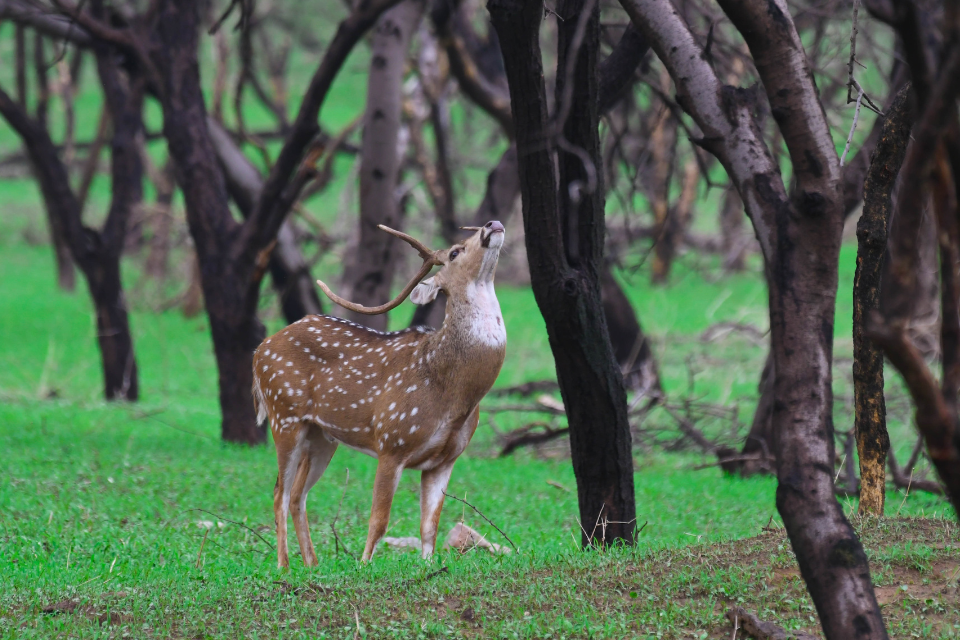
Spotted Deer (Chital): The primary prey for the leopards.
A Birdwatcher’s Paradise
With over 100 species of birds, Jhalana is a treat for ornithologists. You can spot:
-
Indian Pitta
-
Spotted Owlet
-
Indian Eagle-Owl
-
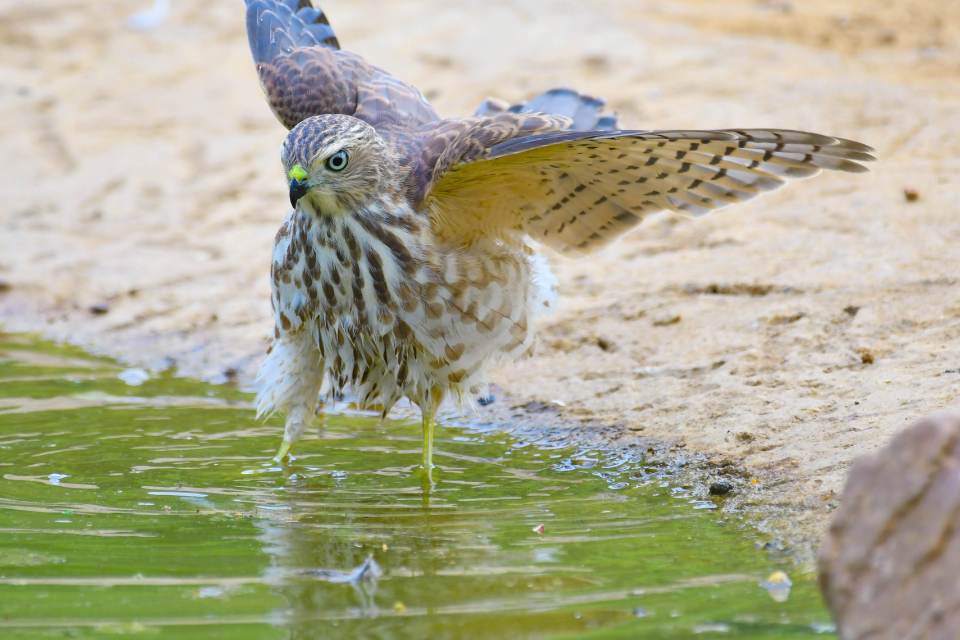
Various species of Vultures and Falcons.
Planning Your Safari: Timings and Seasons
The forest changes its colors with the seasons, and each month offers a different experience.
Safari Timings
Safaris are conducted in two shifts—Morning and Evening. The timings vary slightly depending on sunrise and sunset.
-
Morning Shift: 6:45 AM to 9:30 AM (approx.)
-
Evening Shift: 3:30 PM to 6:15 PM (approx.)
Best Time to Visit
-
Summer (April to June): This is the best time for sightings. As water sources dry up, leopards frequently visit the man-made water holes. However, be prepared for temperatures reaching 45°C.
-
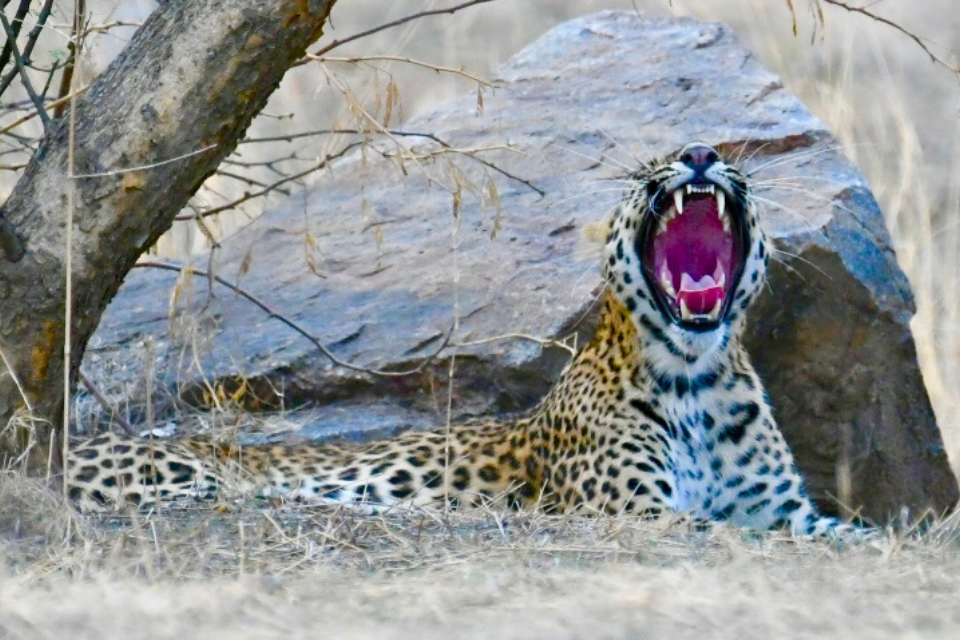
Winter (November to February): The weather is pleasant. Leopards are often seen basking on the rocks under the morning sun.
-
Monsoon (July to September): Unlike other parks, Jhalana often remains open (depending on weather), but sightings can be tricky due to dense foliage.
Booking and Logistics
To experience the Jhalana Panther Safari, planning in advance is crucial as the number of vehicles allowed inside is strictly limited.
-
Mode of Transport: Open 6-seater Jeeps (Gypsys).
-
Booking Process: You can book through the official Rajasthan Forest Department website or via authorized tour operators.
-
Permit Requirements: You need a valid ID proof (Aadhar Card, Passport, or Voter ID) for booking.
-
Zone System: The park is divided into zones. While Zone 1 is the most popular, leopards are frequently spotted across all routes.
Top Tips for a Successful Safari
-
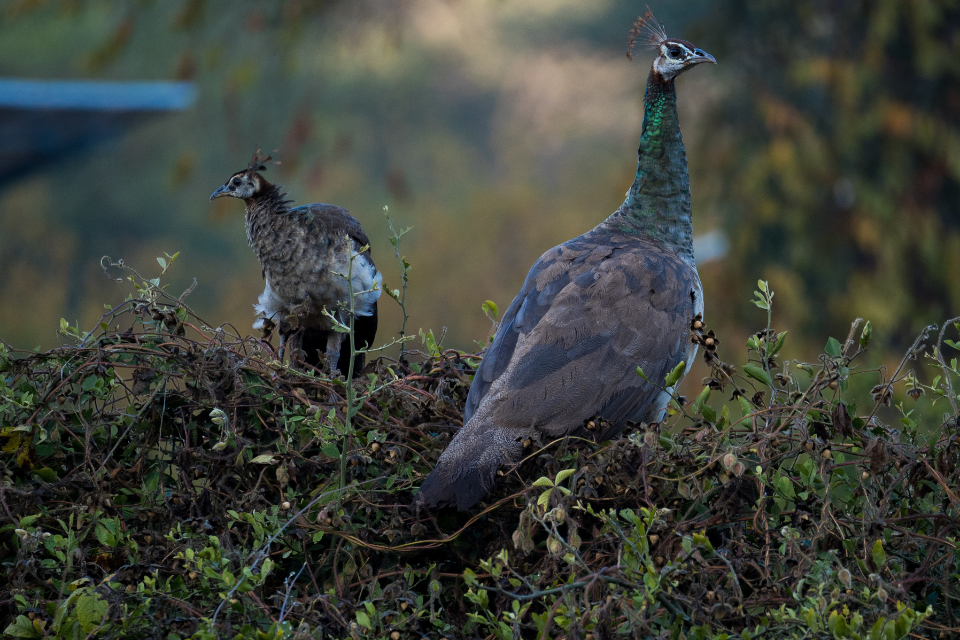
Silence is Golden: Leopards have incredible hearing. Even though they are used to jeeps, loud talking can make them retreat into the thickets.
-
Color Palette: Wear neutral colors—khaki, olive green, or brown. Avoid bright colors like red or neon, which can distract the animals.
-
Hire a Specialist Guide: A good guide knows the “alarm calls” of deer and peacocks, which are the best indicators of a leopard’s movement.
-
Patience: Sometimes you might wait at a water hole for an hour without seeing anything, and then suddenly, a leopard appears. Patience is the key to wildlife viewing.
Photography at Jhalana
If you are a photographer, Jhalana is a goldmine.
-
Lens Choice: A 70-200mm or 100-400mm lens is ideal. Since leopards often come quite close to the jeep, you don’t always need a massive prime lens.
-
Low Light: Evening safaris often end in low light. Ensure your camera handles high ISO well.
-
Angle: Try to get eye-level shots if the leopard is on a rock. It creates a much more powerful image.
Conservation and Future
Jhalana is a success story of urban wildlife conservation. The “Project Leopard” initiative by the Rajasthan government has helped in reducing man-animal conflict. The perimeter is fenced to ensure the animals don’t wander into the residential colonies of Jaipur, while the prey base is constantly monitored to ensure the health of the leopard population.
Frequently Asked Questions (FAQs)
Q1. Is Jhalana safe?
Yes, it is perfectly safe. You are always inside a protected jeep with an experienced driver and guide. It is strictly forbidden to step out of the vehicle inside the forest.
Q2. Can I take my own car inside?
No, private vehicles are not allowed. Only registered safari jeeps can enter the reserve.
Q3. How far is Jhalana from Jaipur Airport?
It is incredibly close—barely 6-7 kilometers away. It’s one of the few places where you can land and be on a safari within 30 minutes.
Q4. Are there restrooms inside the park?
There are basic facilities at the entry gate, but none once you enter the core forest area. Plan accordingly.
Q5. Is it suitable for children?
Absolutely. It is a great educational experience for kids to learn about nature and conservation.
Suggested 2-Day Adventure Itinerary
| Day | Morning | Afternoon | Evening |
| Day 1 | Arrival in Jaipur & Hotel Check-in | Visit Albert Hall Museum | Evening Jhalana Safari |
| Day 2 | Morning Jhalana Safari | Lunch & Relax | Visit Galta Ji (Monkey Temple) |
Conclusion: The Soul of the Aravallis
Jhalana is a reminder that even in our concrete jungles, wild hearts still beat. It is a place of shadows and spots, of silent prowls and sudden roars. Whether you see a leopard on your first trip or your fifth, the magic of seeing those glowing eyes in the dark never fades.
So, the next time you are in Jaipur, look beyond the palaces. Head to Jhalana, and let the wilderness surprise you.