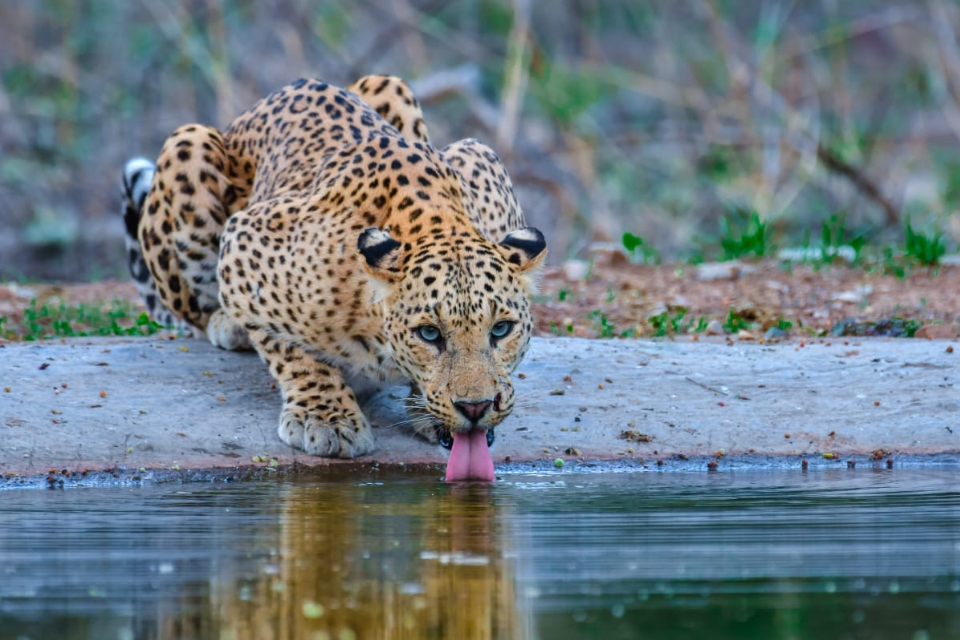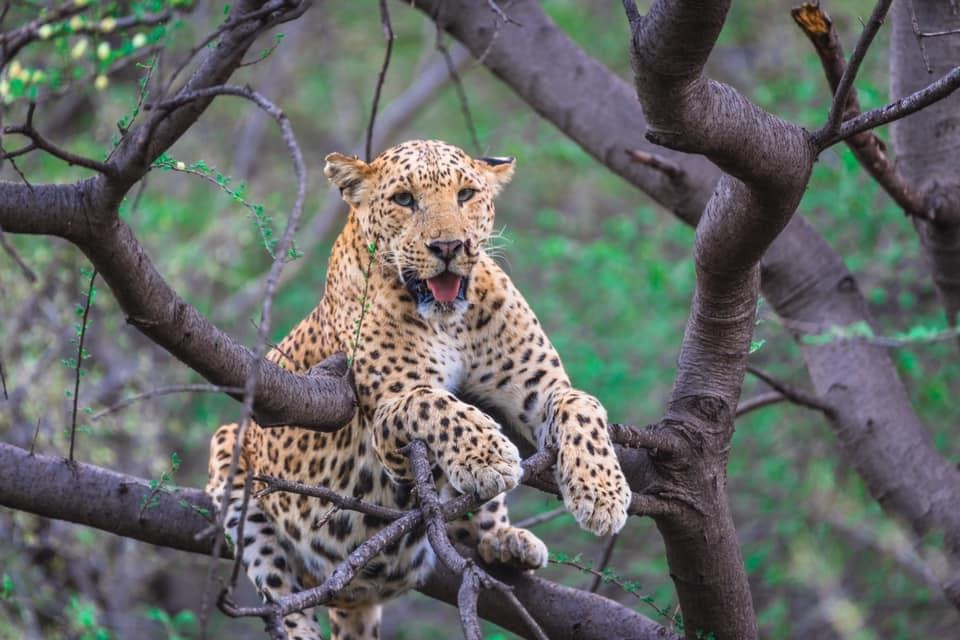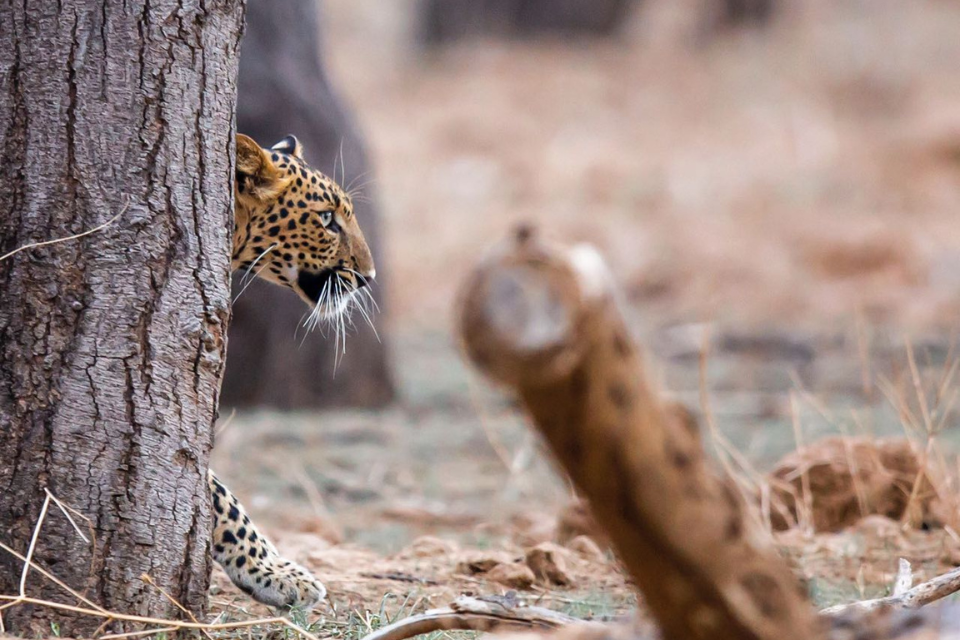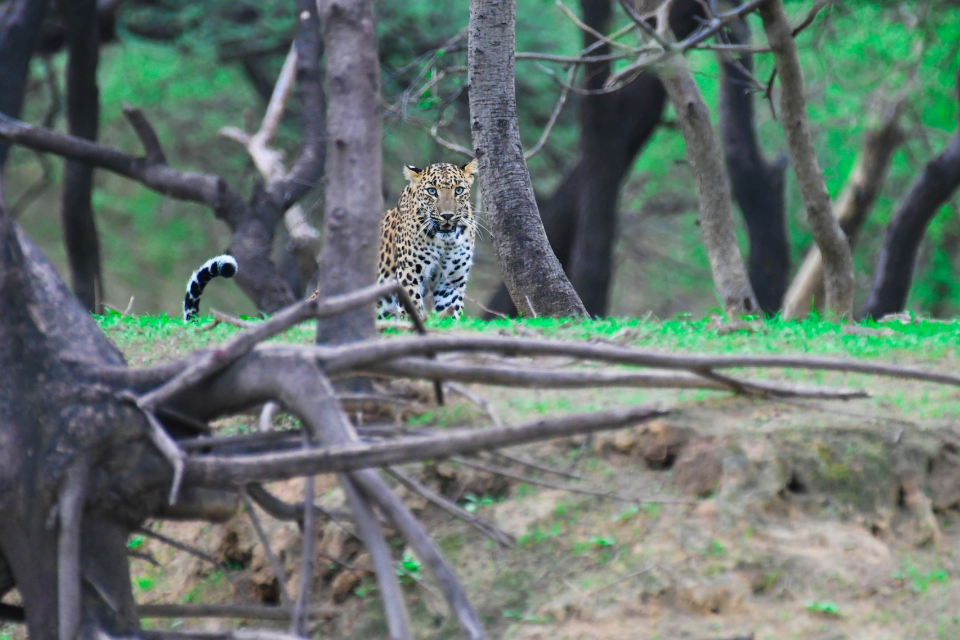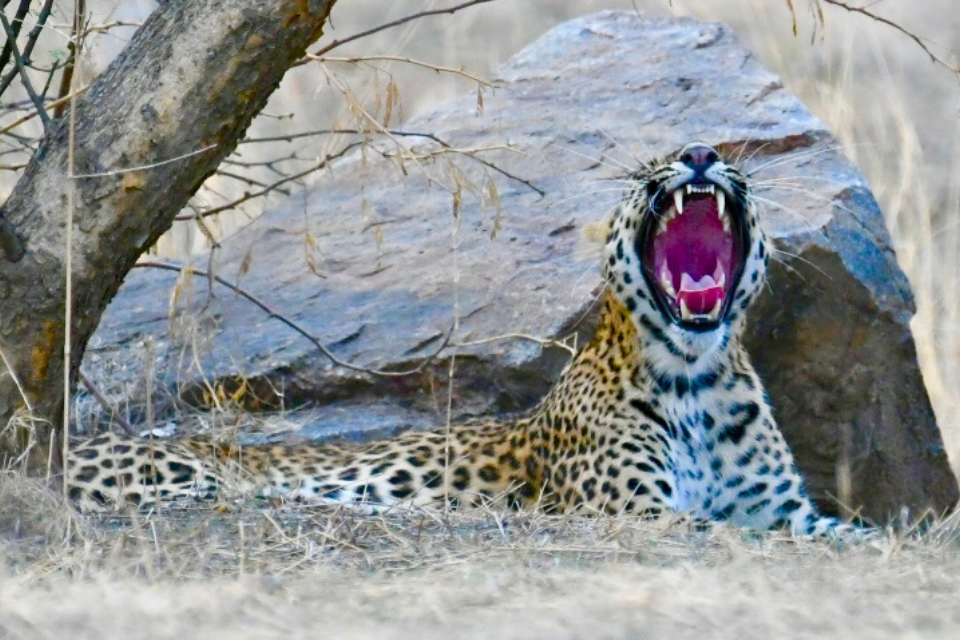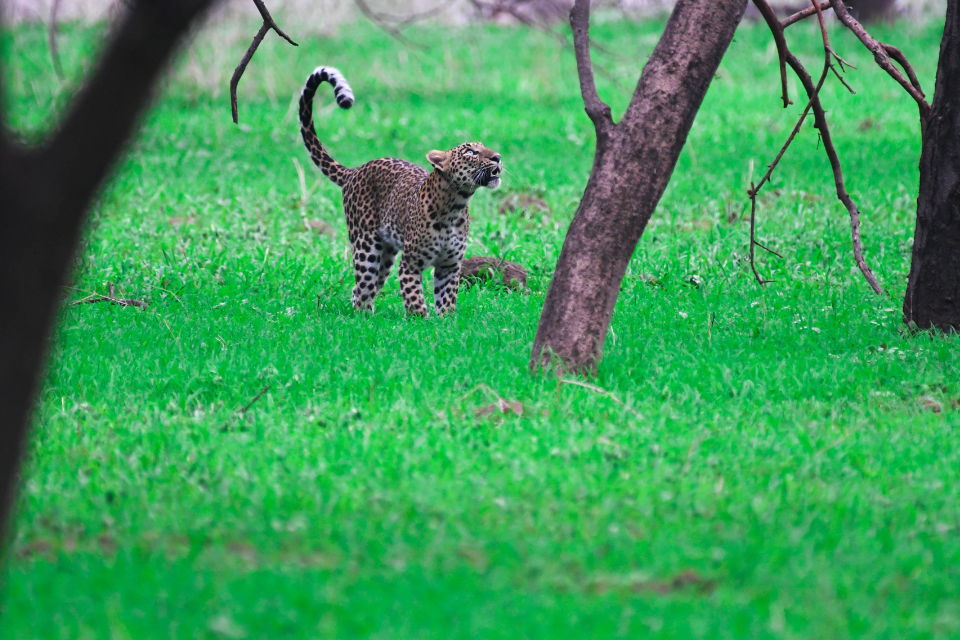
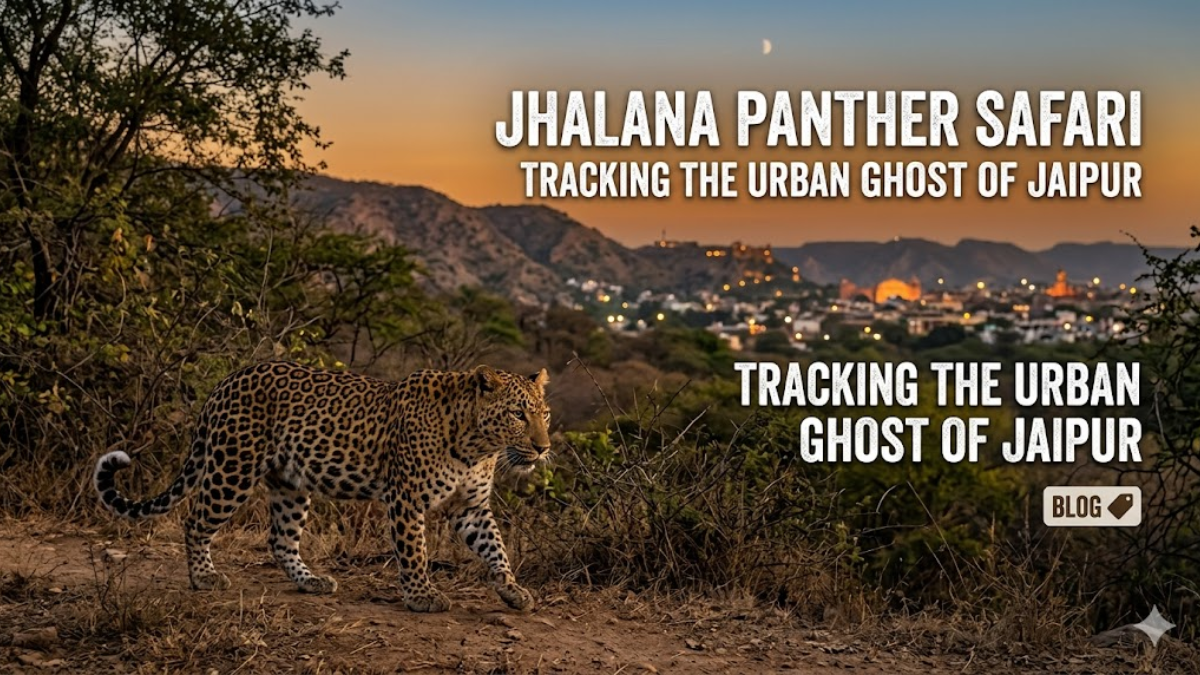
While the world flocks to Rajasthan for its tigers, Jaipur offers a more intimate and electrifying wildlife experience right within its city limits: the Jhalana Panther Safari. Spanning roughly 20 square kilometers of rugged Aravalli terrain, Jhalana is India’s first dedicated leopard reserve. It is a place where the “Urban Ghost”—the leopard—thrives in a unique ecosystem surrounded by the hustle and bustle of a modern metropolis.
For wildlife enthusiasts, Jhalana is a revelation. Unlike larger parks where sightings are rare, the high density of panthers here makes it one of the best places in the world to observe these elusive big cats in their natural habitat. To ensure you don’t miss this adrenaline-pumping experience, most travelers include it as a highlight in their Jaipur city tour package.
The Landscape of Jhalana Leopard Reserve
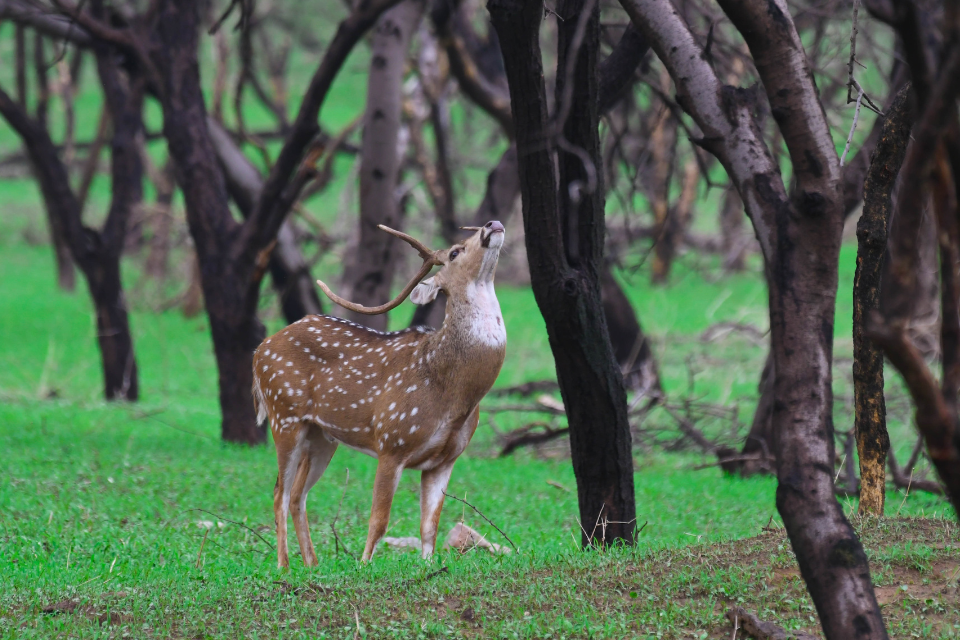
The terrain of Jhalana is characterized by narrow valleys, steep cliffs, and thick scrub forests. This compact geography is exactly why the Jhalana Panther Safari is so successful; the animals are concentrated in a manageable area, allowing trackers to follow their movements with incredible precision.
From certain peaks within the reserve, you can see the Jaipur skyline in the distance, creating a surreal contrast between the wild predators and the city’s high-rise buildings. This proximity makes Jhalana a global case study in urban wildlife conservation and coexistence.
The Stars of the Safari: Meet the Panthers
The leopards of Jhalana are well-known to the local naturalists. Some of the most famous residents include:
-
Flora: A bold and graceful leopardess who is often seen near the water holes, completely unfazed by the presence of safari vehicles.
-
Rana: A dominant male with a powerful build, often spotted marking his territory on the rocky outcrops.
-
Juliet is known for her playful nature and frequent sightings with her cubs, providing a rare glimpse into the maternal side of these solitary cats.
What to Expect on Your Safari
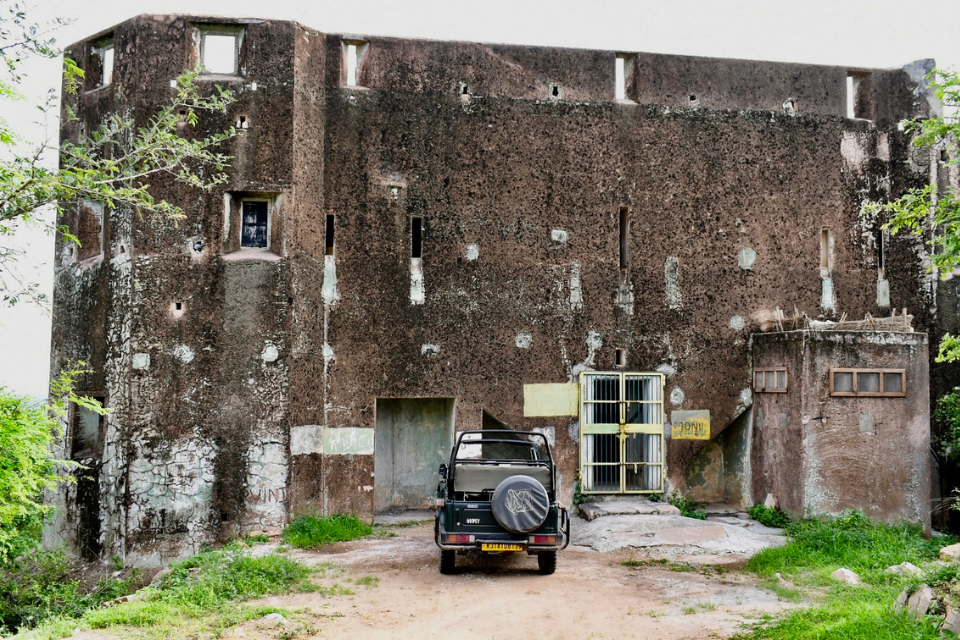
A jhalana panther safari is conducted in open-top 4×4 Gypsies, designed to navigate the sandy tracks and rocky slopes. The experience is a masterclass in tracking:
-
Tracking Pugmarks: Expert drivers look for fresh tracks in the soft sand to determine the direction of the panther’s movement.
-
Listening for Alarm Calls: The frantic chirping of langurs or the sharp barks of spotted deer are the forest’s early warning system that a leopard is nearby.
-
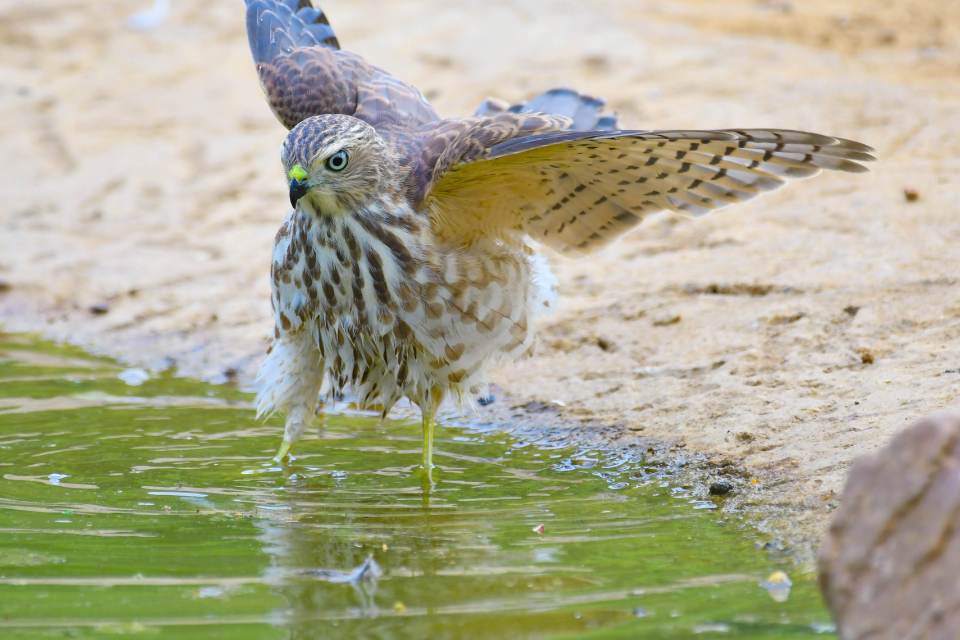
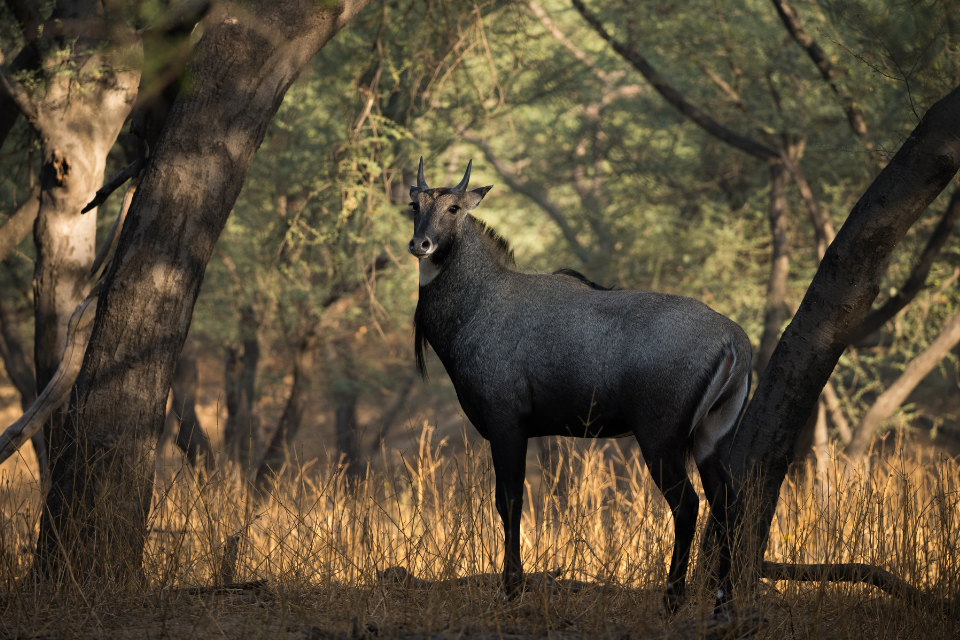
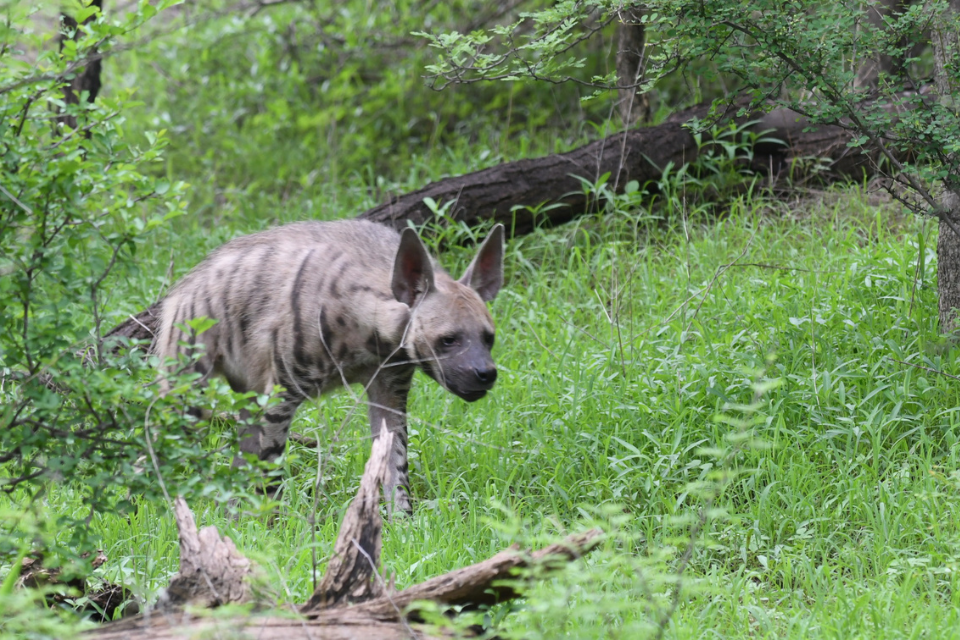
Biodiversity: Beyond panthers, keep an eye out for Striped Hyenas, Desert Foxes, Blue Bulls (Nilgai), and various predatory birds like the Shikra.
Visitor Essential Information
| Feature | Details |
| Safari Shifts | Morning (6:00 AM – 9:00 AM) & Evening (3:30 PM – 6:30 PM) |
| Best Time to Visit | November to March (Pleasant) & April to June (High Sightings) |
| Entry Point | Malviya Nagar area, Jaipur |
| Booking | Online via the Rajasthan Forest Department portal |
| Vehicle Capacity | Max 6 people per Gypsy |
Planning Your Wild Adventure
Because Jhalana is so close to the city center, it is incredibly easy to fit into a busy itinerary. You can enjoy a morning safari and be back at your hotel in time for a late breakfast. To combine the thrills of the wild with the heritage of the Pink City, it is highly recommended to book a comprehensive Jaipur tour package that manages your permits and transportation seamlessly.
Frequently Asked Questions (FAQ)
1. Is a panther sighting guaranteed in Jhalana?
While no wildlife sighting is ever 100% guaranteed, Jhalana has one of the highest leopard sighting success rates in India, often cited at over 80% due to the high density of the population.
2. Can I take my own car inside the reserve?
No. Only registered forest department Gypsies with authorized drivers and guides are permitted inside the reserve to ensure safety and minimize disturbance to the animals.
3. What should I wear for the safari?
Wear neutral colors like olive green, khaki, or brown to blend in with the environment. In winter, bring heavy layers as the open-air Gypsies can be very cold in the early morning.
4. Is Jhalana safe for children?
Yes, the safari is safe for children, but they must be instructed to remain seated and keep their voices low to avoid startling the wildlife.
5. How far in advance should I book?
Since only a limited number of vehicles are allowed per shift, it is best to book your Jhalana Panthersafari at least 15–30 days in advance, especially for weekend visits.
Conclusion
The Jhalana Panther Safari offers a rare opportunity to look into the amber eyes of a predator in its own kingdom. It is an experience that balances the thrill of the hunt with a deep respect for nature’s resilience. For anyone visiting Jaipur, this is the ultimate adventure that proves the wild is never too far from home.