5 Critical Mistakes to Avoid When Booking Your Jhalana Safari
5 Critical Mistakes to Avoid When Booking Your Jhalana Safari Jhalana Leopard Reserve is a world-class destination where leopards are the undisputed apex predators. However,
Birdwatcher’s Paradise: Migratory & Resident Birds at Jhalana
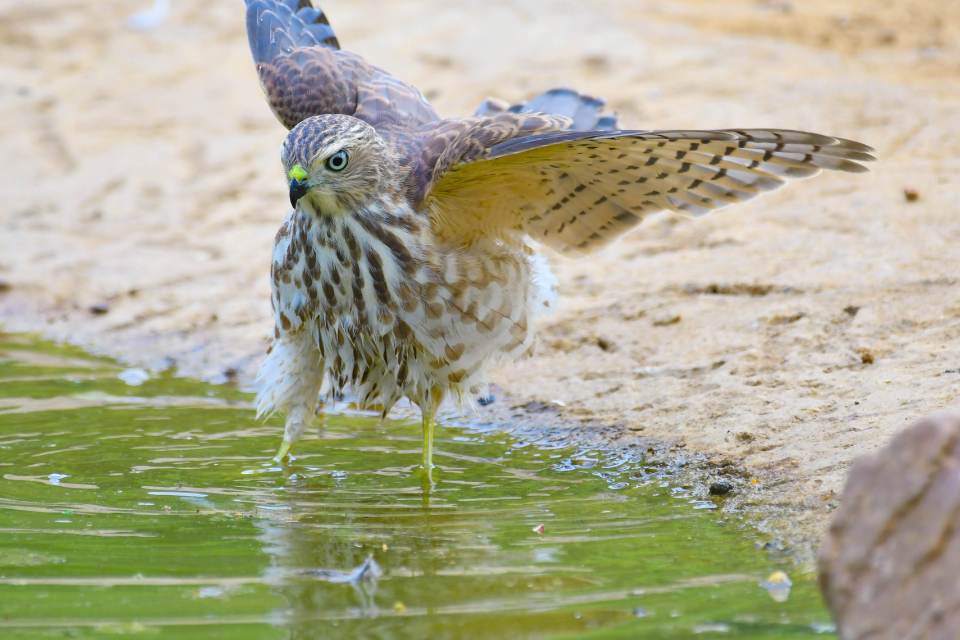
Nestled in the heart of the “Pink City” of Jaipur, the Jhalana Leopard Reserve is widely celebrated as India’s premier destination for leopard safaris. However, for those who care to look beyond the stealthy shadows of the apex predator, Jhalana reveals itself as a vibrant, bustling Birdwatcher’s Paradise.
3 Famous Leopards of Jhalana: Meet Juliet, Flora & Bahubali (2025 Guide)
Meet the real royalty of Jaipur. Not the Maharajas, but Juliet, Flora, and Bahubali—the famous leopards that rule the urban jungle. Discover their stories, rivalries, and territories in our 2025 guide.
Jhalana Safari for Beginners
First time on safari? Don’t panic! Here is your complete 2025 roadmap to exploring Jhalana Leopard Reserve—including what to wear, how to book, and how to spot the elusive ghosts of the forest
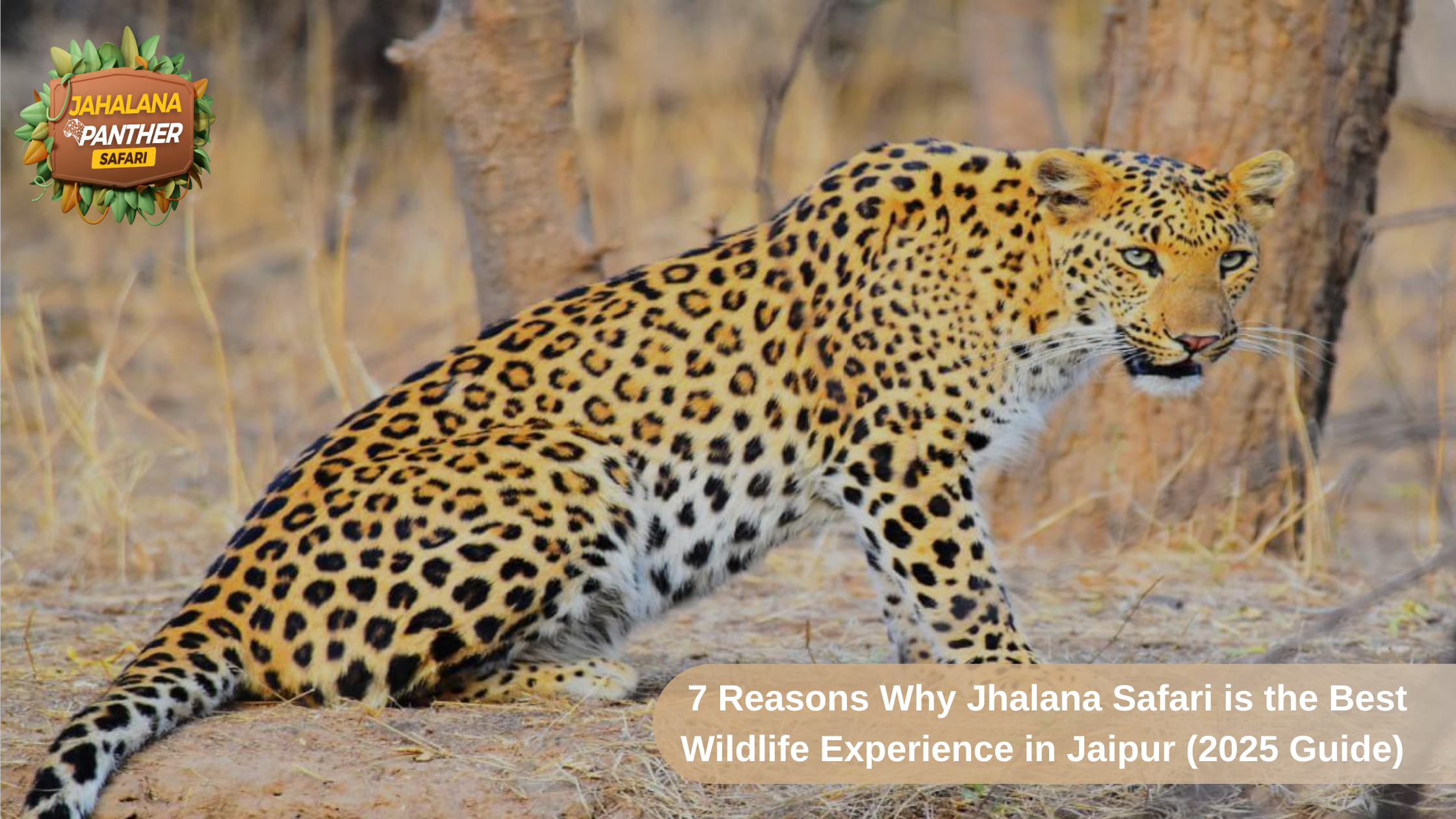
7 Reasons Why Jhalana Safari is the Best Wildlife Experience in Jaipur (2025 Guide)
Planning a trip to Jaipur? Read our comprehensive 2025 guide on Jhalana Safari. We break down ticket prices, safari timings, best zones for photography, and why this leopard reserve offers the best wildlife sightings in Rajasthan.
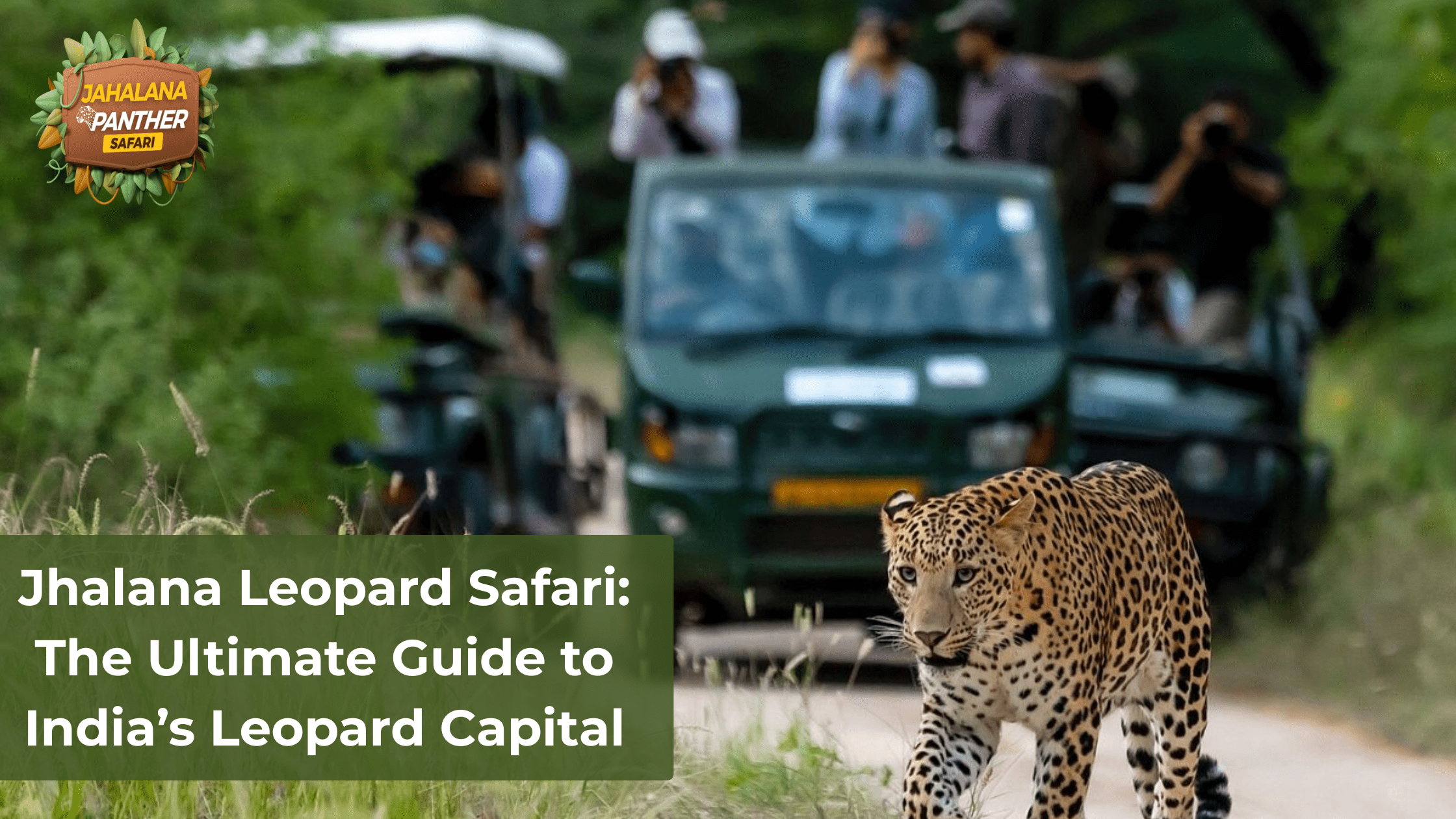
Jhalana Leopard Safari: The Ultimate Guide to India’s Leopard Capital
Did you know Jaipur is the Leopard Capital of the World? Discover Jhalana Leopard Reserve, where wild leopards roam just minutes from the city center. We cover everything you need to know—from best zones and safari timings to expert booking tips—in this ultimate guide.

The Jhalana Leopard ID Catalog: Spot Patterns, Family Trees & Territory Timelines
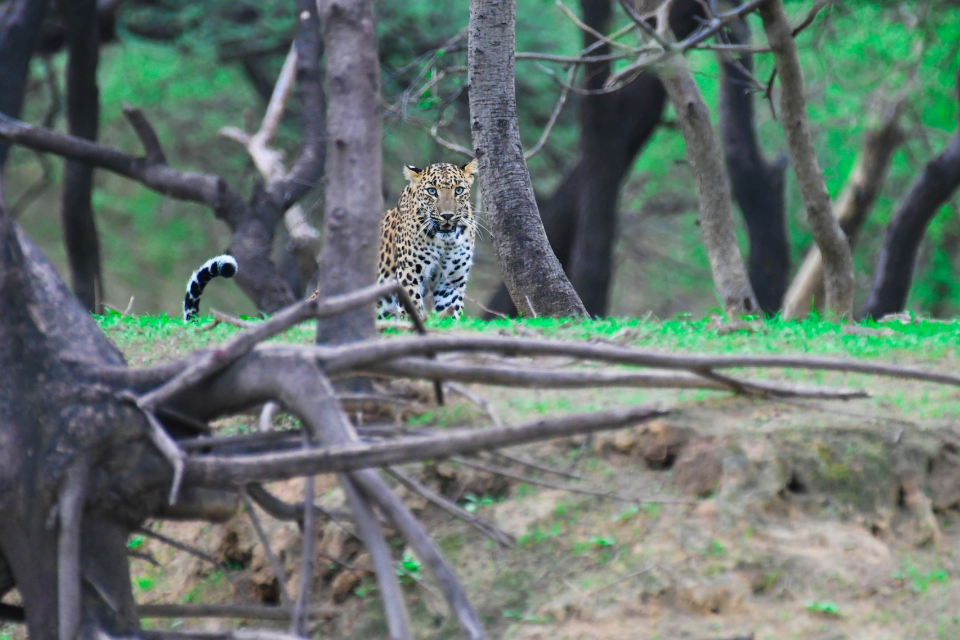
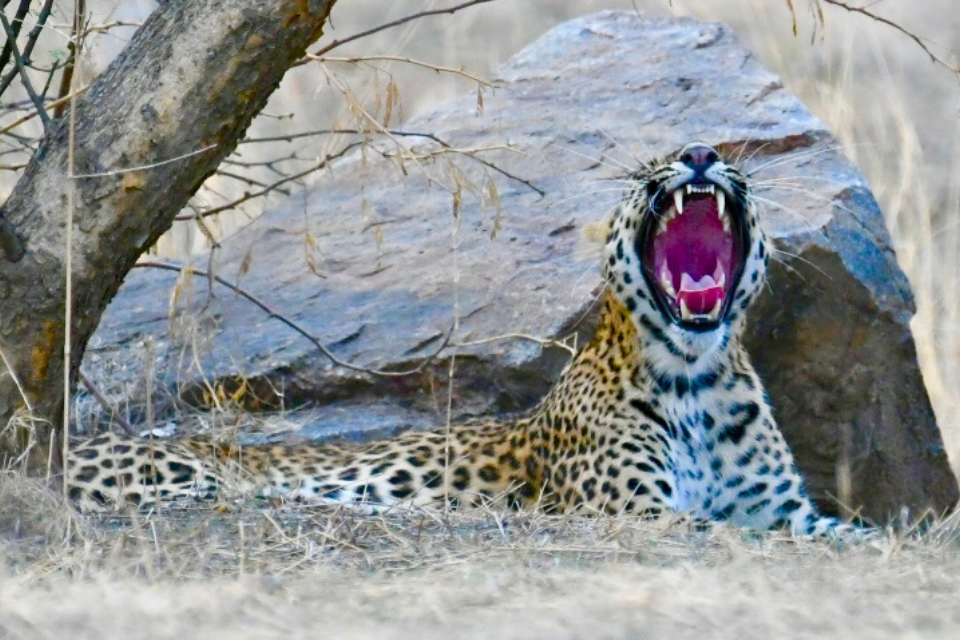
Jhalana Leopard Reserve in Jaipur is one of India’s most remarkable urban wildlife stories. Spread over roughly 20–23 km², this compact forest abutting neighborhoods and arterial roads supports ~30–40 leopards depending on the season and cub survival—numbers that multiple tourism and conservation sources cite within that band. It’s also India’s first dedicated leopard reserve (declared in 2017), and a now-famous place for close-but-safe sightings.
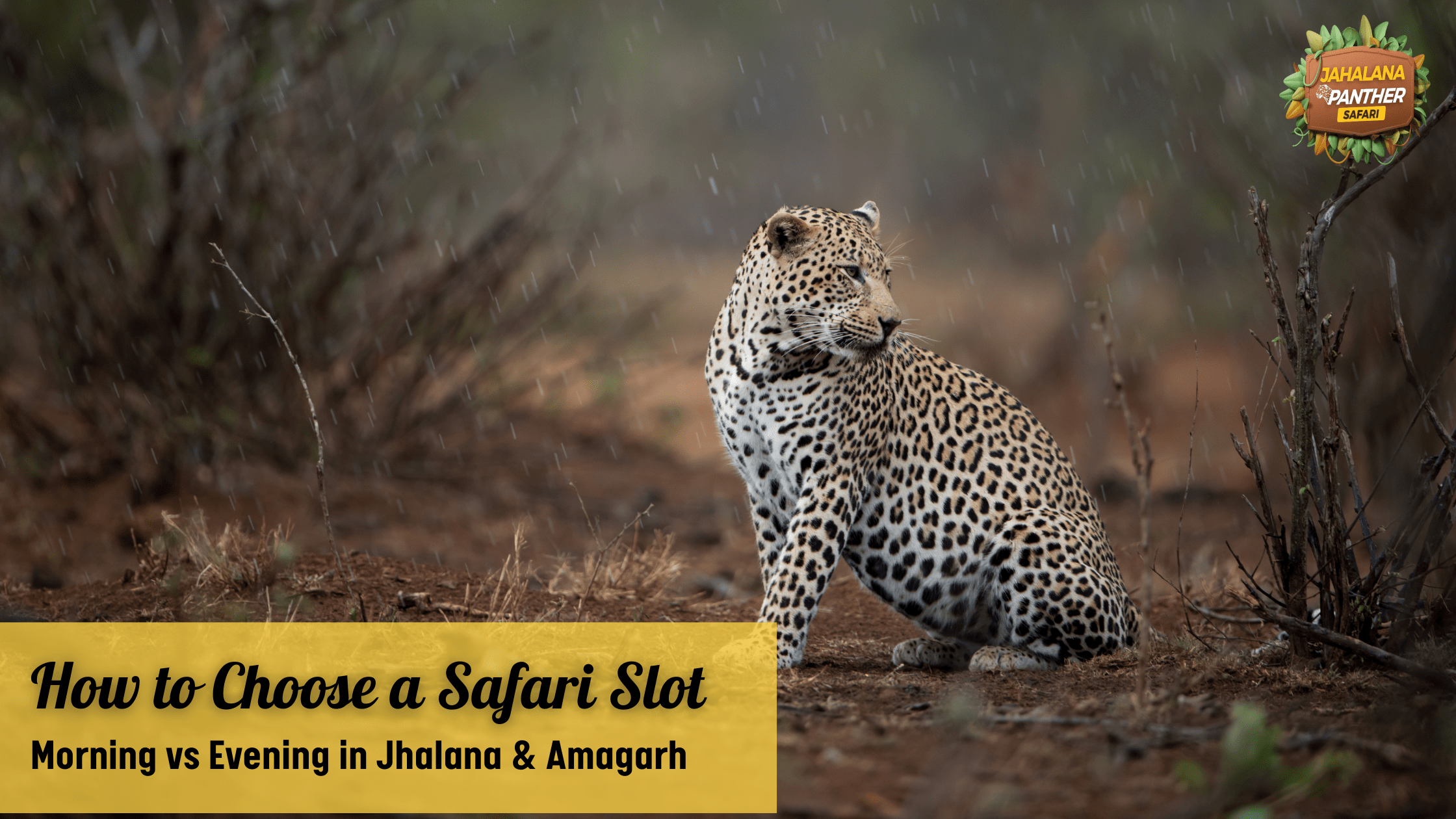
How to Choose a Safari Slot: Morning vs Evening in Jhalana & Amagarh
Jaipur leopard safari timings at a glance (seasonal)
Exact reporting times change with sunrise/sunset, but the department and leading booking portals publish seasonal slot windows you can plan around:
• Jhalana Leopard Reserve (typical ranges)
o Aug–Oct: ~06:45–09:15 (morning), ~15:45–18:15 (evening)
o Nov–Jan: ~07:00–09:30, ~15:15–17:45
o Feb–Mar: ~06:15–08:45, ~15:45–18:15
o Apr–May: ~05:45–08:15, ~16:15–18:45
o Jun–Jul: ~05:45–08:15, ~16:45–19:15 (monsoon)
• Amagarh Leopard Reserve (typical ranges)
o Mirrors Jhalana’s seasonality with similar windows: 07:00–09:30 / 15:15–17:45 (peak winter) and ~05:45–08:15 / 16:45–19:15 (peak summer/monsoon). Some operator sites also quote 05:30–08:30 / 16:30–19:30 as broad operating bands depending on season and daylight. Always check your voucher.
Pro tip: Season defines comfort and light more than the park choice. Jhalana is older and very consistent for leopard sightings; Amagarh is newer and scenic with rugged Aravalli backdrops. Book whichever has seat availability—but choose the slot that fits your goal.
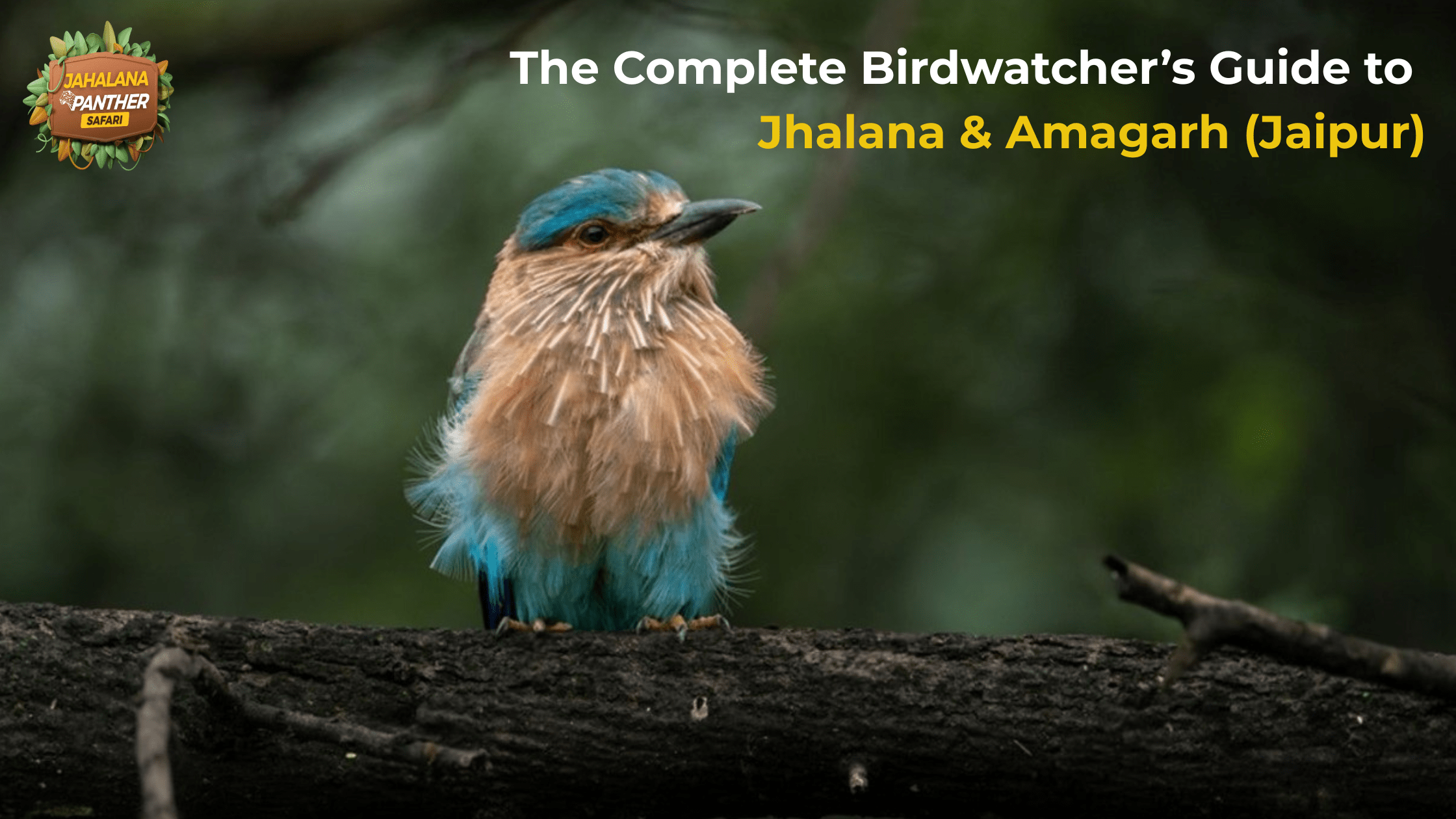
The Complete Birdwatcher’s Guide to Jhalana & Amagarh (Jaipur)
When most people think of Jhalana, they think leopards. But the same scrub-forest, rocky Aravalli slopes, and small waterholes that shelter big cats also host a remarkably reliable dry-zone bird assemblage—francolins calling at dawn, drongos hawking insects on open tracks, bee-eaters flashing neon over thorn scrub. Just across the ridge, Amagarh Fort and the surrounding hills add cliff and temple-tank habitats that pull in different species, especially during migration and the monsoon.
This guide keeps things practical and SEO-sharp for “birding Jhalana” and “birds of Amagarh” searches while giving you a field-ready plan: what to look for, where to go, when to go, how to log on eBird—and how to do all of it responsibly.
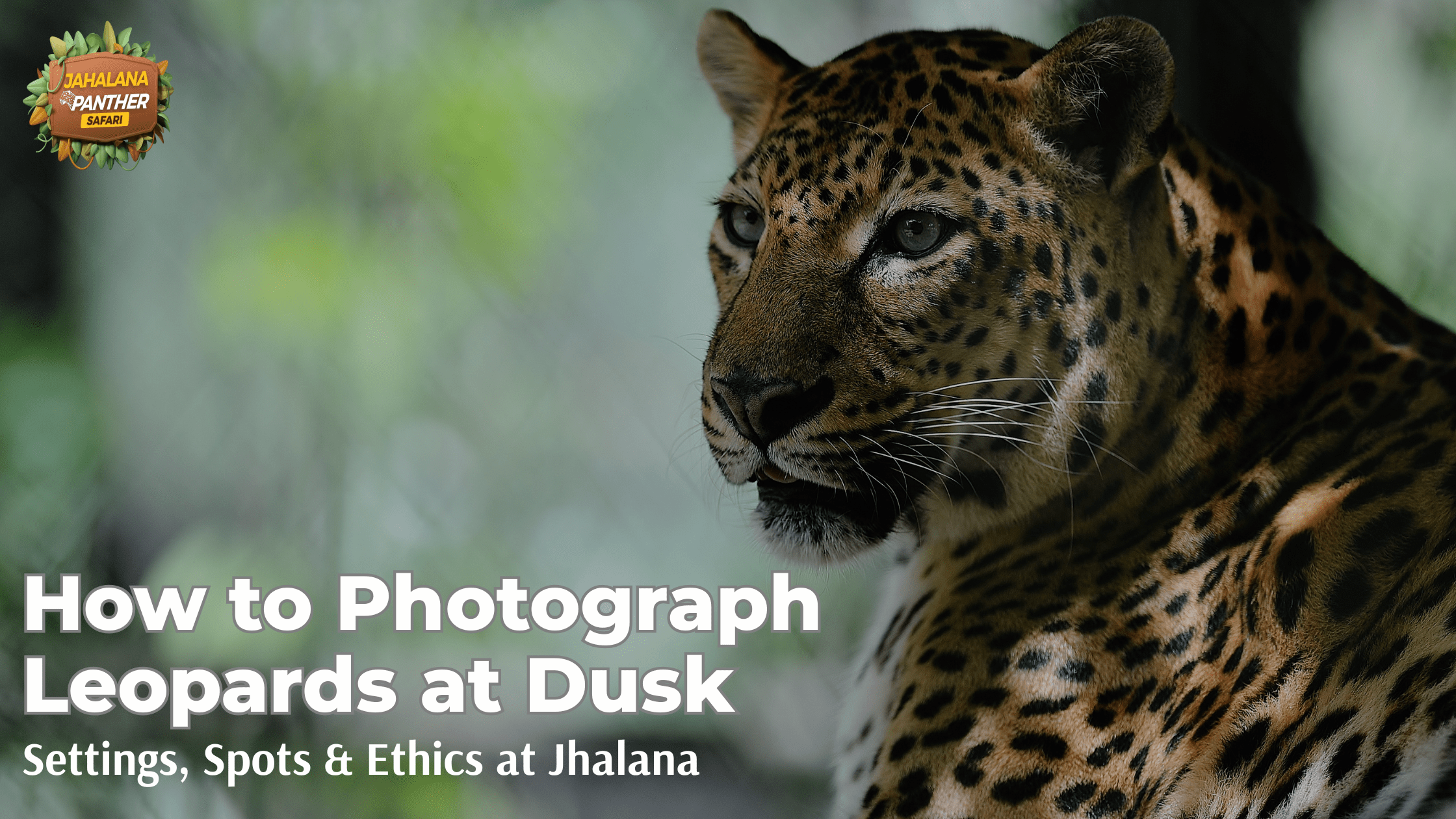
How to Photograph Leopards at Dusk: Settings, Spots & Ethics at Jhalana
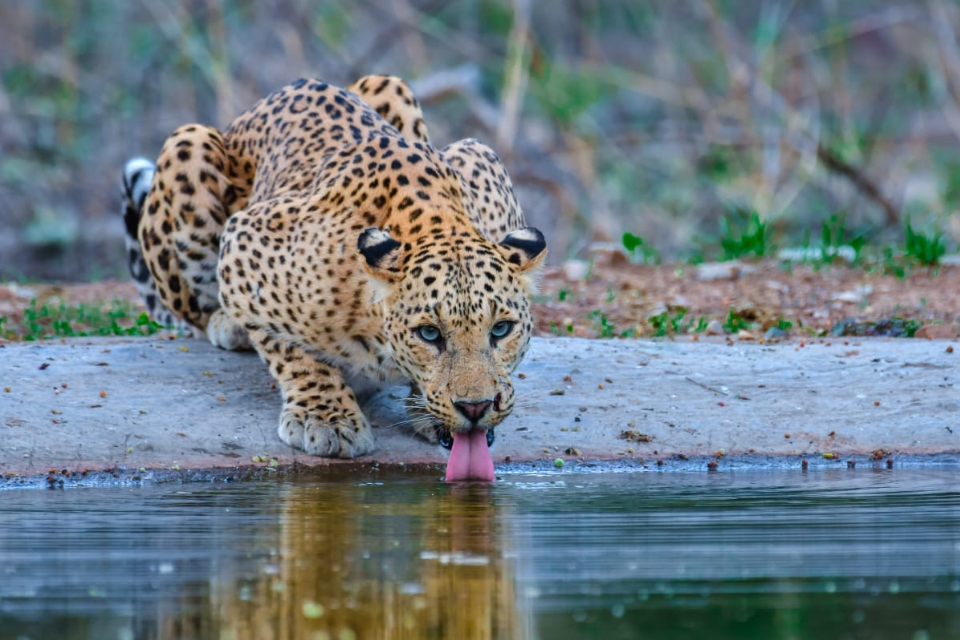
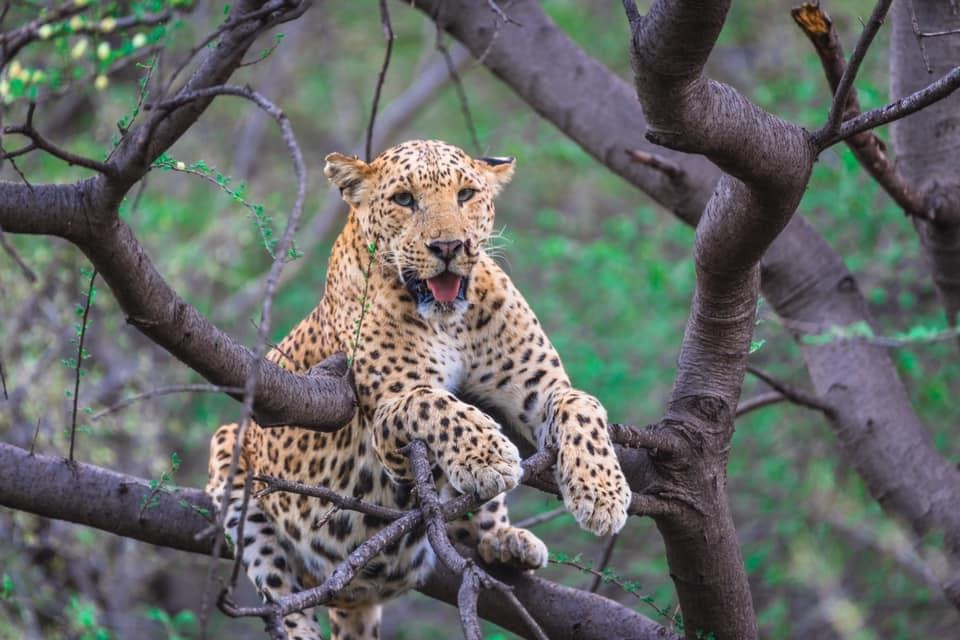
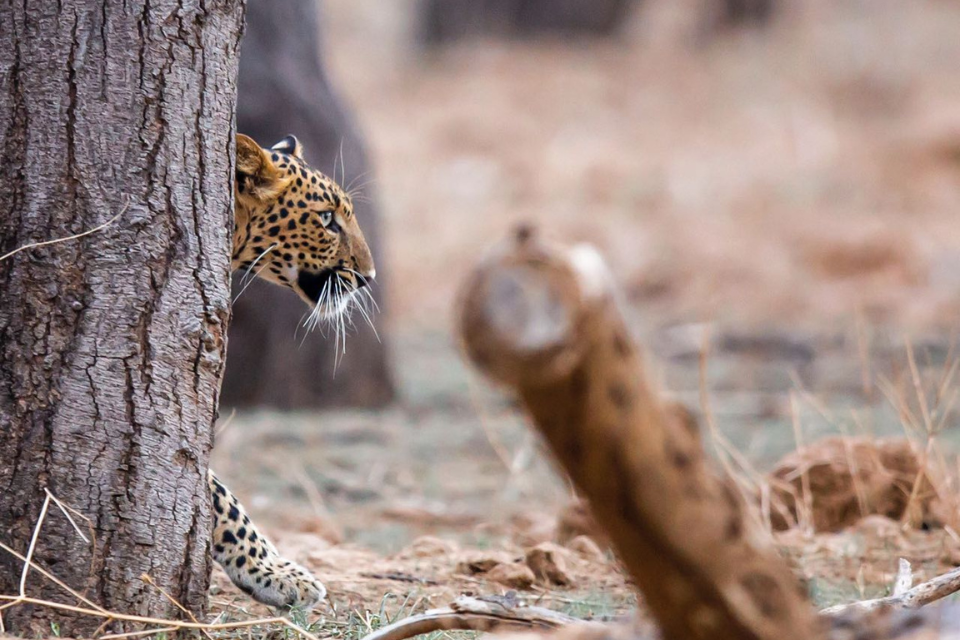
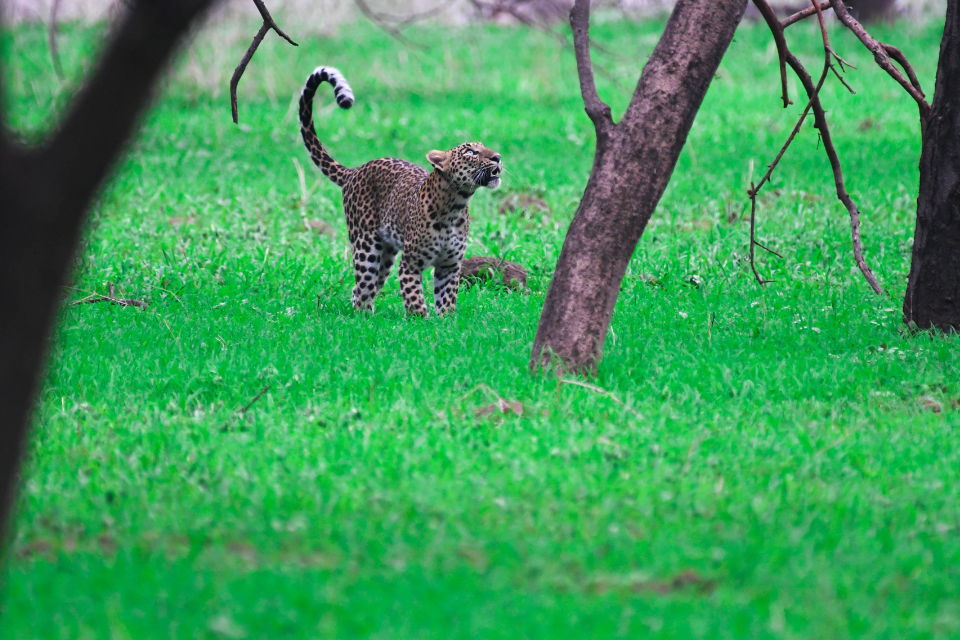
Jhalana’s compact, scrub-forest habitat and rocky hillocks create natural funnels for leopard movement. As temperatures drop toward evening, leopards often transition from day beds in thickets toward edge habitats: the interface of rocks, trails, and shallow nullahs. You’re betting on predictable movement windows in unpredictable light—that’s where skill with exposure, autofocus, and vehicle craft pays off.
Behavioral cues to watch:
• Head-up scanning from rocks or termite mounds just before last light.
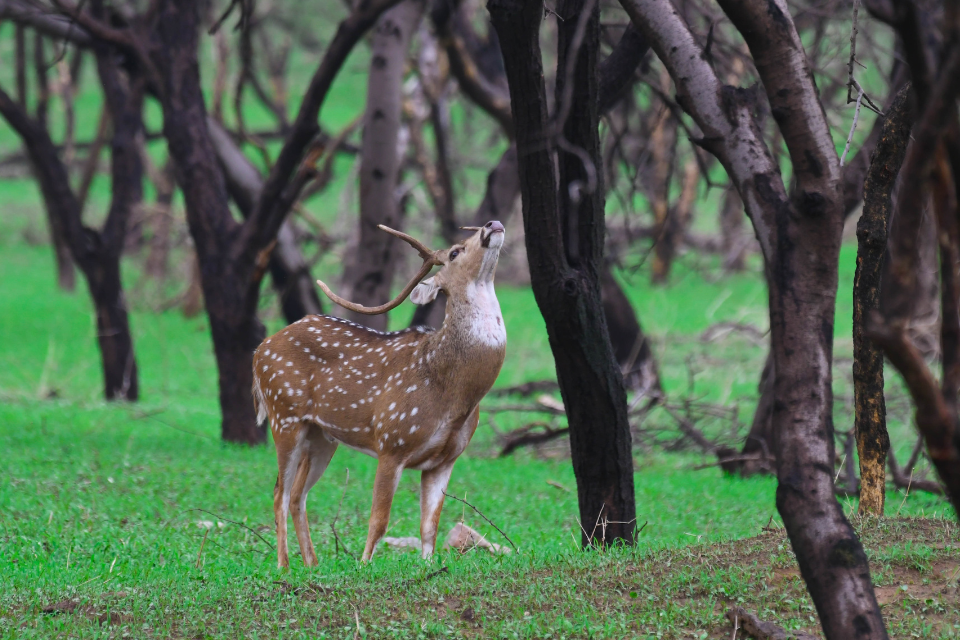
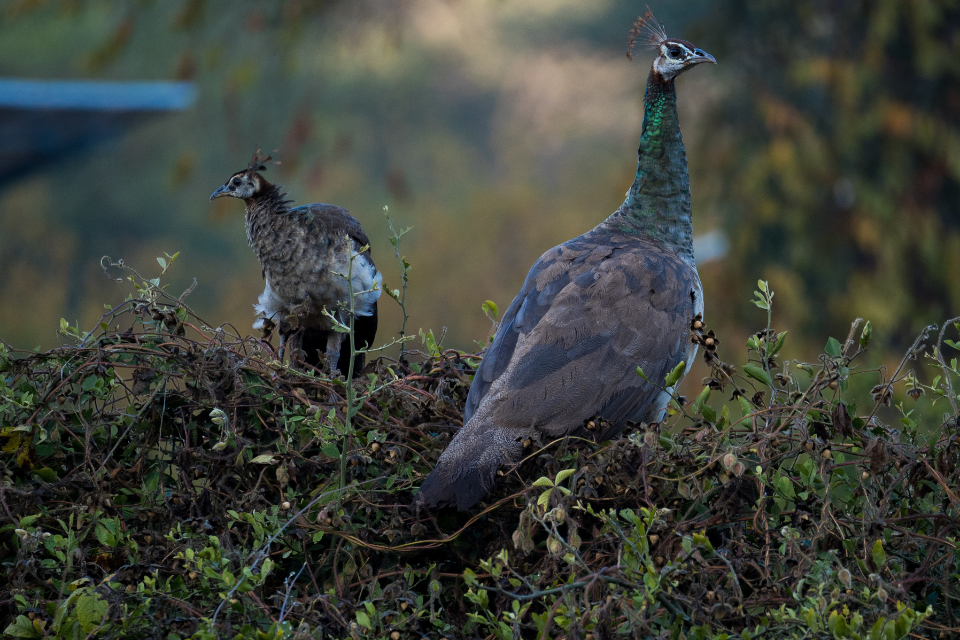
• Trail crossings at scrub edges; listen for alarm calls (peafowl, langur, sambar).
• Waterhole checks on warmer evenings.