- October 6, 2025
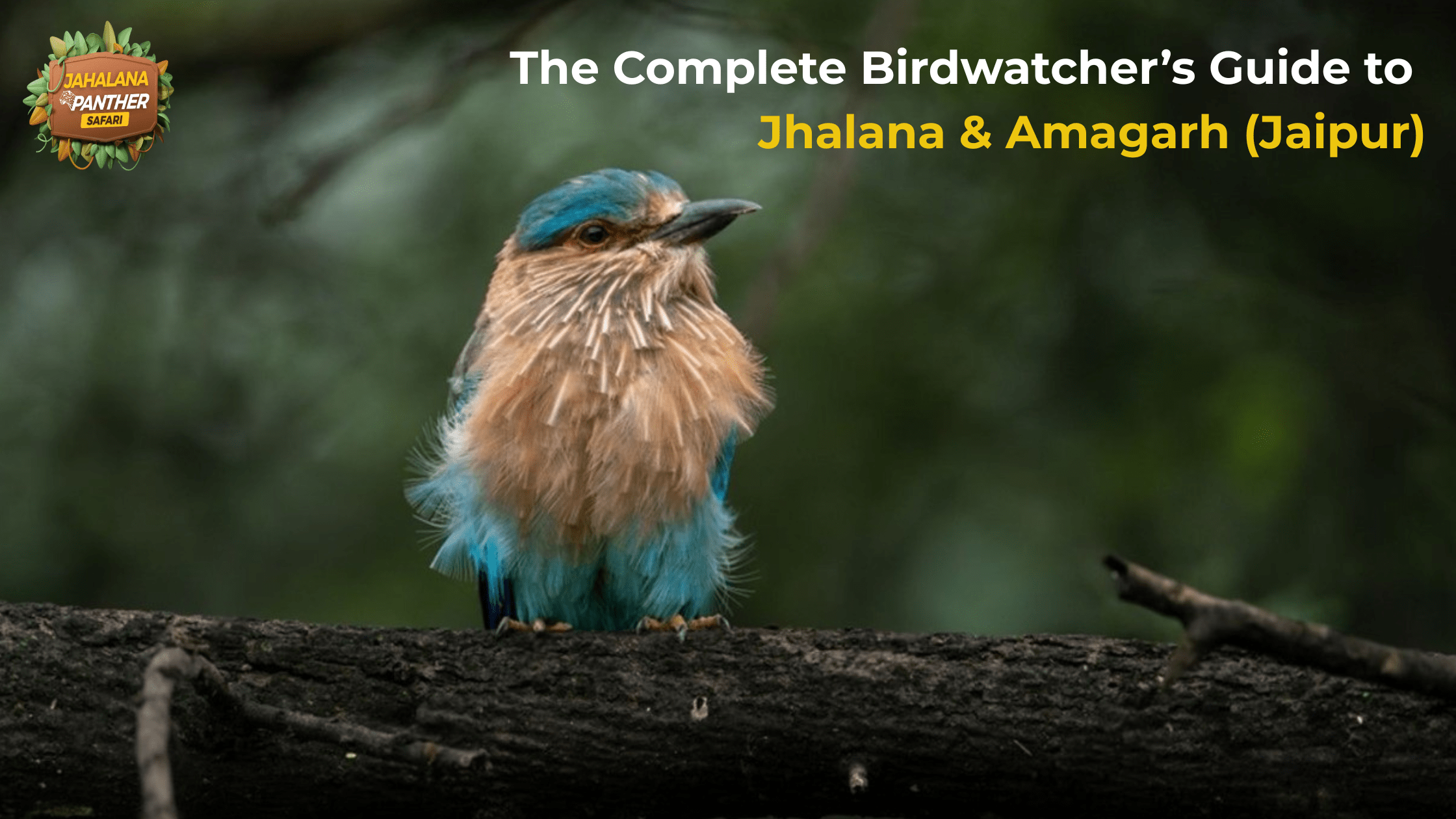
The Complete Birdwatcher’s Guide to Jhalana & Amagarh (Jaipur)
Why Bird Jhalana & Amagarh?
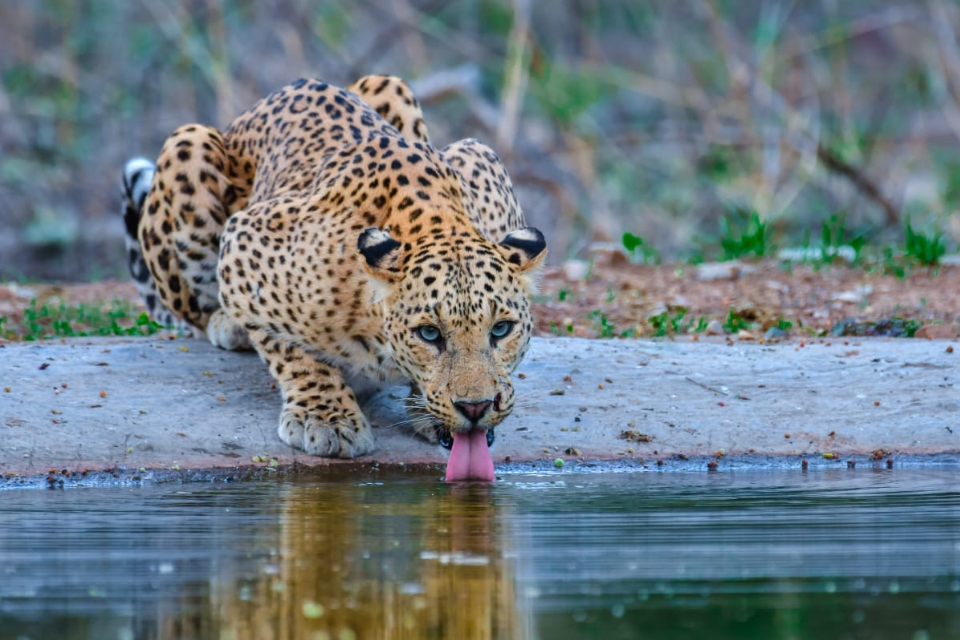
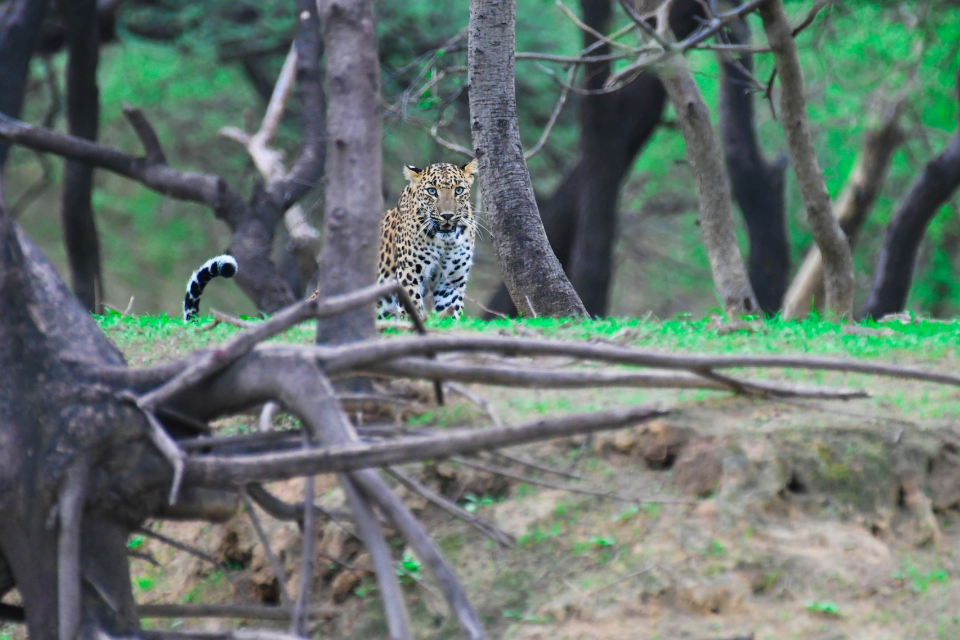
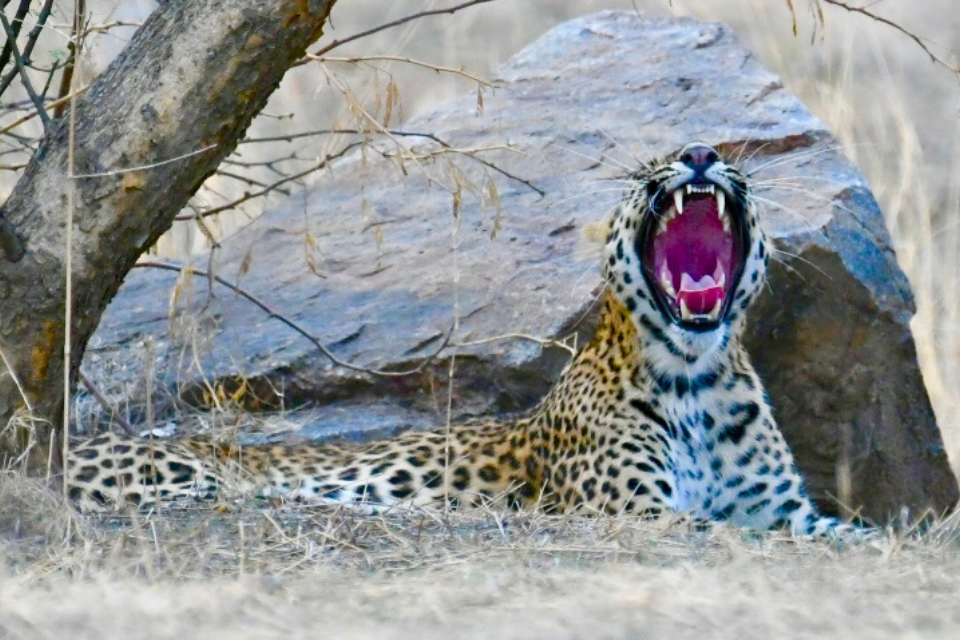
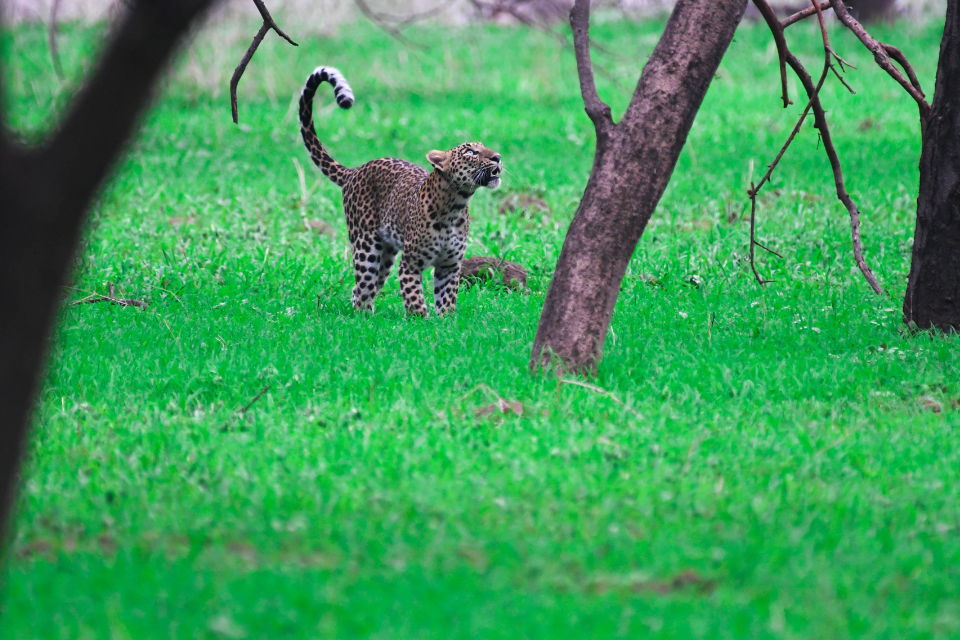
When most people think of Jhalana, they think leopards. But the same scrub-forest, rocky Aravalli slopes, and small waterholes that shelter big cats also host a remarkably reliable dry-zone bird assemblage—francolins calling at dawn, drongos hawking insects on open tracks, bee-eaters flashing neon over thorn scrub. Just across the ridge, Amagarh Fort and the surrounding hills add cliff and temple-tank habitats that pull in different species, especially during migration and the monsoon.
This guide keeps things practical and SEO-sharp for “birding Jhalana” and “birds of Amagarh” searches while giving you a field-ready plan: what to look for, where to go, when to go, how to log on eBird—and how to do all of it responsibly.
Quick Orientation
- Location: East Jaipur, Rajasthan. Jhalana Leopard Safari Park and the Amagarh Fort–Galta Ji hillscape are neighboring Aravalli outcrops.
- Access:
- Jhalana (core): Vehicle safaris only in designated zones. Walking inside the core is not allowed. Check current slots/fees.
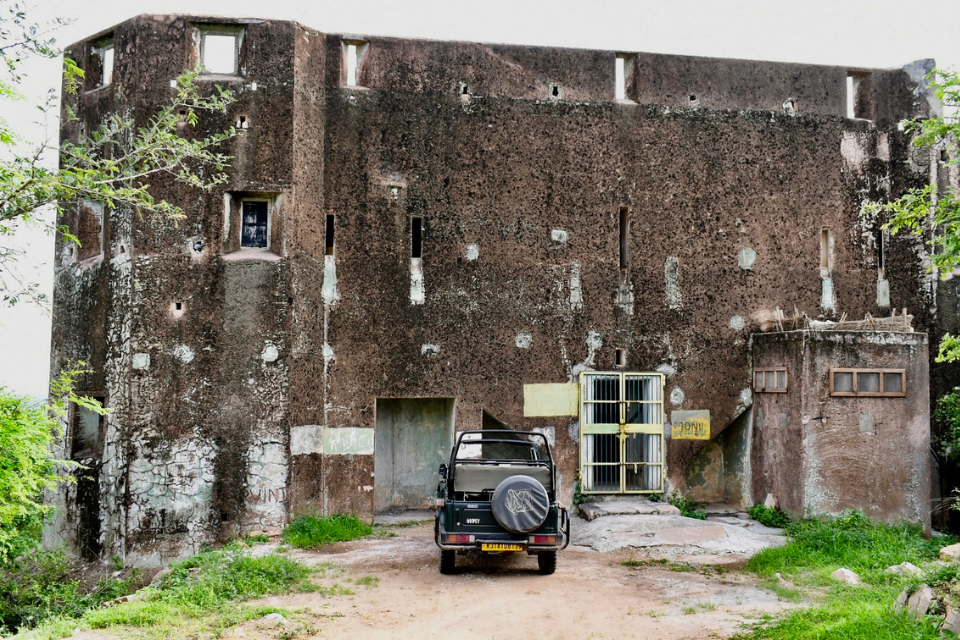
- Amagarh: Driveable up to the fort; walking on broad paths is common. Stay on marked trails and respect local temple norms.
- Habitat: Dry scrub with Dhok (Anogeissus pendula), thorn-forest patches, rocky ravines, seasonal waterholes, and, near Amagarh/Galta, temple tanks.
- Best Light & Activity: Sunrise–9:00 and 16:00–sunset. Midday heat suppresses movement in peak summer.
Seasonal Species Calendar (What’s Likely, When)
Note: Species fluctuate by year and rainfall. Use this as a field expectation map, not a checklist promise.
Winter (Nov–Feb)
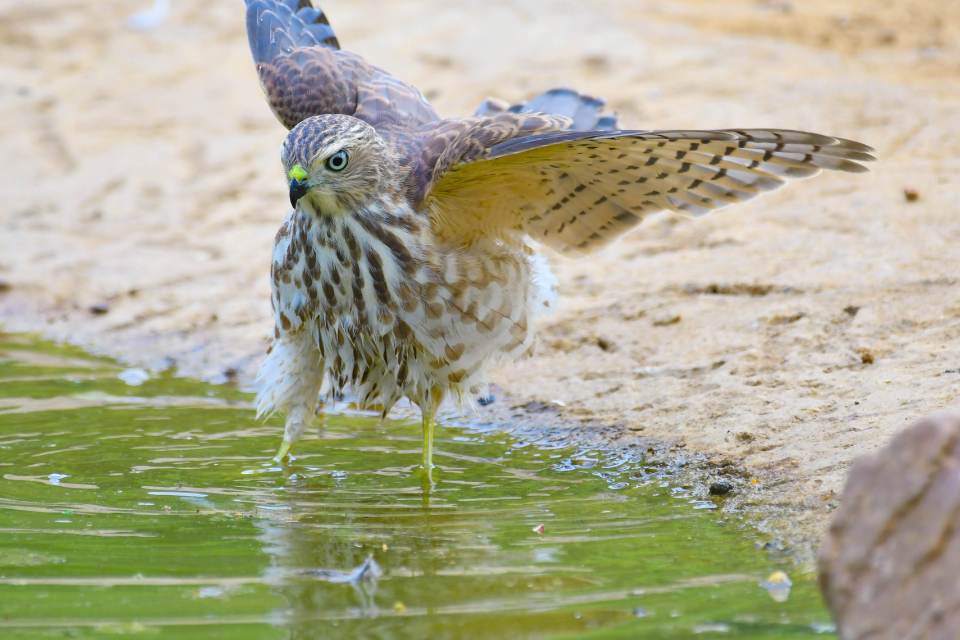
- Raptors: Shikra (year-round), White-eyed Buzzard, Black-winged (Black-shouldered) Kite, occasional Booted or Steppe Eagle overhead on good days.
- Passerines: Black Drongo (resident), Long-tailed Shrike, Bay-backed Shrike (patchy), Paddyfield Pipit, Rosy/White Wagtails near water.
- Sylvia & Leafy Things: Lesser Whitethroat in scrub, Common Iora and Ashy/Plain Prinia in bushy edges.
- Owls: Spotted Owlet in ruins/holes; Indian (Rock) Eagle-Owl on cliffy faces at dusk if you’re lucky.
Showstoppers: Indian Roller, White-throated Kingfisher, Green Bee-eater (some remain even in winter).
Pre-Monsoon & Early Monsoon (May–July)
- “Rain Bringers”: Pied (Jacobin) Cuckoo with first storms; poetic and photogenic.
- Skulkers Turn Vocal: Indian Pitta in greener thickets (most often June–Aug); short, sharp calls at dawn/dusk.
- Breeders: Baya Weaver colony activity near grass edges; Purple Sunbird displays.
- Nocturnal Voices: Indian Nightjar churring at dusk along open tracks.
- Serpent Fans: Short-toed Snake-Eagle sometimes rides thermals on clear mornings.
Post-Monsoon & Autumn Passage (Aug–Oct)
- Fresh Green, Busy Birds: Bee-eater action (Green predominant), Drongo flycatching peaks.
- Shrikes & Buntings: Crested Bunting on rocky scrub; Rufous-tailed Lark/Ashy-crowned Sparrow-Lark in open patches.
- Edge & Water: Little Cormorant, Egrets, and Wagtails if you bird temple tanks near Amagarh/Galta.
Year-Round “Anchor” Species
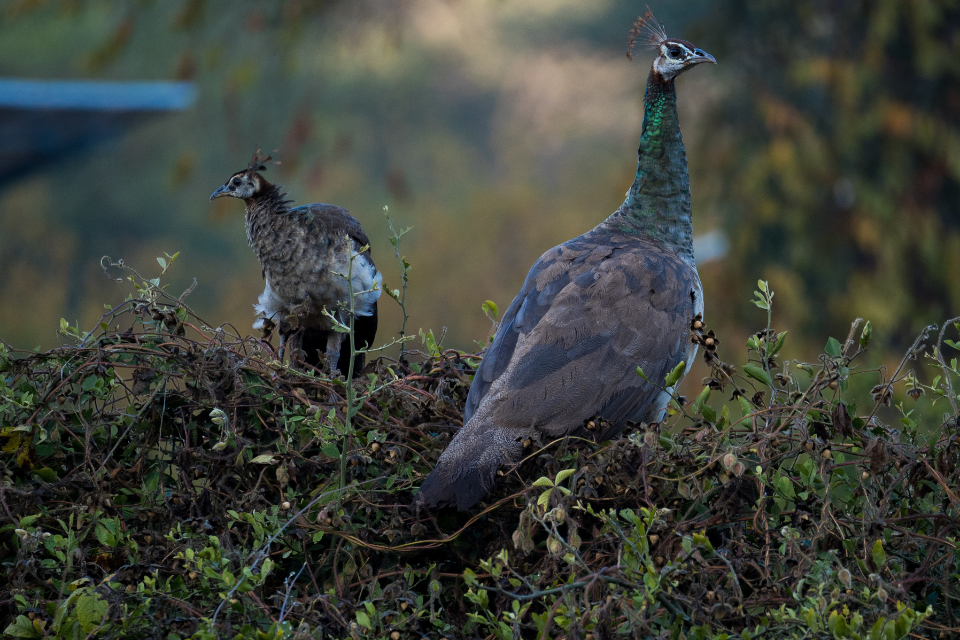
- Indian Peafowl (ubiquitous), Grey Francolin, Laughing Dove, Rose-ringed Parakeet, Coppersmith Barbet, Red-vented Bulbul, Brown-headed/Indian Silverbill (white-throated munia), White-throated Kingfisher.
Top Hotspots & Micro-Habitats
Important: Follow current rules; do not enter restricted sections. In Jhalana core, bird from your authorized vehicle; outside, stick to public roads/edges. In Amagarh, keep to main paths, be mindful of temples, and pack out all trash.
1) Jhalana Safari Core Tracks (vehicle only)
- What to scan:
- Open Tracks & Poles: Drongos, Rollers, Shrikes, Kites.
- Scrub Gaps: Prinias, Ioras, Silverbills.
- Waterholes (seasonal): Doves, Francolins, Wagtails; raptors cruising edges in the cool hours.
- Photo Tip: Back-lit dust can be dramatic; shoot slightly under and lift shadows in post.
2) Jhalana Ridge & Rocky Outcrops (from designated viewpoints)
- Targets: Indian (Rock) Eagle-Owl at dusk on ledges, Crested Bunting, Long-tailed Shrike, thermalling raptors.
- Approach: Keep noise low; if a cat sighting is active, avoid crowding and let the guide set distance.
3) Amagarh Fort Approach Road & Broad Paths
- Targets: Peafowl, Francolins, Shrikes, Prinias, Ashy Drongo (in season).
- Add-ons: Early morning can produce Nightjar fly-ups from track edges—walk slowly, watch ground.
4) Temple Tanks Near Amagarh/Galta Ji (public zones)
- Targets: White-throated Kingfisher, Little Cormorant, egrets, Wagtails, Bulbuls bathing at edges.
- Etiquette: Dress modestly, avoid blocking devotees, no litter, and keep respectful distance from macaques.
5) Scrub-Meets-Grass Edges (both hill systems)
- Targets: Baya Weaver nests in monsoon, Munias, Paddyfield Pipit, Ashy-crowned Sparrow-Lark.
Listening Cue: Weavers give away colonies with constant buzzing chatter.
Sample Field Plans
Half-Day (Dawn) in Jhalana (Core)
- Gate to first open track (sunrise): Drongos and Rollers hawking; check poles and wires.
- Scrub-edge loops (07:00–08:30): Stop-scan for prinias and shrikes; quick looks at waterholes.
- Ridge viewpoint (08:30–09:15): Scope for raptors; if quiet, return along different track for fresh edges.
Half-Day (Evening) in Amagarh
- Fort approach (16:00–17:30): Francolins in shade lines, shrikes on thorn tops.
- Temple tank (brief, respectful pass): Kingfisher/wagtail ticks.
- Cliff scan (golden hour): Watch for Indian Eagle-Owl emergence; leave before dark.
One-Day Combo (Ambitious)
- Dawn safari slot (Jhalana) + late afternoon Amagarh. Lunch + siesta to beat heat.
Field ID Highlights (Quick Wins)
- Shrikes:
- Long-tailed: Clear, long tail, warm orange flanks, bold black mask.
- Bay-backed: Compact, chestnut back patch, cleaner contrasts.
- Drongos:
- Black Drongo: Glossy black, shallow forked tail, fearless hawking.
- Ashy (seasonal): Softer grey, more slender, red eye.
- Buntings & Larks:
- Crested Bunting: Dark body, spiky crest; loves rocky scrub.
- Ashy-crowned Sparrow-Lark: Small lark, male with black face/white eyebrow, sandy overall.
- Nightjar vs Owl at Dusk:
- Nightjar: Moth-like silent flutter on track edges.
- Spotted Owlet: Small, bobs on ruin edges; chattering calls.
eBird Etiquette & Best Practices (Jaipur Edition)
Be a data asset, not just a tourist. The dry-zone around Jaipur benefits from clean, consistent submissions.
- Choose the Right Type: Use Traveling with realistic distance and duration (e.g., “2.0 km, 90 min”). Vehicle safaris? Still Traveling—note “vehicle” in comments.
- Pick Correct Locations: Prefer existing hotspots (e.g., “Jhalana Leopard Safari Park” or “Amagarh Fort”) over creating new personal pins. If off-route, use a precise personal location once, then reuse it.
- Submit Complete Checklists: Even if short. “Complete” means you’re reporting all species you could identify, not just highlights.
- Count, Don’t Guess: Provide best estimates. Avoid “X” unless genuinely uncountable (very large flocks).
- Breeding & Behavior Codes: In monsoon, add simple codes (e.g., S singing, N nest building). These improve conservation value.
- Sensitive Locations: Avoid posting exact coordinates for roosting owls or nests in public comments. eBird auto-obscures some records; you can also withhold precise notes if needed.
- Media: Add clear photos/audio with notes on habitat, behavior, and lighting. Set a permissive license (e.g., CC BY) if you’re comfortable—better for science reuse.
- Trip Reports: Use eBird’s Trip Report feature for a “Jaipur weekend” bundle—great for sharing and for your own year-on-year comparisons.

Responsible Fieldcraft (Leopard Landscape)
- Distance: If a leopard sighting occurs, do not crowd; never leave the vehicle inside Jhalana core.
- No Playback: Dry-zone birds are territory-limited; skip call playback, especially for owls and nightjars.
- Stay on Path: Thorn scrub regrows slowly; avoid trampling.
- Temple Etiquette (Amagarh/Galta): Be modest, remove footwear where required, and don’t feed macaques.
- Heat & Hydration: Summer can be brutal. Carry 2–3 liters per person, a cap, sunscreen, and ORS.
Gear & Settings
- Binoculars: 8×42 (wide FOV for scrub) or 10×42 (reach).
- Lens: 300–500 mm is a sweet spot for perched shrikes/drongos; a 100–400 mm zoom is versatile for vehicle birding.
- Camera Settings (starting points):
- Birds in flight: 1/2000s, Auto ISO, f/6.3–f/8, AF-C.
- Perched in shade: 1/800–1/1250s, Auto ISO cap 6400, use exposure comp +0.3 to +0.7.
- Recording: A small external mic + phone recorder works for nightjars/cuckoos; keep clips short and label on the spot.
“Birding Jhalana” & “Birds of Amagarh” — Keyword-Focused Quick Lists
Birding Jhalana: 10 Likely Ticks for First-Timers
- Indian Roller
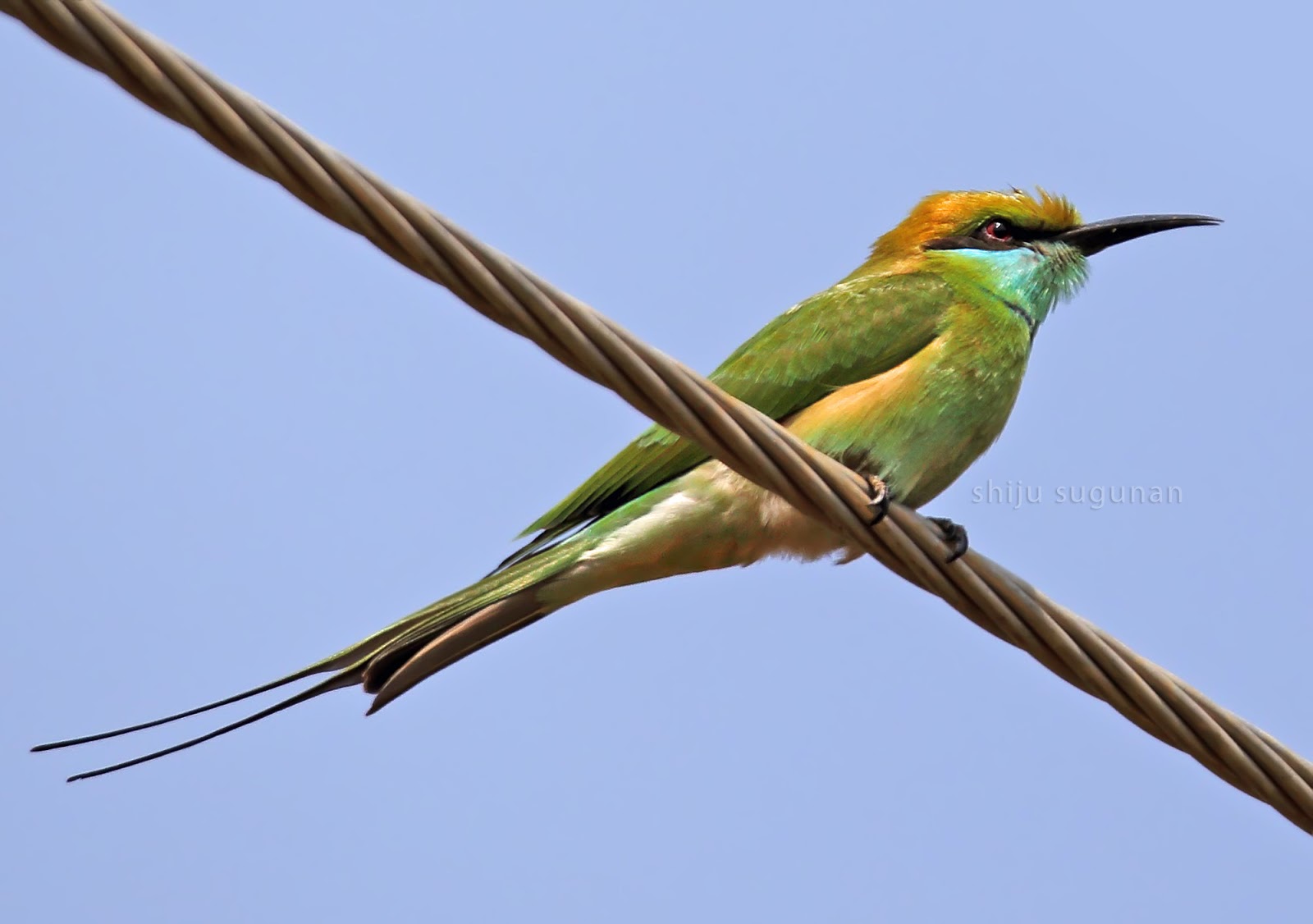
- Green Bee-eater
- White-throated Kingfisher
- Black Drongo
- Long-tailed Shrike
- Grey Francolin
- Spotted Owlet
- Rose-ringed Parakeet
- Paddyfield Pipit
- Indian Peafowl
Birds of Amagarh: 10 to Watch
- Indian (Rock) Eagle-Owl (dusk/cliffs)
- Crested Bunting
- Ashy-crowned Sparrow-Lark
- Bay-backed Shrike
- Pied (Jacobin) Cuckoo (monsoon)
- Indian Pitta (monsoon thickets)
- Indian Nightjar (dusk tracks)
- Purple Sunbird
- Common Iora
- White Wagtail (winter, near water)
Itinerary Ideas for Different Skill Levels
- Beginner: Book a morning Jhalana safari for easy perchers and safe guidance, then end the day at Amagarh Fort viewpoint. Keep checklists short, with honest IDs.
- Intermediate: Alternate vehicle Jhalana with on-foot Amagarh broad paths; add a monsoon evening for cuckoos/nightjar audio.
- Content Creator: Sunrise Jhalana back-lit sequences; late-gold Amagarh for owl silhouettes against fort walls. Bring a beanbag for vehicle stability.
Trip Logistics & Practical Notes
- Permits & Slots: Jhalana core requires a booked safari; last-minute weekends fill fast. Amagarh is simpler but may have temporary closures—check locally.
- Transport: Hired vehicle for Jhalana; private car or taxi to Amagarh. Avoid leaving valuables in plain sight.
- Food/Water: Carry your own; avoid plastics. Dispose responsibly.
- Local Guides: A good local bird/jeep guide can triple your encounter rate and helps with leopard protocols.
FAQ
Q1. Is Jhalana only for leopards?
No. The scrub-forest supports a strong dry-zone bird community—rollers, drongos, shrikes, francolins, owls—and seasonal migrants like Indian Pitta and Jacobin Cuckoo.
Q2. Can I bird Jhalana on foot?
Not in the core safari zone. Entry is via authorized vehicles on designated tracks. Bird the edges from public roads or book a safari.
Q3. Is Amagarh safe for early-morning birding?
Stick to broad paths, avoid isolated ravines, and go in pairs. Be respectful at temples and watch for macaques and feral dogs.
Q4. Should I use playback for owls or pittas?
Avoid playback. It can stress birds, especially territory holders in lean habitats. Patience + quiet scanning works better here.
Q5. How do I choose between Traveling vs Stationary on eBird?
If you’re moving (walk/vehicle) over distance/time, choose Traveling with realistic metrics. Use Stationary when you’re birding from a single spot (e.g., tank viewpoint).
Q6. What lens is ideal from a safari jeep?
A 100–400 mm (or 150–600 mm if you can handle the weight). Add a beanbag for rail support.
Q7. Are nightjars and owls guaranteed?
No nocturnal species is guaranteed. Dusk in post-monsoon or early winter gives your best odds; leave before full dark.
Q8. Any monsoon specialties to time a trip for?
Yes—Pied (Jacobin) Cuckoo, Indian Pitta, Baya Weaver breeding, and Indian Nightjar vocal activity.
Q9. Can I publish exact owl roost spots?
Better not. Keep precise roost coordinates private; add general habitat notes instead.
Q10. What clothing works best?
Earth tones, breathable fabric, hat/cap. Closed shoes for thorny scrub. Carry a light rain shell in monsoon.
Disclaimer All images used in this blog are either sourced from public domain or credited to their respective owners. If you are the copyright holder of any image and wish to request its removal or proper attribution, please contact us at [email protected]