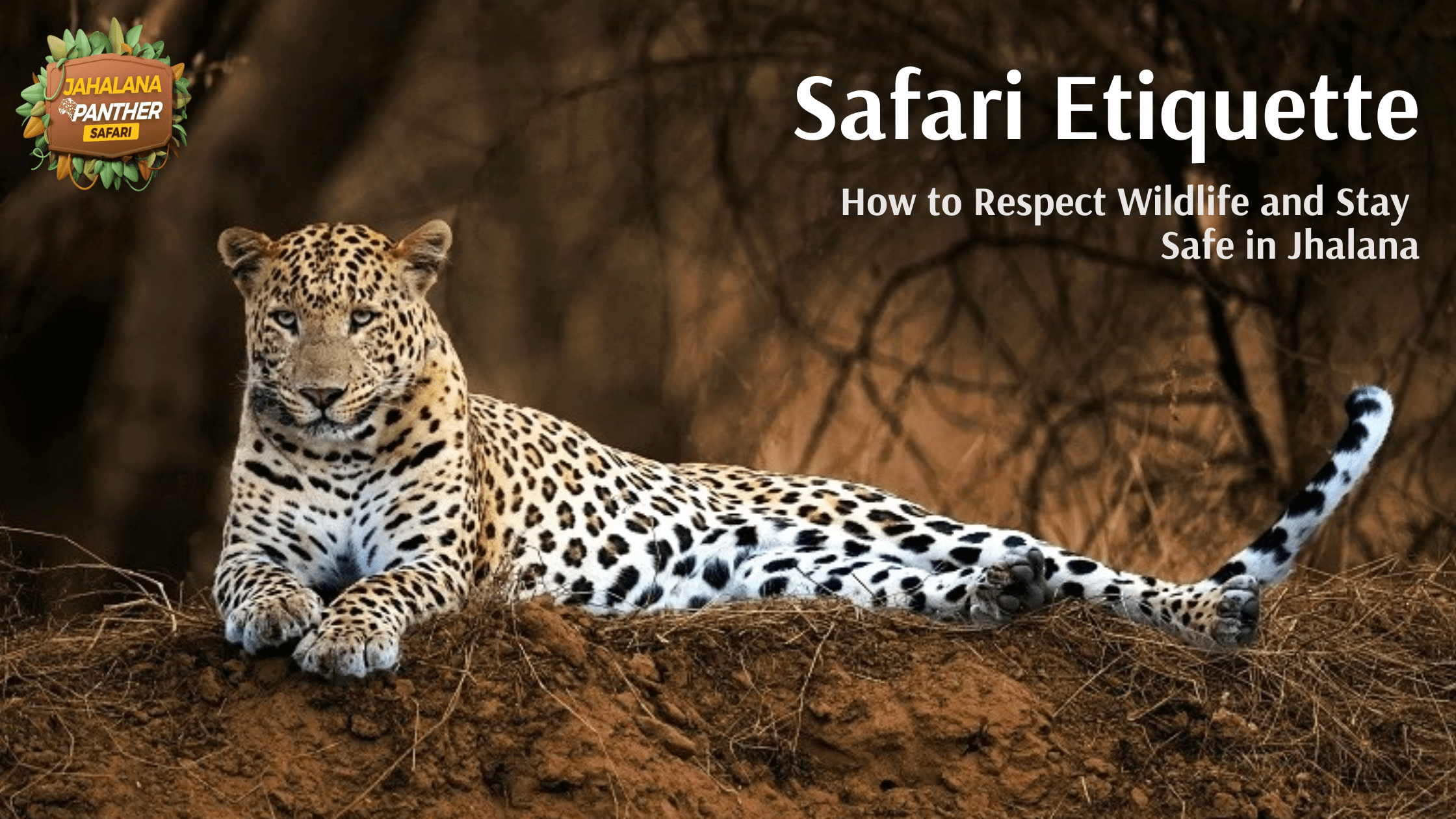
Safari Etiquette: How to Respect Wildlife and Stay Safe in Jhalana
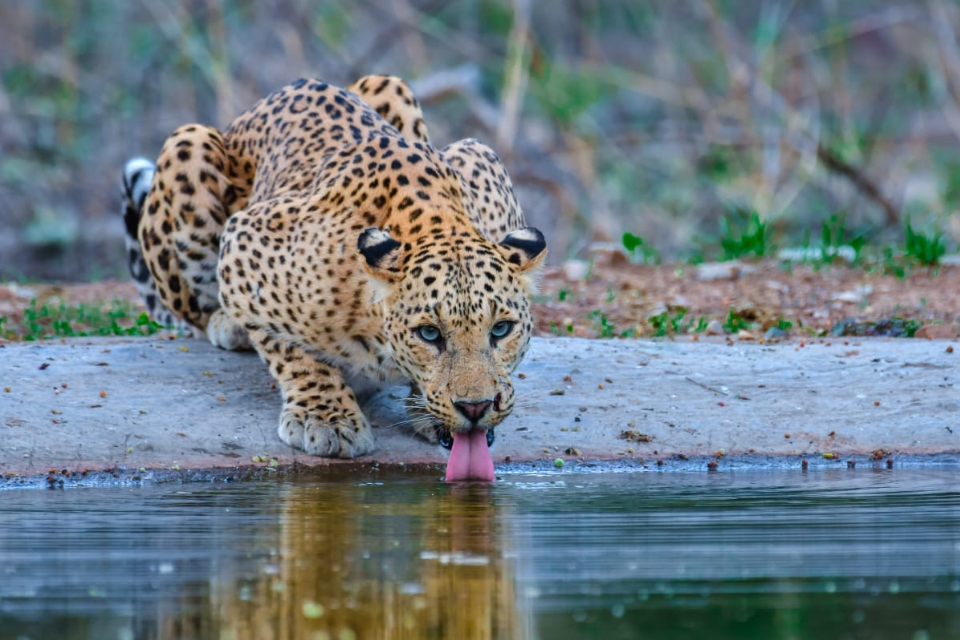
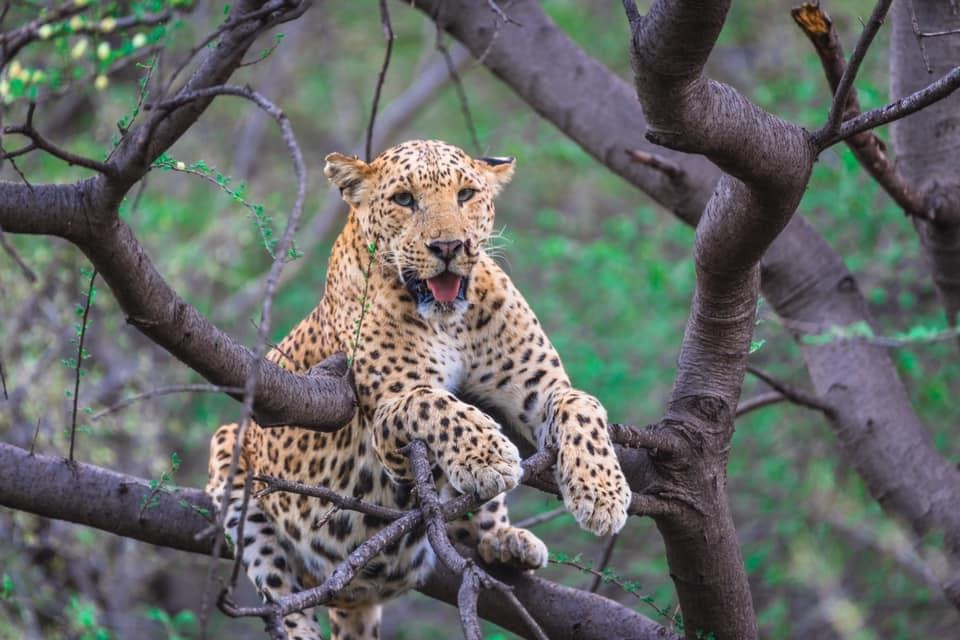
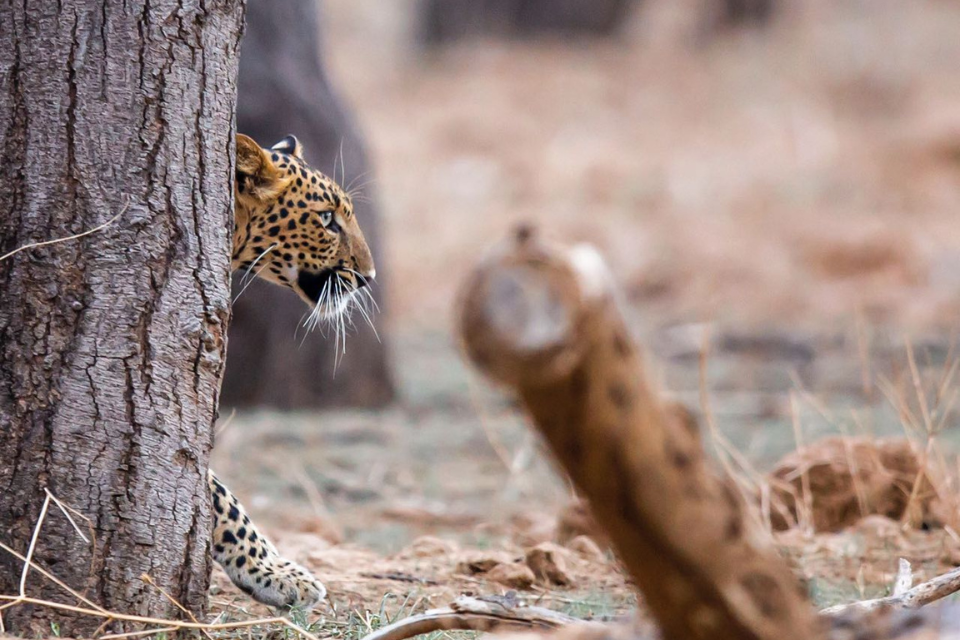
Jhalana Leopard Reserve sits within Jaipur city, making it one of India’s most accessible places to see wild leopards. Recognized as India’s first leopard reserve, it stays open year-round, including the monsoon—rare for Indian wildlife parks. That convenience comes with responsibility: the habitats are close to neighborhoods, and animals are used to vehicles yet still 100% wild. Good etiquette keeps you safe, reduces stress on animals, and ensures future visitors enjoy the same privilege.
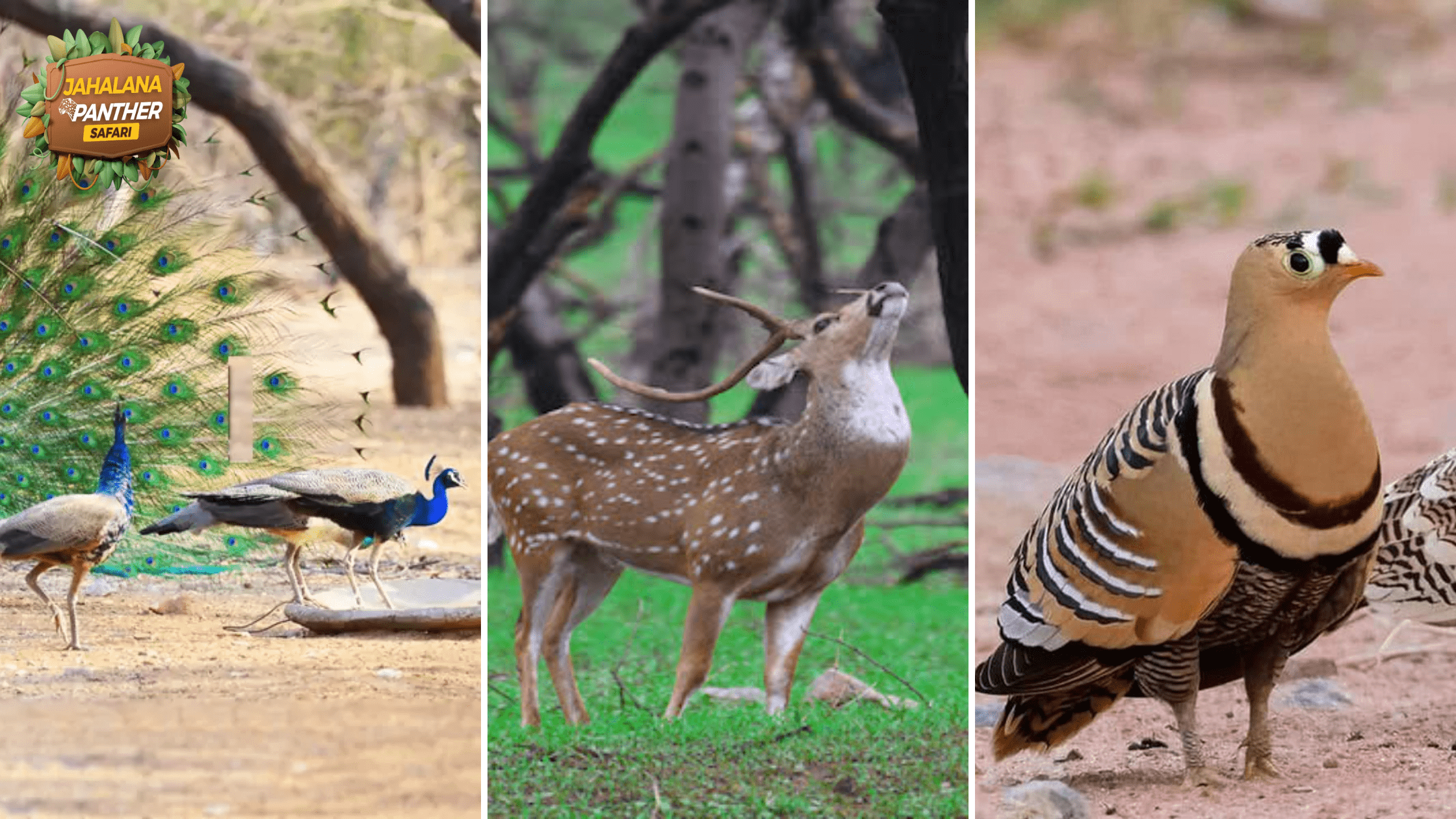
Fauna of Jhalana: Beyond Leopards
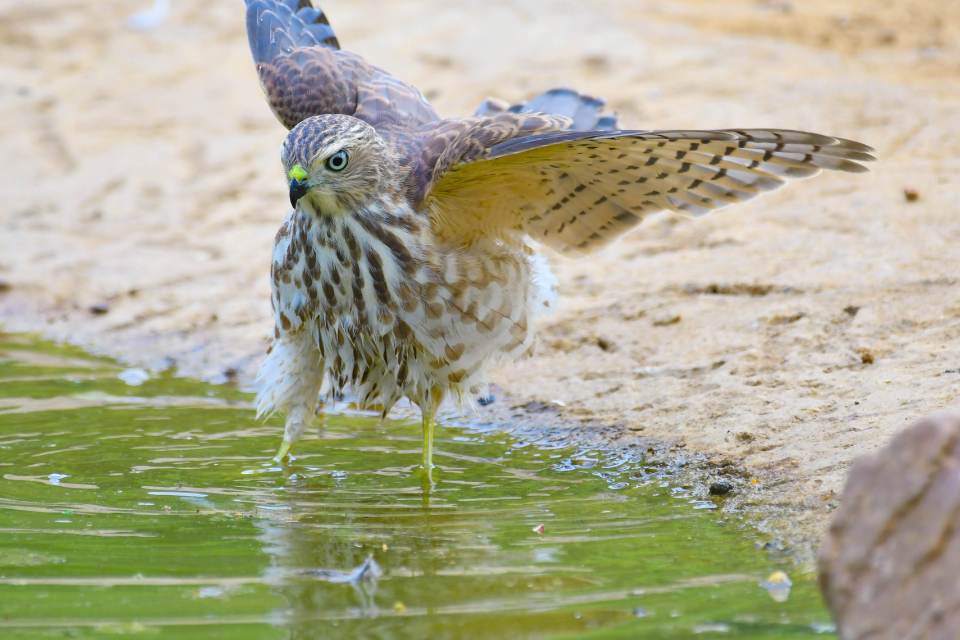
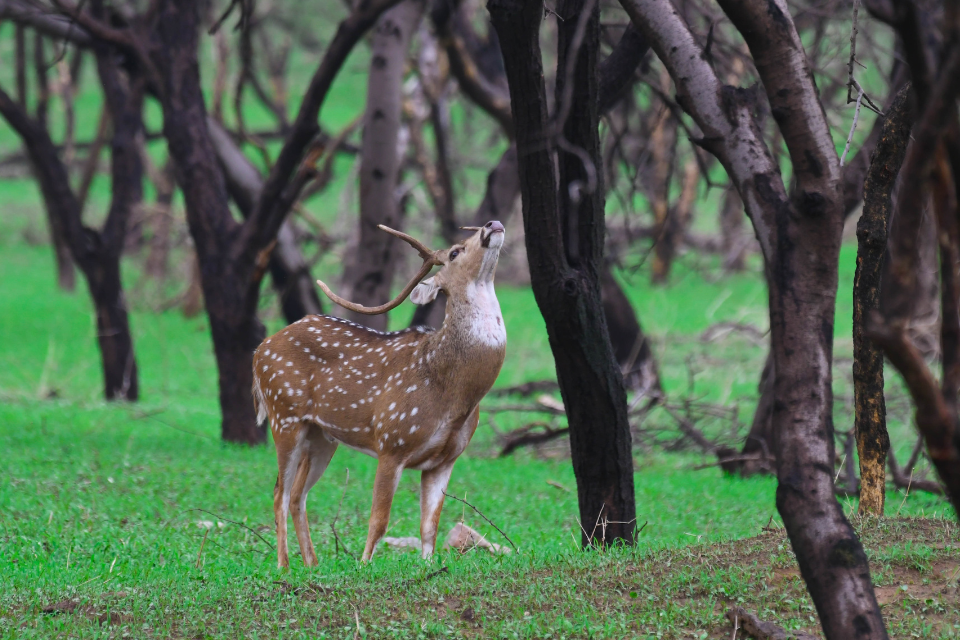
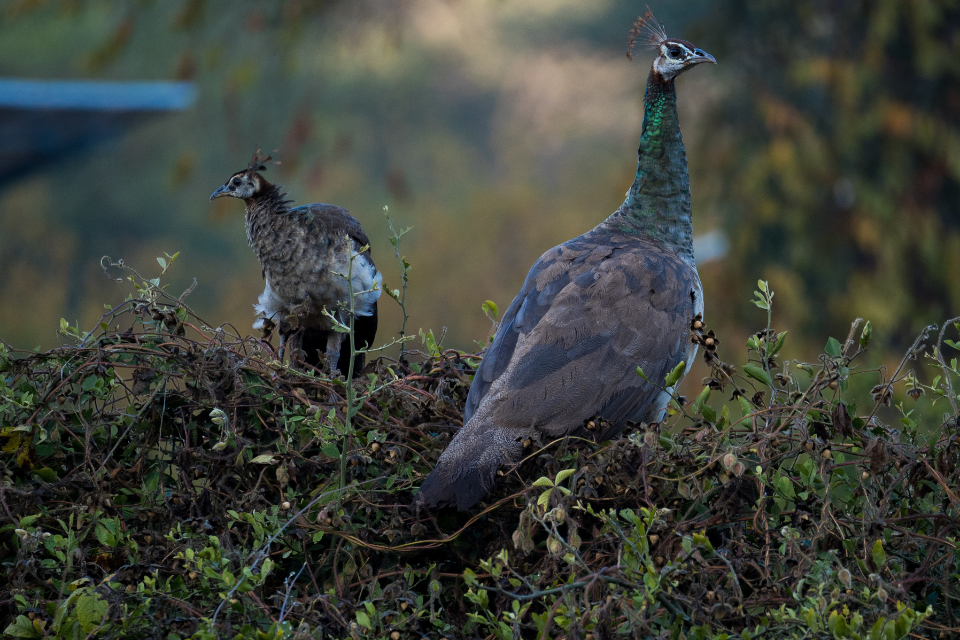
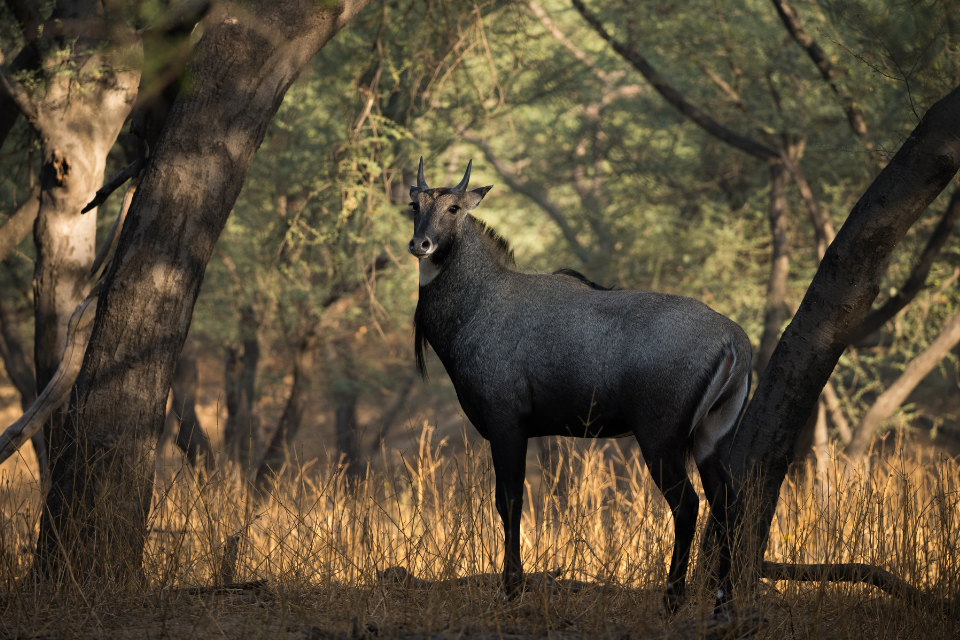
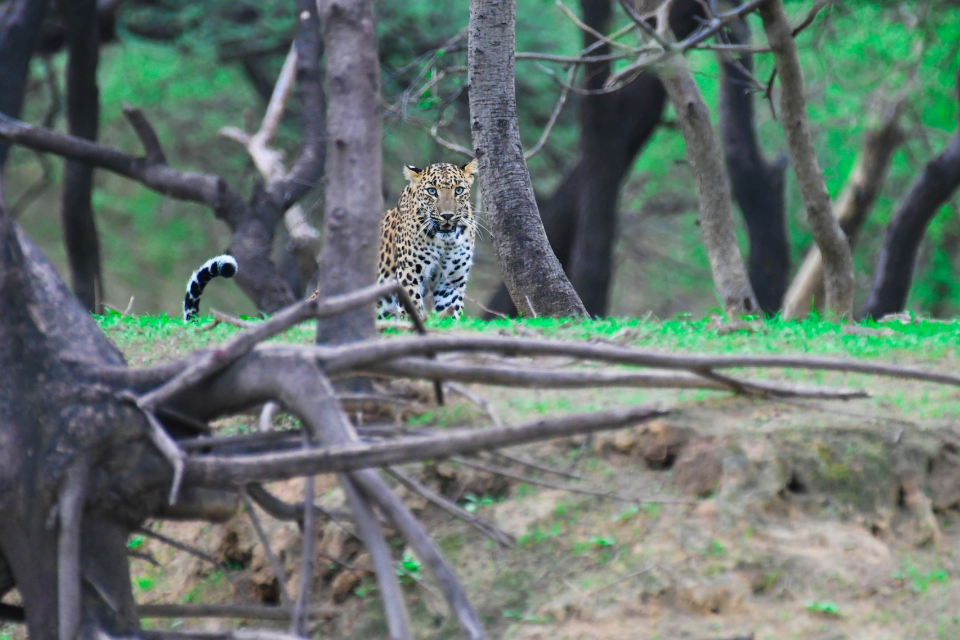
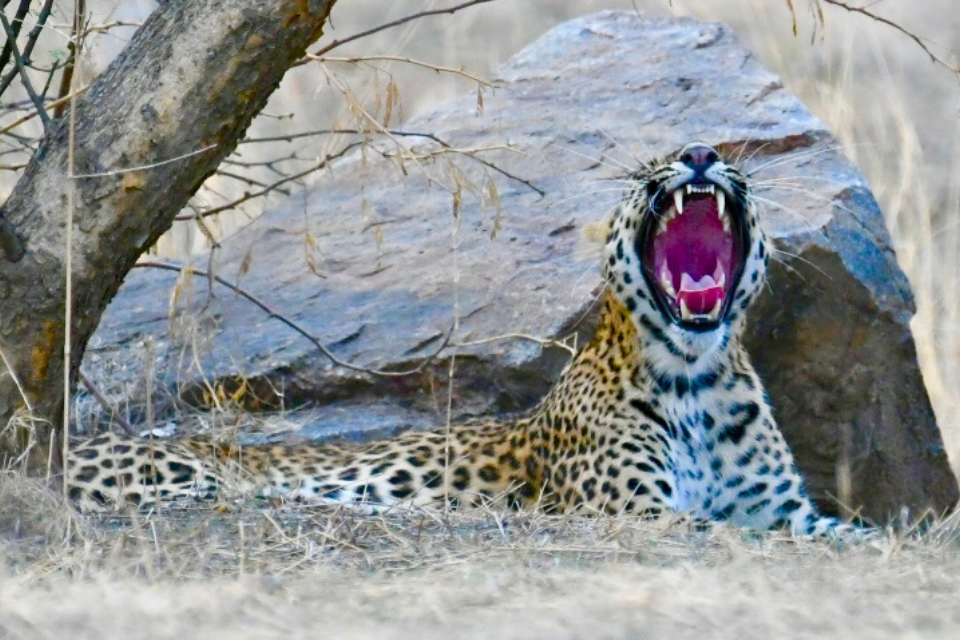
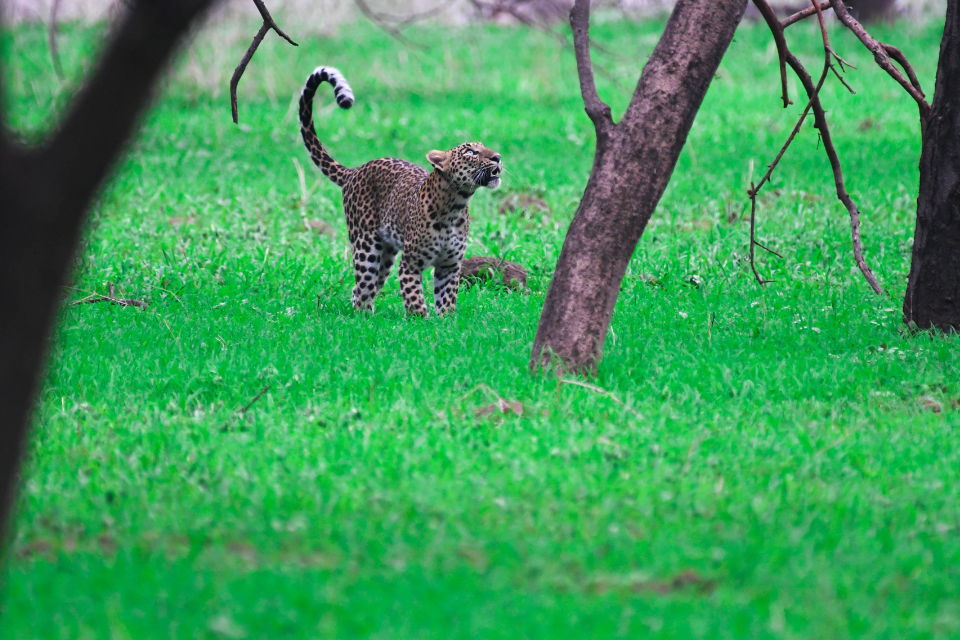
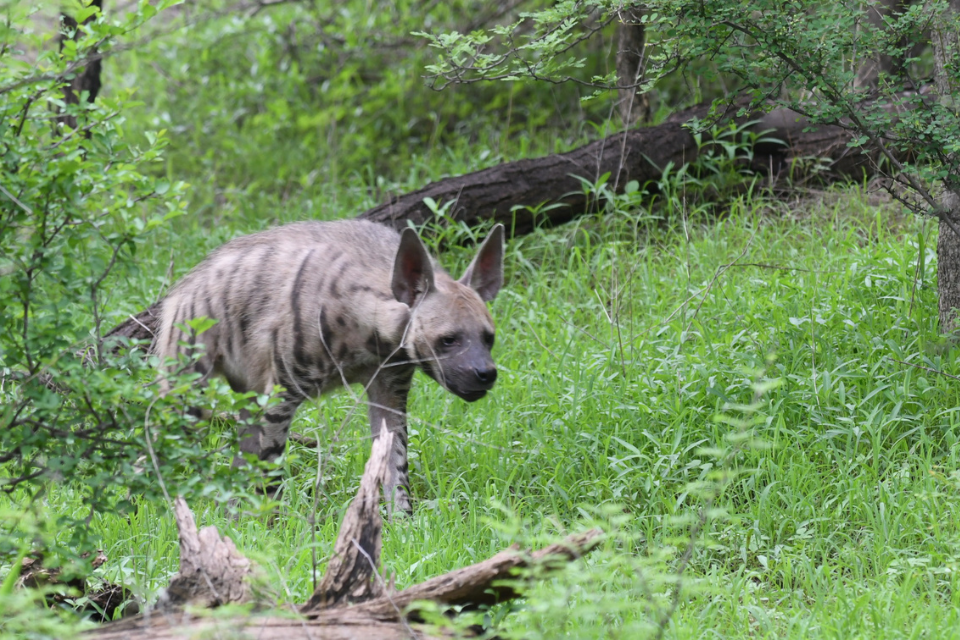
Leopards put Jhalana on the global wildlife map—and for good reason. Few places in the world let you meet an apex predator inside a major city’s bounds. But Jhalana’s magic is bigger than a spotted coat flashing through acacia shade. Spend time here and you’ll start noticing the supporting cast: striped hyenas loping like shadows, desert foxes etched against dusk, small Indian civets slipping between thickets, and a surprise abundance of antelope and birds around life-giving waterholes.
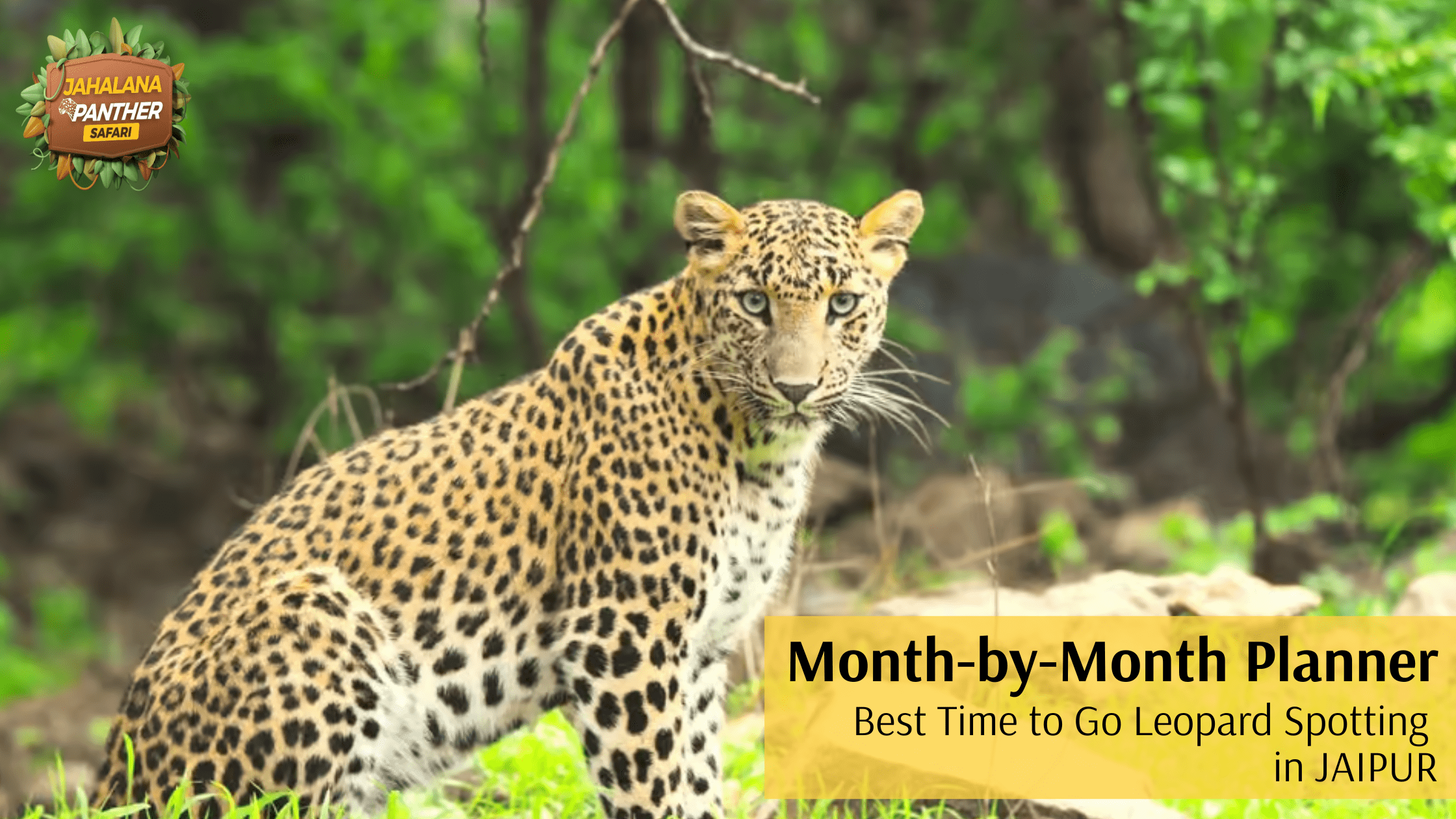
Month-by-Month Planner: Best Time to Go Leopard Spotting in Jaipur
Leopard safaris around Jaipur (Jhalana, Amagarh and Beed Papad/Maila Bagh) are unique: you’re tracking big cats in the Aravalli hills just minutes from a royal city. But “when” you go matters. Weather swings from crisp winter mornings to blazing pre-monsoon afternoons and lush green monsoon valleys.
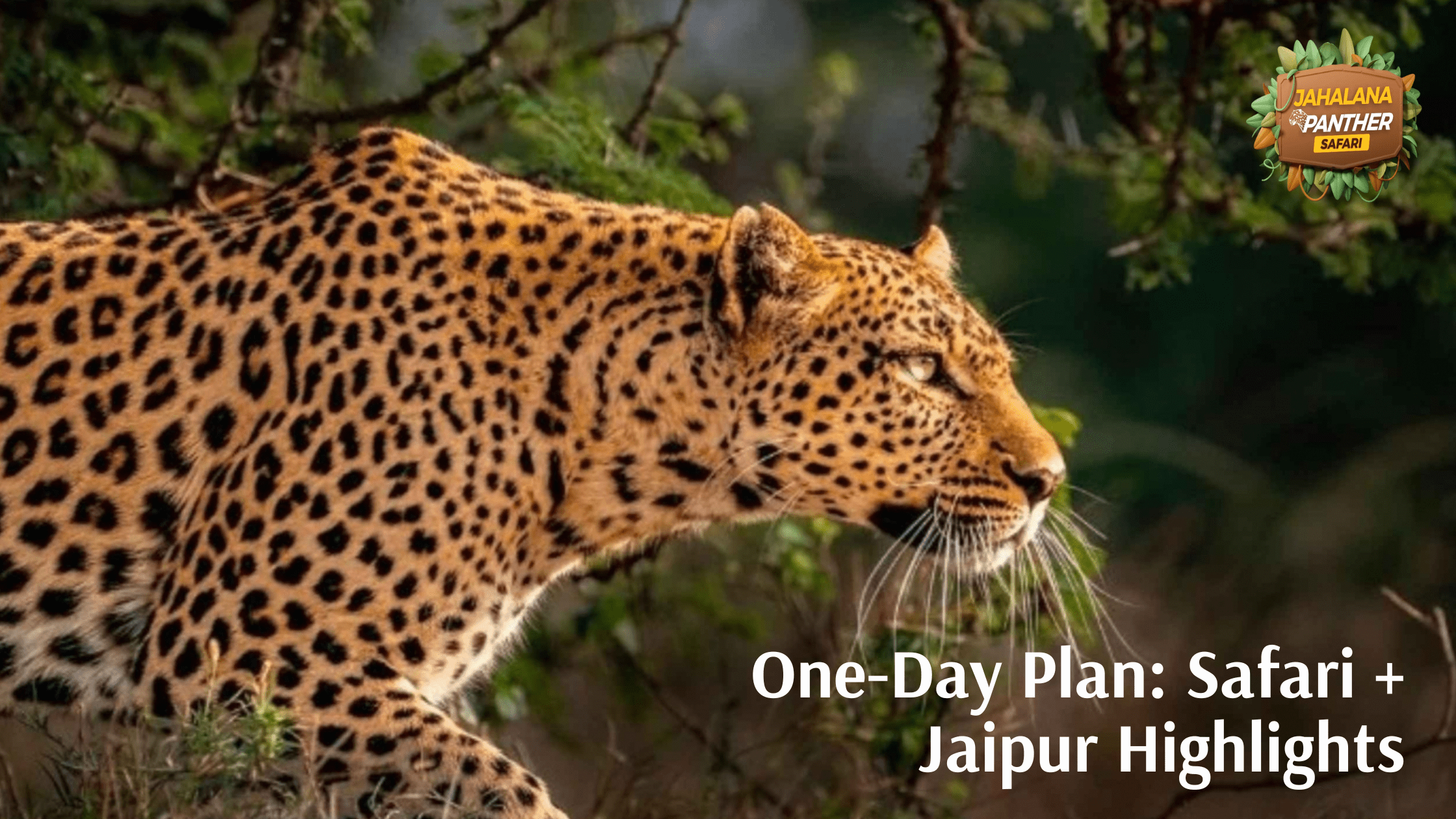
One-Day Plan: Safari & Jaipur Highlights (Perfect 24-Hour Itinerary)
Jaipur can feel like a maze of pink facades, palaces, and bazaars. Add a leopard safari to the mix and your day can either become unforgettable—or… very rushed. This plan blends wildlife and heritage in a sequence that respects actual opening times, traffic patterns, and energy levels. You’ll catch the calm of dawn in the forest, dive into royal history by late morning, and wrap with golden-hour photos.
Birds by Season: A Simple Calendar
Birds are predictable in delightful ways. While any day outside can surprise you, the seasons offer reliable rhythms: winter gathers ducks and finches, spring explodes with songbirds, summer hums with nesting activity, and fall funnels raptors and shorebirds south. A simple calendar helps you plan trips, time backyard projects, and set realistic expectations—so you head out with curiosity and a purpose.
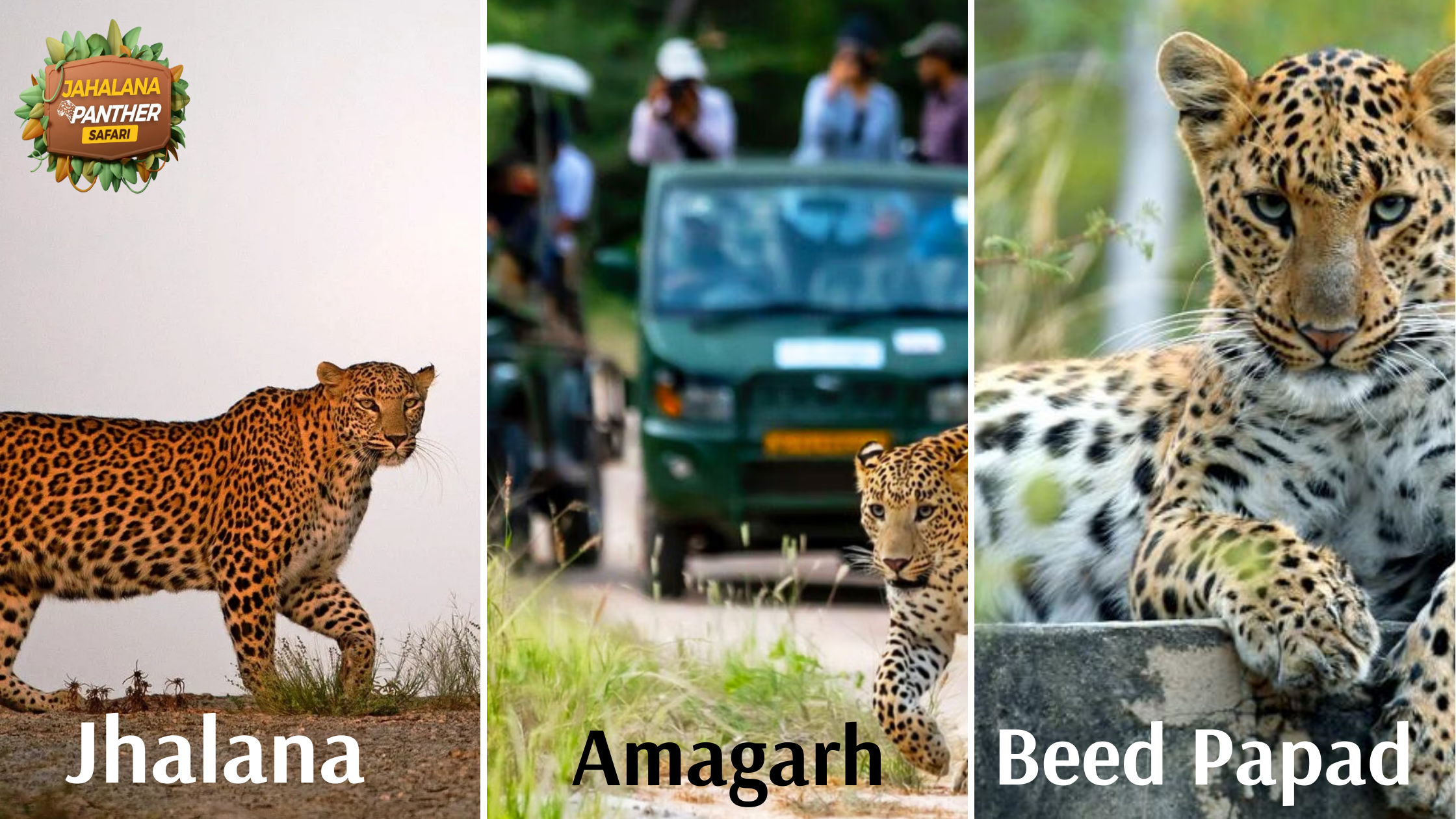
Routes Compared: Jhalana vs Amagarh vs Beed Papad (Jaipur Leopard Safaris)
Picking a leopard safari near Jaipur? You’re spoiled for choice. Within a short drive of the Pink City, you can choose from the pioneering Jhalana, the atmospheric Amagarh near Galtaji, or Jaipur’s newest wild frontier—Beed Papad (Maila Bagh), a fresh route inside the broader Nahargarh landscape.
How to Book Jhalana, Amagarh & Beed Papad Leopard Safaris (Jaipur)
If you’ve been dreaming of a quick big-cat fix inside Jaipur city limits, the leopard safaris at Jhalana, Amagarh, and the newer Beed Papad/Maila Bagh corridor are hard to beat. The good news: you can book them online; the tricky part is knowing which official portal to use, when to book, and what to bring.
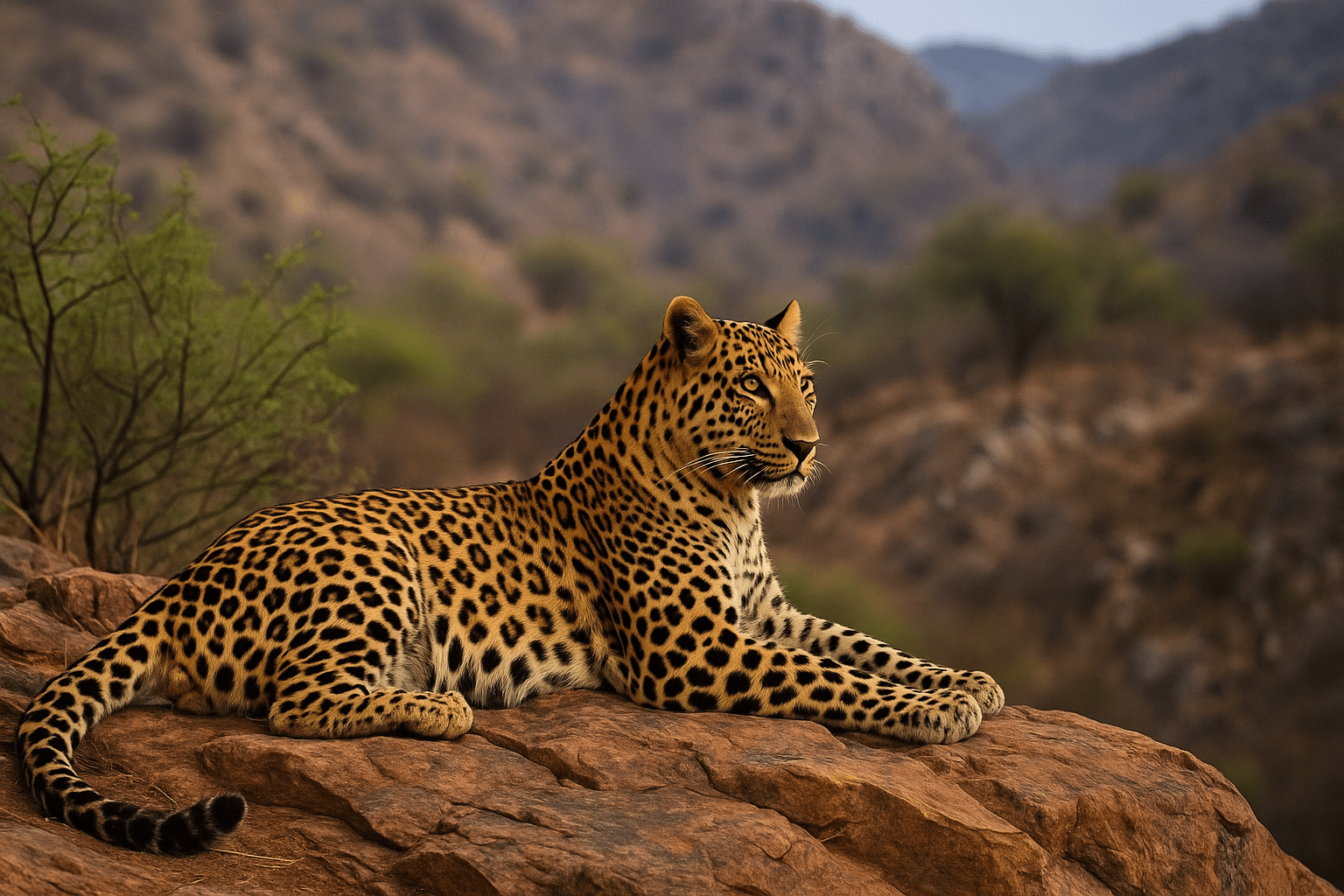
From Hunting Ground to Haven: Jhalana’s Conservation Journey
In 2017–18, Jhalana was declared India’s first dedicated leopard reserve, marking a milestone in conservation. Today, instead of gunshots, the rustle of safari jeeps and the click of cameras echo through its terrain.
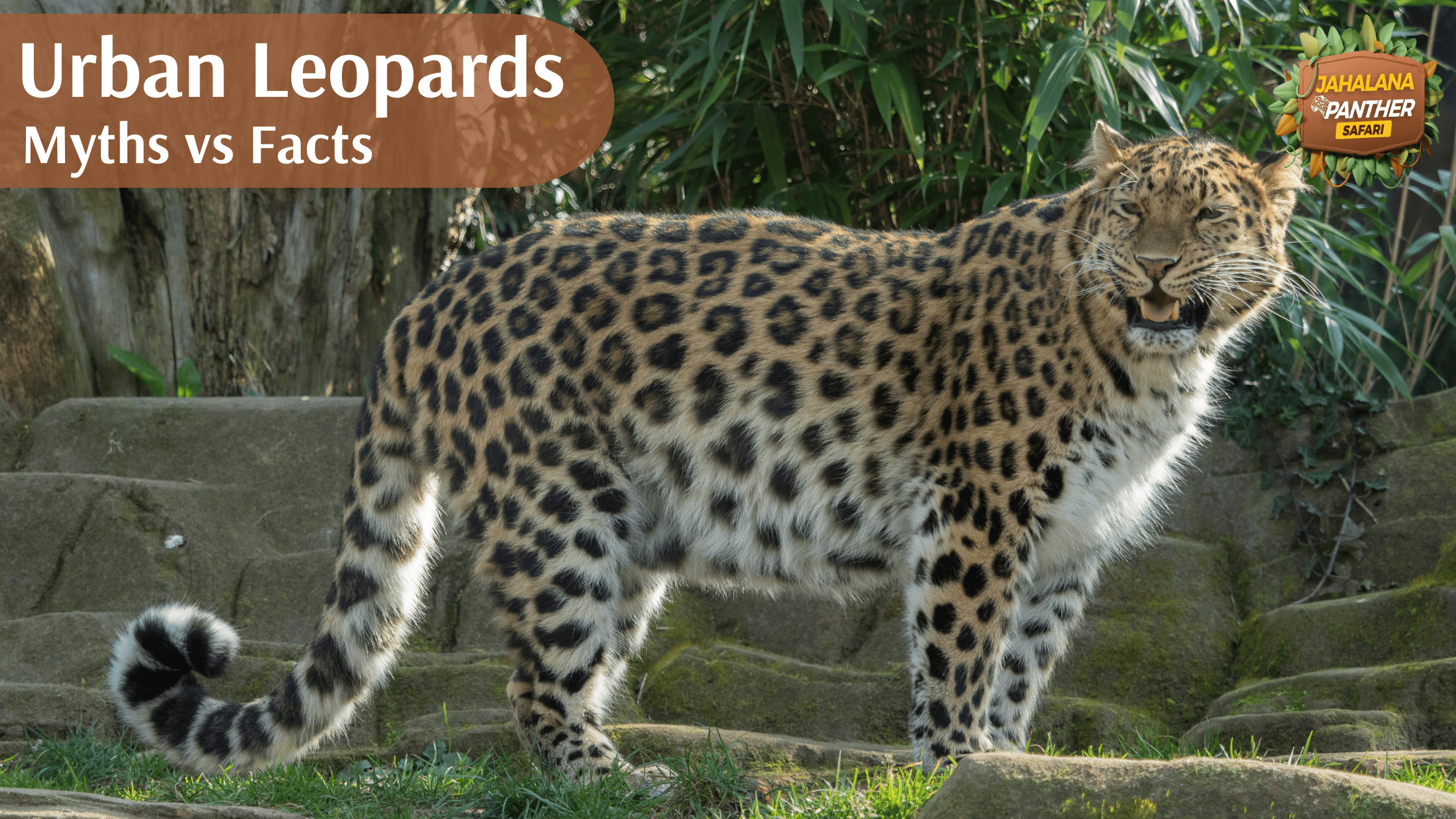
Urban Leopards: Myths vs Facts
Leopards in cities sound like the plot of a thriller. In India, though, it’s everyday urban ecology. From Mumbai’s Aarey Colony to Bengaluru’s outskirts and Jaipur’s Jhalana Reserve, leopards prowl the edges of dense neighborhoods, railway embankments, and scrubby urban forests. Headlines often amplify fear, but decades of research paint a more nuanced picture: these big cats are remarkably adaptable—and our responses determine whether the story becomes conflict or coexistence.
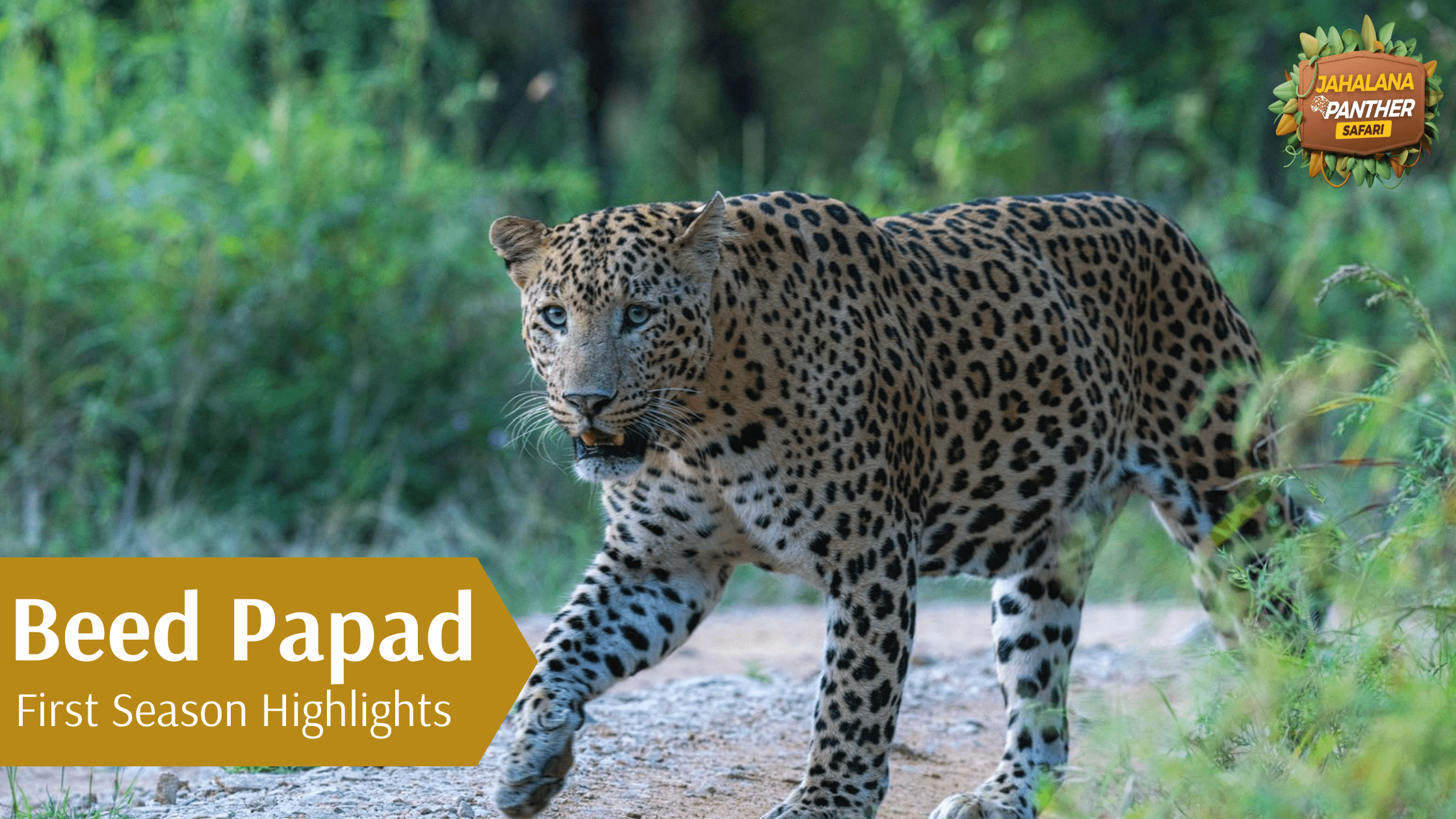
Beed Papad: First Season Highlights
If you love the electric hush of a waterhole at dusk, Jaipur just gave you a new place to listen. On June 5, 2025—World Environment Day, the Forest Department opened Beed Papad (Maila Bagh), adding a third leopard safari to a city already famous for Jhalana and Amagarh.