- September 9, 2025
Fauna of Jhalana: Beyond Leopards
Why Look Beyond Leopards?
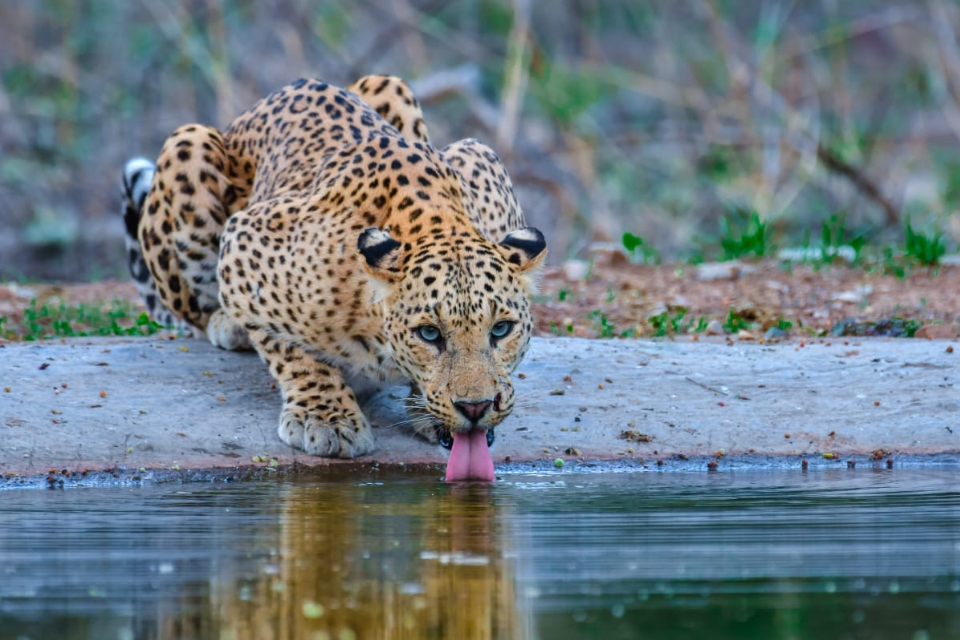
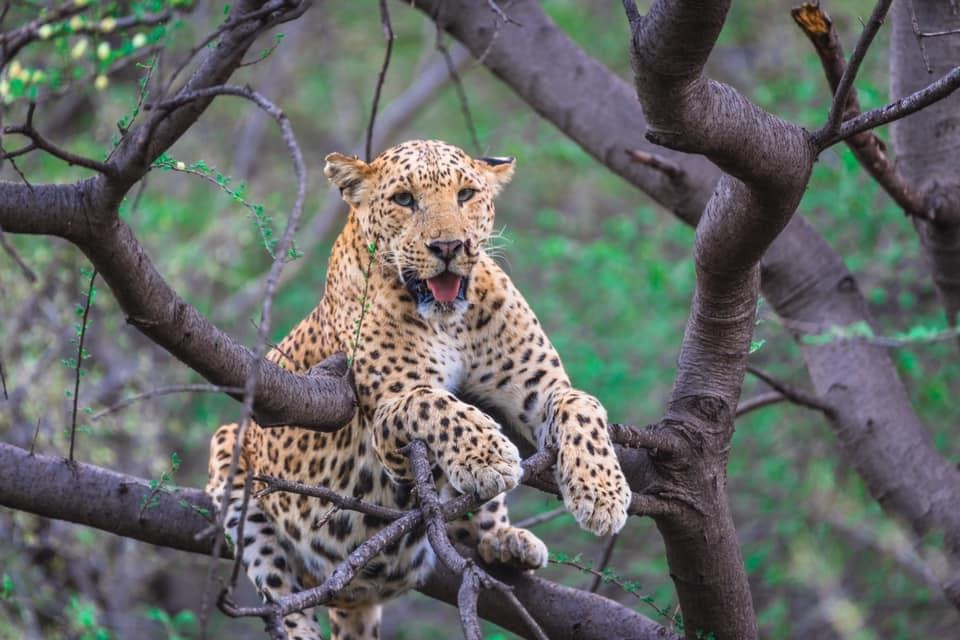
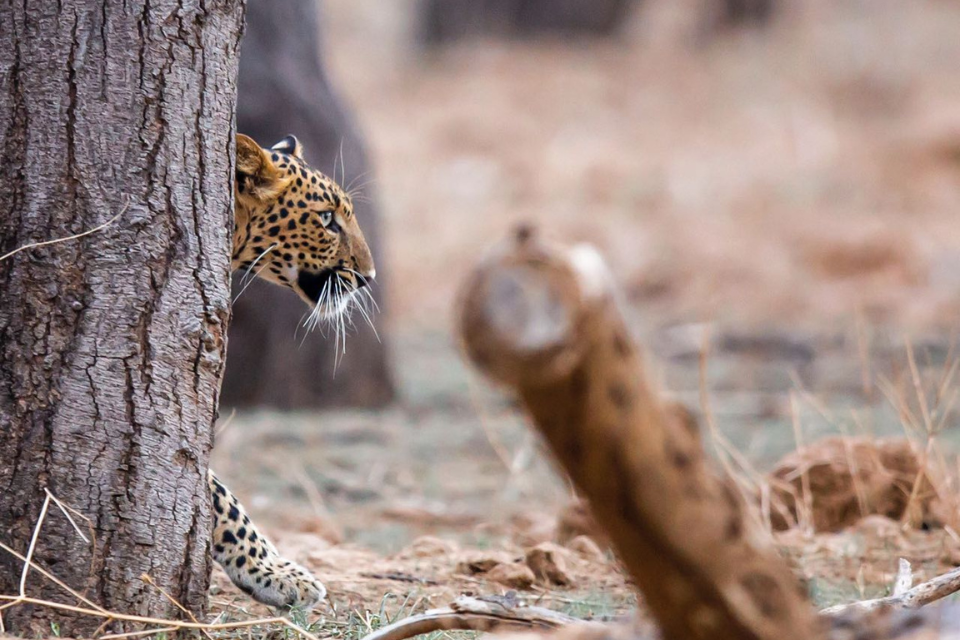
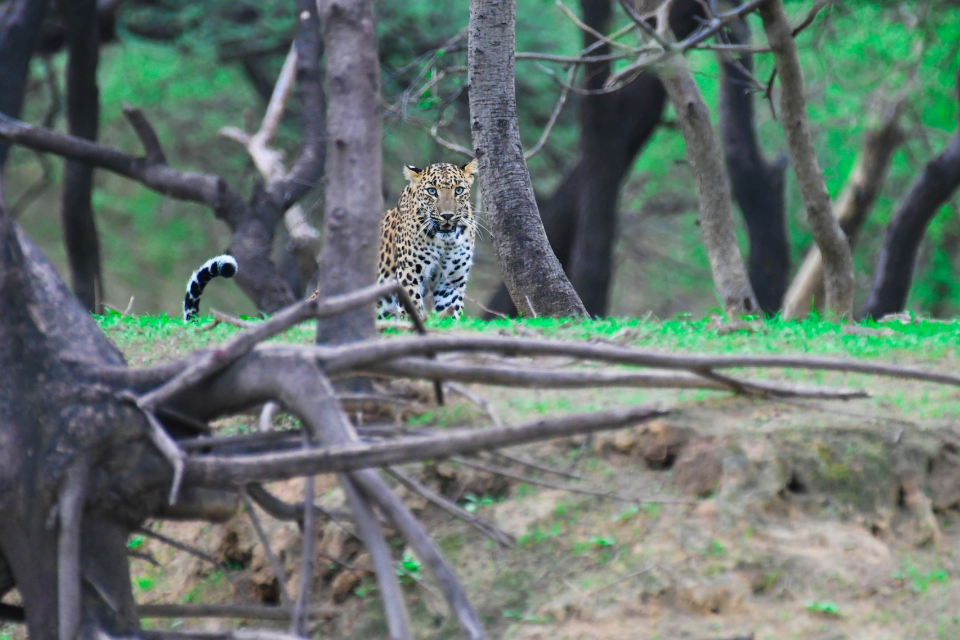
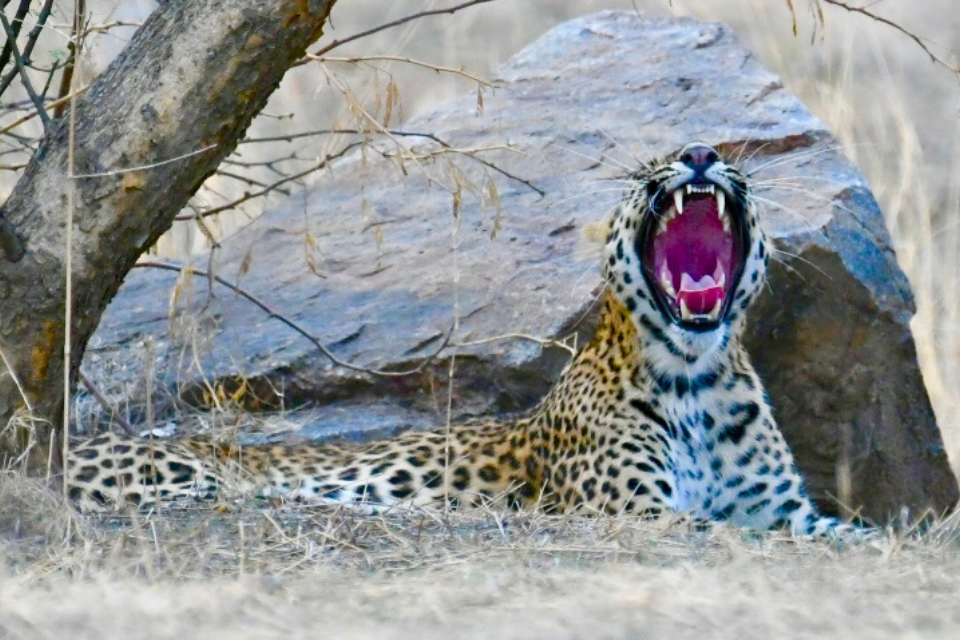
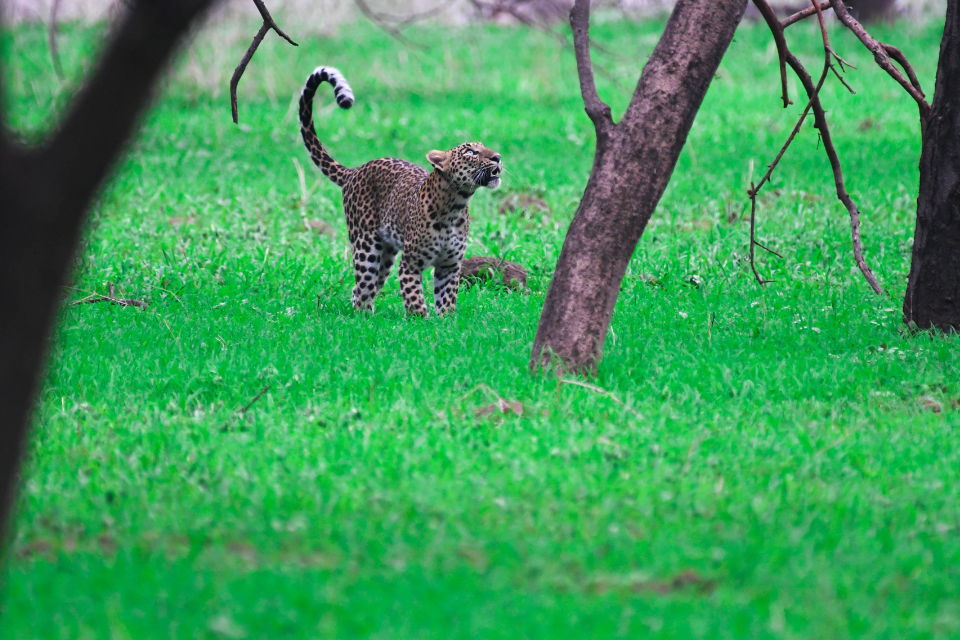
Leopards put Jhalana on the global wildlife map—and for good reason. Few places in the world let you meet an apex predator inside a major city’s bounds. But Jhalana’s magic is bigger than a spotted coat flashing through acacia shade. Spend time here and you’ll start noticing the supporting cast: striped hyenas loping like shadows, desert foxes etched against dusk, small Indian civets slipping between thickets, and a surprise abundance of antelope and birds around life-giving waterholes. This is a living, evolving urban wilderness—worth meeting in full.
Where We Are: A Quick Natural History of Jhalana
Jhalana Leopard Reserve sits within Jaipur’s southeastern rim, part of the ancient Aravalli system. The forest type is semi-arid tropical dry deciduous, with no perennial streams. Wildlife congregates at artificial waterholes maintained by the forest department—a crucial lens for planning sightings. Jhalana was a reserve forest in 1961 and was designated a Leopard Reserve in 2017; the landscape is fenced/walled along urban edges to reduce conflict while still permitting leopard movement. Camera-trap studies (2017–2019) mapped 39 species (birds, mammals, domestic species) and documented how thoughtful protection reduced human and livestock intrusions while increasing wildlife records, including hyenas, foxes, civets and antelope.
Scale check: The protected area spans ~29 km², an island of dry forest surrounded by city. That small size—and the absence of tigers/wolves—helps explain why leopards flourish as apex predators.
Carnivore Crew: Hyenas, Foxes, Jackals & Civets
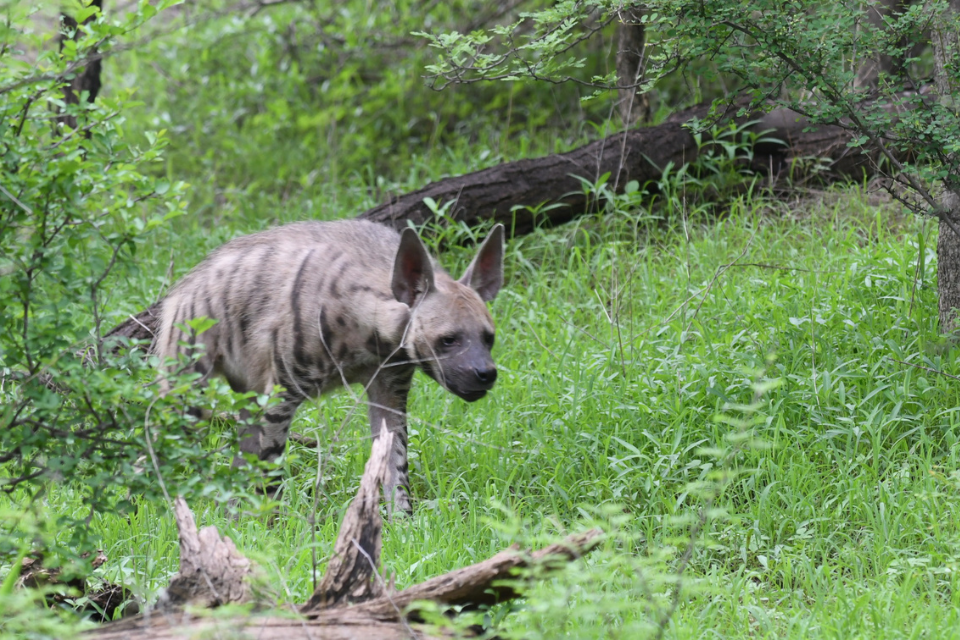
Striped Hyena (Hyaena hyaena)
Jhalana’s resident scavenger looks like it’s stitched from shadows—mane bristling, gait rolling. Camera traps placed at waterholes frequently recorded hyenas, especially near the southeastern boundary. They’re most active from twilight into night, cleaning the landscape and occasionally spooking the uninitiated with their eerie calls.
Bengal (Indian) Fox (Vulpes bengalensis) & Desert Fox
If you like subtlety, foxes are a delight: dainty prints, black-tipped tails, a silhouette on ridge lines. The Bengal fox appears regularly on camera traps near open ground and scrub; desert fox (reported by guides) pops up in drier patches with sparse cover. Expect crepuscular sightings and poised pauses before a quick trot into cover.
Golden Jackal (Canis aureus)
Think social canid with a versatile palate. Jackals are less commonly photographed than hyenas or foxes at Jhalana’s waterholes, but their dusk howls and opportunistic foraging make them a classic “hear-before-you-see” presence.
Small Indian Civet (Viverricula indica)
A slinky nocturnal carnivore often missed on day drives. As the reserve’s monitoring improved, civet records rose—likely a mix of population response and better detection. Civets prefer edge habitats and are best detected along quiet tracks near water.
Indian Crested Porcupine (Hystrix indica) & Mongoose
Porcupines shuffle in after dark; their quills flash under headlights. Indian mongooses are occasional, darting presences around the scrub fringe. Both contribute to pest control and seed dispersal in subtle ways only visible with patient watching.
A note on diet & coexistence: Research has shown leopards at Jhalana draw heavily on domestic animals (feral dogs, goats) where wild prey is patchy—classic urban-edge ecology that park managers are actively addressing.
The Herbivore Chorus: Antelopes, Deer & Hares
Despite the urban setting, Jhalana’s cameras documented a surprising herbivore base:
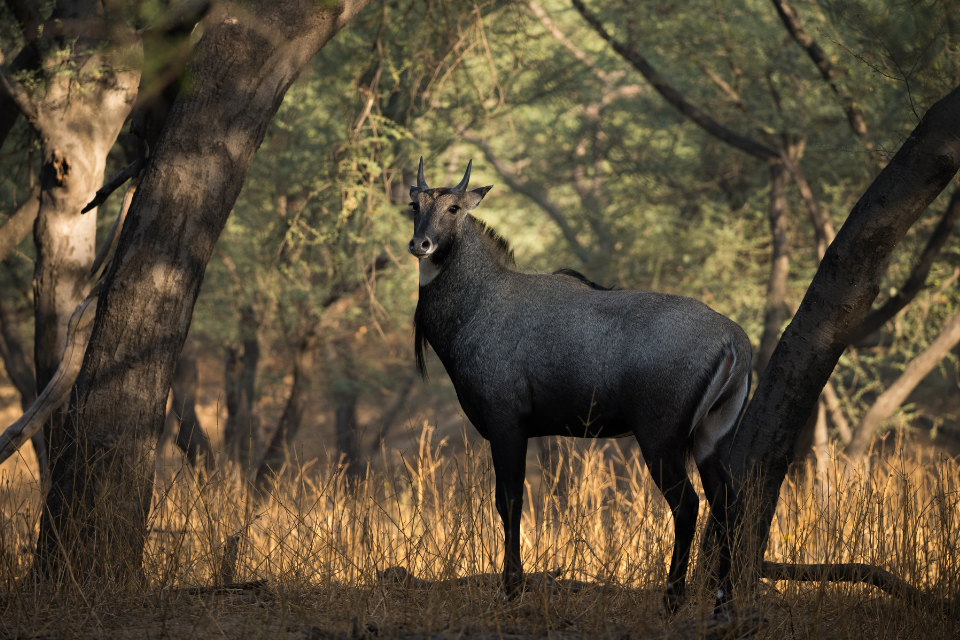
- Nilgai / Blue Bull (Boselaphus tragocamelus) — the heavyweight antelope, widely photographed at waterholes and along open valleys.
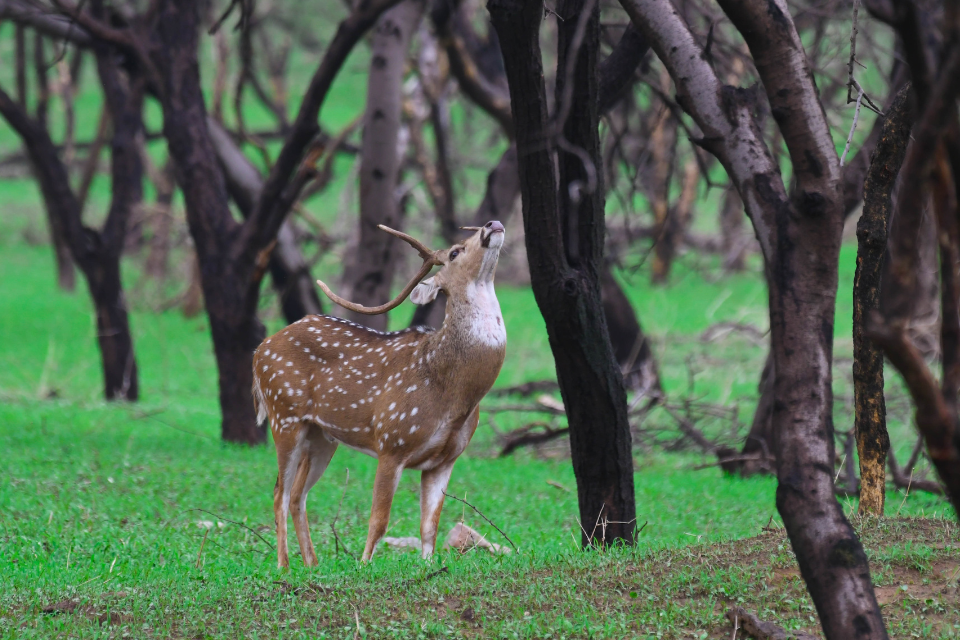
- Chital / Spotted Deer (Axis axis) and Sambar (Rusa unicolor) — less numerous than in larger parks, but camera traps recorded them.
- Black-naped Hare (Lepus nigricollis) — a common nocturnal grazer, often a blur in headlamps.
This herbivore presence matters: it buffers predator pressure away from domestic stocks and stitches Jhalana’s food web together. Ongoing habitat work (e.g., managing invasive plants, securing water points) aims to strengthen this base.
Birding in a Dry Deciduous Gem
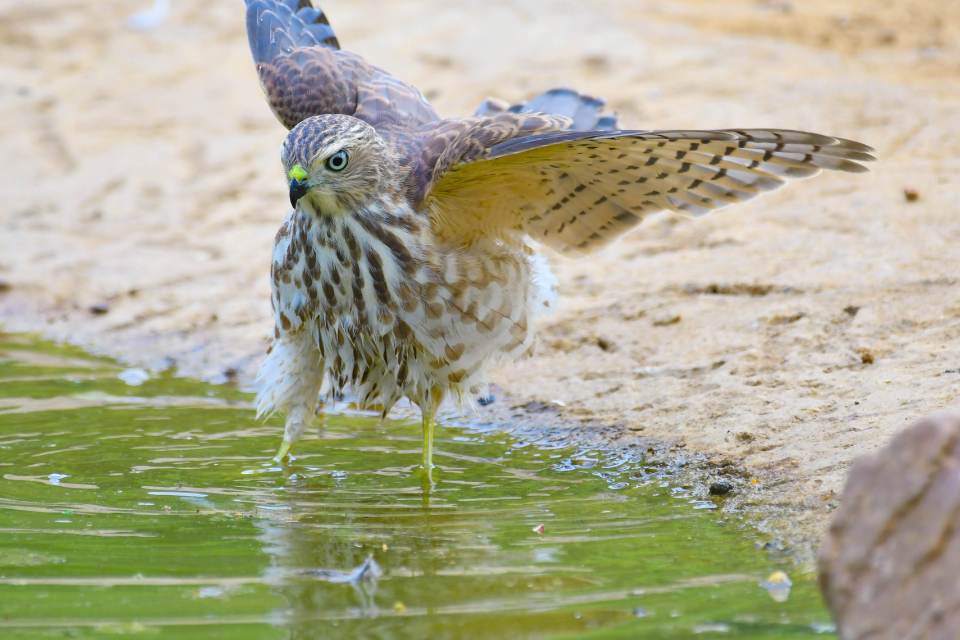
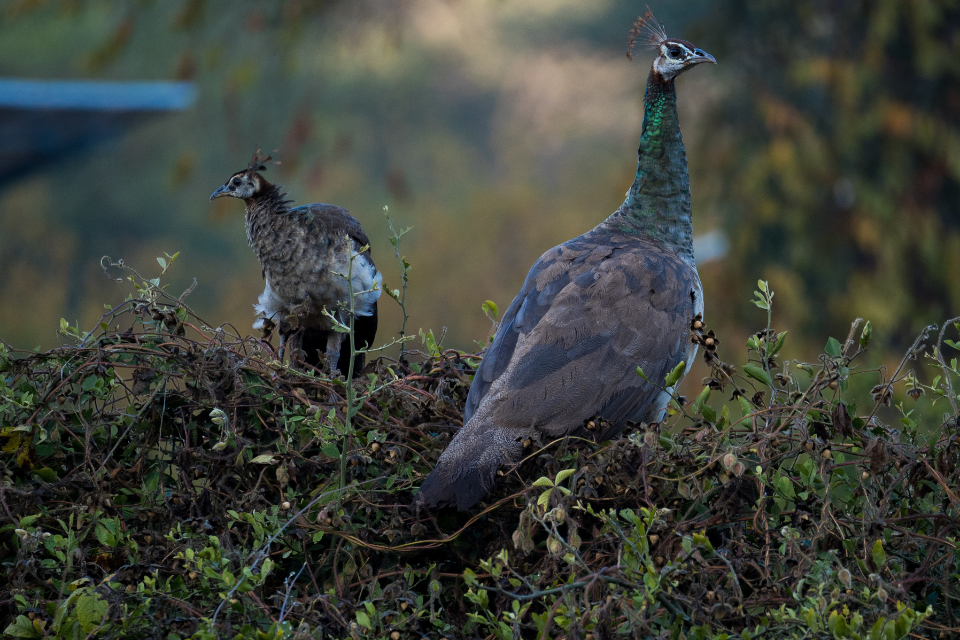
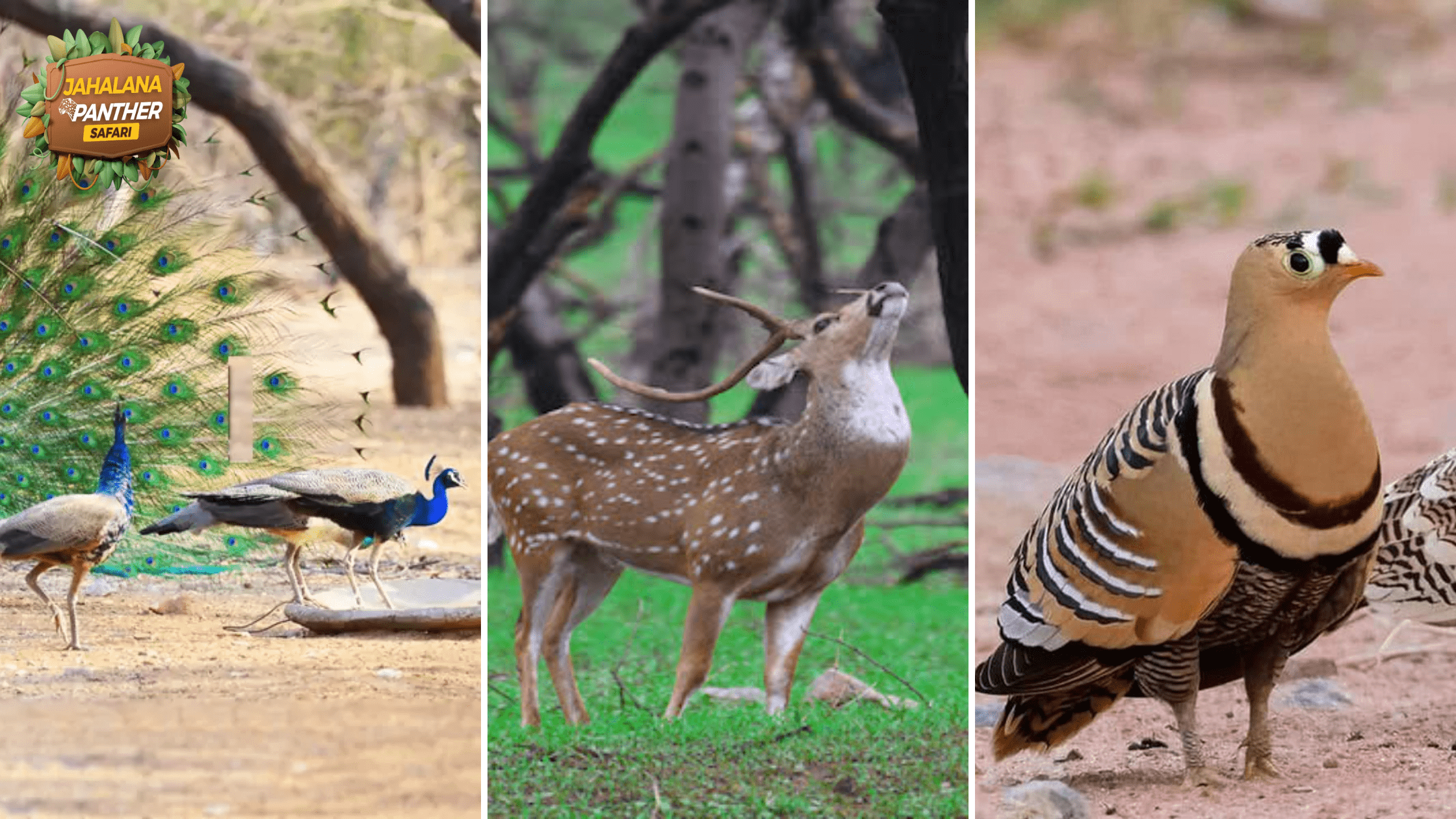
If your safari turns “quiet,” look up and listen—Jhalana is a birding classroom. Camera-trap studies (which undersample canopy species) still logged Indian peafowl, jungle babbler flocks, rufous treepies, red-vented bulbuls, red-wattled lapwings, blue rock pigeons, raptors such as shikra and Indian eagle owl, and even long-legged buzzard.
Beyond camera traps, recent travel features and field notes commonly mention 150+ resident and migratory species across seasons—think monsoon cuckoos, winter passage raptors, and the ever-audible peafowl. Bird photographers prize Jhalana’s waterhole edges and thorn-scrub ridgelines for clean backgrounds.
Hot spots for birders:
- Waterholes at first light (babbler flocks, lapwings, peafowl).
- Open scrub for Indian courser in winter (rare—requires luck).
- Rocky outcrops for eagle owl at dusk.
Reptiles & Other Co-stars
Jhalana’s heat and rock produce classic Aravalli reptiles. Monitor lizards patrol embankments; snake life ranges from harmless to venomous (always give space). While comprehensive reptile lists are still being formalized, safaris and guides regularly report monitor lizards and occasional python traces near waterholes after rains.
When to Go: A Simple Seasonal Sighting Guide
- Oct–Feb (Cool & Clear): Peak comfort for long drives. Great light for mammals; winter birds enrich checklists. Morning fog adds mood around waterholes.
- Mar–Jun (Dry Heat, Intense): Tough on humans, useful for sightings as animals cluster at water. Carry extra water; plan dawn/late-evening drives.
- Jul–Sep (Monsoon): Rains green the scrub. Birdsong rises; mammal movement shifts with fresh puddles. Route access may change with conditions.
Tip: Jhalana’s wildlife is most predictable near water—a function of zero perennial streams and reliance on artificial waterholes maintained by the department and volunteers. Time your sits accordingly.
Safari Etiquette & Ethical Watching
- Slow is pro: The best sightings happen when you park quietly near waterholes and wait.
- Respect the edge: Jhalana sits against neighborhoods; don’t encourage wildlife to approach vehicles or settlements.
- No calls, no bait: Playbacks and lures disrupt behavior and are prohibited.
- Lights low at night (if permitted): Use guide-approved angles; avoid blinding animals—especially owls and civets.
- Distance = good photos: Long lenses beat close approaches. Predators and scavengers need space.
- Share the habitat: Multiple vehicles? Rotate front views calmly—everyone wins.
Night/twilight safaris may be offered by operators depending on the season and permissions; these are when hyenas, civets, foxes shine. Always check current regulations and book with licensed providers.

Visitor Logistics: Routes, Waterholes & What to Pack
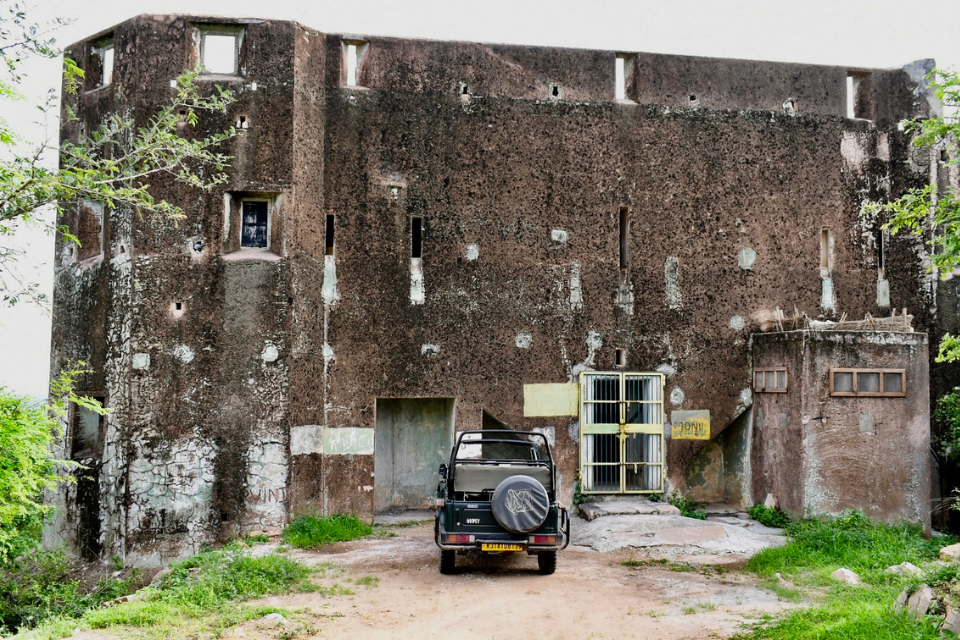
- Tracks & Zones: Jhalana has designated jeep routes; guides often plan a waterhole circuit at first light and then move to ridge lines for scanning. Electric vehicles have been introduced to reduce noise impacts in parts of the reserve—quiet wheels, better natural behavior.
- What to Carry: Binoculars (8x/10x), telephoto (300mm+), hat, electrolyte water, dust cover for gear, and a light fleece (winter dawns bite).
- Fieldcraft: Learn the signs—hyena scat on track edges, dainty fox prints, porcupine quill near scrub line, lapwing alarm calls near water.
- Ethics & Community: The reserve touches neighborhoods; responsible behavior helps keep human-wildlife coexistence viable.
FAQs
1) Is Jhalana only about leopards?
No. Camera-trap studies documented 14 mammal species including striped hyena, Bengal fox, golden jackal, civets, porcupine, mongoose, and multiple herbivores (nilgai, chital, sambar, hare), alongside rich birdlife. Leopards are the apex predator in an urban-edge food web.
2) What’s special about Jhalana’s setting?
It’s a ~29 km² dry deciduous forest island inside Jaipur, with wildlife concentrated at artificial waterholes. Urban proximity shapes behavior and management—fences reduce livestock entry; ecotourism runs on limited routes.
3) Are hyenas really easy to see?
“Easy” is relative, but striped hyenas are among Jhalana’s most regular nocturnal scavengers, often recorded near the southeastern boundary and water points—best chances at dusk/night (where permitted).
4) How many bird species can I expect?
Lists commonly exceed 150 species across seasons, from peafowl and babblers to raptors like shikra and eagle owl. Camera traps undercount canopy birds, so your field list may be much longer.
5) Are night safaris allowed?
Some operators advertise twilight/night experiences during specific periods; rules can change—confirm locally and book licensed guides only. Night is prime time for civets, hyenas and foxes.
6) Will I see deer and antelope?
Yes, but densities are lower than in large parks. Nilgai are the most consistently photographed; chital and sambar occur in smaller numbers. Patience around waterholes is key.
7) What about reptiles?
You’re likely to encounter monitor lizards around embankments; snakes are present (give space). Reptile lists are growing as more surveys are done.
Disclaimer
Wildlife is unpredictable. Species presence and viewing opportunities vary by season, habitat conditions, and ongoing management. Regulations on routes, timings, and night drives can change without notice. The information here is compiled from recent studies, reputable reporting, and field operator summaries at the time of writing; always verify current rules with the Rajasthan Forest Department or your licensed operator before booking, and follow all safety guidelines. We do not endorse any specific operator.
Disclaimer All images used in this blog are either sourced from public domain or credited to their respective owners. If you are the copyright holder of any image and wish to request its removal or proper attribution, please contact us at [email protected]