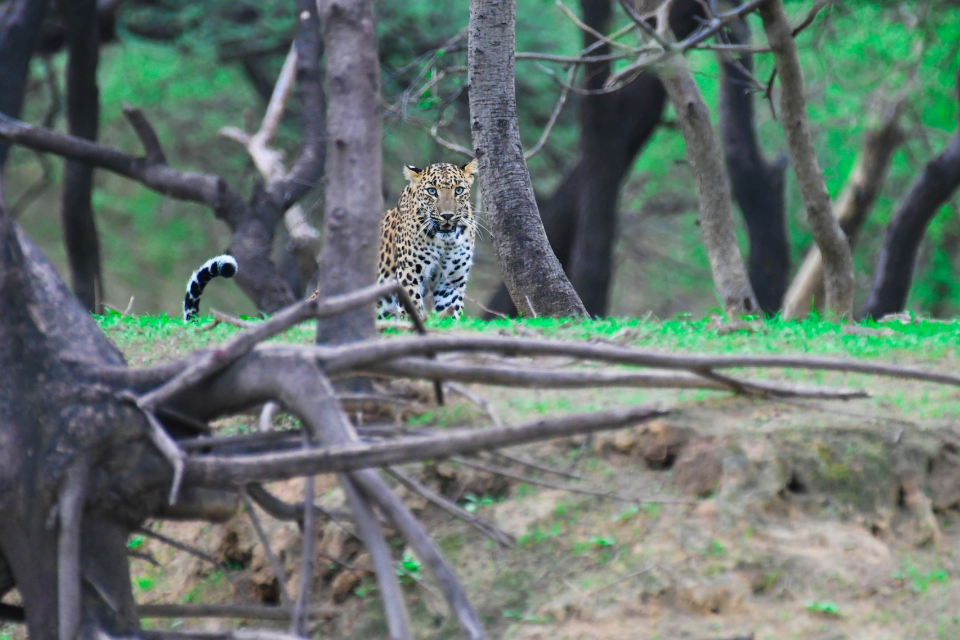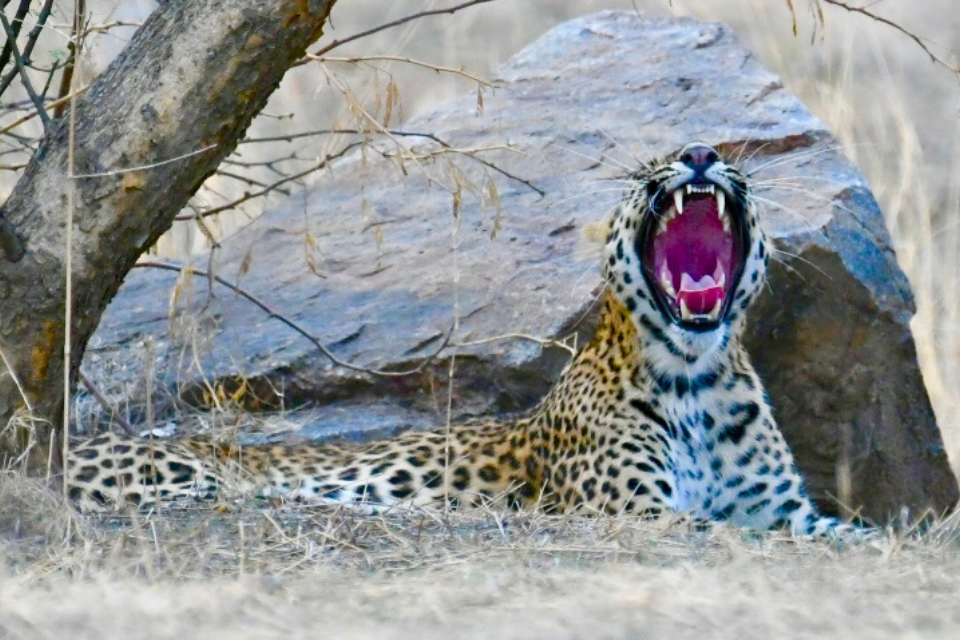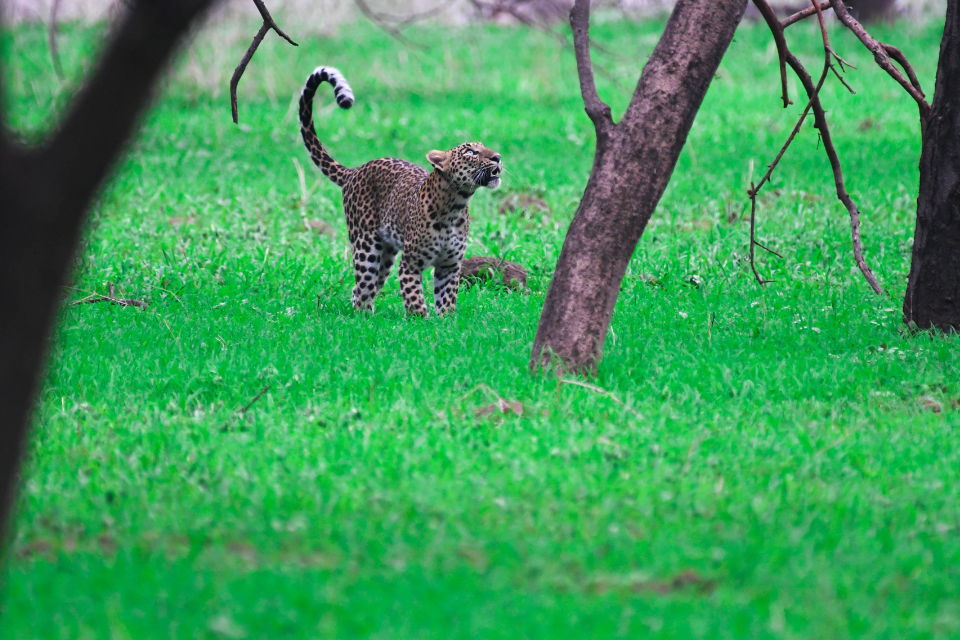
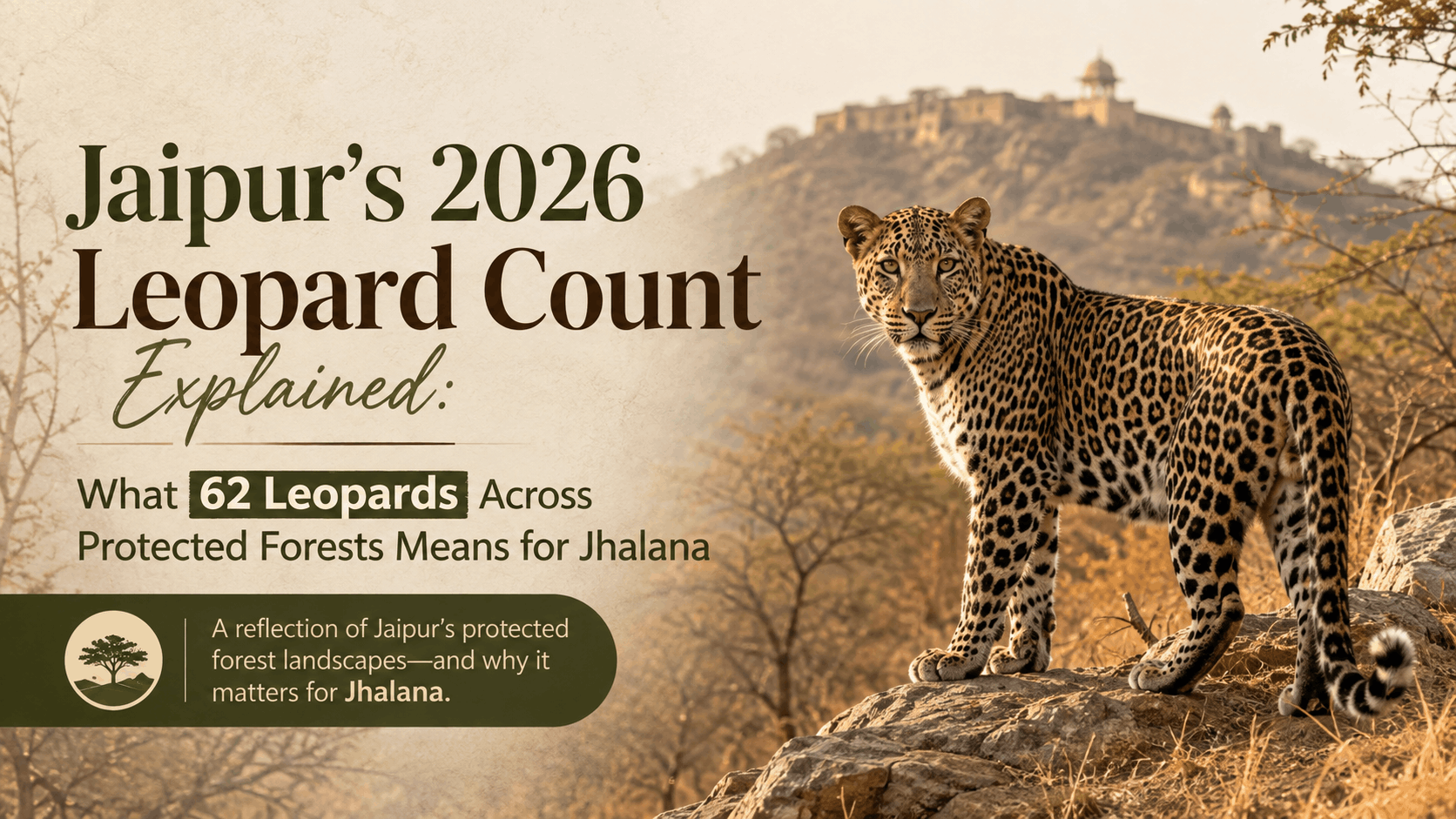
Jaipur 2026 Leopard Count Explained, Jhalana has become one of India’s most discussed urban leopard landscapes because it combines a compact forest, a visible leopard population and the pressures of a major city. The topic of Jaipur leopard population 2026 is especially relevant in 2026, when new wildlife estimates, management measures, research and policy developments are changing how people understand the reserve. This guide explains the issue in practical language, separates confirmed facts from interpretation, and connects the information to conservation and responsible safari planning.
Quick Answer
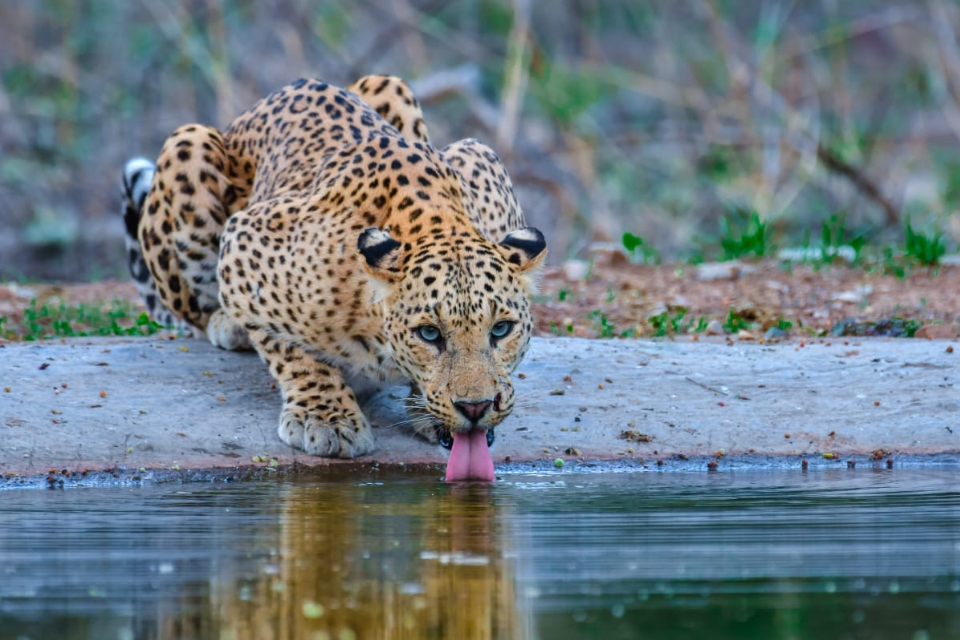
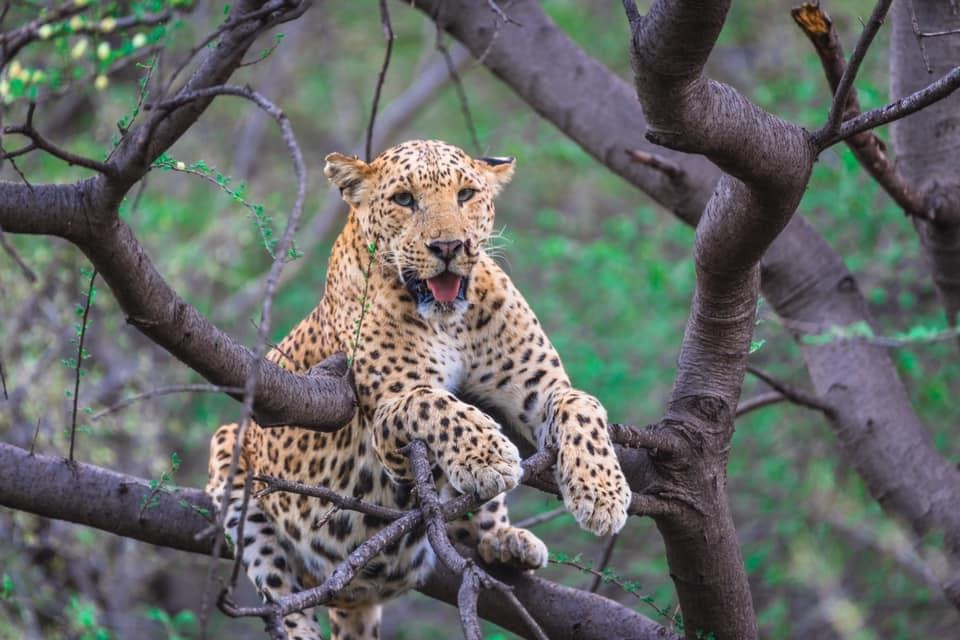
The Forest Department’s Wildlife Estimation 2026 reported 62 leopards across four major protected landscapes around Jaipur: Nahargarh Wildlife Sanctuary, Jhalana Leopard Reserve, Amagarh Leopard Reserve and Nahargarh Biological Park. Jhalana recorded 17 leopards during the exercise. That figure should be read as an estimation snapshot rather than a complete resident population, because not every leopard visits a monitored water point during a fixed survey window.
What the 2026 estimate recorded
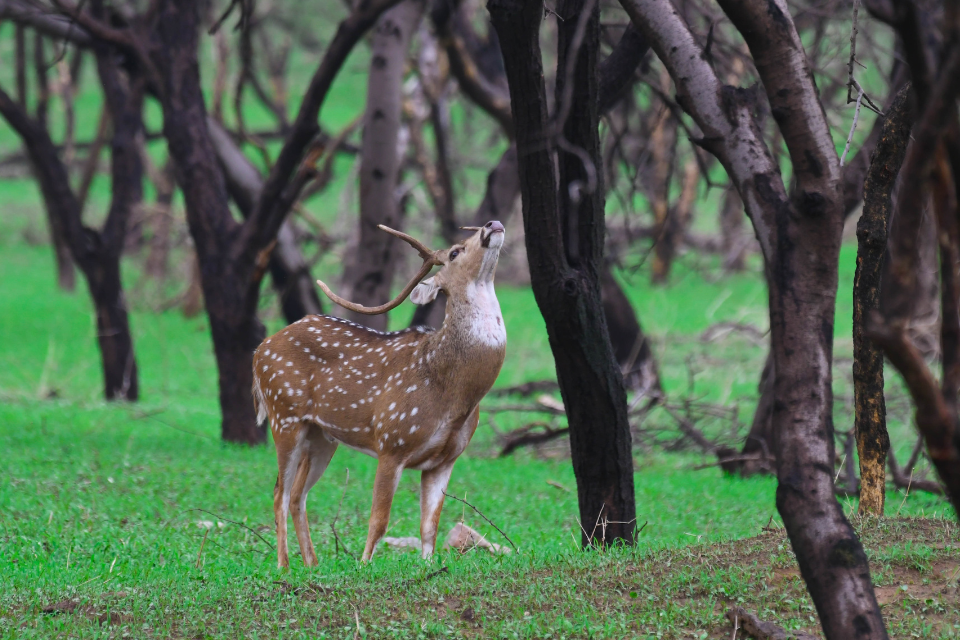
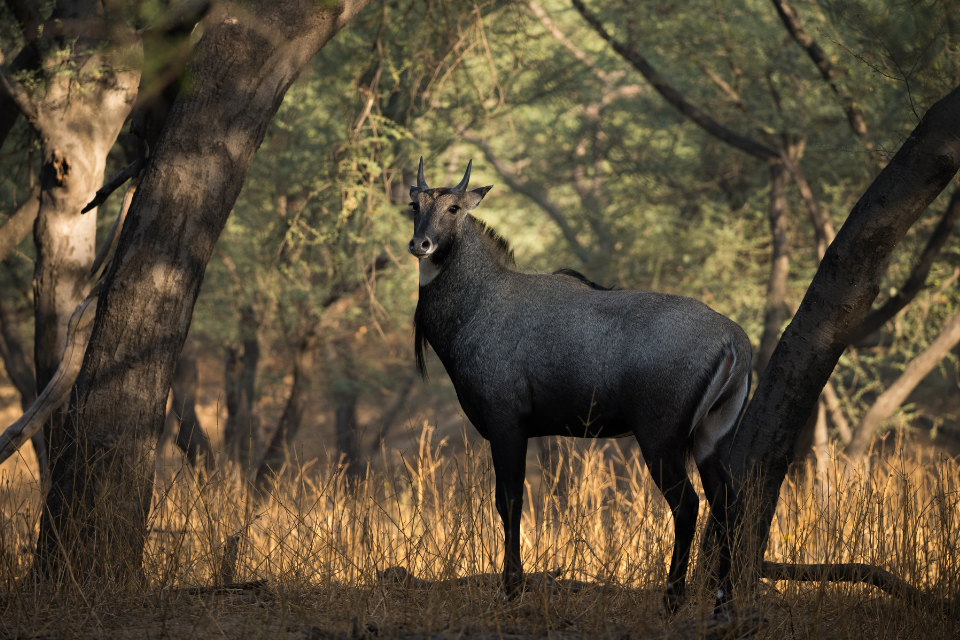
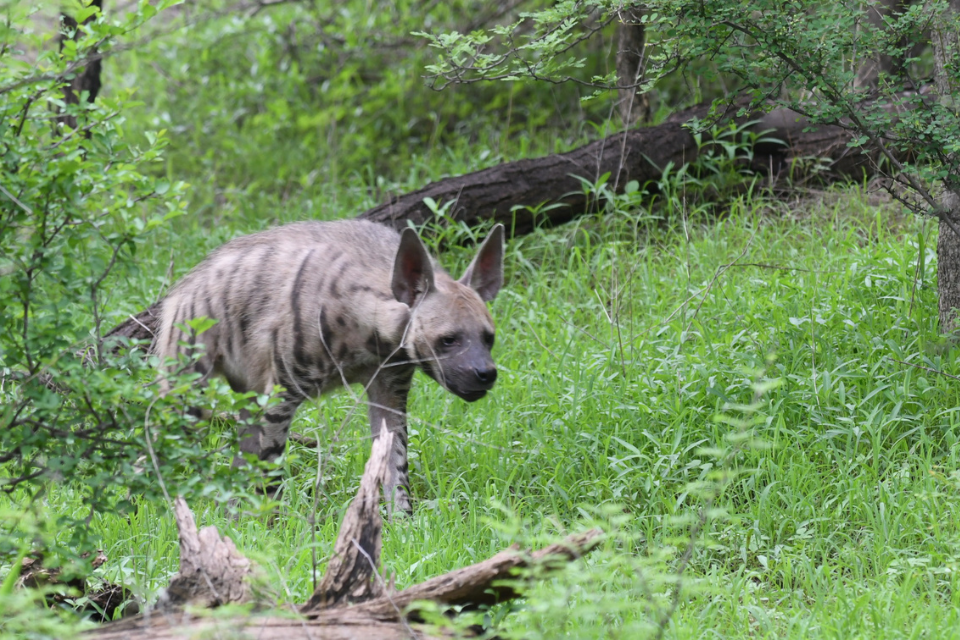
The May 2026 assessment reported 27 leopards in Nahargarh Wildlife Sanctuary, 17 in Jhalana, 10 in Amagarh and eight in Nahargarh Biological Park. At Jhalana, the survey also recorded striped hyenas, nilgai and sambar, while only a small number of chital were observed during that exercise.
Forest officials said Jhalana’s actual leopard population could be higher because some animals and known cubs were not documented during the count. Taken together, these details are more useful than a single headline because they show how field management, animal behavior and the surrounding city influence one another. For readers, the key is to distinguish what has been directly reported from what still needs longer-term monitoring before a firm conclusion can be made.
Why a survey count is not the same as a permanent population number
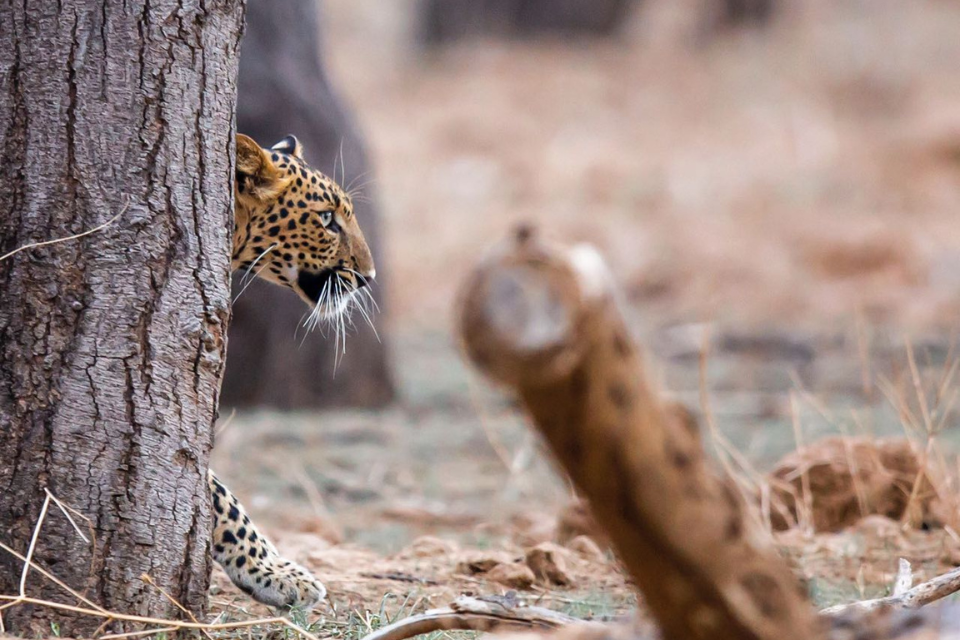
Wildlife estimation methods capture animals that are detected within a defined period and method; they do not guarantee that every individual is counted. Leopards are elusive, territorial and capable of moving between connected habitats, so a one-day or short-window count can miss individuals.
For visitors and content publishers, the safest wording is to cite the year, method and source rather than repeating a timeless claim such as ‘Jhalana has exactly X leopards.’ Taken together, these details are more useful than a single headline because they show how field management, animal behavior and the surrounding city influence one another. For readers, the key is to distinguish what has been directly reported from what still needs longer-term monitoring before a firm conclusion can be made.
What the number says about Jaipur’s urban wildlife network
The distribution of leopards across Jhalana, Amagarh, Nahargarh and nearby forest patches shows that Jaipur’s wildlife story is larger than one safari zone. As urban development expands, habitat links and movement corridors become increasingly important for both animal welfare and human safety.
The count also strengthens the case for coordinated monitoring, prey-base management and visitor regulation across the wider Jaipur landscape. Taken together, these details are more useful than a single headline because they show how field management, animal behavior and the surrounding city influence one another. For readers, the key is to distinguish what has been directly reported from what still needs longer-term monitoring before a firm conclusion can be made.
How to interpret a developing wildlife story
Wildlife news changes as surveys are repeated, proposals receive approval and field conditions evolve. For SEO content, freshness should never come at the cost of precision. A strong article gives the date of the development, identifies whether the information is an estimate, proposal or confirmed rule, and links the reader back to the responsible authority. This approach also helps answer voice-search and AI-search questions clearly because the user receives a direct statement plus the context needed to avoid overgeneralization.
What This Means for Visitors to Jhalana
For safari visitors, Jaipur leopard population 2026 should add context to the experience rather than create unrealistic expectations. Leopard behavior is naturally unpredictable, and conservation decisions are made for habitat and safety, not to manufacture sightings. A knowledgeable guide may use tracks, alarm calls, recent movement patterns and field experience, but no ethical operator can guarantee that a particular leopard will appear. Visitors get more value when they watch the whole ecosystem, remain quiet at sightings, avoid pressuring the driver to chase animals and respect every instruction given inside the reserve.
The same principle applies to photography. Long lenses, patience and a low-disturbance approach are better than close pursuit. Do not ask for off-route driving, baiting, flash use near sensitive animals, drone use or prolonged crowding around cubs and resting leopards. A photograph is successful only when it is obtained without changing the animal’s natural behavior. Responsible tourism protects future safari opportunities as well as the credibility of Jhalana as a conservation destination.
Practical Takeaways
- Use the focus keyword ‘Jaipur leopard population 2026’ naturally in the page title, opening paragraph, one subheading and image alt text rather than repeating it excessively.
- Date-stamp statistics and policy developments so readers can tell which information is current and which comes from earlier research.
- Treat leopard sightings as unpredictable wildlife encounters; never present a survey count or habitat intervention as a sighting guarantee.
- Check Rajasthan Forest Department information when permit rules, timings, legal directions or safety procedures are central to your travel decision.
- Support low-disturbance tourism: stay on permitted routes, keep noise down, follow the guide and avoid any attempt to manipulate animal movement.
Planning Your Jhalana Leopard Safari
Jhalana’s biggest travel advantage is its proximity to Jaipur, which makes a wildlife safari possible alongside the city’s forts, bazaars and cultural attractions. Even so, a safari should be planned as a timed wildlife activity rather than a casual drive. Permit availability can be limited, identity details may be required, and entry procedures can change. Booking ahead is particularly useful on weekends, holidays and peak travel dates. Morning and late-afternoon drives are popular because wildlife activity and light can be favorable, but every season has different visibility, temperature and vegetation conditions.
For booking assistance and trip planning, visit https://jhalanapanthersafari.in/. Before finalizing travel, confirm the current reporting time, permit details, pickup or meeting arrangement, cancellation conditions and what is included in the quoted price. Keep government-issued identification ready when required. Most importantly, arrive with the expectation of observing a functioning wild landscape rather than demanding a guaranteed leopard encounter.
Frequently Asked Questions
1. How many leopards were recorded across Jaipur in the 2026 estimation?
The published 2026 estimation reported 62 leopards across Jaipur’s major protected forest landscapes covered in the assessment.
2. How many were recorded in Jhalana?
Jhalana Leopard Reserve recorded 17 leopards in that exercise, including males, females and one unidentified individual.
3. Does 17 mean Jhalana has only 17 leopards?
No. Forest officials noted that the true number may be higher because not every leopard visits a monitored water source during the survey period and some known cubs were not counted.
4. Which Jaipur landscape recorded the most leopards?
Nahargarh Wildlife Sanctuary recorded the highest figure in the reported 2026 assessment, with 27 leopards.
5. Why do leopard counts change from one report to another?
Different reports may use different dates, areas, methods and definitions. A waterhole estimation, camera-trap identification and long-term resident estimate are not directly interchangeable.
6. Does a higher leopard count guarantee more safari sightings?
No. Sightings depend on animal movement, weather, vegetation, safari timing, route conditions and chance.
7. Is Jaipur leopard population 2026 relevant to tourists as well as researchers?
Yes. The subject influences how visitors understand Jhalana, but tourism decisions should always follow current Forest Department rules and on-ground guidance rather than relying only on a blog article.
8. Is a leopard sighting guaranteed at Jhalana?
No. Jhalana is a natural habitat. Leopards are free-ranging animals, and sightings depend on movement, weather, vegetation, timing and chance.
9. What is the best way to support responsible leopard tourism?
Book authorized safari services, follow reserve rules, avoid crowding wildlife, keep noise low, do not litter and respect instructions from guides and Forest Department staff.
10. Should I rely on old leopard population numbers when planning?
No. Population figures can refer to different methods and dates. Use the year and source whenever you quote a number and check newer official information when available.
11. Where can I get help planning a Jhalana safari?
You can use https://jhalanapanthersafari.in/ for Jhalana safari information and booking assistance, while official Forest Department rules and permit conditions remain controlling.
Conclusion
The most useful way to understand Jaipur leopard population 2026 is to see it as part of a wider Jaipur wildlife story. Jhalana’s leopards live in a landscape shaped by prey, water, territory, forest corridors, urban growth, monitoring, rescue systems and tourism. Current 2026 developments add important information, but responsible interpretation requires dates, sources and realistic limits. For travelers, that knowledge makes a safari more meaningful: the objective becomes observing and respecting a complex ecosystem, not simply collecting a leopard photograph.
If you are planning a Jaipur wildlife experience, you can check safari options and request booking assistance through https://jhalanapanthersafari.in/. Plan early, keep your travel details accurate and choose a low-disturbance approach that supports the long-term future of Jhalana’s wildlife.
Disclaimer
This article is for general travel, wildlife-awareness and educational purposes. Wildlife populations, safari routes, permit systems, prices, timings, court directions, rescue procedures and Forest Department rules can change. Leopard sightings are never guaranteed. For safety incidents, follow the latest instructions of the Rajasthan Forest Department and authorized emergency responders. For booking-related decisions, verify current permit requirements and availability before travel. JhalanaPantherSafari.in is a travel information/booking resource and should not be confused with the Government of Rajasthan or Rajasthan Forest Department website.