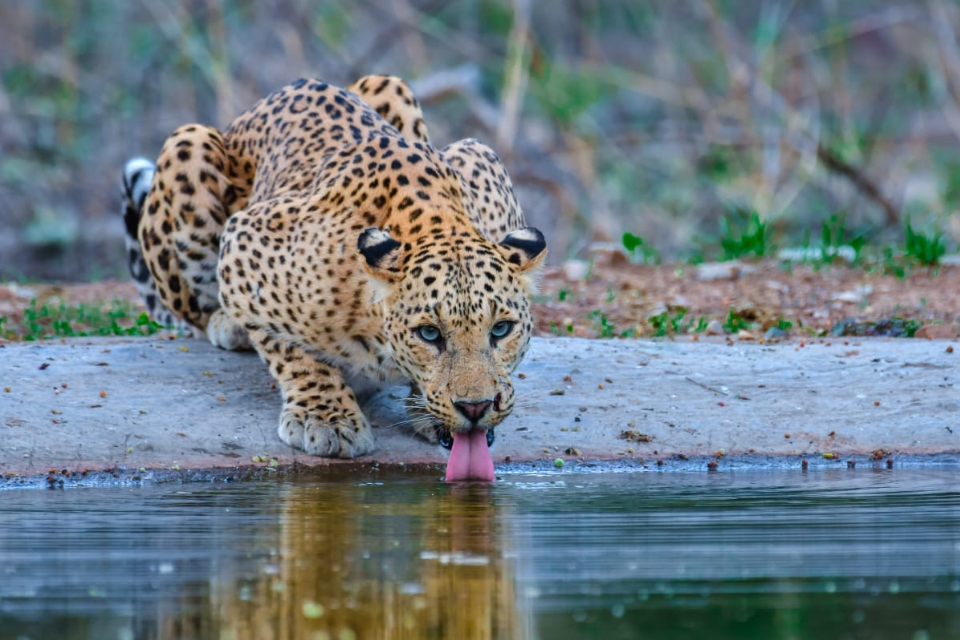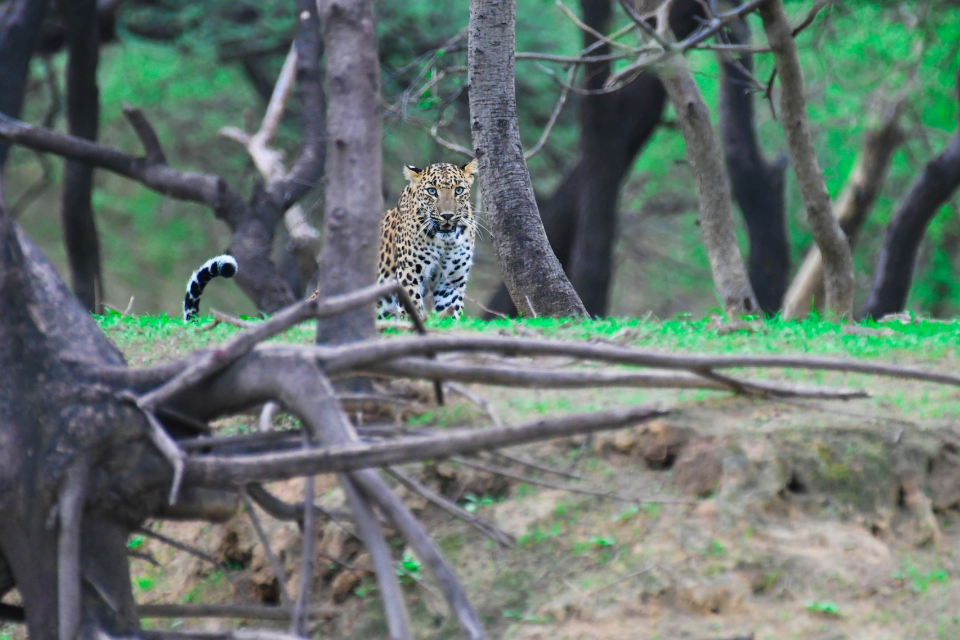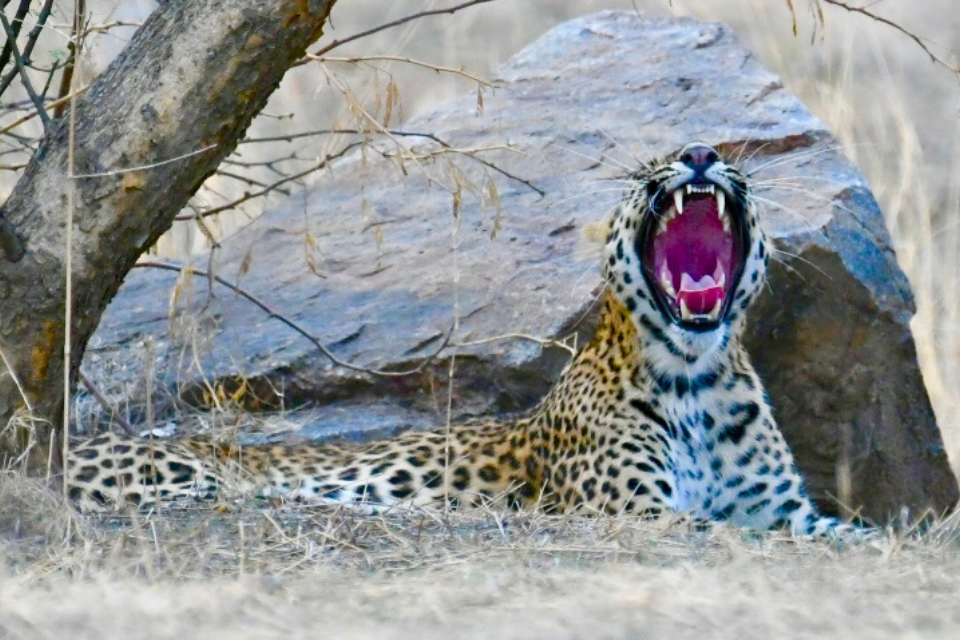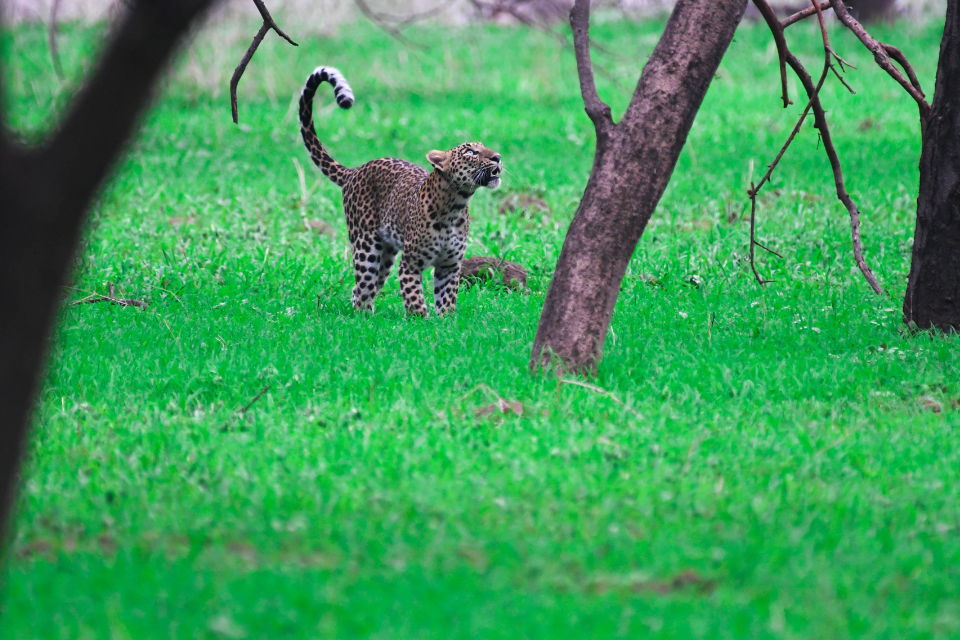

Can Jhalana Support So Many Leopards, Jhalana has become one of the most talked about urban leopard habitats in India due to its combination of a small forest, leopard population and presence of a large city. The topic of the carrying capacity of the Jhalana leopards is highly relevant for 2026 as new figures on wildlife, management steps, studies and policies are making changes in the perception of the wildlife sanctuary. The present guide aims at describing the matter in simple terms, distinguishing facts from interpretations and tying the information together.
Quick Answer
Carrying capacity is not some magic number of leopards which a preserve can contain eternally. The carrying capacity of the habitat is defined by the availability of food, water, cover, breeding grounds and competition that the area can sustain. This depends on the seasons as well as the land use outside the area. In this regard, Jhalana’s small urban nature, presence of leopards as well as connection to the forests of Jaipur makes this even more relevant.
What does carrying capacity consist of?
Predator numbers will depend on prey numbers, but water, hiding spots, disturbance, disease, competition, and movement corridors are also important. Leopards have territories, which means that social spacing may be a factor, even where the food supply seems to be plentiful enough.
The ecological landscape may be wider than the Jhalana tourism zone since individuals can switch patches of forests. All of these aspects are more informative than any headline, since they demonstrate interconnections between management in the field, animal behavior, and the surroundings. For the reader, the point is to discern what was confirmed by observations and what requires additional investigation to come to a conclusion.
Reasons why the 2026 data revived the issue
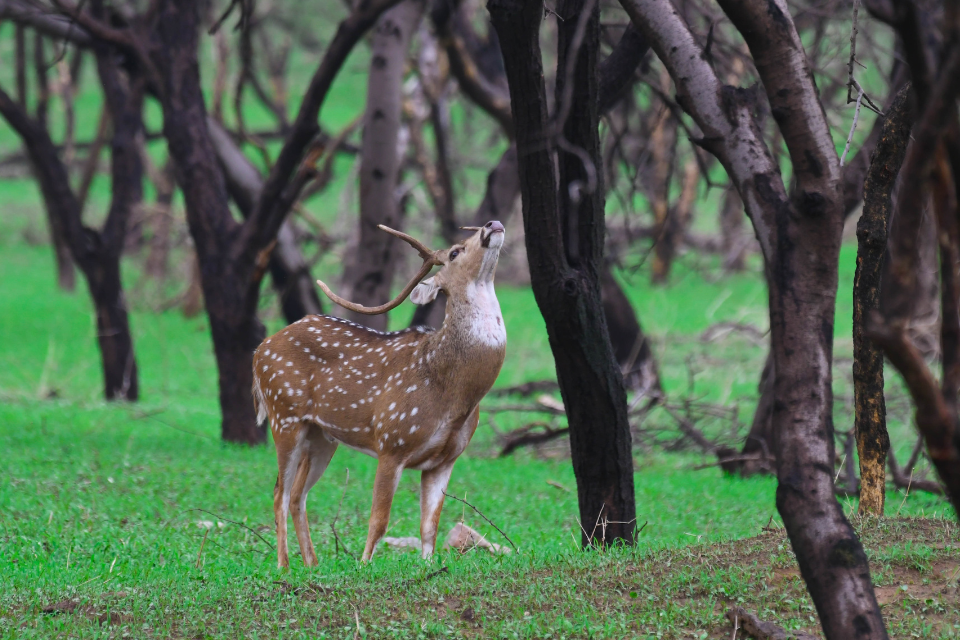
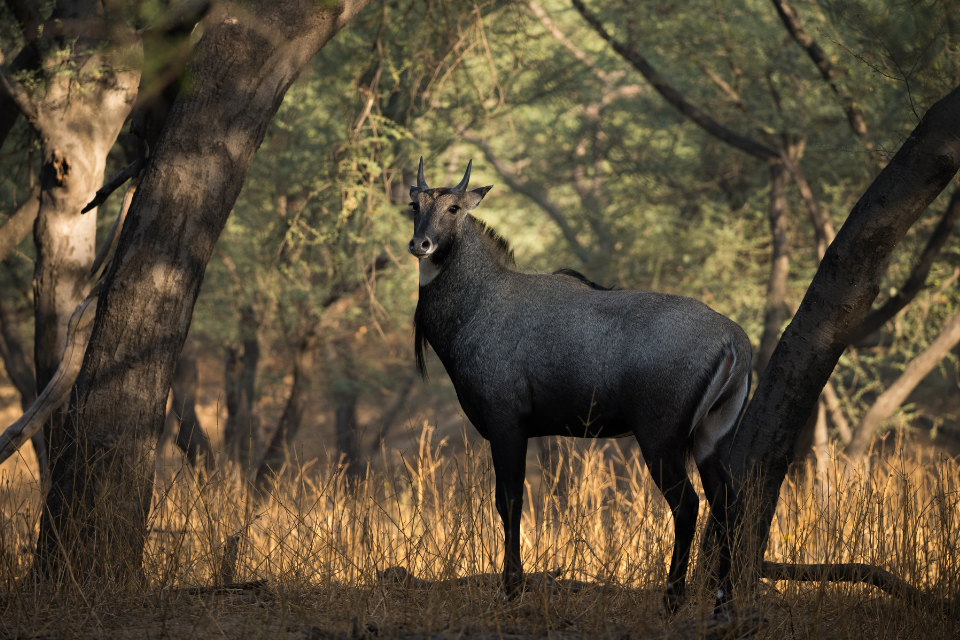
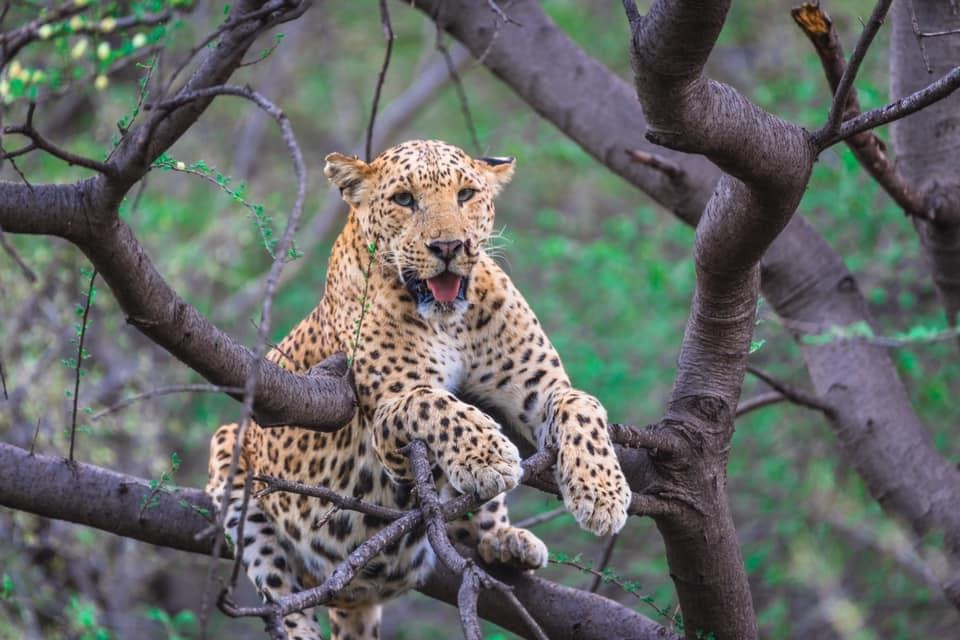
In 2026, there were 17 leopards found at Jhalana during the survey conducted, while the actual number would have been much larger according to the officials. In 2026, very few chital were found at Jhalana, but later Forest Department announced the plan to improve the prey base by introducing 50 chitals along with grasslands.
These aspects illustrate that the authorities are not only counting the predator numbers but also taking into account their habitat resources. All of these factors combined give the reader more information than just reading the headlines. The important thing for the reader is to differentiate the facts provided from those that should be monitored further on.
Healthy Management Should Be Concerned With
It is not the objective of healthy management to ensure the highest amount of visibility of leopards for tourists but the creation of sustainable ecosystem, where the peaceful coexistence of humans and animals is possible. Long-term observations will help to trace changes in prey numbers, reproductive rate, mortality, diseases, dispersal and recurrence of conflicts.
If a territory is linked, the protection of migration paths could be no less important than efforts to provide more resources in one reserve. Altogether, these information will be more helpful than any headlines because it demonstrates interaction of field management, wildlife and urban territory. The reader should be able to recognize the difference between direct observations and those that need more time to give a definitive answer.
Wildlife research can be understood without over-simplifying it
The science of wildlife is used to answer a certain question at a certain period of time using a certain set of data. The findings from the study conducted at Jhalana have a great value since the study was conducted at the same place but it must be understood in terms of its methodology and timeline. The study on the leopard’s diet does not necessarily mean that the study will apply to all leopards throughout their lives.
What This Implies for the Visitors to Jhalana
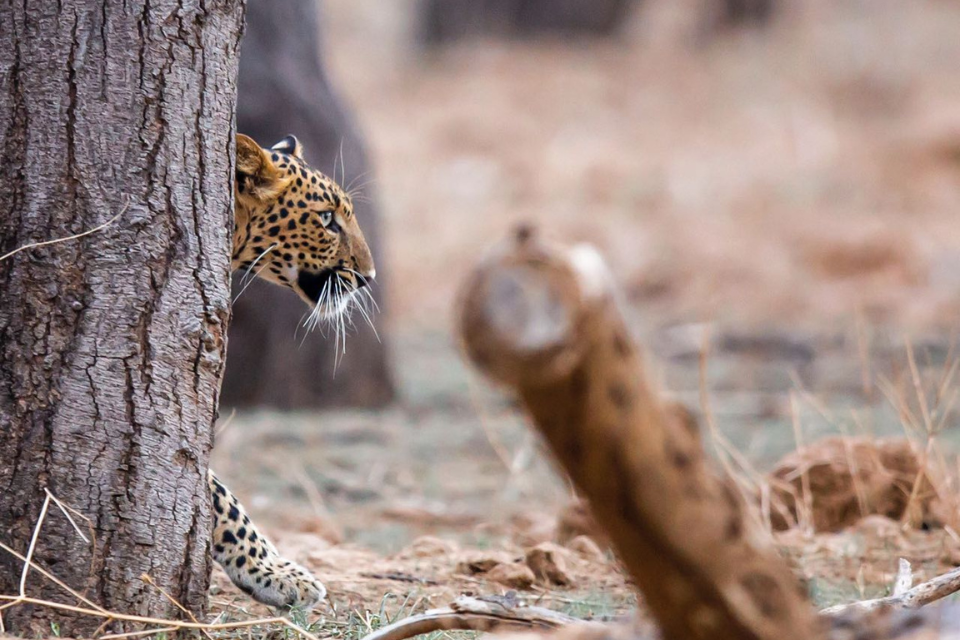
For the safari lovers, the leopard carrying capacity in Jhalana should provide an extra dimension to the experience rather than creating any expectations from their side. Leopard sightings cannot be predictable, and any decision regarding conservation is made for the purpose of habitat and safety, not for providing any guarantee about the sighting of the leopards. A seasoned guide may be able to spot any trace and take help from alarm calls and previous movement pattern, but no professional would guarantee the sighting of a specific leopard. The visitors will benefit when they watch the entire ecosystem without making too much noise during the sighting, and do not try to make the driver chase the animals in any manner. Respect every instruction while within the premises of Jhalana.
This concept is true for photographers as well. They should carry long lenses and remain patient enough to capture the best images of the animals. Asking for off-road driving, luring of animals, use of flashlights near sensitive animals, use of drones and crowding the leopards with cubs is not a responsible action by the part of the tourists.
Key Lessons Learnt
• Make appropriate use of the focus keyword ‘Jhalana leopard carrying capacity’ in the page title, opening paragraph, one subheading and image alt text instead of using it repetitively.
• Indicate the date of data and information so that readers understand which figures and facts are recent and which came from previous literature.
• Regard leopards’ presence as an uncertain event of wildlife sighting; do not consider survey counts or management initiatives in Jhalana forest area as a certainty for the spotting of leopards.
• Before making a travel plan based on some key information, verify details from the Rajasthan Forest Department.
• Promote low impact tourism: stay on designated paths, minimize sound pollution, listen to the guide and do not try to steer animals’ movements.
Planning a Jhalana Leopard Safari
The greatest travel benefit about Jhalana is that it is close to Jaipur city which means that one could go on a wildlife safari and see forts, bazaars and other cultural attractions of the city. However, one needs to plan a safari as an activity that is timed for viewing wildlife animals rather than going for a leisurely drive. The permit could be scarce at times, the visitor identity information might be needed and also there are chances that the entry process changes too. Advance booking is helpful during weekends, holidays and busy days.
If you need help in booking and planning your trip, visit https://jhalanapanthersafari.in/ . Prior to your travel, find out the reporting time, permit information, arrangements of picking or meeting, cancellation policy and what is included in the mentioned price. Have the government issued identification documents handy when needed. Most importantly, come prepared to view the wild habitat in operation and not necessarily seeing leopards.
Frequently Asked Questions
1. What is carrying capacity of wildlife?
It refers to the number of animals that the habitat can accommodate in terms of food, water, cover, and ecological stress.
2. Is there any fixed carrying capacity of Jhalana?
Many figures have been quoted in public debate over time; however, carrying capacity shouldn’t be seen merely as a static number of heads.
3. Does high density of leopards mean an unhealthy ecosystem?
No necessarily. It is important to consider prey, body condition, breeding, dispersal, and conflict trends at the same time.
4. Why is prey availability important?
Predators require reliable prey. Scarcity of wild prey in terms of abundance or distribution may force predators to make use of edges and domestic prey.
5. Can leopards disperse among forest patches in Jaipur?
Yes, since the whole landscape of Jaipur comprises several forest patches.
6. Should the goal be to maximize leopard density in tourism?
No. In conservation, ecological harmony and wellbeing of the animal must come before human benefit.
7. Is Jhalana carrying capacity for leopards pertinent to tourists too?
Yes. This topic affects tourists’ perception of Jhalana; however, all tourism-related decisions must be made according to up-to-date guidelines of Forest Department and not a blog post.
8. Are there any guarantees to see leopards in Jhalana?
No. Jhalana is a wild habitat. Leopards are free-ranging species. Factors affecting sighting include movement, weather, vegetation, time, and luck.
9. How should one promote responsible leopard tourism?
Reserve rules should be followed, authorized safari should be booked, no crowding of wildlife should be allowed, noises should be minimized, nothing should be littered and all instructions given by guide and Forest Department members should be followed.
10. Is it appropriate to cite leopard population figures from long ago?
No. Population figures can pertain to different methodologies and time periods. One should provide year when citing population figures.
11. Where can I find assistance with Jhalana safaris?
For example, https://jhalanapanthersafari.in/.
Conclusion
The best means to evaluate Jhalana leopard carrying capacity is to consider the broader Jaipur wildlife scenario. The Jhalana leopards exist in an environment which has been created due to the presence of preys, water, territories, forest corridors, urbanization, monitoring, rescue operations and tourism. Information related to the developments up to 2026 is significant for the purpose, but its interpretation needs to be done in a responsible manner using dates, sources and limitations. For the travelers, such an understanding will make a safari experience more rewarding; because now, the objective will not be taking a picture of the leopards but understanding a complex ecosystem.
If you wish to have an exciting wildlife experience in Jaipur, then you can visit https://jhalanapanthersafari.in/ to book your safari tour.
Disclaimer
This document is only intended for informational purposes regarding travel, awareness about wildlife, and education. Information related to wildlife population, safari routes, permit policies, pricing, timings, court orders, rescue operations, and Forest Department regulations may vary from time to time. Leopard sightings are not always assured. For any safety incidents, kindly adhere to the most recent guidelines issued by the Rajasthan Forest Department and other emergency agencies. When planning your bookings, check out the most recent permit and availability guidelines. JhalanaPantherSafari.in is a travel information / booking site.