
How Rajasthan Counts Leopards: Inside the 24-Hour Waterhole Wildlife Census at Jhalana and Amagarh
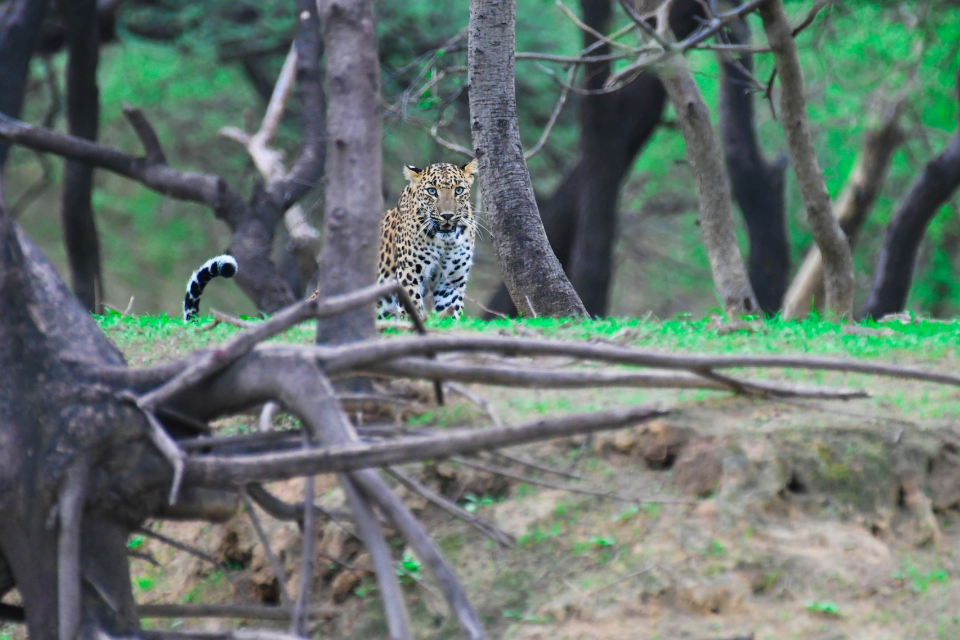
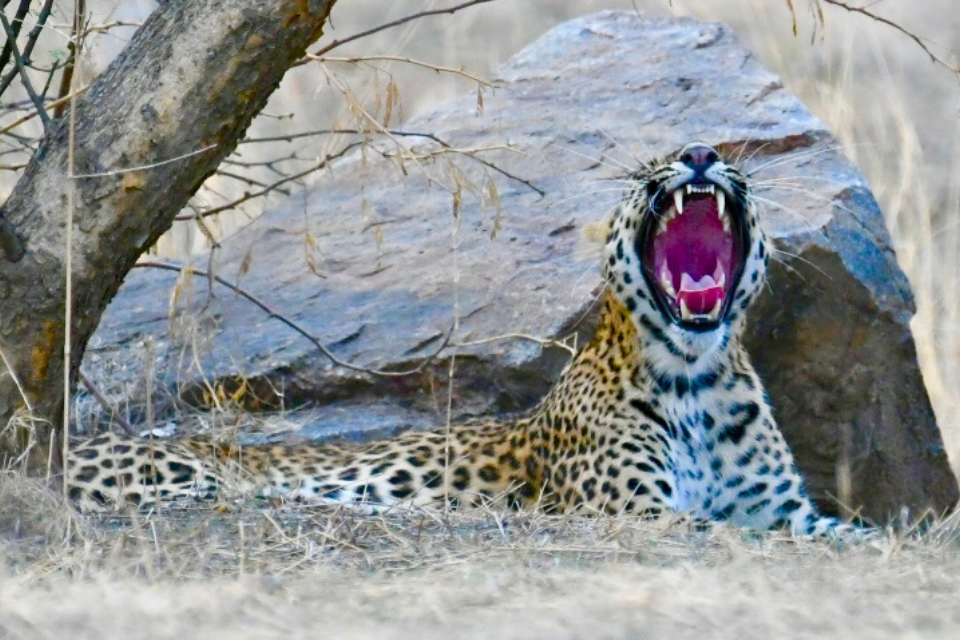
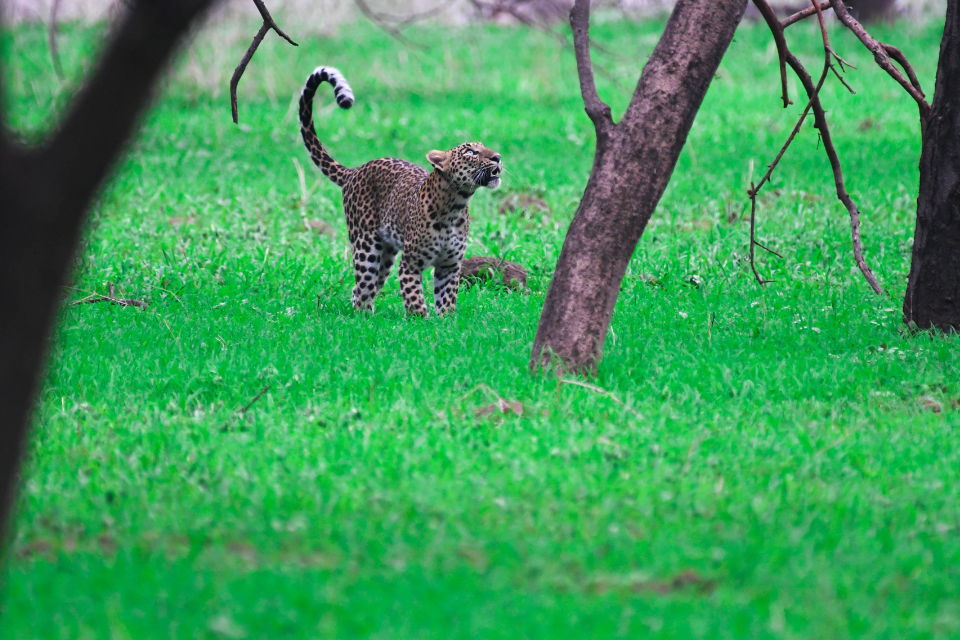
Jhalana has emerged as one of the most debated urban leopard landscapes of India due to its small-sized forest, leopard population and urban influences. The topic of wildlife estimation in Jhalana has gained significance in the year 2026 owing to the emerging wildlife estimations, management actions, studies, and policies that influence the understanding of the reserve. This guide provides an overview of the topic using clear and understandable language, distinguishing facts from opinions, and linking them to conservation and responsible safari planning.
Quick Answer
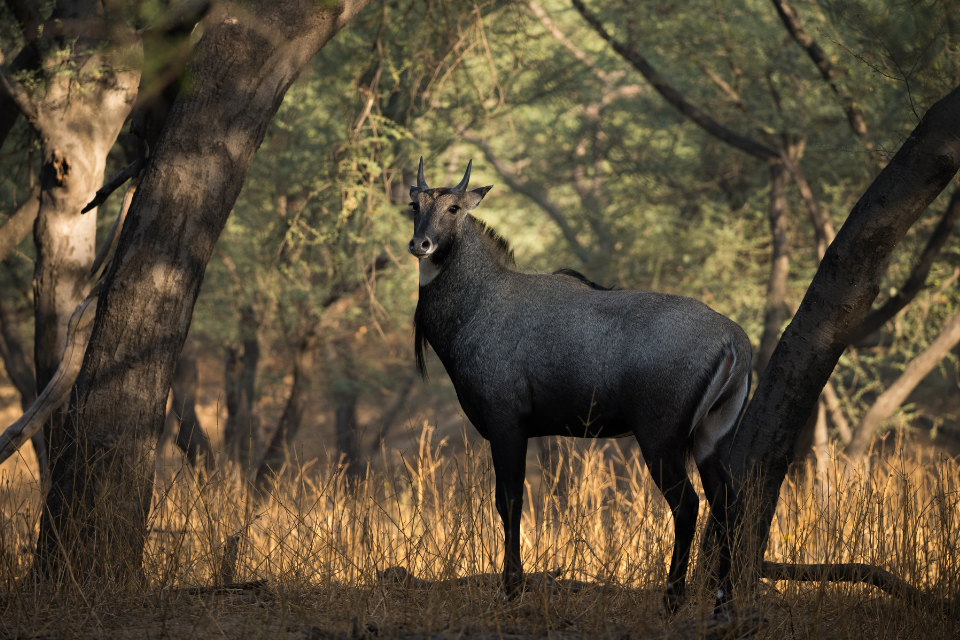
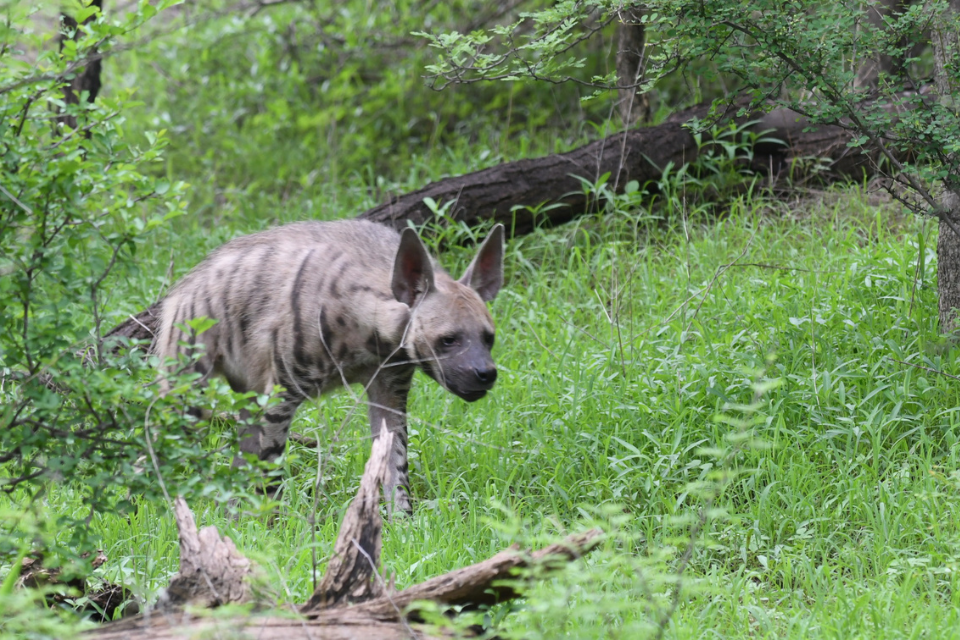
The state of Rajasthan has carried out 24-hour wildlife estimation based on waterholes in non-tiger forests like Jhalana and Amagarh. The estimation teams monitor and document various animals coming to selected waterholes. The technique can offer useful data and trends, but it is not able to create perfect headcount of all leopards in the landscape.
Method for carrying out the waterhole survey
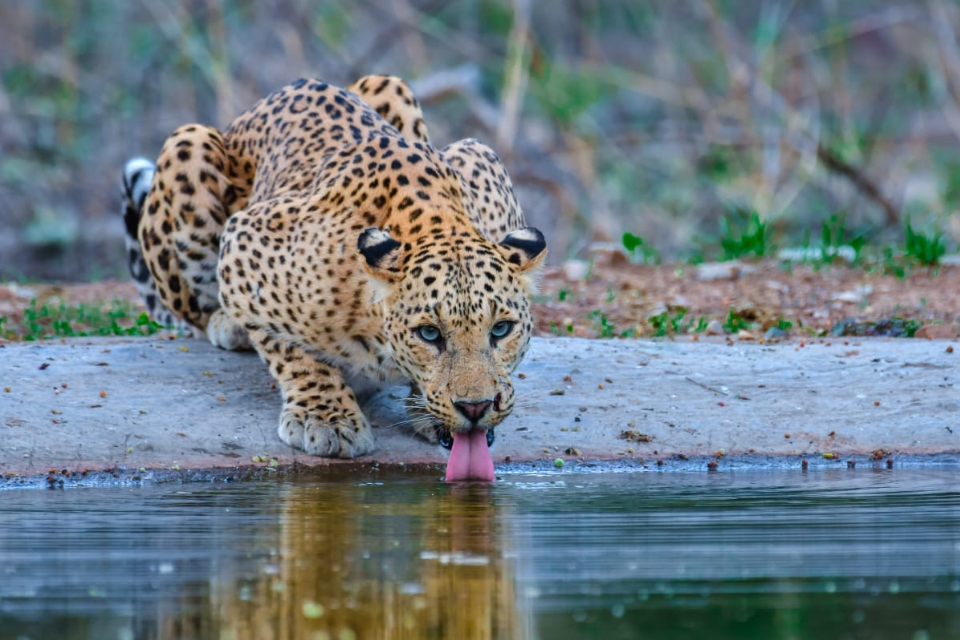
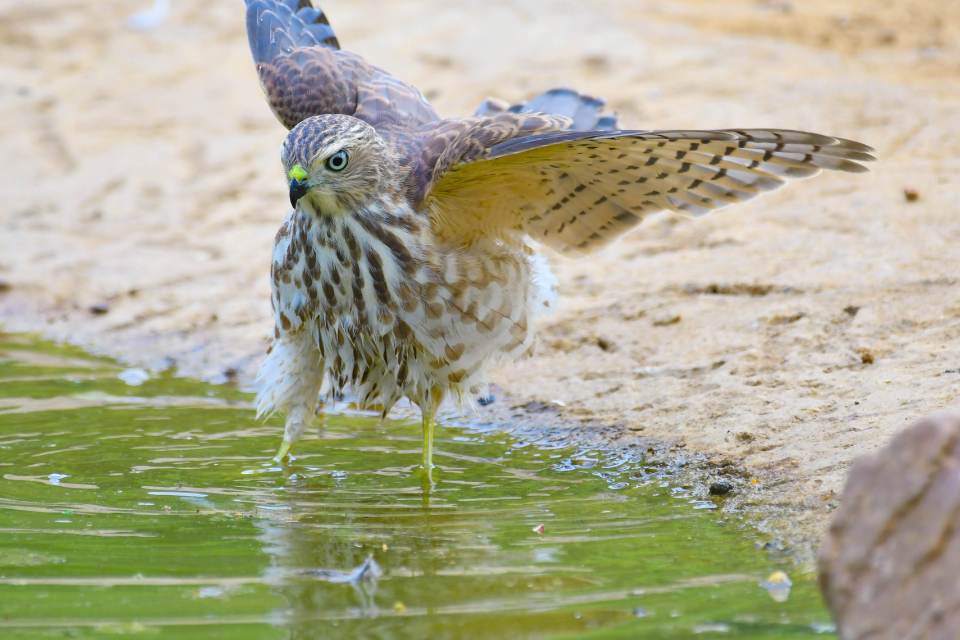
The observers are posted close to pre-selected water sources for 24 hours at a time and take notes on species and numbers of animals as they visit. The forest officers may rely on trained volunteers and conservationists and use observation platforms to minimize disturbances.
This works because reliance on water sources raises chances of spotting, particularly in dry seasons, but behavior of the animals and accessibility of water may still pose some problems. These facts taken together are more important than just the headline, since they provide evidence of how field management, behavior of the animals, and the city around interact. In order to make the distinction for the reader, it is important to know which facts have been verified and which require further observation.
Reasons why leopards can go unnoticed or counted twice
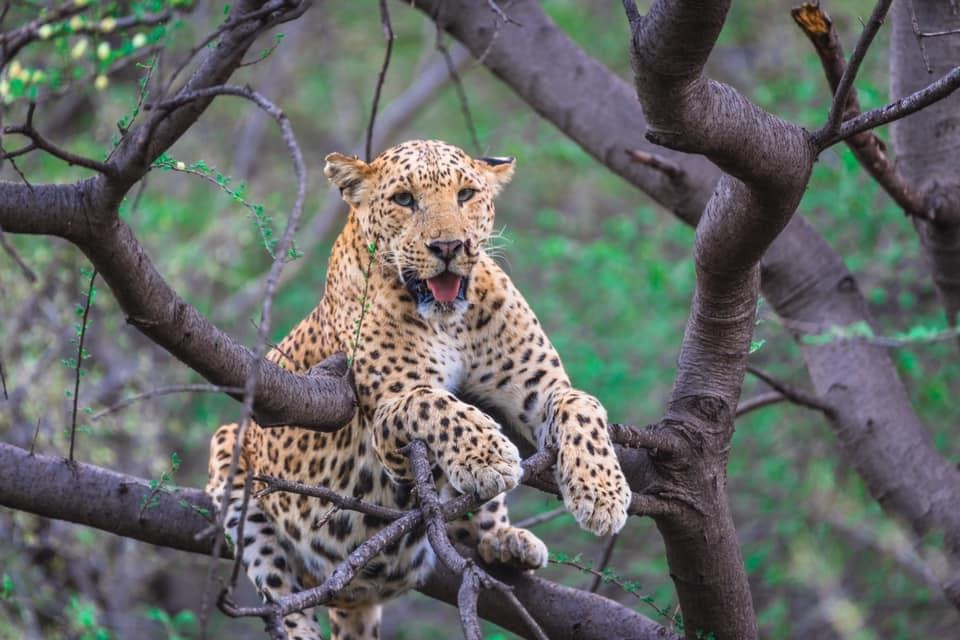
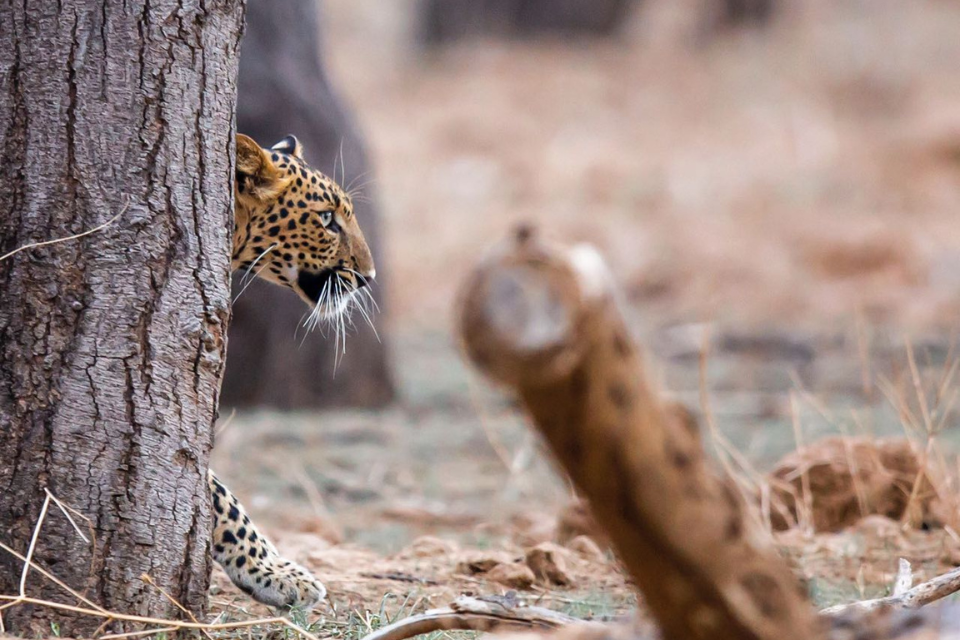
A leopard can drink during hours not covered by the survey or at an unseen water spot or not visit the site due to disturbances or the previous rain. Highly mobile species may also move from one observation spot to another; hence, identification of individuals is necessary for interpretation of the findings.
This is why the camera trap history and known individuals’ data become relevant, as well as water hole observations. All this information is more interesting than the single line because it proves the interaction between the field management, animal’s behavior, and the city around. For readers, it is crucial to understand which facts are documented and which need further monitoring to draw conclusions.
Reading a census headline responsibly
An estimated figure should be taken to mean “recorded during estimation” unless there is explicit indication that it is an indication of a larger population estimate. The year-to-year comparisons are relevant if the methods, seasons, coverage, and efforts are roughly equivalent.
Travelers on a safari trip should use population biology in order to instill appreciation for the ecosystem, rather than using it as an indicator of how many animals will be seen. Combined, the information is more useful than the headline since it highlights how the field management, animal behaviors, and the city itself interact. The critical point for the reader is in differentiating the facts from those which require long-term monitoring for a definitive conclusion.
How to interpret wildlife science without reducing it to oversimplification
Science provides answers to specific questions through specific methods, sites and time frames. A finding from Jhalana is highly valuable due to its specificity to the exact forest; however, it must be interpreted within the scope of methodology and time frame of the study. A study of diets does not necessarily define the life of a leopard forever and a survival estimate does not predict the fate of every cub. Good wildlife science interpretation includes both the finding and its significance.
Implications for Safari Guests in Jhalana
While on a safari tour to Jhalana wildlife census, one expects to gain some insight into the activity, and not expect anything from unrealistic expectations. The unpredictability of leopard behavior means that all decisions about the conservation status are done to ensure that they live safe and in a suitable environment. A good guide may apply their knowledge of tracks, alarm calls, and previous movements but cannot be able to guarantee sighting of that particular leopard. You benefit more by watching the entire ecosystem, keeping quiet at the sighting, not urging your driver to chase the animals and adhering to every instruction you get in the reserve.
The same applies to photography. You need long lenses, patience and not disturbing the animals while taking photos. Refrain from requesting off route driving, animal baiting, use of flash while taking pictures of sensitive animals, use of drones and crowding around cubbing and resting leopards. A good picture is one that does not alter the behavior of the animal.
Practical Implications
• Include focus keyword ‘Jhalana wildlife census’ organically in the page title, introductory paragraph, subheading and image alt tag instead of overusing it.
• Date information sources such as statistics and policy changes so that your readers would know which data is up-to-date and which was collected for research before.
• Take spotting leopards in Jhalana forest as a chance meeting rather than guaranteeing it through census numbers or management of the habitat.
• Double check information of Rajasthan Forest Department when permit regulations, timing or legal aspects are the core of your traveling decisions.
• Promote ecotourism by remaining within the boundaries of your permission, being quiet, following your guide and not trying to control movements of animals.
Planning Your Jhalana Leopard Safari
The best thing about travel in Jhalana is that it is close enough to Jaipur, enabling tourists to plan for their wildlife experience in addition to visiting the city’s fort, markets and other tourism activities. Despite all this, your safari needs to be planned as an activity that is scheduled according to time. The permit can be restricted, identification might be needed and procedures can differ. Making a prior booking will be especially helpful during weekends, holidays and high season days. Morning and evening safaris are common due to favorable wildlife activity and lighting conditions but every season has its own visibility, weather and vegetation characteristics.
For help with bookings and trips, visit https://jhalanapanthersafari.in/. While you plan your tour, it would be better to make sure of the following things: reporting time, permit information, pick-up / meeting place, cancellation policy, as well as included services in the price quotation. Also, keep your government ID ready whenever necessary. Most importantly, approach with an understanding of visiting a live landscape of wildlife and not a mandatory encounter with leopards.
Frequently Asked Questions
1. For how long is a waterhole census carried out?
A Rajasthan census in 2025 was carried out over a continuous period of 24 hours.
2. Why use waterholes for wildlife census?
During drought periods, most animals have to go to water holes, which make them good sites for spotting various species.
3. Is a waterhole census a perfect population estimate?
No. It is an estimation technique that has detection problems, especially for shy and wide-ranging animals like leopards.
4. Are Jhalana and Amagarh involved in such exercises?
Yes. There is forest reporting indicating preparation of observation points in Jhalana and Amagarh.
5. Why also employ camera traps?
Camera traps can provide time-stamping of data, assist in individual recognition and detect animals in absence of the observer.
6. Can rainfall influence the findings of the waterhole census?
Yes. If there is plenty of natural water sources, animals might not concentrate at the selected waterholes.
7. Is Jhalana wildlife census significant for both tourists and researchers?
Yes. The topic is pertinent in terms of the understanding of Jhalana by the visitors, but the decision on tourism activities must be taken according to existing rules and guidelines of the Forest Department, not only a blog article.
8. Am I guaranteed to see leopards in Jhalana?
No. Jhalana is an ecosystem. Leopards are wild creatures and their visibility depends on movement, weather conditions, vegetation, time and luck.
9. How can one support the responsible tourism regarding leopards?
Booking legal safari tours, following rules of the reserve, not disturbing wildlife, keeping quiet, not leaving trash and following the instructions of guides and staff of the Forest Department.
10. Should I base my planning on the old leopard population data?
No. Population statistics can relate to specific approaches and dates. Always use the year and the source when citing any figure and update your information about population when necessary.
11. Where can I find the Jhalana safari planning assistance?
You can use the following website: https://jhalanapanthersafari.in/.
Conclusion
The best possible method to interpret Jhalana wildlife census is to consider the broader context of wildlife in Jaipur. The leopards of Jhalana have to contend with a terrain that has prey, water, territory, forest corridors, urbanization, monitoring and rescue services as well as tourism. The current events of 2026 provide some very important additional details that need to be responsibly interpreted with dates and sources. For the traveler, it means that the journey becomes even more meaningful – now the goal becomes observing the complicated ecosystem rather than snapping a picture of a leopard.
If you want to make a wildlife experience in Jaipur, you can visit http://jhalanapanthersafari.in/ for details on available safaris and assistance with bookings.
Disclaimer
This article is meant for general purpose travel, wildlife awareness, and educational purposes only. Wildlife numbers, safari routes, permit procedures, costs, timing, court orders, rescue procedures, and Forest Department regulations may vary. Leopard sightings are not always assured. In case of any safety related issues, please follow the most recent guidelines by Rajasthan Forest Department and other relevant emergency response organizations. For any decision-making regarding bookings, please confirm current permit details and availability. JhalanaPantherSafari.in is an online travel information/booking portal and should not be mistaken as that of Government of Rajasthan/Rajasthan Forest Department.