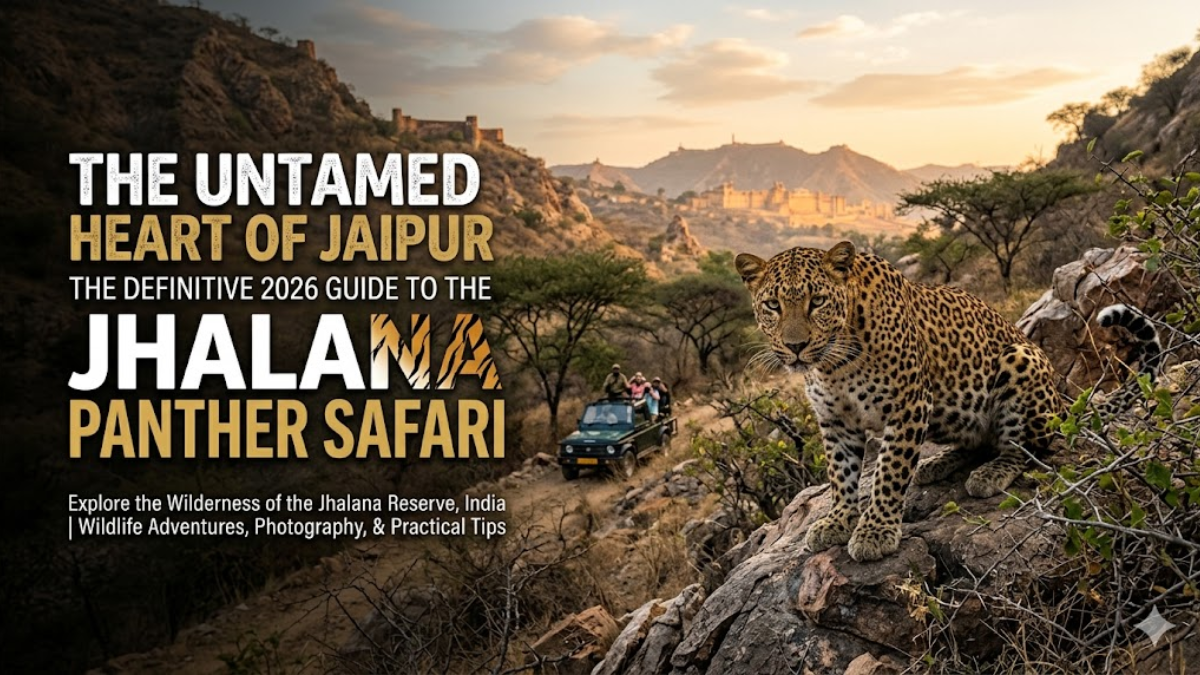
The Untamed Heart of Jaipur: The Definitive 2026 Guide to the Jhalana Panther Safari
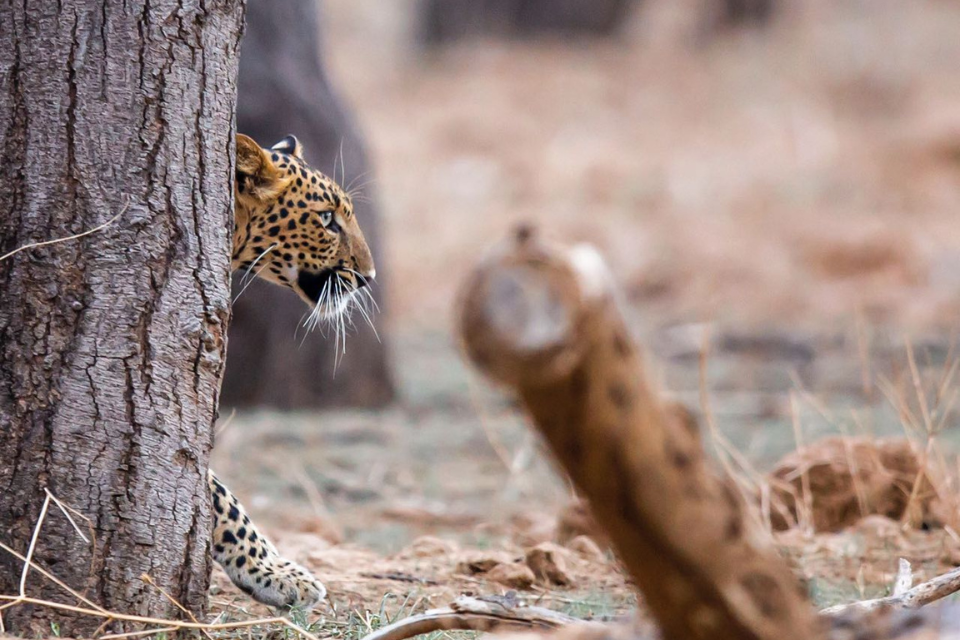
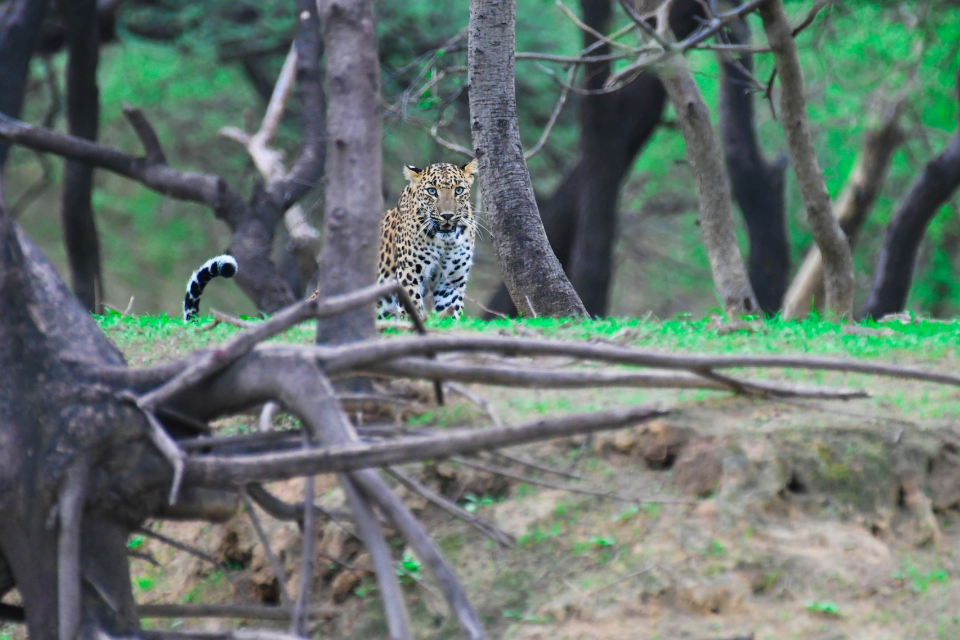
Jaipur, the capital of Rajasthan, is a city where every stone tells a story of valor, royalty, and architectural genius. Yet most travelers leave the Pink City without realizing that just minutes from the bustling shopping districts of M.I. Road and the regal gates of the City Palace lies a wilderness so raw and potent that it challenges the very definition of an “urban environment.” This is the Jhalana Leopard Reserve, a rugged sanctuary that has become the global gold standard for witnessing the “Ghost of the Forest.”
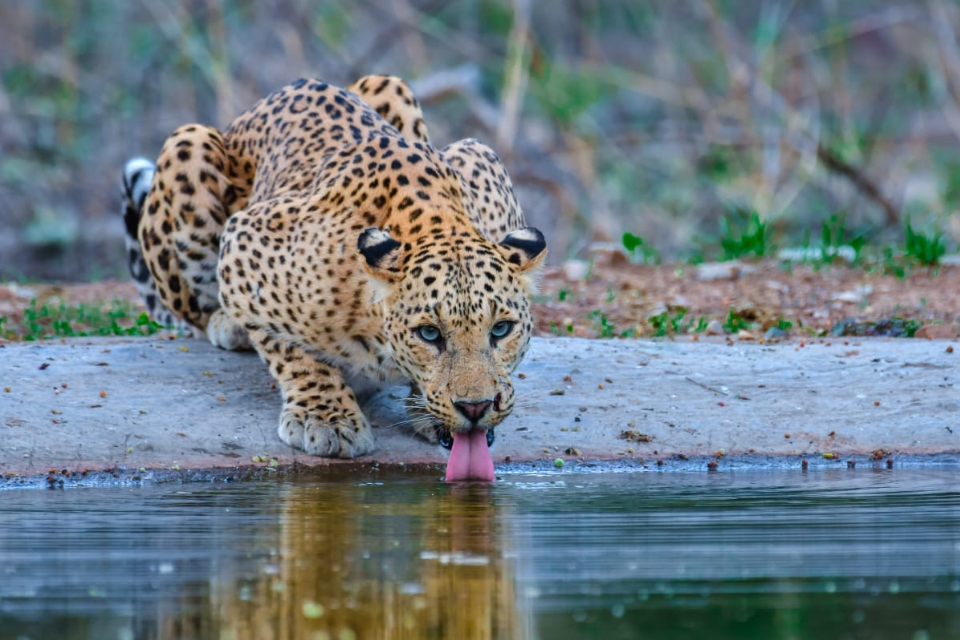
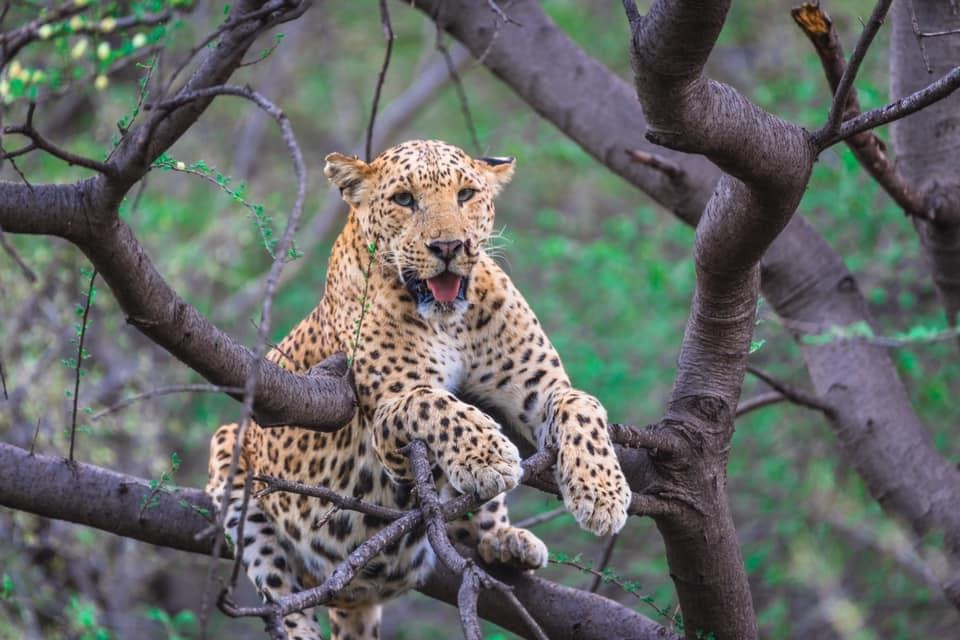
For the modern traveler, a Jhalana Panther Safari is not just an excursion; it is a deep dive into an ecosystem where the apex predator has adapted to live on the doorstep of civilization. Spanning approximately 20 square kilometers of the Aravalli hills, Jhalana offers an intimacy with nature that larger national parks like Ranthambore or Kanha cannot provide.
The Historical and Geographical Context of Jhalana
From Royal Hunting Grounds to Conservation Success
In the eras of the Maharajas, the hills of Jhalana served as a private hunting preserve for the royalty of Jaipur. Over the decades, as the city expanded, the forest became an island, surrounded on three sides by urban development. However, the resilient leopard population refused to leave. Recognizing the ecological importance of this pocket of wilderness, the Rajasthan Forest Department declared it a Leopard Reserve in 2017—the first of its kind in India.
The Terrain: Aravalli’s Rugged Beauty
The landscape of Jhalana is a classic representation of the Aravalli Range—one of the oldest mountain ranges in the world. The terrain is characterized by:
-
Narrow Valleys: Deep, sandy tracks that crisscross the hills.
-
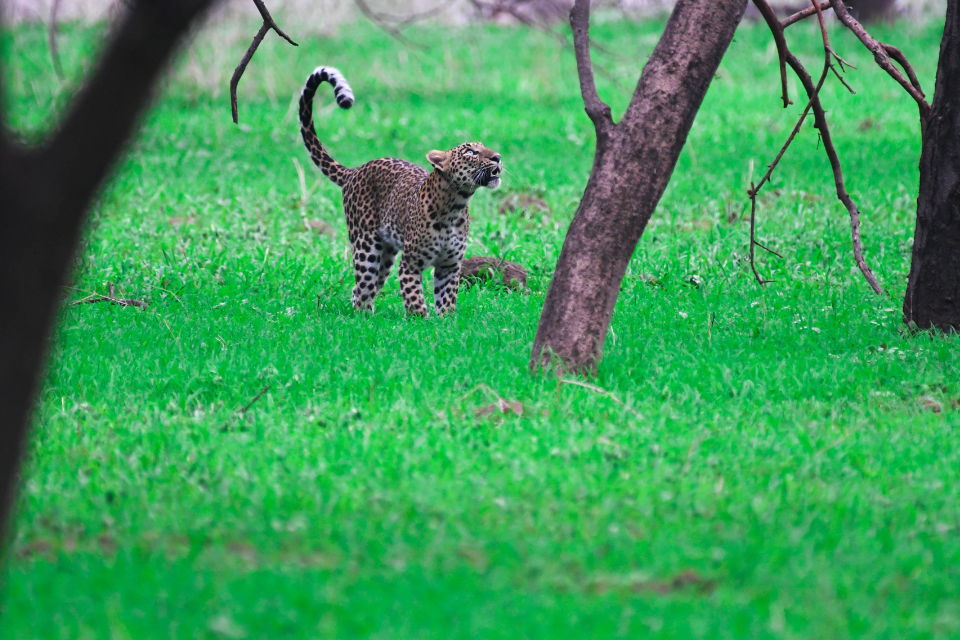
Deciduous Scrub: Thorny vegetation that changes dramatically with the seasons, from lush green in the monsoon to a stark, golden brown in the summer.
-
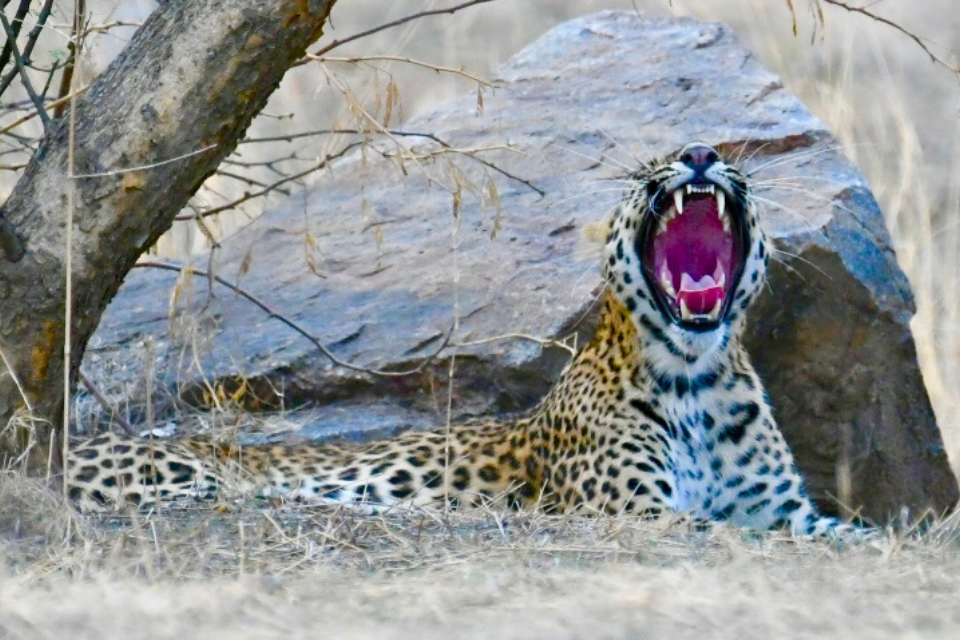
Rocky Outcrops: Massive boulders that provide the perfect camouflage for leopards.
The Stars of Jhalana: Identifying the Leopards
What sets the Jhalana Panther Safari apart is the ability to recognize individual leopards. Through years of observation by naturalists and photographers, several panthers have gained celebrity status.
1. Flora: The Iconic Matriarch
Flora is arguably the most photographed leopardess in the world. Known for her fearless attitude toward safari vehicles, she often chooses to walk right beside the gypsies, giving tourists a heart-pounding view of her powerful form.
2. Rana: The King of the Hills
Rana is a massive male who dominates the core area of the park. His presence is often signaled by the heavy, guttural “sawing” sound—the characteristic call of a leopard marking its territory.
3. Juliet and Simba
The newer generation, including leopards like Juliet and Simba, represents the successful breeding and conservation efforts within the park. Watching these young cats navigate the cliffs of the Aravallis is a masterclass in feline agility.
The Safari Experience: A Step-by-Step Walkthrough
The Morning Chase vs. The Evening Wait
A safari at Jhalana is divided into two distinct sessions:
-
The Morning Session: Beginning at dawn, this is when the leopards often return from a night of hunting. The crisp air and soft light are perfect for photographers looking to capture the “Golden Hour.”
-
The Evening Session: Starting in the late afternoon, this session offers the chance to see leopards waking up from their midday slumber and beginning their patrol for the night.
The Role of the Tracker
Unlike a zoo, there is no guarantee of a sighting, but the success rate in Jhalana is exceptionally high—often cited as over 80%. This is thanks to the expert trackers and drivers. They don’t just drive; they read the “newspaper of the forest.”
-
Pugmarks: Fresh tracks in the sand indicate how recently a cat has passed by.
-
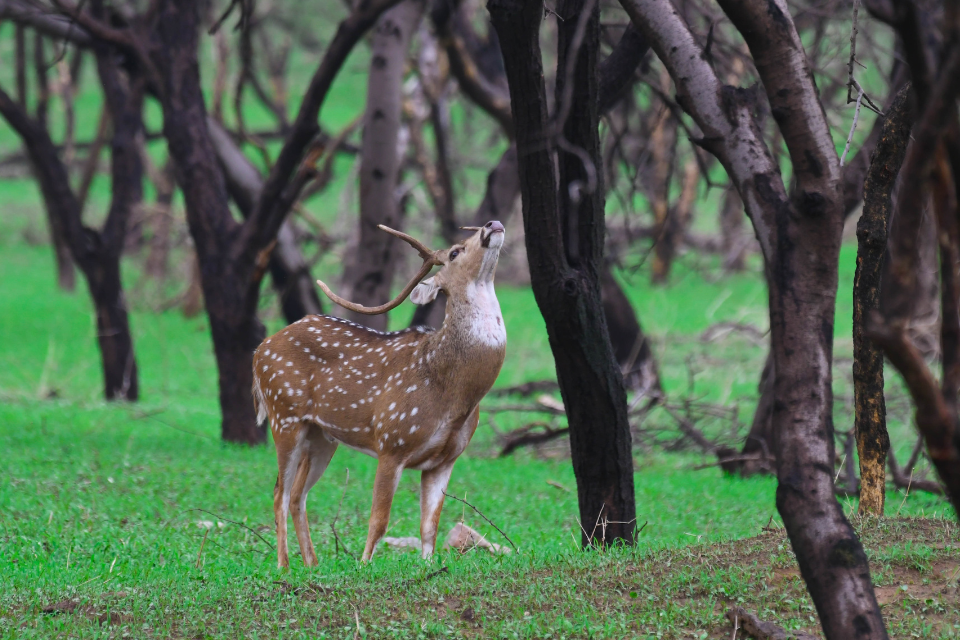
Alarm Calls: The frantic chirping of a Langur or the sharp “dhonk” of a Sambar deer are the most reliable indicators of a leopard’s presence.
Biodiversity Beyond Leopards
While the panther is the protagonist, Jhalana hosts a vibrant cast of supporting characters:
-
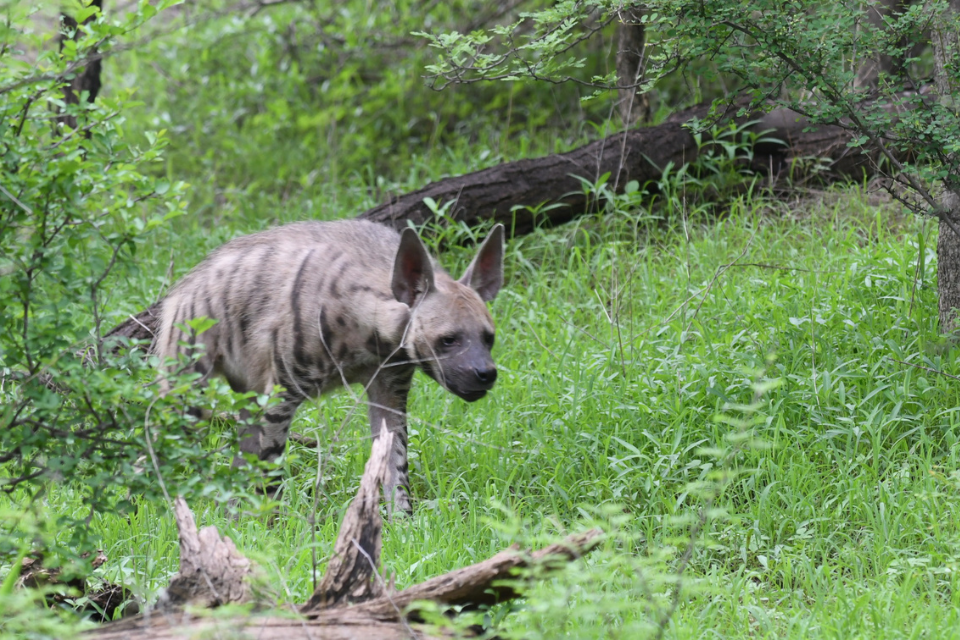
Striped Hyena: Jhalana is one of the few places where you can spot this elusive, nocturnal scavenger during the day.
-
Desert Fox: These agile creatures are often seen darting through the scrub.
-
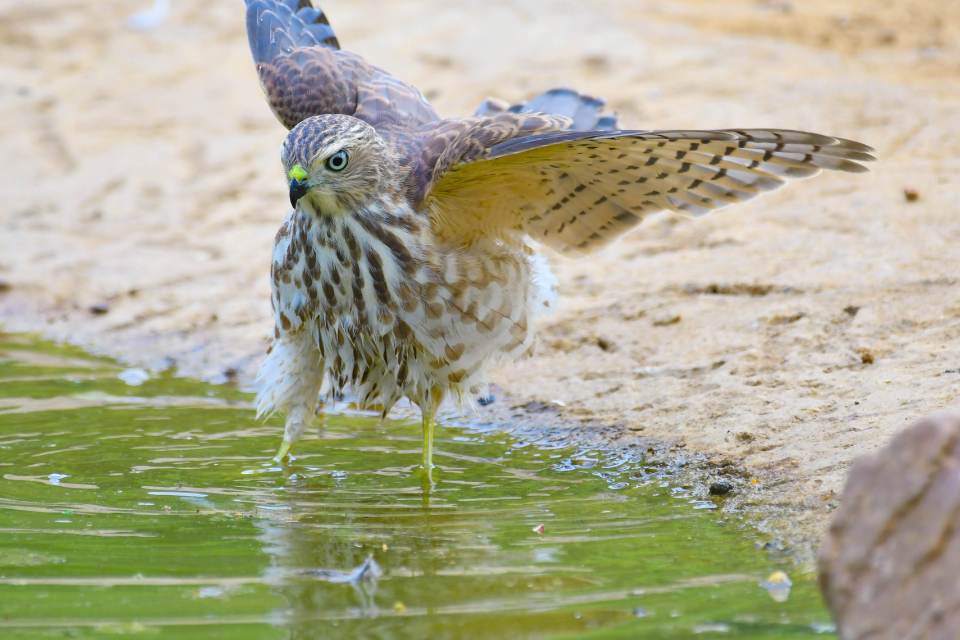
Avian Life: Birdwatchers can spot the Indian Pitta, the Spotted Owlet, and various species of eagles and falcons.
-
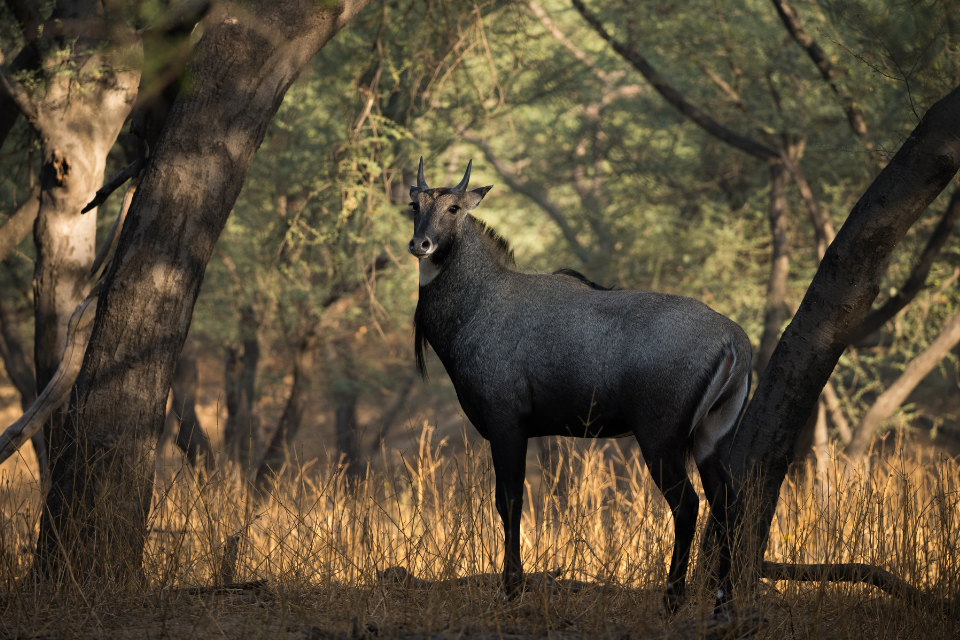
Blue Bulls (Nilgai): These large antelopes are common throughout the park, often serving as a primary prey base for the leopards.
Best Time to Visit and Planning Tips
Seasonal Variations
-
Winter (October to March): Ideal for general tourists. The weather is cool, and the forest is beautiful. Leopards spend a lot of time basking on sun-warmed rocks.
-
Summer (April to June): Best for serious photographers. As water sources dry up, leopards are forced to visit the artificial water holes created by the forest department, making sightings almost predictable.
How to Book
Booking for the Jhalana Panther safari should be done through the official SSO Rajasthan portal or verified wildlife tour operators. Because only a limited number of vehicles are allowed per shift, spots often fill up weeks in advance, especially for weekends.
FAQ: Everything You Need to Know
1. Is the Jhalana Panther Safari safe for children?
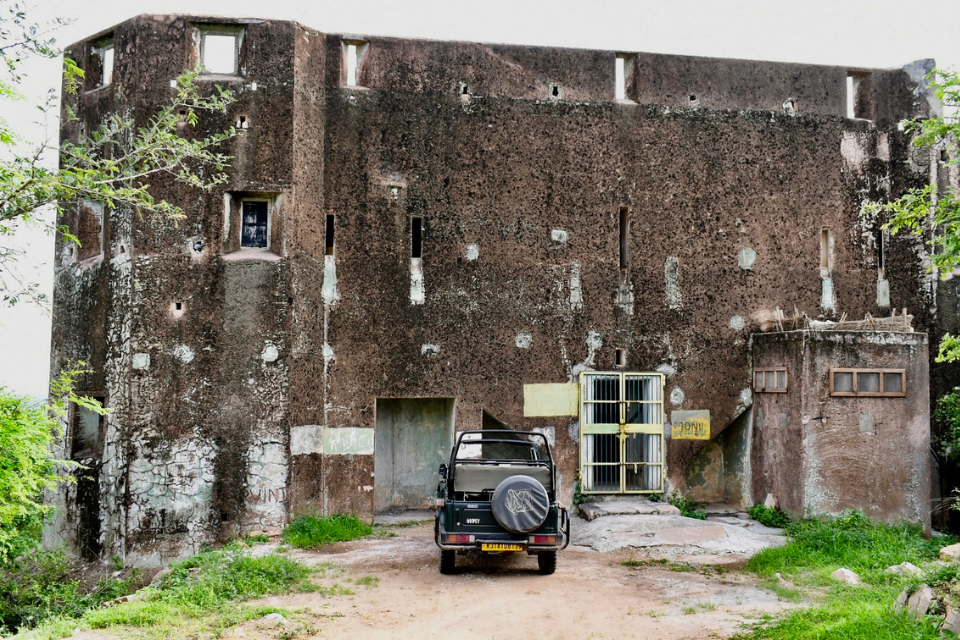
Yes, the safari is conducted in secure, open-top gypsies with experienced drivers. However, children should be instructed to remain quiet and not make sudden movements when near an animal.
2. How long does a typical safari last?
A standard safari lasts approximately 2.5 to 3 hours. This includes the time spent entering the park and the intensive search for wildlife.
3. What should I wear on a safari?
Wear neutral colors like khaki, olive green, or grey to blend into the environment. In winter, layers are essential as the early mornings can be very cold, but it warms up quickly once the sun rises.
4. Can I take professional camera equipment?
Yes, Jhalana is a photographer’s paradise. While there are no extra charges for standard DSLR cameras, professional cinematography equipment might require special permits and fees.
5. How far is Jhalana from the main Jaipur city?
It is incredibly close. Depending on where you are staying, it usually takes only 15–30 minutes to reach the gate, making it a perfect half-day trip.
6. Are there toilets or food stalls inside the park?
No. Once you enter the forest, you are in a protected zone. There are no facilities inside to maintain the sanctity of the habitat. Facilities are available only at the entry gate.
7. Can I walk inside the reserve?
Strictly no. You must stay inside your vehicle at all times. Walking is prohibited for both your safety and the protection of the wildlife.
8. Is Jhalana open during the monsoon?
Unlike many other national parks in India, Jhalana often remains open during the monsoon, though certain zones may be restricted if the tracks become too muddy.
Conclusion: A Lesson in Coexistence
The Jhalana Panther Safari is more than just a tourist attraction; it is a profound lesson in urban ecology. In an age where wildlife is often pushed to the brink of extinction by urban expansion, Jhalana proves that with the right conservation strategies and public respect, nature can thrive even in the shadows of a metropolis.
Whether you are a seasoned wildlife photographer looking for the perfect shot of a leopard on a cliff or a family looking to add a bit of adventure to your Rajasthan trip, Jhalana offers an experience that is both exhilarating and humbling. It reminds us that we share this planet with magnificent creatures who have their own stories, territories, and legacies.