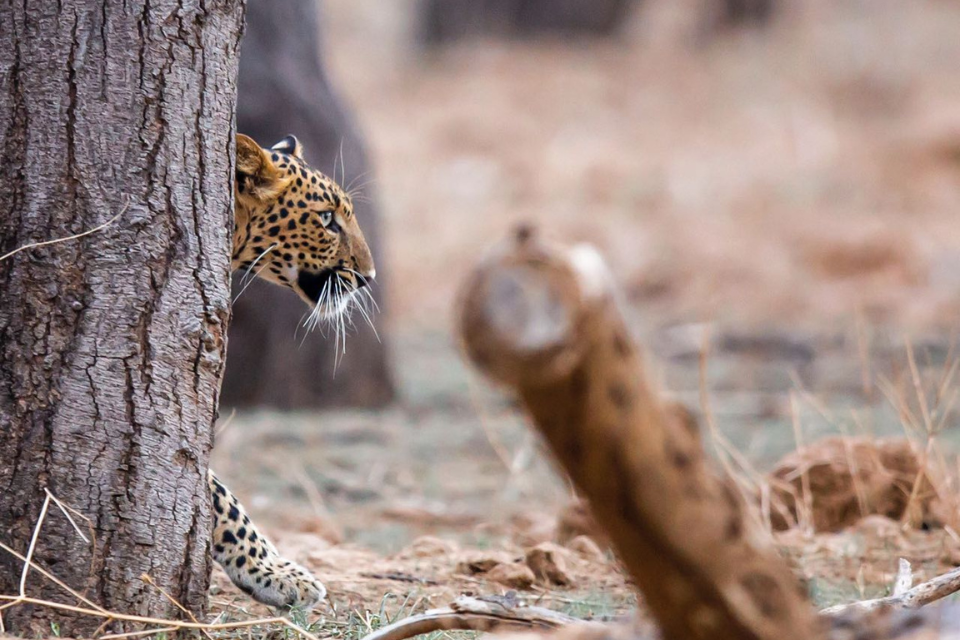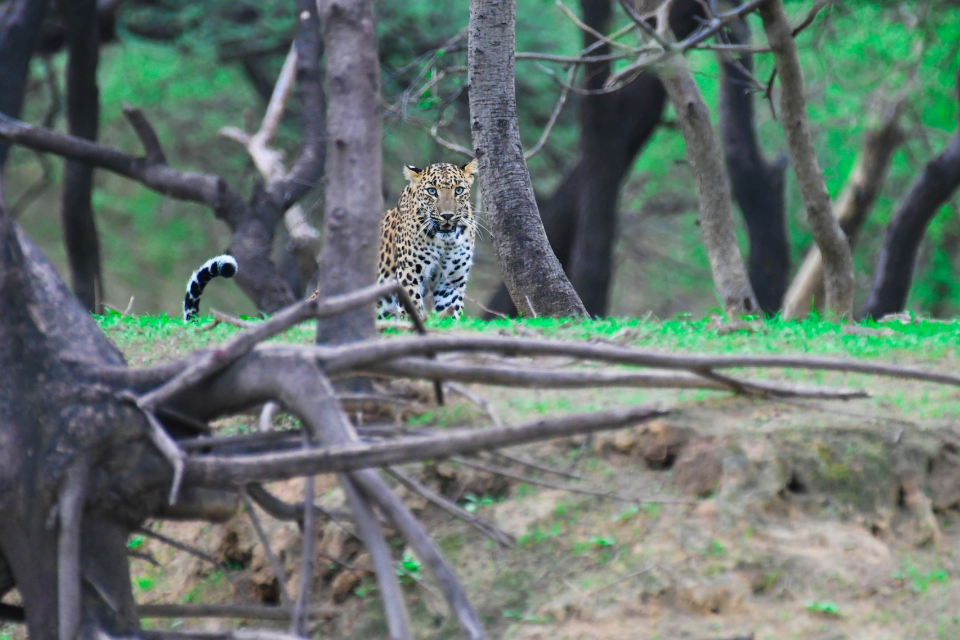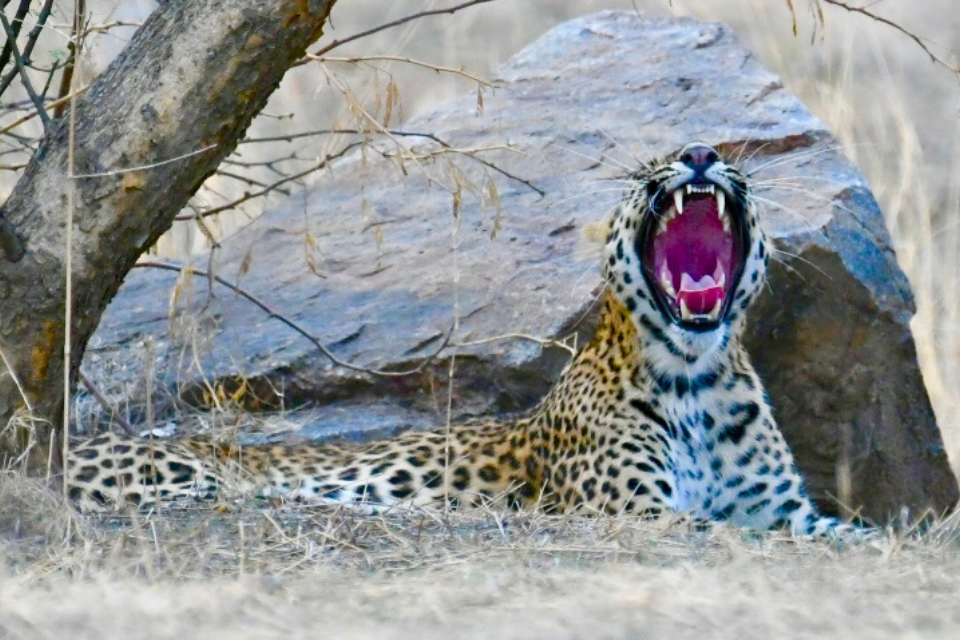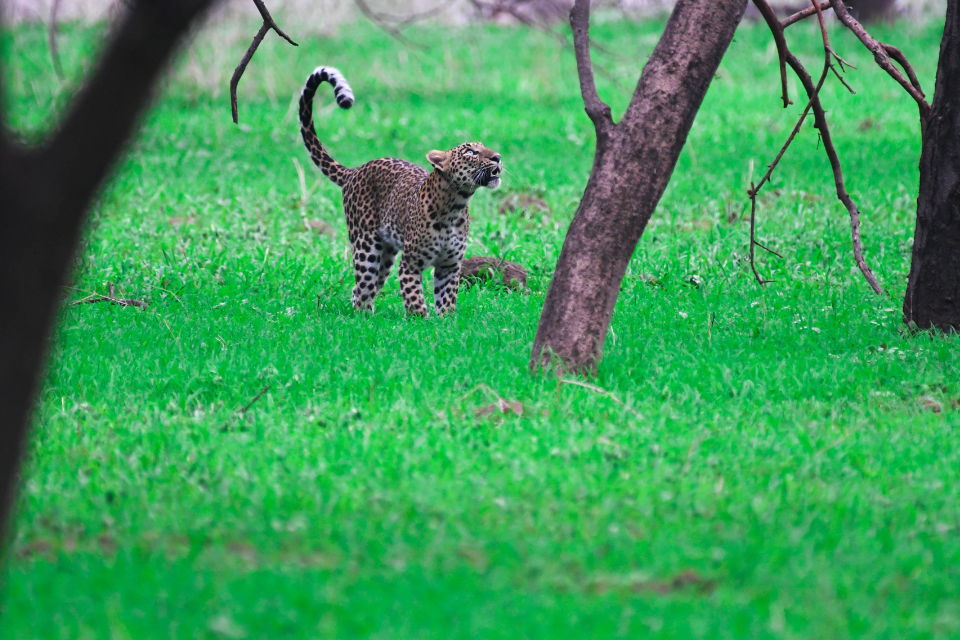
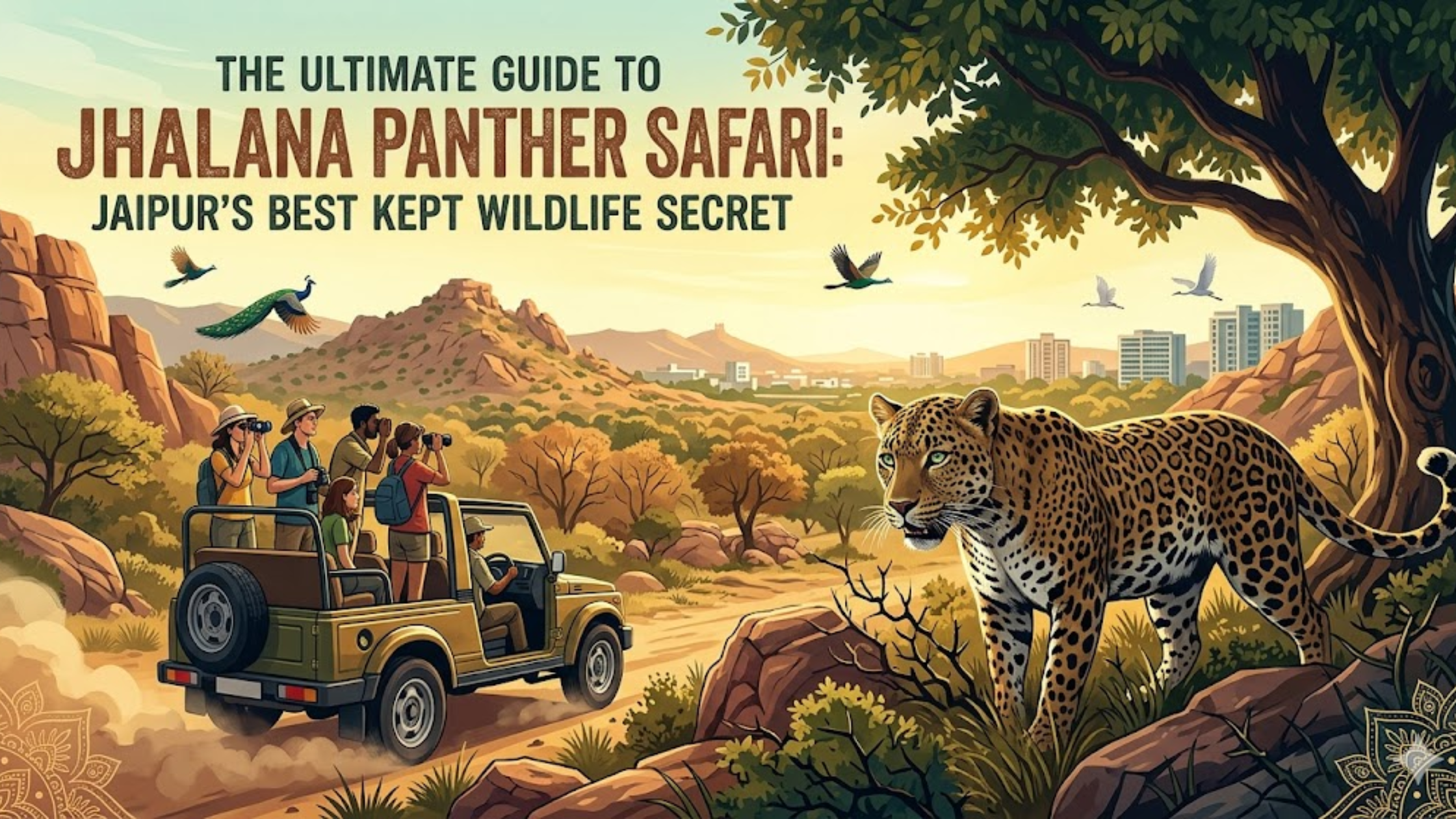
Nestled in the heart of the Pink City, the Jhalana Panther Safari (also known as Jhalana Leopard Reserve) is a testament to the incredible coexistence of urban life and wild predators. While most tourists flock to Jaipur for its majestic forts and palaces, wildlife enthusiasts know that the real “royal” inhabitants of the city are the sleek, spotted leopards of Jhalana.
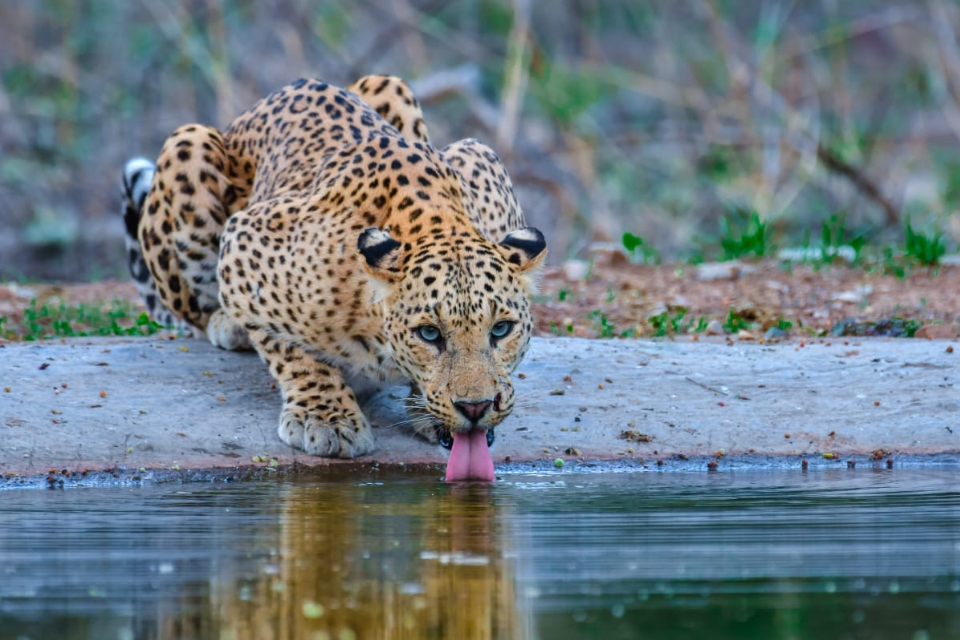
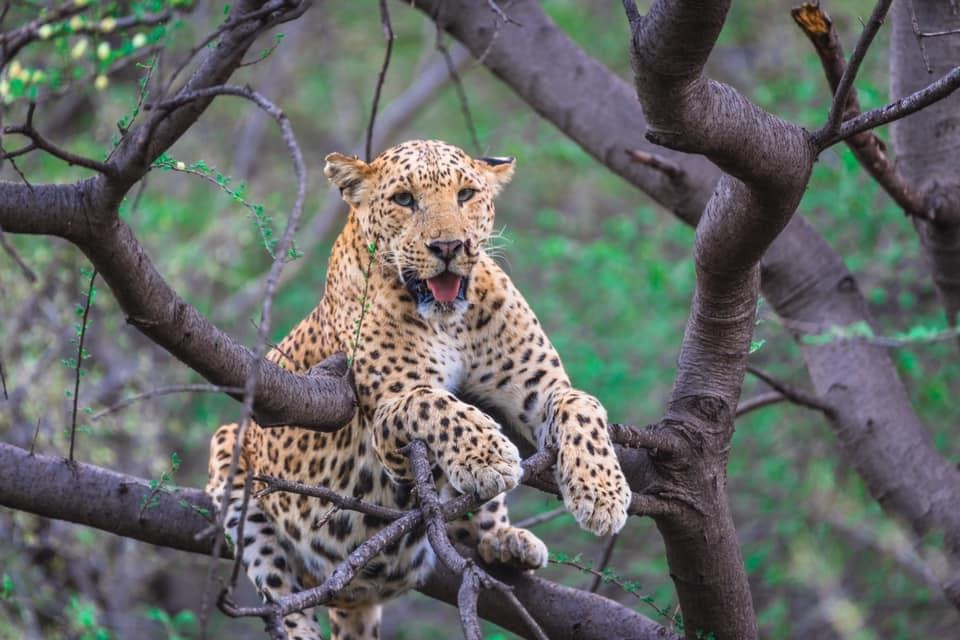
Spread across roughly 20 square kilometers, Jhalana is India’s first exclusive leopard reserve. It offers a unique opportunity to witness the Indian Leopard ($Panthera$ $pardus$ $fusca$) in its natural, arid deciduous habitat.
Why Choose Jhalana Over Other Safaris?
Unlike Ranthambore or Sariska, where the tiger is the star and the leopard is often elusive, Jhalana flips the script. Here, the leopard is the apex predator.
-
High Sighting Probability: Because the area is compact and has a high leopard density, your chances of a sighting are significantly higher than in larger national parks.
-
Accessibility: Located just 15 minutes from Jaipur International Airport, it’s perhaps the only safari in the world where you can see a leopard in the morning and go shopping in a luxury mall by the afternoon.
-
Unique Landscape: The reserve is surrounded by the Aravalli hills, offering a stunning backdrop of cacti, kher, and dhok trees.
The Star of the Show: The Indian Leopard
The Jhalana Panther Safari is home to over 35 to 40 leopards, including well-known individuals like “Flora,” “Rana,” and “Juliet.” Because these leopards have grown up around safari vehicles, they are relatively bold and often allow tourists to observe them from a respectful distance without retreating into the thicket.
Other Wildlife to Spot
While the leopard is the main attraction, the ecosystem is buzzing with life:
-
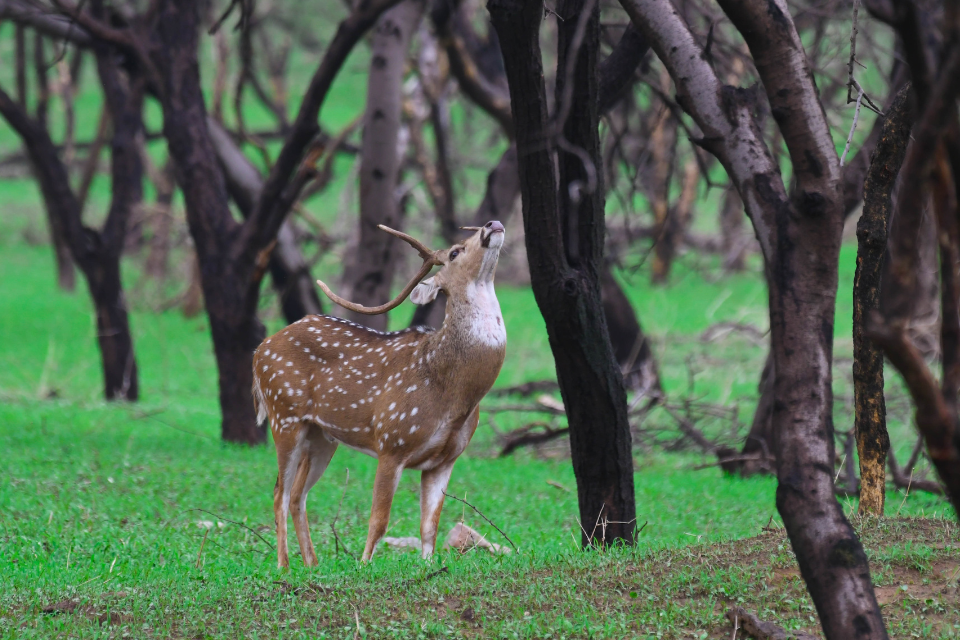
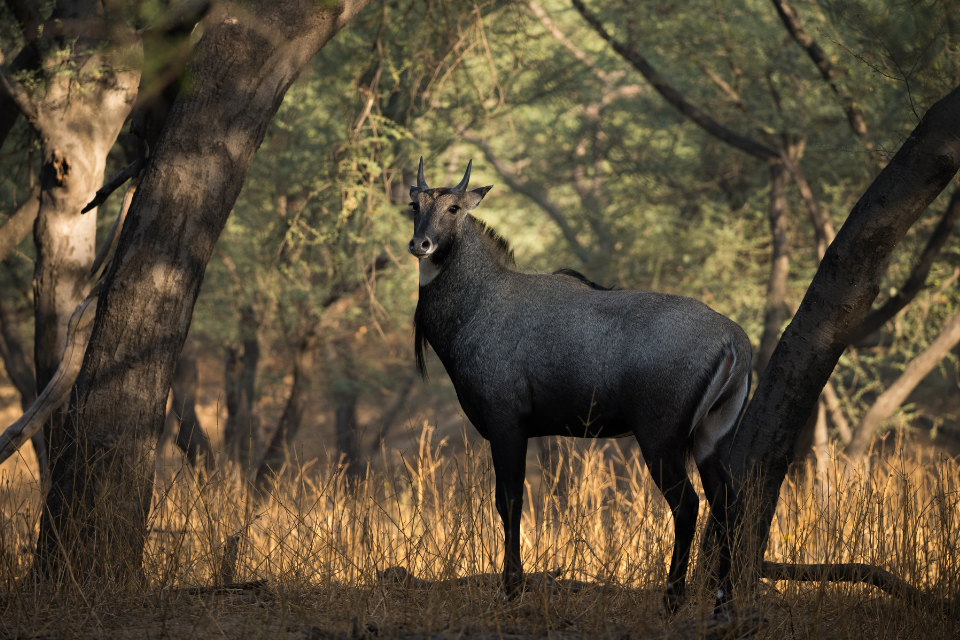
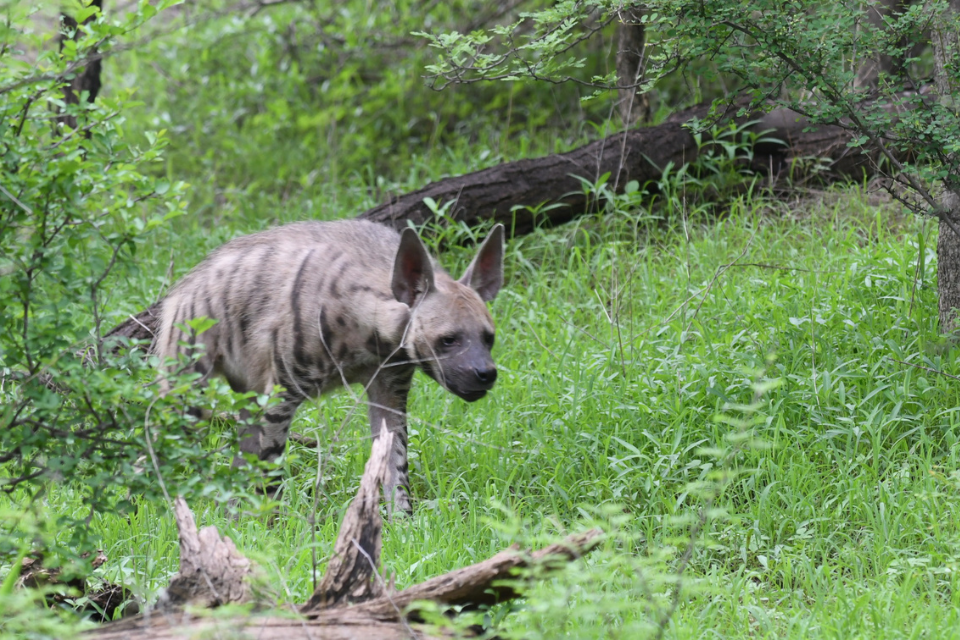
Mammals: Striped Hyenas, Desert Foxes, Golden Jackals, Blue Bulls (Nilgai), and Spotted Deer.
-
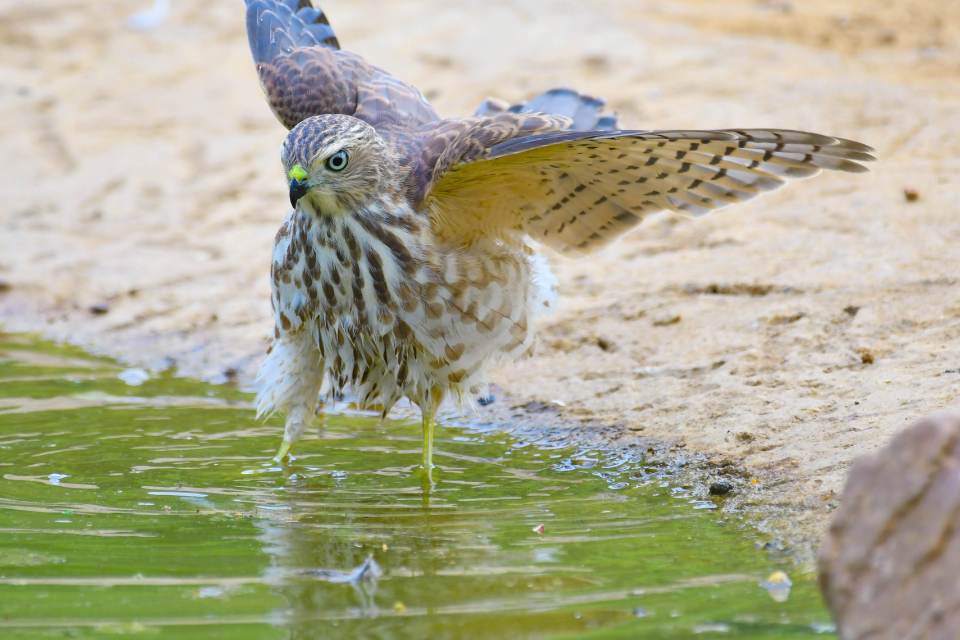
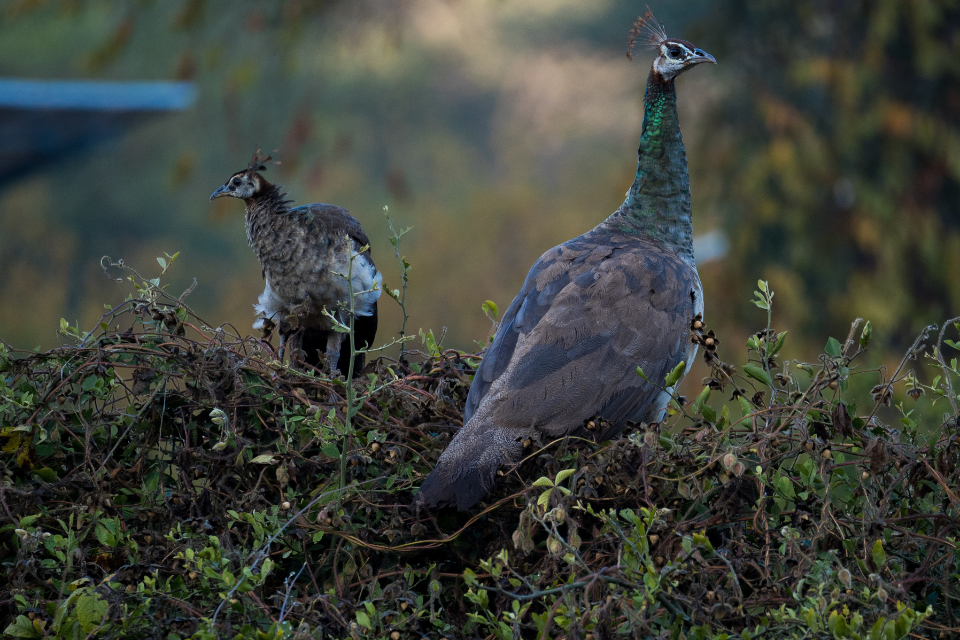
Birds: Spotted Owlets, Indian Pitta, Peacocks, and various migratory birds.
-
Reptiles: Monitor Lizards and various snake species.
Planning Your Visit: Timings and Best Seasons
To make the most of your Jhalana Panther Safari, timing is everything. The reserve operates in two shifts: morning and evening.
Seasonal Timings
| Season | Morning Shift | Evening Shift |
| Summer (April – June) | 06:00 AM – 09:30 AM | 03:30 PM – 07:00 PM |
| Winter (Oct – March) | 06:45 AM – 10:15 AM | 03:00 PM – 06:30 PM |
Best Time to Visit
-
Winter (November to February): The weather is pleasant, and animals are often seen basking in the sun.
-
Summer (April to June): Though hot, this is the best time for sightings. Leopards frequently visit the limited water holes to quench their thirst, making them easier to track.
Booking Your Jhalana Panther Safari
Booking can be done online through the official Rajasthan Government forest department website or through authorized travel portals.
-
Vehicle Options: Only registered 4×4 Jeeps (Gypsies) are allowed. Each Jeep can carry up to 6 people.
-
Permit Costs: Prices vary for Indians and Foreign Nationals. It is highly recommended to book at least 30-45 days in advance, especially for weekend slots.
-
Zones: Jhalana is divided into zones, but unlike larger parks, almost all zones offer great sighting opportunities.
Essential Safari Photography Tips
The Jhalana Panther Safari is a photographer’s paradise. To capture that perfect shot:
-
Lenses: A 70-200mm or 100-400mm lens is ideal. The leopards can get quite close, so you don’t always need a massive prime lens.
-
Golden Hour: The low light during the first hour of the morning and the last hour of the evening provides a magical glow on the leopard’s coat.
-
Stability: Use a beanbag or a monopod to stabilize your camera on the moving Jeep.
Rules and Etiquette
To ensure a safe and sustainable experience, follow these guidelines:
-
Silence is Golden: Leopards have sensitive hearing. Keep voices low.
-
No Plastic: Jhalana is a plastic-free zone. Do not litter.
-
Stay Inside: Never get out of the vehicle under any circumstances.
-
Colors: Wear earthy tones (khaki, olive green, brown) to blend in with the environment.
Frequently Asked Questions (FAQs)
Q1. Is Jhalana Safari open during the monsoon?
Yes, unlike many other national parks in India, Jhalana usually remains open year-round, though some tracks may be inaccessible during heavy rains.
Q2. How many days are enough for Jhalana?
While one safari can be enough for a lucky sighting, we recommend 2 to 3 safaris to truly experience the forest and increase your chances of seeing different leopards.
Q3. Is it safe for children?
Absolutely. It is an educational and thrilling experience for kids. However, ensure they remain quiet and seated during the drive.
Q4. Can I take my own car inside?
No, private vehicles are strictly prohibited. You must use the forest department-approved 4×4 Jeeps.
Q5. How far is Jhalana from Jaipur city center?
It is roughly 6-8 km from the main city areas like M.I. Road or Johari Bazaar, making it a very quick commute.
Conclusion
The Jhalana Panther Safari is a shining example of how wildlife can thrive on the fringes of a booming metropolis. Whether you are a hardcore wildlife photographer or a family looking for an adventurous break from palace hopping, Jhalana offers an intimate and electrifying encounter with the wild.