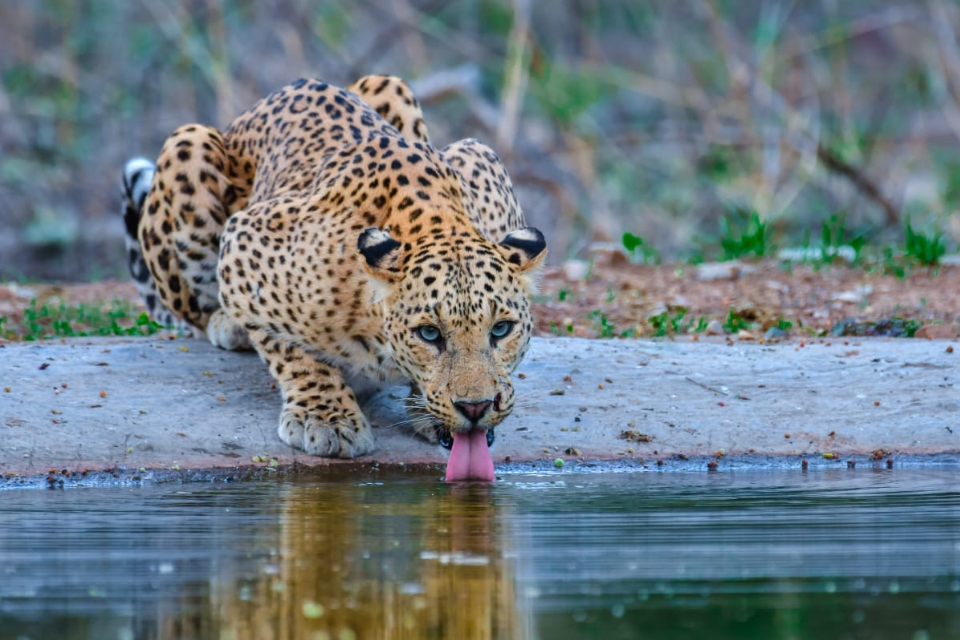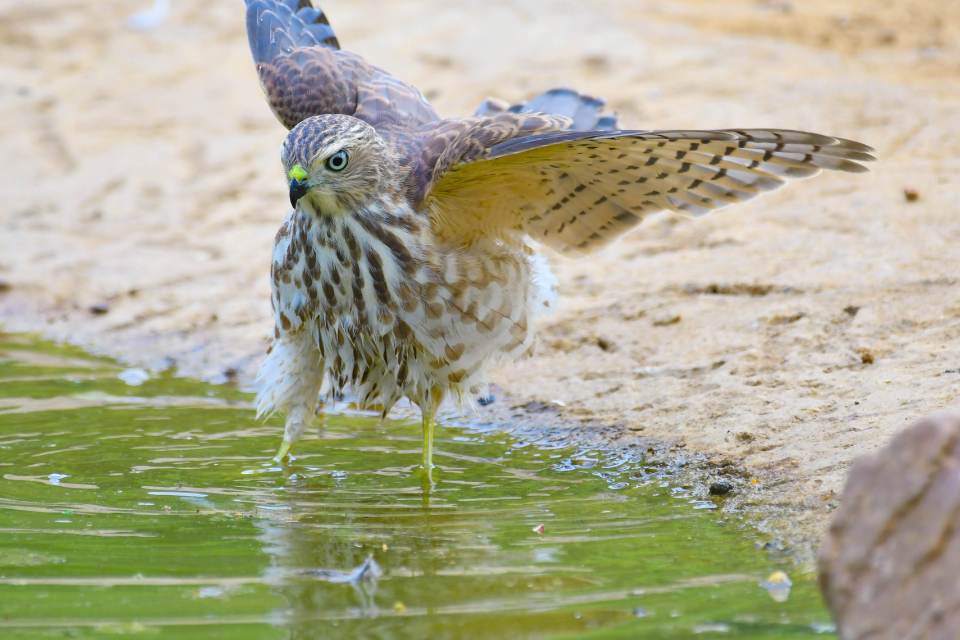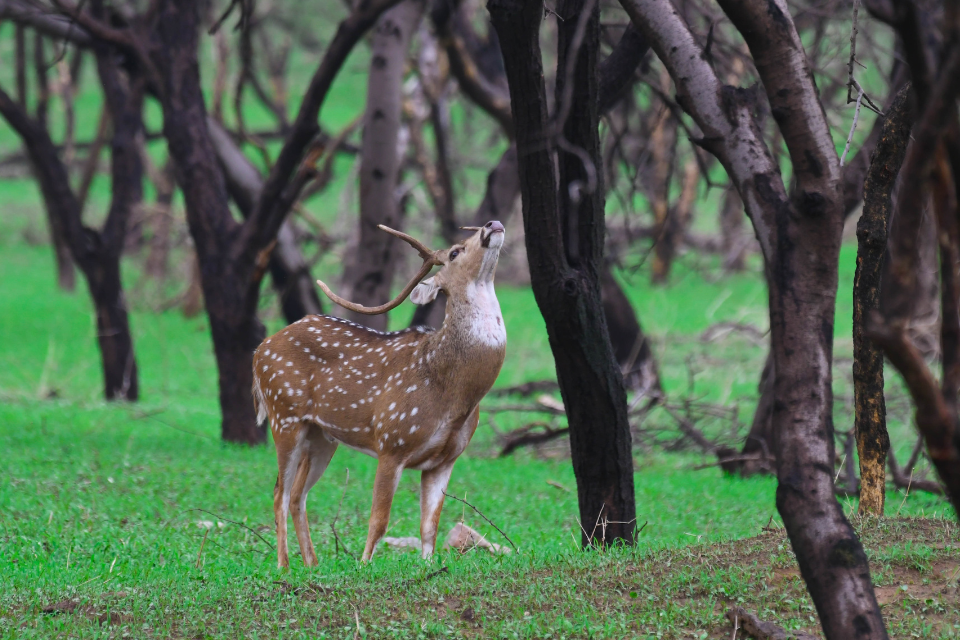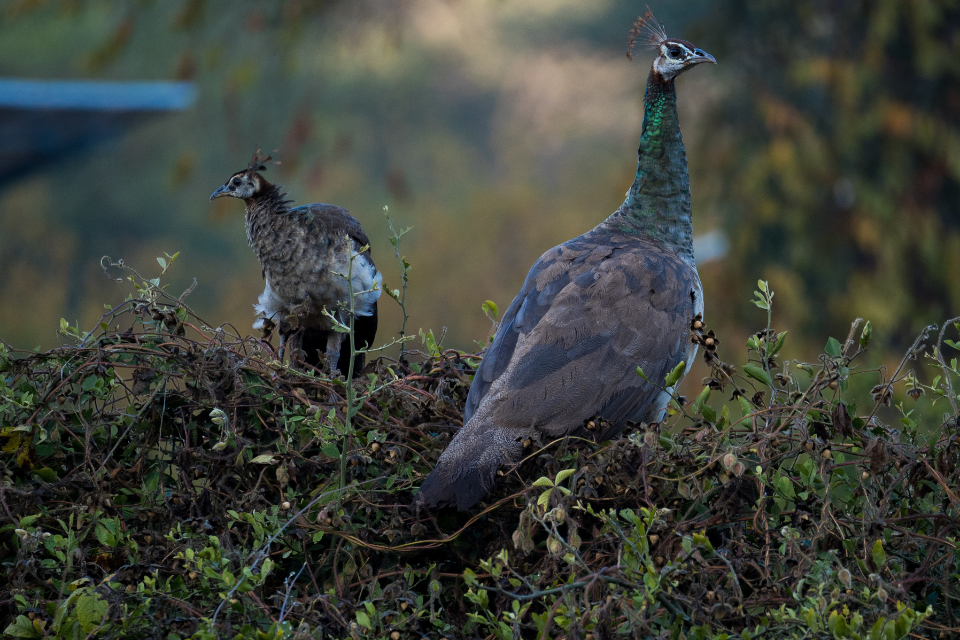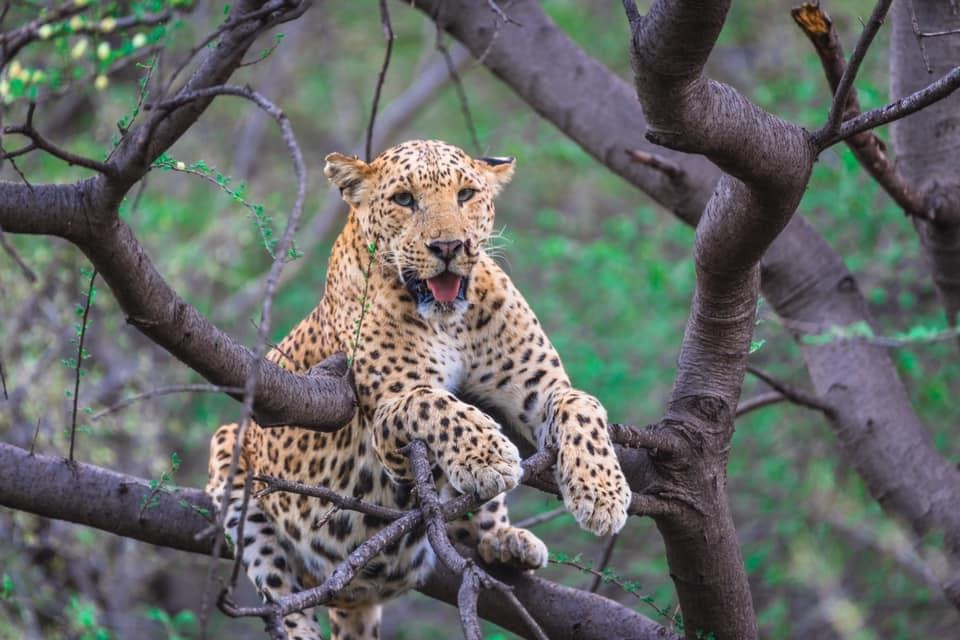
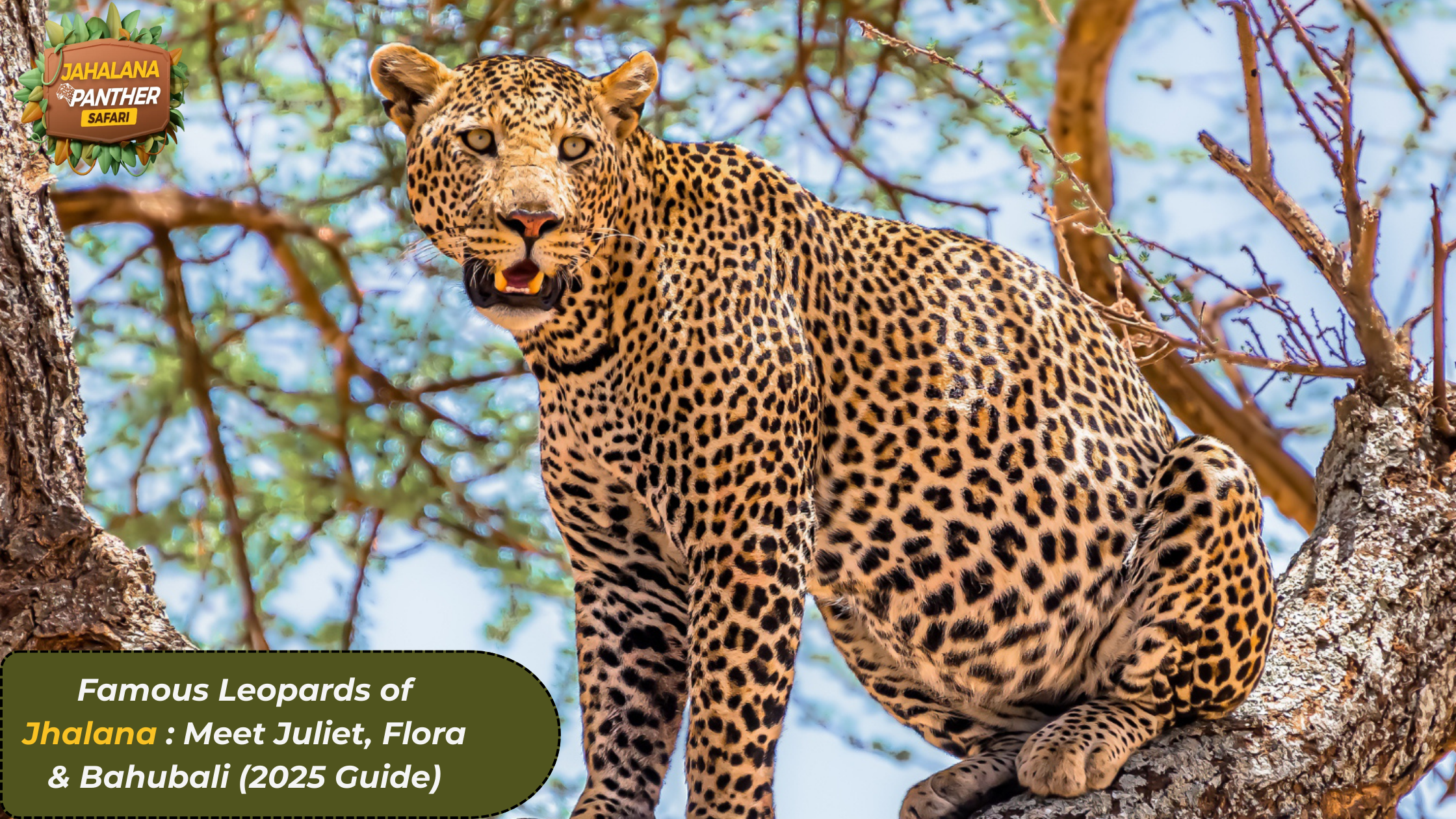
3 Famous Leopards of Jhalana: Meet Juliet, Flora & Bahubali (2025 Guide)
Meet the real royalty of Jaipur. Not the Maharajas, but Juliet, Flora, and Bahubali—the famous leopards that rule the urban jungle. Discover their stories, rivalries, and territories in our 2025 guide.
Jhalana Safari for Beginners
First time on safari? Don’t panic! Here is your complete 2025 roadmap to exploring Jhalana Leopard Reserve—including what to wear, how to book, and how to spot the elusive ghosts of the forest
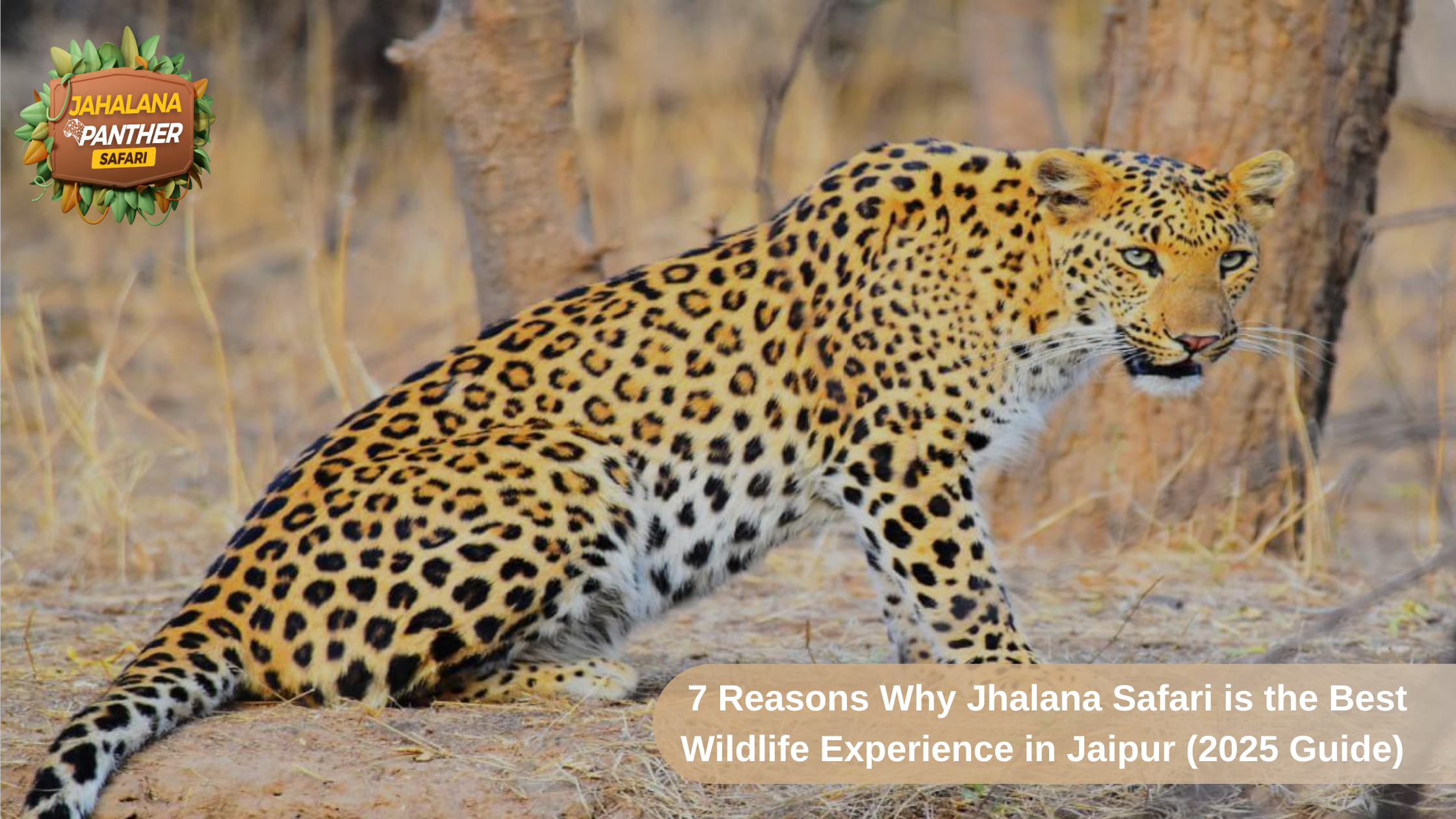
7 Reasons Why Jhalana Safari is the Best Wildlife Experience in Jaipur (2025 Guide)
Planning a trip to Jaipur? Read our comprehensive 2025 guide on Jhalana Safari. We break down ticket prices, safari timings, best zones for photography, and why this leopard reserve offers the best wildlife sightings in Rajasthan.
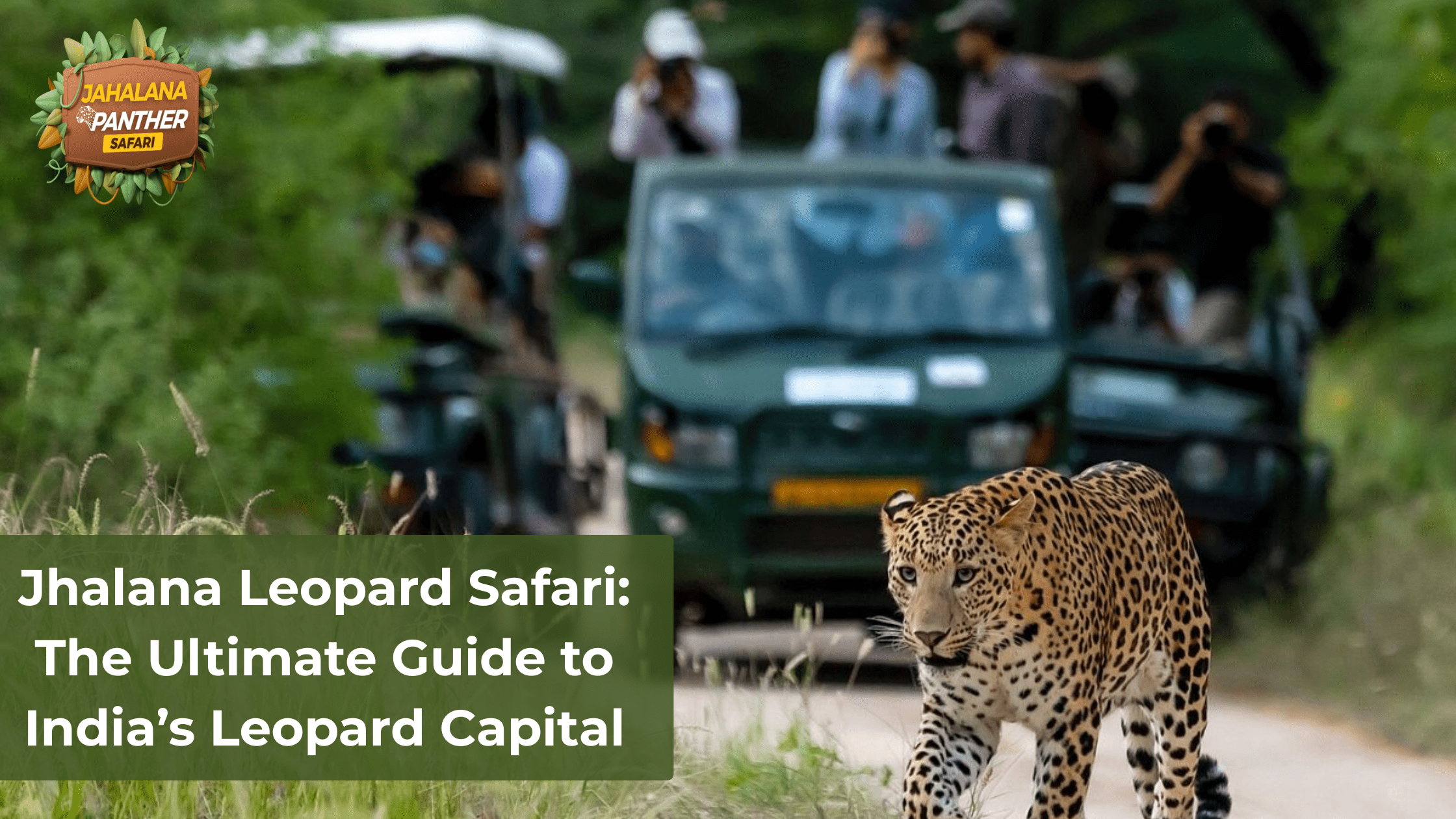
Jhalana Leopard Safari: The Ultimate Guide to India’s Leopard Capital
Did you know Jaipur is the Leopard Capital of the World? Discover Jhalana Leopard Reserve, where wild leopards roam just minutes from the city center. We cover everything you need to know—from best zones and safari timings to expert booking tips—in this ultimate guide.
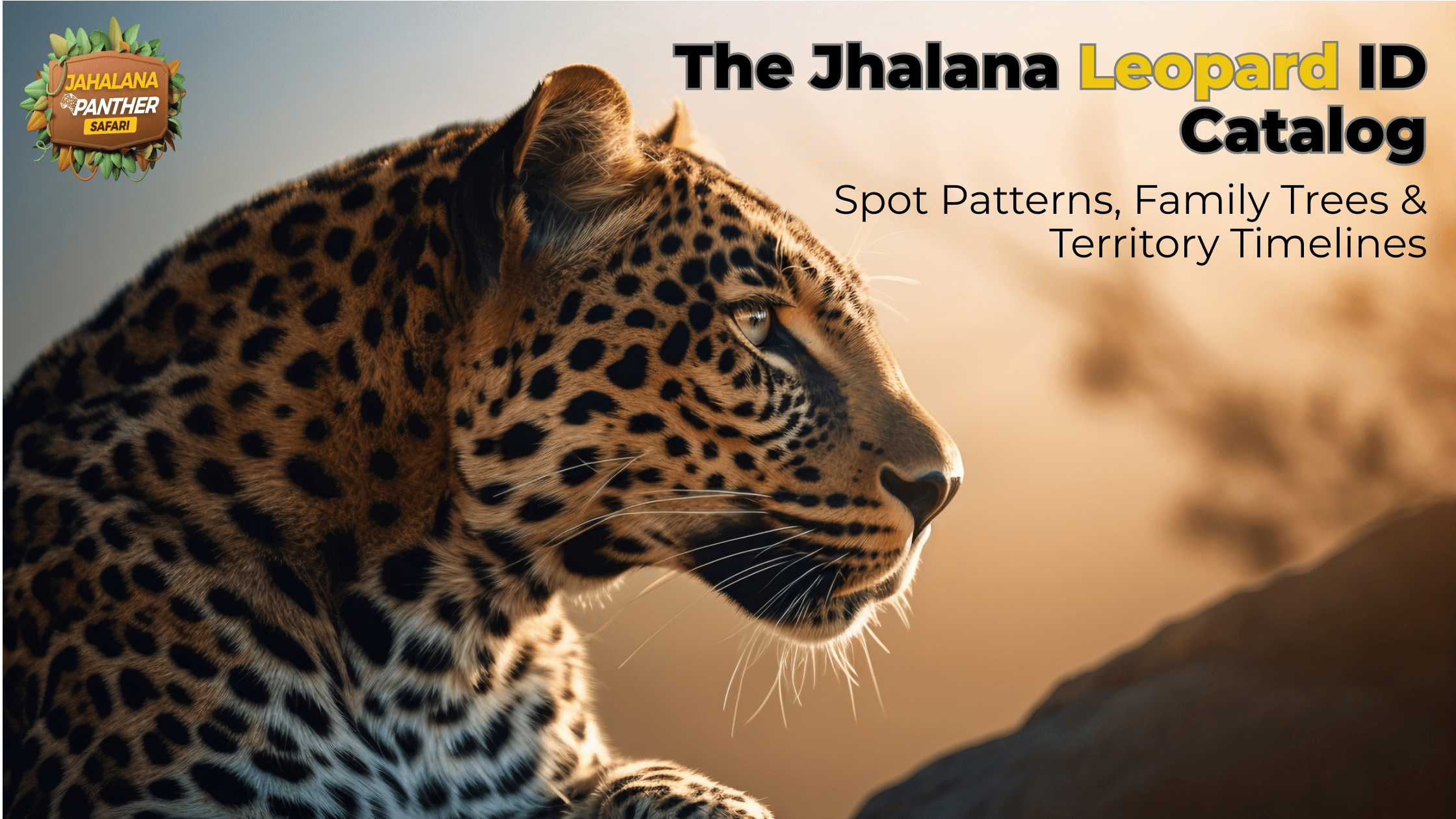
The Jhalana Leopard ID Catalog: Spot Patterns, Family Trees & Territory Timelines
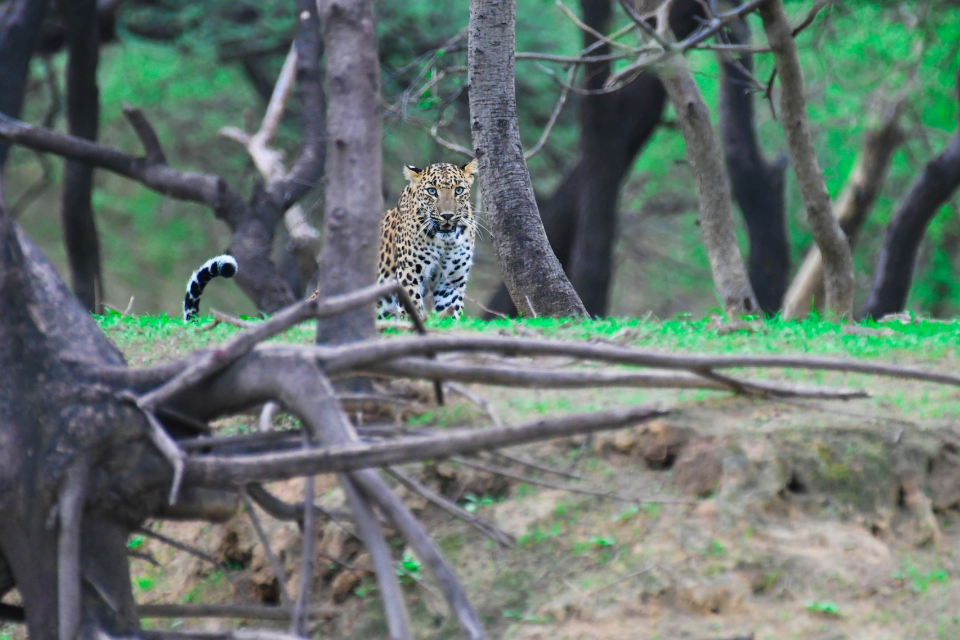
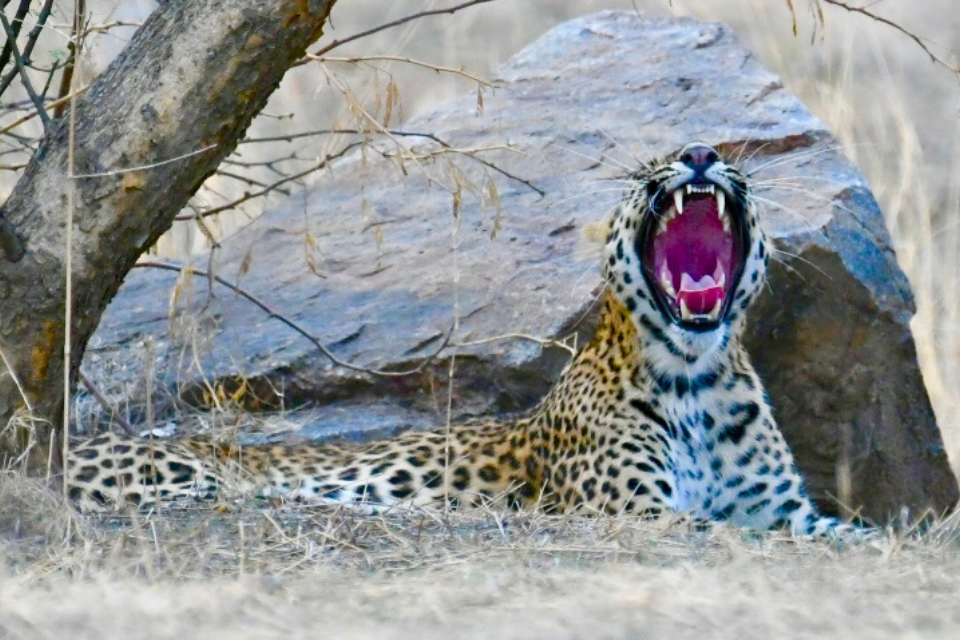
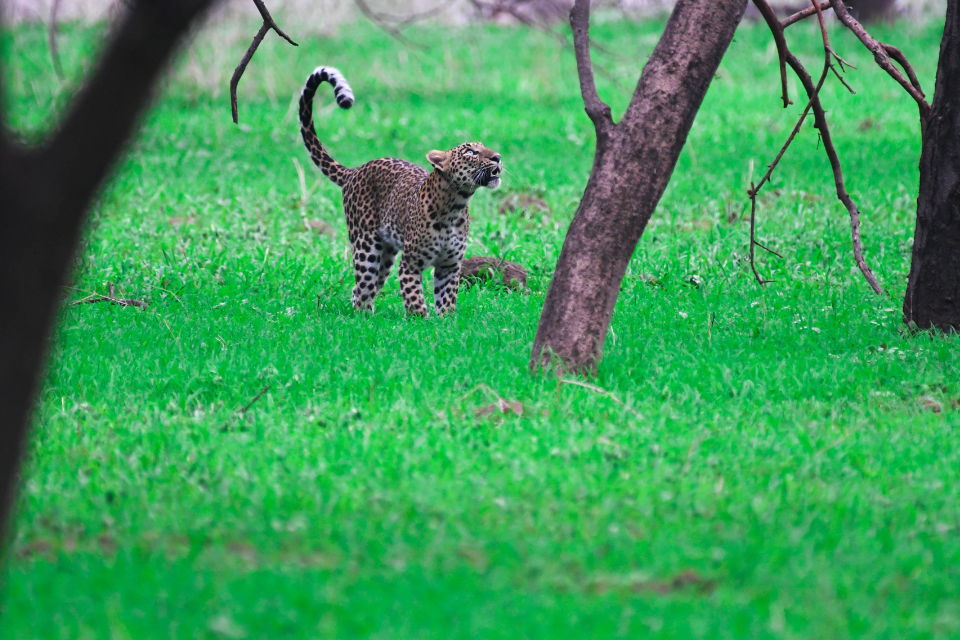
Jhalana Leopard Reserve in Jaipur is one of India’s most remarkable urban wildlife stories. Spread over roughly 20–23 km², this compact forest abutting neighborhoods and arterial roads supports ~30–40 leopards depending on the season and cub survival—numbers that multiple tourism and conservation sources cite within that band. It’s also India’s first dedicated leopard reserve (declared in 2017), and a now-famous place for close-but-safe sightings.
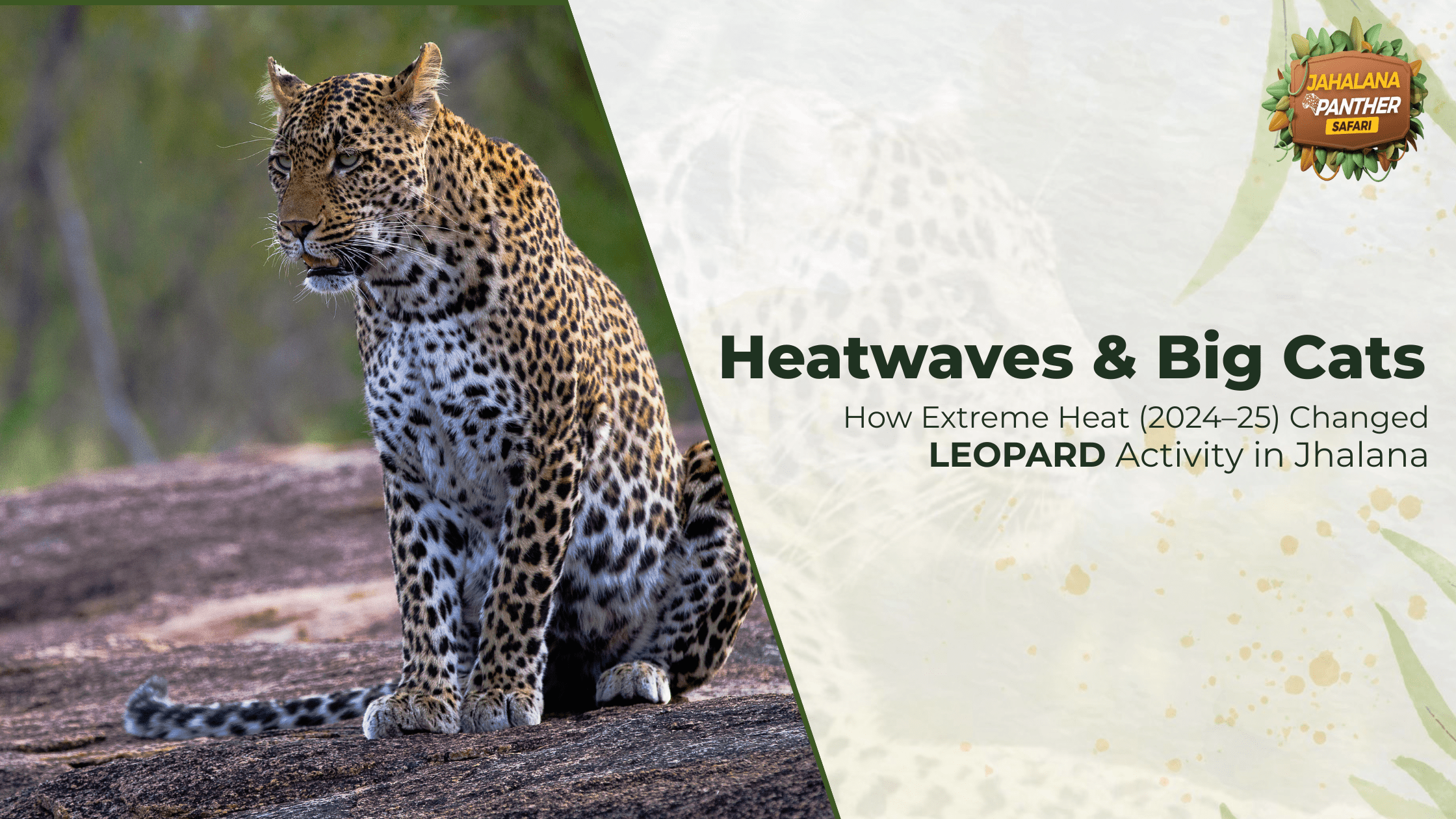
Heatwaves & Big Cats: How Extreme Heat (2024–25) Changed Leopard Activity in Jhalana
From April to June 2024, north and west India endured a punishing heatwave season, with the India Meteorological Department reporting multiple “severe heatwave” days and recorded highs like 50.5°C in Churu, Rajasthan. Jaipur itself flirted with the mid-40s multiple times and clocked 44.8°C on one of the season’s hottest days. 2025 brought an early spring escalation across Rajasthan, with Barmer capturing April heat records and dozens of stations crossing 43°C. These spikes weren’t one-off anomalies; they’re part of a trend of more frequent and longer heatwaves across South Asia.
Set against this backdrop is Jhalana–Amagarh, Jaipur’s celebrated urban leopard landscape, first notified as a leopard reserve in 2017, spanning roughly 20 km² in Jhalana and adjoining Amagarh forests. It is widely recognized for close-range leopard sightings and unusually high densities for an urban edge reserve
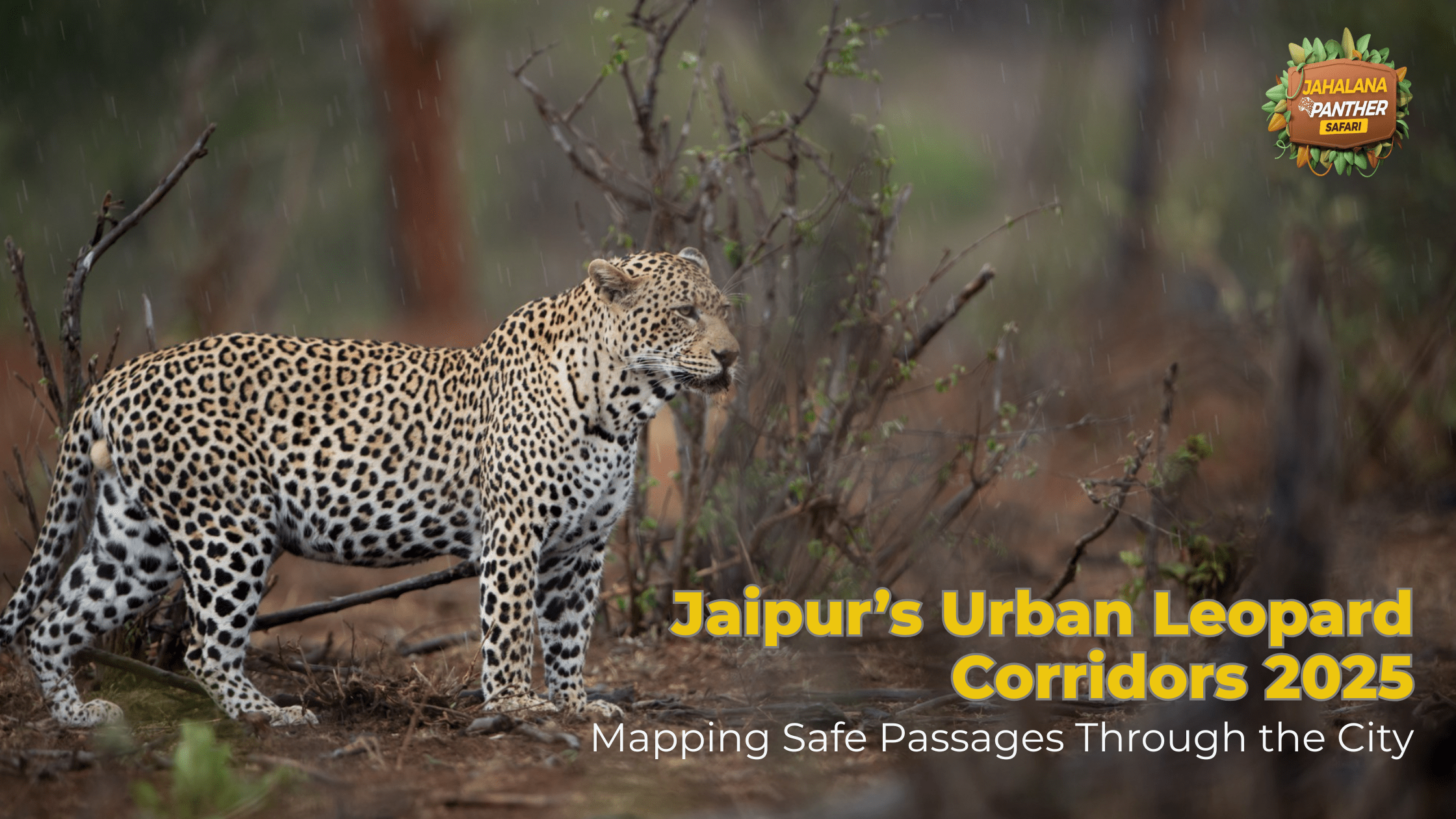
Jaipur’s Urban Leopard Corridors 2025: Mapping Safe Passages Through the City
Jaipur is one of the few global cities where leopards live inside and around the metropolitan fabric—with Jhalana as the flagship urban reserve and Amagarh and Nahargarh forming the northern hill belt. In 2025 the story accelerated: Jaipur opened a third leopard safari zone (Maila Bagh/Beed Papad) and announced new internal routes at Jhalana, while real-world incidents reminded everyone that big cats still use city edges, nallahs, quarries and hill spurs to move. These developments sharpen a central question for a growing city: where are the safe passages (corridors) for leopards, and how do we keep both people and wildlife safe?
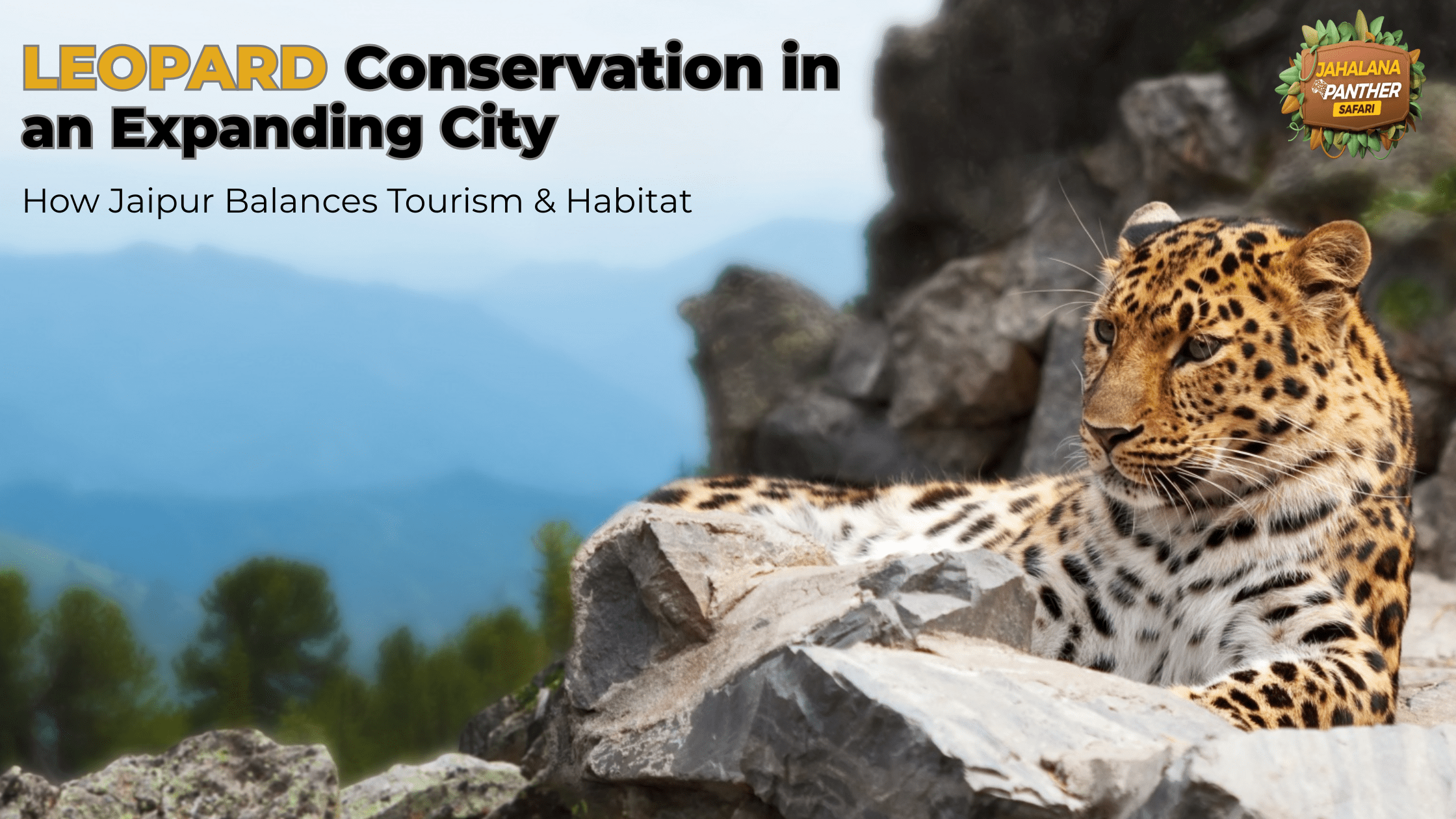
Leopard Conservation in an Expanding City: How Jaipur Balances Tourism & Habitat
At first glance, Jaipur—with its pink facades, bustling bazaars, and ring of expanding suburbs—seems an unlikely home for a thriving population of leopards. Yet within city limits lies Jhalana, a scrub-forest mosaic that became India’s first dedicated leopard reserve in 2017. The designation was more than symbolic; it formalized management tools, tourism rules, and monitoring systems tailored to an apex predator living mere kilometers from residential colonies and glass-fronted IT parks.
This blog explores how Jaipur balances tourism and habitat in an urban setting: what it means to protect leopards in a city, how corridors keep genetics flowing, why carrying capacity matters for both cats and people, and how community engagement turns neighbors into guardians. If you’re researching “leopard conservation Jaipur” or the broader idea of an “urban leopard reserve India”, consider this your field guide to the strategies, trade-offs, and lessons that Jhalana continues to offer.
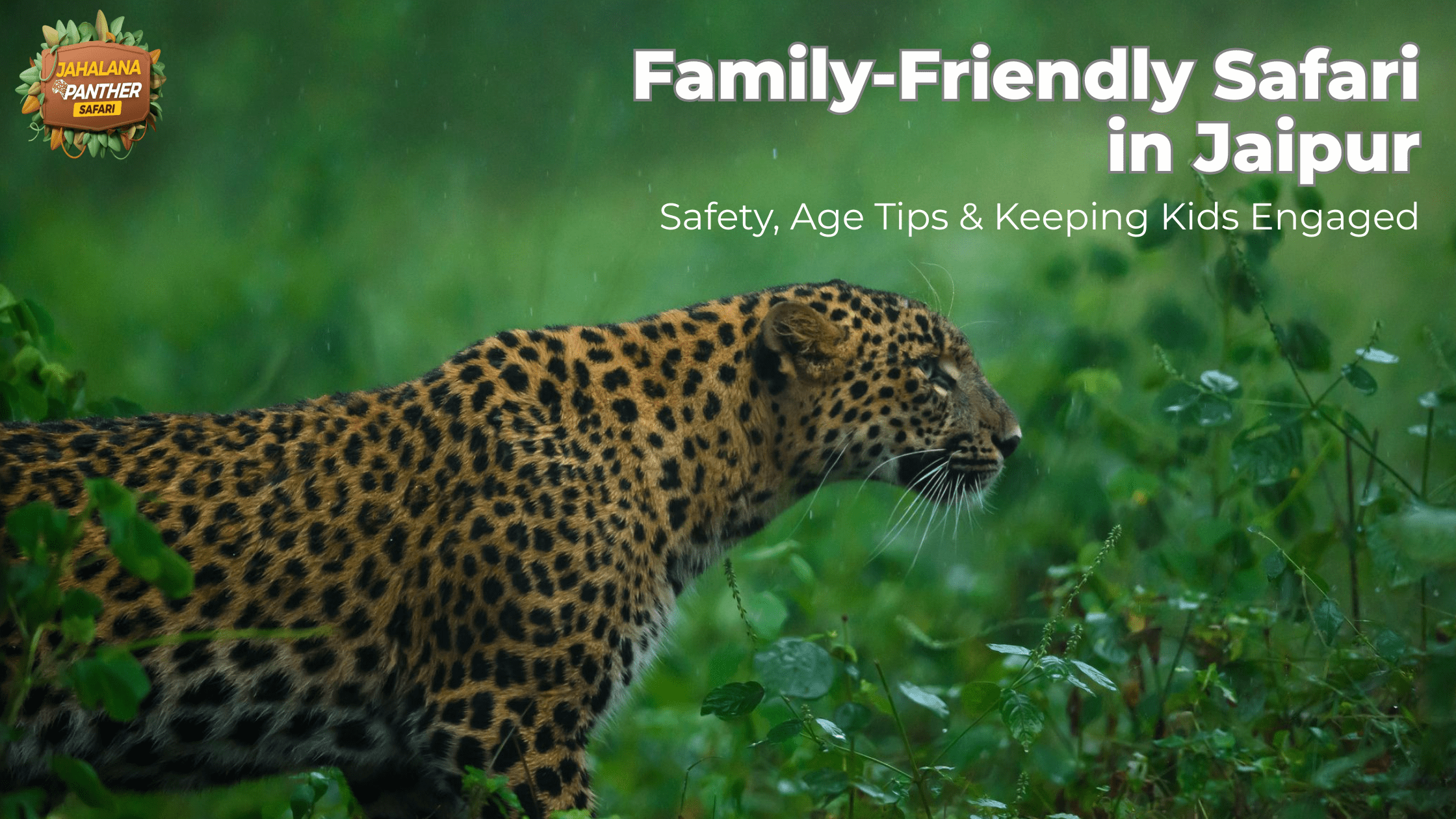
Family-Friendly Safari in Jaipur: Safety, Age Tips & Keeping Kids Engaged
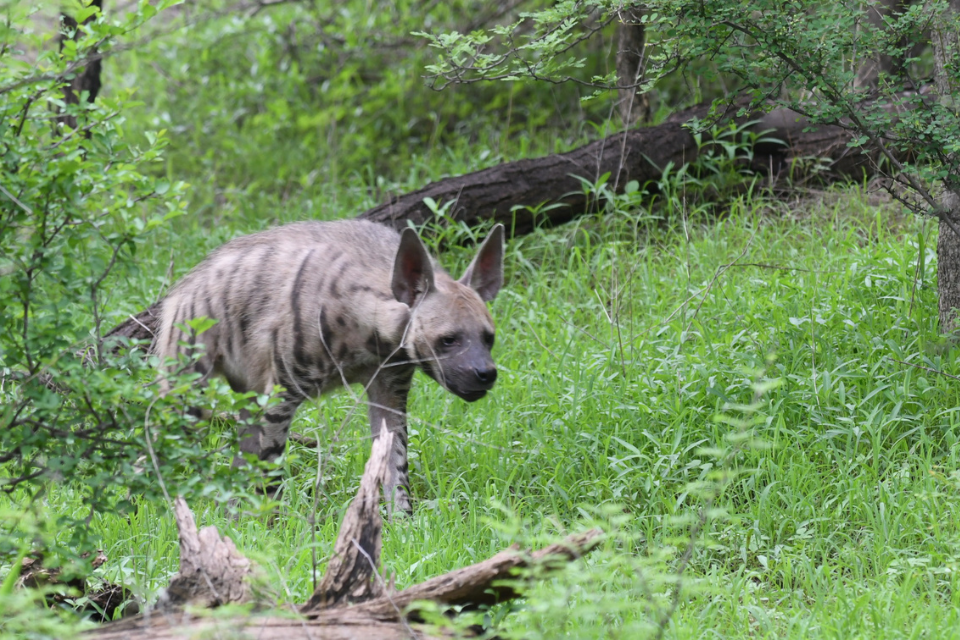
If your crew loves animals, open skies, and stories that come alive off the page, a Jaipur safari with kids is an incredible memory-maker. The Pink City offers access to dry forests and scrublands where you can spot leopards, antelopes, peacocks, and a wide cast of birds and reptiles. Compared to deeper wilderness trips, Jaipur’s proximity to city comforts—good roads, reliable guides, and medical facilities—makes it an approachable first safari for families. Add in flexible vehicle options (open jeeps/gypsies and canters), experienced rangers, and solid tour operators, and you’ve got the right balance of adventure + safety.
This guide is crafted for parents who want practical, real-world advice: exactly how to seat the kids safely, what to do about noise etiquette, where restroom breaks fit into the plan, which binoculars work for small hands, and how to pace the day so everyone stays engaged.
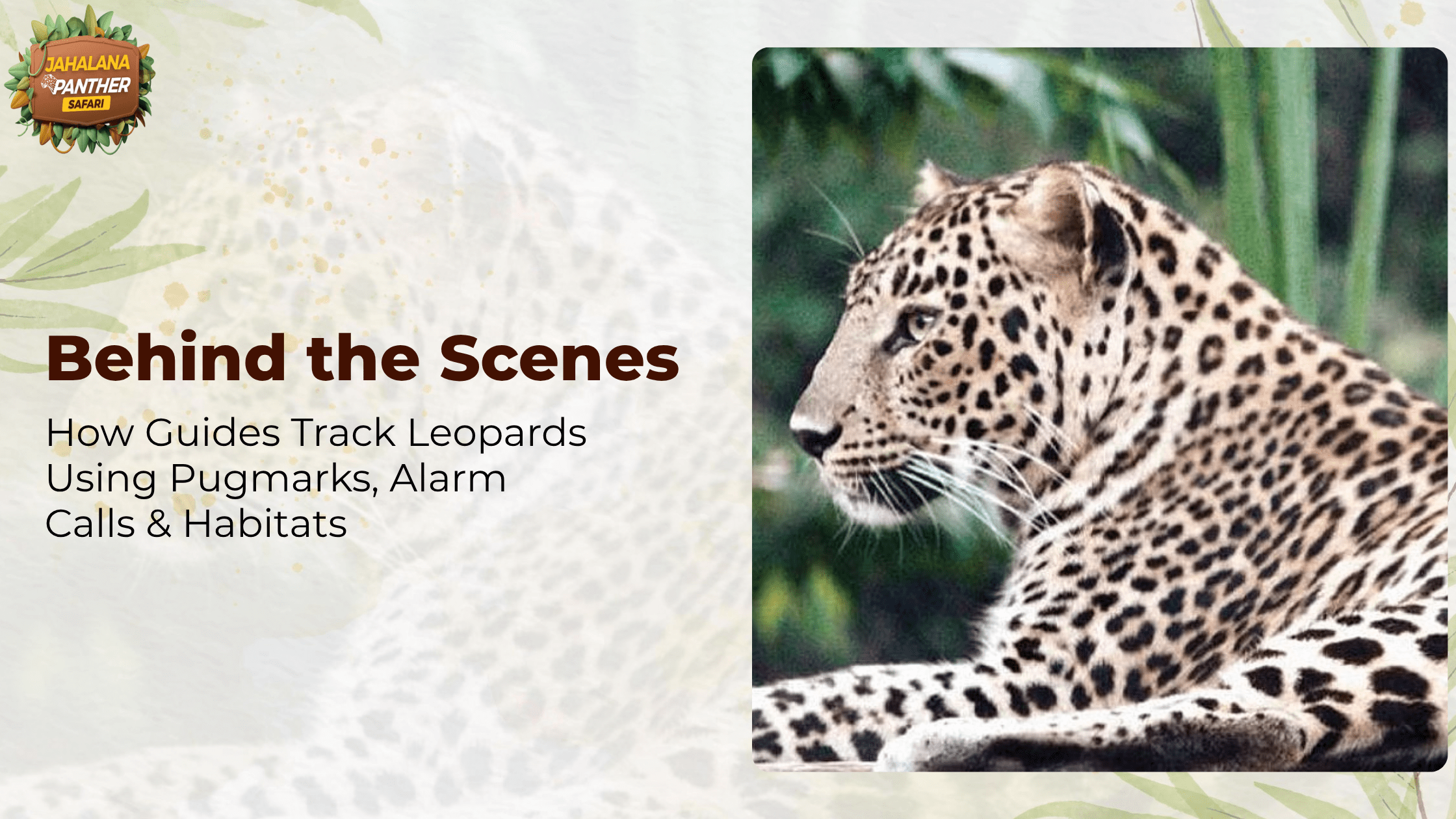
Behind the Scenes: How Guides Track Leopards Using Pugmarks, Alarm Calls & Habitats
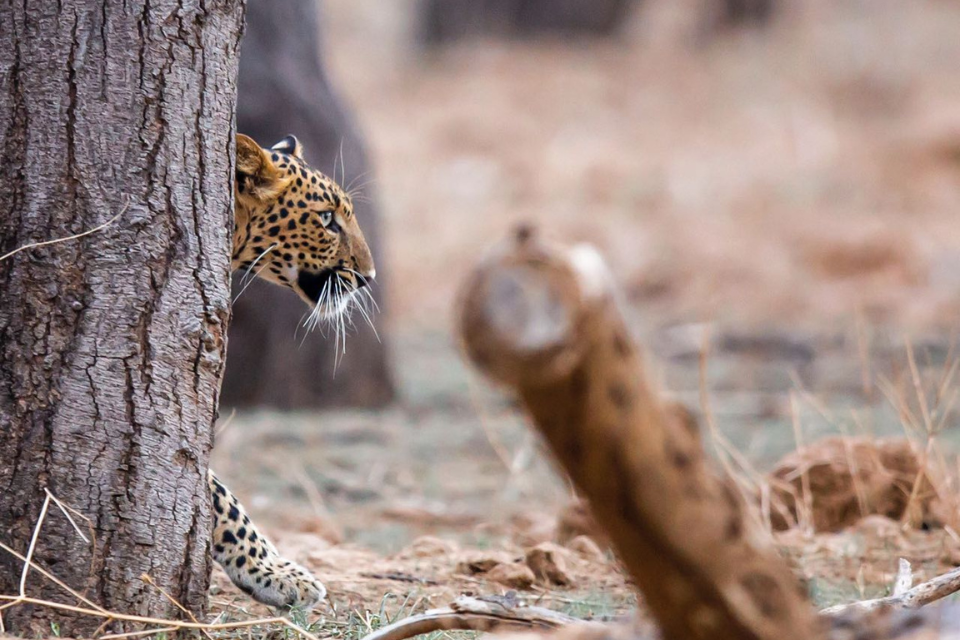
Tyres crunch softly over gravel as dawn thins the night. Somewhere ahead, a langur’s clipped bark ricochets across the scrub. Your guide lifts a hand: the vehicle rolls to a hush. On the track’s edge—an oval pad with three clear lobes on the back edge—a fresh imprint glistens where dew has darkened the dust. “Leopard,” your guide murmurs. You lean closer. The jungle seems to exhale.
What follows isn’t luck. It’s fieldcraft: a disciplined blend of sign-reading (pugmarks), acoustic triangulation (alarm calls), and habitat interpretation that guides around Jaipur (and across India) use to find the subcontinent’s most elusive cat—without broadcasting sensitive locations or relying on invasive tracking tech.
This story-driven explainer opens the curtain on the skills, routines, and ethics our team lives by—so you’ll know exactly what’s going on when your guide suddenly changes direction, stops to sniff the wind, or becomes fascinated by a smudge in the dust.