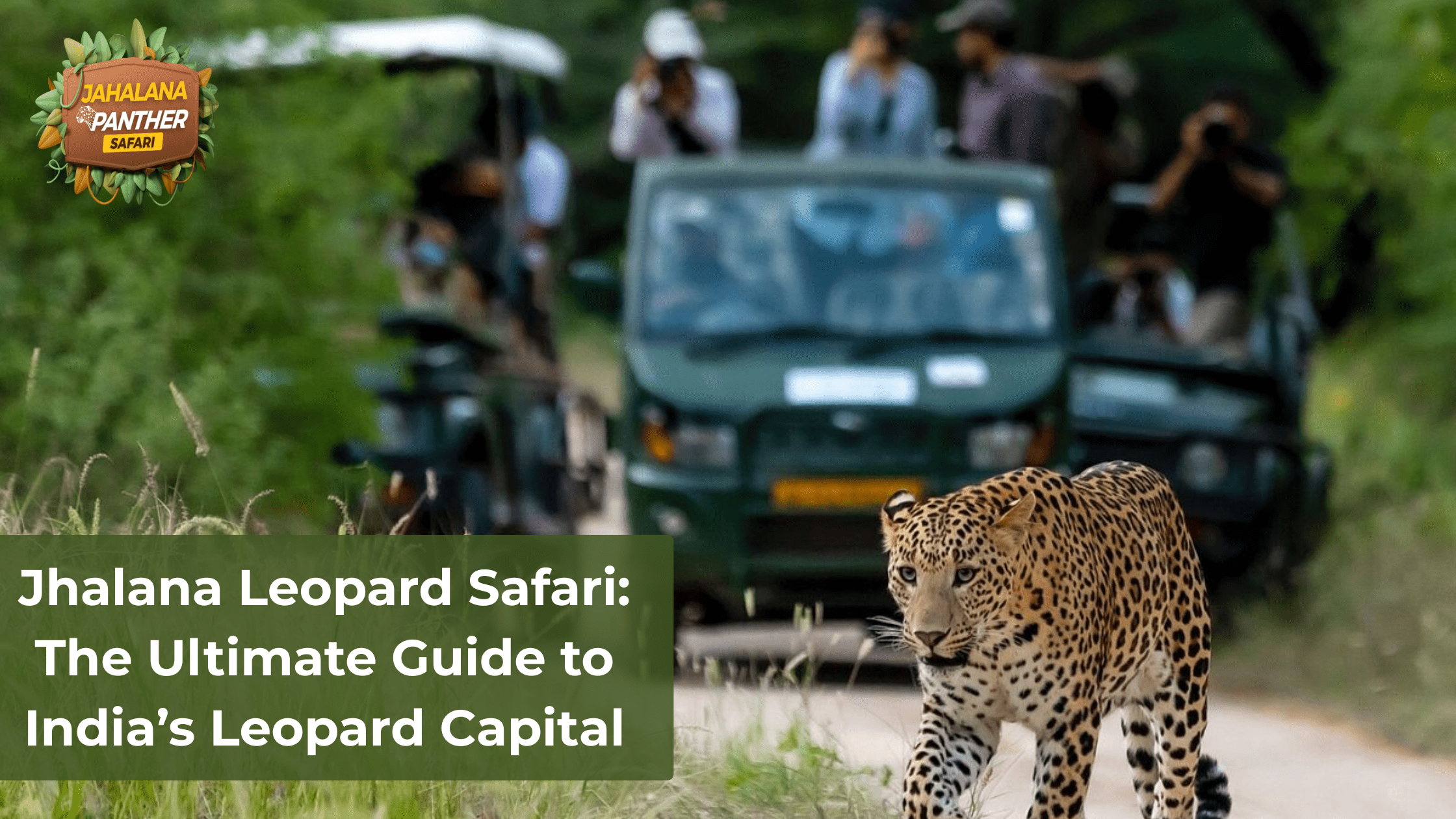
Jhalana Leopard Safari: The Ultimate Guide to India’s Leopard Capital
Did you know Jaipur is the Leopard Capital of the World? Discover Jhalana Leopard Reserve, where wild leopards roam just minutes from the city center. We cover everything you need to know—from best zones and safari timings to expert booking tips—in this ultimate guide.

Photography Guide: How to Capture Leopards & Wildlife at Jhalana — Gear, Timing, Do’s & Don’ts
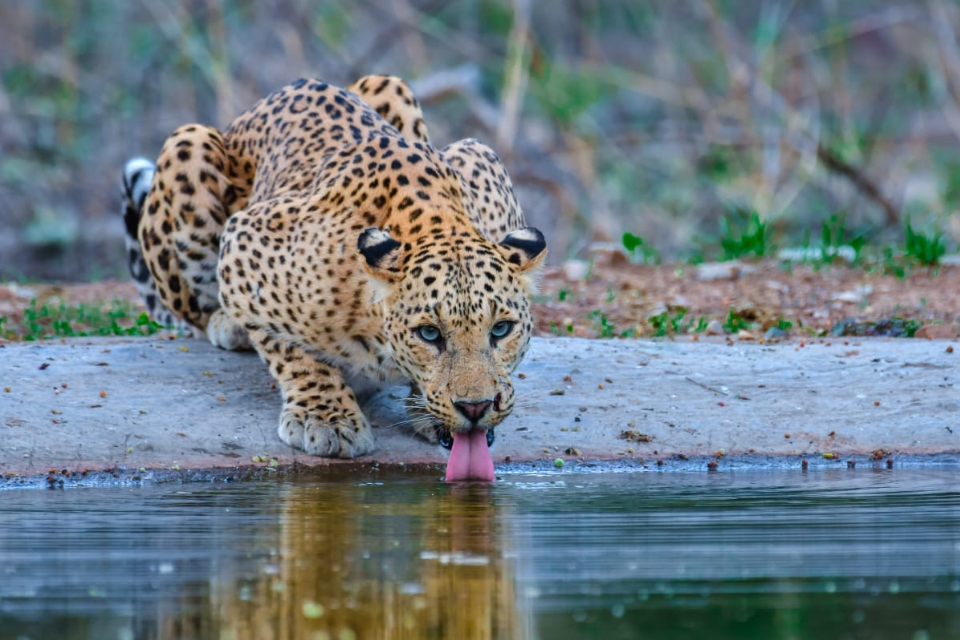
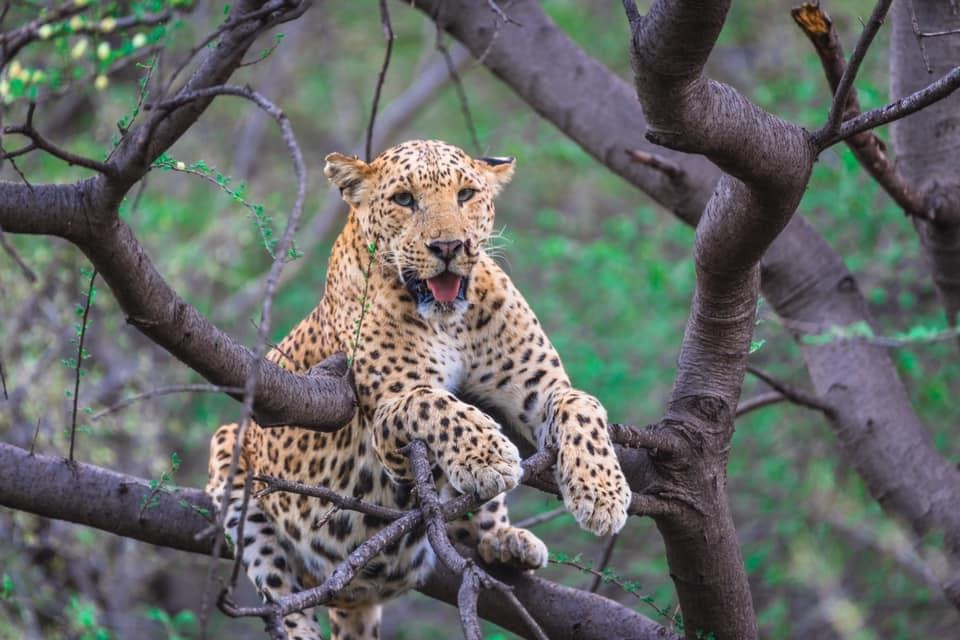
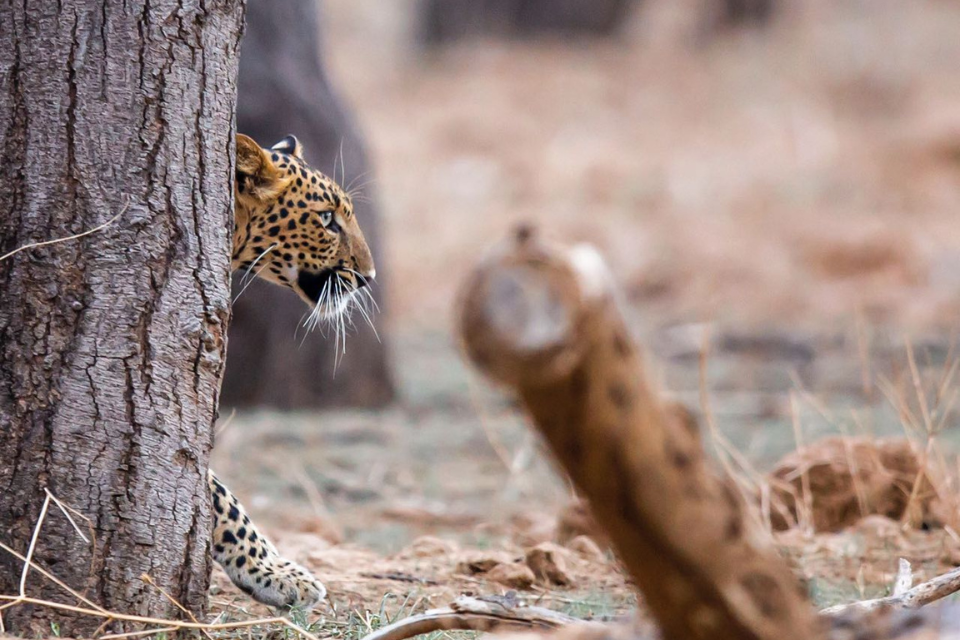
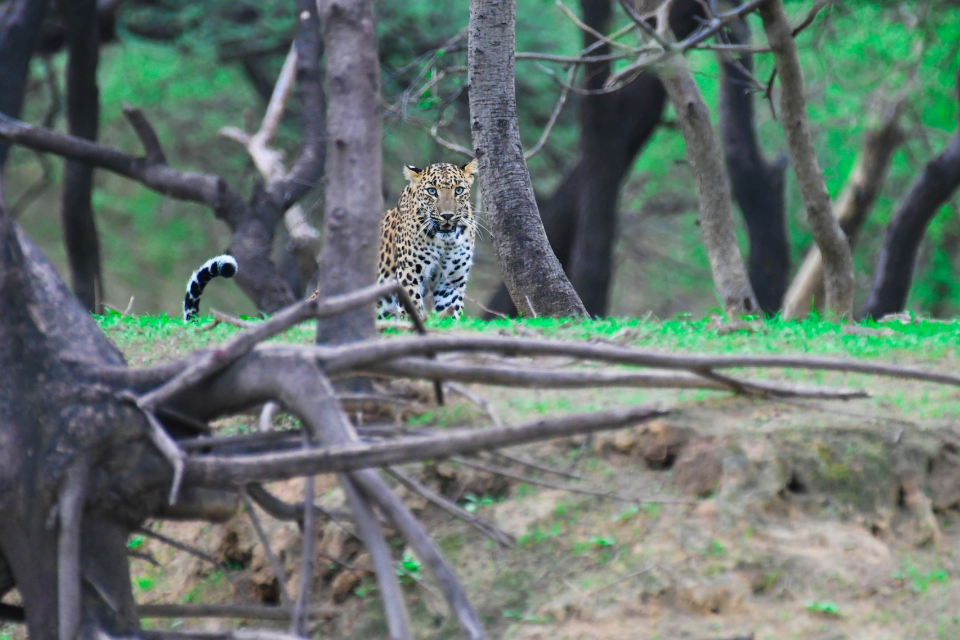
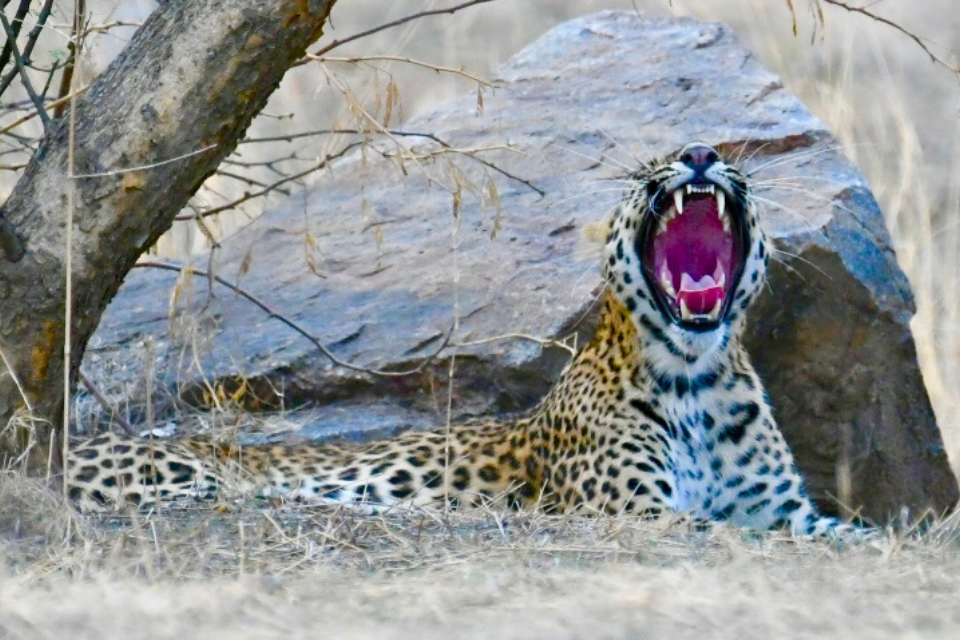
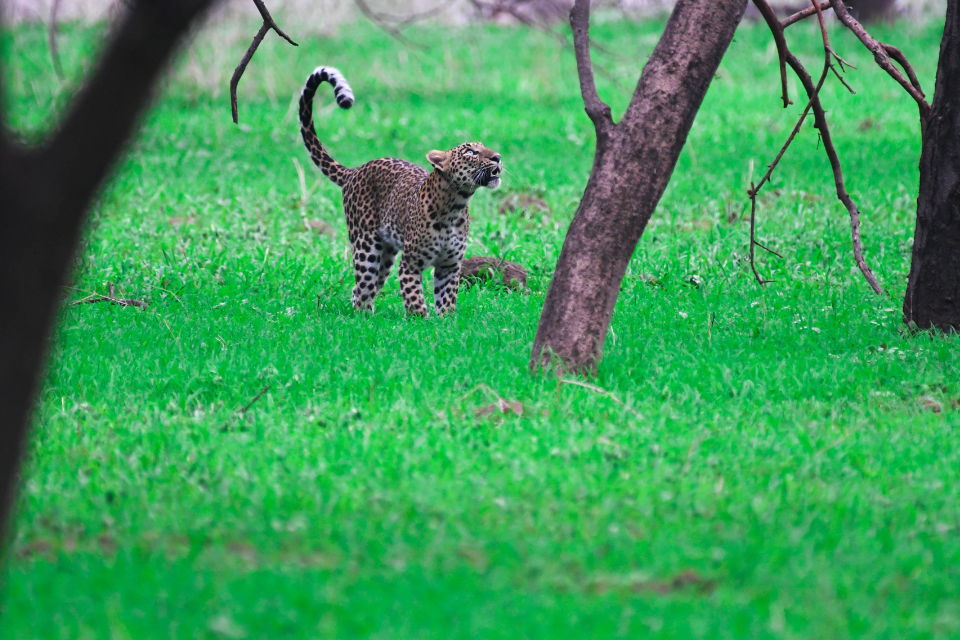
Jhalana Leopard Reserve in Jaipur is not just a forest; it is a photographer’s arena. Unlike the sprawling tiger reserves of Central India, Jhalana is compact, rugged, and boasts the highest density of leopards in the country. Here, the elusive “ghost of the forest” is often seen lounging on ancient Aravalli rocks or walking along the Shikaar Audi trail.
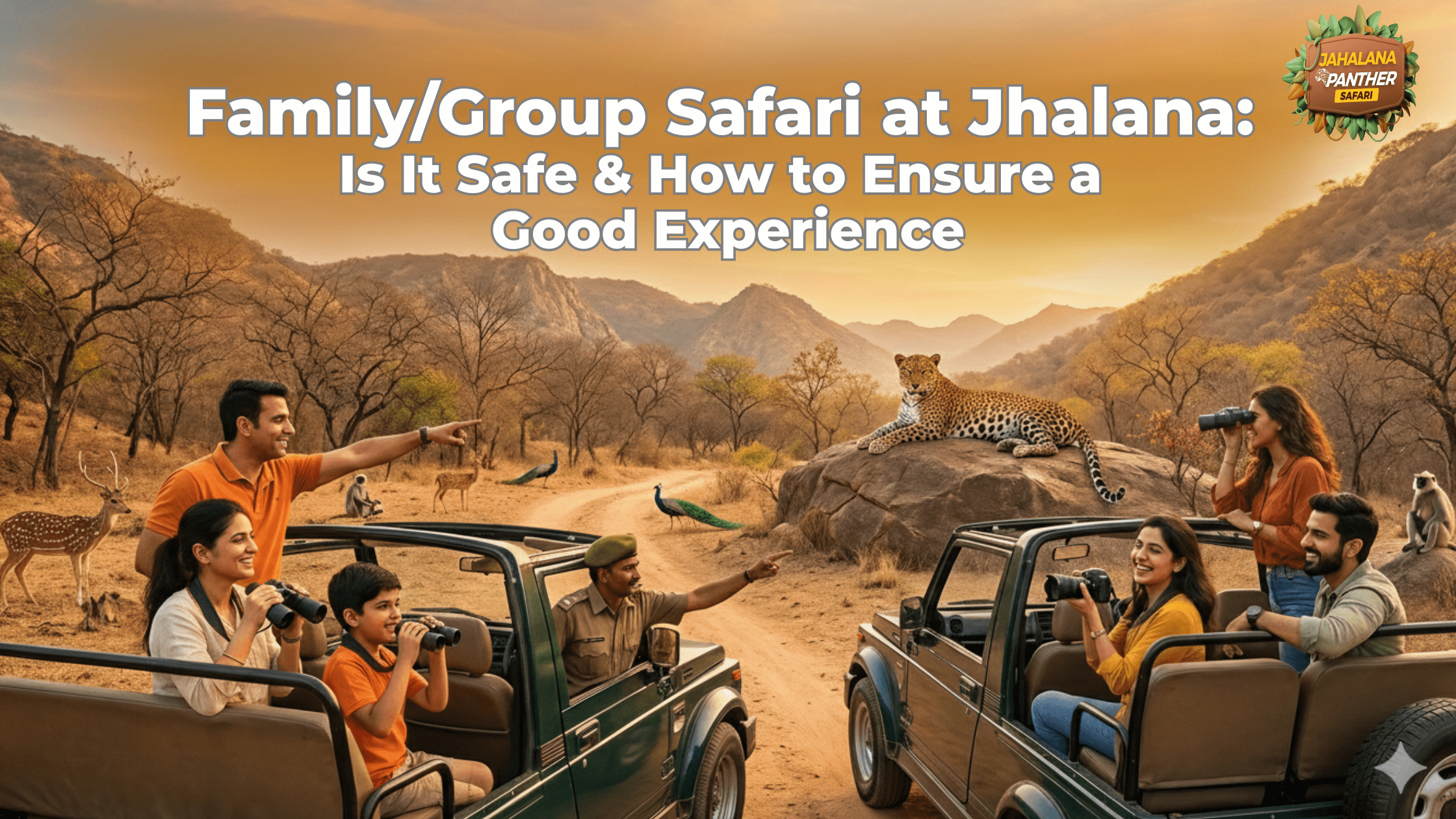
Family/Group Safari at Jhalana: Is It Safe & How to Ensure a Good Experience
Jhalana Leopard Reserve, nestled right within the bustling capital city of Jaipur, offers a unique and thrilling wildlife experience unmatched in India: the chance to see the elusive leopard in its natural habitat, often within minutes of entering the park. Known for having one of the highest leopard densities in the world, Jhalana is a must-visit destination.
But when planning a safari for a family or a large group, natural questions arise: Is the experience truly safe? How do we manage the logistics and ensure everyone, from small children to seniors, has a comfortable and rewarding time?
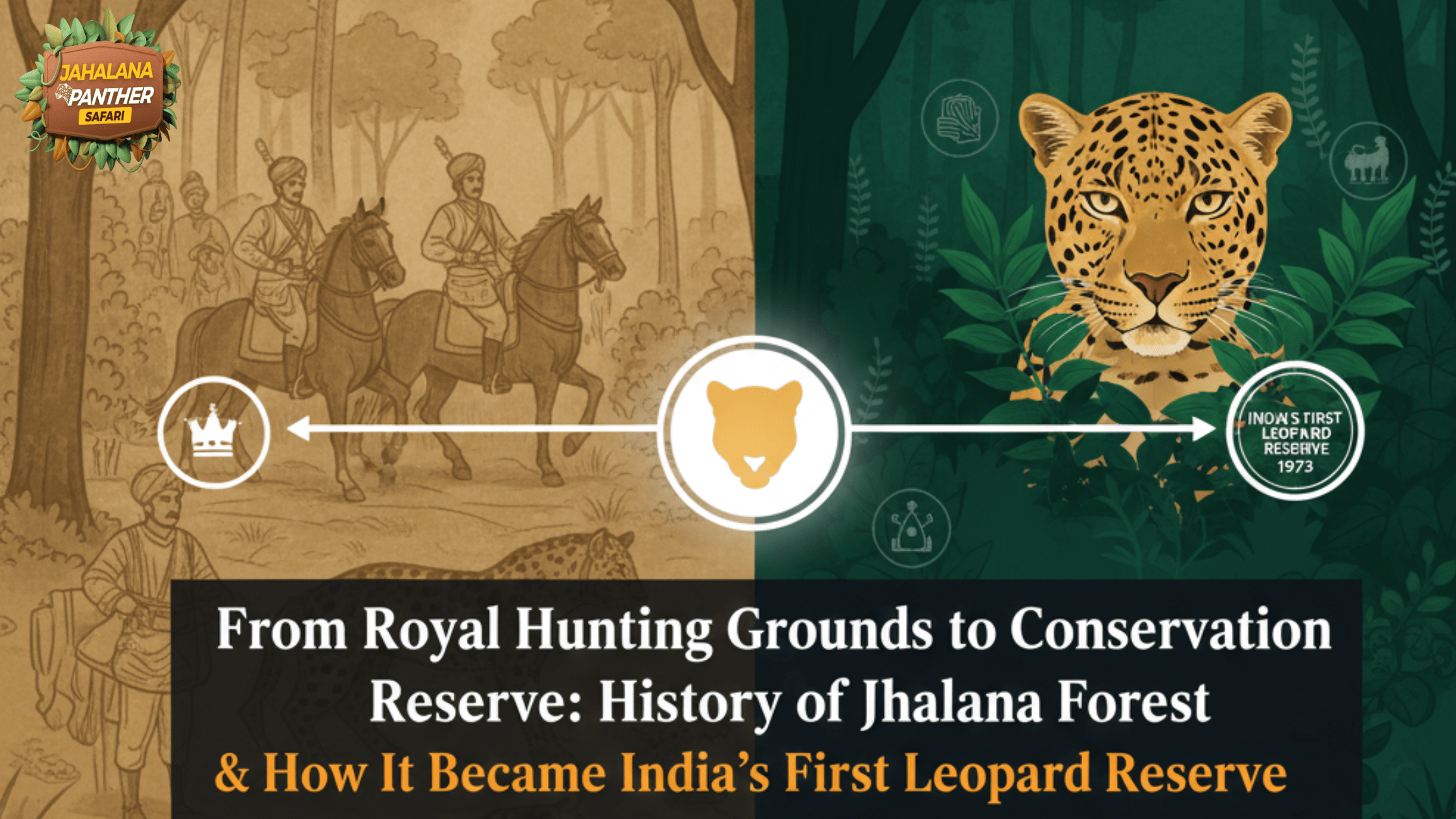
From Royal Hunting Grounds to Conservation Reserve: History of Jhalana Forest & How It Became India’s First Leopard Reserve
Jaipur, the Pink City, is a mesmerizing blend of regal history and modern bustle. Yet, just a few minutes from its urban core lies a unique environmental success story: the Jhalana Safari Park. This small, dense forest reserve, nestled within the Aravalli hills, holds the distinction of being India’s first dedicated Leopard Reserve.
The transformation of Jhalana from a favored hunting ground of Rajasthan’s Maharajas into a thriving, protected habitat for leopards and other wildlife is a testament to the power of conservation. It’s a history intertwined with Jaipur’s royal heritage, ecological change, and a modern commitment to urban wildlife preservation.
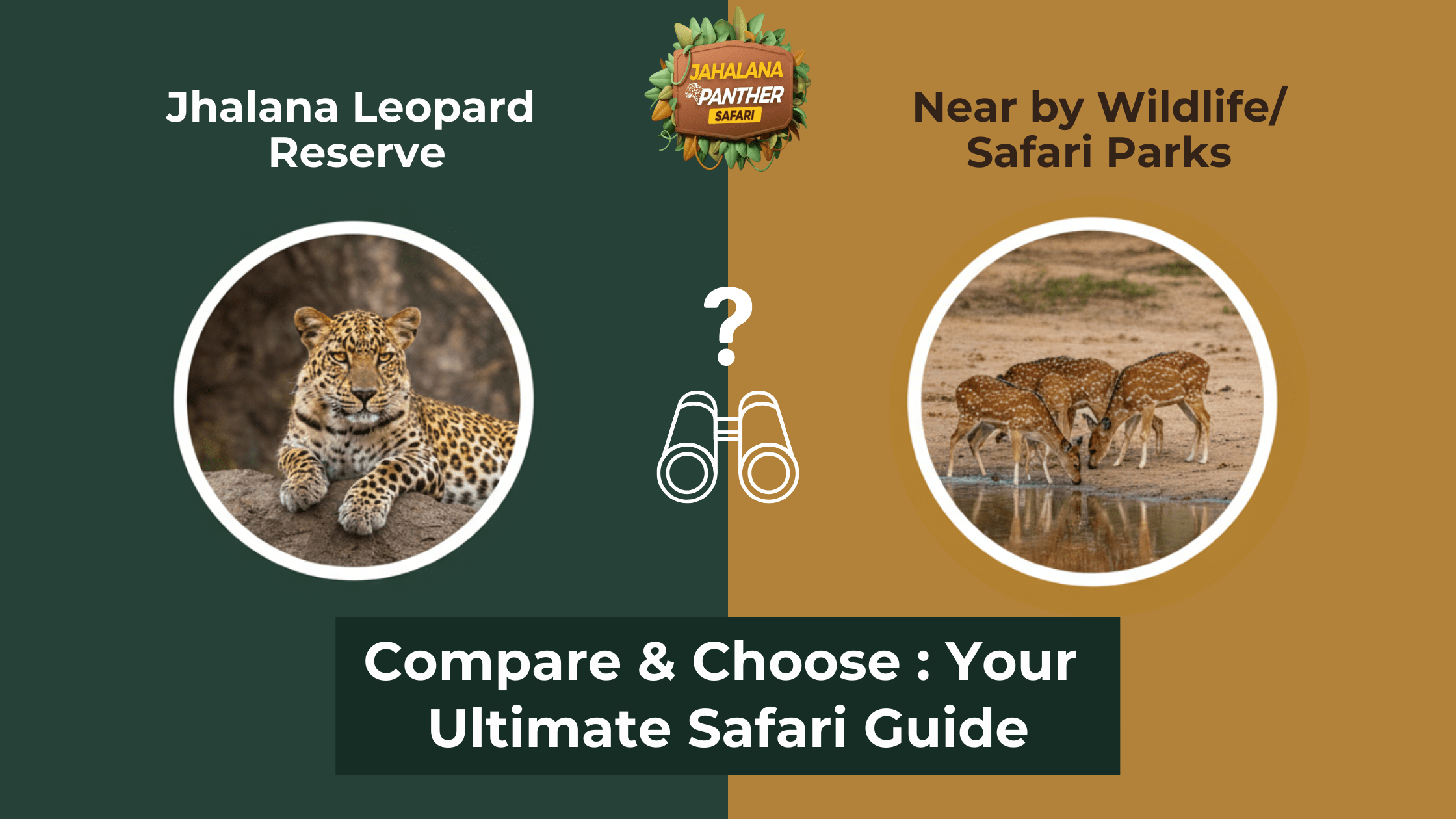
Compare & Choose: Jhalana vs. Amagarh (and Nearby Wildlife Parks)
Jaipur was once known solely for its forts and palaces. Today, it holds a new, wilder title: The Leopard Capital of the World. Uniquely positioned right on the city’s edge, Jaipur offers travelers the rare chance to spot wild leopards in their natural habitat without traveling hours into the deep jungle.
But with the recent opening of the Amagarh Leopard Reserve and the Nahargarh Lion Safari, visitors face a dilemma. Should you stick with the famous, established Jhalana, or try the rugged, scenic Amagarh?

Why the Leopards of Jhalana Are Easier to Spot Than in Other Reserves
Jhalana Leopard Reserve, located in Jaipur, Rajasthan, has emerged as one of India’s most reliable leopard-sighting destinations. Unlike most leopard habitats across the country—where these elusive cats are notoriously hard to spot due to their nocturnal lifestyle and dense forest cover—Jhalana offers an entirely different experience. Here, photographers, wildlife enthusiasts, and tourists frequently encounter leopards during broad daylight, often at surprisingly close distances.
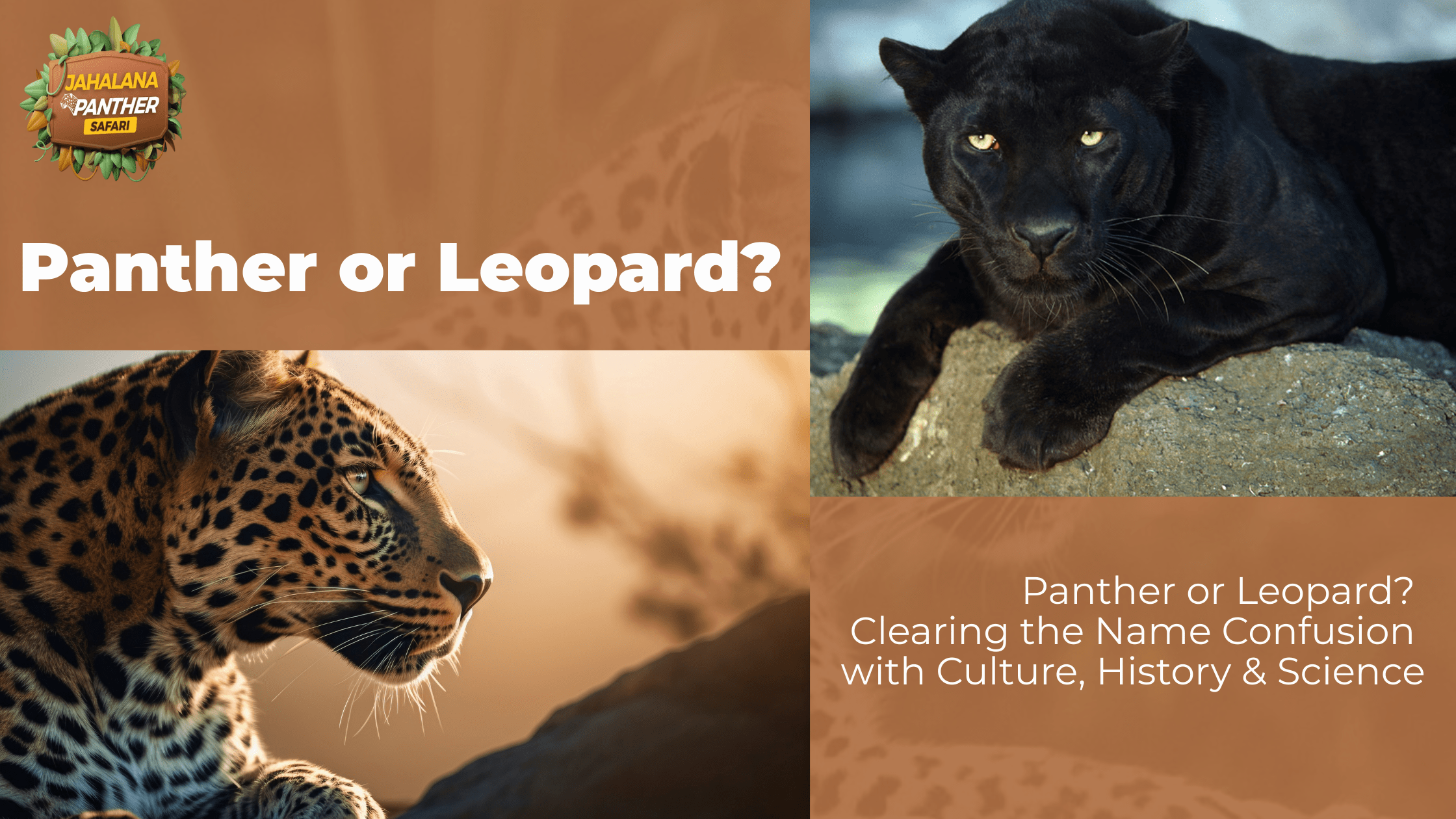
Panther or Leopard? Clearing the Name Confusion with Culture, History and Science
If you have ever been on a Jaipur safari or chatted with a local guide in Rajasthan, you have likely heard the words panther and leopard used like twins. Someone will whisper, “Panther spotted near the waterhole.” Moments later, you see the honey-gold coat, black rosettes, and that unmistakable cat-like glide of a leopard. So what is going on here? Is a panther the same as a leopard? Is there a secret black cat living in the Aravallis? And where does Jhalana fit into the story?
This guide untangles the name confusion with a mix of culture, history, and science. By the end, you will know exactly what to call what, why the terms overlap in India, and how to talk about the famous felines of Jhalana Leopard Reserve like a pro.
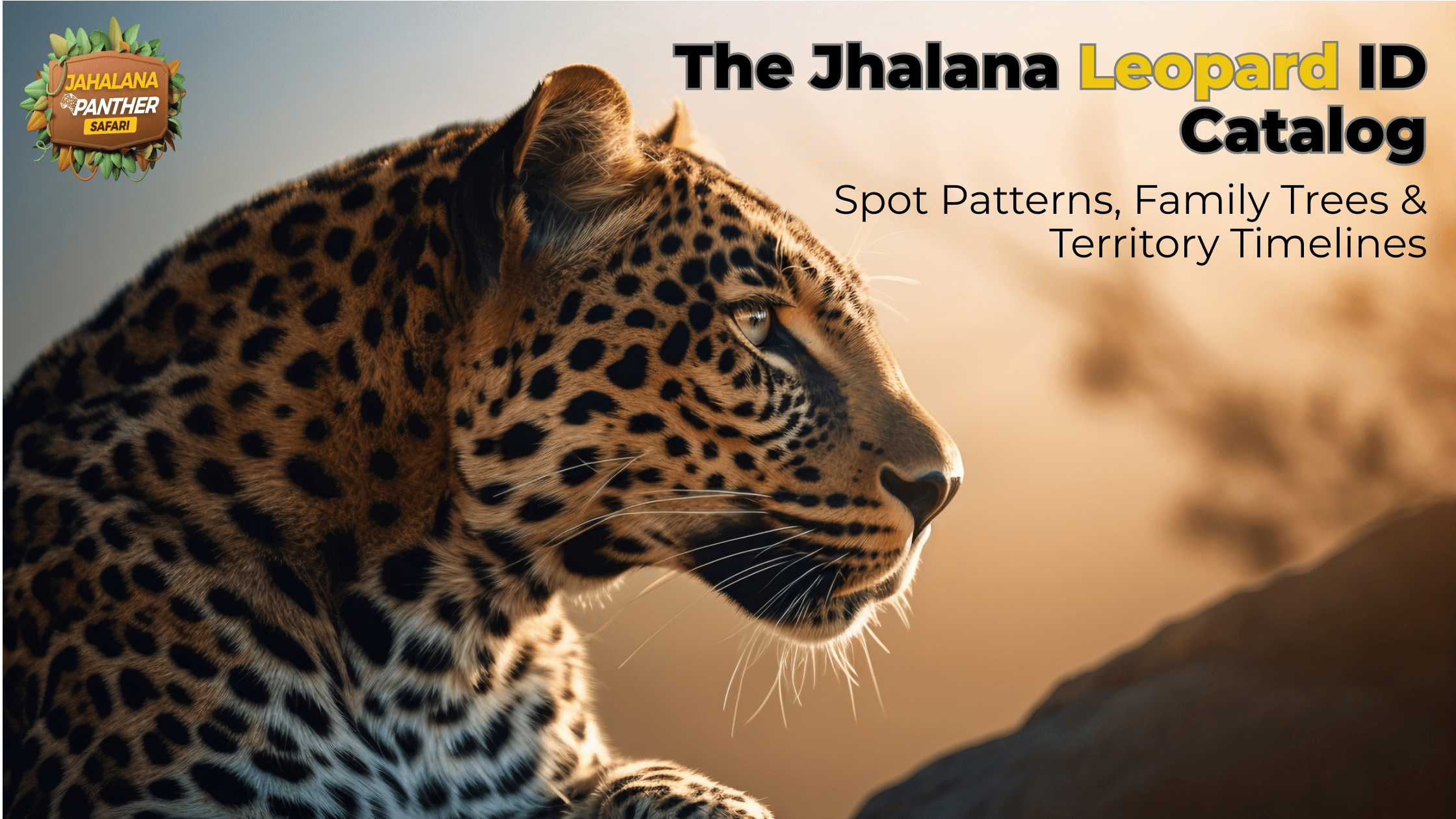
The Jhalana Leopard ID Catalog: Spot Patterns, Family Trees & Territory Timelines
Jhalana Leopard Reserve in Jaipur is one of India’s most remarkable urban wildlife stories. Spread over roughly 20–23 km², this compact forest abutting neighborhoods and arterial roads supports ~30–40 leopards depending on the season and cub survival—numbers that multiple tourism and conservation sources cite within that band. It’s also India’s first dedicated leopard reserve (declared in 2017), and a now-famous place for close-but-safe sightings.
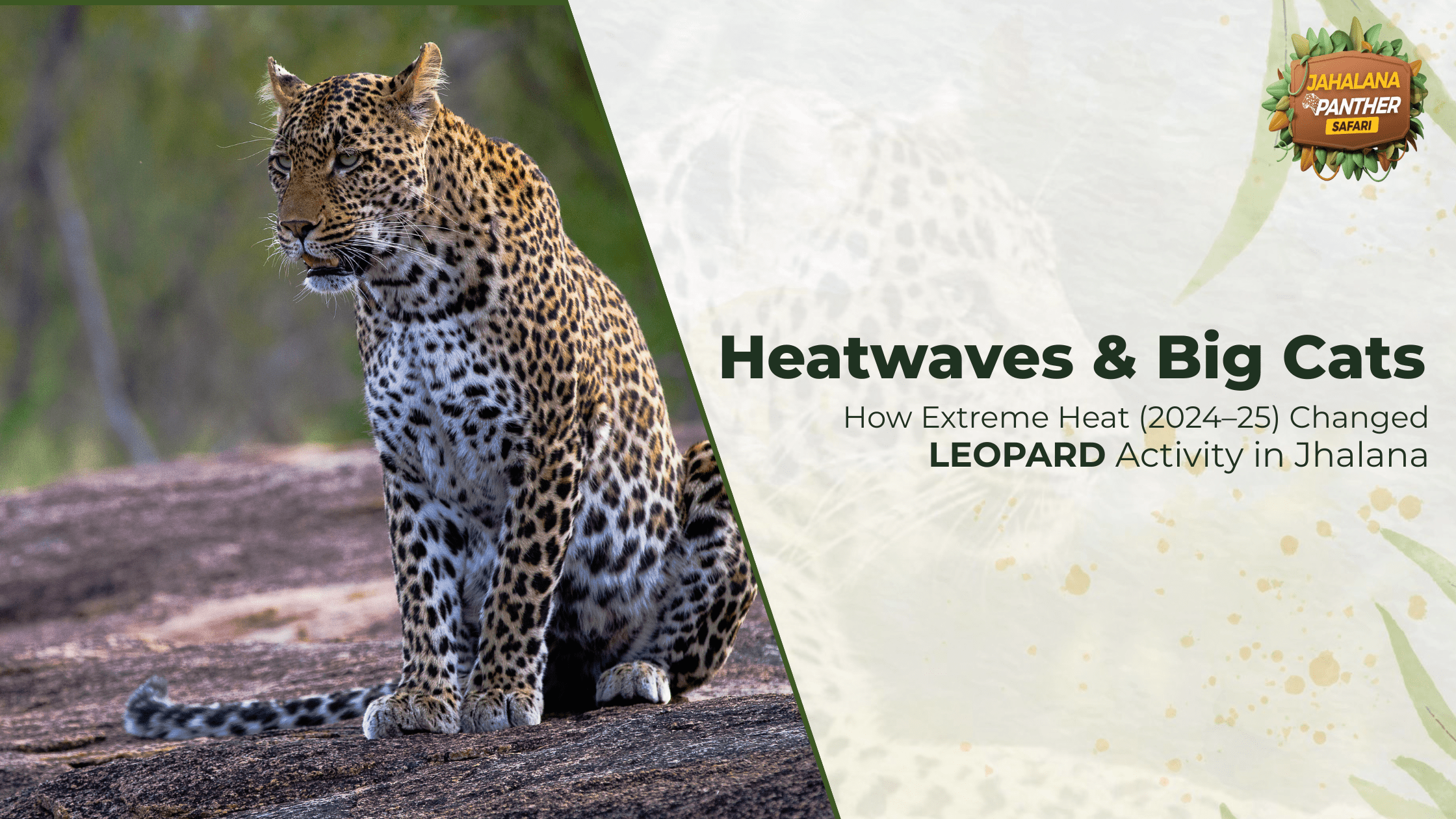
Heatwaves & Big Cats: How Extreme Heat (2024–25) Changed Leopard Activity in Jhalana
From April to June 2024, north and west India endured a punishing heatwave season, with the India Meteorological Department reporting multiple “severe heatwave” days and recorded highs like 50.5°C in Churu, Rajasthan. Jaipur itself flirted with the mid-40s multiple times and clocked 44.8°C on one of the season’s hottest days. 2025 brought an early spring escalation across Rajasthan, with Barmer capturing April heat records and dozens of stations crossing 43°C. These spikes weren’t one-off anomalies; they’re part of a trend of more frequent and longer heatwaves across South Asia.
Set against this backdrop is Jhalana–Amagarh, Jaipur’s celebrated urban leopard landscape, first notified as a leopard reserve in 2017, spanning roughly 20 km² in Jhalana and adjoining Amagarh forests. It is widely recognized for close-range leopard sightings and unusually high densities for an urban edge reserve
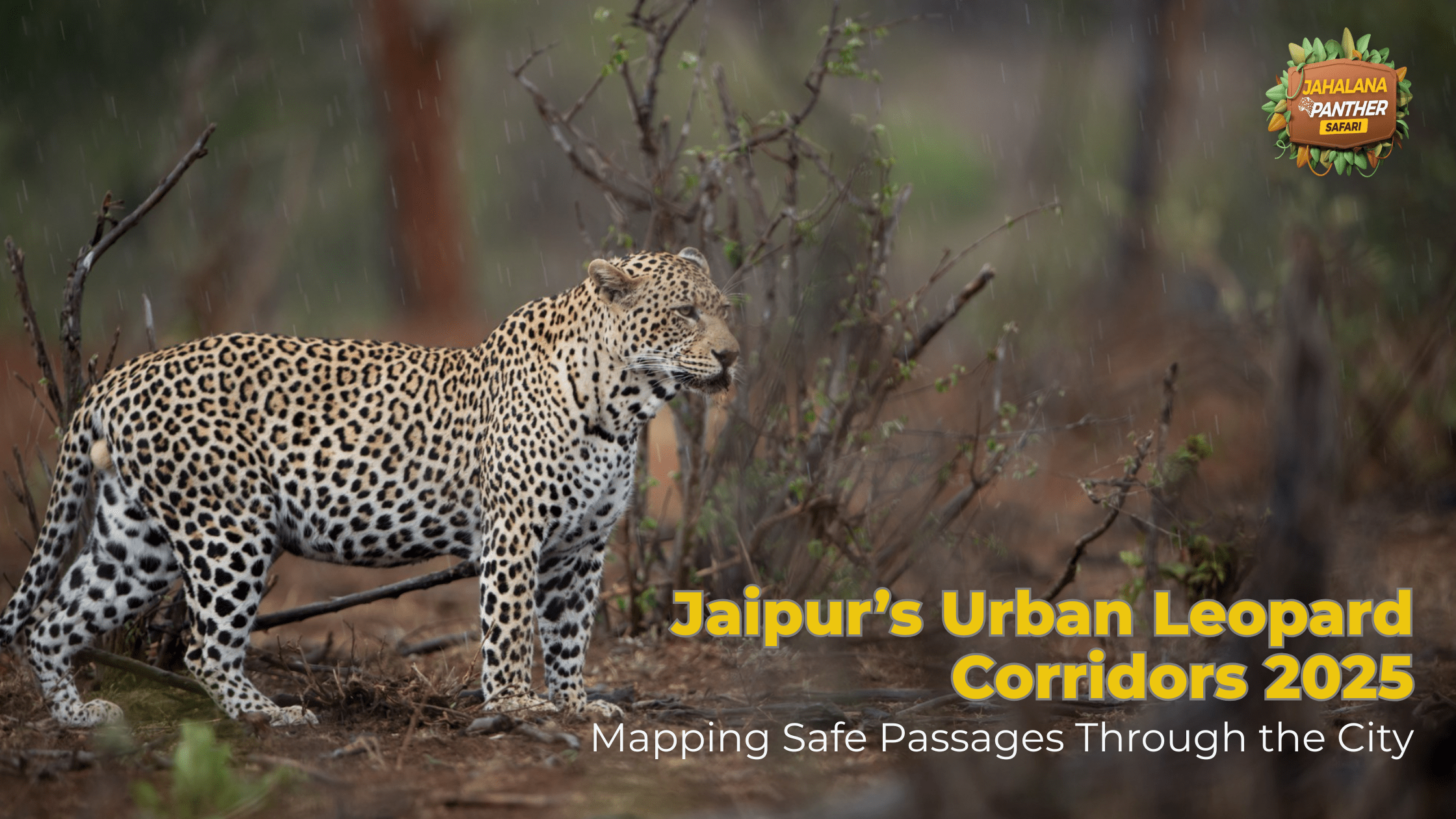
Jaipur’s Urban Leopard Corridors 2025: Mapping Safe Passages Through the City
Jaipur is one of the few global cities where leopards live inside and around the metropolitan fabric—with Jhalana as the flagship urban reserve and Amagarh and Nahargarh forming the northern hill belt. In 2025 the story accelerated: Jaipur opened a third leopard safari zone (Maila Bagh/Beed Papad) and announced new internal routes at Jhalana, while real-world incidents reminded everyone that big cats still use city edges, nallahs, quarries and hill spurs to move. These developments sharpen a central question for a growing city: where are the safe passages (corridors) for leopards, and how do we keep both people and wildlife safe?