
Jhalana Safari Zone 1 vs Zone 2: The Definitive 2026 Booking Guide
Jhalana Safari Zone 1 vs Zone 2: The Definitive 2026 Booking Guide You have finalized your dates. You have logged into the Rajasthan Government’s SSO
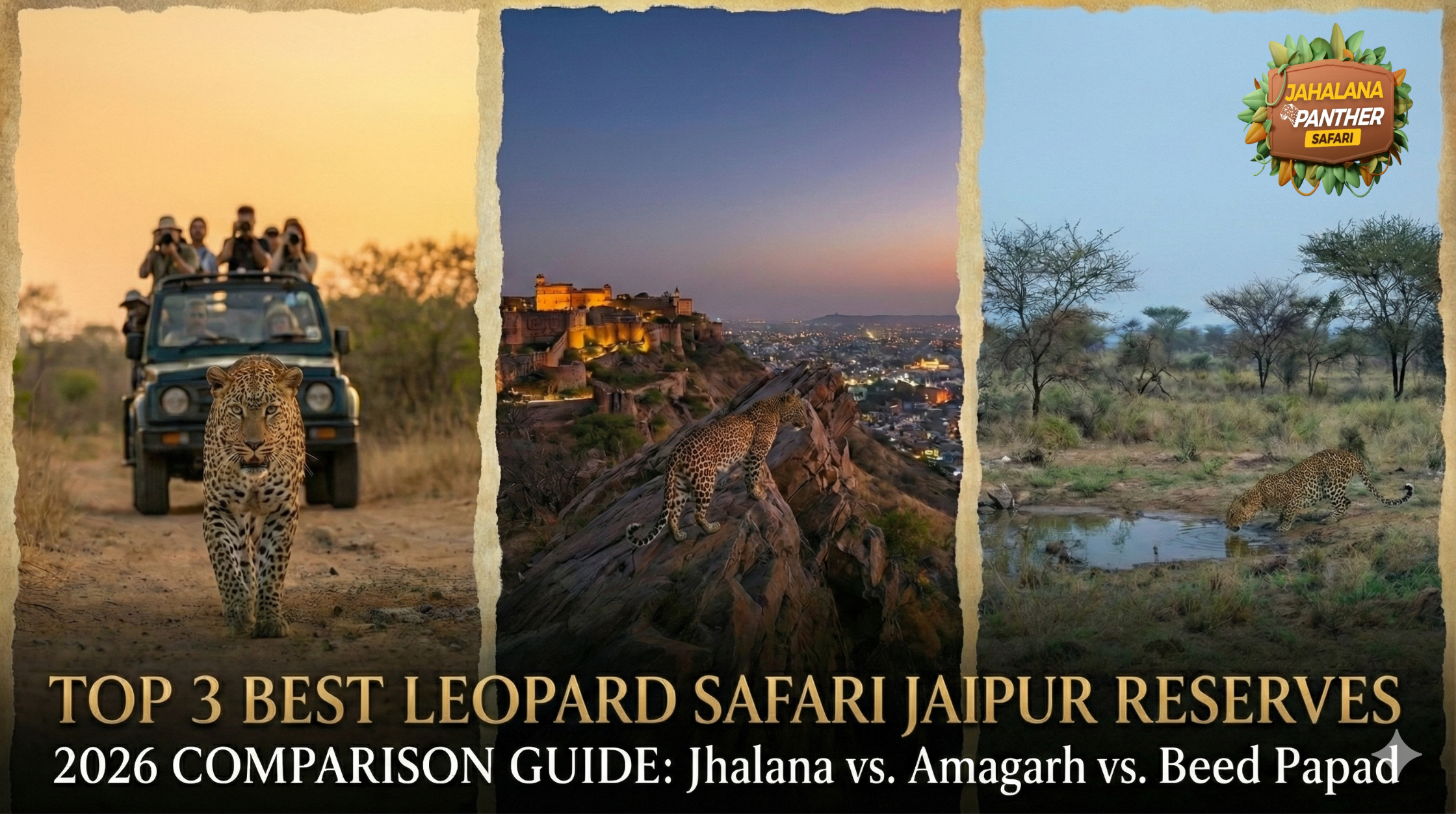
Top 3 Best Leopard Safari Jaipur Reserves: 2026 Comparison
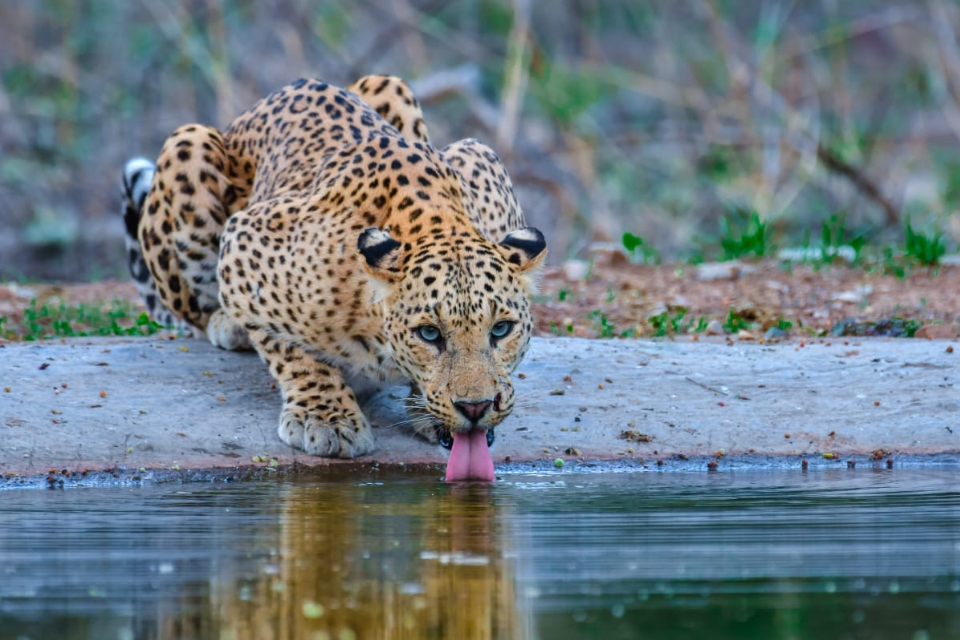
Confused by the choices? Finding the Best Leopard Safari Jaipur has to offer in 2026 isn’t easy with three world-class reserves now open. In this definitive guide, we pit the legendary Jhalana (the sightings king) against the scenic Amagarh and the raw, silent Beed Papad. Discover which reserve fits your travel style—whether you are a family seeking guaranteed action, a photographer chasing the perfect sunset frame, or a purist looking for solitude.
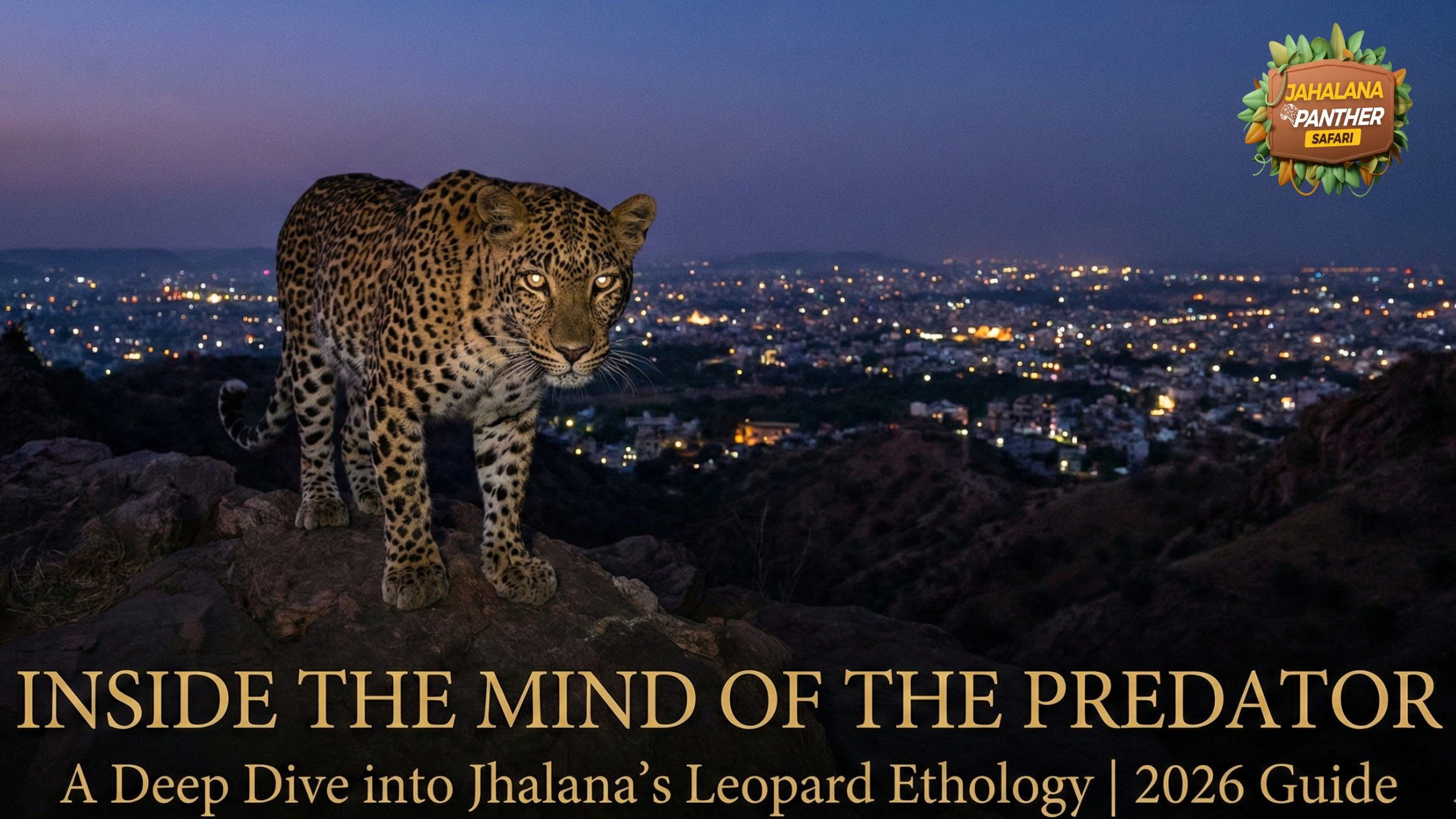
Leopard Behavior Jhalana: The 2026 Ethology Guide
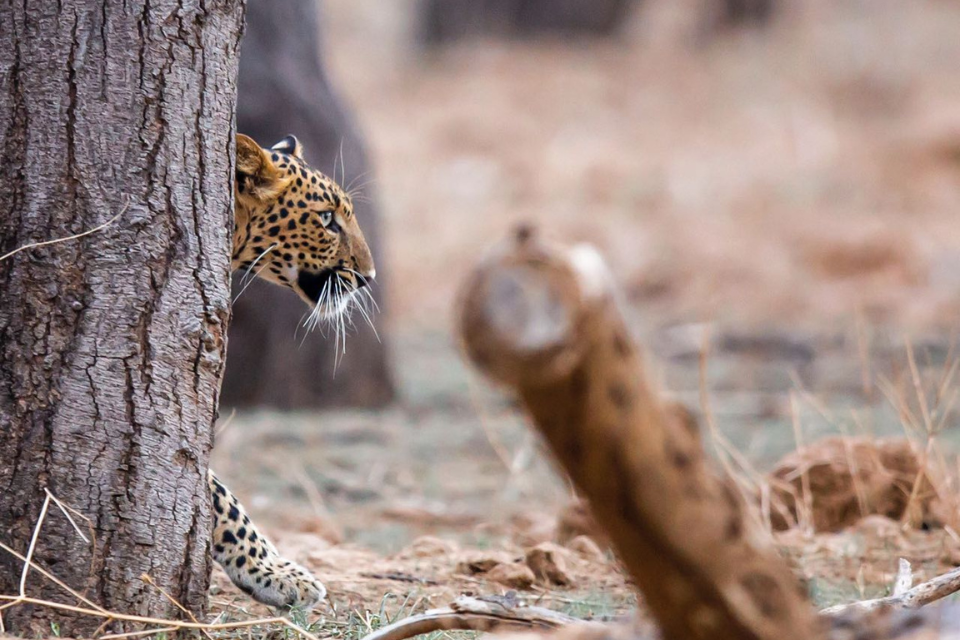
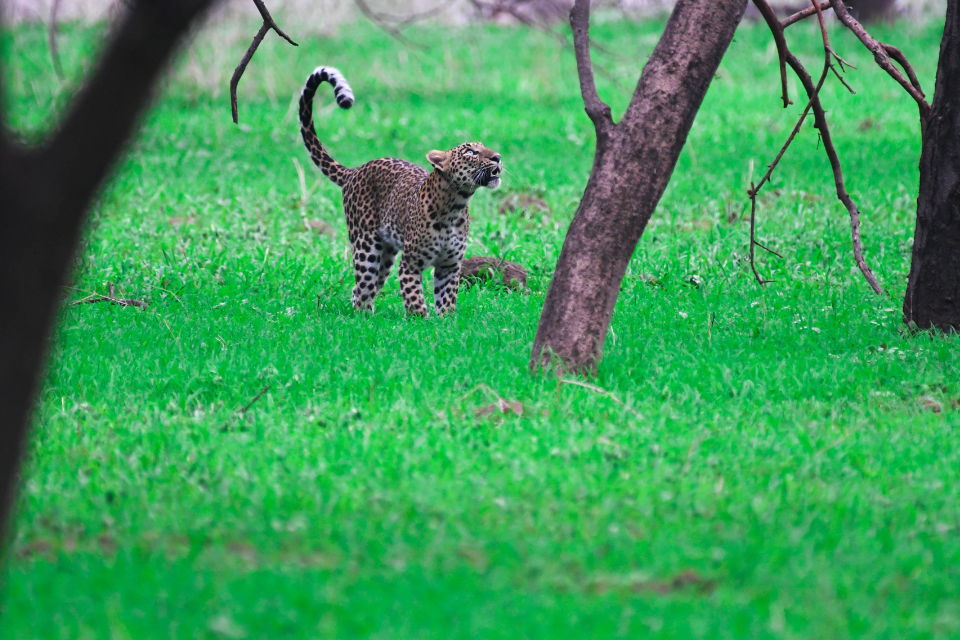
Stop just watching and start understanding. This definitive 2026 guide decodes the unique Leopard Behavior Jhalana, revealing how Jaipur’s big cats have adapted to city life. From ‘zero-distance’ ambushes to high-density territorial dynamics, learn how to predict movement and interpret the secret language of the urban wild.

Jhalana Leopard Temple: The Spiritual Soul of the Aravalli Wilds
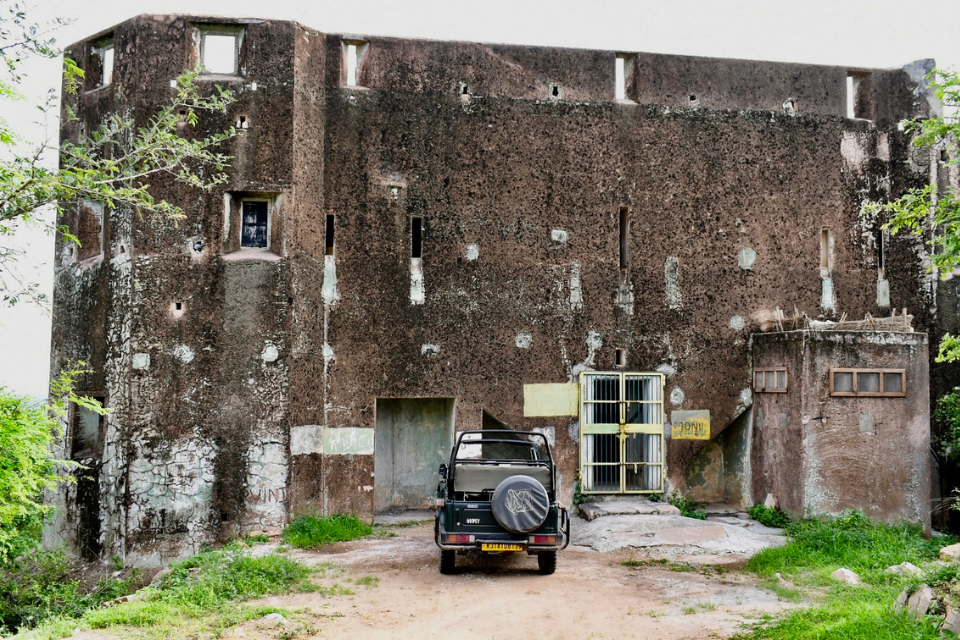
Forget the predictable wildlife safari of 2025. In 2026, the Jhalana Leopard Temple loop has emerged as the definitive “Burlap-Luxury” experience—a place where the fierce roar of the city dissolves into the ancient silence of the Aravallis.
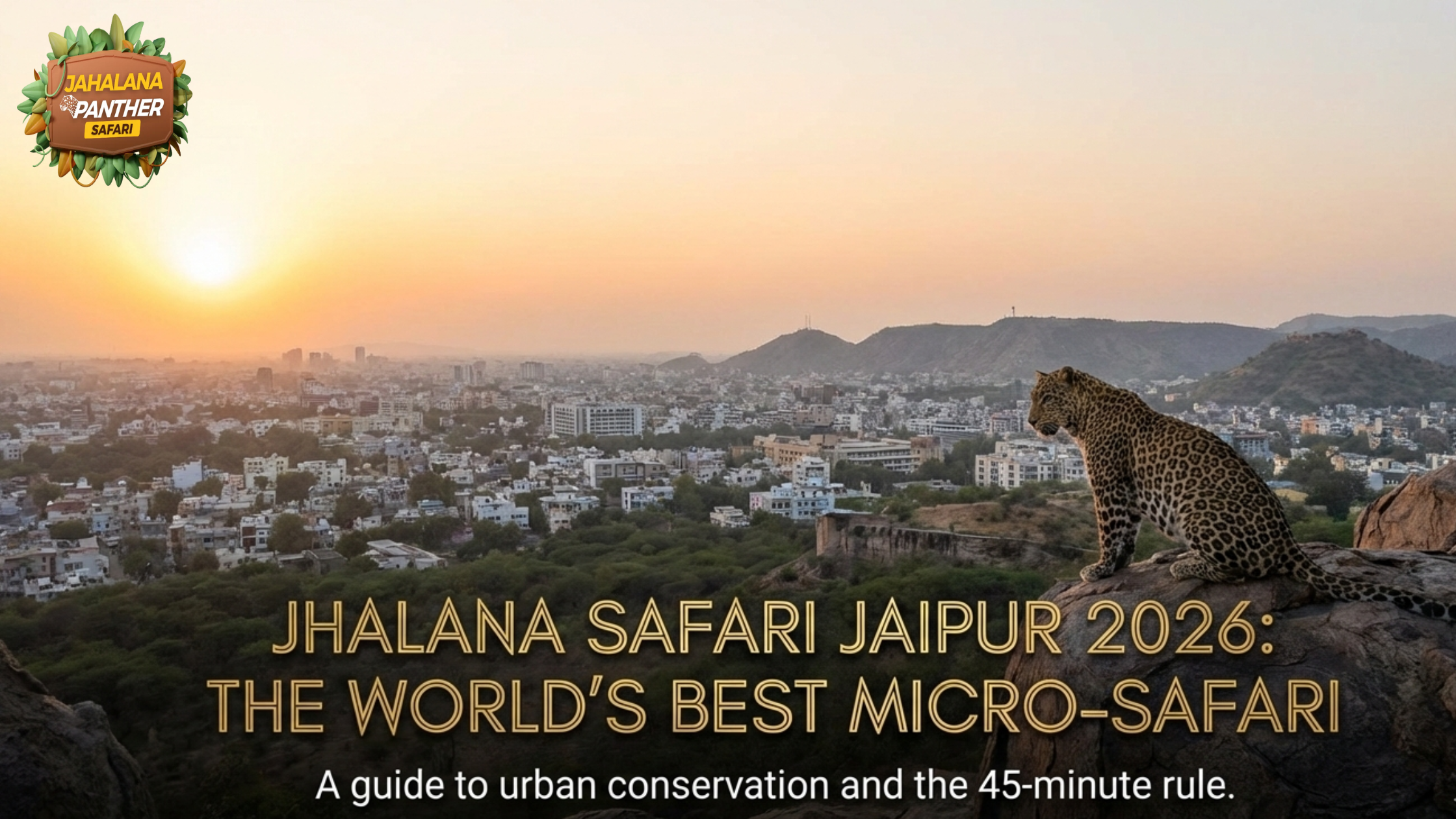
Jhalana Safari Jaipur 2026: The Rise of the World’s Best Micro-Safari
Forget the grueling multi-day trek into the deep wilderness. In 2026, Jhalana Safari Jaipur is perfecting the “Micro-Safari”—where the gap between a city-center latte and an apex predator sighting is barely 45 minutes. Whether you’re a digital nomad on a lunch break or a photography pro chasing the “urban ghost,” discover how this ancient Aravalli sanctuary became the world’s most efficient wildlife hotspot. Read our complete 2026 guide to master the art of the urban wild.
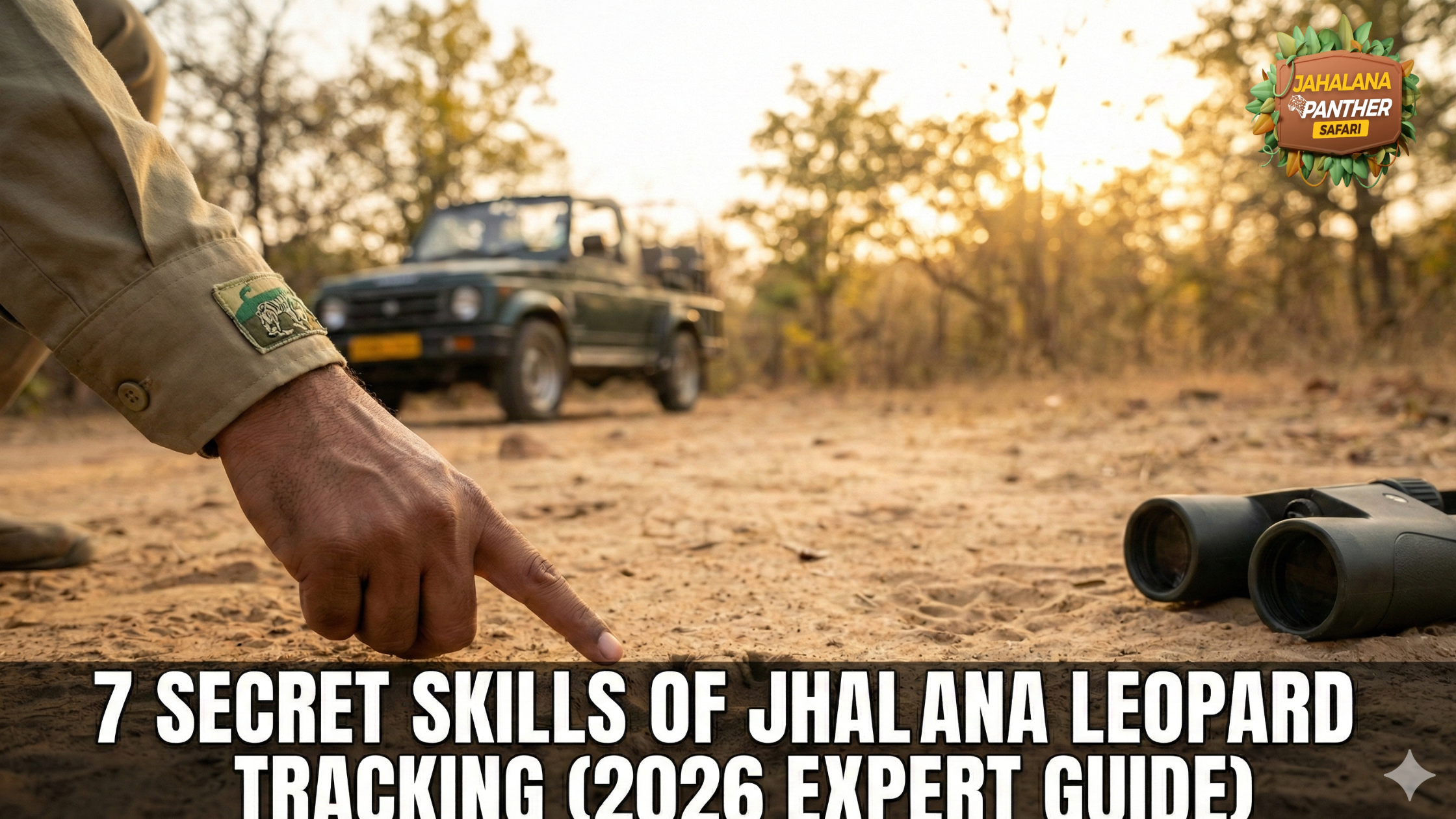
7 Secret Skills of Jhalana Leopard Tracking (2026 Expert Guide)
7 Secret Skills of Jhalana Leopard Tracking (2026 Expert Guide) Most visitors to Jhalana Leopard Reserve leave with a memory of a spotted coat vanishing

7 Best Reasons Why Jhalana Safari Seasons Change Your Sightings (2026 Guide)
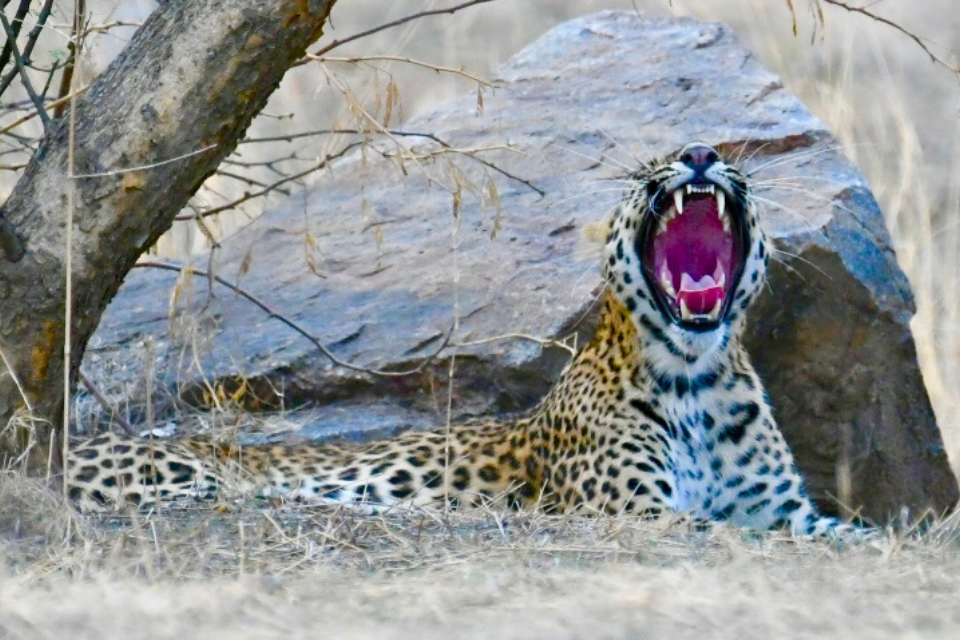
Planning your trip to Jaipur’s wildest corner? Most visitors don’t realize that Jhalana transforms completely as the calendar turns, shifting from a skeletal, high-visibility summer landscape to a lush, emerald winter sanctuary. Whether you’re chasing the high-probability sightings of the blistering heat or the breathtaking “rock-basking” portraits of the cool season, your timing determines your entire experience. Discover the best time for Jhalana safari in our comprehensive 2026 guide and learn to master the secret rhythms of the Aravallis.
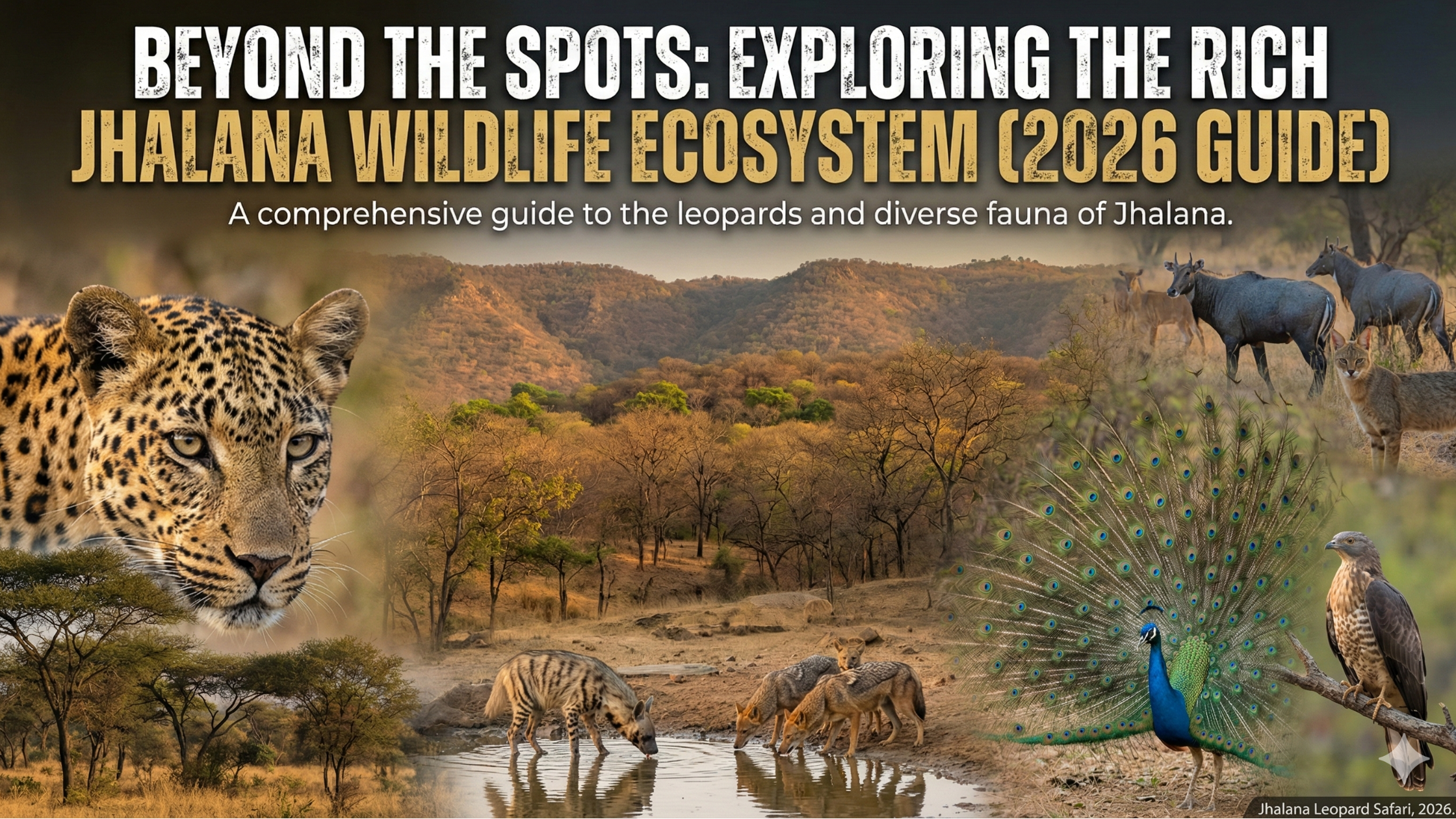
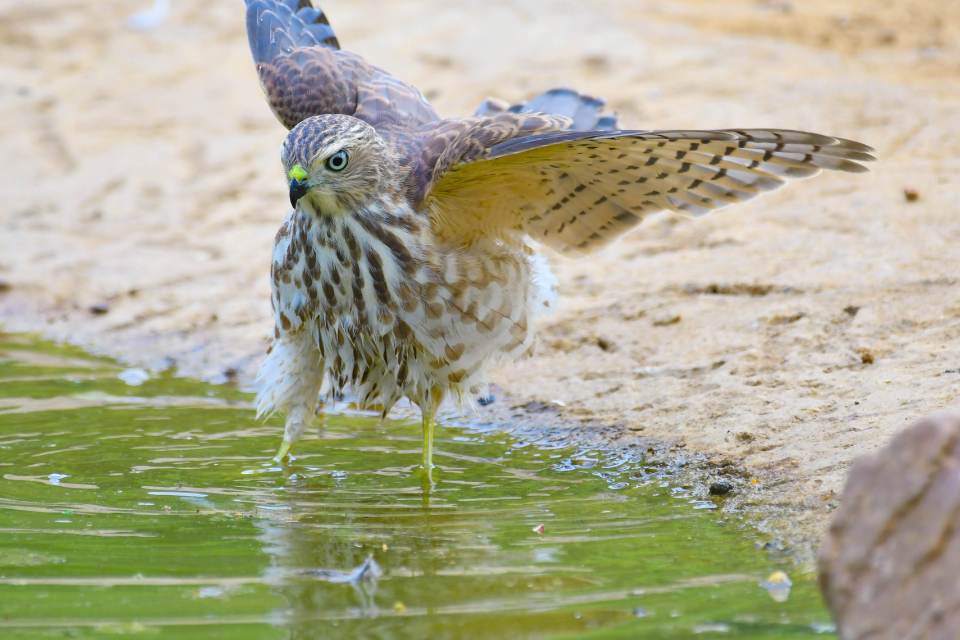
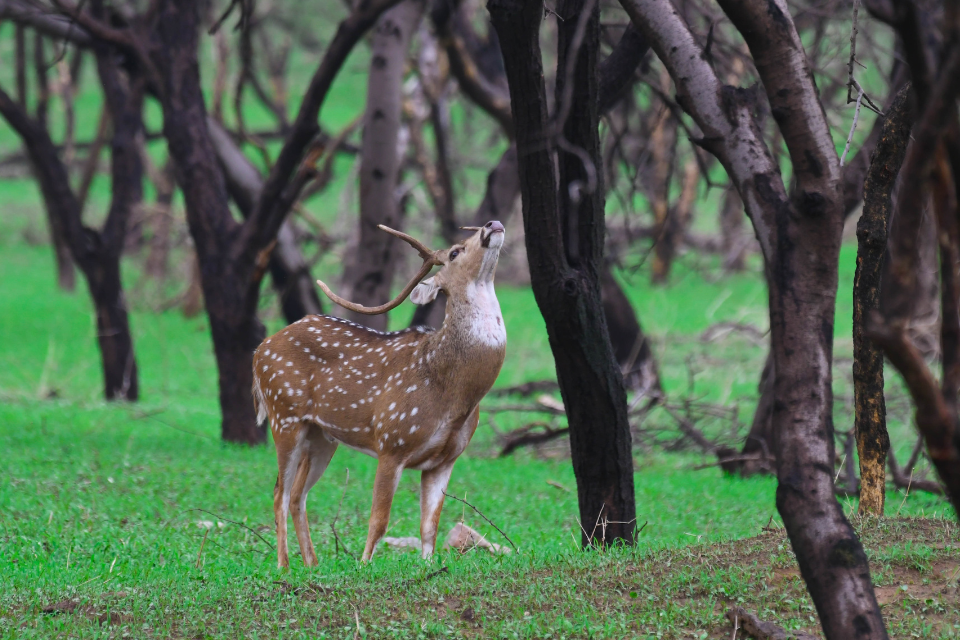
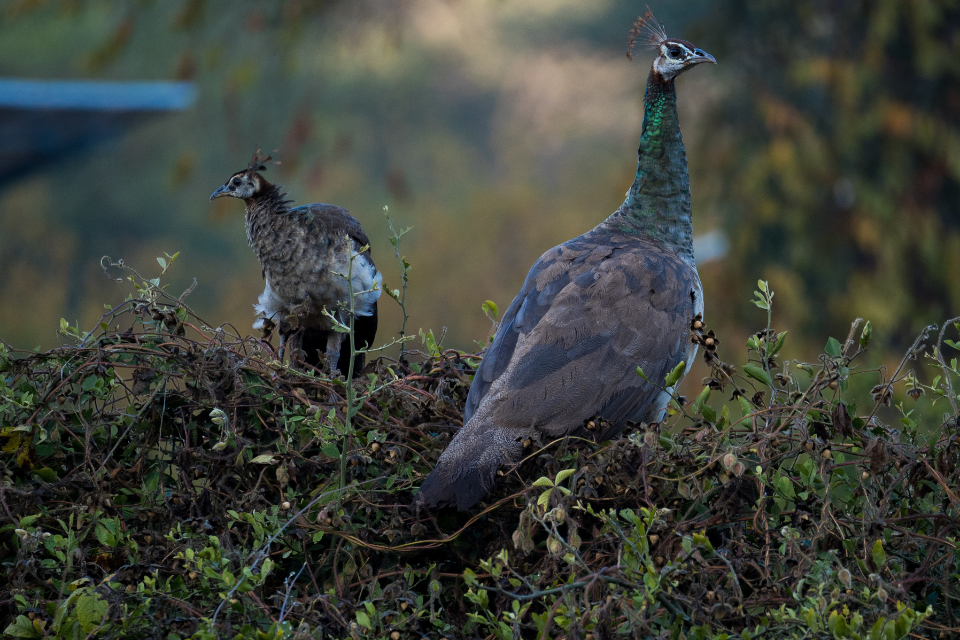
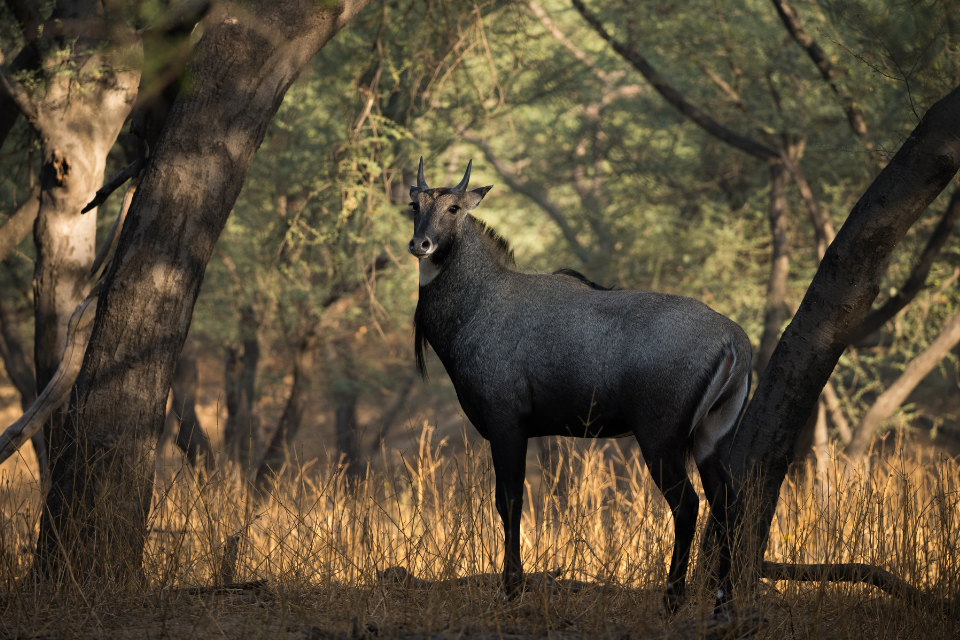
Beyond the Spots: Exploring the Rich Jhalana Wildlife Ecosystem (2026 Guide)
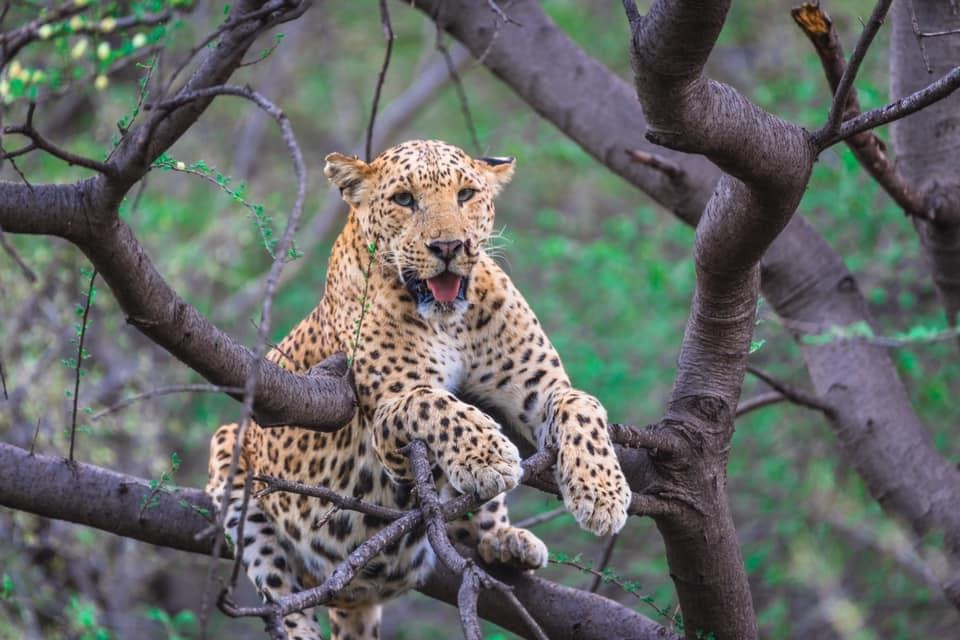
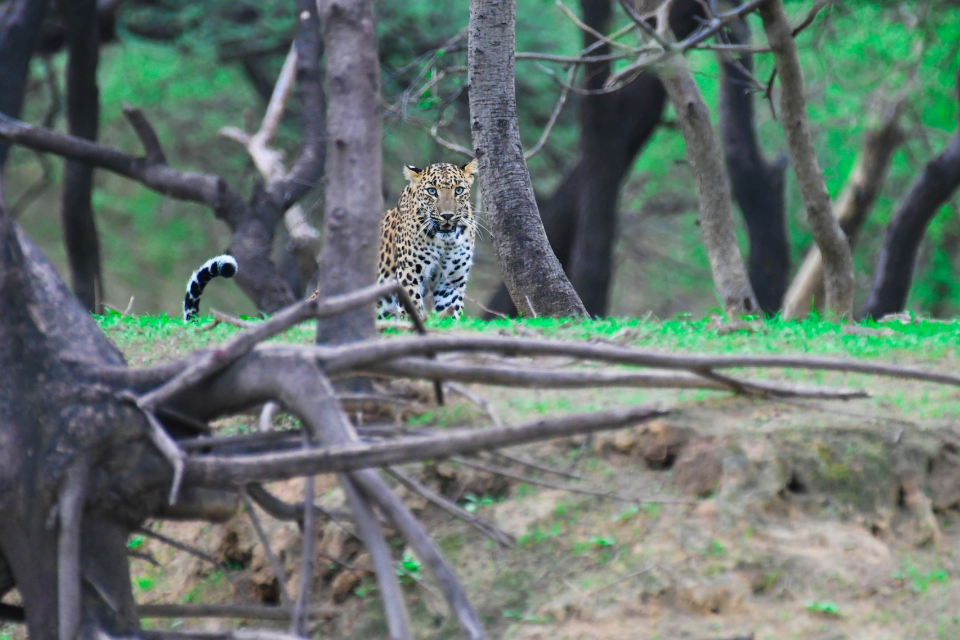
When the gypsy engine roars to life at the gates of Jhalana, there is a singular tension in the air. Everyone is looking for one thing: the rosette-patterned coat of Panthera pardus fusca, the Indian Leopard. As the apex predator with a high population density, the leopard is undeniably the star of the show.
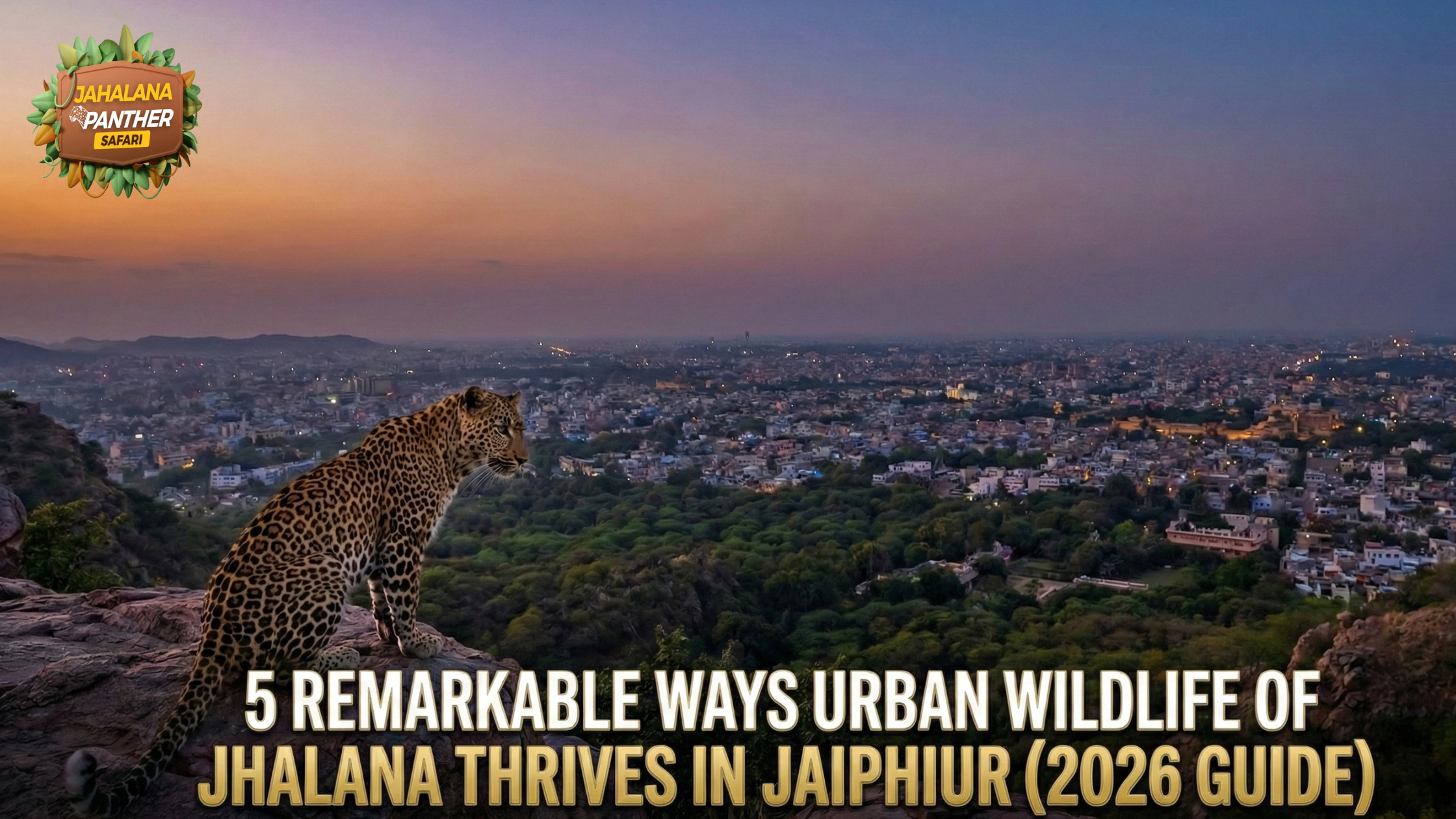
5 Incredible Ways the Urban Wildlife of Jhalana Thrives in Jaipur City (2026 Guide)
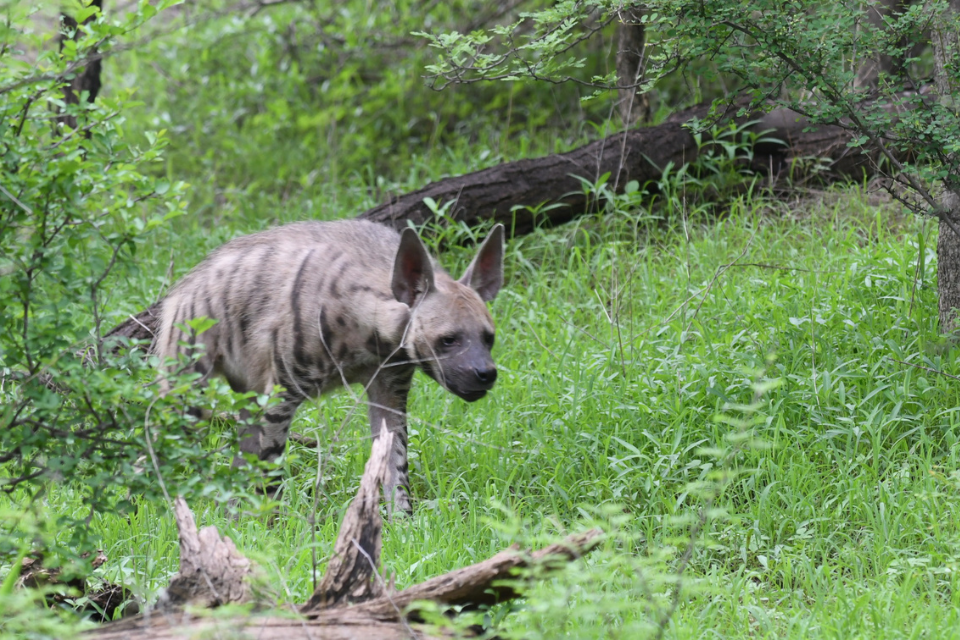
What happens when an ancient forest becomes an island in the middle of a booming metropolis? Discover the paradox of Jhalana, where a thriving population of leopards and hyenas lives just minutes away from Jaipur’s bustling airport and busy streets. From natural geological fortresses to the remarkable ways animals desensitize themselves to city noise, explore the 5 remarkable ways urban wildlife of Jhalana thrives in Jaipur. This isn’t just a safari story; it is a masterclass in adaptation and a glimpse into the future of human-wildlife coexistence in our modern world.
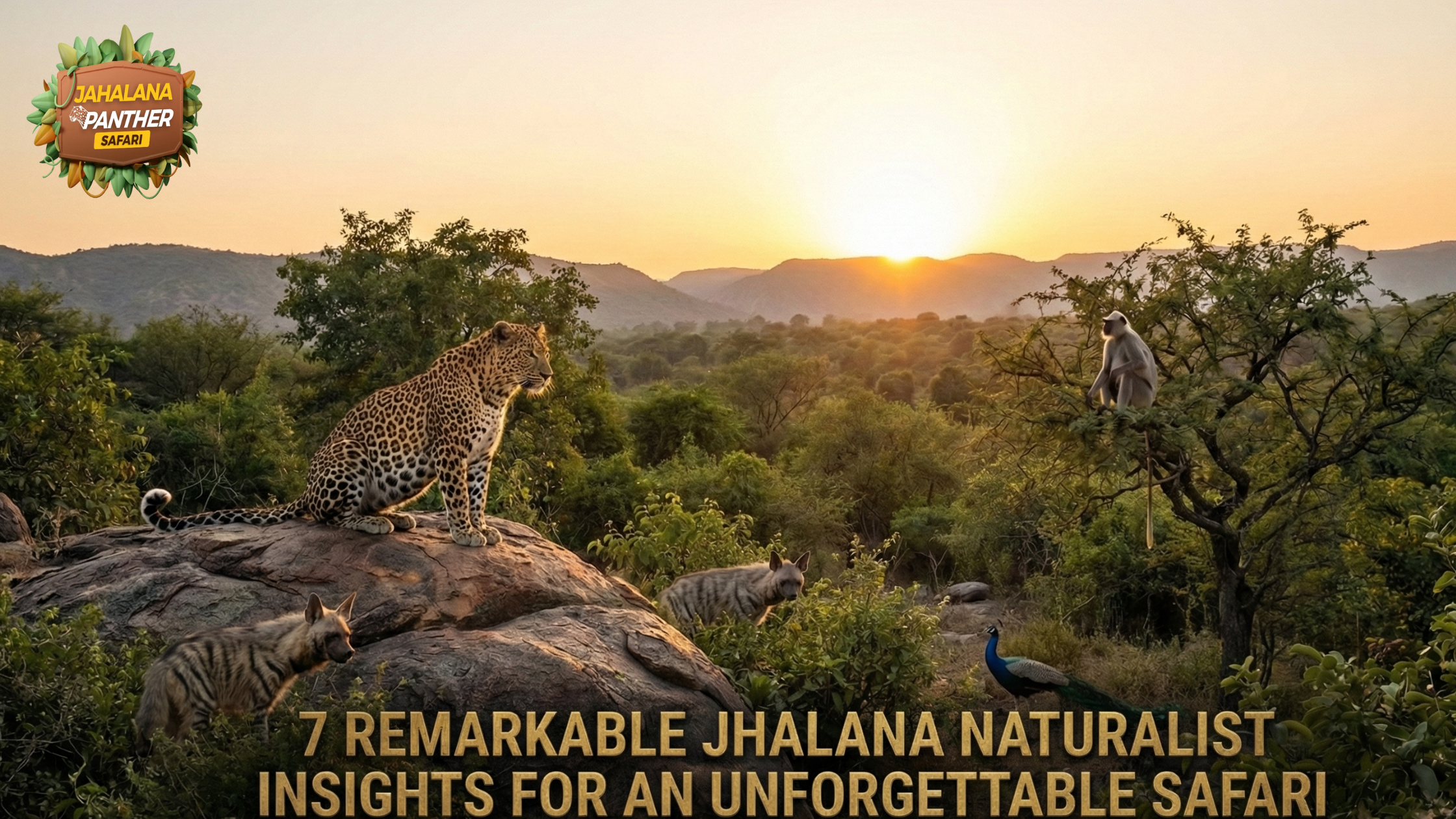
7 Remarkable Jhalana Naturalist Insights for an Unforgettable Safari (2026 Guide)
For the average visitor, a Jhalana safari is a thrilling game of chance, but for the experts who roam the Aravalli ridges daily, finding a leopard is an ancient, multi-sensory language. From the frantic “khok-khok” of a Gray Langur to the hidden signatures left in the “Dust Diary” of the jungle floor, the forest is constantly talking—if you know how to listen. Step into the shoes of Jaipur’s most seasoned trackers and discover the 7 remarkable Jhalana naturalist insights that transform a simple ride through the woods into a masterclass in wildlife tracking. Learn how to look beyond the trees and see the jungle through the eyes of those who live and breathe its rhythms.