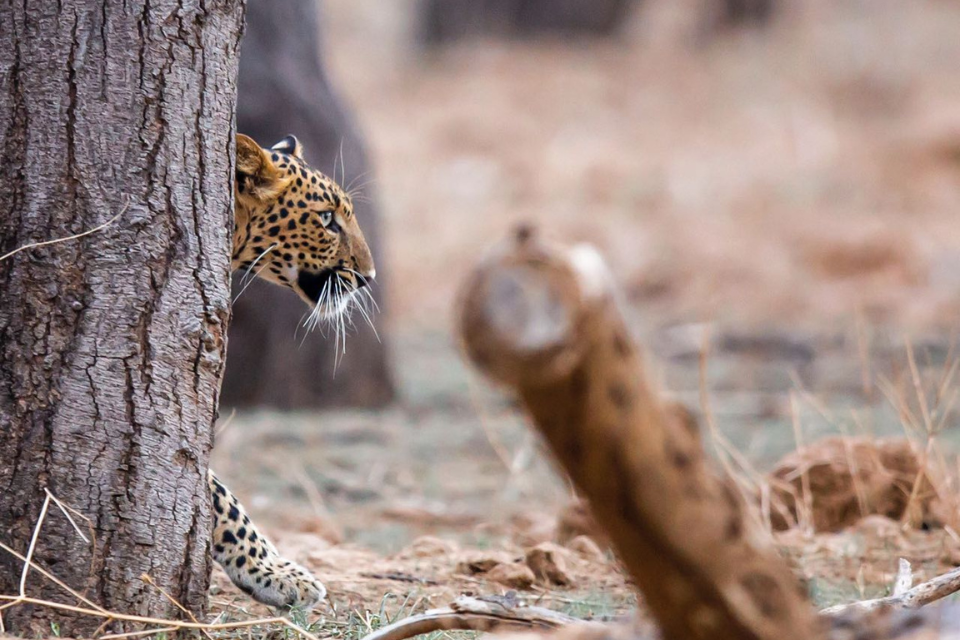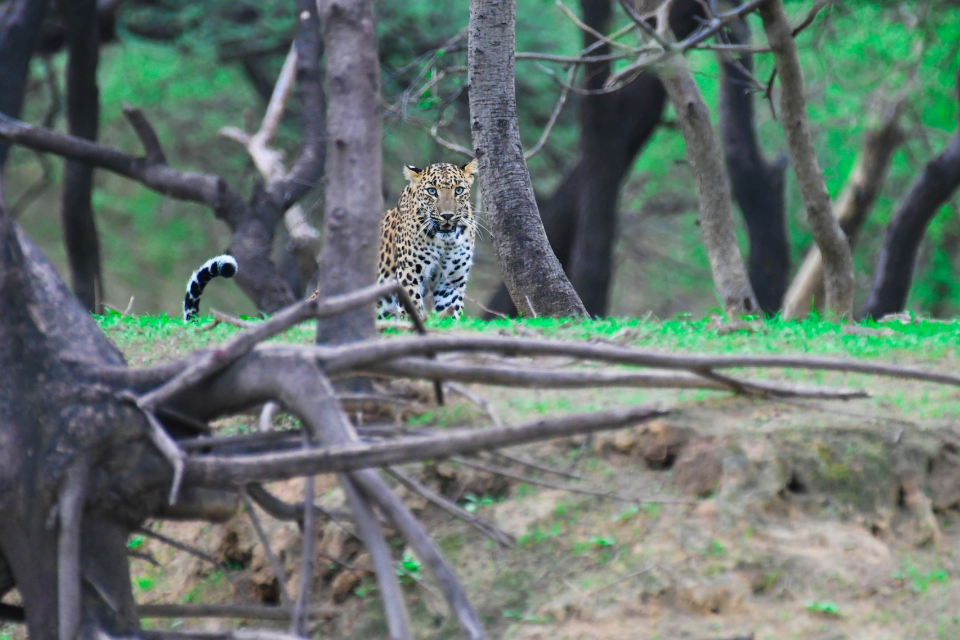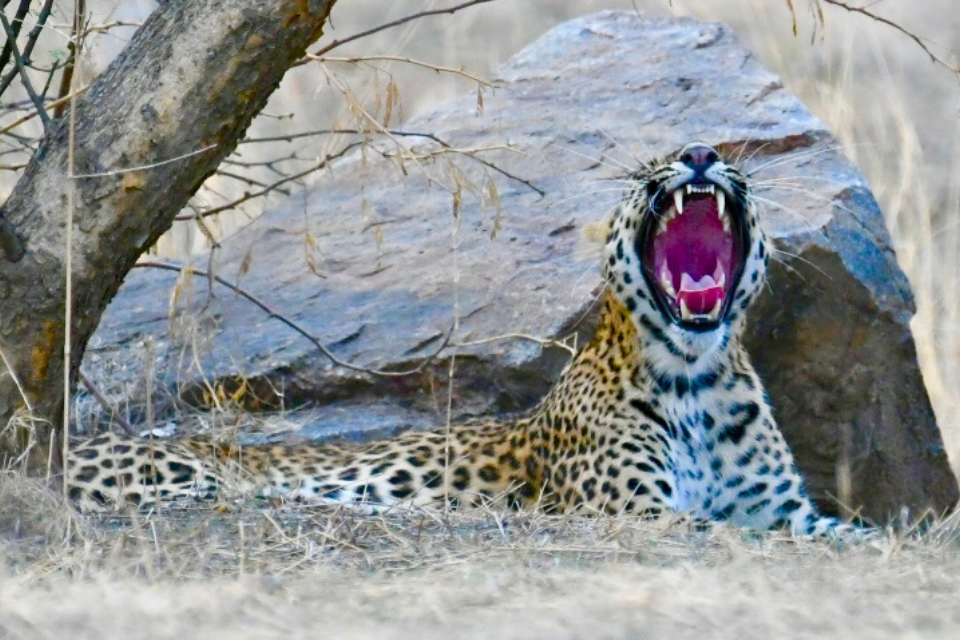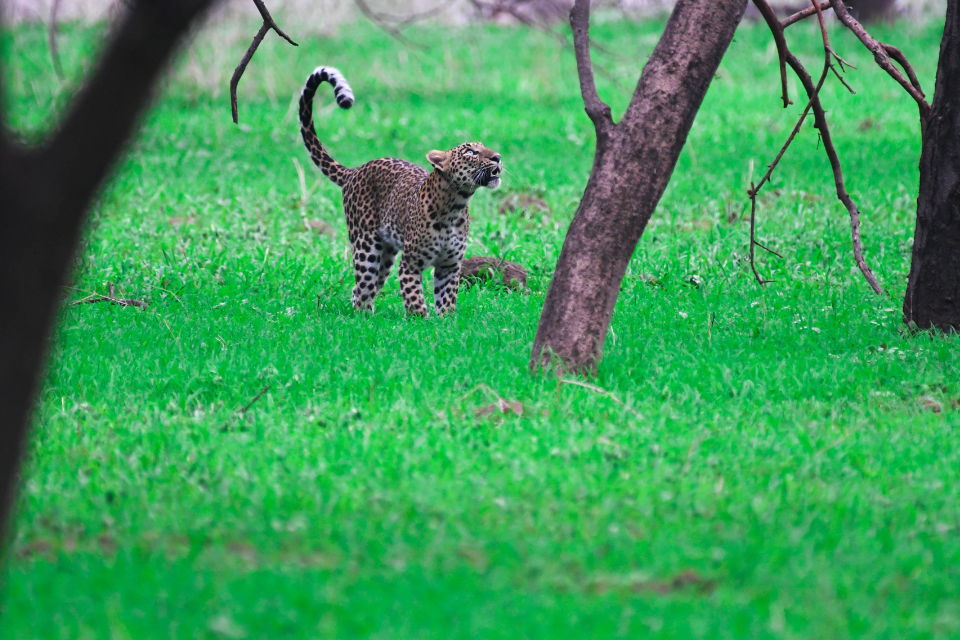
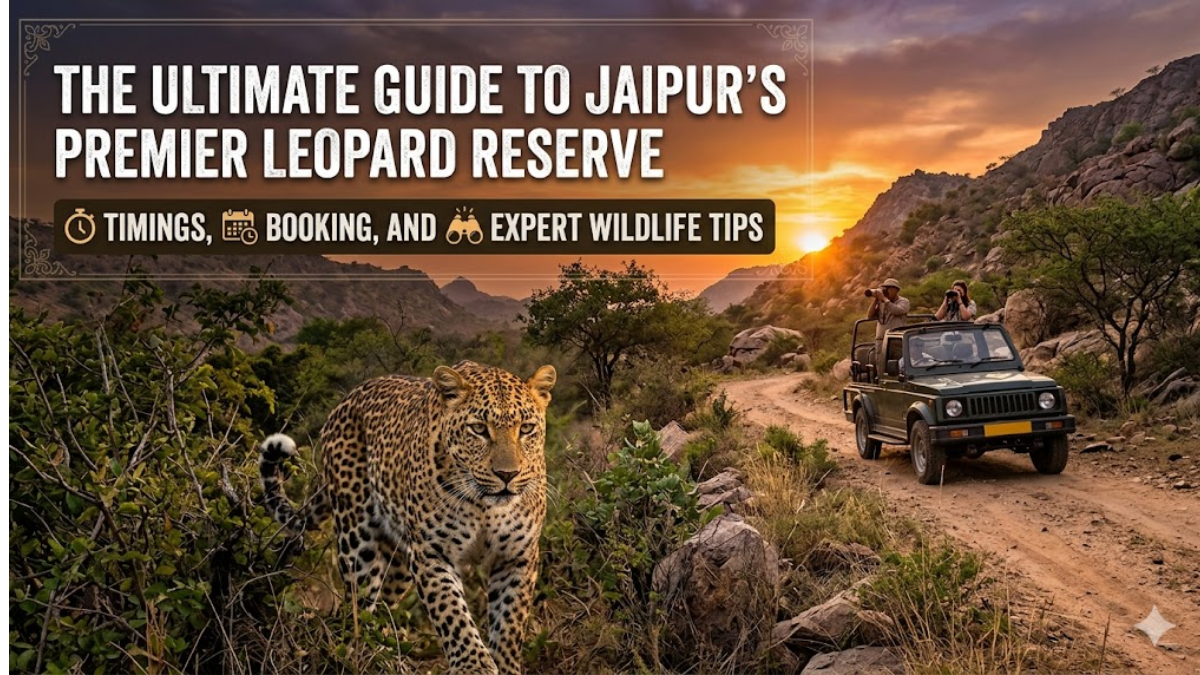
The historic city of Jaipur is internationally celebrated for its majestic hill forts, royal palaces, and vibrant cultural heritage. However, hidden right in the middle of this bustling urban landscape lies an extraordinary wilderness where apex predators roam free.
If you are a wildlife enthusiast, a professional photographer, or an adventure seeker planning a trip to Rajasthan, checking out the city’s secret wilderness should be at the absolute top of your itinerary. This extensive guide uses direct user search intents—What, Why, How, and Which—to break down every single detail you need to plan a flawless open-jeep wilderness adventure.
What is this Urban Wildlife Sanctuary and Its Real History?
To understand the uniqueness of this sanctuary, one must look at its geographical and historical transformation. Spanning across a rugged area of roughly 20 square kilometers, this forested terrain is nestled tightly within the ancient Aravalli hill range.
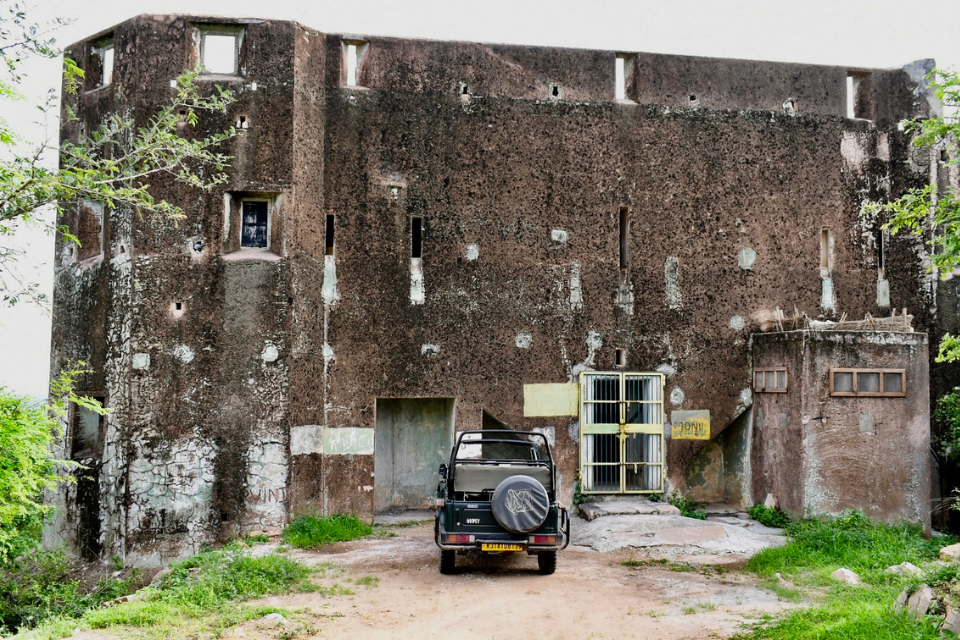
Historically, during the 19th and early 20th centuries, this dense scrub forest served as the private hunting grounds (shikar-gah) for the Maharajas of Jaipur and their royal guests. Over the decades, as conservation laws tightened, the local ecosystem underwent a massive restoration. In December 2016, the Rajasthan Forest Department officially designated this specific territory as India’s very first exclusive reserve dedicated entirely to the preservation and monitoring of leopards.
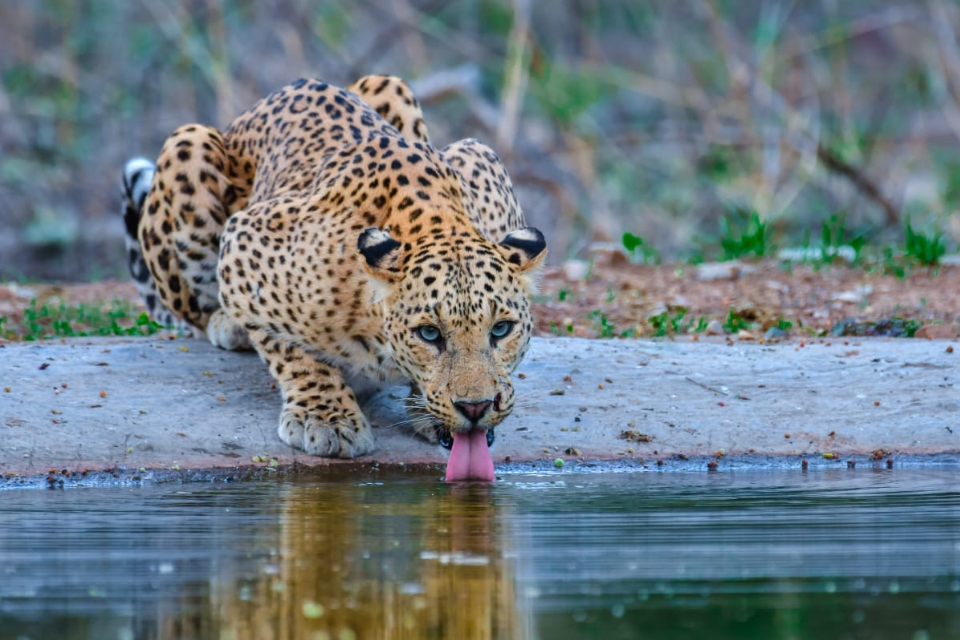
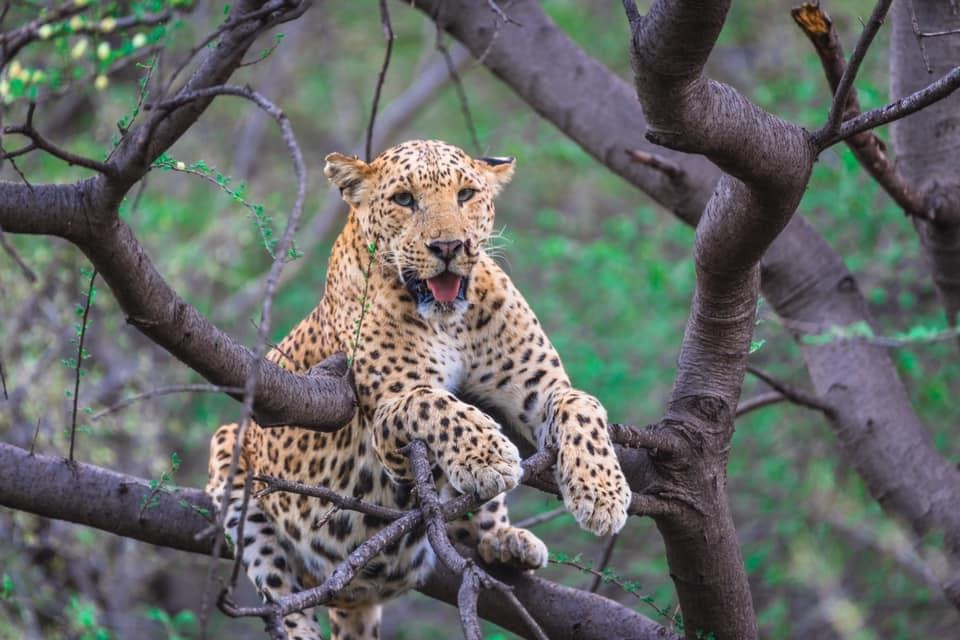
Today, the reserve boasts a thriving population of over 40 resident big cats. Because the territory is compact and precisely monitored, it has earned a global reputation for offering some of the quickest and most intimate big cat sightings anywhere in Asia.
Why Should You Choose This Reserve Over Other Traditional National Parks?
When planning a wildlife tour in India, massive tiger reserves like Ranthambore, Kanha, or Sariska usually dominate the conversation. However, choosing this specific Jaipur reserve offers several distinct structural and logistical advantages:
1. Exceptionally High Big Cat Sighting Success
Because the geographical boundary of this park is relatively small compared to massive national parks, the density of predators per square kilometer is incredibly high. Travelers frequently report spotting a big cat within the first 20 to 30 minutes of entering the forest tracks.
2. Open for Tourism All 12 Months of the Year
Most major tiger reserves in India completely shut down their safari tracks during the monsoon season (typically July to September) due to washed-out roads and animal mating periods. In stark contrast, this reserve remains fully operational all year round, making it a perfect destination for monsoon travelers.
3. Unbelievable Urban Accessibility
You do not need to undertake a grueling 5-hour road trip or an overnight train ride to reach this jungle. It is located directly within Jaipur city limits, situated barely 15 to 20 minutes away from the Jaipur International Airport and major luxury hotels. You can literally enjoy a morning luxury brunch at your hotel, head out for a thrilling afternoon jungle drive, and return in time for a rooftop dinner.
4. Breathtaking Desert Biodiversity
While leopards are the undisputed rulers here, the scrub forest is teeming with diverse wildlife. Visitors routinely encounter:
-
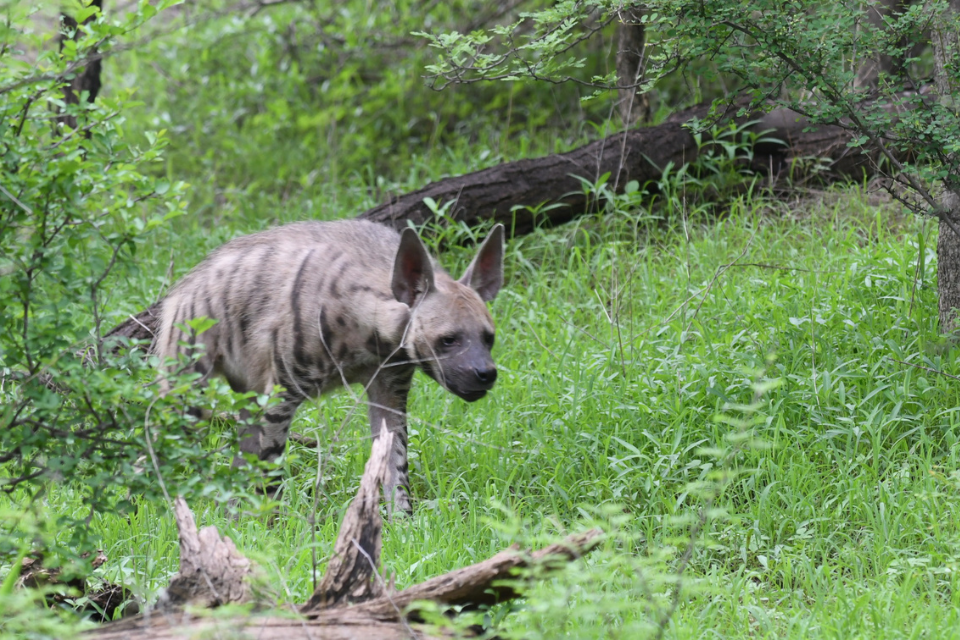
Striped Hyenas (the secondary predators of this ecosystem)
-
Desert Foxes and Golden Jackals
-
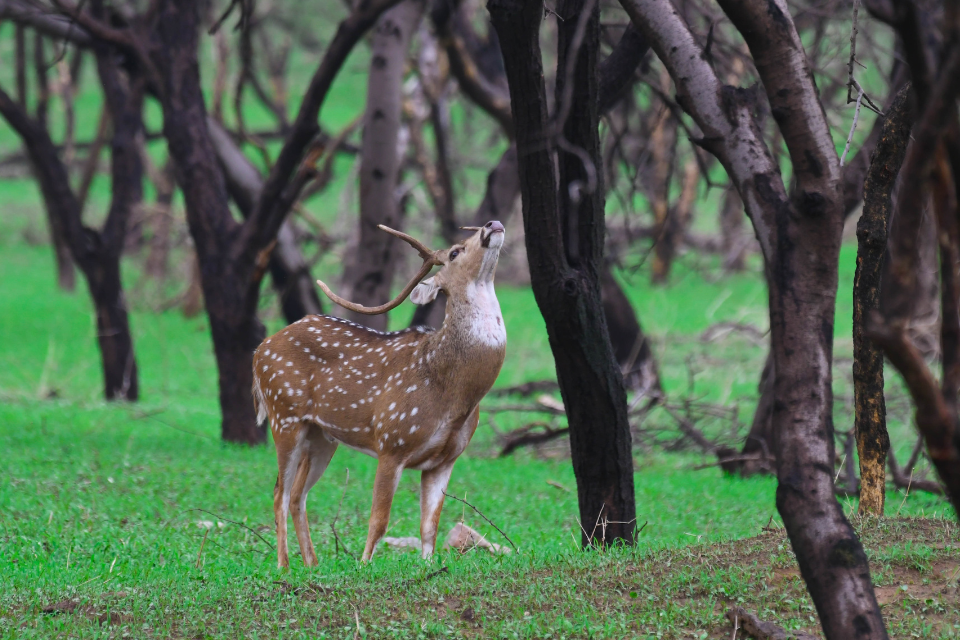
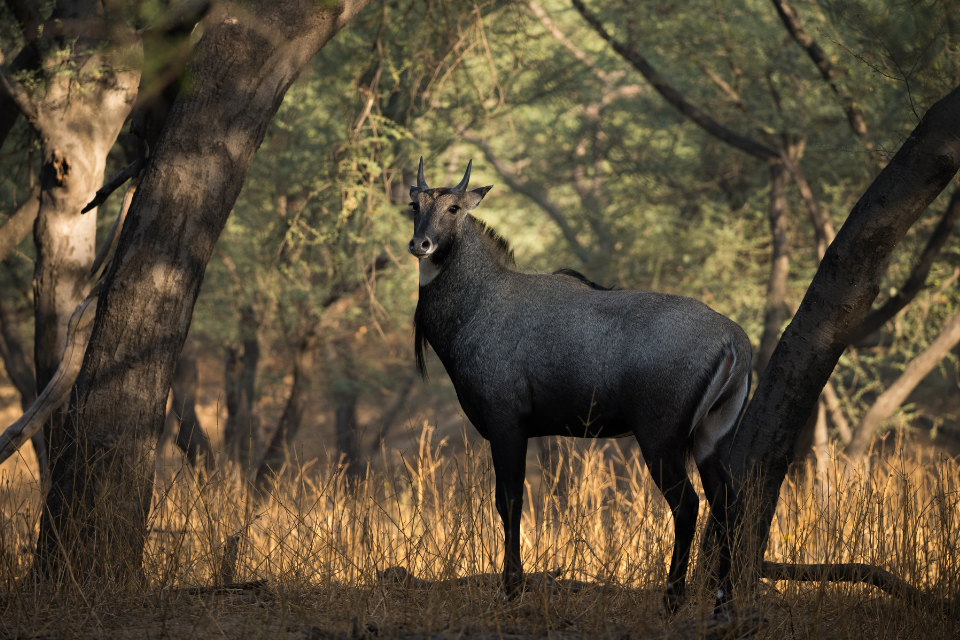
Blue Bulls (Nilgai) and Spotted Deer (Chital)
-
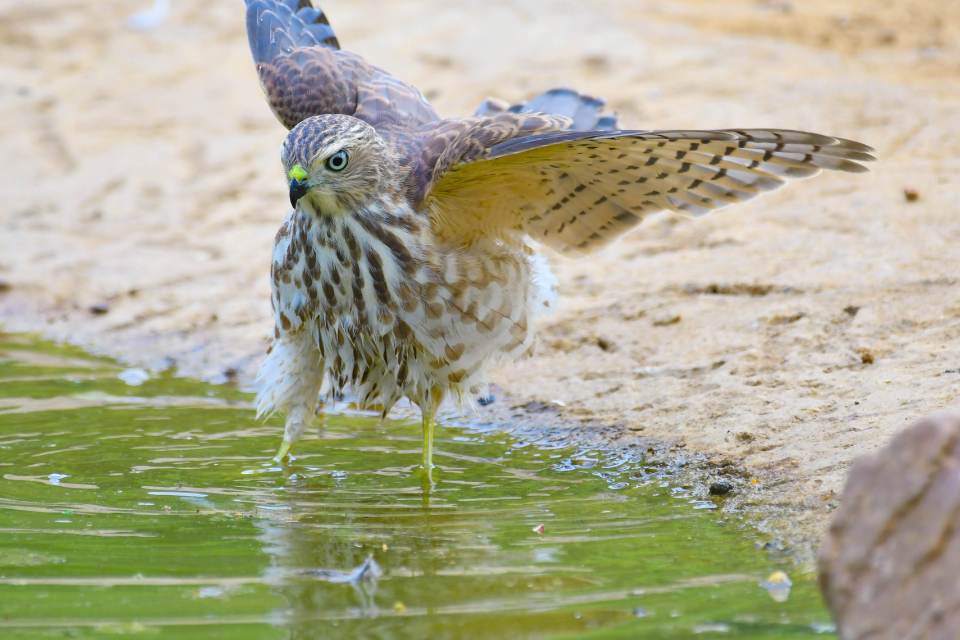
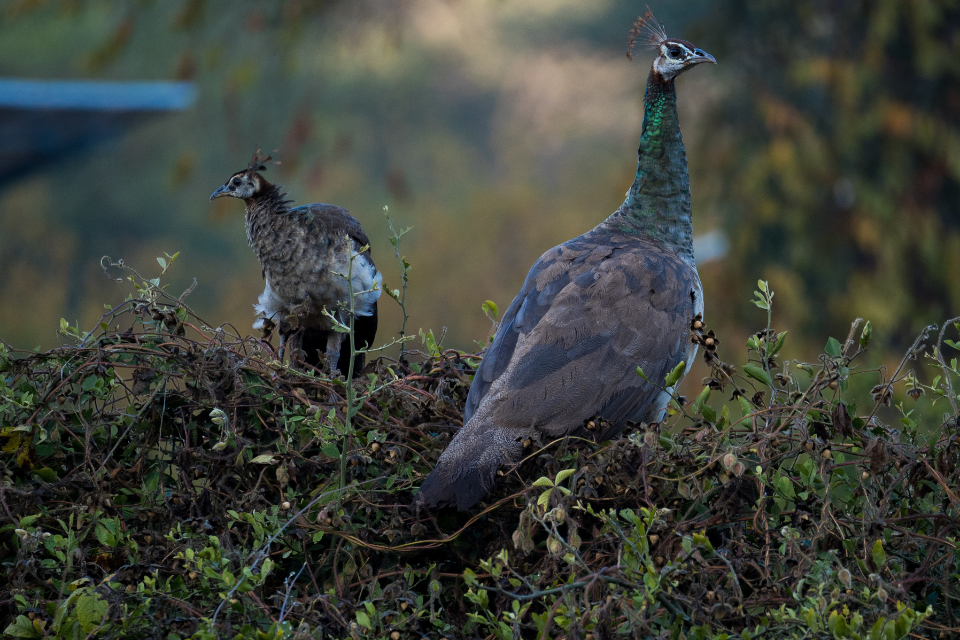
Over 100 species of migratory and resident birds, including the Indian Eagle-Owl, peacocks, and various falcons.
Which is the Absolute Best Time and Shift to Plan Your Visit?
The reserve operates two distinct daily shifts—a morning shift and an evening shift. The exact entry and exit times are adjusted dynamically by the forest department throughout the year to align perfectly with seasonal sunrise and sunset variations.
Choosing Your Season Carefully
-
The Winter Window (November to February): This is widely considered the most comfortable season for tourists. The desert weather is crisp and cool, and the morning mist hanging over the Aravalli cliffs provides an ethereal backdrop for wildlife photography.
-
The Summer Window (March to June): If your absolute priority is capturing high-quality photographs of big cats, the scorching summer months are actually ideal. As natural water bodies dry up, leopards are forced to frequently visit the artificially maintained concrete waterholes along the safari tracks to quench their thirst, making their movements highly predictable.
Official Seasonal Timings Table
| Operating Months | Morning Shift Timings | Evening Shift Timings |
| November 1 to January 31 | 07:00 AM – 09:30 AM | 03:15 PM – 05:45 PM |
| February 1 to March 31 | 06:15 AM – 08:45 AM | 03:45 PM – 06:15 PM |
| April 1 to May 31 | 05:45 AM – 08:15 AM | 04:15 PM – 06:45 PM |
| June 1 to July 31 | 05:45 AM – 08:15 AM | 04:45 PM – 07:15 PM |
| August 1 to October 31 | 06:45 AM – 09:15 AM | 03:45 PM – 06:15 PM |
How to Book Your Forest Permit Online?
The Rajasthan Forest Department strictly regulates the influx of tourists to preserve the peace of the habitat. All wilderness drives must be booked in advance through an online portal, and spot bookings at the physical gate are rarely available during peak holiday seasons.
The Step-by-Step Booking Process:
-
Navigate to the official Rajasthan Government FMDSS (Forest Mandatory Online Services) website or authorized single-sign-on (SSO) portals.
-
Select the designated Leopard Reserve from the dropdown list of active state conservation reserves.
-
Choose your exact travel date, preferred operational shift (Morning or Evening), and vehicle preference. You can either book a single seat in a Sharing Gypsy or reserve an entire Private Gypsy for your group.
-
Input the exact government-issued photo identification details (such as a Passport for international travelers or an Aadhaar Card/Driving License for Indian residents) for every single passenger.
-
Complete the digital payment gateway transaction and securely download or print the official booking permit.
⚠️ Critical Gate Requirement: The specific physical identity card that you register during the online checkout process must be presented in its original form to the forest rangers at the entry gate. Mismatched details or digital copies on smartphones can result in immediate cancellation of your entry without a refund.
Estimated Pricing Breakdown
The total cost includes the base government permit fee, vehicle rental fees, and mandatory local nature guide fees:
-
For Indian Nationalities: Expect to pay approximately ₹1,000 to ₹1,350 per seat on a sharing basis, or roughly ₹6,000 to ₹7,500 to secure an entire private 4×4 Gypsy (which accommodates a maximum of 6 adults).
-
For International Nationalities: Individual sharing seats range from ₹1,650 to ₹2,750, while a fully private vehicle booking averages between ₹9,900 and ₹12,000 depending on real-time processing charges.
Critical Search Queries & Common Tourist Questions Answered
How safe are these open-air vehicles for families traveling with young children?
The wilderness drives are exceptionally safe and highly organized. The tracking vehicles are heavy-duty, open-top 4×4 Gypsies driven exclusively by forest-certified drivers who know how to navigate steep rocky terrain safely. The leopards in this zone have grown completely habituated to the sound and shape of these vehicles over the last decade; they view the jeep as a single inanimate object and do not perceive it as a threat or food. However, stepping out of the vehicle inside the forest bounds is strictly illegal and dangerous.
What specific clothing rules should visitors follow before entering the reserve?
When packing for your drive, opt for muted, earthy tones such as khaki, olive green, dull grays, beige, or dark brown. Bright, neon, or highly reflective clothing (like hot pinks, bright yellows, or whites) can startle wild animals from a distance, causing them to retreat deep into the thickets before your vehicle can even get close. Additionally, during winter mornings, the open jeeps catch a severe wind chill, so carrying a heavy jacket, a scarf, and gloves is strongly recommended.
Why are personal or private luxury SUVs barred from entering the forest tracks?
To eliminate noise pollution, control carbon emissions, and prevent reckless tourist behavior, private civilian vehicles are completely banned inside the reserve. The permitted tracking Gypsies undergo rigorous fitness checks to ensure their exhaust levels and engine noises are kept to an absolute minimum, ensuring the fragile wildlife ecosystem remains undisturbed.
Which specific track or zone provides the maximum possibility of spotting a big cat?
Unlike massive parks like Ranthambore, which divide their ticketing into strictly isolated zones (preventing you from crossing over if an animal is spotted nearby), this reserve uses an interconnected, fluid trail system. All active safari drivers stay in communication via local wireless networks. If a leopard is spotted resting on a cliff in a particular section, your driver can freely navigate across the trail grid to bring you right to the action.
Strategic Tips for an Exceptional Wildlife Experience
-
Invest in Quality Optics: Leopards are master chameleons that blend seamlessly into the dry yellow grass and rocky hill faces of the Aravallis. Carrying a good pair of binoculars or a DSLR camera equipped with a telephoto lens (at least 300mm+) will vastly enhance your viewing experience.
-
Maintain Absolute Silence: The success of an open-air drive relies heavily on tracking natural alarm calls. Your guide will constantly listen for the warning barks of deer or the frantic screeches of peacocks, which reveal a predator’s exact movement. Loud talking or playing music inside the vehicle ruins this tracking process.
-
Book Your Spot Weeks in Advance: Because this is the primary wildlife attraction within Jaipur city, weekend slots and holiday holiday weeks sell out weeks ahead. Secure your permits the moment your flights or hotels are confirmed.
Conclusion: A Uniquely Wild Addition to the Pink City
Jaipur is far more than just a historical archive of ancient royalty. This incredible leopard habitat proves that with proper state-led conservation frameworks, thriving wild predators and a massive modern population can coexist peacefully side-by-side. On your upcoming trip to Rajasthan, make sure to look past the palace walls, secure your open-jeep permits, and experience the raw, untamed heartbeat of the Aravalli hills firsthand.