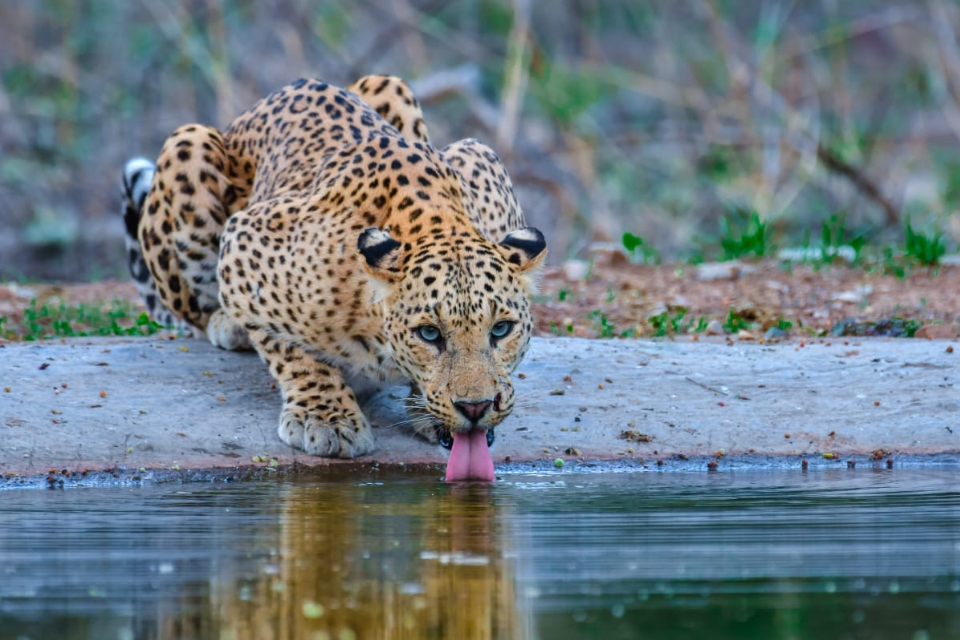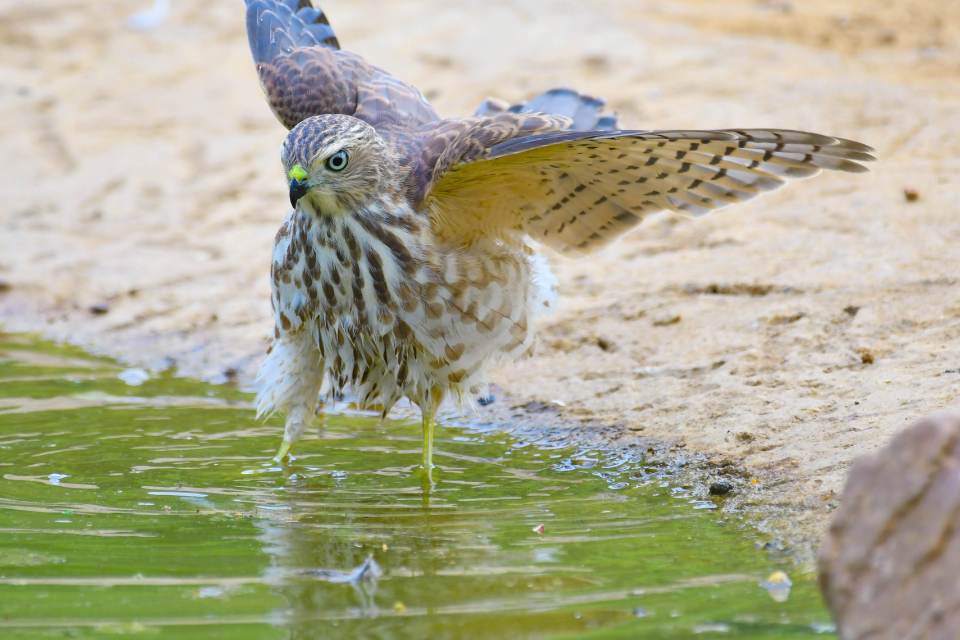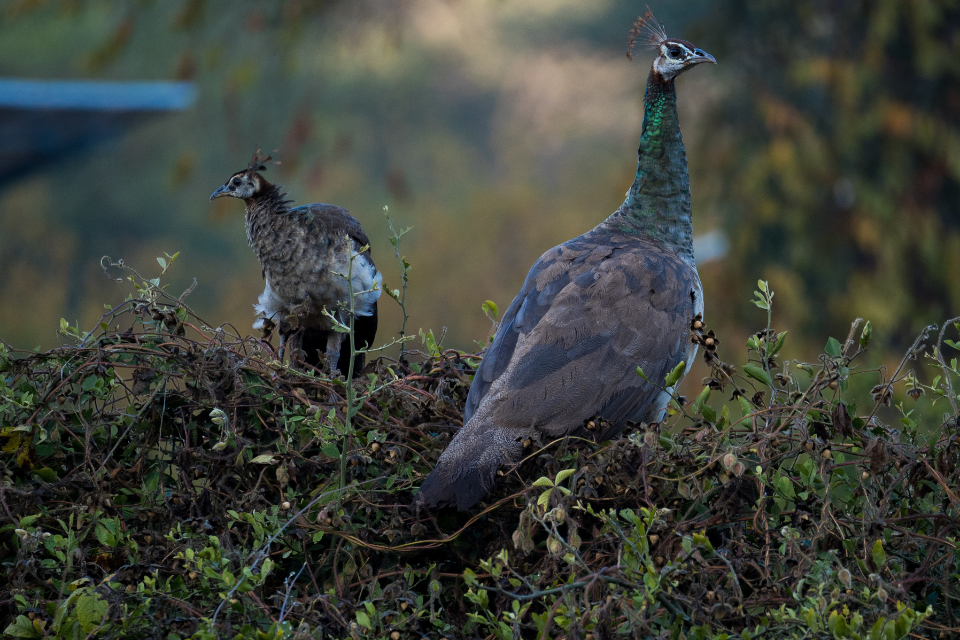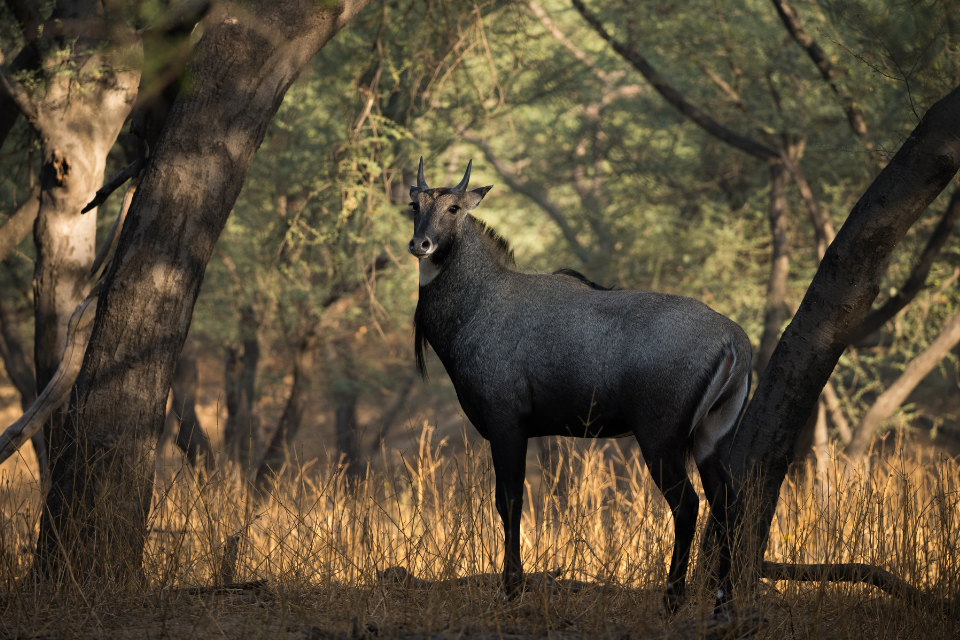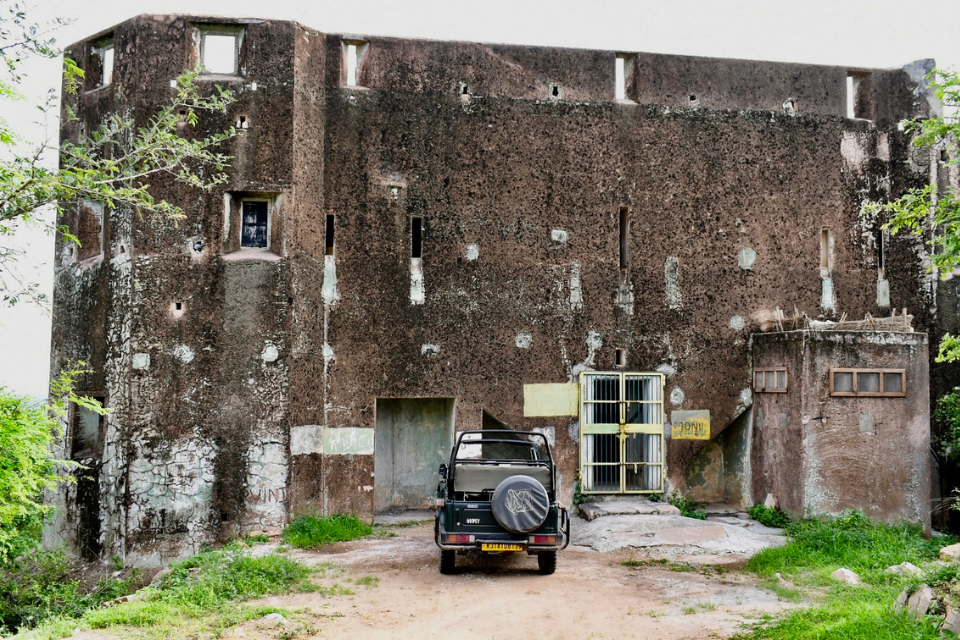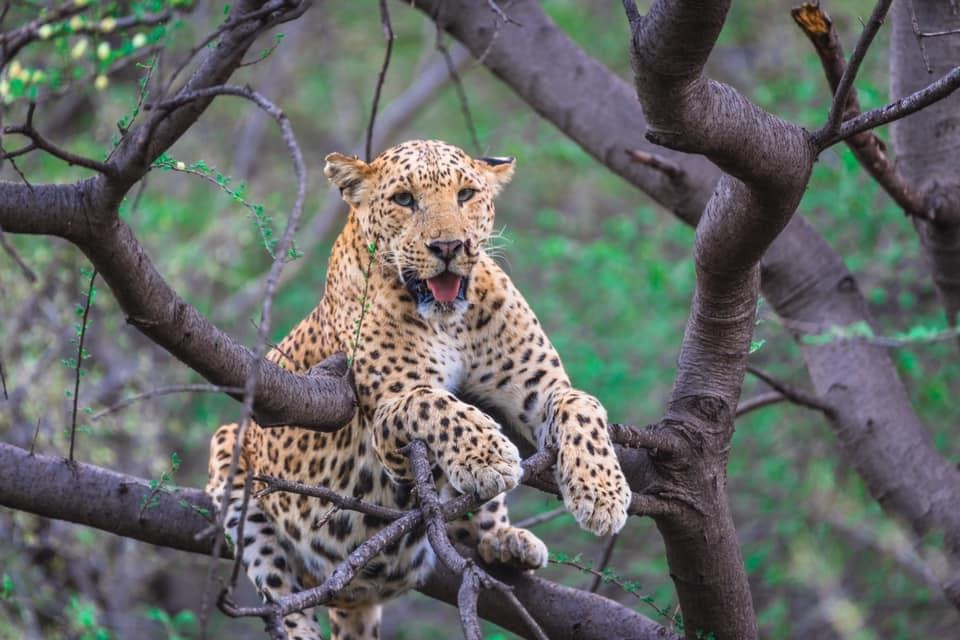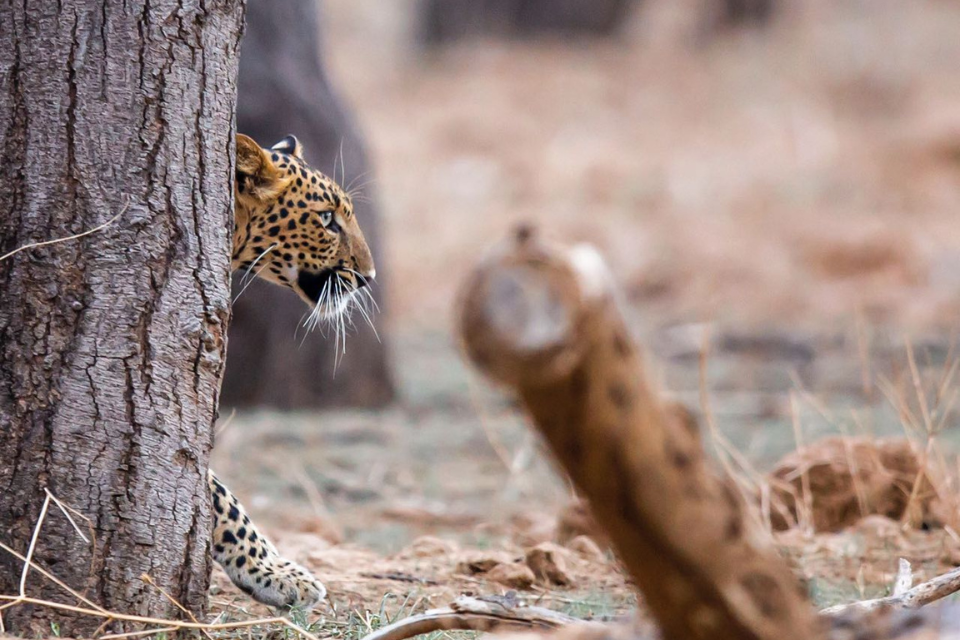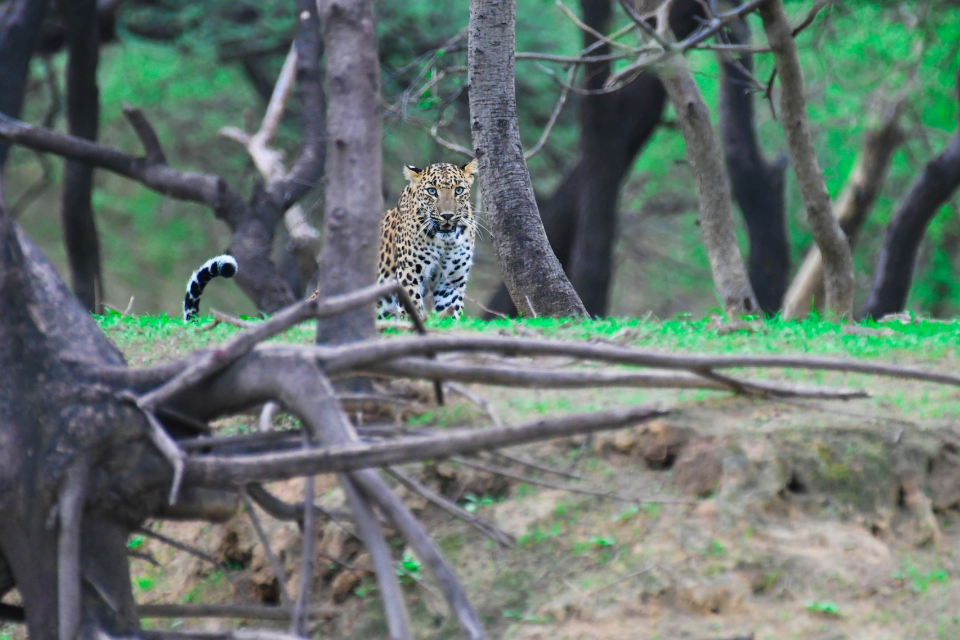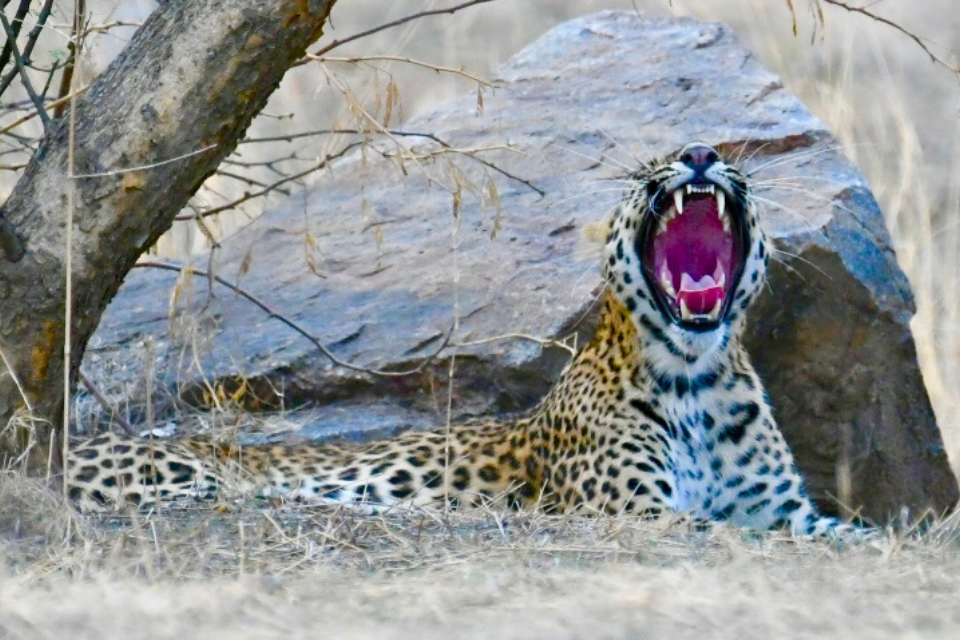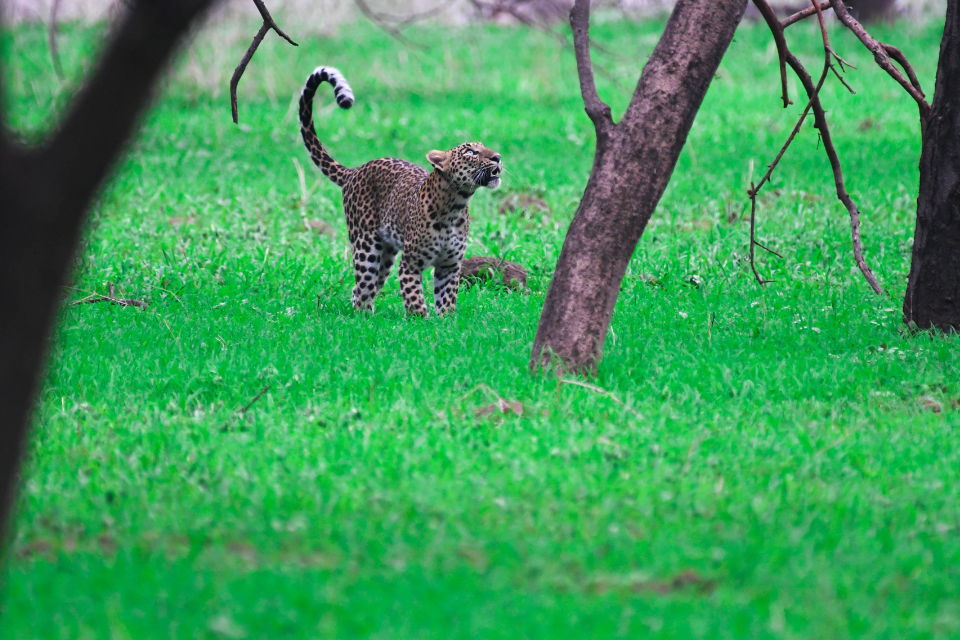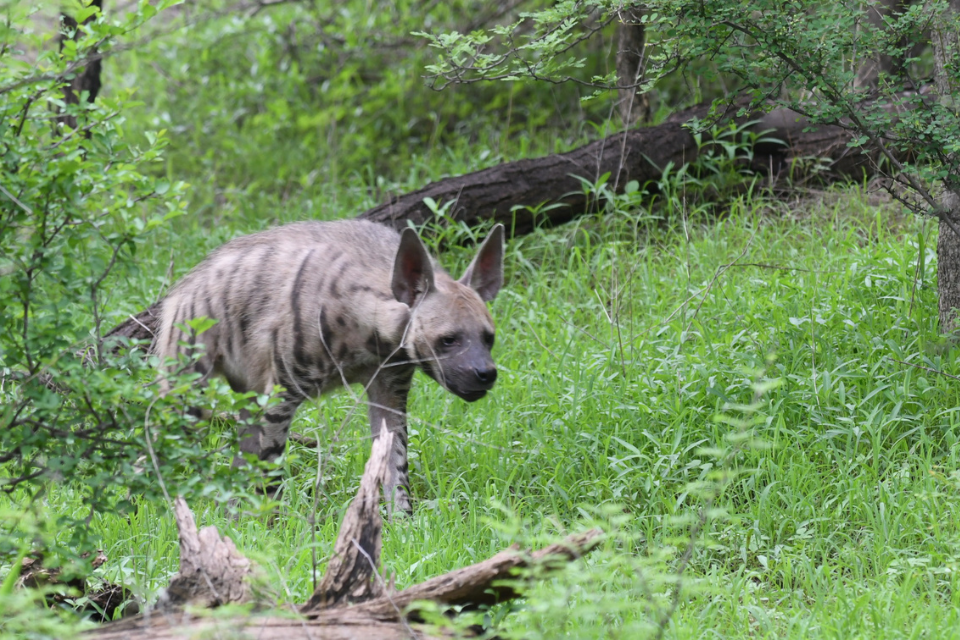
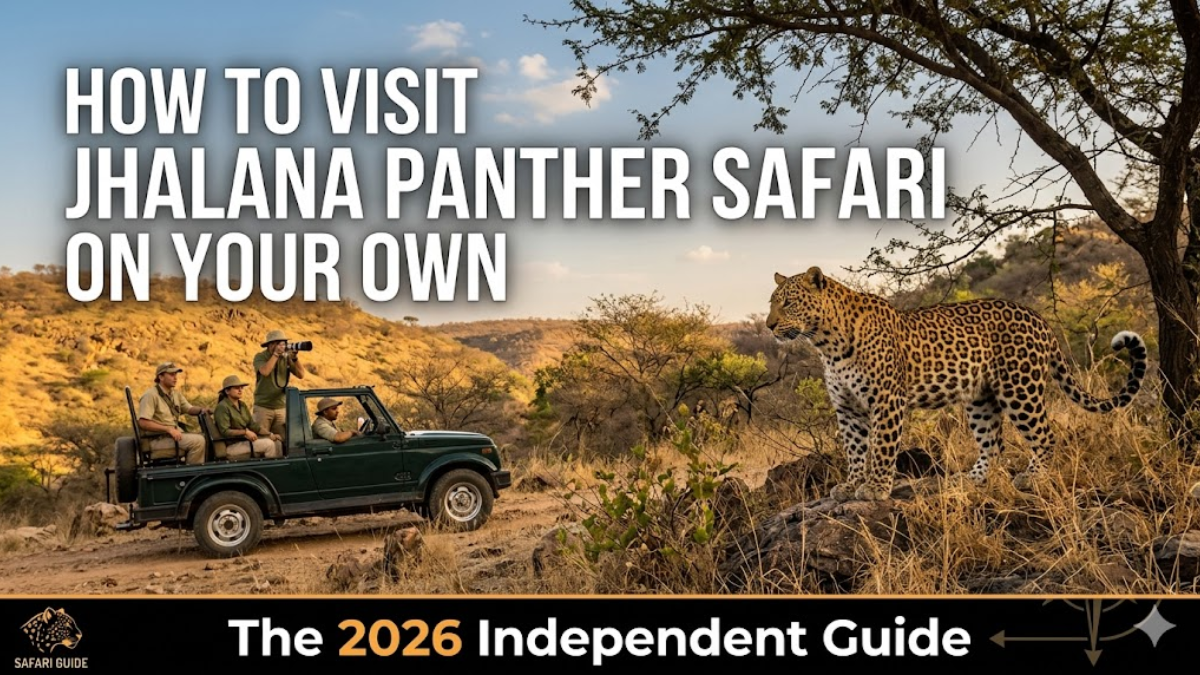
Most wildlife enthusiasts assume that to witness a large apex predator hunting in its natural habitat, they must pack their bags for a long, exhausting journey into the remote corners of Central India or the deep swamps of the Terai. But Jaipur breaks this rule entirely. Located right within the municipal boundaries of the Pink City, sitting quietly behind commercial complexes and residential colonies, lies Jhalana Panther Safari (officially known as the Jhalana Leopard Reserve).
Covering a compact area of just 23 square kilometers along the ancient foothills of the Aravalli mountain range, Jhalana holds an incredible global distinction: it has one of the highest densities of wild leopards on the planet.
For the independent backpacker, solo explorer, or budget-conscious wildlife lover, Jhalana is a dream destination. Because it is located directly inside the city, you don’t need to purchase expensive all-inclusive safari holiday packages, hire long-distance tour operators, or stay at isolated luxury forest resorts. You can simply take a local transit ride to the reserve gates, clear the government ticket window, and step directly into a wild jungle.
This deep-dive manual provides everything you need to know to execute a smooth, low-cost, and completely self-guided expedition to track the stunning “Ghosts of the Aravallis.”
The Ecological Marvel: Why Jhalana is Unique
Before jumping into the practical transit steps, it helps to understand why this dry deciduous scrub forest functions so beautifully. Historically, Jhalana served as the private hunting grounds for the royal families of Jaipur. Because the forest was strictly protected for centuries to preserve game for the Maharajas, it was never cleared for agriculture or housing.
When the Rajasthan Forest Department officially declared it a dedicated Leopard Reserve, the resident panthers thrived. With no tigers or lions competing for food, leopards became the undisputed kings of this forest.
Today, over 40 leopards live within this compact, rocky terrain. This high density means your chances of spotting a leopard here are significantly higher than in massive national parks like Ranthambore or Sariska.
Direct Route Logistics: Reaching the Gates on a Budget
Getting to Jhalana without a private tour vehicle is incredibly straightforward because of its central location near the Malviya Nagar area, just 11 kilometers from the Jaipur Railway Station and less than 6 kilometers from the airport.
The Low-Cost City Transit Plan
-
Take the Local City Bus: From any central location like the Walled City or MI Road, board a public city bus heading toward Malviya Nagar or Apex Circle.
-
The Drop Point: Get off at the main Malviya Nagar crossing or near the Calgiri Hospital turn.
-
The Final Leg: From the main road, hire a standard local electric e-rickshaw or shared auto-rickshaw to take you down Jhalana Doongri Road straight to the Jhalana Leopard Reserve Main Entry Gate (Cost: around ₹30–₹50 if sharing, or ₹100 for a private rickshaw run).
Smartphone App-Based Bookings
If you are traveling solo, using ride-hailing smartphone applications like Rapido, Uber, or Ola is highly efficient. Booking an app-based bike taxi from central Jaipur straight to the Jhalana forest gate is highly affordable, bypassing any local fare haggling entirely.
Financial Blueprint: Real Government Fees & Booking Framework
One of the biggest mistakes independent travelers make is falling prey to unofficial booking websites that charge massive markups. The Jhalana reserve is strictly managed by the Rajasthan Forest Department, and all permits should ideally be booked directly through their official single-window clearance portal .
Official Safari Pricing Structure
💡 The Shared vs. Private Gypsy Hack: If you are a solo traveler or a couple on a budget, look for the “Shared Gypsy” option on the official portal. This places you in a standard 6-seater open-top 4×4 vehicle with other independent travelers, allowing you to experience the full safari at a fraction of the cost of booking an entire vehicle.
The Last-Minute “Tatkal” Option
If you find that online permits are completely sold out for your chosen dates, don’t worry. The forest department keeps a limited quota of emergency tickets open at the physical gate counter for last-minute entries. These Tatkal Permits open up roughly 45 minutes before the safari shift begins, though they carry a slight premium charge over standard online prices.
5. Timing It Right: Seasonal Shifts & Behavioral Patterns
Leopards are masters of camouflage, and tracking them successfully requires aligning your trip with their daily behavioral patterns and seasonal shifts. Jhalana operates in two main daily shifts: morning and evening.
The Season-Wise Strategy
-
The Summer Advantage (April to June): While the afternoon heat can be intense, the dry summer months offer the absolute highest sighting success rates. As natural rock pools dry up, leopards are forced to travel down to the forest department’s filled solar-powered water holes regular intervals, making their movements highly predictable.
-
The Winter Charm (October to March): The weather is incredibly pleasant and crisp. Leopards can frequently be spotted sitting out on open, rocky hilltops early in the morning, basking in the soft winter sun to warm up.
Step-by-Step Jungle Circuit Layout
Once your boarding pass is verified at the gate, your open-top Gypsy will follow one of the designated forest routes. The park is split into efficient tracking zones to spread out vehicles. Here is what to watch for as you move through the reserve:
Zone 1: The Low Deciduous Shrubbery & Mining Pits
The initial section of the forest features deep, abandoned stone quarries and thick acacia bushes. This area is a favorite hiding spot for younger leopards who use the rocky crevices for shelter. Keep your eyes locked onto the limestone edges.
Zone 2: The Anicut Water Holes
As the vehicle moves deeper, you will approach the central check dams (anicuts). Drivers will often park here with the engine turned completely off for 10-15 minutes. Listen closely to the jungle sounds; this is where leopards frequently emerge from the thick cover for a drink.
Zone 3: The High Monolith Slopes
The final section climbs toward steep rocky cliffs. This is the territory of the older, dominant male panthers. Spotting a large leopard resting perfectly balanced on a high, narrow rock ledge against the sky is a truly breathtaking sight.
(Yahan par ek open Gypsy mein pathar par baithe haathi ya panther ki track photo ka space chodein) Figure 1: Tracking leopards along the ancient rocky cliffs of the Aravalli range.
Essential Independent Rules for a Successful Sightings
To maximize your chances of a sighting without an expensive private tour leader, you need to active look and listen for the natural clues of the jungle:
-
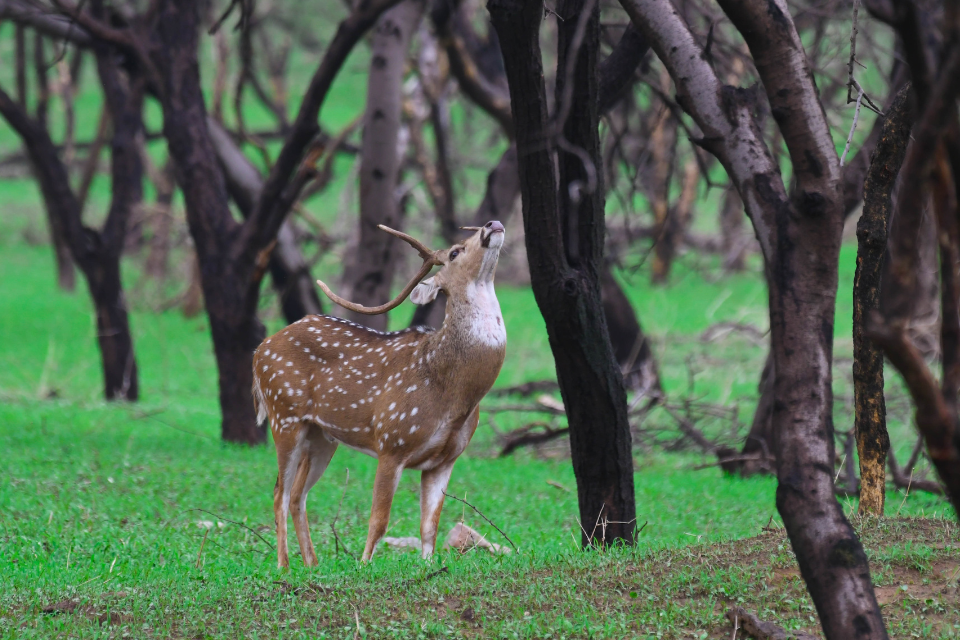
Listen for Alarm Calls: The jungle has its own warning system. Keep your ears tuned for the sharp, repetitive barking calls of spotted deer (cheetal) or the sudden, frantic screaming calls of grey langurs sitting high in the trees. These animals always sound an alarm the moment they spot a panther moving through the grass.
-
Watch the Pugmarks: Keep an eye on the soft sand along the edges of the tire tracks. Fresh, sharp paw prints mean a leopard has walked down that exact trail just minutes before your vehicle arrived.
-
Maintain Absolute Silence: Leopards have highly sensitive hearing. If your vehicle is noisy or people are whispering loudly, the cat will simply remain perfectly still in the tall grass, letting you drive right past without ever realizing it was there.
Conclusion: Unmatched Urban Wildlife Travel
Jhalana Panther Safari proves that tracking magnificent big cats doesn’t require massive budgets or complex tour group logistics. By managing your booking directly through the official government channels and using local transit, you can experience a raw, world-class wildlife safari right inside the city limits.
If you want to inject a shot of intense adrenaline into your historic architectural tour of Jaipur, skip the crowded monuments for an afternoon and head out to experience the wild, untamed side of the Pink City on your own.
Frequently Asked Questions (FAQs)
Q1: Can I take a ride through Jhalana inside a normal closed taxi or car?
Ans: No. To ensure proper visibility and keep a minimal footprint, entry is strictly limited to authorized open-top 4×4 forest Gypsies registered directly with the Rajasthan Forest Department.
Q2: Is there a cloakroom at the gate to store heavy travel backpacks?
Ans: The main entry gatehouse has a basic security office where you can request to leave heavy luggage items before boarding your safari vehicle, but it is always best to travel light.
Q3: Are there food stalls available deep inside the jungle reserve?
Ans: No. To protect the wild ecosystem from plastic litter and trash, food items are strictly prohibited inside the forest tracks. You can carry a basic water bottle, but ensure you don’t drop any plastic waste.