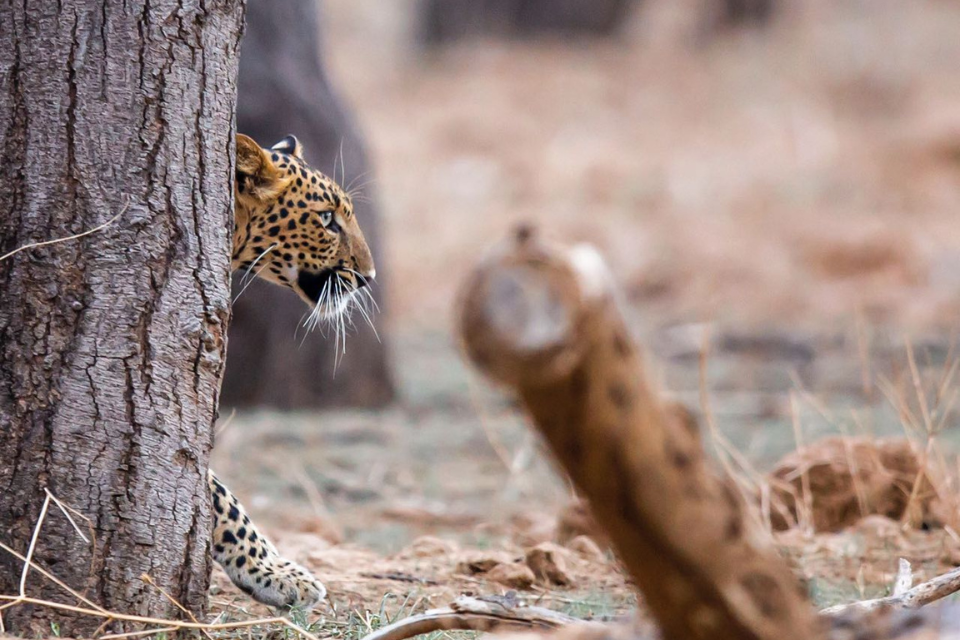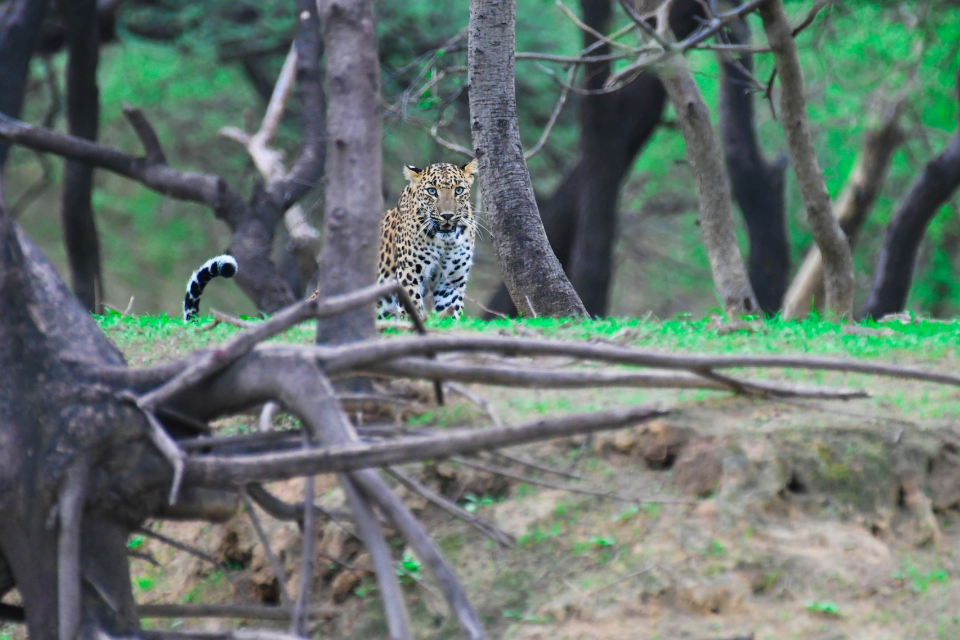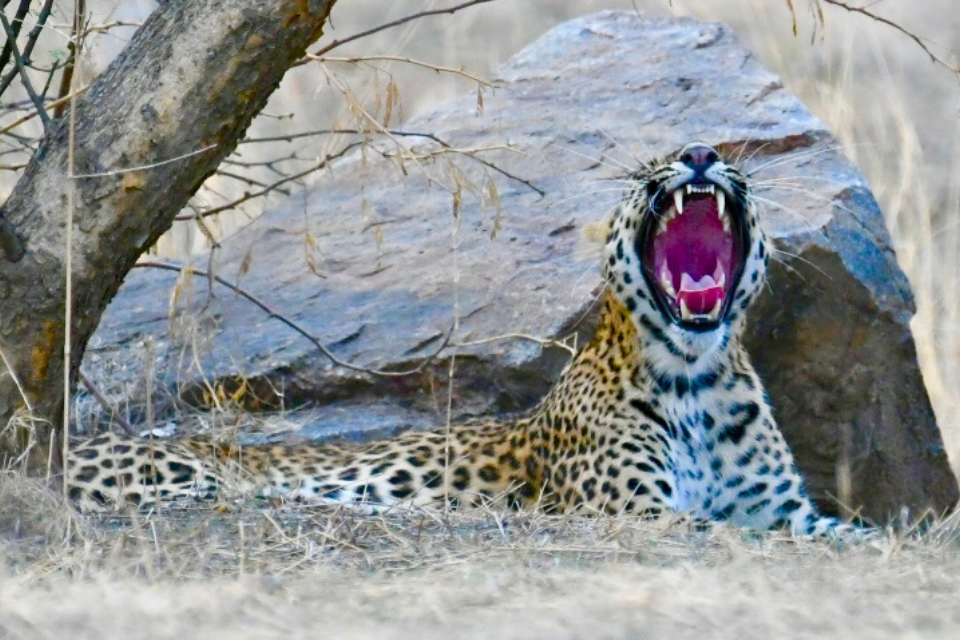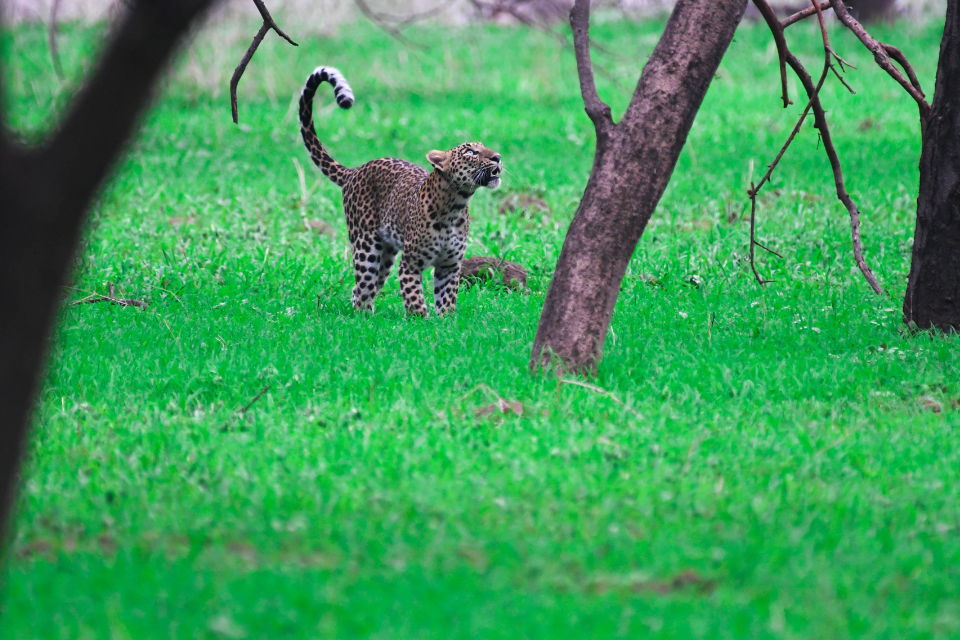
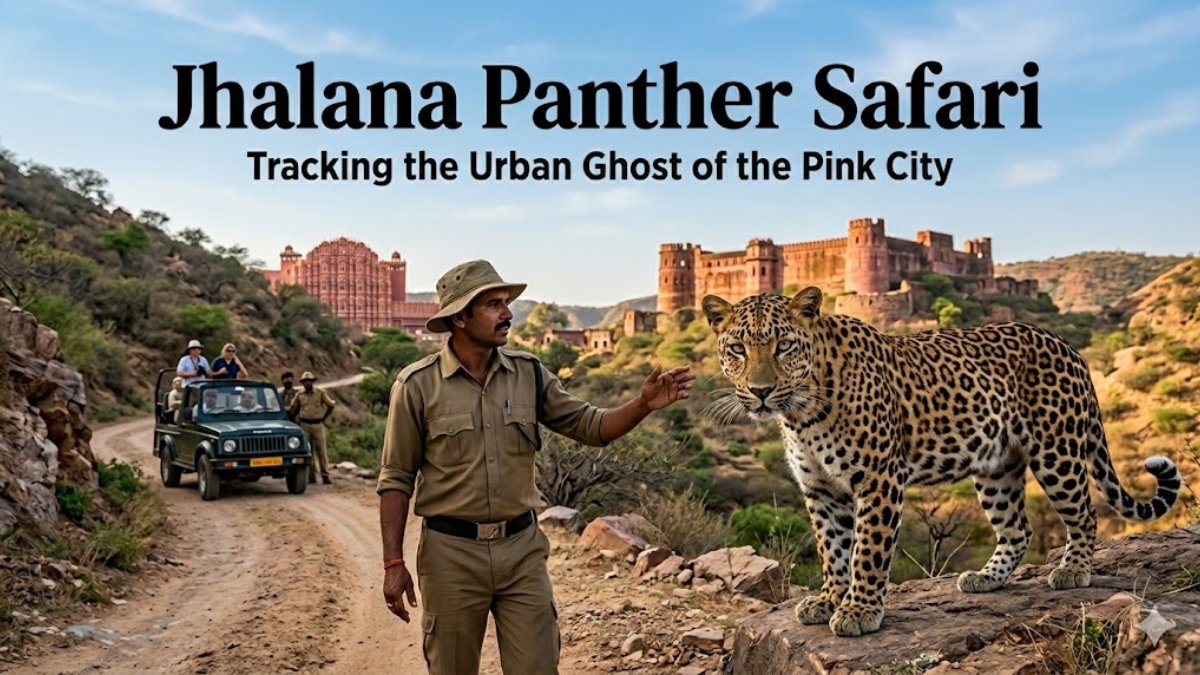
While Rajasthan is globally revered for its grand palaces and desert landscapes, it also harbors some of the most unique wildlife ecosystems in Asia. Tucked squarely within the city limits of Jaipur lies a hidden natural paradise: the Jhalana Panther Safari. Spanning roughly 20 square kilometers along the jagged folds of the ancient Aravalli hills, Jhalana holds the proud distinction of being India’s very first dedicated leopard reserve.
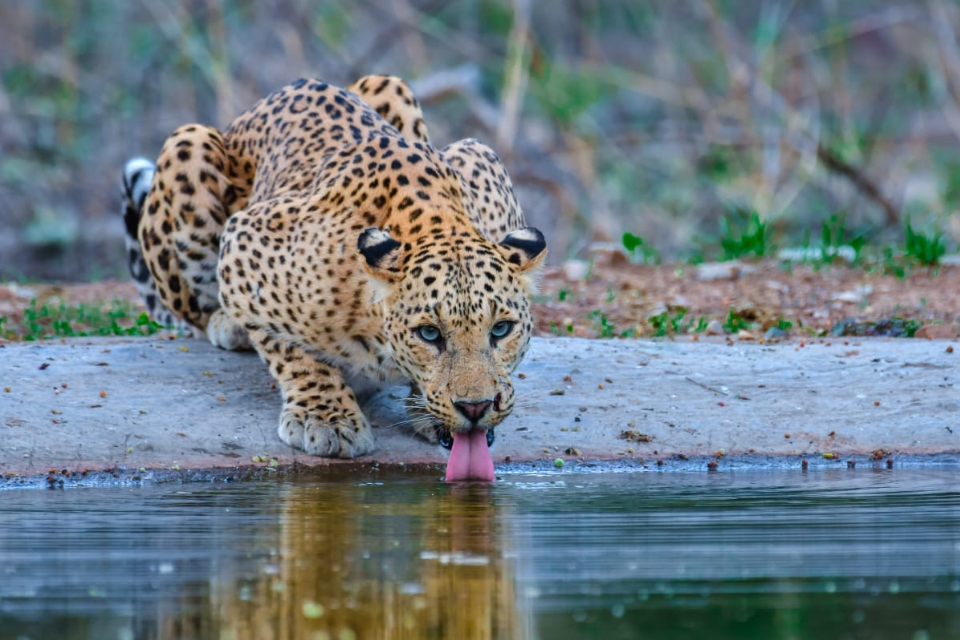
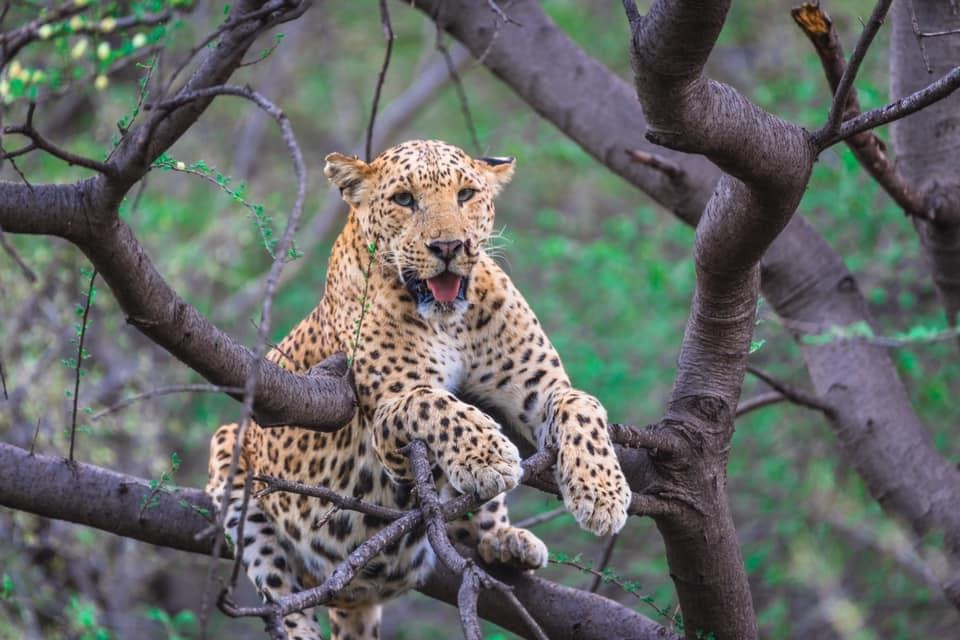
Historically used as a private hunting ground by the royal family of Jaipur, this reserve has transformed into a global success story for urban wildlife conservation. Here, the elusive “Ghost of the Forest”—the panther (leopard)—thrives in incredible numbers right next to a bustling metropolitan population.
For travelers who want to balance their cultural exploration of historic forts with a sudden spike of raw adrenaline, a safari through Jhalana is an unforgettable addition.
Quick Reference Tourist Guide
| Feature | Details |
| Official Name | Jhalana Leopard Safari Park |
| Location | Malviya Nagar Industrial Area, Jaipur, Rajasthan |
| Primary Attraction | Indian Leopards (Panthers) |
| Safari Vehicles | Open-top 4×4 Gypsies only |
| Morning Shift Hours | 6:00 AM to 9:00 AM (Varies slightly by season) |
| Evening Shift Hours | 3:30 PM to 6:30 PM (Varies slightly by season) |
| Ideal Visit Duration | 3 Hours per safari track |
| Best Sighting Months | Year-round; March to June offers peak waterhole tracking |
The Unique Topography & Ecosystem of Jhalana
The geography of the Jhalana Reserve is what makes the Jhalana panther safari uniquely successful compared to larger national parks across India. The terrain is a compact mix of narrow, rocky valleys, sharp quartzite cliffs, and dense deciduous scrub forests dominated by the indigenous Dhok tree (Anogeissus pendula).
Because the reserve is relatively contained and bordered by urban blockades, the wildlife population remains concentrated. This spatial design means that tracking routes are highly efficient. From several high vantage points inside the forest, visitors can look out across a surreal canopy of wilderness and see the modern high-rises of Jaipur glittering in the background—a powerful visual testament to human-animal coexistence.
The Legendary Felines of Jhalana
The panthers of Jhalana are well-documented by local forest guards, naturalists, and trackers. Over decades of careful monitoring, specific leopards have claimed territorial domains within the park, becoming the star attractions of the safari trails:
-
Flora: A bold and majestic leopardess, Flora is famous among wildlife photographers for her calm demeanor. She is frequently spotted lounging across rocky ledges or walking casually along the open gypsy tracks.
-
Rana: A large, battle-scarred dominant male who rules the northern ridges of the park. His territorial roars can occasionally be heard echoing across the valleys during early morning shifts.
-
Juliet: Known for her sleek build and sharp hunting instincts, Juliet is often observed raising litters of playful cubs near the park’s central watering holes.
What to Expect on Your Safari Trail
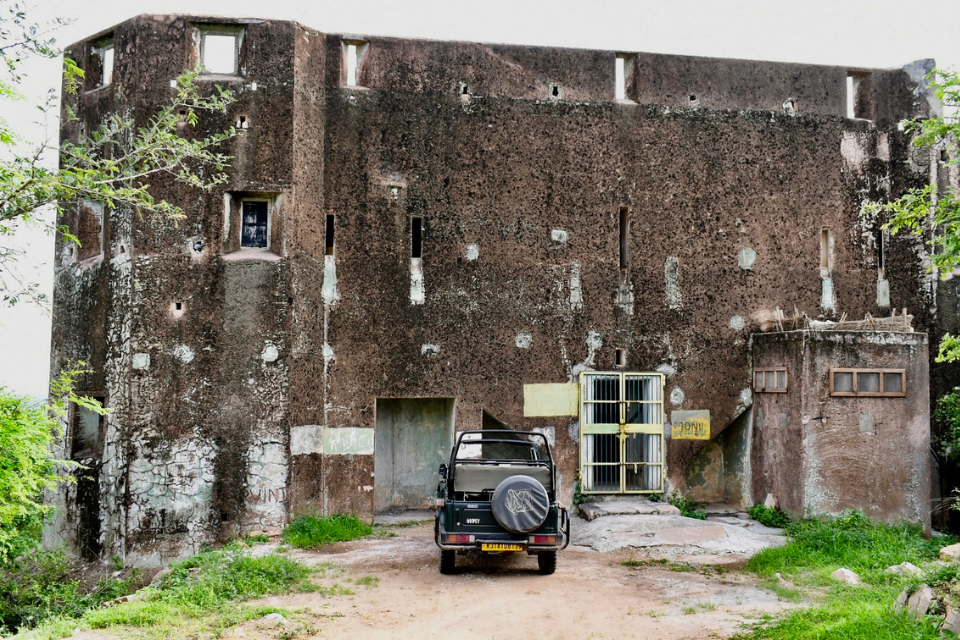
A typical jhalana panther safari is an intensive, three-hour journey inside an open-top, 4×4 forest department Gypsy. The drive relies heavily on the instincts of professional local trackers and drivers:
-
Reading the Tracks: Drivers carefully examine the soft sand paths for fresh, circular pugmarks left by panthers during their nocturnal patrols.
-
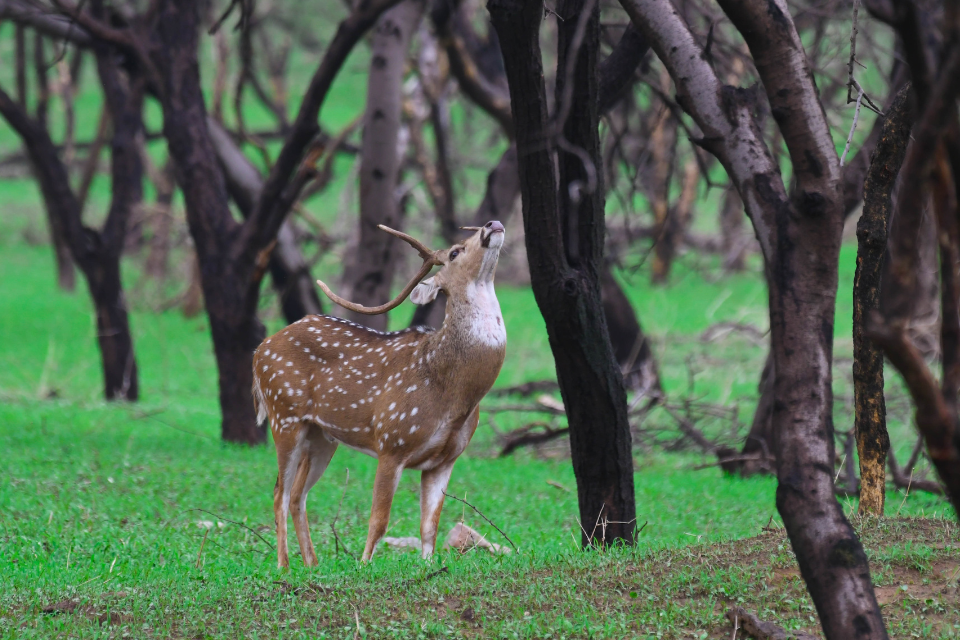
Deciphering Alarm Calls: The forest floor talks to those who listen. Trackers constantly monitor the frantic, metallic chirping of langur monkeys and the sharp, panicky barks of spotted deer, which immediately reveal when a big cat is on the move.
-
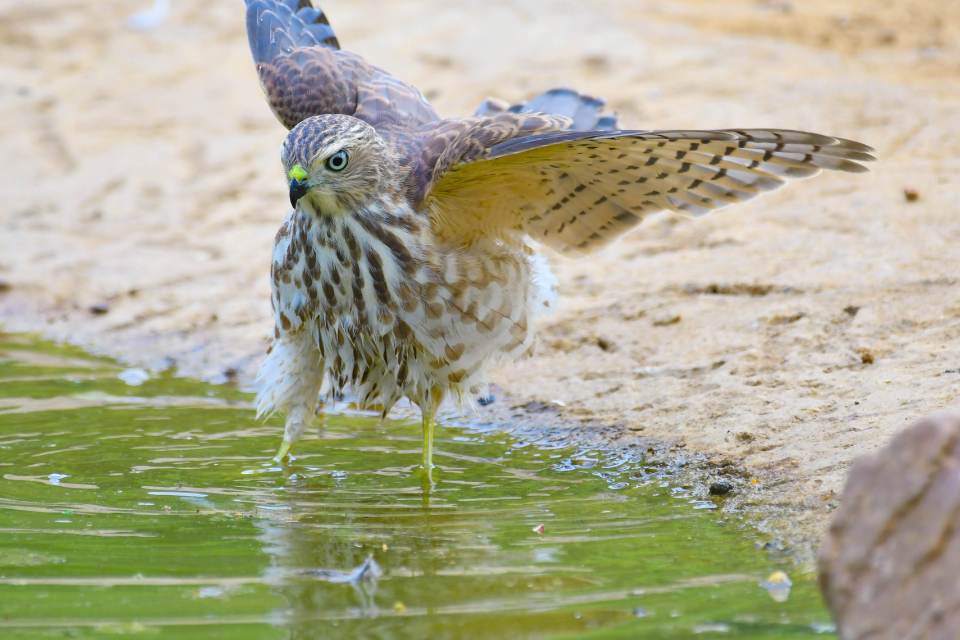
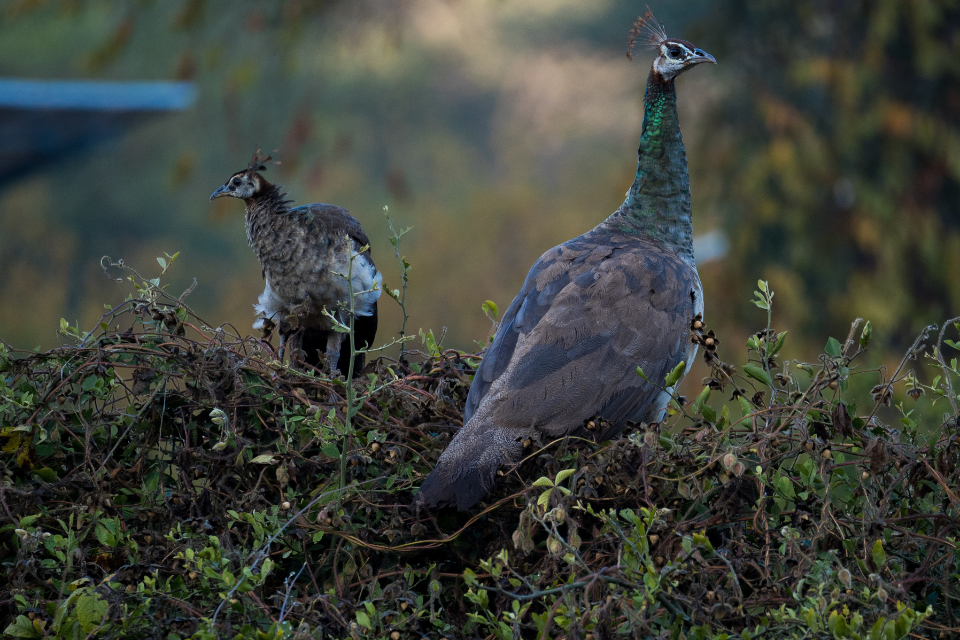
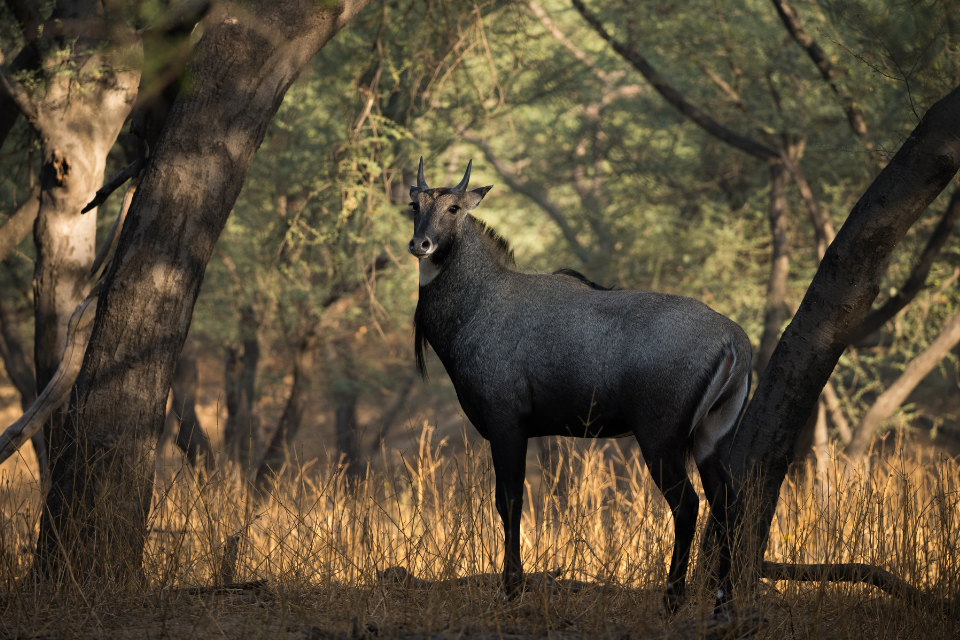
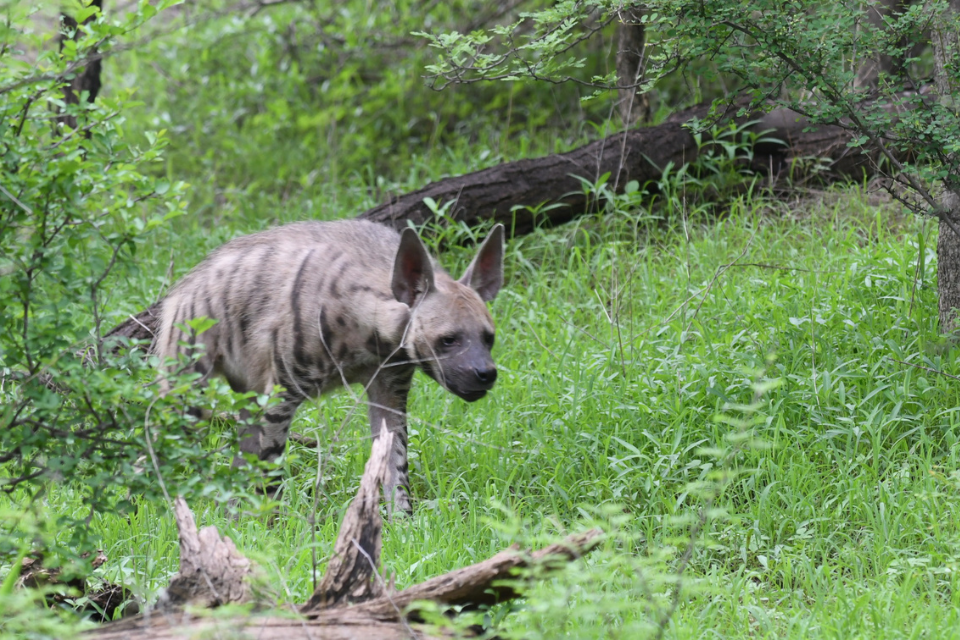
Surrounding Biodiversity: While leopards are the apex predators, the reserve is teeming with other fascinating wildlife. Visitors frequently encounter Striped Hyenas, Desert Foxes, Golden Jackals, Blue Bulls (Nilgai), and a vibrant population of raptors and migratory birds like the Shikra and the Indian Eagle-Owl.
Shopping & Local Food Near Jhalana
-
Culinary Stops: Because the reserve sits directly on the edge of Jaipur’s developed sectors, you are never far from world-class dining. After a chilly morning safari, head into the nearby Malviya Nagar or Jawahar Circle areas to indulge in a traditional breakfast of steaming Masala Chai paired with crisp Mawa Kachoris or spicy Mirchi Badas.
-
Handicraft Shopping: The proximity of the park to major urban centers means you can transition seamlessly from the wild into Jaipur’s premier craft zones. Nearby boutique outlets specialize in Jaipur’s famous block-printed textiles, blue pottery, and handcrafted silver ornaments, making it incredibly easy to gather souvenirs right after your wildlife trail.
Frequently Asked Questions (FAQ)
1. How high are the chances of spotting a leopard during the safari?
Because Jhalana has a high density of leopards within a relatively small, defined territory, it boasts one of the highest sighting success rates in India—frequently exceeding 80% on any given day.
2. How far in advance should I book my safari slot?
The forest department strictly limits the number of vehicles allowed inside the park per shift to protect the habitat. Therefore, it is highly recommended to book your slots at least 15 to 30 days in advance, especially if you plan to visit on a weekend.
3. Is Jhalana open to tourists during the monsoon season?
Unlike many major tiger reserves in India that close down completely during the rainy season, the Jhalana Panther Safari remains operational year-round. The rocky terrain drains water rapidly, allowing safaris to run even during the monsoons.
4. Can I enter the reserve in my personal vehicle?
No. To minimize pollution, sound disturbance, and safety risks to both tourists and animals, only registered, open-top 4×4 forest department Gypsies driven by authorized local guides are permitted inside the gates.
5. How far is the safari park from the center of Jaipur?
The reserve entrance is uniquely close to urban infrastructure, located just 6 to 8 kilometers away from the historic walled city and a mere 15-minute drive from the Jaipur International Airport.
6. What should I pack and wear for a morning safari shift?
Dress in earth-toned colors like olive green, khaki, tan, or gray to blend in with the landscape. If you are visiting during the winter months (November to February), the open-air Gypsies get incredibly cold, so bringing heavy jackets, gloves, and a scarf is necessary.
7. Is it safe to take children on the panther safari?
Yes, the safari is perfectly safe for children. However, parents must ensure that kids remain seated inside the moving vehicle at all times and maintain absolute silence when close to a predator.
Conclusion
The Jhalana Panther Safari breaks the conventional mold of wildlife tourism, proving that wilderness and civilization can find a beautiful, respectful balance. Looking into the piercing amber eyes of a wild leopard against the distant, silent backdrop of a modern city is an experience that stays with you forever.