Navigating a growing metropolis like Jaipur in 2026 requires a mix of modern infrastructure and local savvy. While the city is famous for its heritage, the Jhalana region has become a top destination for nature lovers. Whether you are a solo traveler or a family on vacation, understanding the local commute in Jaipur is the key to a stress-free journey.
This guide provides a comprehensive look at how to reach Jhalana using the most efficient modes of transport, including the Jaipur Metro to Jhalana routes, E-rickshaws, and traditional buses.
The Modern Way: Jaipur Metro to Jhalana
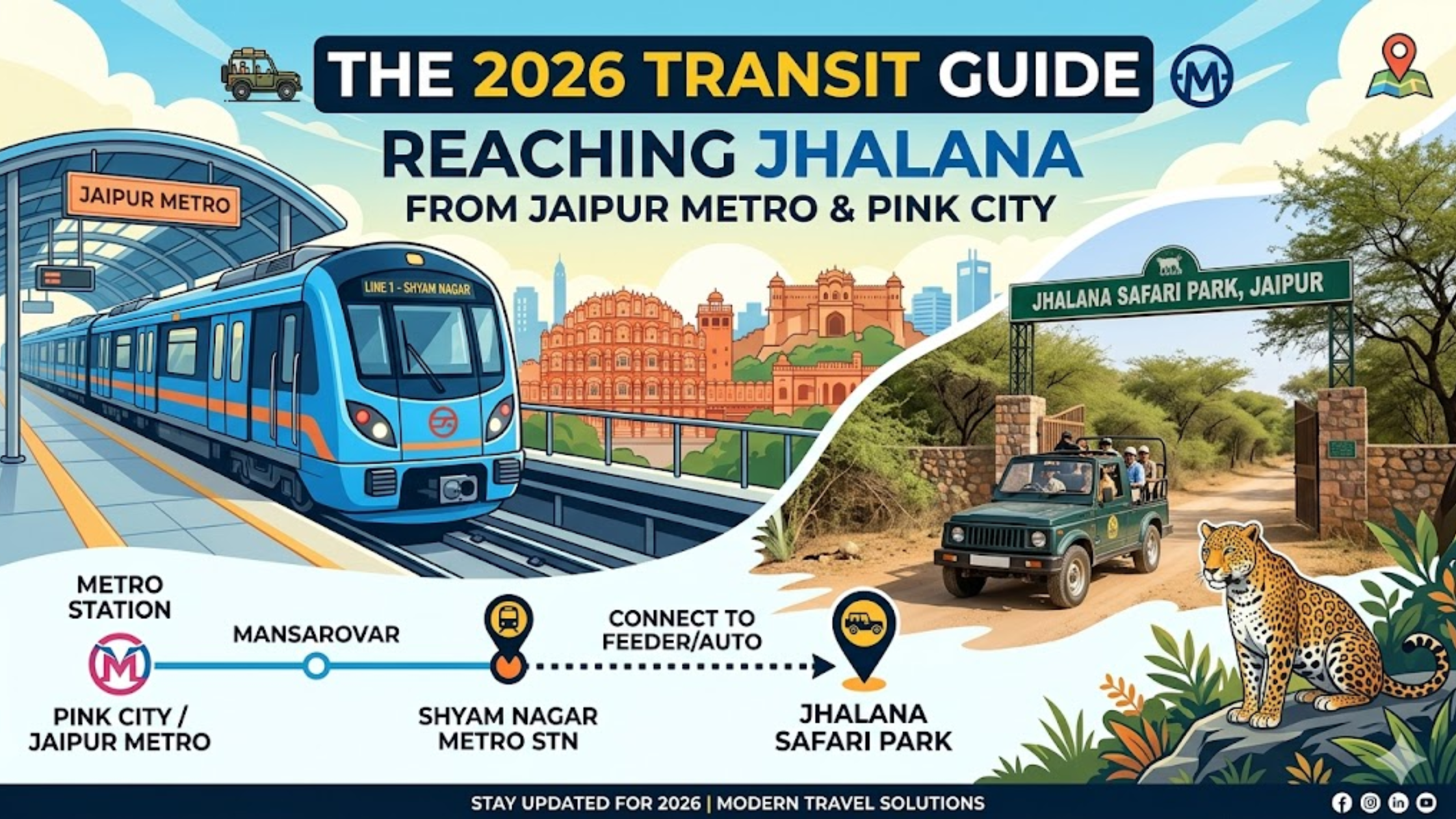
The expansion of the Jaipur Metro in 2026 has significantly simplified travel between the western suburbs and the eastern ecological zones. If you are looking for a quick and air-conditioned ride, the metro is your best friend.
Choosing the Right Station
Currently, the Pink Line is the primary corridor for most tourists. If you are coming from areas like Mansarovar or Civil Lines, you should aim for the following exit points:
-
Badi Chaupar Station: Ideal if you are starting from the heart of the Pink City to leopard safari adventures.
-
Railway Station/Sindhi Camp: Perfect for those arriving by train or inter-state buses.
The Last-Mile Connectivity
The metro doesn’t drop you directly at the reserve gate. Once you exit at the easternmost stations, you will transition to E-rickshaw routes Jhalana that operate frequently. In 2026, these eco-friendly vehicles will have become the backbone of Jaipur’s last-mile connectivity, offering a cheap and silent way to reach the reserve.
From the Heart: Pink City to Leopard Safari
Starting your journey from the walled city (Pink City) offers a scenic transition from historic architecture to rugged wilderness.
Private Cabs and Taxis
For those who prefer a direct door-to-door service, apps like Uber and Ola remain reliable in 2026. A cab from Hawa Mahal or Badi Chaupar to the Jhalana entry gate typically takes 25–35 minutes, depending on the time of day.
Public Bus Routes
If you are looking for public transport Jaipur safari options, the RSRTC and city buses (JCTSL) are highly affordable.
-
Route: Look for buses heading toward Malviya Nagar or Apex Circle.
-
Stop: Get down at the “Jhalana Doongri” stop or “Malviya Nagar Sector 5,” from where a short 5-minute auto ride will take you to the entrance.
The Green Commute: E-rickshaw Routes Jhalana
As Jaipur pushes toward a “Green City” status in 2026, E-rickshaws have replaced many traditional petrol autos. They are especially popular in the Malviya Nagar and Jhalana industrial areas.
-
Fixed Routes: Most E-rickshaws follow fixed loops from the Jaipur Metro to Jhalana nearby hubs.
-
Cost-Effective: Expect to pay between ₹20 and ₹50 for a shared seat, or around ₹150 for a private “full” booking.
-
Pro Tip: In the morning hours (before the first safari shift), E-rickshaws are plentiful near the Malviya Nagar flyover.
Understanding Jhalana: The Geography
When planning how to reach Jhalana, it is important to understand that the area is divided into the residential/industrial zone and the protected reserve.
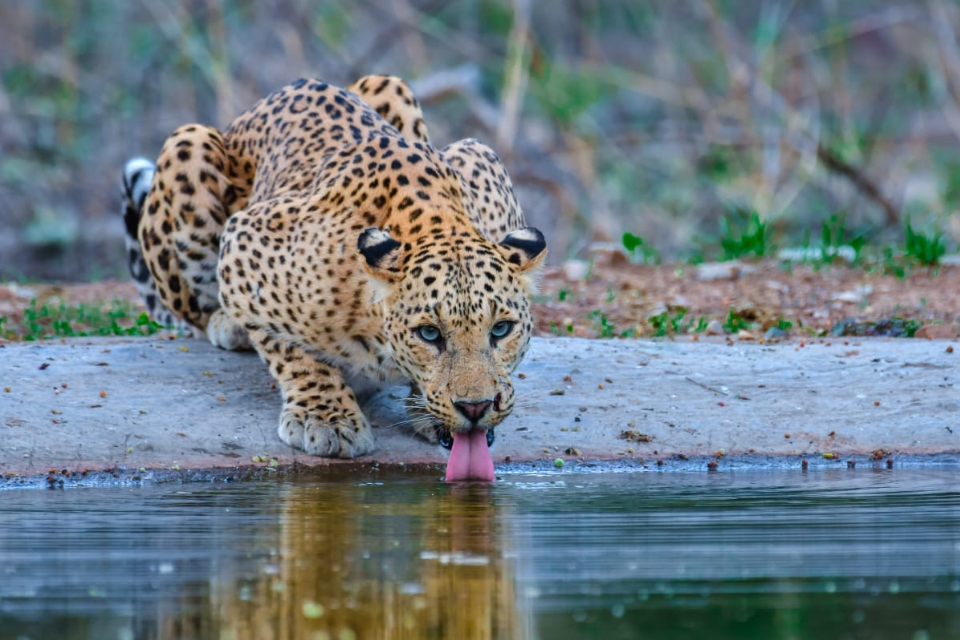
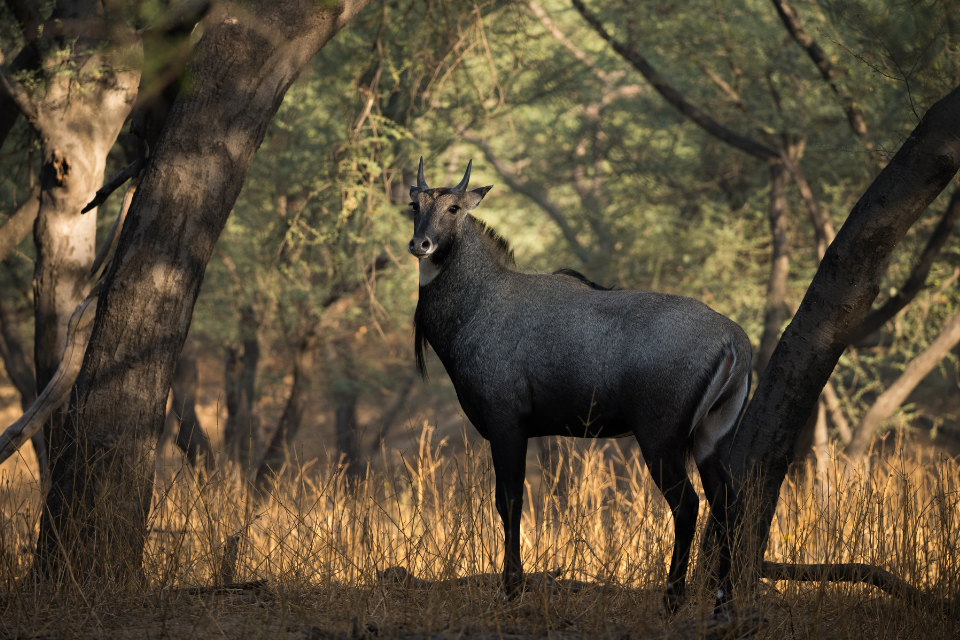
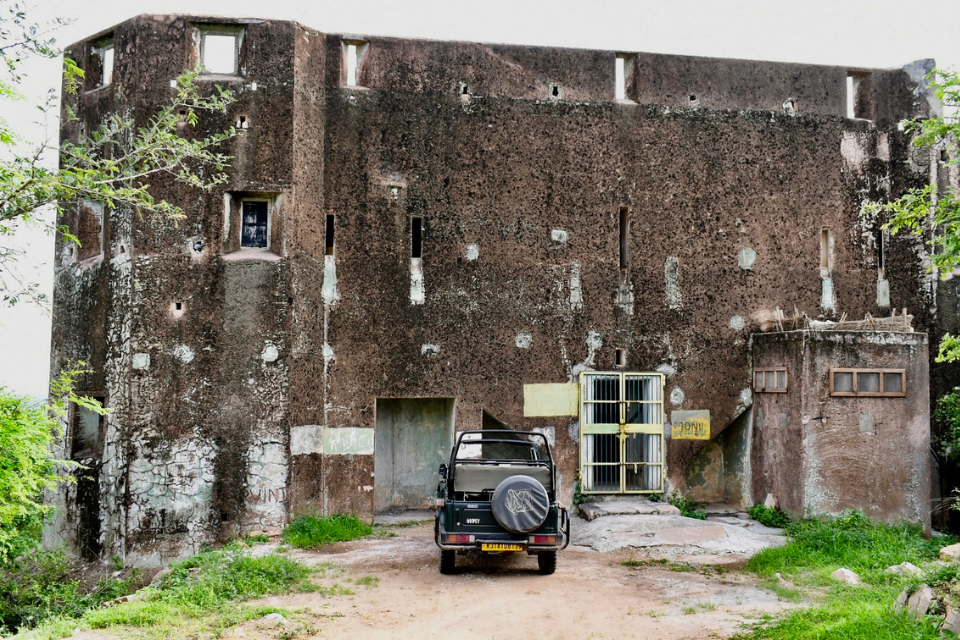
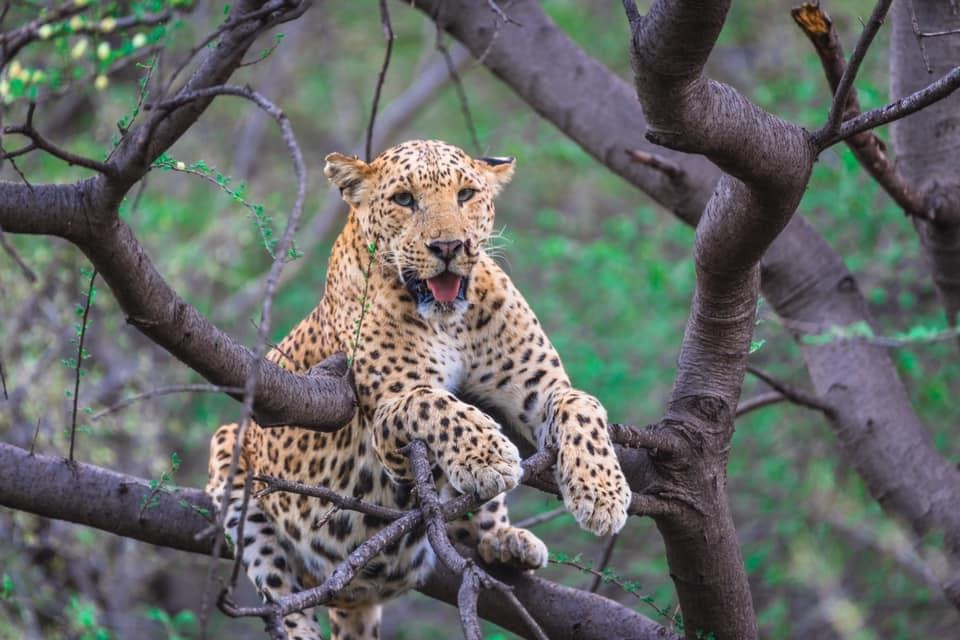
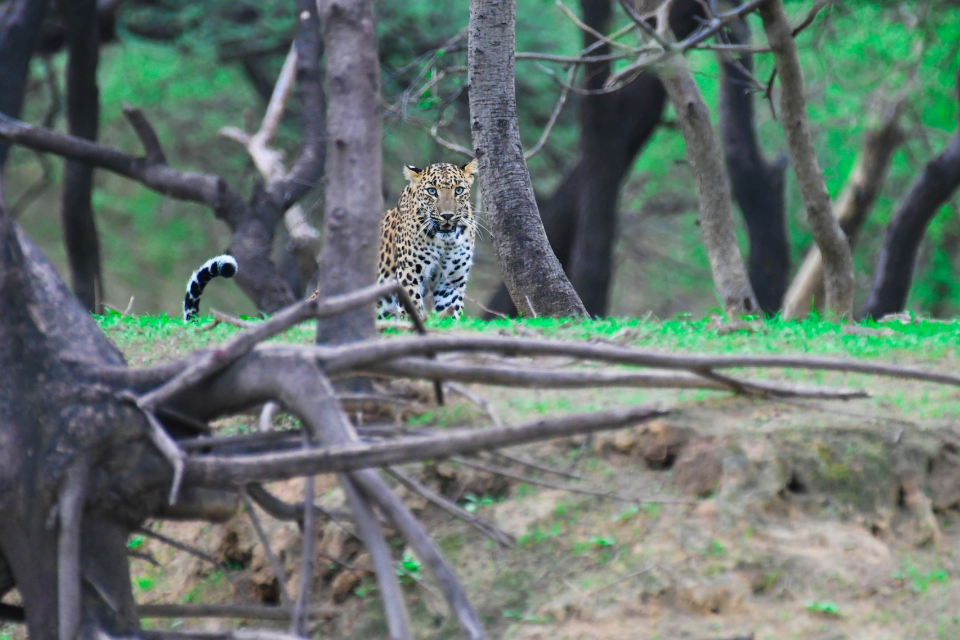
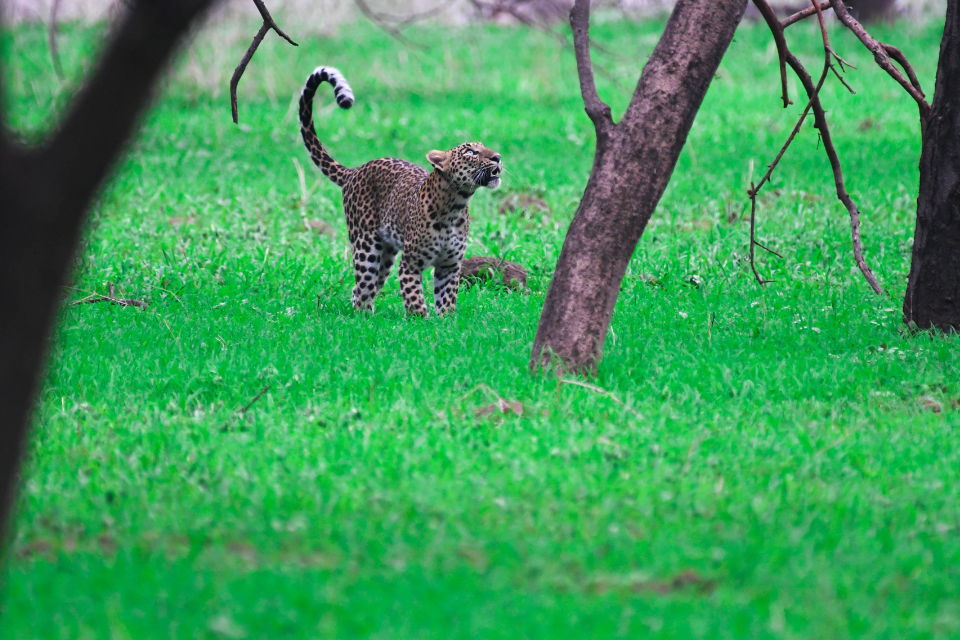
One of the most famous aspects of this region is the jhalanpanther safari, which has gained global recognition for its high density of big cats within urban limits. The entry gate is located near the Jhalana Forest Research Institute. If you are using a GPS, ensure you set the destination to the “Forest Office” rather than just the general “Jhalana” area to avoid ending up in the residential colonies.
Travel Tips for 2026
-
Timing: For the morning safari, aim to leave the Pink City by 5:30 AM. For the evening shift, leave by 2:30 PM.
-
Metro Smart Cards: Use a Jaipur Metro Smart Card to save 10-20% on fares and avoid ticket queues.
-
Language: While most drivers understand basic English, knowing the phrase “Jhalana Gate jana hai” (I want to go to the Jhalana Gate) is helpful.
Frequently Asked Questions (FAQ)
Q1: What is the nearest Jaipur Metro station to Jhalana?
The nearest station is currently Badi Chaupar on the Pink Line, followed by a 15-20 minute cab or E-rickshaw ride. Future expansions may bring the Orange Line even closer to the Malviya Nagar side.
Q2: Is public transport safe for early morning safaris?
Yes, but the Metro starts operating around 6:00 AM. For the earliest safari slots, we recommend pre-booking a private taxi or using a personal vehicle.
Q3: Can I find E-rickshaws at the safari exit?
Absolutely. There is a dedicated stand for E-rickshaws and autos right outside the main gate to take visitors back to the main road or the nearest bus stop.
Q4: How much does a local commute from Jaipur to Jhalana cost?
-
Metro: ₹20–₹30
-
E-rickshaw (Shared): ₹20
-
Private Auto/Cab: ₹200–₹400
Q5: Is there parking available at the Jhalana gate?
Yes, there is a designated parking area for private cars and bikes, though it can get crowded on weekends.
Conclusion
Mastering the local commute in the Jaipur system allows you to enjoy the city’s wild side without the stress of navigating traffic. From the sleek Jaipur Metro to the Jhalana connection to the humble E-rickshaw routes, Jhalana, there is a transit option for every budget. Plan ahead, leave early, and enjoy the unique experience of transitioning from the bustling Pink City to the quiet shadows of the Aravalli hills.