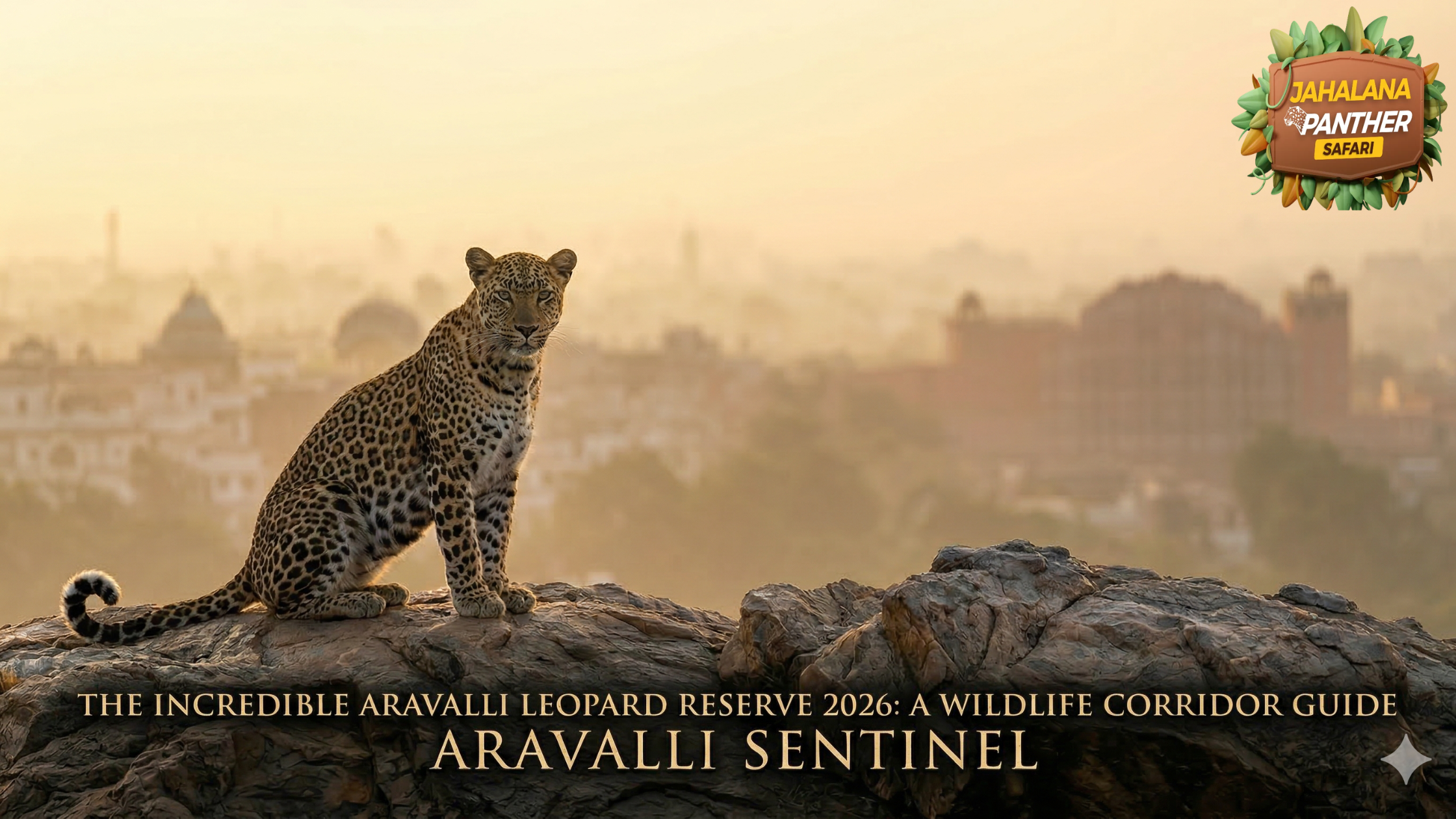
The Aravalli Sentinel: A 2026 Comprehensive Guide to the Aravalli Leopard Reserve
In the rapidly evolving landscape of Indian eco-tourism, 2026 has marked a pivotal shift. Travelers are no longer just seeking the “Big Five”; they are seeking stories of survival and coexistence. Nowhere is this story more compelling than in the Leopard Reserve. While the world knows Jaipur for its royal heritage, the Aravalli Leopard Reserve offers a different kind of royalty—one that wears rosettes and moves silently through 2.5-billion-year-old quartzite peaks.
As a core part of the Aravalli Wildlife Corridor, this reserve is not merely a park; it is a testament to the resilience of nature. If you are planning an Aravalli Leopard Reserve expedition, this 1500+ word guide is your ultimate resource for understanding the “City Cats” and securing your Jaipur Safari booking.
1. The Geological Soul: Why the Aravalli Leopard Reserve is Unique
To understand the Aravalli Leopard Reserve, one must first understand the mountains that cradle it. The Aravalli Range is among the oldest fold mountain systems in the world, predating even the Himalayas. This ancient terrain creates a unique “vertical jungle.”
The Quartzite Fortress
The rocks in the Aravalli Leopard Reserve are primarily metamorphic quartzite and schist. For the leopards of the Aravalli Wildlife Corridor, these rocks are more than just scenery; they are thermal regulators. In the winter, the dark rocks absorb the Rajasthani sun, providing warm beds for the cats. In the summer, deep crevices offer cool sanctuaries. When you enter the Aravalli Leopard Reserve, you are entering a fortress that has protected these predators for millennia.
2. Meet the Legends: The “Celebrity” Leopards of 2026
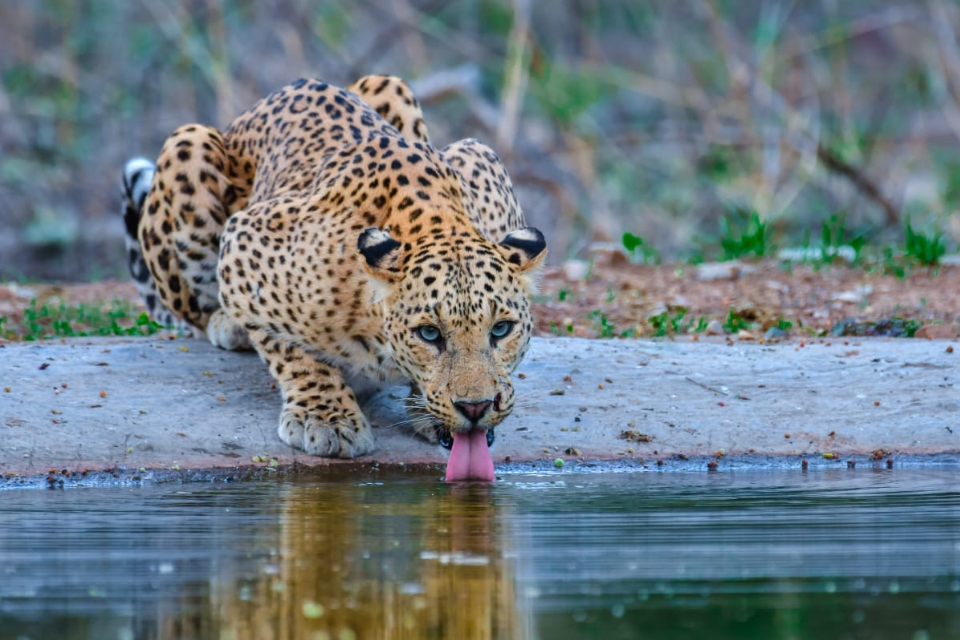
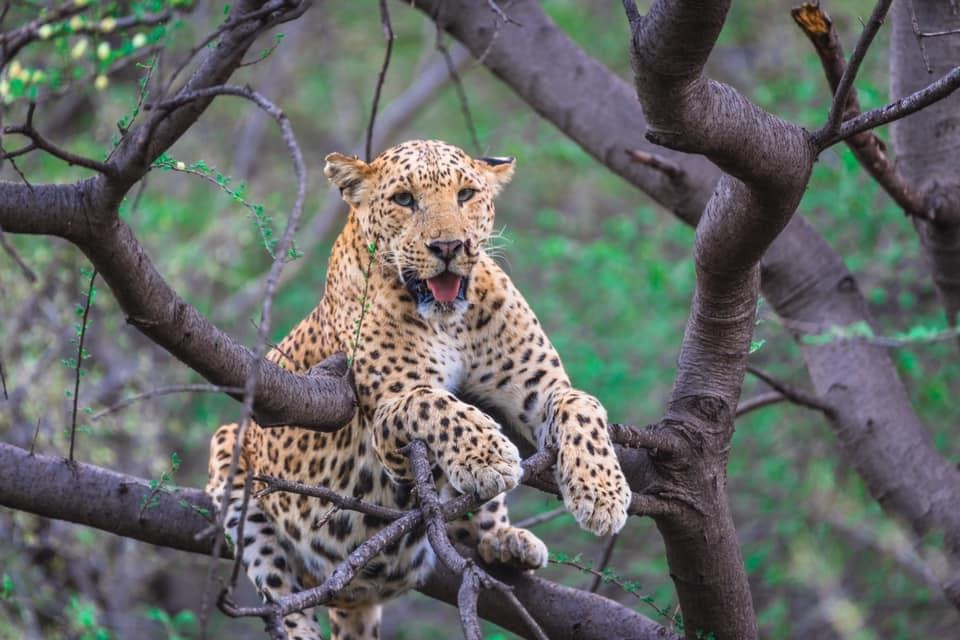
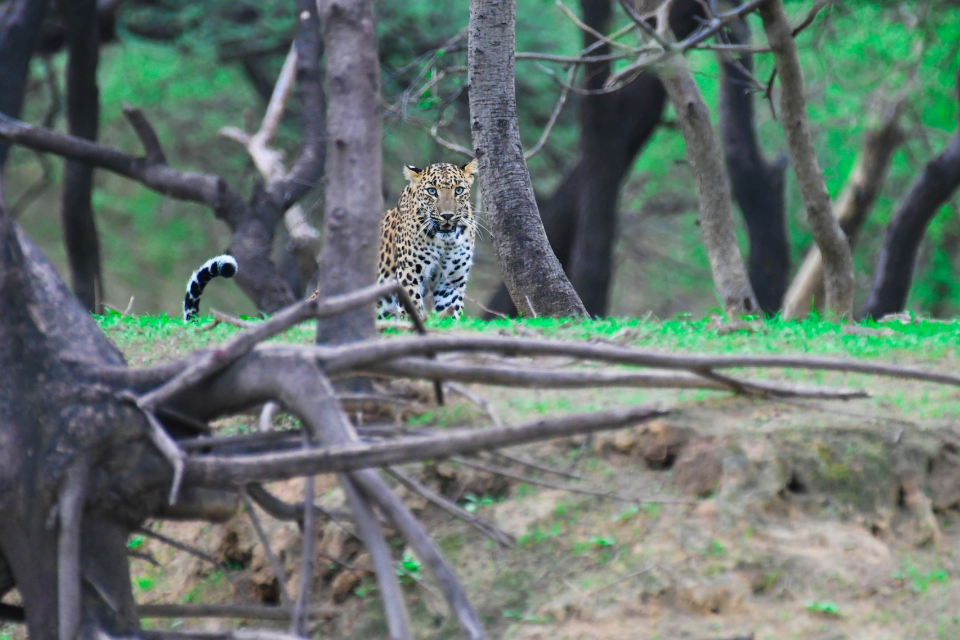
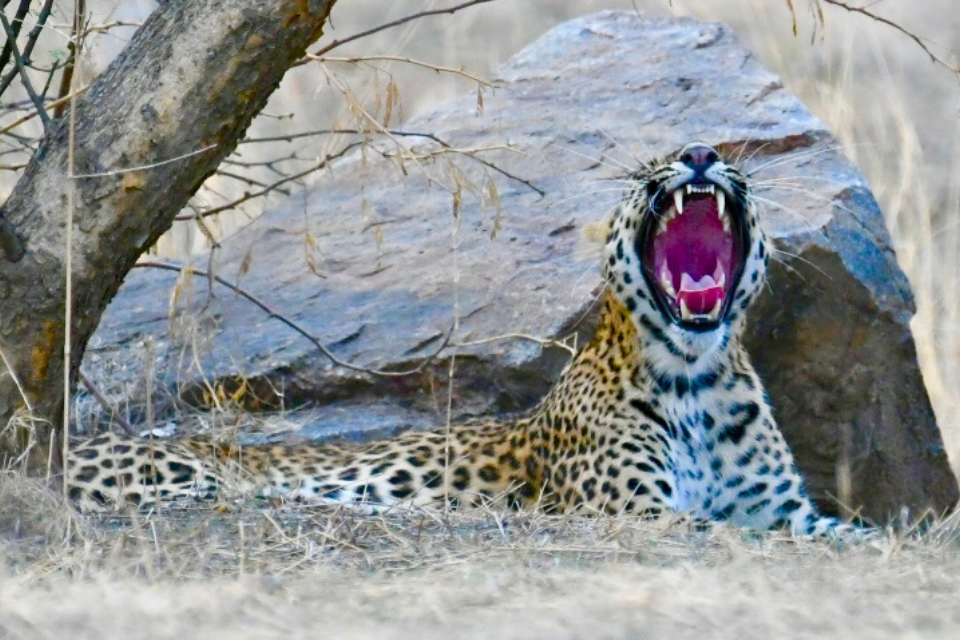
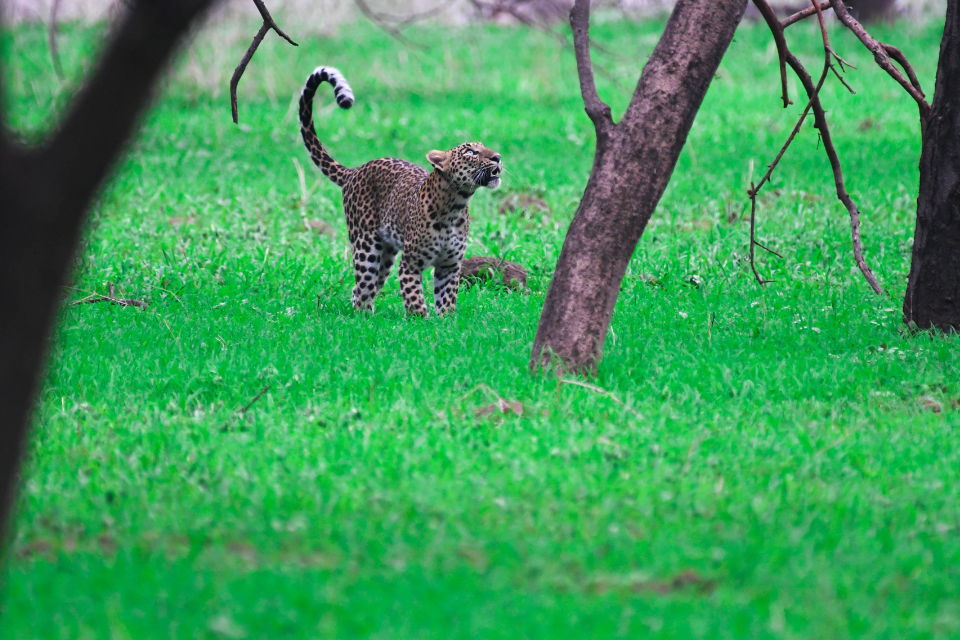
What sets the Aravalli Leopard Reserve apart is the intimacy of the sightings. Thanks to the compact nature of the Aravalli Wildlife Corridor, naturalists have identified individual leopards by their unique rosette patterns.
-
Flora (The Matriarch): Perhaps the most famous resident of the Aravalli Leopard Reserve, Flora is known for her calm demeanor around safari vehicles. She has raised multiple litters within the Aravalli Wildlife Corridor, teaching them the art of “urban hunting.”
-
Simba (The Ridge King): A massive male often seen patrolling the highest points of the Aravalli Leopard Reserve. His silhouette against the Jaipur sunset is the “Holy Grail” for wildlife photographers.
-
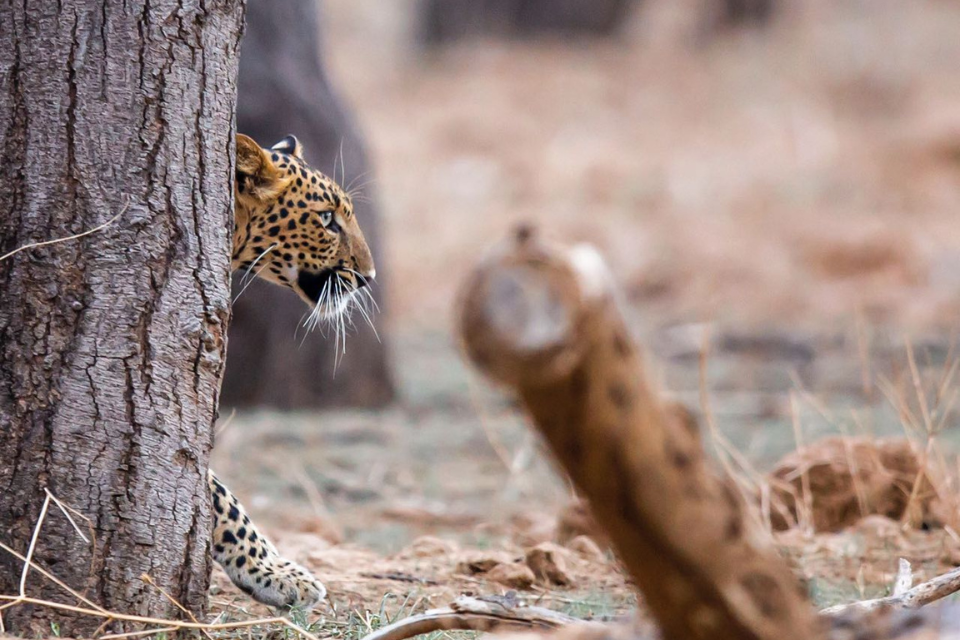
Juliet: A younger, more inquisitive female who frequently crosses the sandy tracks of the Reserve, providing breathtaking close-up encounters.
Knowing these individuals transforms an Aravalli Leopard Reserve safari from a mere “sighting” into a narrative experience.
3. The Biodiversity Web: Life in the Aravalli Wildlife Corridor
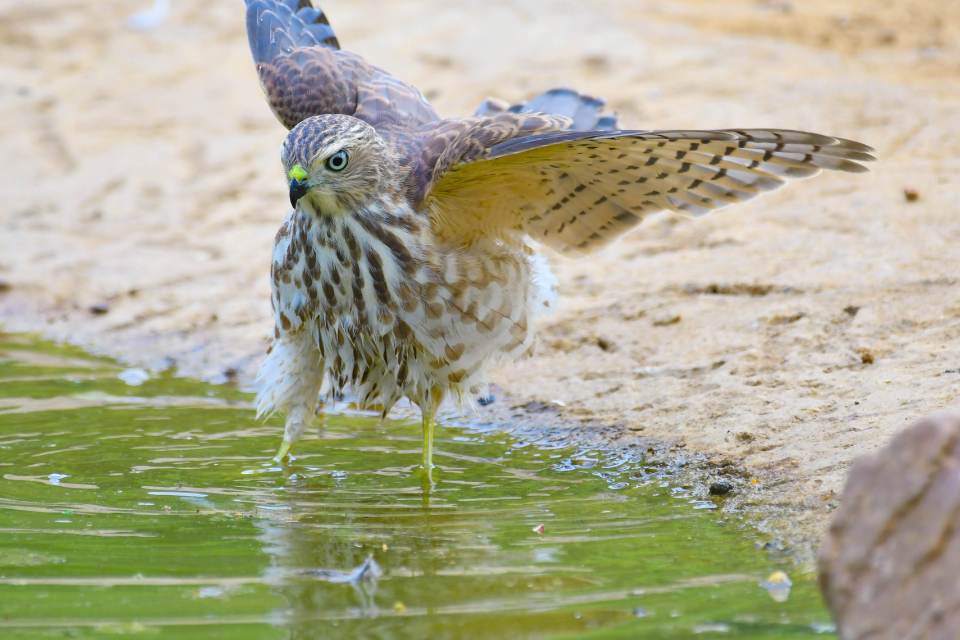
While the leopard is the apex predator, the Aravalli Leopard Reserve is a complex ecosystem. The Aravalli Wildlife Corridor supports a surprising variety of life that often goes unnoticed by those only looking for big cats.
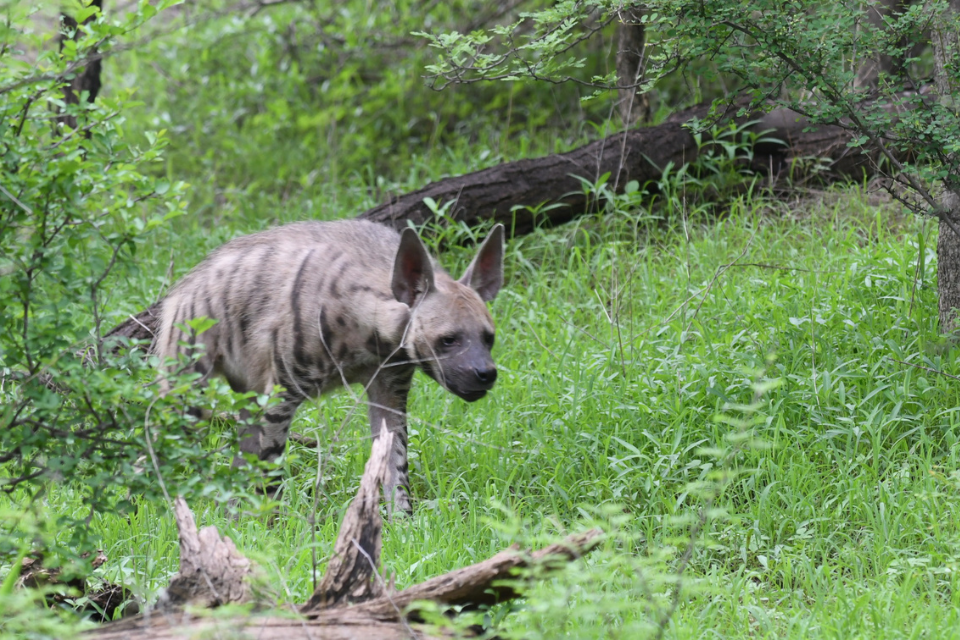
The Scavenger Squad: Striped Hyenas
The Aravalli Leopard Reserve is one of the few places in India where you can reliably spot the Striped Hyena. These nocturnal “cleaners” of the Aravalli Wildlife Corridor have become more diurnal in recent years. Seeing a hyena return to its cave in the Aravalli Leopard Reserve during the golden hour is a highlight of the morning shift.
The Herbivore Foundation
The leopards of the Aravalli Leopard Reserve rely on a steady prey base:
-
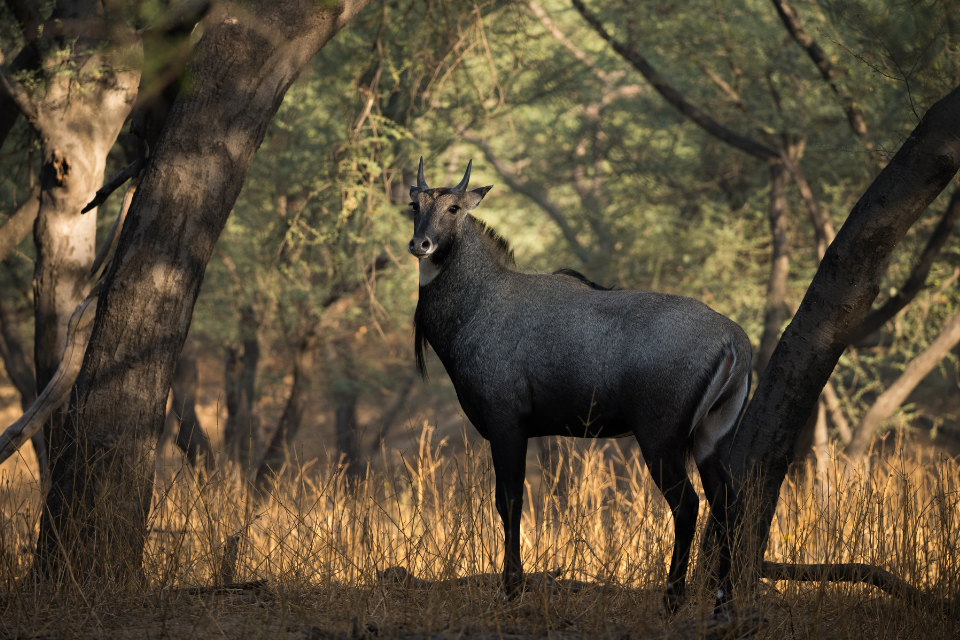
Nilgai (Blue Bull): The largest Asian antelope, often seen in the valley floors of the Aravalli Wildlife Corridor.
-
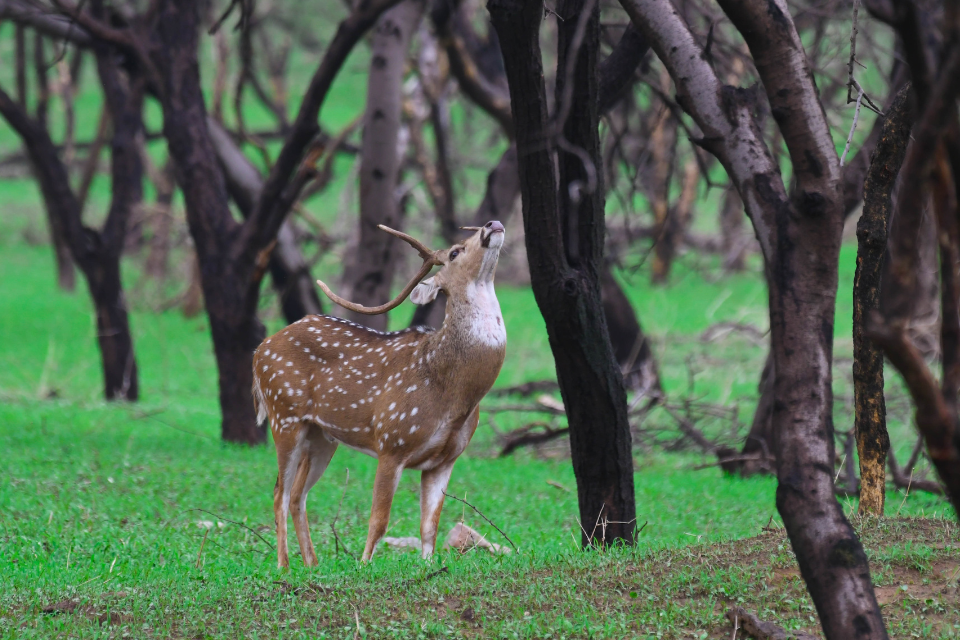
Spotted Deer (Chital): Their alarm calls are the primary “radar” used by guides in the Aravalli Leopard Reserve.
-
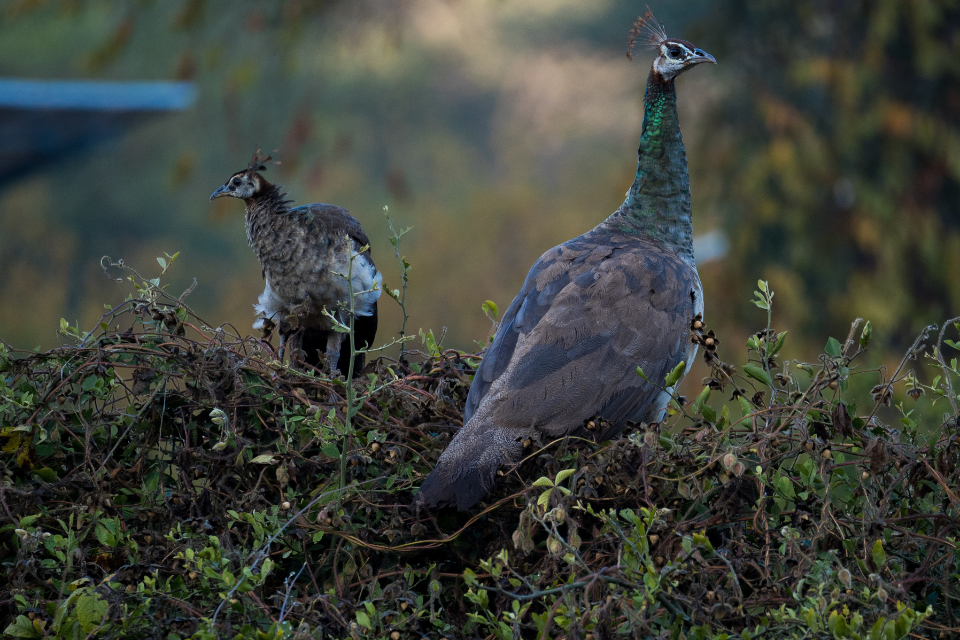
Peacocks: Surprisingly, these birds are a significant part of the leopard’s diet in the Aravalli Leopard Reserve.
4. Masterclass: Photography in the Aravalli Leopard Reserve
With its high-density population, the Aravalli Leopard Reserve is a playground for photographers. However, the Aravalli Wildlife Corridor presents unique challenges.
-
Managing the Light: The deep valleys of the Aravalli Leopard Reserve create sharp shadows. The best shots happen in the “blue hour” just before sunrise or the “golden hour” before dusk.
-
Lens Selection: A 100-400mm or 200-600mm lens is ideal for the Leopard Reserve. Because the cats are often close to the vehicles, you don’t always need a massive prime lens.
-
The “City-Scape” Shot: One of the most iconic photos you can take in the Aravalli Leopard Reserve is a leopard on a ridge with the Jaipur city lights or buildings in the blurred background. It perfectly captures the theme of the Aravalli Wildlife Corridor.
5. The 2026 Conservation Frontier: The “Green Wall.”
The Leopard Reserve is at the heart of the “Aravalli Green Wall Project.” This initiative aims to restore a 5km buffer zone across the Aravalli Wildlife Corridor to stop the eastward expansion of the Thar Desert.
Invasive Species Management
A major challenge in the Aravalli Leopard Reserve has been the spread of Prosopis juliflora (an invasive shrub). In 2026, the forest department has intensified efforts to replace this with native species like Dhok and Khejri. This restoration is vital for the herbivores of the Aravalli Wildlife Corridor, which in turn supports the leopard population of the Aravalli Leopard Reserve.
6. Planning Your Aravalli Leopard Reserve Trip: Logistics & Rates
To ensure your Jaipur Safari booking goes smoothly, keep these 2026 updates in mind:
Safari Shifts and Timing
The Aravalli Leopard Reserve operates in two main shifts, which vary by season to maximize sighting chances in the Aravalli Wildlife Corridor.
-
Winter (Oct-Feb): 7:00 AM – 9:30 AM | 3:15 PM – 5:45 PM
-
Summer (Mar-June): 5:45 AM – 8:15 AM | 4:15 PM – 6:45 PM
2026 Pricing (Standard Rates)
| Category | Shared Jeep (Per Person) | Private Jeep (Up to 6 Pax) |
| Indian Citizen | ₹1,500 | ₹7,500 |
| Foreign National | ₹3,000 | ₹12,000 |
Note: These rates for the Aravalli Leopard Reserve include the entry permit, vehicle hire, and mandatory naturalist fees.
7. Ethos of the Reserve: Responsible Tourism
As the Aravalli Leopard Reserve grows in popularity, maintaining the silence of the Aravalli Wildlife Corridor is paramount.
-
Maintain Silence: Leopards in the Reserve are sensitive to human voices, even if they are used to engine noise.
-
No Littering: The Aravalli Wildlife Corridor is a plastic-free zone.
-
Flash-Free: Flash photography is strictly prohibited in the Aravalli Leopard Reserve as it can disorient the animals.
Frequently Asked Questions (FAQ)
Q1: How does the Aravalli Leopard Reserve compare to Jhalana?
Technically, Jhalana is the most famous block within the Aravalli Leopard Reserve system. When you book a safari here, you are entering the heart of the Aravalli Wildlife Corridor.
Q2: Are there any other predators in the Aravalli Leopard Reserve?
Aside from leopards, you may see Striped Hyenas, Desert Foxes, Golden Jackals, and Jungle Cats. There are no tigers or lions in the Leopard Reserve, which allows the leopards to be the “top dogs.”
Q3: Is an evening safari better than a morning one?
In the Aravalli Leopard Reserve, both are productive. Morning safaris are great for birdwatching in the Aravalli Wildlife Corridor, while evening safaris often provide dramatic “cat on the ridge” sightings as the leopards begin their hunt.
Q4: How do I make a Leopard Reserve booking?
You can book online through the official Rajasthan Forest Department portal. It is highly recommended to book your Leopard Reserve slot at least 30 days in advance during peak season.
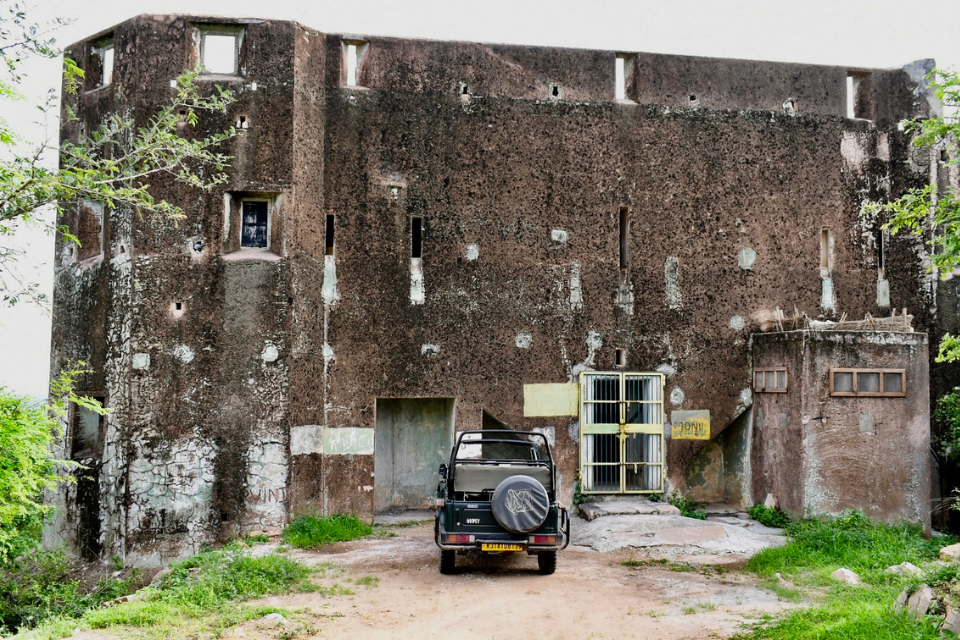
Q5: What is the “Shikar Oudi” inside the reserve?
The Shikar Oudi is a historic hunting lodge within the Aravalli. It offers a panoramic view of the Aravalli Wildlife Corridor and is a great spot to stretch your legs (with permission) and take in the landscape.
Disclaimer
Wildlife sightings in the Leopard Reserve are based on nature and are never 100% guaranteed. The Aravalli Wildlife Corridor is a protected area, and all visitors must adhere to the rules set by the Rajasthan Forest Department. Ensure your Leopard Reserve booking is done through official channels to avoid unauthorized operators.