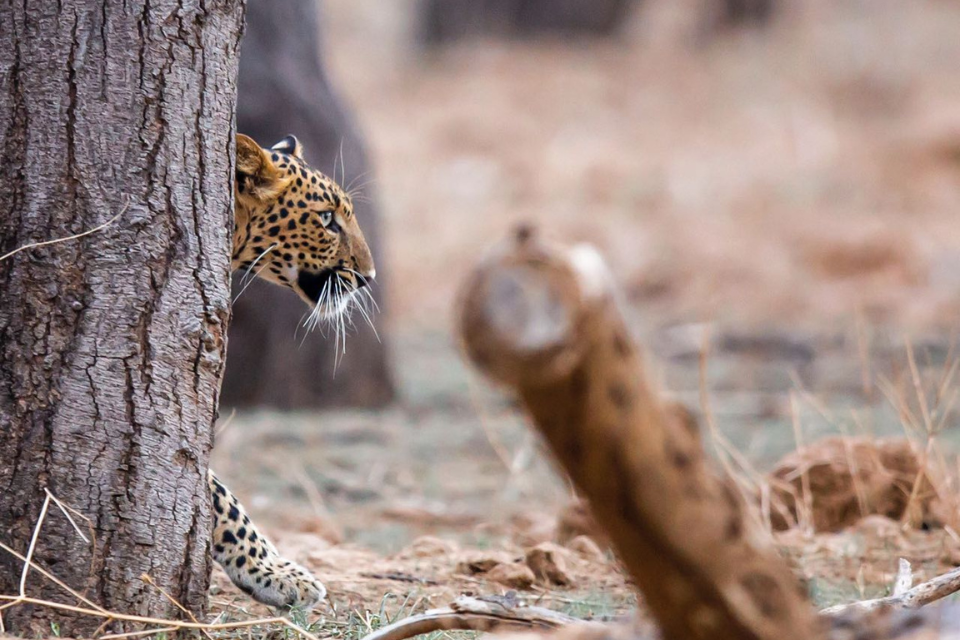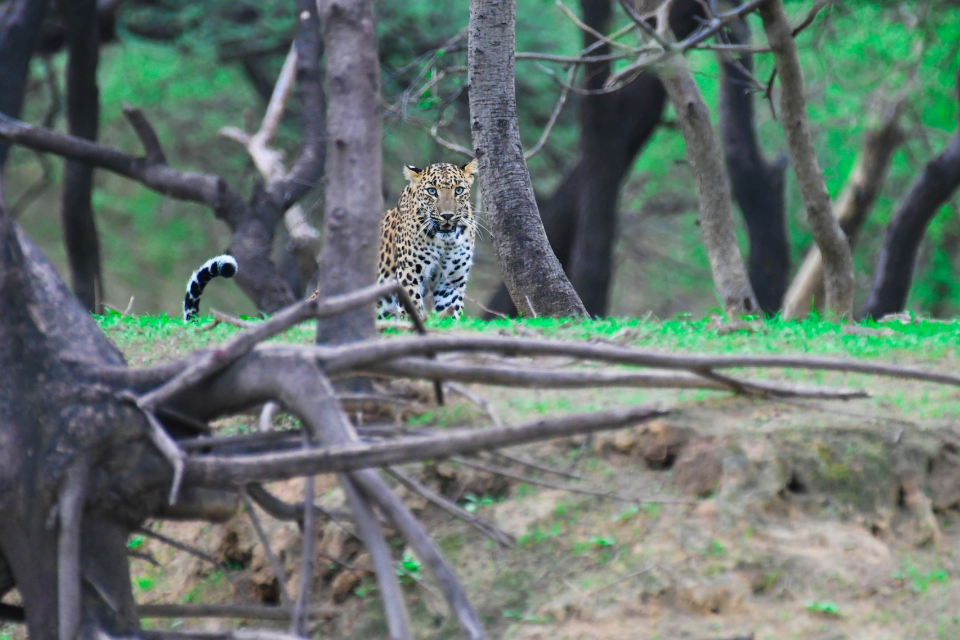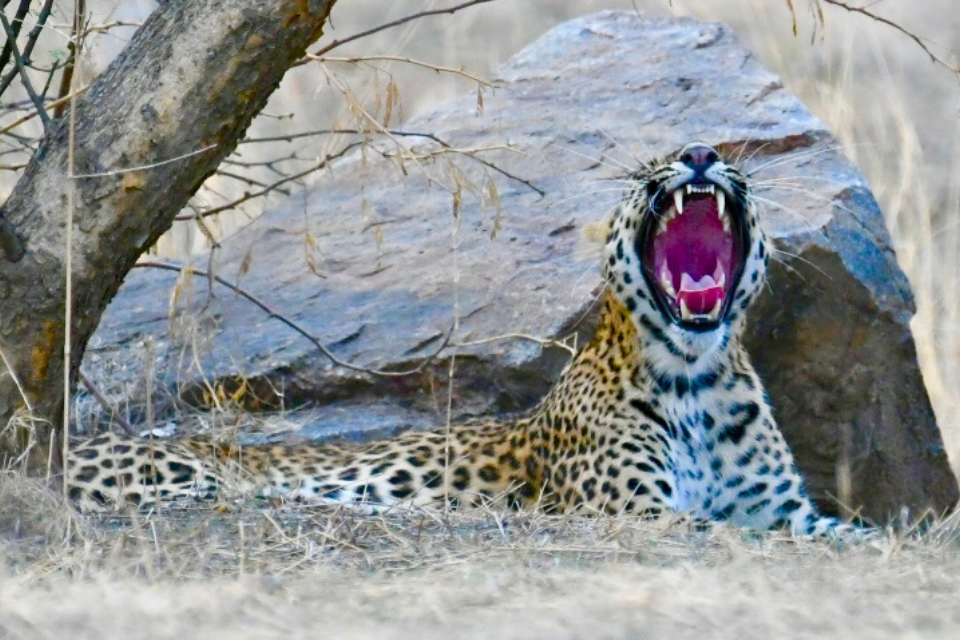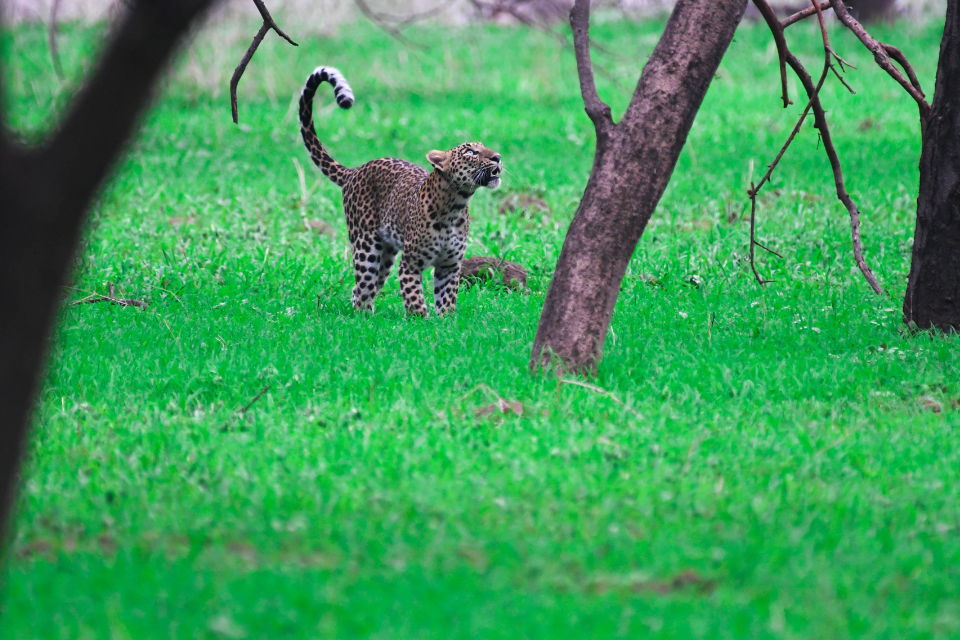
Can you imagine spotting a wild leopard roaming freely just minutes away from a bustling capital city? While most wildlife enthusiasts travel deep into national parks like Ranthambore or Sariska, Jaipur offers a thrilling wildlife experience right within its city limits: the Jhalana Panther Safari.
Jhalana (or Jhalana Leopard Reserve) holds the proud distinction of being India’s first dedicated leopard reserve. Spread across a relatively compact area of roughly 21 square kilometers, this dry deciduous forest is surrounded by the Aravalli hills and urban Jaipur. Because the reserve has a high density of apex predators and no competing tigers, it has quickly become one of the best places in the world to witness leopards in their natural habitat.
Why Jhalana is a Must-Visit Wildlife Spot
If you are short on time but still want a raw safari experience, Jhalana delivers exactly what you need without the long travel hours:
-
Incredible Sighting Success: Due to the high concentration of leopards (over 40 individuals) in a small territory, your chances of a sighting here are significantly higher than in larger national parks.
-
Zero Travel Fatigue: Located right inside Jaipur city, you don’t need to block out a whole weekend. You can finish your morning safari and be back at your hotel in time for brunch.
-
Year-Round Accessibility: Unlike many national parks in India that shut down entirely for the monsoon season, Jhalana remains open for tourists throughout the year.
Safari Logistics & Quick Reference
Before booking your slot, here is a quick scannable overview of the essential operational details of the park.
Core Overview Table
What to Expect: The Safari Experience
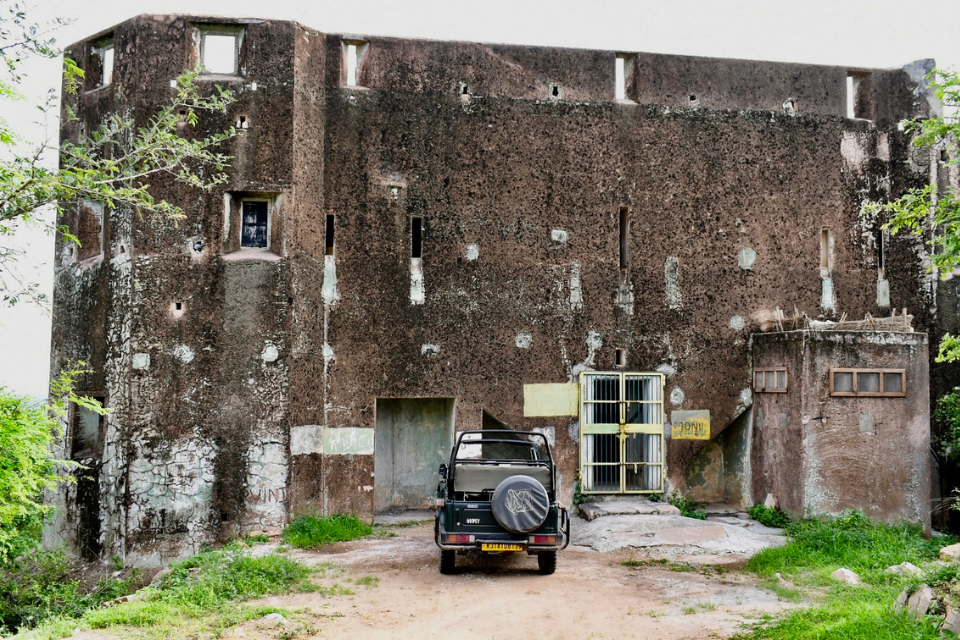
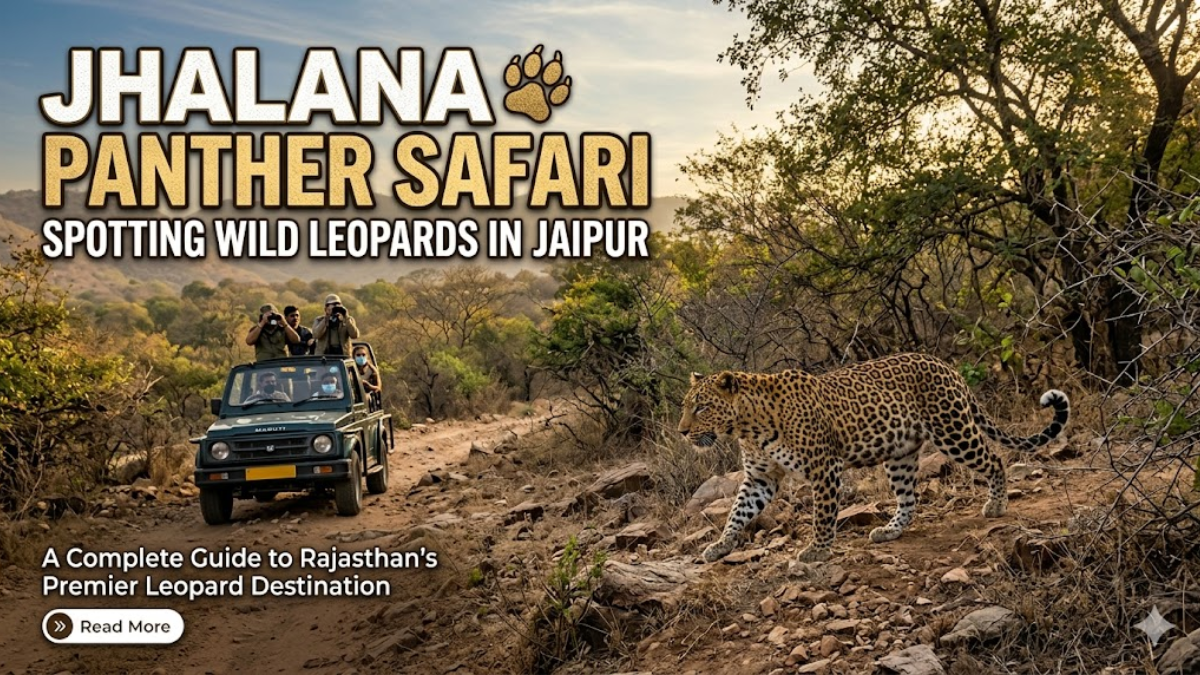
The Jhalana Panther Safari is conducted twice a day—once in the early morning and once in the late afternoon. You will board an open-top 4×4 Gypsy accompanied by a certified forest driver and an expert tracker guide.
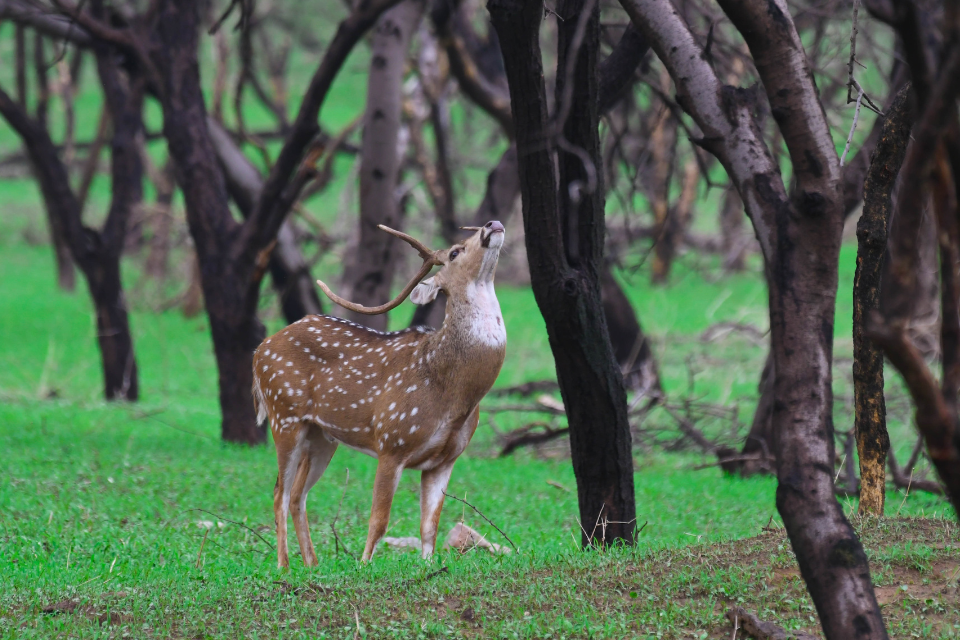
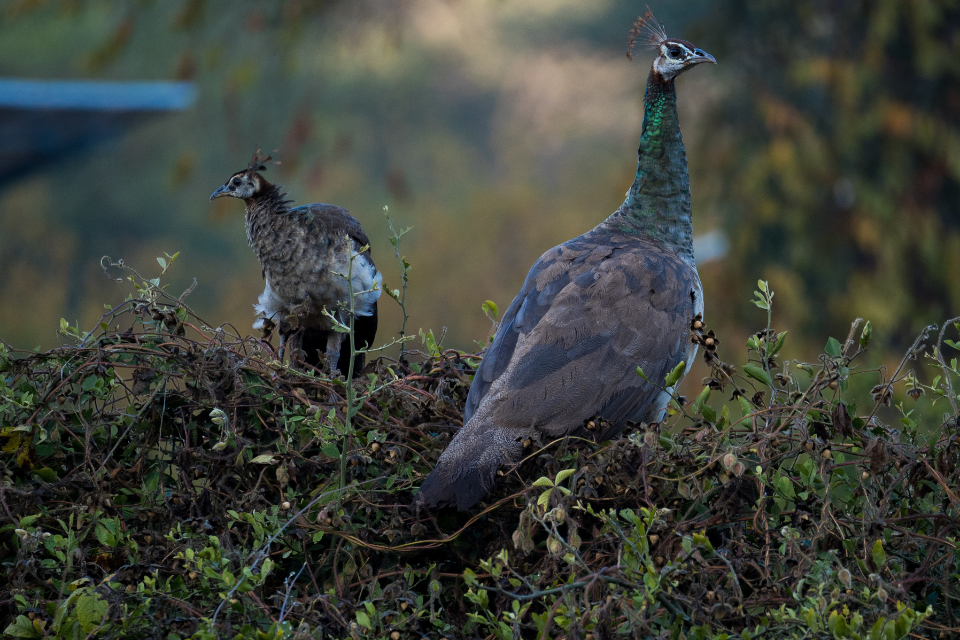
As you pass through the forest gates, the city noise disappears, replaced by the alarm calls of peacocks, spotted deer (chital), and hanuman langurs. These warning calls are the guide’s primary tool for tracking down a hidden panther.
Key Wildlife to Spot:
-
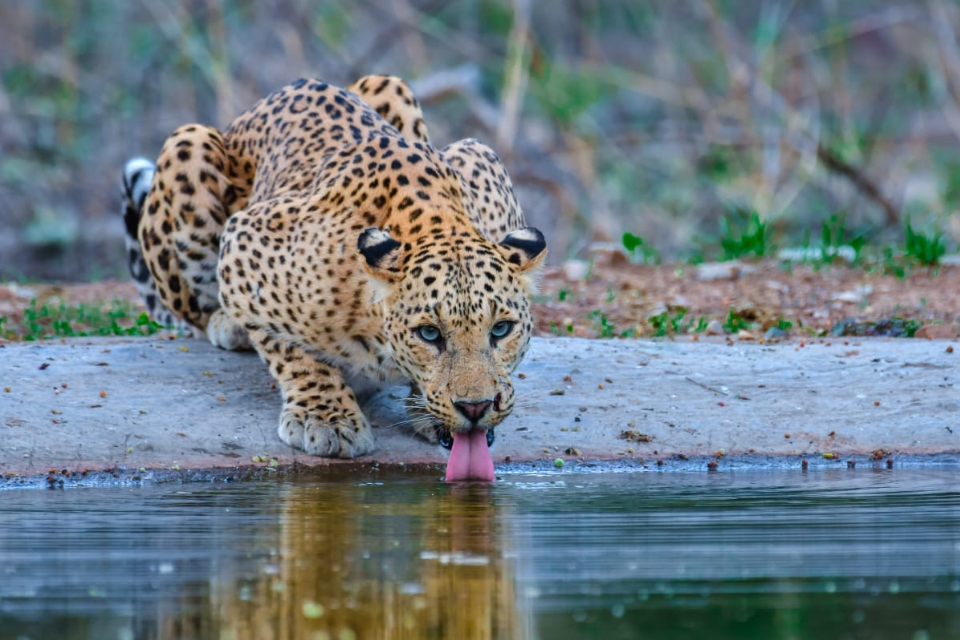
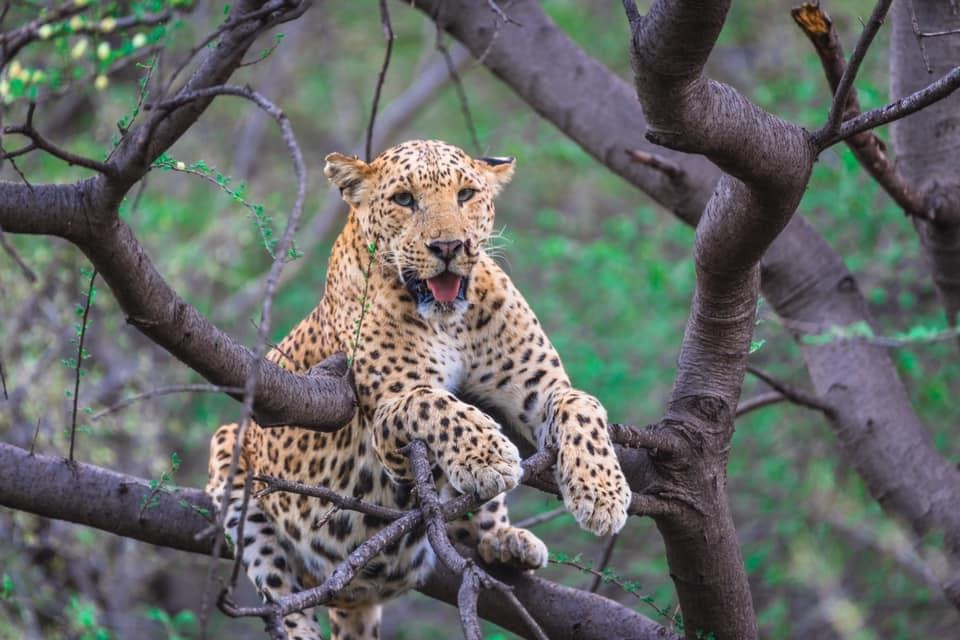
The Indian Leopard: The main star of the show. Jhalana’s leopards are remarkably comfortable around safari vehicles, often walking right past the Gypsies or resting out in the open on rocky outcrops.
-
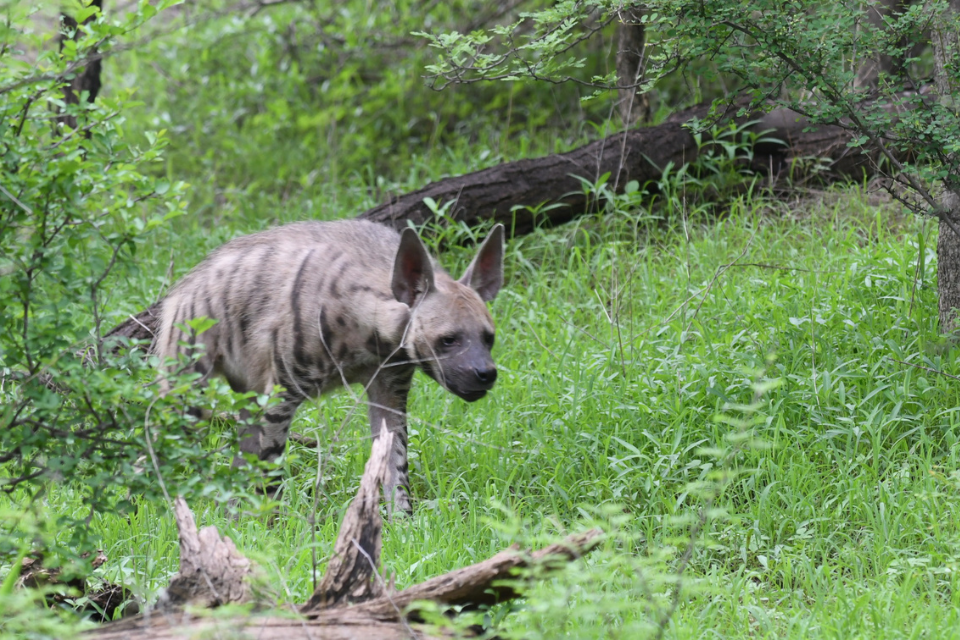
Striped Hyena: The second-largest predator in the park. Sightings are rare but highly rewarding, especially near their rocky dens.
-
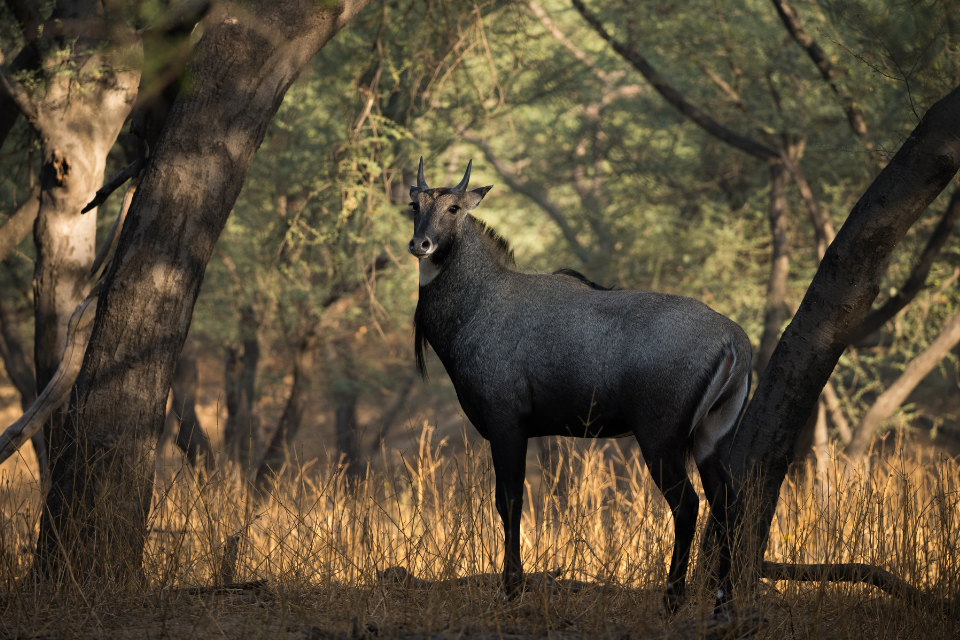
Blue Bulls (Nilgai): The largest antelopes in Asia roam the flat terrains of the park in large numbers.
-
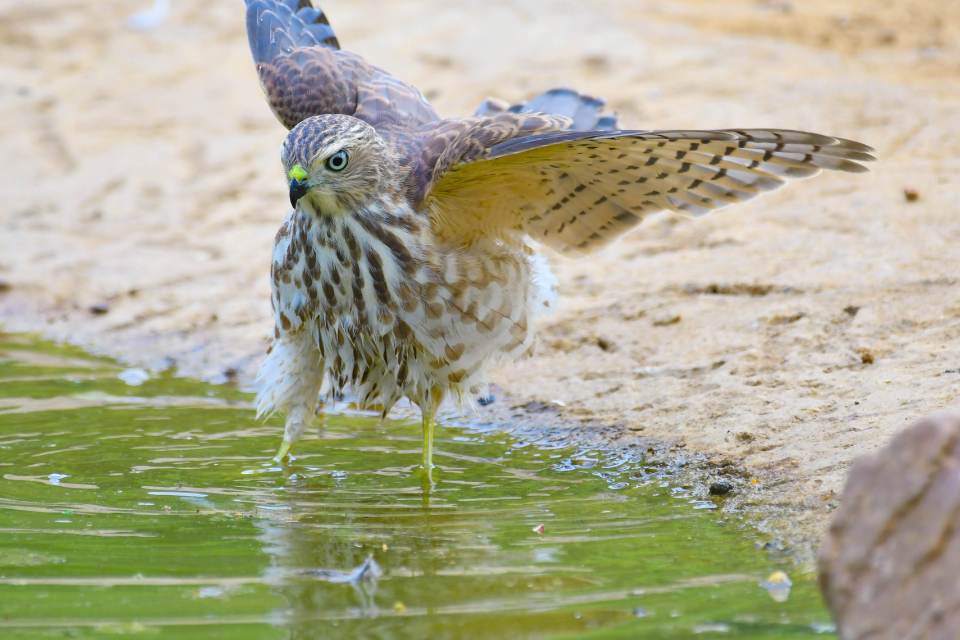
Avian Species: A paradise for birdwatchers, home to the Indian Pitta, Eurasian Eagle Owl, Spotted Owlet, and various migratory birds.
How to Book Tickets & Avoid Common Pitfalls
Because the forest department strictly limits the number of vehicles allowed inside each zone per shift to prevent overcrowding, booking ahead is essential.
-
Official Booking Channel: Always use the official website of the Rajasthan Forest Department to secure your permits directly. Avoid paying inflated rates to unverified third-party roadside vendors.
-
Book Well in Advance: Weekend slots and afternoon shifts fill up weeks ahead, especially during peak tourist season (October to March). Try to book at least 15 to 30 days before your trip.
-
Carry Valid ID: The name on your booking permit must match your physical identification card (Aadhaar, Passport, or Driving License), which will be verified at the forest entry gate.
Approximate Cost Structure
To help you budget for this activity, here is a realistic cost breakdown for a standard safari seat or an entire vehicle block:
Note: Prices include the forest entry permit fee, vehicle rental fee, and mandatory guide charges.
Smart Tips for Your Jhalana Safari
-
Pick the Afternoon Shift for Better Shots: While mornings are cooler and peaceful, afternoon safaris often yield better leopard sightings as the animals head toward designated water holes before dusk.
-
Dress in Earth Tones: Avoid bright colors like red, yellow, or white, which can startle wild animals. Stick to olive green, khaki, tan, or brown clothing.
-
Bring a Telephoto Lens: While leopards sometimes come close, a camera lens with at least 300mm focal length is highly recommended to capture crisp details of their striking rosettes.
-
Maintain Strict Silence: Leopards have highly sensitive hearing. Whispering when an animal is spotted helps ensure it stays relaxed and stays in view longer.
Conclusion: Is Jhalana Worth It?
If you want a quick, raw, and high-probability wildlife experience without the long drives of a typical national park, the Jhalana Panther Safari is absolutely worth it. It is efficient, budget-friendly, and offers an intimate look at one of the world’s most elusive big cats right in Jaipur.
Frequently Asked Questions (FAQs)
What are the standard safari timings for Jhalana?
Timings shift slightly depending on sunrise and sunset. Generally, the morning shift runs from 06:00 AM to 08:30 AM, and the afternoon shift operates from 03:30 PM to 06:00 PM.
Is Jhalana closed during the monsoon season?
No, unlike Ranthambore, Jhalana Leopard Reserve remains open for tourists throughout the monsoon months (July to September), offering beautiful green forest backdrops.
How many days in advance should I book my safari?
It is highly recommended to book your safari at least 15 to 20 days in advance, especially if you are aiming for a weekend slot or a private vehicle permit.
Is Jhalana safe for children?
Yes, the safari is entirely safe for families and children. The open Gypsies are sturdy, and the animals are well-accustomed to the vehicles. However, children must remain seated and quiet throughout the drive.
Can we take our personal cars inside the reserve?
No, private vehicles are strictly barred inside the forest reserve. You can only explore the park tracks using authorized forest department 4×4 Gypsies.
What is the difference between Jhalana and Amagarh Leopard Reserve?
Both are located in Jaipur, but Amagarh is a newer reserve opened to manage tourist flow. Jhalana remains the older, more established track with more habituated leopards and a slightly higher sighting frequency.