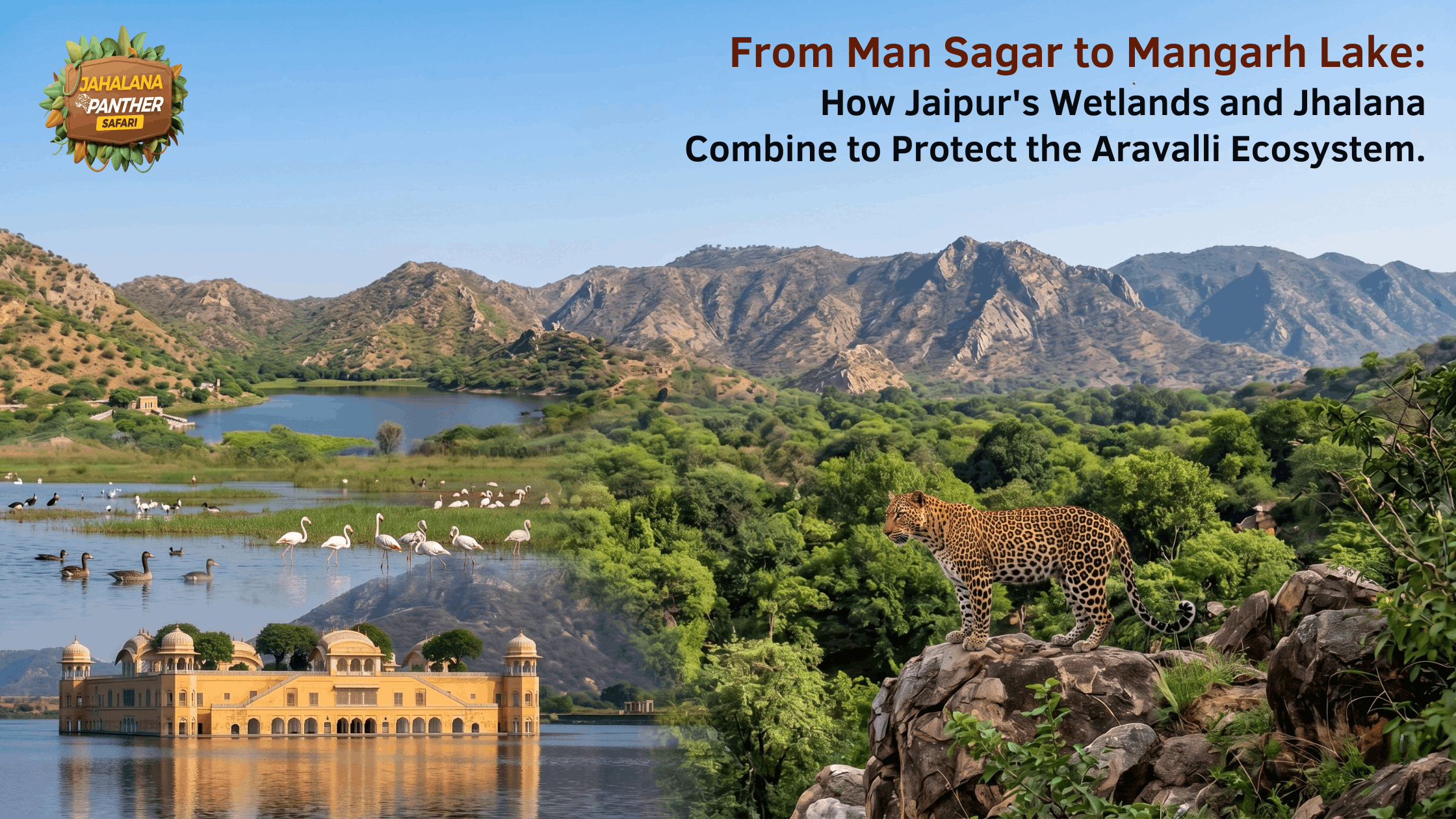
Jaipur Wetlands and Jhalana Wildlife Ecosystem, Jaipur is globally celebrated for its architectural geometry, blushing pink sandstone, and royal legacy. However, as we navigate 2026, the capital of Rajasthan is fast becoming the global poster child for a entirely different architectural feat: urban ecological infrastructure.
At first glance, the sprawling city seems to push directly against the jagged, ancient Aravalli Range. Yet, beneath the surface, a delicate and highly sophisticated relationship exists between Jaipur’s historic urban wetlands and the dry deciduous scrub forests of the Jhalana Leopard Reserve.
From the shimmering waters of Man Sagar (Jal Mahal) to the hidden forest oases of Mangarh Lake and Naila Pond, these interconnected water systems form a critical ecological defense line. This system prevents severe groundwater depletion, revitalizes the regional climate, and ensures that one of the highest densities of wild leopards on Earth coexists peacefully alongside a metropolitan population of four million people.
The Hydrological Link: Connecting Urban Lakes to Forest Water Holes
Jaipur’s semi-arid terrain means that water dictates the movement, survival, and behavioral patterns of every living organism. The Aravalli hills act as a massive natural drainage basin. When monsoon rains hit the ridges, the runoff is distributed across a network of natural lakes and low-lying valleys.
- Man Sagar (Jal Mahal) as the Anchor: Situated in the northern valley of Jaipur, the historic Man Sagar lake handles massive urban drainage and groundwater recharge. Decades of eco-restoration have transformed it from a troubled urban sink into a vibrant wetland that stabilizes the local water table.
- Subsurface Percolation: The high water table sustained by Man Sagar and seasonal lakes trickles directly through the fractured quartzite rock layers of the Aravallis. This subsurface flow acts as a natural water reservoir for the adjacent Jhalana and Amagarh forest valleys.
- The Rise of Forest Oases: Deep within Jhalana’s 20-square-kilometer sanctuary, natural water retention is minimal due to the rocky slopes. To capture this underground moisture and manage surface runoff, the Rajasthan Forest Department has developed and maintained crucial water oases—most notably Mangarh Lake, Naila Lake, and Jhalana Pond.
The Summer Crisis: Where Does Wildlife Get Water in Jaipur?
When the intense Rajasthani summer arrives, natural seasonal streams in the Aravallis dry up completely. Temperatures regularly soar past 45°C, turning the dry deciduous forest floor into a challenging environment for its inhabitants.
This raises an important question: Where does wildlife get water in Jaipur during summer?
The answer lies in a highly structured water management system deployed inside the Jhalana Leopard Reserve. Recognizing that natural water availability drops to near zero in May and June, authorities have built a network of solar-powered and manually replenished artificial water holes.
The Science Behind the Scarcity
- Solar-Pumped Rejuvenation: Modern borewells powered by solar arrays pump clean groundwater directly into stone-lined basins at Mangarh and Naila, ensuring a steady water supply even during intense heatwaves.
- Evaporation Management: Water holes are designed with narrow surface profiles and shaded by native trees like Dhok (Anogeissus pendula) and Khejri (Prosopis cineraria) to minimize evaporation losses caused by dry desert winds.
- The Centralized Sanctuary: By maintaining these water points throughout the dry season, the forest department creates a reliable water supply inside the reserve, giving wildlife no reason to leave the safety of the sanctuary boundaries.
Mitigating Conflict: The Water Shield Protecting Malviya Nagar
The strategic placement of water holes inside Jhalana is not just about animal welfare—it is a vital component of urban safety. Jhalana is an ecological island surrounded by dense residential and industrial neighborhoods, including Malviya Nagar, Jawahar Nagar, and Jagatpura.
[Forest Ridges] ➔ [Mangarh / Naila Water Holes] ➔ [Buffer Boundary Wall] ➔ [Urban Jaipur Habitation]
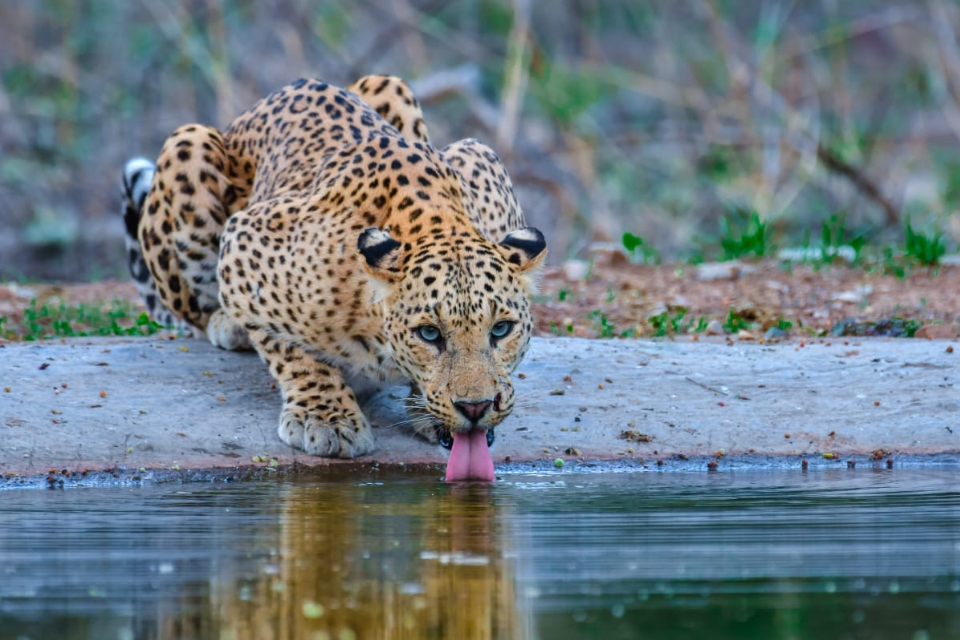
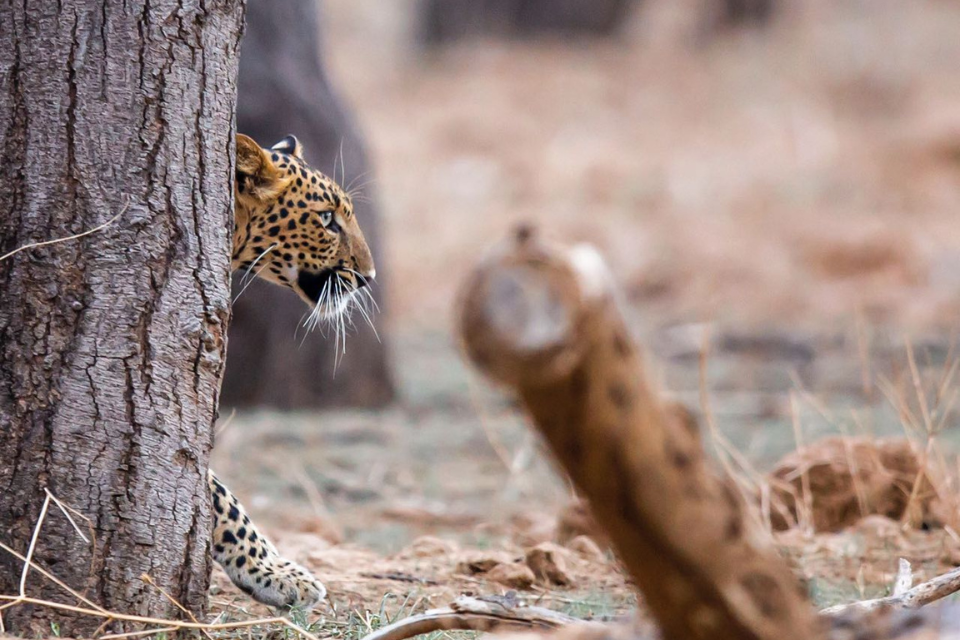
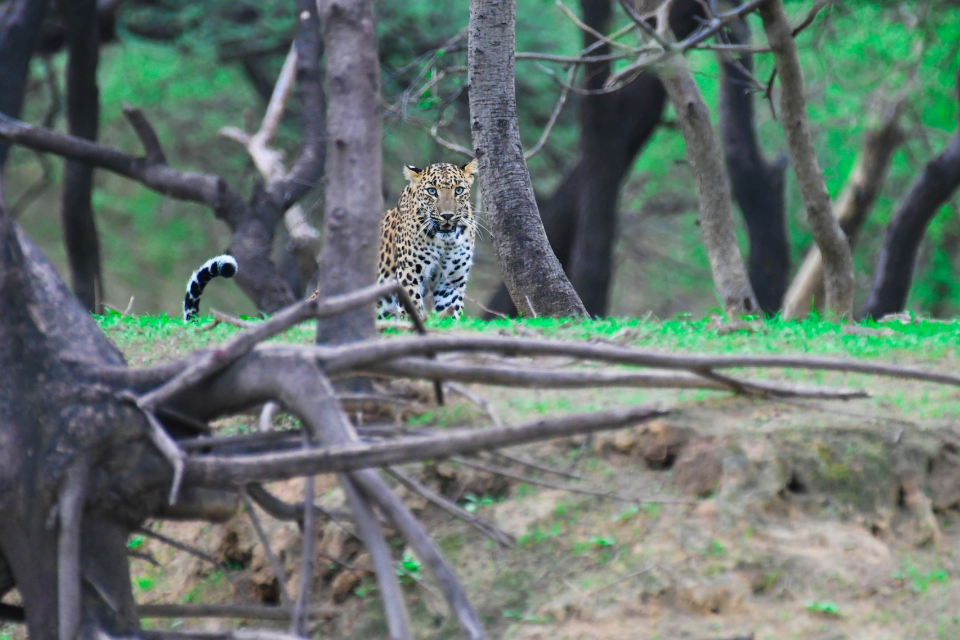
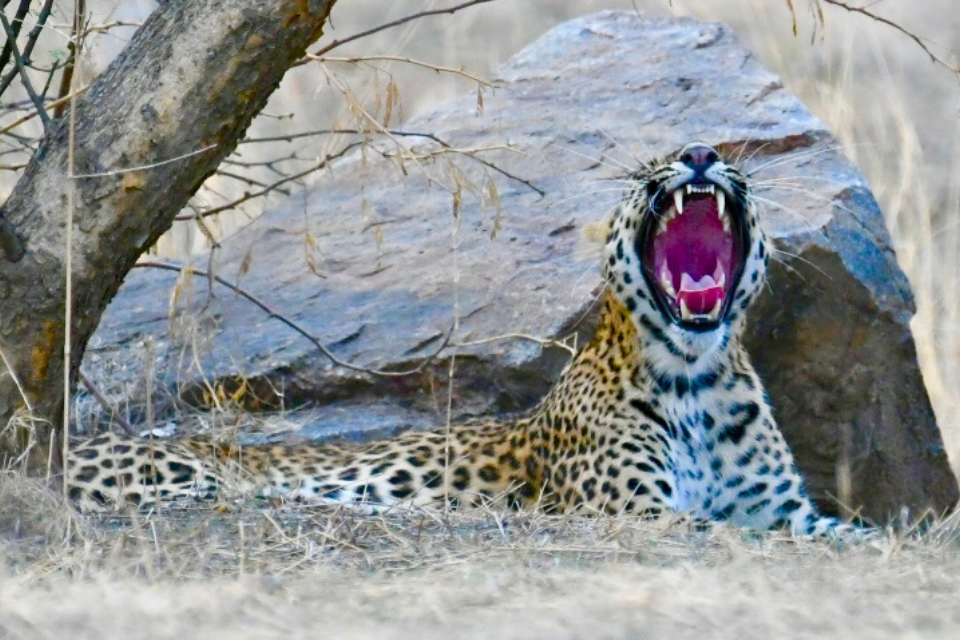
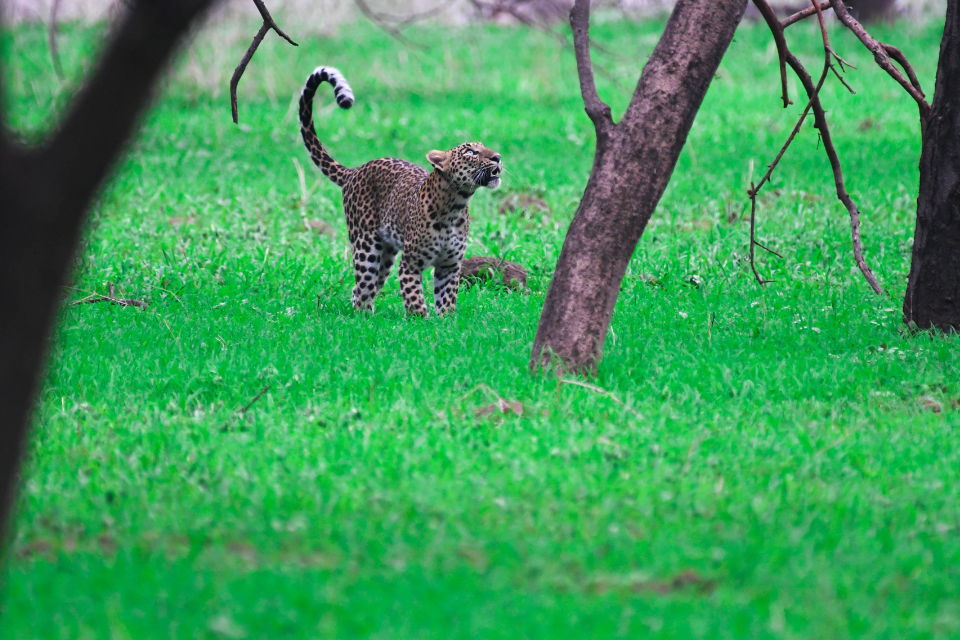
When an apex predator like the Indian Leopard (Panthera pardus fusca) faces extreme thirst, its natural instinct is to travel along valleys to find water. Without water holes inside the forest, these highly adaptable big cats would follow natural slopes downward, leading them straight into residential backyards, construction sites, and urban streets.
How Water Management Keeps the Peace:
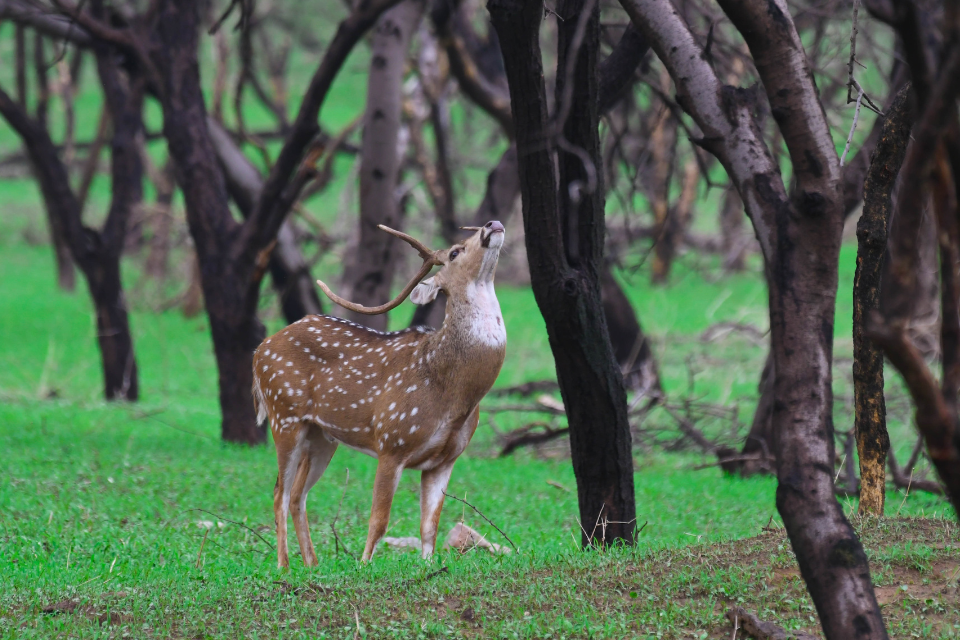
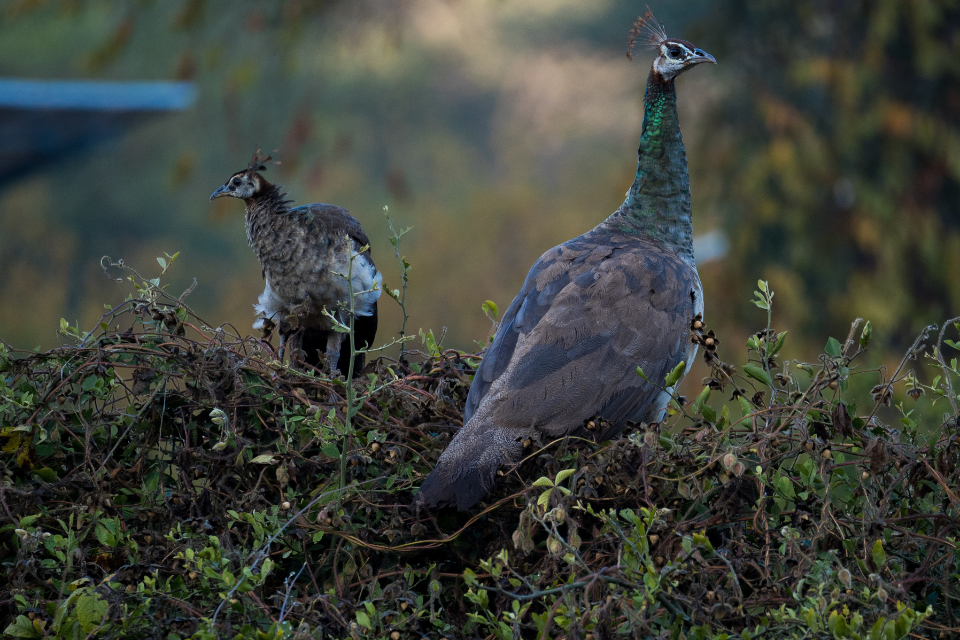
- Behavioral Anchoring: Thriving water points like Mangarh Lake act as behavioral anchors. Because food (spotted deer, blue bulls, and peacocks) and water are concentrated deep within the reserve’s core zones, leopards maintain their natural territories well away from the perimeter walls.
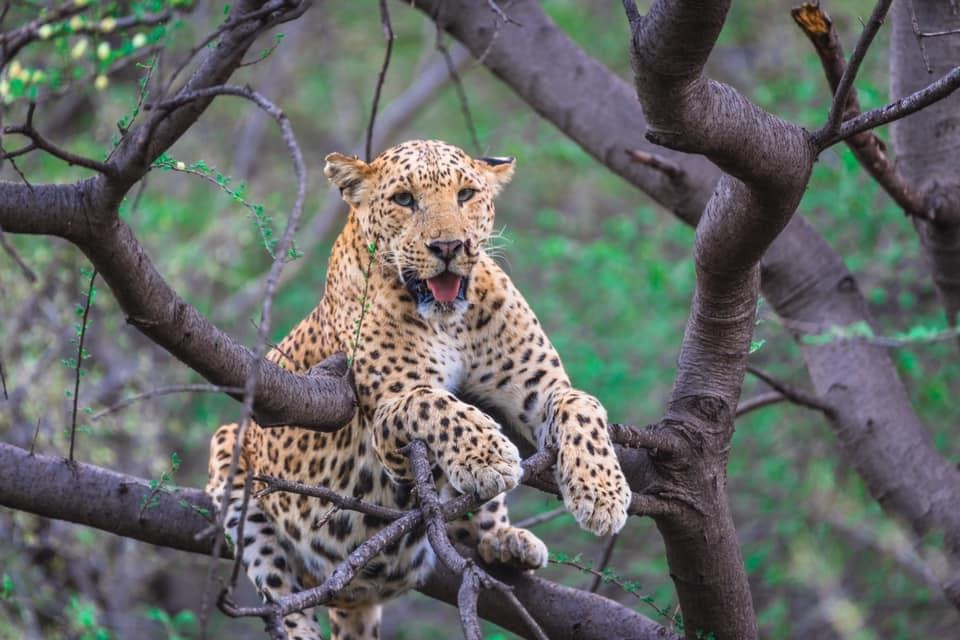
- Peaceful Coexistence: Thanks to these active water management strategies, Jhalana maintains a high leopard density (over 40 cats within 20 sq km) while recording zero human fatalities from leopard encounters inside the urban boundary. Mothers are routinely observed bringing their cubs to water holes in the presence of quiet safari vehicles, showing clear comfort within their protected home range.
The Ecological Impact: A Visual Comparison of Water Ecosystems
The relationship between Jaipur’s open urban wetlands and Jhalana’s managed forest water holes creates a balanced environment where both local and migratory species can thrive:
| Feature & Eco-Metric | Urban Wetlands (e.g., Man Sagar) | Forest Water Holes (e.g., Mangarh Lake) |
| Primary Hydrological Role | Mass stormwater retention and broad regional groundwater recharge. | Localized wildlife hydration points and tracking centers. |
| Water Source Type | Natural monsoon catchment supplemented by treated urban runoff. | Solar-powered deep tube wells and managed surface catchments. |
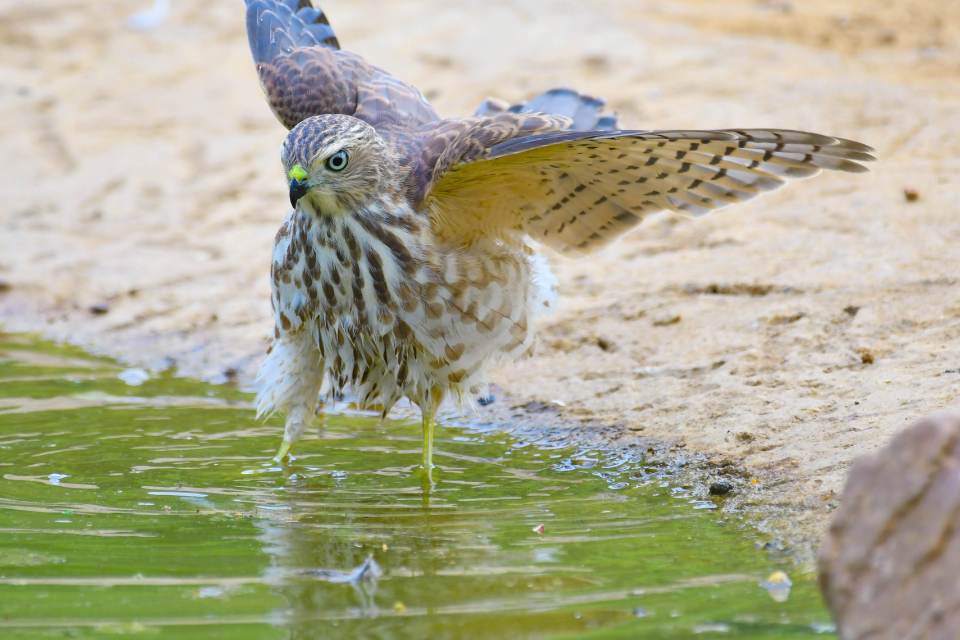
| Avian Population Focus | Large migratory waterfowl (Pintails, Shovellers, Flamingos). | Woodland residents and forest raptors (Owls, Shikras, Honey Buzzards). |
| Predator-Prey Interaction | Low interaction; acts primarily as a feeding and nesting wetland. | High interaction; primary hunting and ambush zones for leopards. |
The Flora and Fauna Blueprint: A Reclaimed Paradise
The combination of reliable water management and habitat restoration has allowed native biodiversity to reclaim the Aravalli hills, pushing back against decades of urban pressure.
- The Native Flora Revival: Systematically clearing invasive species like Vilayati Juliflora has allowed native grasses and plants to return to the valley floors. The slopes remain dominated by hardy Dhok trees, which turn a vibrant green during the monsoons and provide excellent camouflage for stalking predators.
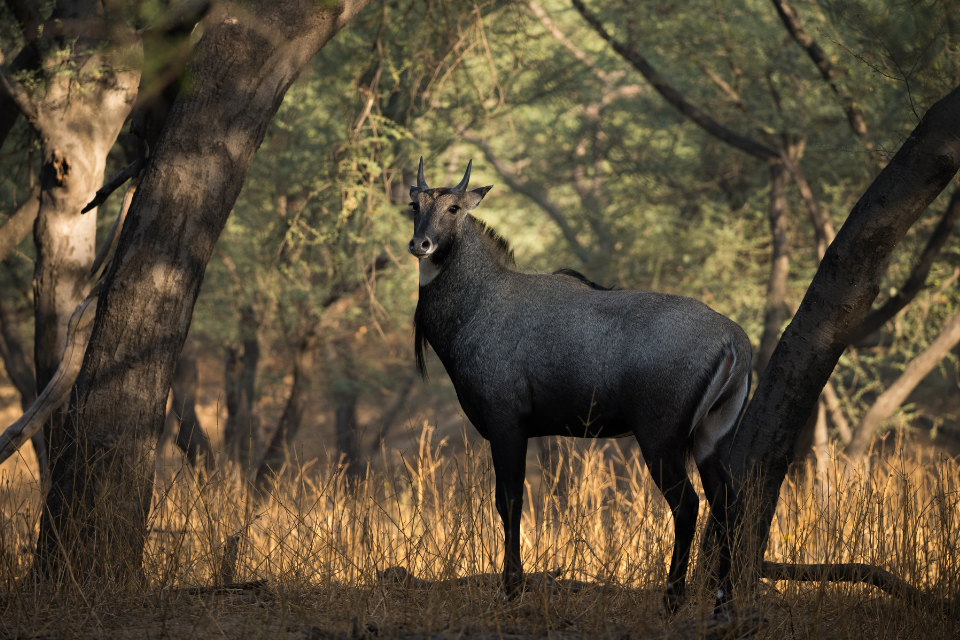
- A Thriving Prey Base: Stable water holes have triggered a steady increase in the populations of spotted deer (Chital), blue bulls (Nilgai), wild boars, and peafowl. A healthy, self-sustaining wild prey base ensures leopards have plenty of natural food options inside the reserve.
- The Avian Corridor: For birdwatchers, the area near Mangarh Lake is a spectacular vantage point. The combination of water and dense tree cover attracts over 200 species of birds, including the colorful Indian Pitta, Paradise Flycatchers, Crested Serpent Eagles, and Spotted Owlets nesting in old tree hollows.
FAQs: Understanding Jaipur’s Ecosystem & Water Networks
1. Why are artificial water holes necessary if Jaipur has natural lakes?
Natural lakes like Man Sagar are located outside the forest boundaries in urban areas. Artificial water holes provide a safe water source inside the protected forest reserves, keeping wildlife from wandering into the city.
2. How do forest officials keep water holes full during the hot summer months?
The forest department utilizes solar-powered tube wells to pump clean groundwater into the basins, supplementing them manually via water tankers when needed during peak heatwaves.
3. Does the leopard population in Jhalana change based on water availability?
The overall population remains stable, but leopard movement patterns shift noticeably. During the dry summer months, sightings near water holes like Mangarh and Naila increase significantly.
4. Can tourists visit Mangarh Lake on foot?
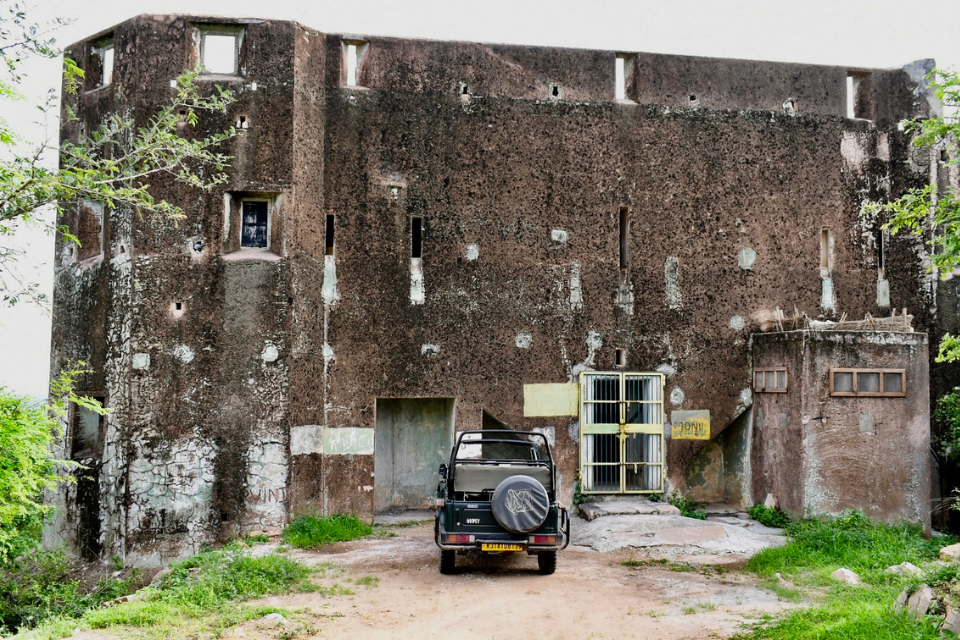
No. Mangarh Lake is located within the core zone of the Jhalana Leopard Reserve. Visitors can only view it from the safety of authorized open-top 4×4 safari vehicles.
5. What is the Waterhole Census?
It is an annual wildlife population survey conducted on Buddha Purnima (the full moon night in May). Volunteers and forest officials monitor water points for 24 hours to track and record animal sightings.
6. How does groundwater recharge in Man Sagar benefit Jhalana?
Man Sagar helps raise the regional water table across the valley, making it easier for solar pumps inside the forest to access shallow, clean groundwater.
7. Do leopards share these water points with other predators?
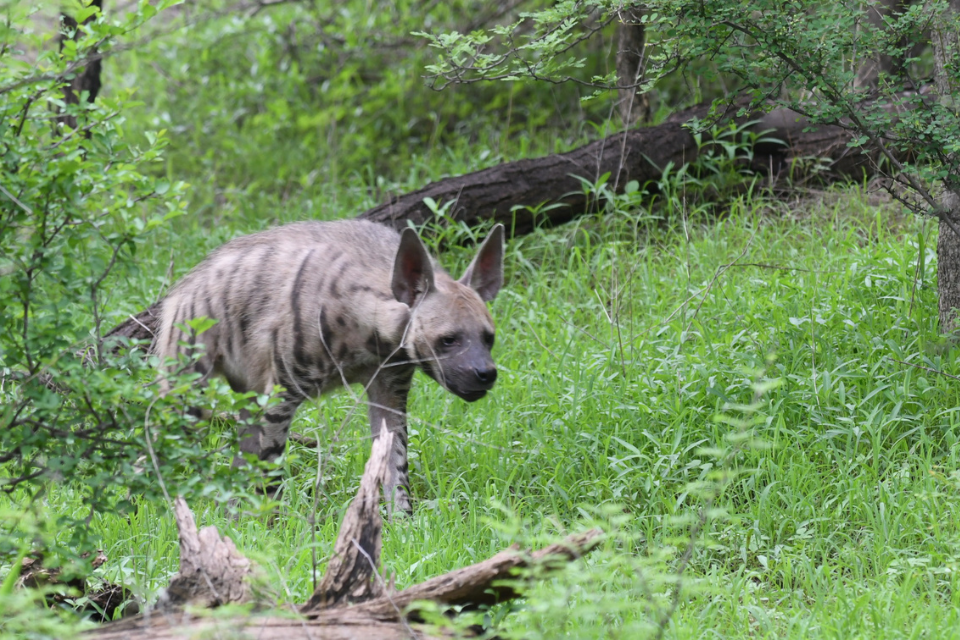
Yes. Striped hyenas, desert foxes, and golden jackals also rely on these water holes, often visiting during the late evening and night shifts to avoid direct competition with leopards.
8. What native trees grow around Jhalana’s water holes?
The shores are typically lined with Dhok, Khejri, Kumta (Acacia senegal), and Palas (Flame of the Forest), which provide excellent shade and cover.
9. Are the water holes treated with any chemicals?
No, the water is kept natural and chemical-free. Forest staff clean the stone basins regularly to remove organic debris and prevent algae buildup.
10. Has urban development impacted Jhalana’s natural water channels?
Yes. Roads and expanding neighborhoods have altered historical surface runoff channels, which is why artificial water holes are essential to maintain ecological balance.
11. Do migratory birds visit the water holes inside Jhalana?
Yes, several species of forest and woodland migratory birds use these quiet water holes as stopover points during the winter months.
12. What should I do if I see a leopard drinking at a water hole during a safari?
Remain completely quiet, stay seated inside the Gypsy, and avoid using camera flashes, as sudden movements or loud noises can startle the animal.
13. Are there any natural springs inside the Jhalana hills?
There are a few small seasonal springs that flow briefly during a heavy monsoon, but they dry up quickly once the dry season returns.
14. How does project leopard help manage human-wildlife conflict?
It funds critical infrastructure upgrades, including perimeter fencing, habitat restoration, prey base monitoring, and the construction of reliable water points.
15. How can independent travelers book a safari to see these water points?
Safaris can be booked through the official Rajasthan government SSO portal or via verified local wildlife tour operators.
Conclusion: Supporting the Living Heart of Jaipur
The connection between Jaipur’s urban wetlands and Jhalana’s forest water holes shows that cities and wildlife can coexist successfully when supported by thoughtful conservation strategy. By managing water resources mindfully within natural boundaries, Jaipur protects its rich biodiversity while creating unique opportunities for low-impact eco-tourism. Witnessing a leopard walk out of the dry Dhok forest to drink at Mangarh Lake is a powerful reminder of why protecting these natural ecosystems matters.
Disclaimer & Booking Guide
Official safari schedules, vehicle limits, and environmental protection guidelines are managed strictly by the Rajasthan Forest Department. Wildlife sightings depend entirely on natural animal movements and environmental factors; no ethical provider can guarantee a spotting on a specific shift.
Experience Jaipur’s Reclaimed Wilderness Firsthand!
Don’t miss your chance to explore India’s premier urban leopard sanctuary. Due to strict daily vehicle caps designed to minimize impact on the environment, safari permits sell out quickly—especially during the peak dry season when wildlife gathers near the water oases. Book your private or shared 4×4 Gypsy safari directly through our platform today to secure seasoned naturalist guides, verified forest permits, and smooth transfers from your hotel.