When travelers plan a wildlife adventure in Rajasthan, their minds instantly land on Ranthambore National Park. They imagine waking up at dawn, booking expensive multi-day packages, and spending hours tracking a single tiger. But let’s be completely honest: huge tiger reserves often come with immense crowds, complex booking systems, and heavily congested safari zones. If you miss a sighting, you walk away empty-handed after spending thousands of rupees.
Right in the urban heart of Jaipur lies an overlooked wild marvel that turns conventional wildlife travel on its head.
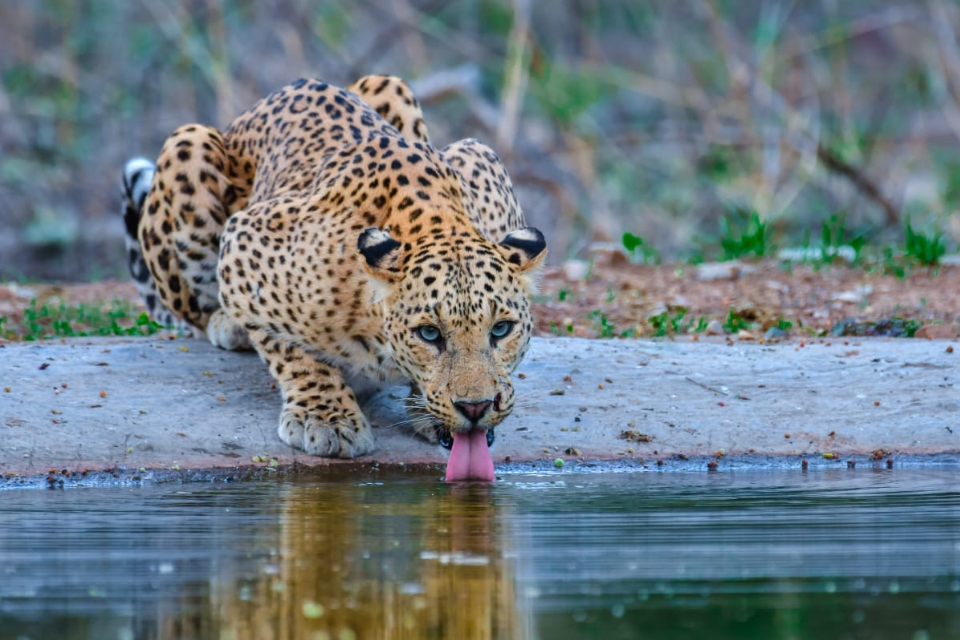
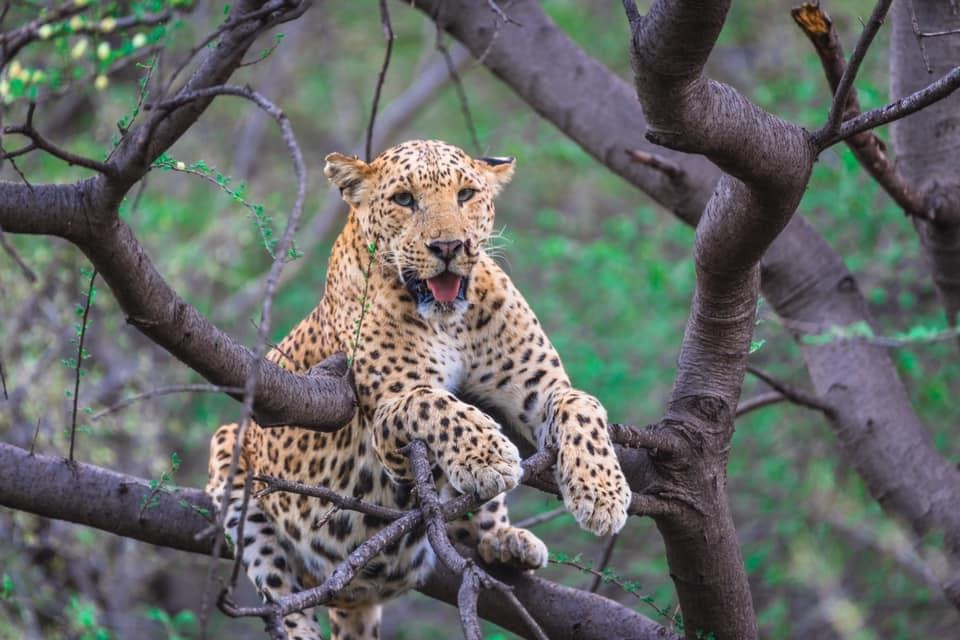
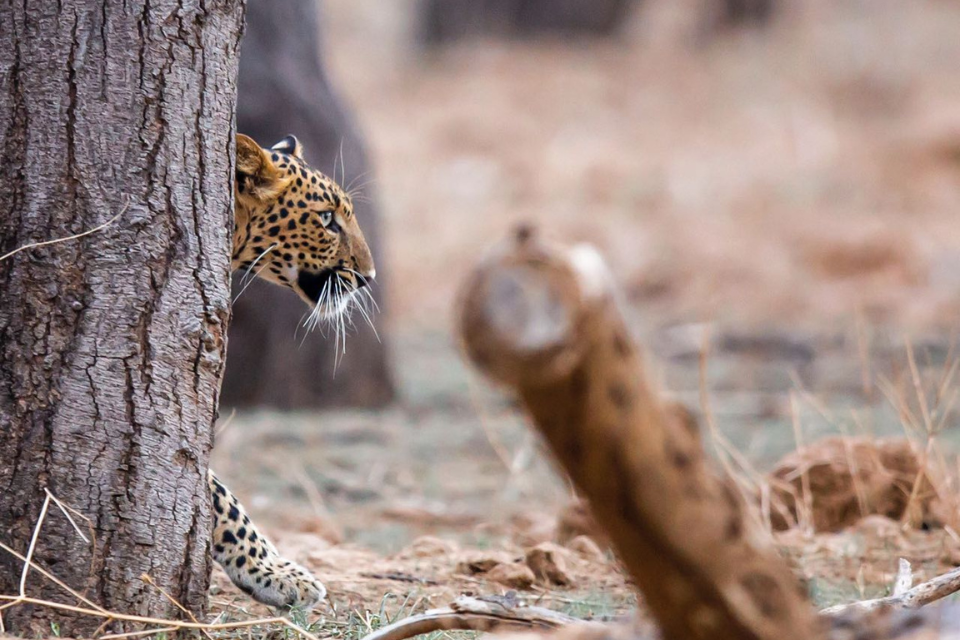
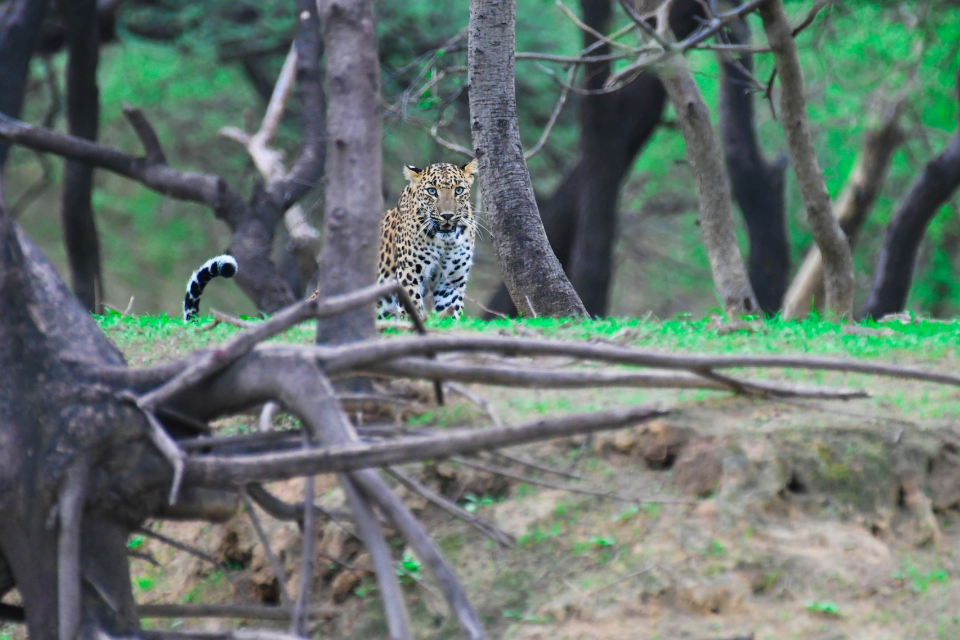
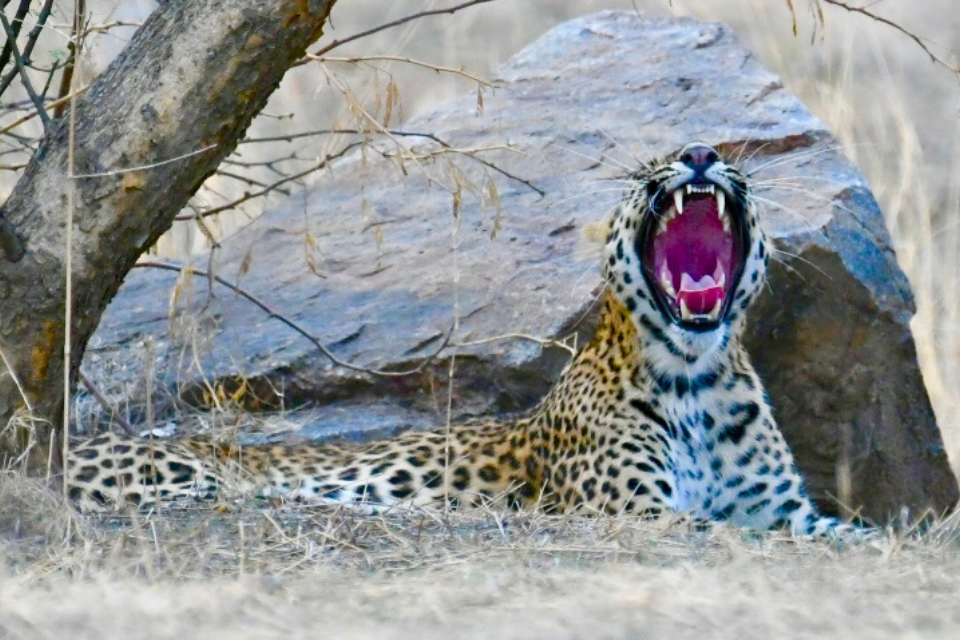
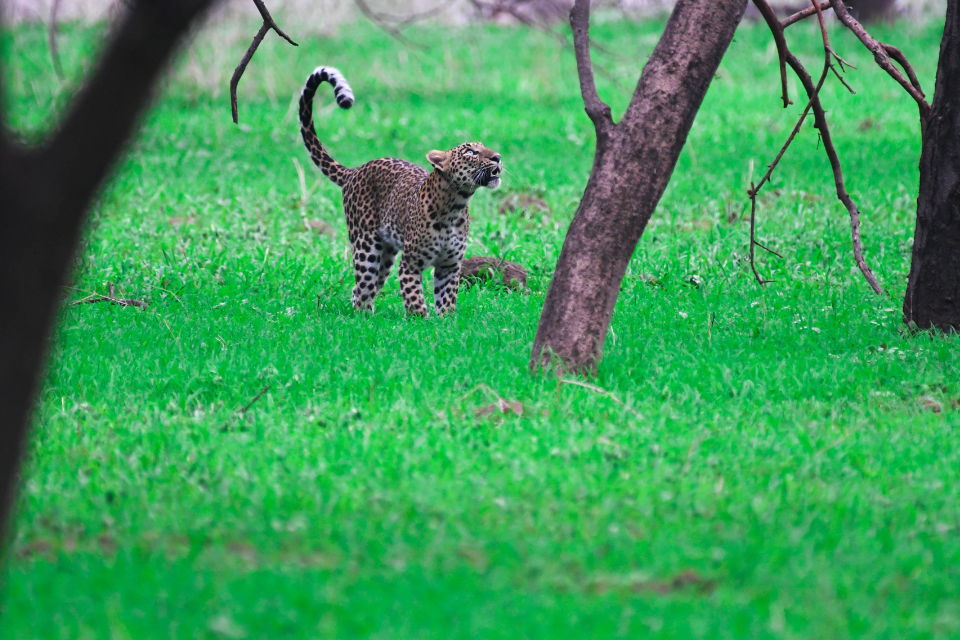
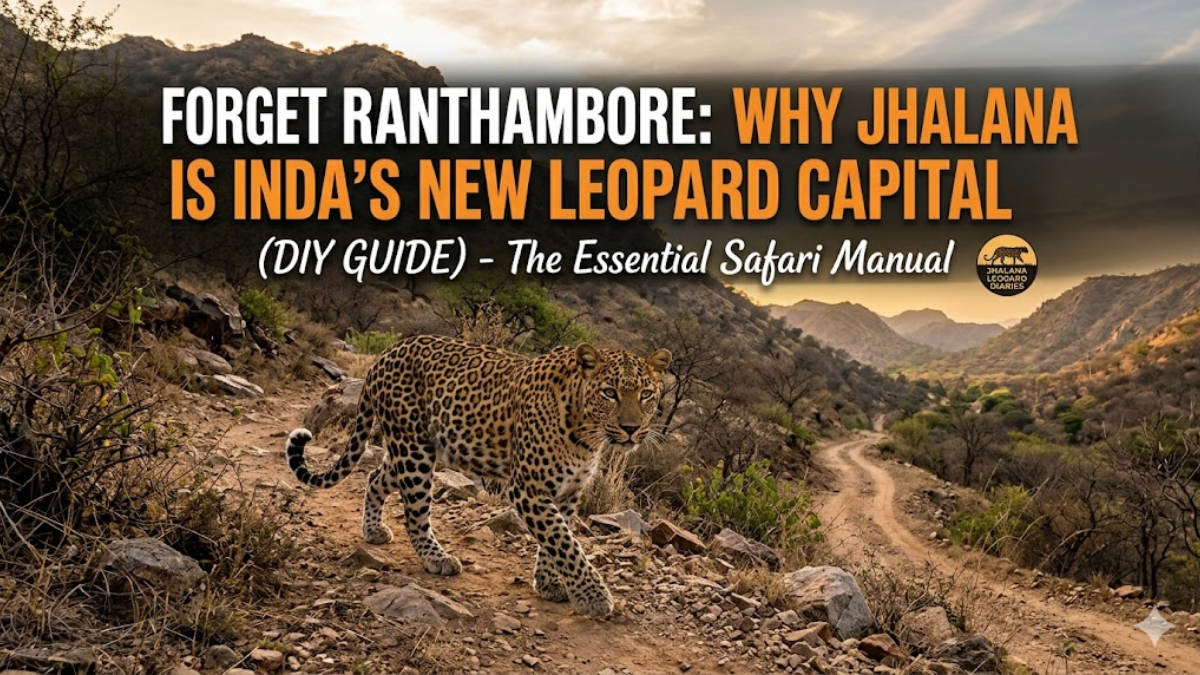
Jhalana Panther Safari —popularly known as the Jhalana Panther Safari—is India’s very first exclusive reserve dedicated entirely to protecting and observing the Indian Leopard (Panthera pardus fusca). Covering an intimate area of just 20 square kilometers, it boasts a booming population of big cats, making it one of the absolute best places on earth to see leopards in the wild.
The best part? You do not need to rely on luxury wildlife agencies or third-party tour companies. This comprehensive DIY master guide outlines exactly how you can plan, book, and execute a flawless safari to Jhalana completely on your own.
The Shocking Comparison: Jhalana vs. Ranthambore
If you are short on time or traveling on a budget, choosing Jhalana over sprawling tiger sanctuaries is incredibly practical. Let’s look at how the two stack up side by side.
| Feature | Ranthambore National Park | Jhalana Leopard Reserve |
| Primary Apex Predator | Bengal Tiger | Indian Leopard (Panther) |
| Total Sanctuary Area | 1,334 sq. km (Massive territory) | ~20 sq. km (Highly concentrated) |
| Sighting Probability | Moderate (Highly dependent on luck/zone) | Extremely High (75% to 85% average) |
| Travel Friction | 3-4 hour drive from Jaipur; requires hotel stays | Right inside Jaipur city; 15 mins from airport |
| Booking Window | Fills up months in advance | Can often be booked a few weeks or days out |
| Monsoon Openings | Core zones close from July to September | Open all year round |
Because there are no tigers or lions in Jhalana, leopards sit confidently at the absolute top of the food chain. They don’t hide away in deep gorges or climb high trees out of fear. Instead, they walk boldly down open jeep tracks, lounge casually on low rocky hillsides, and closely raise their cubs near the park paths.
The History: From Royal Hunting Grounds to Wildlife Haven
Long before it became an internationally acclaimed model for urban wildlife conservation, Jhalana was a dense desert scrub forest used exclusively as a private hunting ground (Shikargah) for the Maharajas of Jaipur.
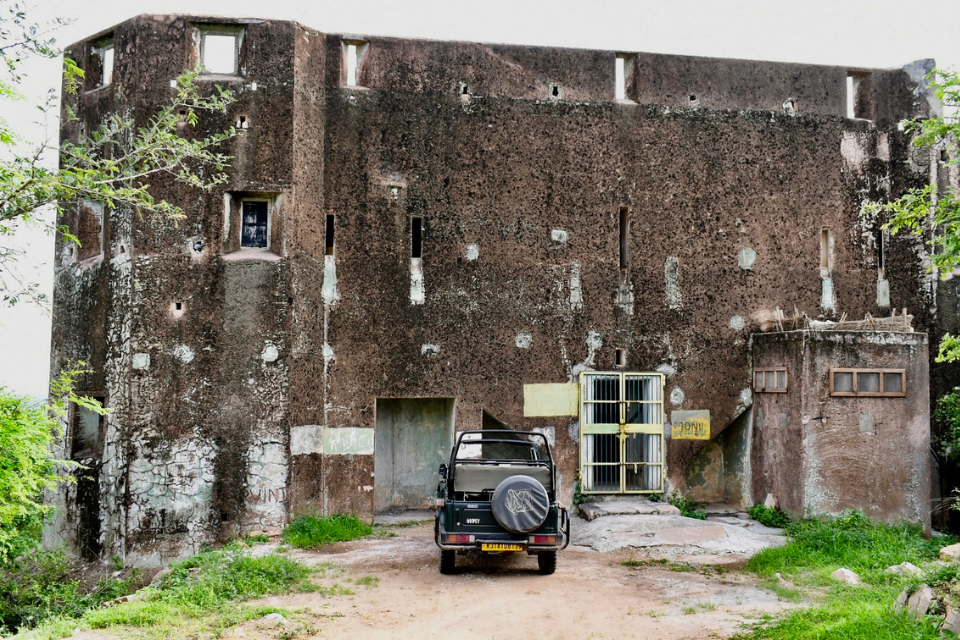
Throughout the 19th and early 20th centuries, royals and visiting British dignitaries regularly stayed at the historic Jhalana Shikar Houd—a three-story stone hunting outpost constructed deep inside the woods in 1879. The building still stands today, serving as a reminder of the forest’s transition from a place of hunting to a safe haven.
As Jaipur expanded into a metropolitan hub, residential neighborhoods and industrial areas completely surrounded Jhalana. The forest became an isolated green island trapped within an urban landscape. Despite this, the local leopards brilliantly adapted. They thrived by keeping to the rocky hills and hunting small wild prey.
Recognizing this unique ecological setup, the Rajasthan Forest Department formally enclosed the area and established it as a protected reserve in May 2017. Since then, it has become a global point of study for how large carnivores can peacefully coexist right on the borders of a major human city.
The Wilderness Ecosystem: Flora and Fauna
While leopards grab all the headlines, Jhalana’s dry deciduous ecosystem supports a rich variety of desert wildlife
The Mammals
-
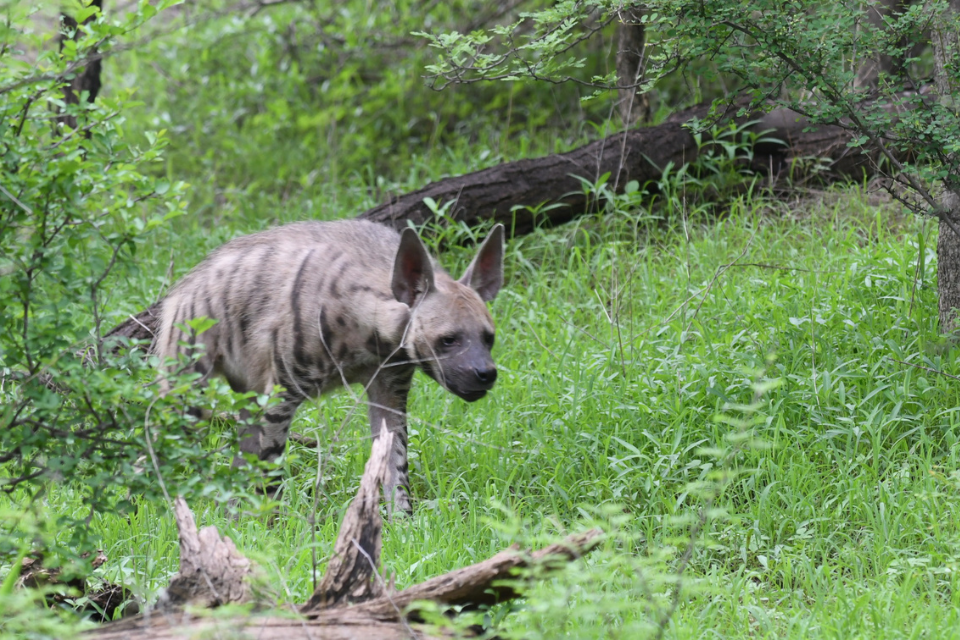
The Striped Hyena: The secondary predator of Jhalana. They are nocturnal and very shy, but can often be seen near their underground dens along the valley walls.
-
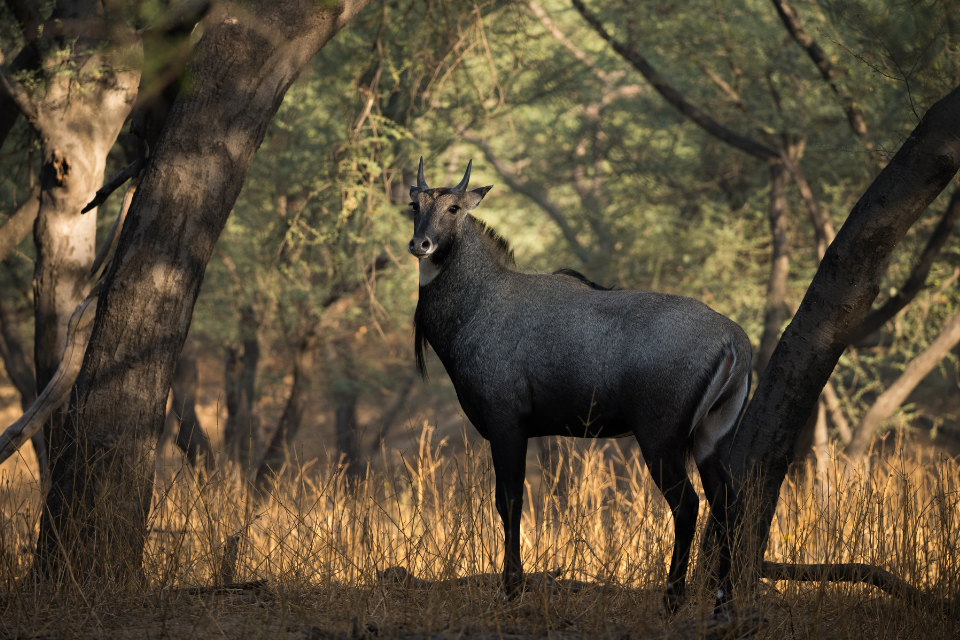
Blue Bull (Nilgai): Asia’s largest antelope species. They roam the flat sandy plains of the park in large herds.
-
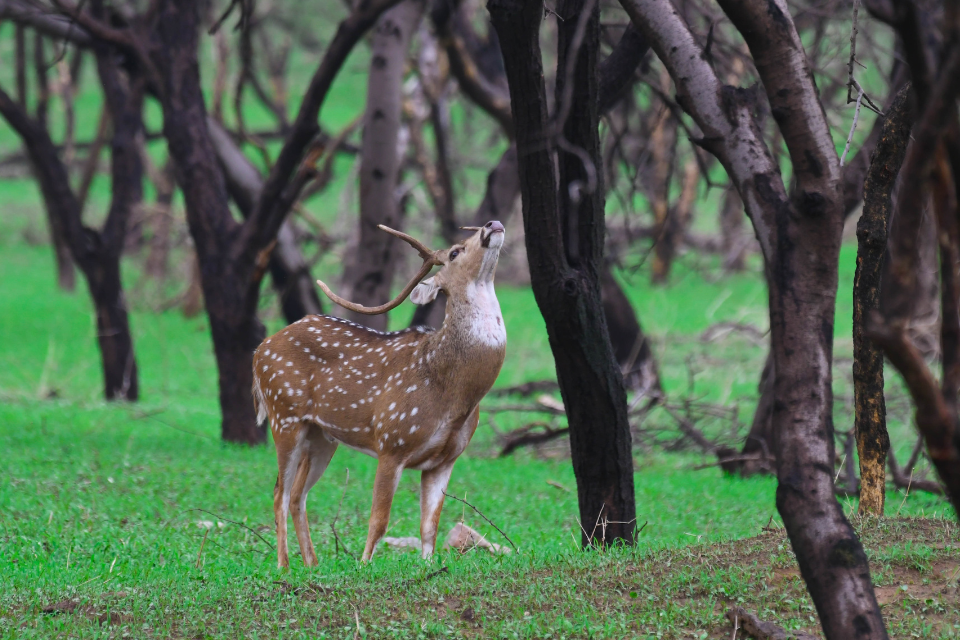
Spotted Deer (Chital) & Sambar Deer: Introduced intentionally by the forest department to build a stable, natural food source for the leopards.
-
Smaller Carnivores: Keep a sharp lookout for Golden Jackals, Jungle Cats, Desert Cats, and the rare Desert Fox.
Birdwatching Highlights
With more than 150 resident and migratory bird species, Jhalana is a phenomenal birding destination. During a drive through the park, you can spot:
-
The colorful Indian Pitta (a summer visitor)
-
Spotted Owlets roosting inside tree hollows
-
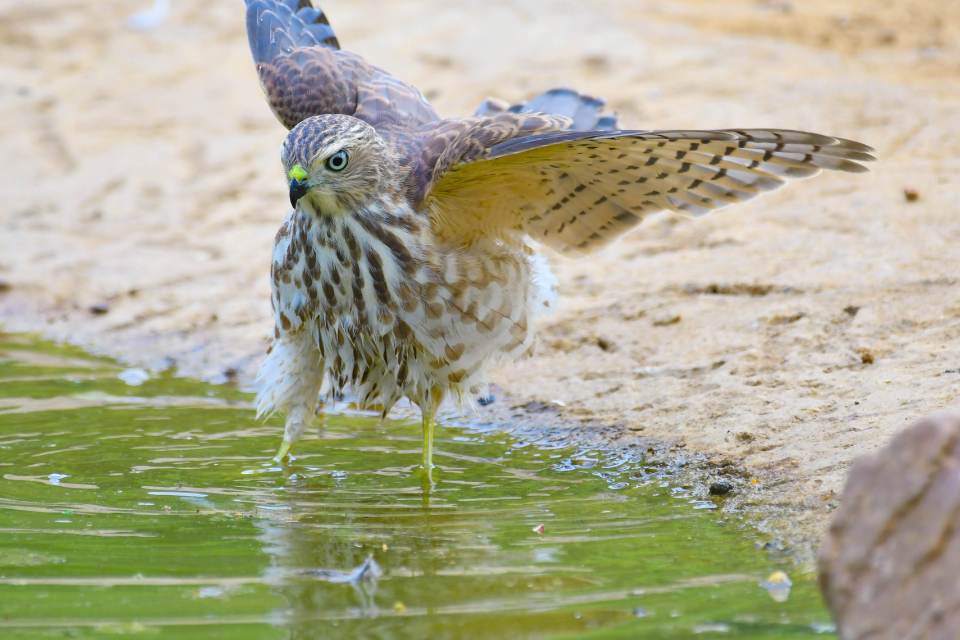
Shikras (hawk species) darting through the canopy
-
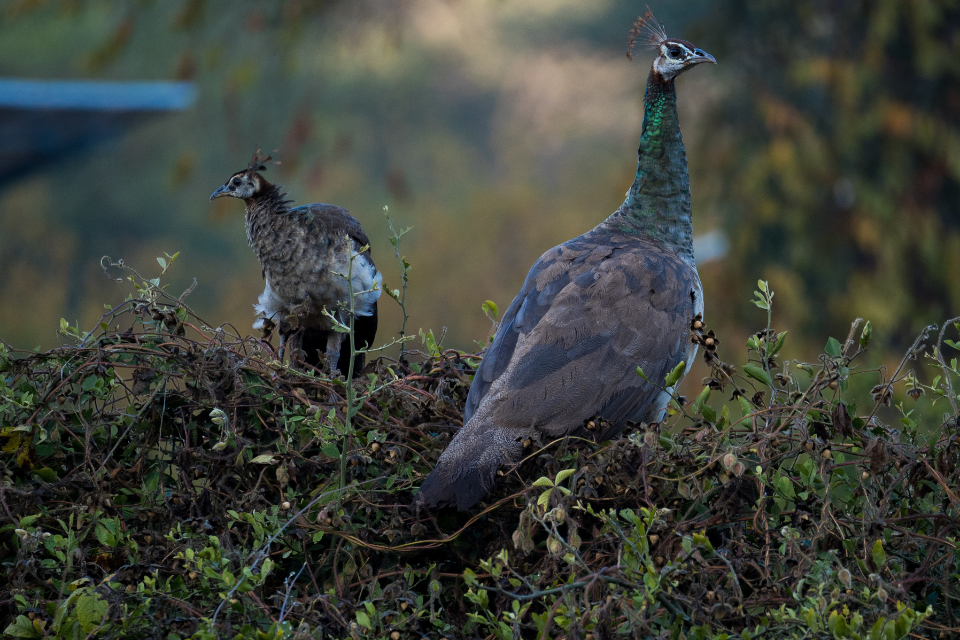
Thousands of wild Peafowl displaying their feathers across the valley floors
The Native Forest
The forest is dominated by the Dhok tree (Anogeissus pendula), a resilient native tree species well-suited to the harsh Aravalli hills. In the dry summer months, the foliage takes on a unique silvery-grey hue, which shifts to a vibrant emerald green almost overnight when the monsoon rains hit.
Deconstructing Jhalana’s Safari Zones
Jhalana is split into two major entry zones to prevent overcrowding and keep traffic uniform. Knowing how these zones look will help you pick one when completing your self-booking.
Zone 1 (The Hill & Heritage Route)
This zone is characterized by steep, winding paths, narrow rocky gorges, and rugged terrain. It leads directly past the old Shikar Houd lodge.
-
Best for: Finding leopards resting on elevated rock ledges.
-
Water Points: Features several solar-powered watering holes where leopards regularly come down to drink during hot afternoons.
Zone 2 (The Plains & Dunes Route)
Zone 2 spans wider, flatter terrain filled with sandy paths, open scrub fields, and large cactus clusters.
-
Best for: Spotting large herds of herbivores, tracking jackals, and viewing leopards as they move across open ground.
-
Visibility: The wider angles make it incredibly popular with professional wildlife photographers using long telephoto lenses.
DIY Tip: Don’t stress too much about choosing between Zone 1 or Zone 2. Because Jhalana is quite compact, leopards frequently cross back and forth between the two areas. Excellent sightings happen daily in both zones.
Choosing Your Safari Vehicle: Gypsy vs. Canter
When booking independently, you have two vehicle types to choose from. Each caters to different budgets and travel preferences.
Option A: Open 4×4 Maruti Suzuki Gypsy (Highly Recommended)
The open 4×4 Gypsy is the gold standard for an authentic Indian safari experience. It accommodates up to 6 passengers.
-
Why it’s great: It’s incredibly agile, quiet, and can navigate the steepest, narrowest tracks in Zone 1. It offers clear, unblocked views in every direction, which is vital for photography.
-
The DIY Strategy: If you are traveling solo or as a couple, you can book a shared seat in a Gypsy rather than paying for the whole vehicle. This keeps costs low while preserving the benefits of a jeep safari.
Option B: Open Safari Canter
The Canter is a large, open-air safari bus designed to carry up to 20 people at once.
-
Why it’s great: It is the most economical option available, making it perfect for budget travelers or large family groups traveling together.
-
Drawbacks: It is much louder and bulkier than a jeep. Due to its size, it cannot access the narrow hill tracks, restricting your journey to the wider main roads.
Complete Step-by-Step DIY Online Booking Guide
You do not need to pay an agent to secure your safari permits. The government of Rajasthan has a direct online booking system. Follow these exact steps to book your tickets safely at face value:
Budget Breakdown for Independent Travelers
To make your trip easy to plan, here is a breakdown of the official costs for a self-booked safari.
| Fee Component | Shared Gypsy (Per Person) | Full Private Gypsy (Max 6 Pax) |
| Government Permit Fee | ~₹150 – ₹200 | ~₹900 – ₹1,200 |
| Vehicle Rental Fee | Included in shared rate | ~₹2,500 – ₹3,000 |
| Mandatory Tracker/Guide Fee | Included in shared rate | ~₹500 – ₹700 |
| Average Total (Indian National) | ~₹750 – ₹950 | ~₹4,000 – ₹4,800 |
Note: Entry permit prices are higher for foreign nationals, which brings a full private Gypsy cost to roughly ₹5,500 – ₹6,500 total.
Jungle Tracking Secrets: How to Find Leopards on Your Own
Even though a certified driver and forest department tracker accompany every vehicle, your safari will be far more engaging if you know how to read the jungle yourself. Keep these professional tracking tips in mind:
-
Listen to the Peafowl Alarm Calls: Peacocks have exceptional eyesight from their tree roosts. When they spot a leopard slinking through the undergrowth, they let out a sharp, repeated, loud “May-awe! May-awe!” call. If you hear this sound echo through the trees, look immediately at the ground directly beneath them.
-
Watch the Langur Monkeys: Langurs hang out high in the canopy. If a leopard enters their area, they make a distinct, throat-clearing bark (“Khok-khok-khok”). Notice the direction all the monkeys are staring; their eyes will be locked onto the predator’s exact path.
-
Scan the Horizontal Tree Branches: Unlike tigers, leopards are fantastic climbers. If the ground paths are hot or dusty, they will stretch out along the thick horizontal limbs of large Dhok trees to catch a cool breeze.
-
Fresh Pugmarks: Look along the soft sandy shoulders of the jeep tracks. If you spot paw prints with sharp, crisp edges free of loose windblown sand, a leopard has walked that exact path just minutes before your vehicle arrived.
Best Seasonal Timings for Maximum Sighting Luck
Because Jhalana has structured paths, it stays open during the monsoons when other major national parks close down. Sighting patterns change with the seasons, so plan accordingly:
The Hot Summer (April to June)
-
The Dynamic: Temperatures in Jaipur can soar past 40°C. This forces leopards to visit the active watering holes frequently to drink and cool down.
-
Sighting Chance: Highest of the year. You can often sit quietly in your stationary jeep near a water spot and watch leopards arrive.
The Crisp Winter (October to March)
-
The Dynamic: The weather is incredibly pleasant, but early mornings can be quite cold.
-
Behavior: Instead of hiding in thick brush, leopards spend hours lying directly out on open granite rocks to soak up the warm morning sun.
Frequently Asked Questions (FAQs)
Is it safe to see leopards in an open jeep so close to a major city?
Yes, it is completely safe. The leopards in Jhalana have grown up around the low hum of safari vehicles for generations. They see the jeep as a large, non-threatening object, not as prey or an enemy. As long as you remain calmly seated inside the vehicle and don’t make sudden movements, they will completely ignore you.
Can I take my personal car or two-wheeler inside the reserve?
No, personal vehicles are strictly banned inside the forest to protect the animals and maintain safety. You are only allowed to enter using authorized forest department vehicles.
How early should I book my Jhalana safari tickets?
To keep the ecosystem pristine, the government allows only a limited number of vehicles into the park per shift. For weekend slots or major holidays (like Diwali or Holi), you should book your permits online 30 days in advance. For weekday safaris, you can often find slots a few days ahead.
Are there restroom facilities inside the forest?
No. There are clean restrooms, a small orientation center, and drinking water stations available at the main entry gate reception. However, once your vehicle goes past the gate into the forest, you cannot step out of the jeep for the entire 2.5-hour safari.
What colors should I wear for the safari?
Wear soft, earthy tones like khaki, olive green, brown, tan, or dull grey. Avoid wearing bright neon colors (like hot pink, bright red, or bright yellow), which stand out visually and can make wild animals nervous or hesitant to approach.
Final Takeaway
Jhalana proves that you don’t need a massive travel budget or days of free time to experience a thrilling big cat safari. By skipping the middlemen, using the official government SSO booking portal, and taking an auto or cab straight to the gate, you can experience a premier wildlife adventure for a fraction of the cost of a commercial tour.