Jhalana’s Micro-Climate: Why It’s 5 Degrees Cooler Than Jaipur City
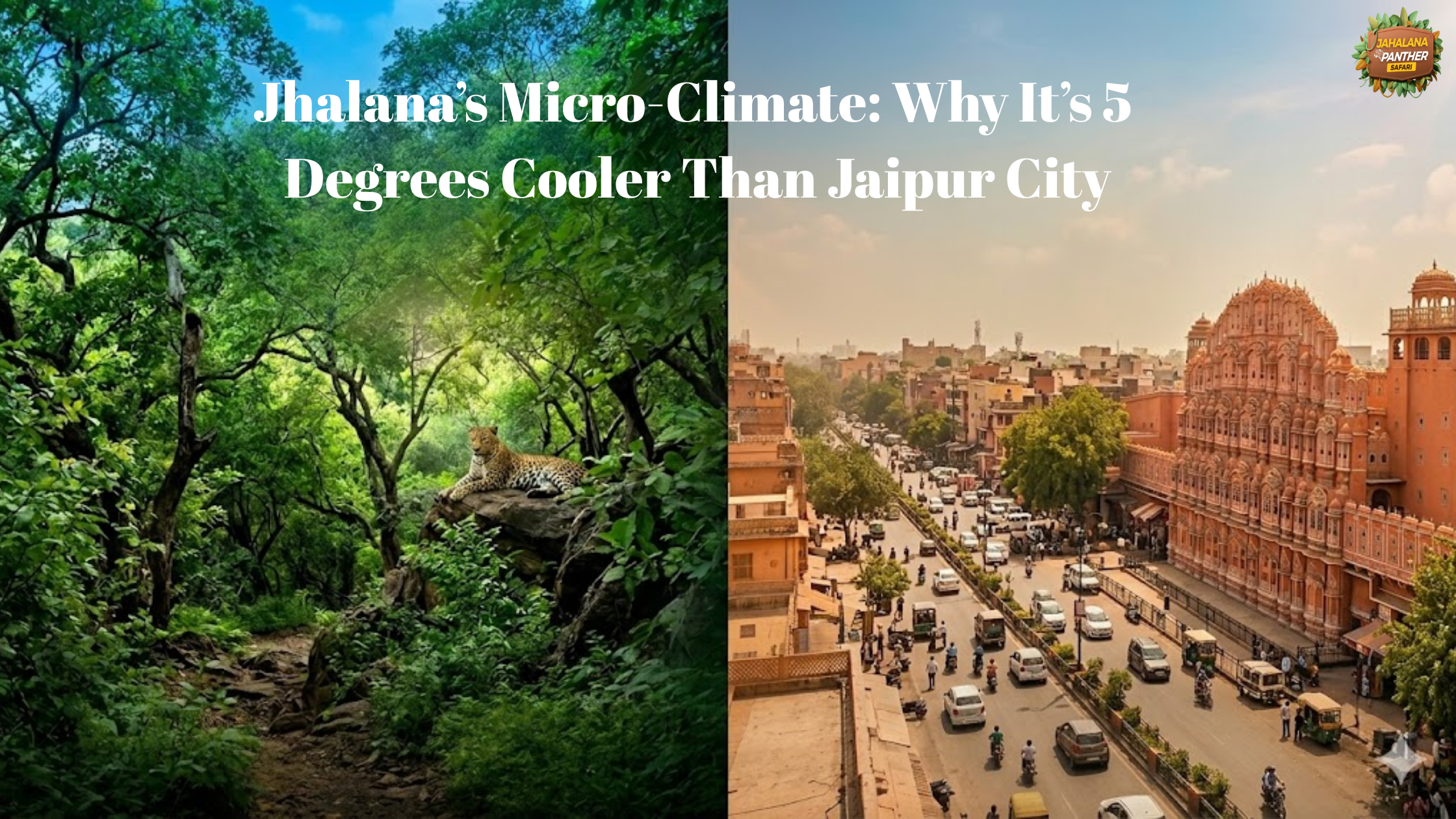
As the mercury rises across the arid landscapes of Rajasthan, a peculiar phenomenon greets those who venture toward the southeastern edge of the Pink City. While the urban corridors of Jaipur—clad in concrete and asphalt—often sizzle under the relentless sun, a few kilometers away lies a sanctuary where the air feels noticeably crisper. This is not just a psychological relief; it is a measurable scientific reality known as Jhalana’s Micro-Climate, a natural anomaly where temperatures consistently hover about 5 degrees Celsius lower than the metropolitan center.
Understanding this temperature dip requires a dive into urban ecology, topography, and the restorative power of an intact forest ecosystem within an urban sprawl.
The Science of the “Urban Heat Island” Effect
To understand why Jaipur is cooler, we must first look at why Jaipur city is hotter. Urban centers suffer from the ‘Urban Heat Island’ (UHI) effect. Buildings, roads, and pavements absorb solar radiation during the day and release it slowly at night. In contrast, Jhalana acts as a “Cool Island.”
The forest floor is covered with leaf litter and soil, which does not store heat like concrete. Furthermore, the absence of high-rise buildings allows for better air circulation, preventing the “trapping” of hot air that occurs in narrow city streets.
Evapotranspiration: Nature’s Air Conditioner
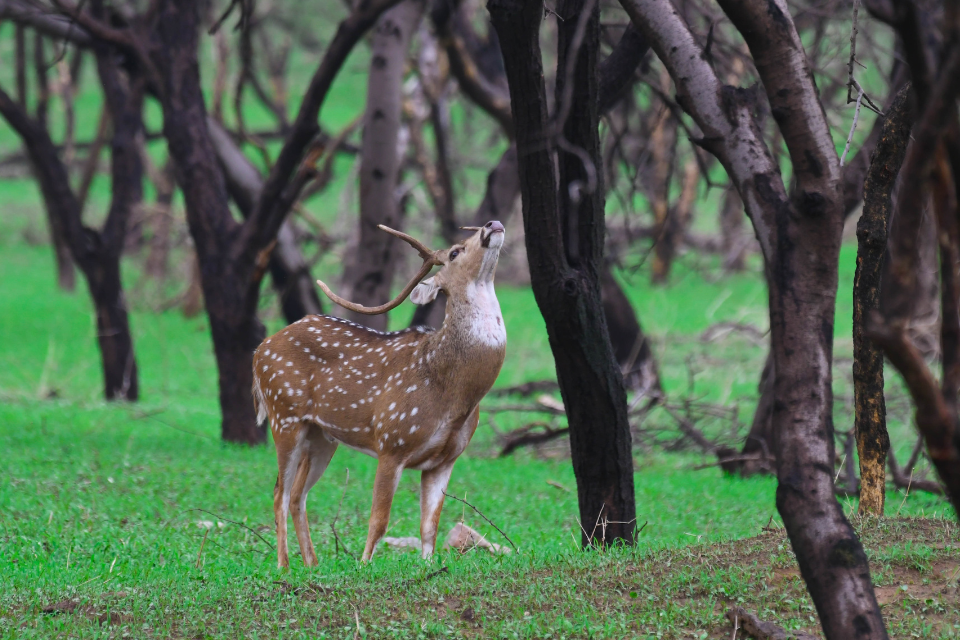
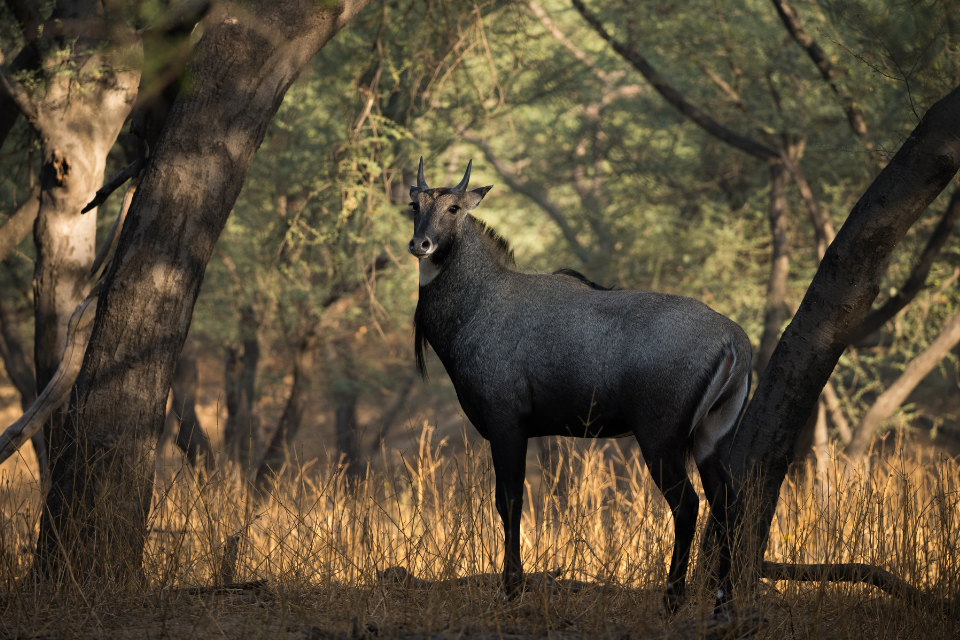
The primary driver behind the cooling in Jhalana is a process called evapotranspiration. The thousands of trees within the reserve—primarily Dhok (Anogeissus pendula), Juliflora, and Neem—act as biological humidifiers.
- How it works: Plants pull water from the soil and release it into the atmosphere through their leaves.
- The Cooling Result: This transition of water from liquid to vapor consumes heat energy from the surrounding air, effectively lowering the ambient temperature. In a dense canopy like Jhalana, this process works 24/7, creating a persistent cooling effect that a concrete jungle simply cannot replicate.
Topography and the Aravalli Influence
Jhalana is cradled by the ancient Aravalli Hills. The topography plays a massive role in its unique climate:
- Thermal Winds: During the evening, cool air from the hilltops descends into the valley areas of the reserve.
- Shade Profiling: The undulating hills provide natural shadows long before the sun actually sets, reducing the total hours of direct solar exposure on the forest floor compared to the flat plains of Jaipur.
The Albedo Effect: Absorption vs. Reflection
The “Albedo” of a surface refers to how much sunlight it reflects. Dark asphalt roads in Jaipur have a low albedo, meaning they absorb up to 90% of the sun’s energy. The green canopy and lighter-colored sandy soils of Jhalana have a higher albedo. By reflecting more sunlight back into the atmosphere and using the rest for photosynthesis, the forest prevents the ground from becoming a heat radiator.
Humidity and Comfort Levels
While Jaipur’s heat is often dry and piercing, the micro-climate in the reserve retains a higher percentage of localized humidity. This moisture content in the air stabilizes the temperature, preventing the rapid spikes seen in the city. For the wildlife, especially the apex predators, this moisture is a lifeline during the peak summer months of May and June.
Impact on Biodiversity
The 5-degree difference is more than a comfort factor for humans; it is a survival mechanism for the fauna.
- Flora: The cooler temperatures allow certain moisture-sensitive plants to thrive in an otherwise semi-arid zone.
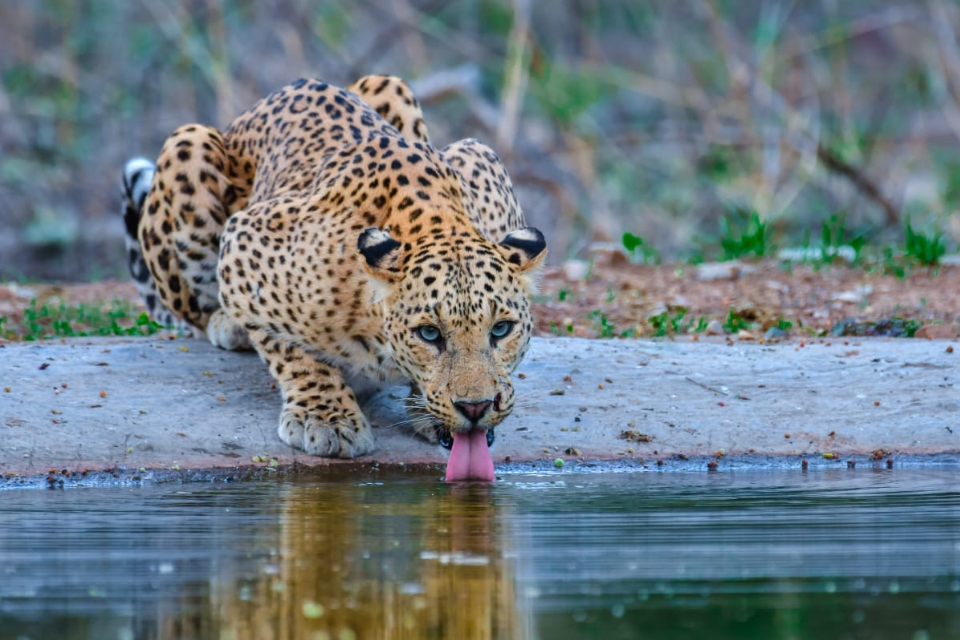
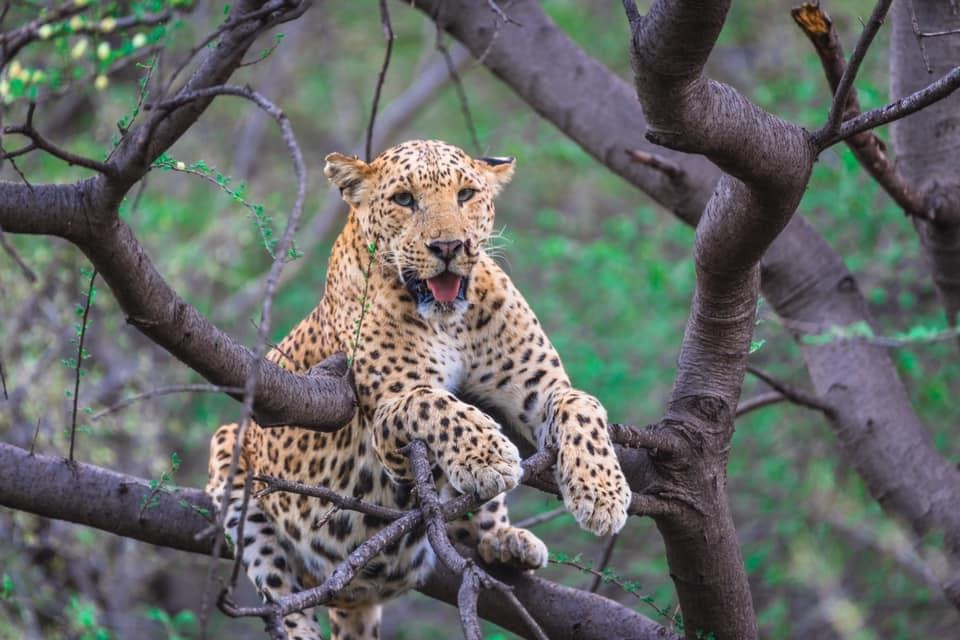
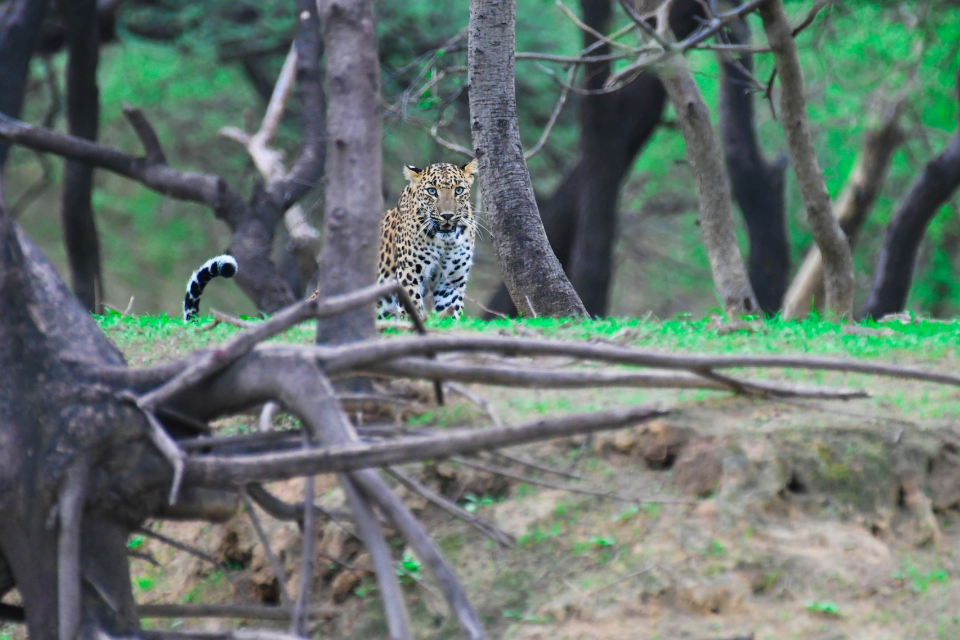
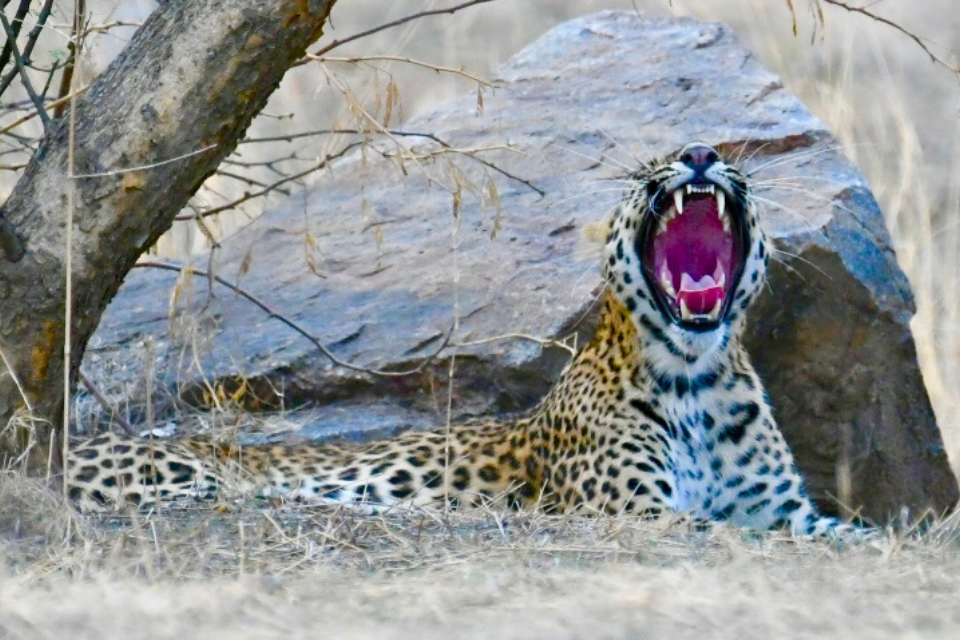
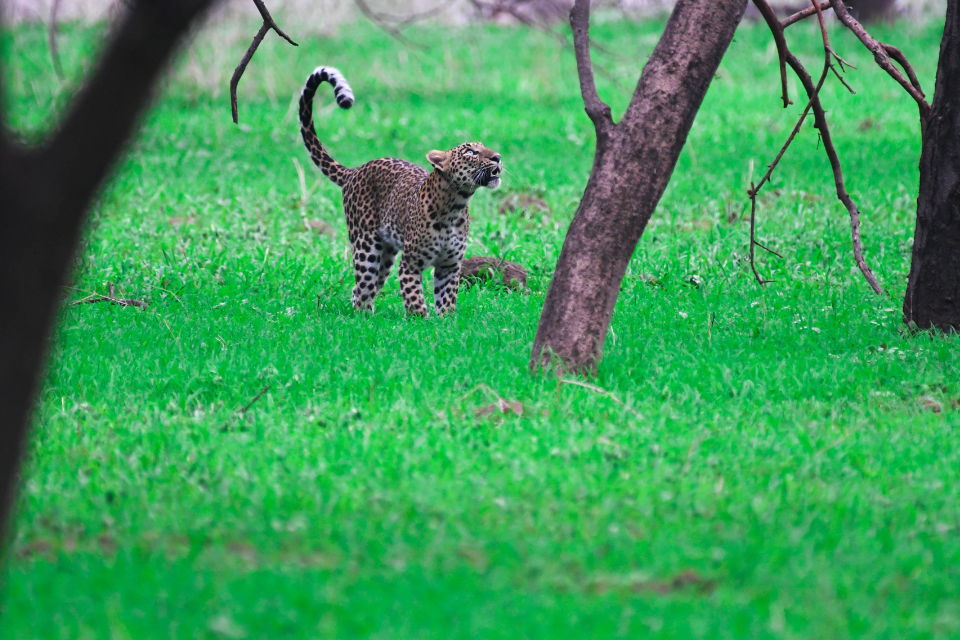
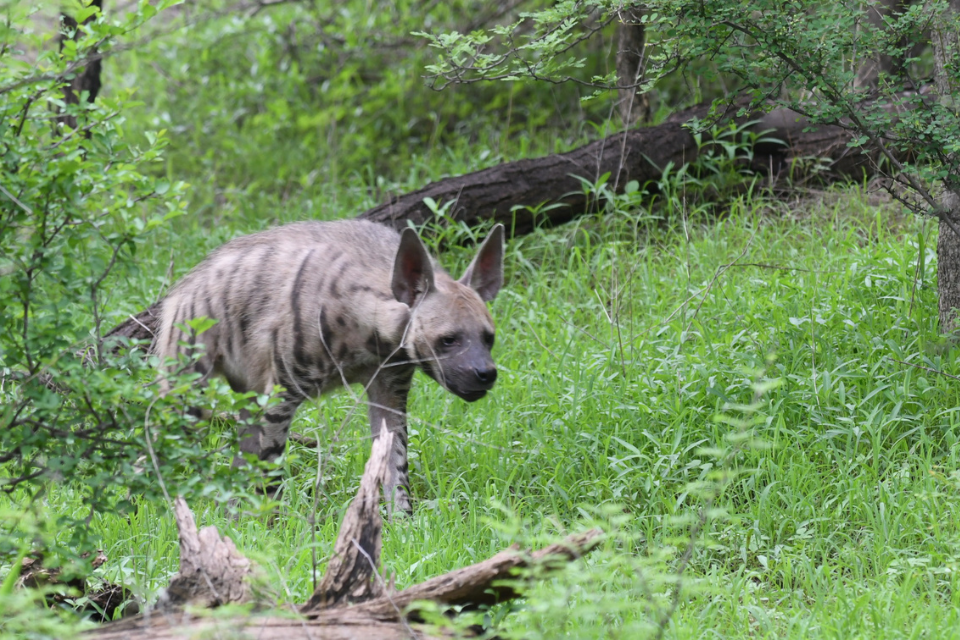
- Fauna: Leopards, hyenas, and desert foxes are more active in these cooler pockets. It reduces their water dependency and allows them to conserve energy during the day.
Frequently Asked Questions (FAQs)
Q1: Is the temperature difference in Jhalana consistent throughout the year?
The difference is most pronounced during the summer months (April to June) and during the post-monsoon period. During peak winter, the forest can actually feel colder than the city due to the lack of heat-retaining structures.
Q2: Does the cooling effect extend to the surrounding residential areas?
Yes, neighborhoods immediately bordering the forest, such as Malviya Nagar and parts of Jagatpura, often experience a “spillover” cooling effect, especially in the evenings when forest breezes move outward.
Q3: How much forest cover is needed to create such a micro-climate?
While even small parks help, a micro-climate as significant as 5 degrees usually requires a contiguous forest area of at least 15-20 square kilometers, like Jhalana.
Q4: Can urban planting in Jaipur city replicate this effect?
To an extent, yes. Increasing the “Green Cover” and using light-colored roofing (Cool Roofs) can reduce the UHI effect, though it is hard to match the natural efficiency of a hilly forest.
Q5: Does the micro-climate affect the timing of animal sightings?
Absolutely. Because it is cooler, animals often venture out of the thickets earlier in the afternoon compared to hotter, more exposed scrublands.
Q6: Is Jhalana the only micro-climate in Rajasthan?
No, similar effects are seen in Mount Abu and Sariska, but Jhalana is unique because of its location entirely within an urban metropolitan boundary.
Q7: How does rainfall affect Jhalana’s temperature?
Rainfall intensifies the cooling. The hills act as a catchment, and the resulting greenery increases evapotranspiration, often extending the “cool period” deep into the autumn months.
Conclusion: A Natural Heritage Worth Protecting
The existence of this cooler pocket is a reminder of what the Earth can do when left to its own devices. As Jaipur expands, the preservation of its green lungs becomes a matter of public health as much as environmental pride. The 5-degree relief is a gift from the Aravallis, offering a sanctuary for both the wild and the weary.
For those looking to experience this unique environmental phenomenon firsthand while witnessing the majesty of Rajasthan’s wildlife, a visit to the Jhalanapanther Safari is the ultimate way to see nature’s air conditioner in action.