The ‘Big 3’ of Jhalana: Spotting Leopards, Hyenas, and Desert Foxes in One Trip
Exploring the wild side of the Pink City is an experience that transcends the usual palace tours and desert forts. While Jaipur is legendary for its royal history, few travelers realize that within the city limits lies India’s first leopard reserve—a 23-square-kilometer scrub forest that serves as a high-density sanctuary for some of the subcontinent’s most fascinating carnivores.
If you are planning a Jhalana Panther Safari, you aren’t just looking for one big cat; you are entering a complex ecosystem where the “Big 3″—the Indian Leopard, the Striped Hyena, and the Desert Fox—coexist in a fragile, urban-fringe balance. This guide will help you navigate this unique biodiversity Jhalana to ensure you spot all three in a single trip.
The Crown Jewel: Spotting the Indian Leopard
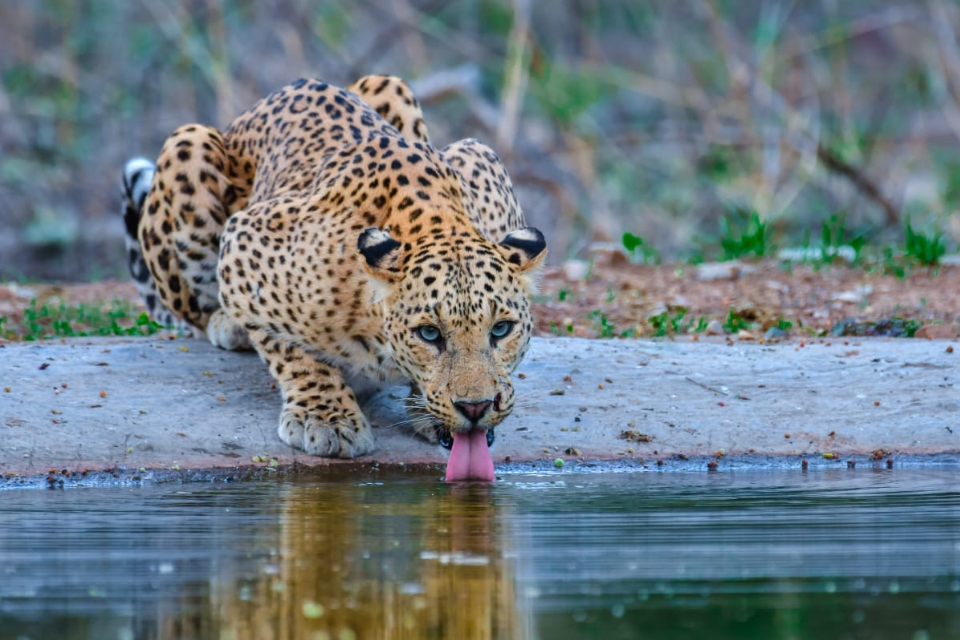
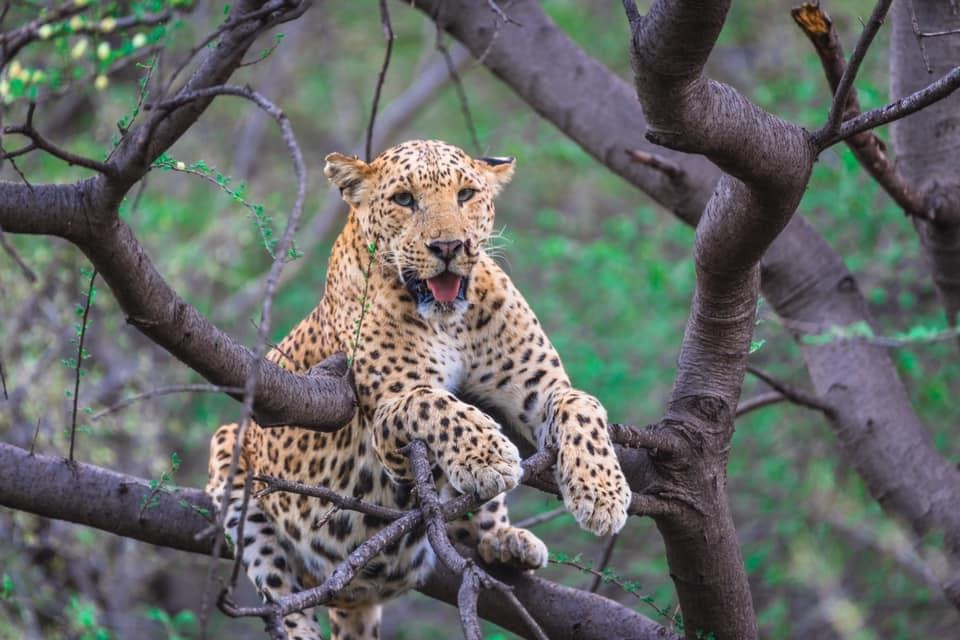
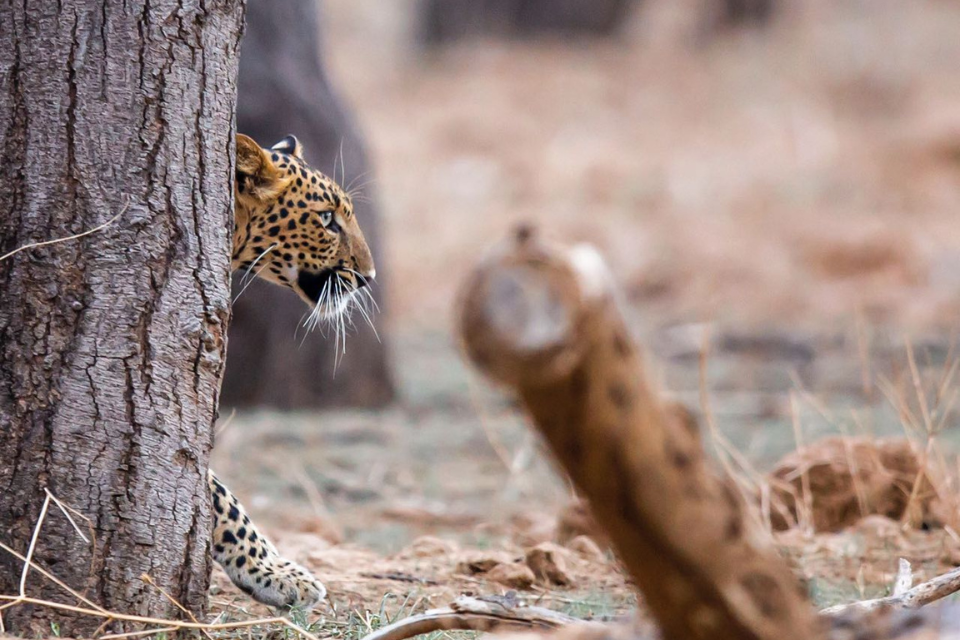
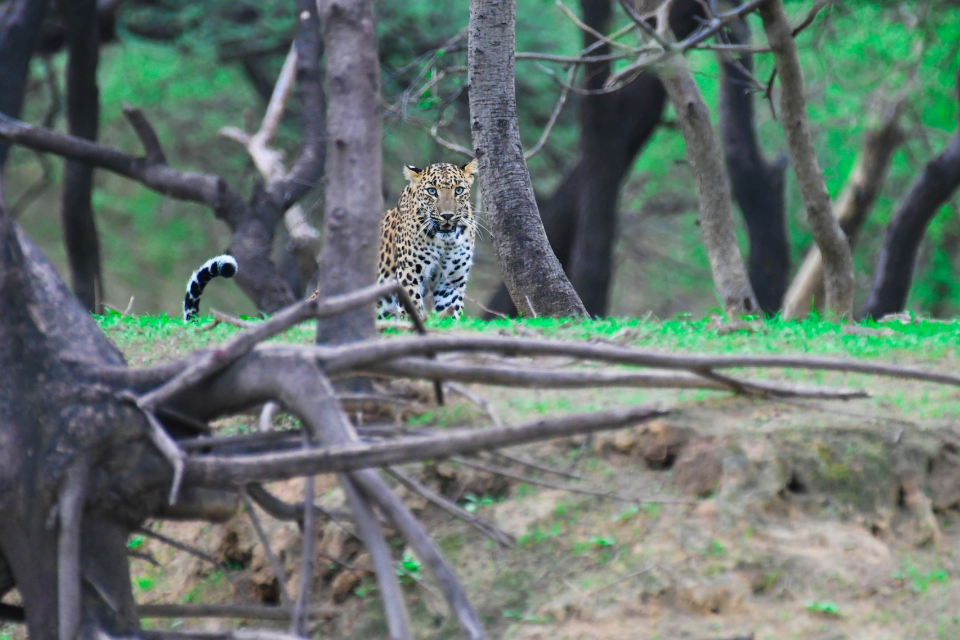
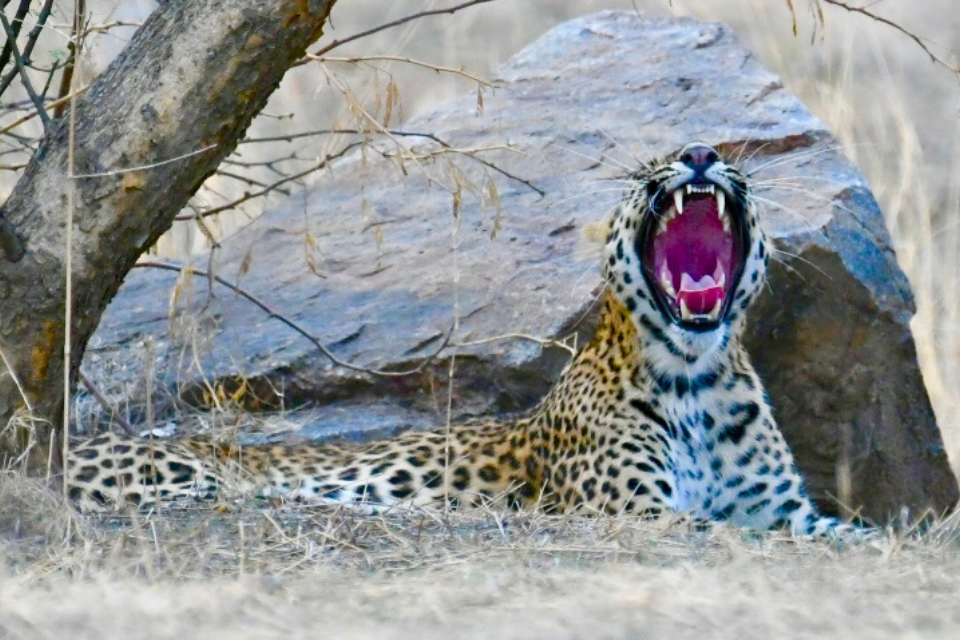
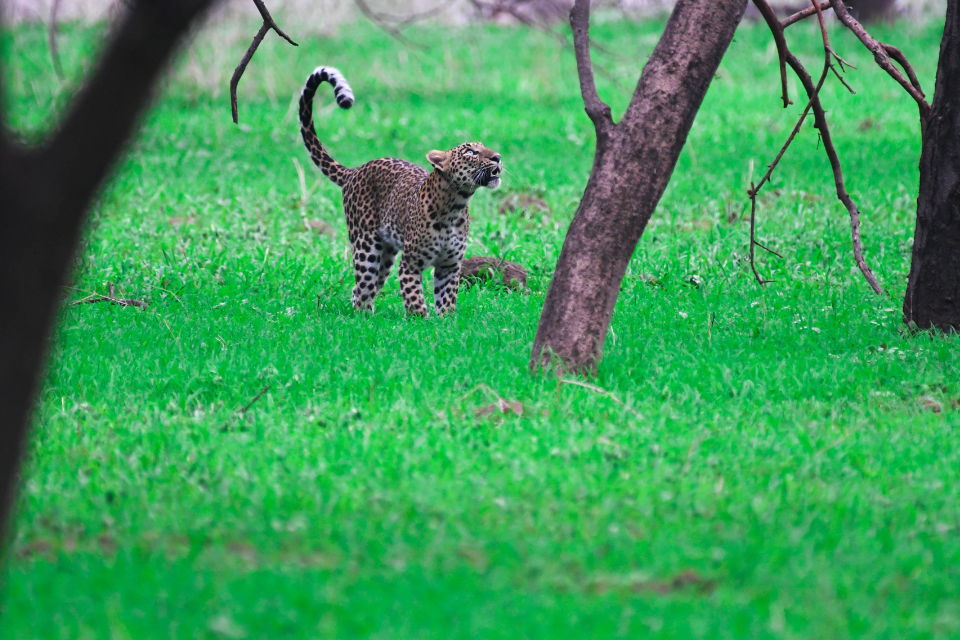
The primary attraction of the Jhalana wildlife species is, undoubtedly, the apex predator: the Indian Leopard (Panthera pardus fusca). With over 40 leopards inhabiting a relatively small area, Jhalana offers one of the highest sighting probabilities in the world.
Behavioral Insights for Spotting
Unlike the leopards of larger national parks like Ranthambore, Jhalana’s leopards are remarkably bold. They are diurnal, meaning they are frequently spotted during daylight hours.
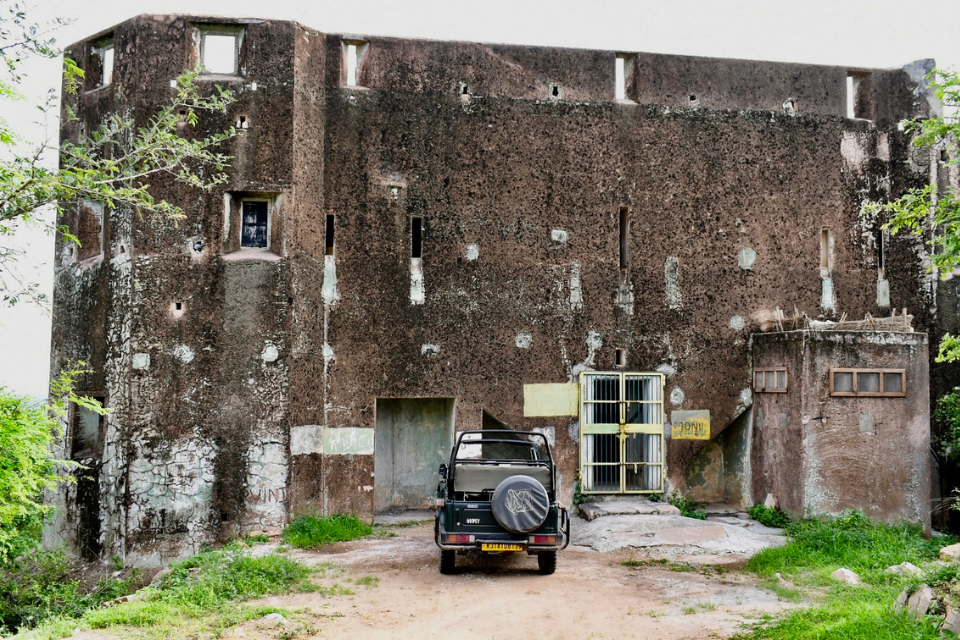
- Territory: Look for them on the rocky outcrops and ancient stone structures like the Shikaar Audi.
- Watering Holes: During the summer months (April to June), leopards are almost guaranteed sightings near water bodies like the Jhalana Pond or Mangarh Lake.
Wildlife Photography Jaipur: Pro Tip
Leopards in Jhalana often lounge on the “Aravalli cliffs.” To capture the perfect shot, use a telephoto lens (300mm or above). The contrast of the golden cat against the gray, rugged rocks makes for award-winning wildlife photography Jaipur.
The Ghost of the Night: Finding the Striped Hyena
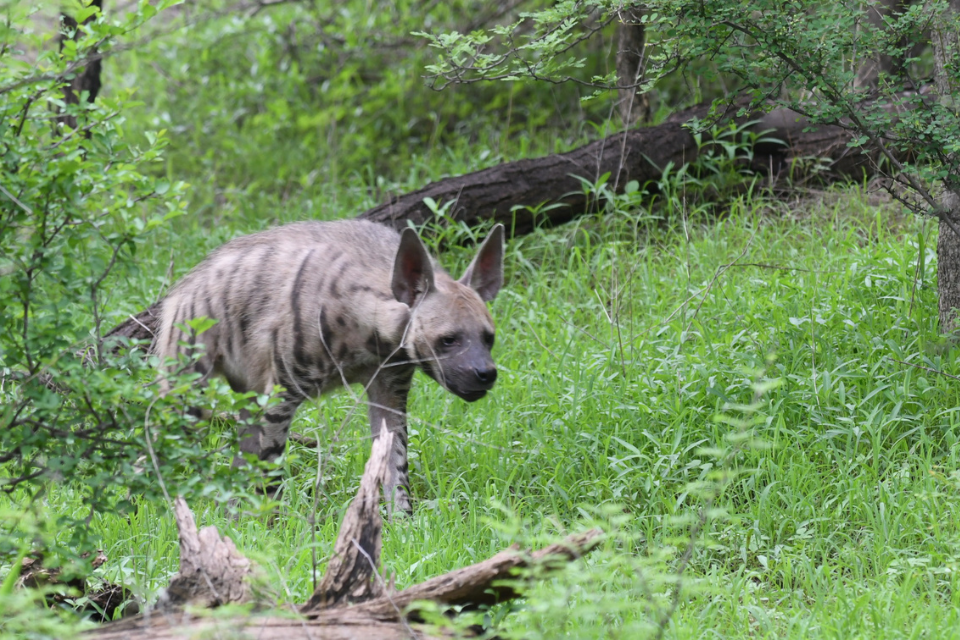
Often misunderstood but ecologically vital, the striped hyena Jaipur is the second of the “Big 3.” Jhalana is one of the few places in India where you can witness these scavengers in broad daylight, though they are primarily nocturnal.
The Hyena-Leopard Dynamic
Recent studies in Jhalana have shown a fascinating competitive relationship. Hyenas here have mastered “kleptoparasitism”—the act of stealing kills from leopards.
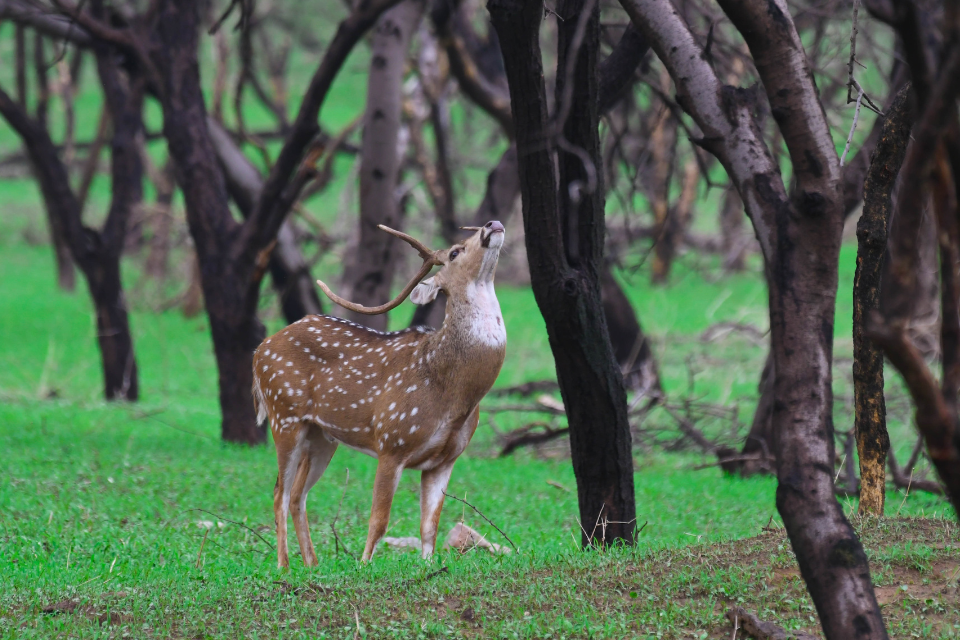
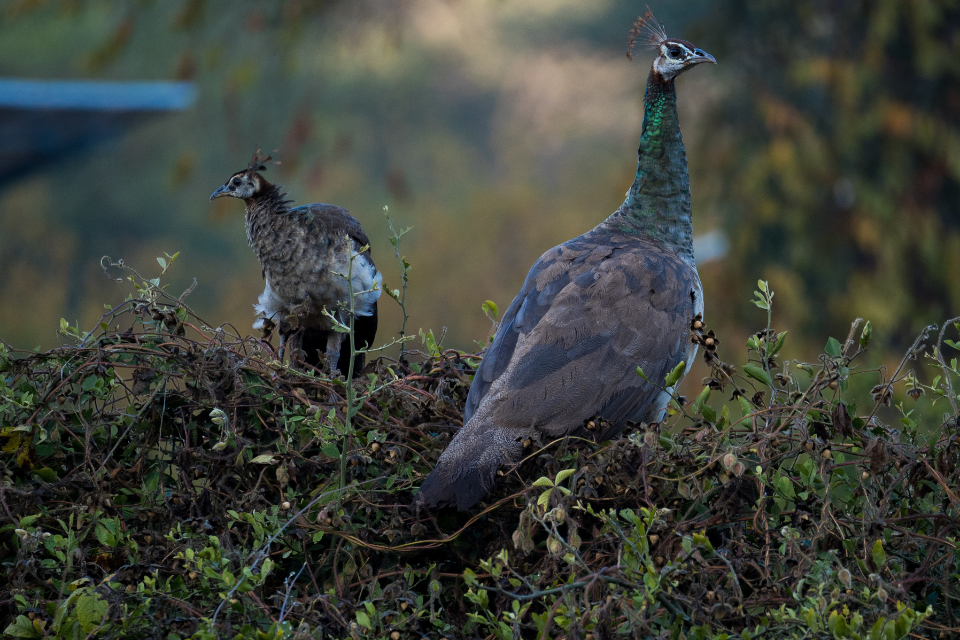
- Where to look: Keep your ears open for “alarm calls” from peacocks or spotted deer. Often, a hyena is seen trailing a leopard, waiting for a chance to scavenge.
- Spotting Guide: Their distinctive rolling gait and sloping back make them easy to identify even from a distance.
The Elusive Acrobat: Tracking the Desert Fox
The smallest of our “Big 3” is the desert fox Rajasthan (Vulpes vulpes pusilla). While leopards command respect and hyenas command curiosity, the desert fox wins on sheer charm.
Habitats and Habits
The desert fox Rajasthan is extremely shy. They are most active at dawn and dusk (the “Golden Hours”).
- Dry Belts: They prefer the drier, flatter sections of the park near the boundary walls.
- Visual Cues: Look for their oversized ears and bushy, white-tipped tails disappearing into the thorny bushes. Their ears act as heat radiators, a perfect adaptation for the harsh desert climate.
Practical Animal Spotting Guide India: Jhalana Edition
To maximize your chances of seeing the Big 3 in a single trip, follow this strategic animal spotting guide India:
| Feature | Leopard | Striped Hyena | Desert Fox |
| Best Time | Morning/Evening | Late Evening | Dawn/Twilight |
| Best Zone | Zone 1 (Rocky Cliffs) | Zone 2 (Mixed Scrub) | Boundary Dry Belts |
| Activity Level | High | Medium (Nocturnal) | Very Low (Shy) |
Key Strategies for a Successful Safari
- Book in Advance: Jhalana has a limited number of gypsies allowed per shift. Book at least 15–30 days in advance, especially for weekends.
- Choose Private Gypsies: For serious wildlife photography Jaipur, a private gypsy allows you to stay at a spot longer without the pressure of other passengers wanting to move on.
- The “Silent” Rule: Animals in Jhalana are habituated to vehicle sounds but not human voices. Keep conversation to a whisper to avoid spooking a shy desert fox or a patrolling hyena.
- Understand the Terrain: The biodiversity Jhalana holds is varied. From hilly terrains to flat sandy patches, each animal has its favorite corner.
Conservation and Urban Wildlife Coexistence
Jhalana is a global case study for urban wildlife conservation. Surrounded by the bustling city of Jaipur, the reserve is fenced, creating a “green island.” This leads to unique behaviors among the Jhalana wildlife species:
- Leopards are known to occasionally leap over fences to hunt in nearby colonies.
- Hyenas, being less agile, remain confined, intensifying their competition for food within the park.
Frequently Asked Questions (FAQs)
- Can I really see all three animals in one safari?
While nature offers no guarantees, a single trip frequently results in sightings of at least two of the Big 3. To see all three, we recommend booking at least two back-to-back safaris (one morning and one evening).
- Is the Jhalana Panther Safari safe for families?
Yes, the safaris are conducted in secure, open-top 4×4 gypsies with trained drivers. It is an excellent educational experience for children.
- What is the best month to see the striped hyena Jaipur?
Hyenas are seen year-round, but during the summer months, they are more likely to be found near water holes during the late evening safaris.
- Where can I find the desert fox Rajasthan specifically?
The desert fox Rajasthan is commonly found in the flatter, sandy areas of Zone 2 and near the boundary walls where the scrub is less dense.
- How does the biodiversity Jhalana compare to other parks?
The biodiversity Jhalana is unique because it is a leopard-centric park. Unlike Ranthambore where Tigers dominate, here the Leopard is the undisputed king, leading to more relaxed and frequent sightings.
- Do I need special equipment for wildlife photography Jaipur?
A DSLR or mirrorless camera with a 70-300mm or 100-400mm lens is ideal. Because the leopards are often close, you don’t always need massive 600mm lenses.
- Are there guides available for animal spotting guide India?
Yes, every gypsy comes with a mandatory forest guide who acts as your animal spotting guide India, using their expertise to track paw prints and listen to alarm calls.
Conclusion: Your Wild Adventure Awaits
The Jhalana wildlife species offer a raw, unfiltered look at nature’s resilience. Whether you are a professional photographer or a family looking for adventure, spotting the Big 3—the leopard, hyena, and desert fox—in the heart of a city is a memory that stays with you forever.