- July 10, 2025
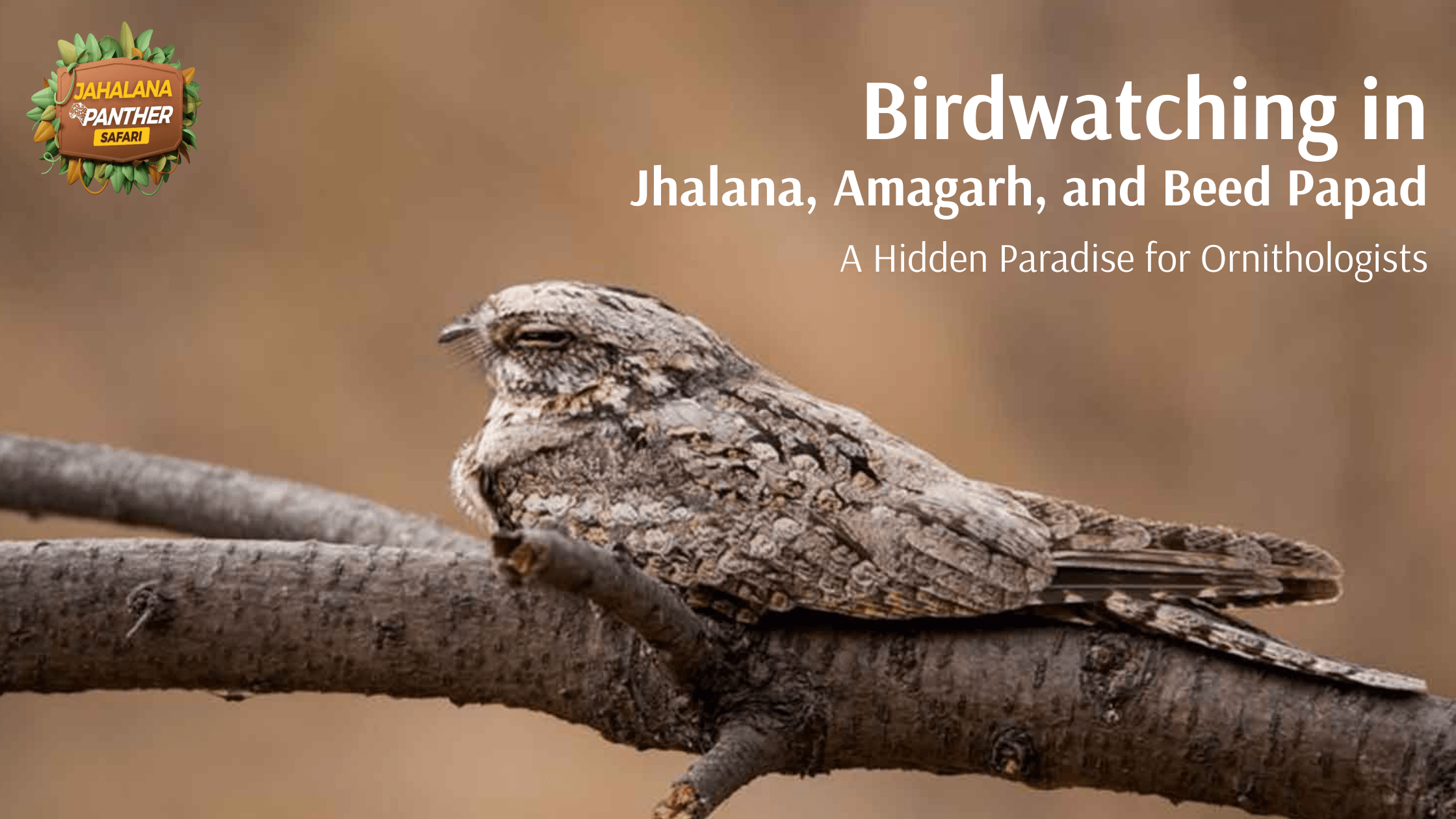
Birdwatching in Jhalana, Amagarh, and Beed Papad: A Hidden Paradise for Ornithologists
Introduction
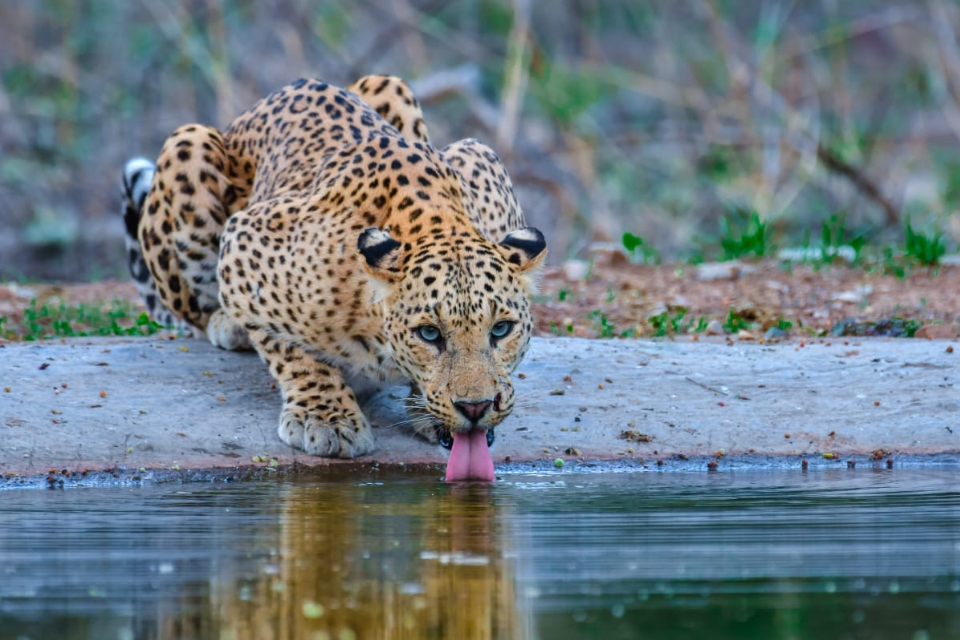
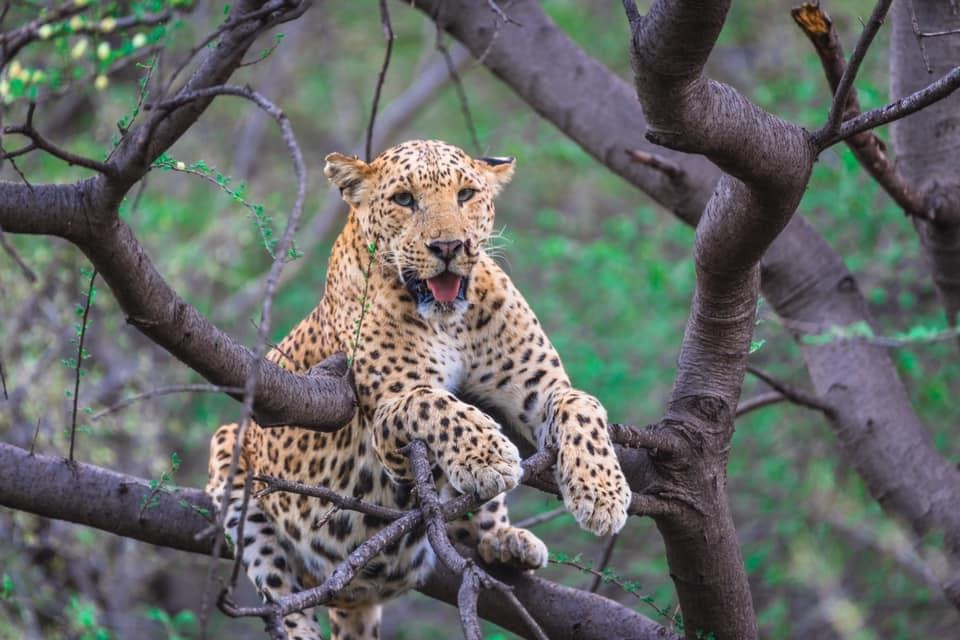
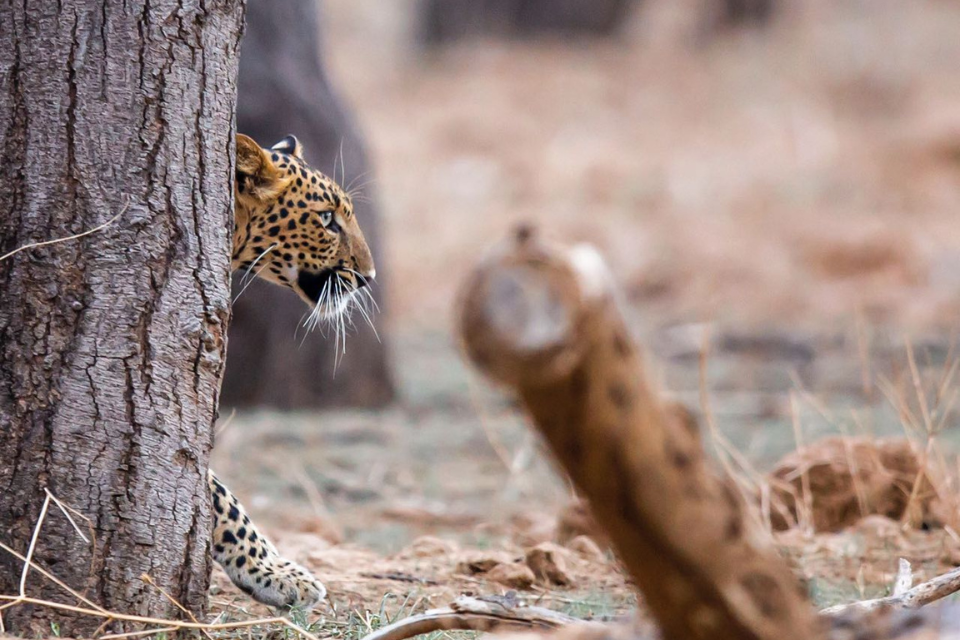
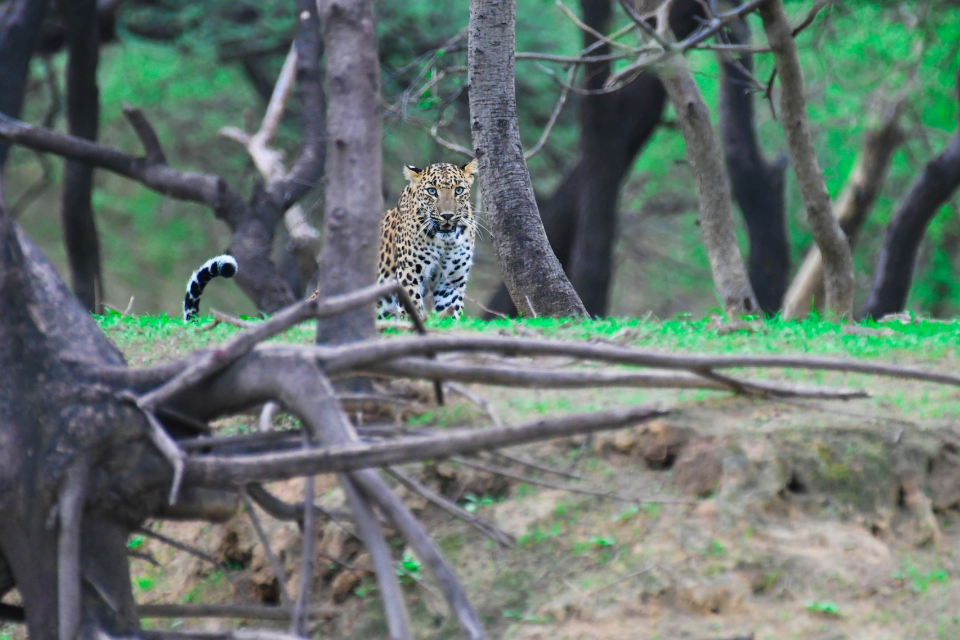
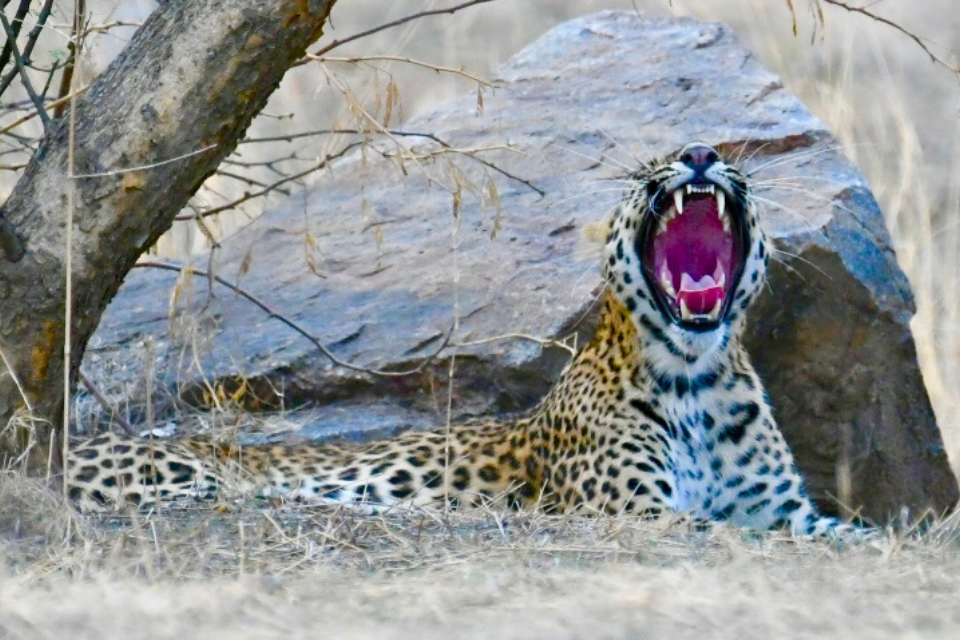
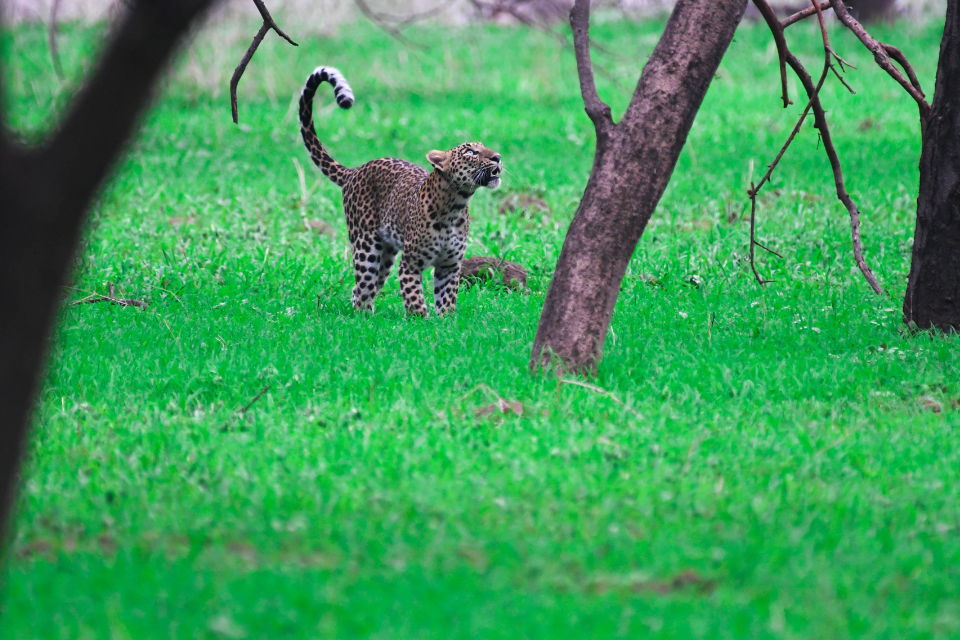
When people think of Jaipur’s leopard safari zones—Jhalana, Amagarh, and Beed Papad—they usually imagine elusive panthers and scenic forest gypsy rides. However, hidden within the dry deciduous forests and rocky ridges of these areas lies another treasure trove: vibrant birdlife.
These wildlife zones are ideal birdwatching hotspots, offering ornithologists, bird photographers, and amateur birders a rich and varied avian experience—all within urban proximity. With over 180+ recorded bird species across these locations, these forests are not only cat territory, but also sky sanctuaries.
This blog explores the birdwatching potential of each zone, what makes them unique, and how to plan the perfect birding trip.
📌 Note: These zones are open to public only through regulated safari permits. While the primary focus is on leopards, the early morning and evening slots are also prime time for birdwatching.
Why Jaipur’s Panther Safaris Are Ideal for Birding
- Diverse Microhabitats
The blend of rocky slopes, acacia woodlands, dry grasslands, and seasonal ponds creates multiple microhabitats attracting a variety of resident and migratory birds.
- Reduced Human Interference
Since these zones are protected and monitored by the forest department, the impact of urban noise, waste, and encroachment is minimal, offering ideal breeding and foraging conditions for sensitive bird species.
- All-Year Access
Jaipur’s mild winters and dry summers offer unique birding experiences across seasons—from migratory winter birds to breeding displays in summer monsoons.
Jhalana: The Original Birdwatcher’s Forest
Key Bird Species
- Indian Pitta (Monsoon visitor, known for its 9-color plumage)
- Spotted Owlet and Barn Owl (seen during dusk)
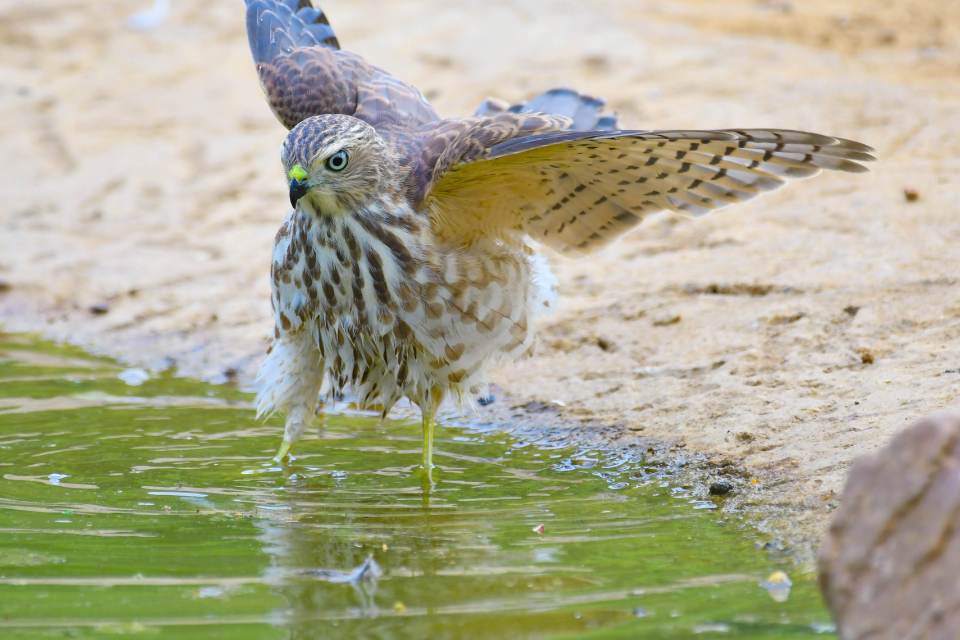
- Shikra, Black-winged Kite (raptors that circle during early morning)
- White-throated Kingfisher, Bee-eaters, Drongos
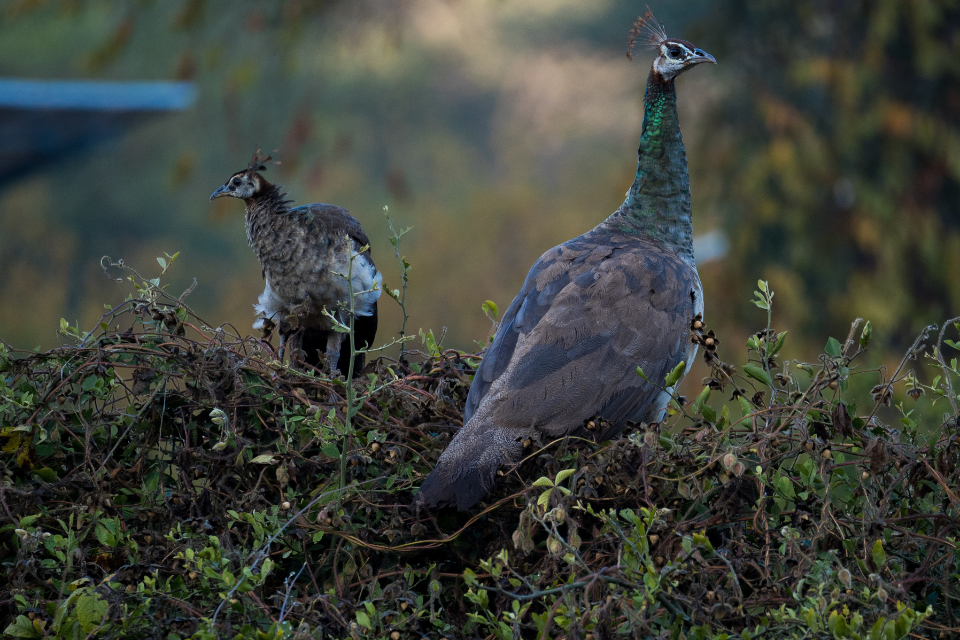
- Indian Peafowl, Grey Francolin, Red-vented Bulbul
Best Time to Visit:
- November to February for migratory species
- June–August for monsoon migrants and nesting displays
Notable Trails:
- Shikar Audi Waterhole: Birds come here early for water
- Bajrang Kund Route: Denser canopy supports shade-loving birds
Photography Tip:
Carry a 300mm+ lens and visit during golden hour (6:45 AM – 8:00 AM) for stunning raptor silhouettes and soft-lit passerines.
Amagarh: Underrated Birding Treasure
Amagarh, with its more rugged and undisturbed terrain, offers sightings that are often missed in Jhalana due to higher tourist traffic.
Highlight Species:
- Indian Paradise Flycatcher (during breeding season)
- Coppersmith Barbet, Alexandrine Parakeet, Brown-headed Barbet
- Jungle Babbler, Oriental Magpie Robin, Indian Robin
- Common Iora, Crested Serpent Eagle, Laughing Dove
Unique Advantages:
- Quieter trails, less vehicle movement means longer bird interaction windows
- Old shrines and ruins attract insectivore birds and provide shelter
Recommended Circuits:
- Bada Dev Trail: Excellent for flycatchers and barbets
- Kho Nala Zone: Hosts dense bushes and water-retaining spots where insectivores thrive
Beed Papad: The New Avian Frontier
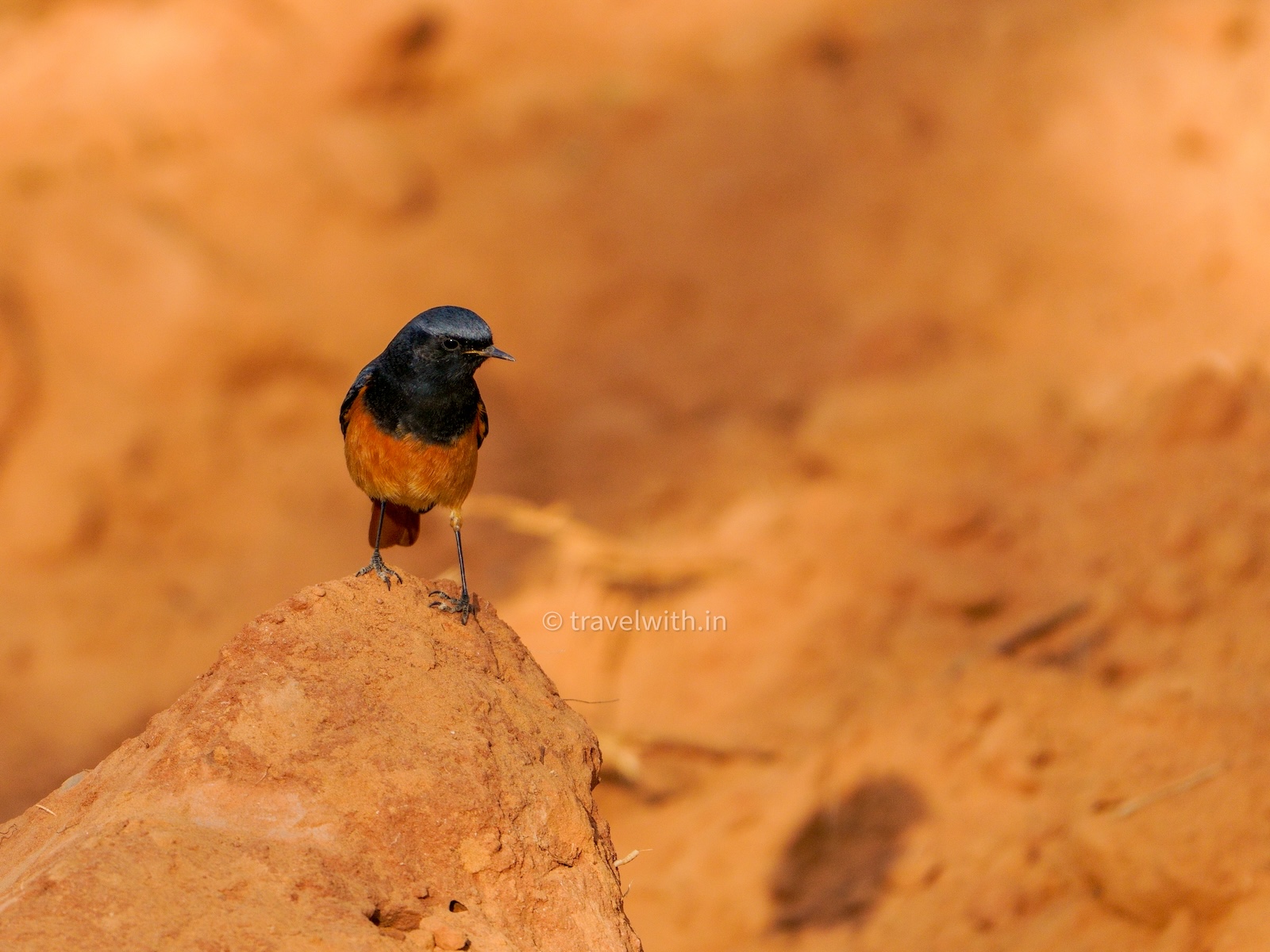
Being newly opened, Beed Papad is still under-documented, making it an exciting spot for birding discoveries.
What You Can Expect:
- Indian Eagle Owl, Common Kestrel, Steppe Eagle (winter)
- Green Bee-Eater, Ashy Prinia, Wire-tailed Swallow
- Greater Coucal, Yellow-eyed Babbler, Bush Lark
Why It’s Special:
- Large open spaces mean excellent skywatching for raptors and kites
- Raw wilderness offers potential to record new species sightings for the Jaipur area
Best Times:
- Winter mornings for raptors
- Post-monsoon evenings for bush birds and warblers
Birdwatching Tips for Jaipur Safari Zones
- Choose the Morning Slot: Birds are most active and vocal during dawn
- Dress Muted: Wear camouflage or earth-tone clothing
- Carry Binoculars (8×42 or 10×50) and a spotting scope if available
- Bring Field Guide Books like “Birds of Indian Subcontinent” by Grimmett, Inskipp & Inskipp
- Log Your Sightings: Use apps like eBird or Merlin to contribute to conservation data
- Maintain Silence and limit movement when birds are close
- Avoid Flash Photography to not disturb nesting birds
Responsible Birding & Conservation
What Not to Do:
- Do not play bird calls to attract them artificially
- Avoid feeding birds or leaving food behind
- Don’t crowd nesting areas or disturb fledglings
Community Involvement:
Local guides are now being trained in basic bird ID and behavior. Supporting these programs ensures locals understand the value of avifauna and protect habitats.
Your interest helps raise the value of these forests beyond large mammals and makes a case for multi-species conservation.

Conclusion
Jaipur’s leopard safari zones are fast becoming India’s most accessible birdwatching destinations, especially for urban travelers who want rich biodiversity without venturing too far.
From the haunting call of the Indian Eagle Owl in Beed Papad, to the electric colors of the Pitta in Jhalana, and the fluttering flycatchers of Amagarh—each visit is a journey through feathers, songs, and sky.
Whether you’re an ornithologist, a nature-loving traveler, or a student discovering the wild for the first time, these zones promise moments of discovery, wonder, and ecological awakening.
So pack your binoculars, charge your camera, and prepare for a safari of wings, not just whiskers.
🕊️ Frequently Asked Questions (FAQs)
- Are Jhalana, Amagarh, and Beed Papad open for birdwatching without a safari permit?
No. These zones are protected and require official leopard safari permits to enter. While the safaris focus on leopard sightings, early morning and evening slots are excellent for birdwatching. You cannot enter these areas independently without forest department approval.
- What’s the best time of year for birdwatching in these zones?
- Winter (Nov–Feb): Ideal for migratory raptors, owls, and water birds.
- Monsoon (Jul–Aug): Great for spotting breeding species like the Indian Pitta and Paradise Flycatcher.
- Post-Monsoon (Sep–Oct): Active season for bush birds and insectivores.
- What kind of birds can I expect to see in Jhalana?
Key bird species include:
- Indian Pitta
- Spotted Owlet & Barn Owl
- Black-winged Kite
- White-throated Kingfisher
- Peafowl, Bulbuls, Francolins
It’s a mix of woodland birds, raptors, and dry scrub species.
- How is birding in Amagarh different from Jhalana?
Amagarh is:
- Less crowded, meaning better birding windows
- Hosts unique species like the Indian Paradise Flycatcher and Barbets
- Offers quieter trails with dense foliage and minimal disturbances
- Is Beed Papad good for bird photography?
Yes! Beed Papad’s open landscapes and undisturbed areas are excellent for raptor flight shots, owls, and bush birds. It’s still being explored, so there’s a chance to document rare or underreported species.
- Do I need special gear for birding in these safari zones?
Recommended gear includes:
- Binoculars (8×42 or 10×50)
- Camera with 300mm+ lens
- Bird field guide or birding apps (e.g., Merlin, eBird)
- Muted/earth-tone clothing
- Water bottle, sunscreen, and insect repellent
- Are there birding guides available in Jaipur?
Yes. Some local safari guides are being trained in bird identification and behavior. Ask for a guide with birding experience when booking. You can also check with local birdwatching clubs or wildlife NGOs.
- Can I use bird call playbacks to attract birds?
No. Playing bird calls is discouraged as it disrupts natural behavior, especially during breeding season. Ethical birding involves observation, not interference.
- What are some rare birds to look out for in these zones?
- Indian Paradise Flycatcher (Amagarh – breeding season)
- Indian Eagle Owl (Beed Papad – winter evenings)
- Indian Pitta (Jhalana – monsoon)
- Steppe Eagle, Common Kestrel (Beed Papad – winter)
- Can children or beginners enjoy birding in these safaris?
Absolutely! The safaris are jeep-based, safe, and beginner-friendly. Children can enjoy spotting peacocks, parakeets, and owls. It’s a great way to introduce them to bird conservation and ecology.
- Do birders need different permits than regular leopard safari visitors?
No separate permits are required. The same safari permits used for leopard tourism allow access to the zones. However, you should inform your guide in advance about your birding focus.
- Are there eco-lodges or accommodations near these zones for birders?
Yes. Jaipur offers:
- Homestays and hotels near Jhalana Forest Reserve
- Eco-friendly resorts around Amagarh Hills
- Emerging tent stays near Beed Papad (as the zone develops)
- How can I contribute to bird conservation while visiting?
- Record sightings on platforms like eBird
- Support local guides and community-run safaris
- Avoid disturbing habitats or nesting areas
- Share your experiences and photos to raise awareness
- Are there any birdwatching events or guided bird walks in Jaipur?
Yes. NGOs, universities, and birding clubs organize bird counts, photography walks, and awareness drives in and around Jaipur. Keep an eye on local wildlife event calendars or Facebook groups.
- Is birdwatching affected by the presence of leopards or other wildlife?
Not significantly. Leopards are mostly elusive and active during different hours. Birdwatchers often benefit from the protected, undisturbed habitat maintained for larger mammals, which also supports rich avian life.
Disclaimer All images used in this blog are either sourced from public domain or credited to their respective owners. If you are the copyright holder of any image and wish to request its removal or proper attribution, please contact us at [email protected]