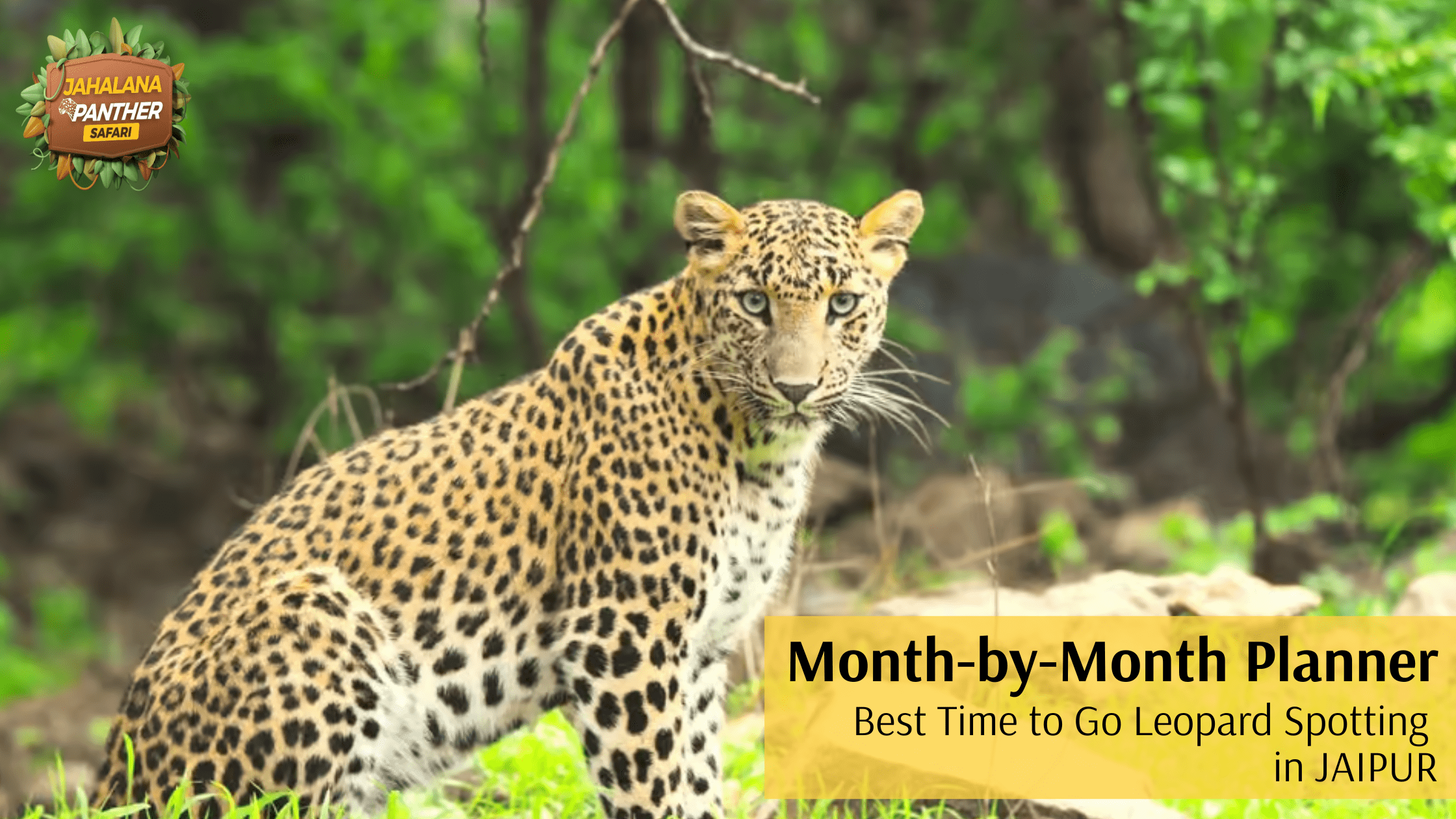
Month-by-Month Planner: Best Time to Go Leopard Spotting in Jaipur
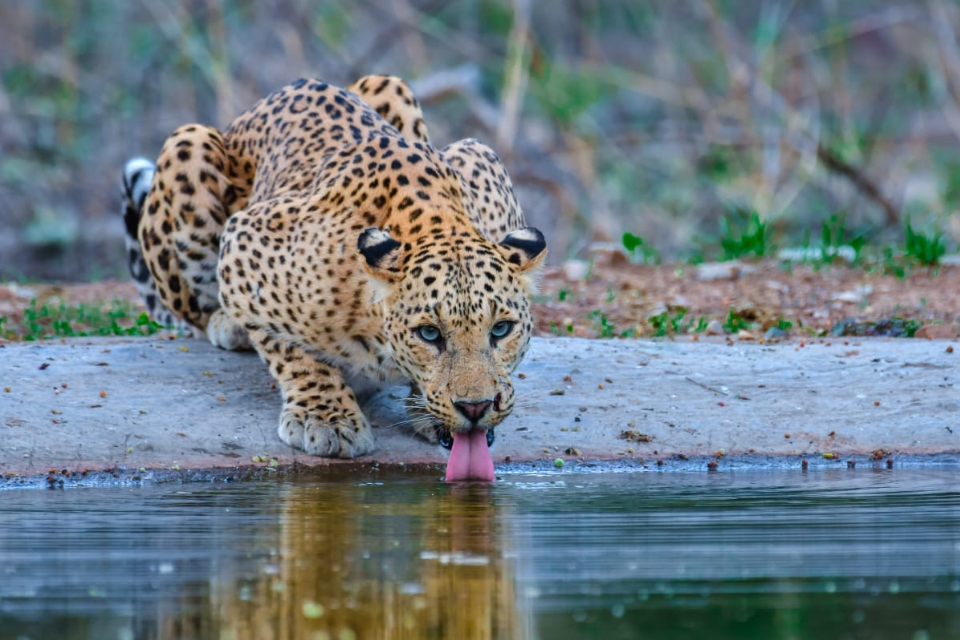
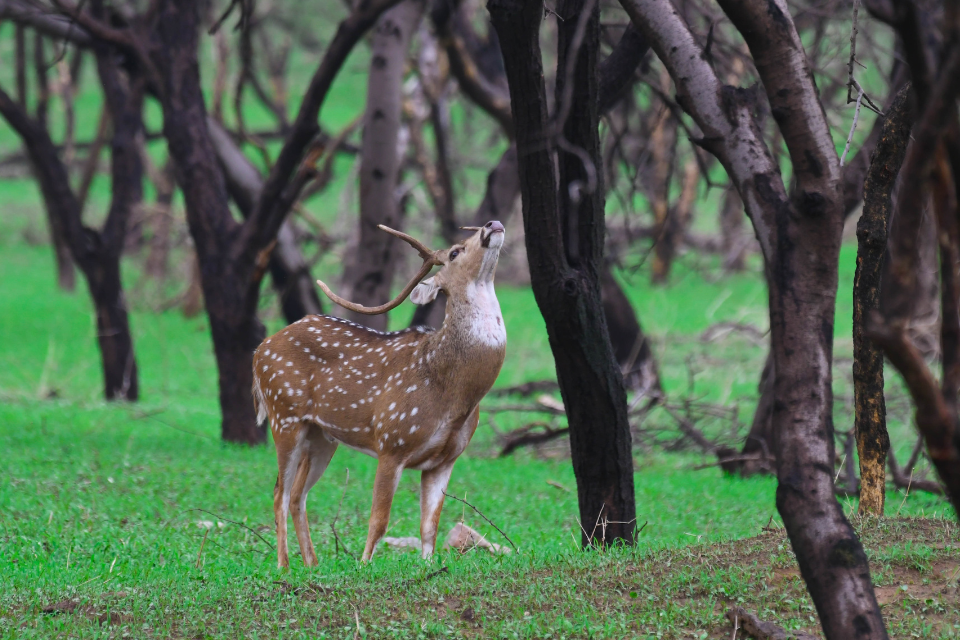
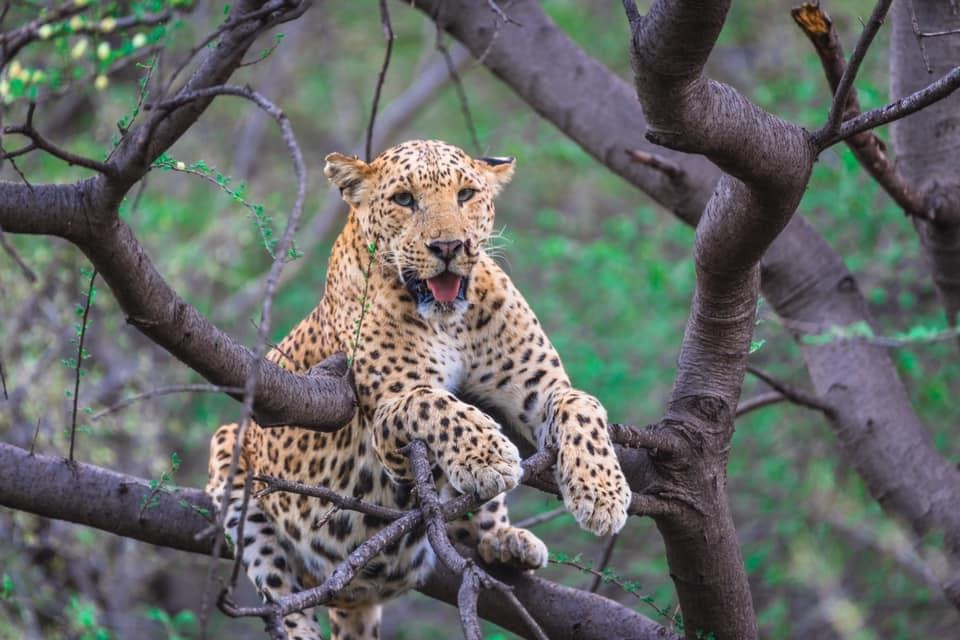
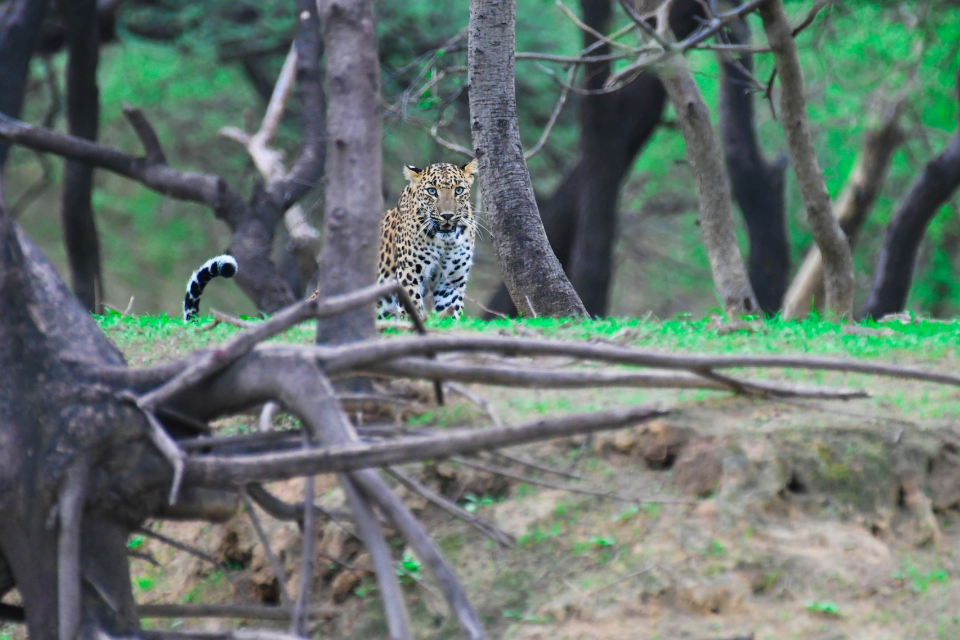
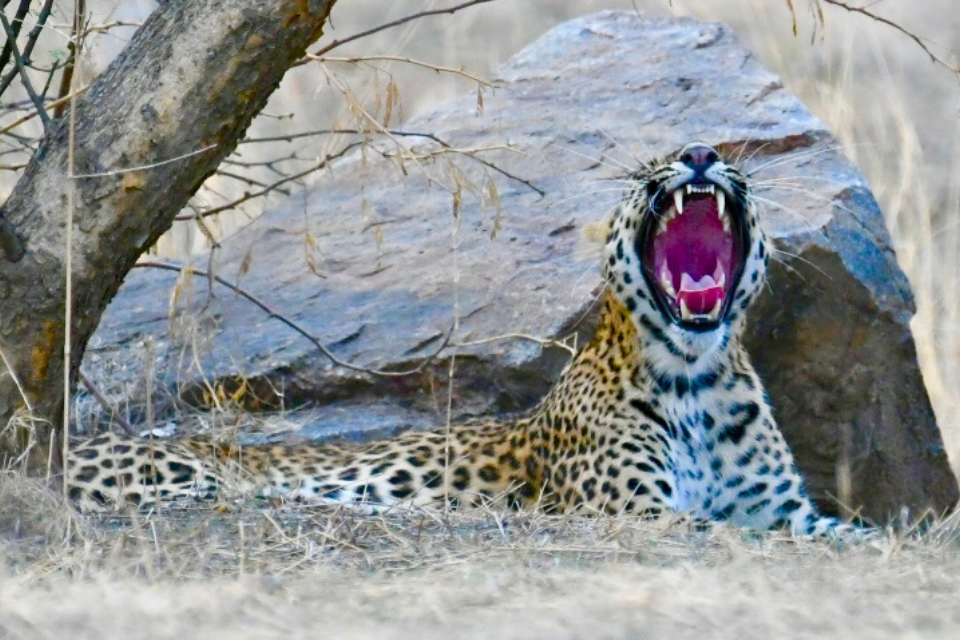
Leopard safaris around Jaipur (Jhalana, Amagarh and Beed Papad/Maila Bagh) are unique: you’re tracking big cats in the Aravalli hills just minutes from a royal city. But “when” you go matters. Weather swings from crisp winter mornings to blazing pre-monsoon afternoons and lush green monsoon valleys.
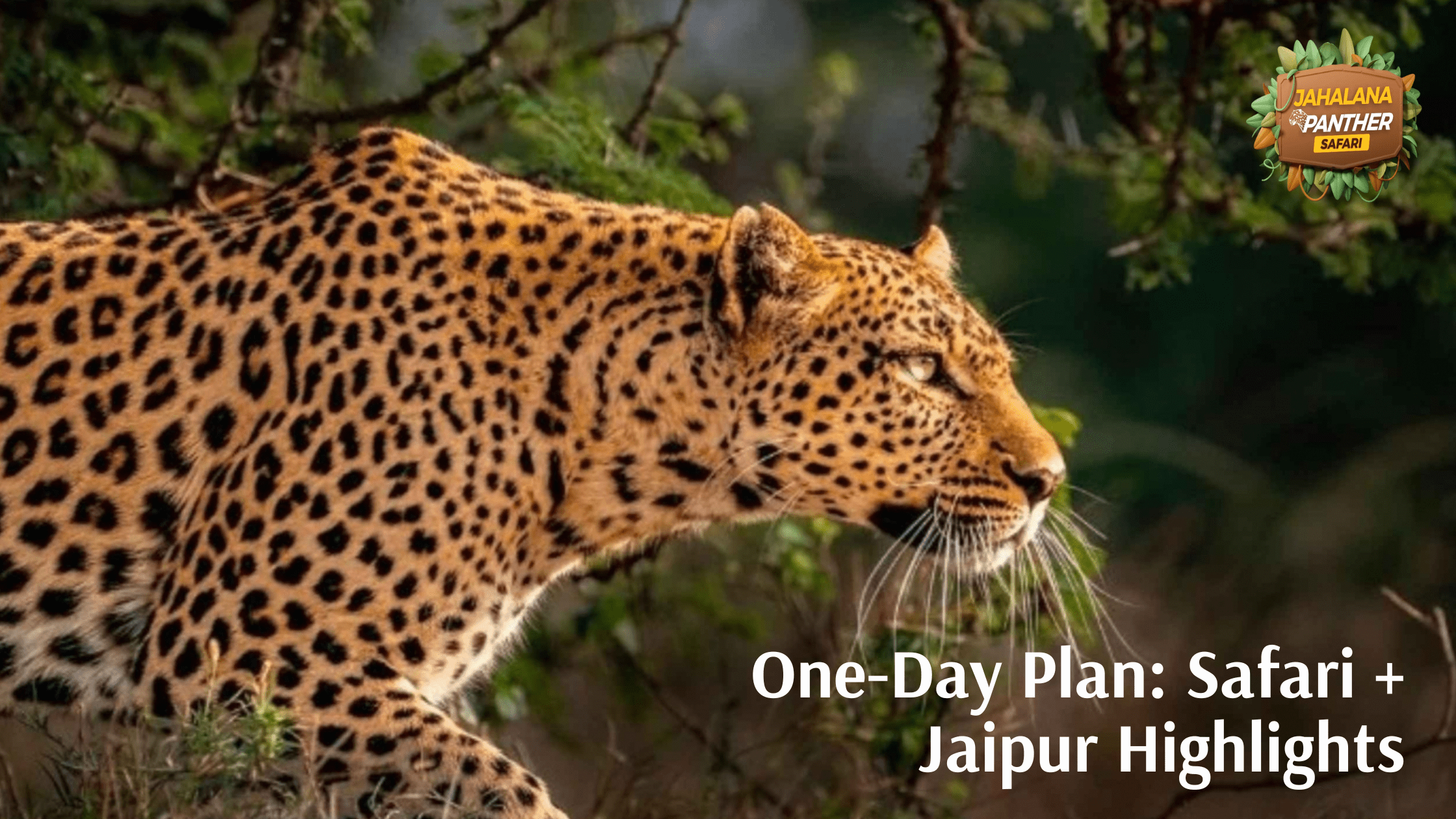
One-Day Plan: Safari & Jaipur Highlights (Perfect 24-Hour Itinerary)
Jaipur can feel like a maze of pink facades, palaces, and bazaars. Add a leopard safari to the mix and your day can either become unforgettable—or… very rushed. This plan blends wildlife and heritage in a sequence that respects actual opening times, traffic patterns, and energy levels. You’ll catch the calm of dawn in the forest, dive into royal history by late morning, and wrap with golden-hour photos.
Birds by Season: A Simple Calendar
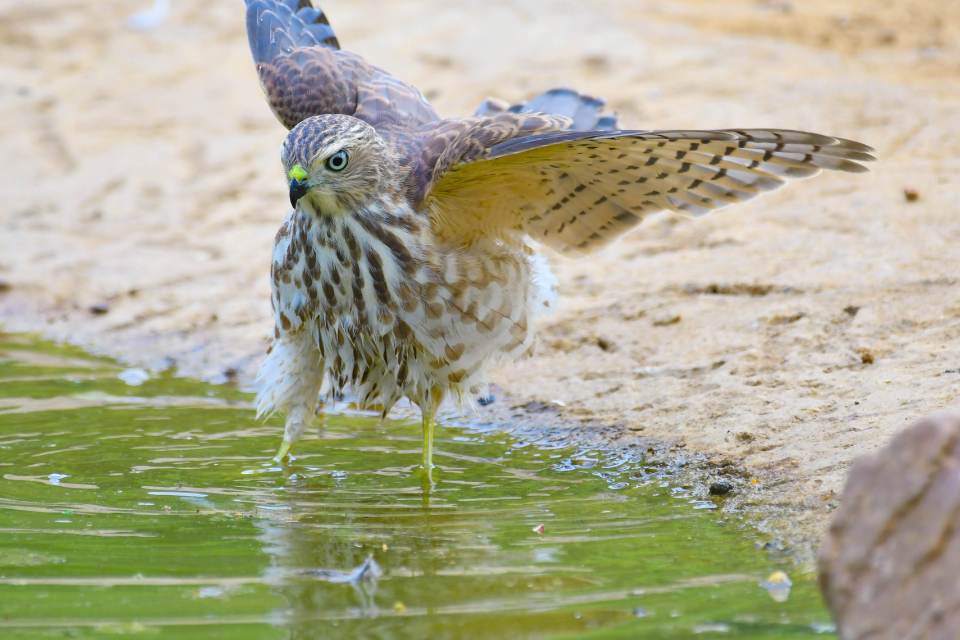
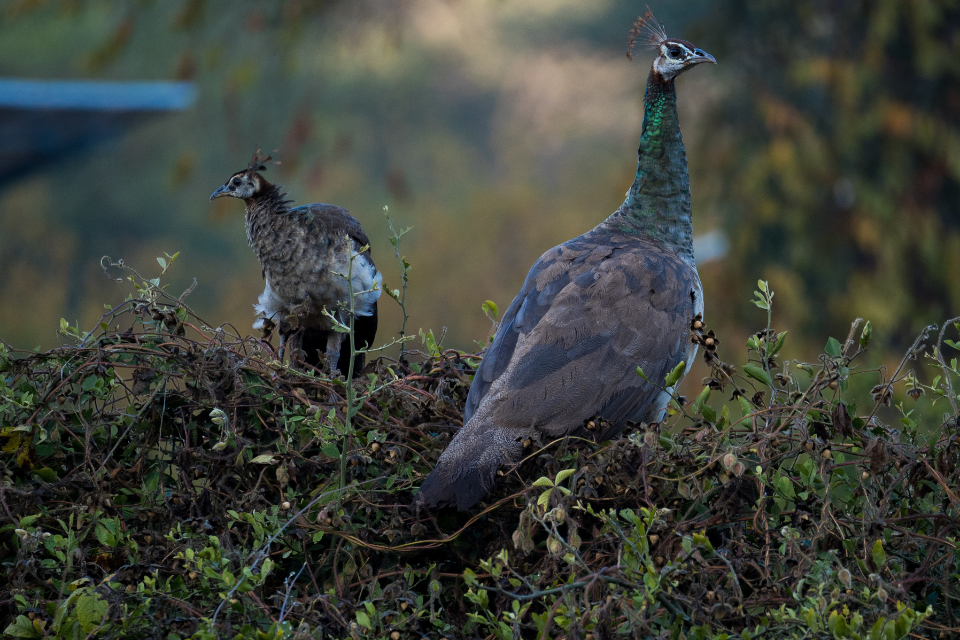
Birds are predictable in delightful ways. While any day outside can surprise you, the seasons offer reliable rhythms: winter gathers ducks and finches, spring explodes with songbirds, summer hums with nesting activity, and fall funnels raptors and shorebirds south. A simple calendar helps you plan trips, time backyard projects, and set realistic expectations—so you head out with curiosity and a purpose.
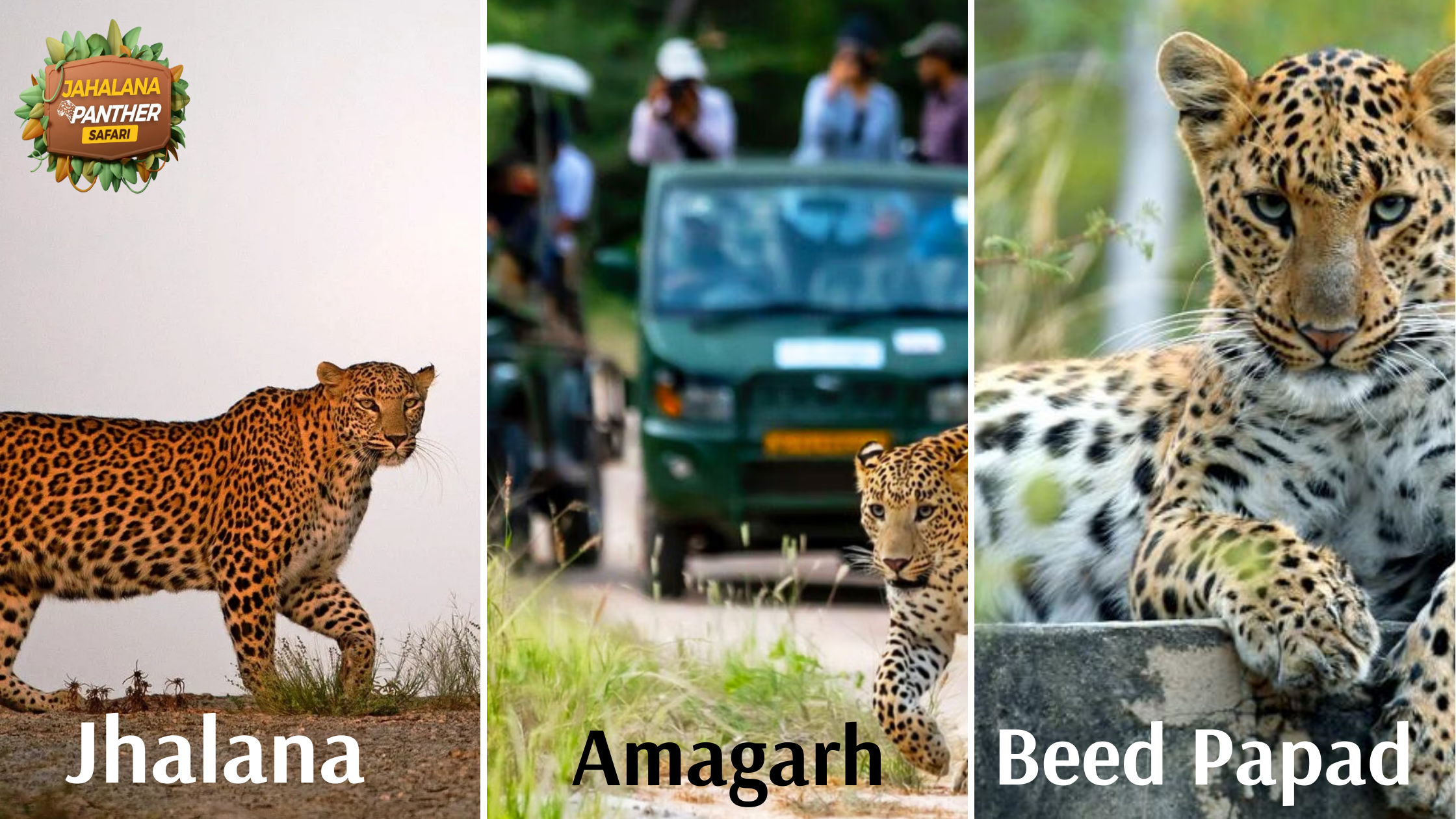
Routes Compared: Jhalana vs Amagarh vs Beed Papad (Jaipur Leopard Safaris)
Picking a leopard safari near Jaipur? You’re spoiled for choice. Within a short drive of the Pink City, you can choose from the pioneering Jhalana, the atmospheric Amagarh near Galtaji, or Jaipur’s newest wild frontier—Beed Papad (Maila Bagh), a fresh route inside the broader Nahargarh landscape.
How to Book Jhalana, Amagarh & Beed Papad Leopard Safaris (Jaipur)
If you’ve been dreaming of a quick big-cat fix inside Jaipur city limits, the leopard safaris at Jhalana, Amagarh, and the newer Beed Papad/Maila Bagh corridor are hard to beat. The good news: you can book them online; the tricky part is knowing which official portal to use, when to book, and what to bring.
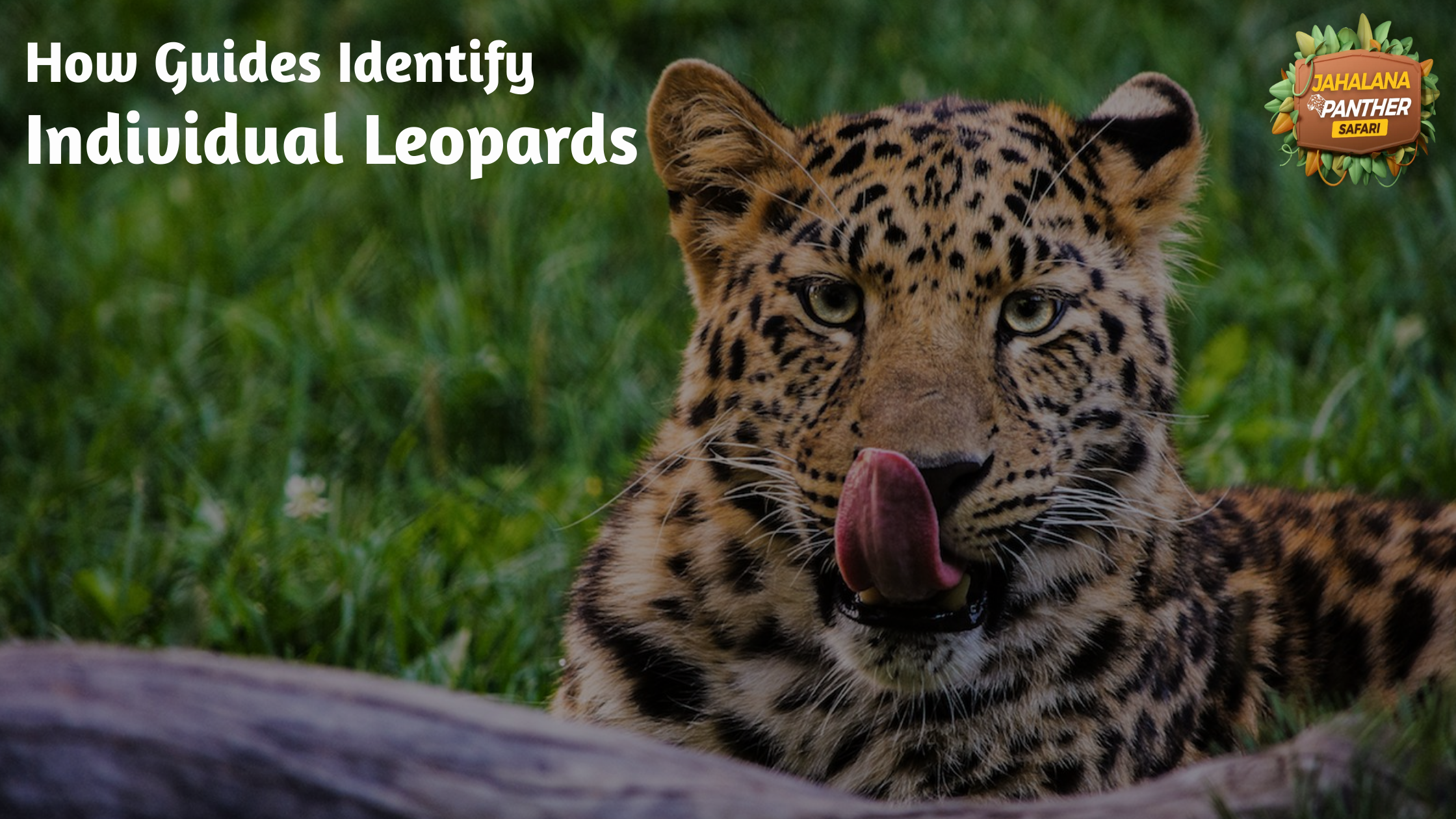
How Guides Identify Individual Leopards-Rosettes, Whisker Spots, Ears, Tail Rings & More
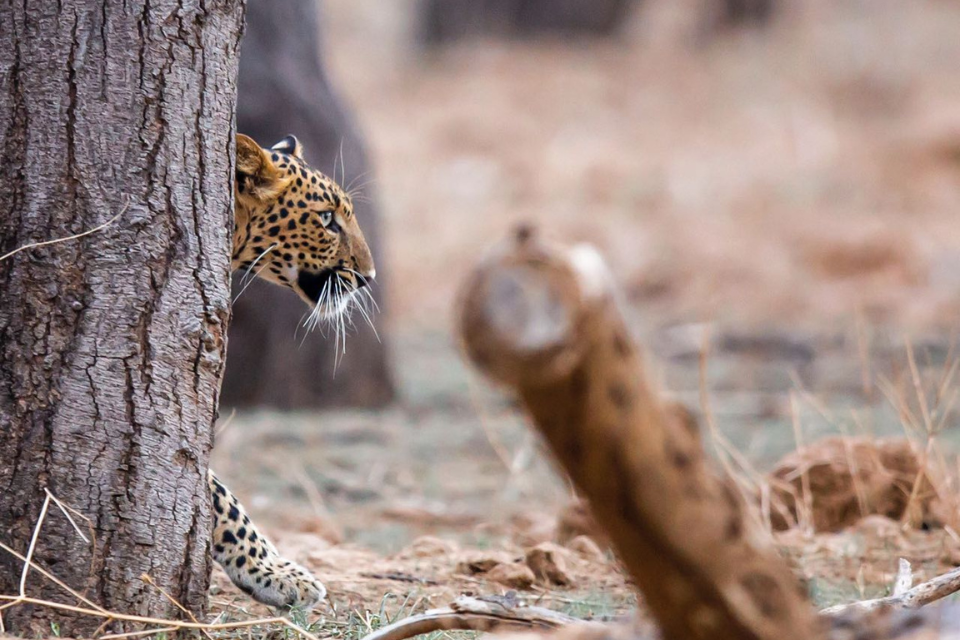
Leopards are the stealth artists of the cat world—silent, shadow-colored, and maddeningly good at vanishing just when you lift the binoculars. Yet experienced guides can often say, “That’s the male we call Split-Ear,” or “The young female Ridge-3.” How do they do it—consistently and ethically—when sightings are fleeting and light is fickle?
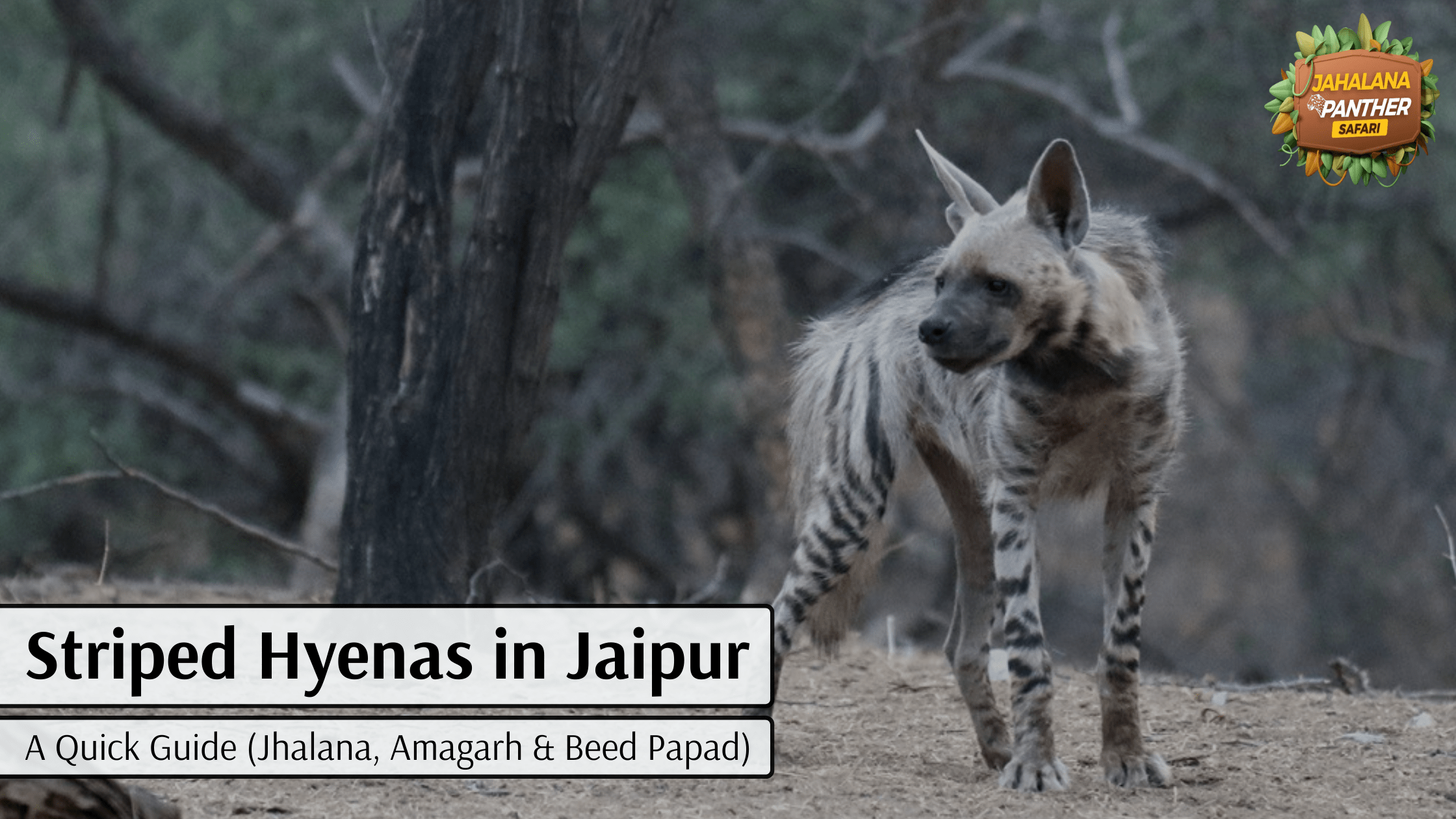
Striped Hyenas in Jaipur: A Quick Guide (Jhalana, Amagarh & Beed Papad)
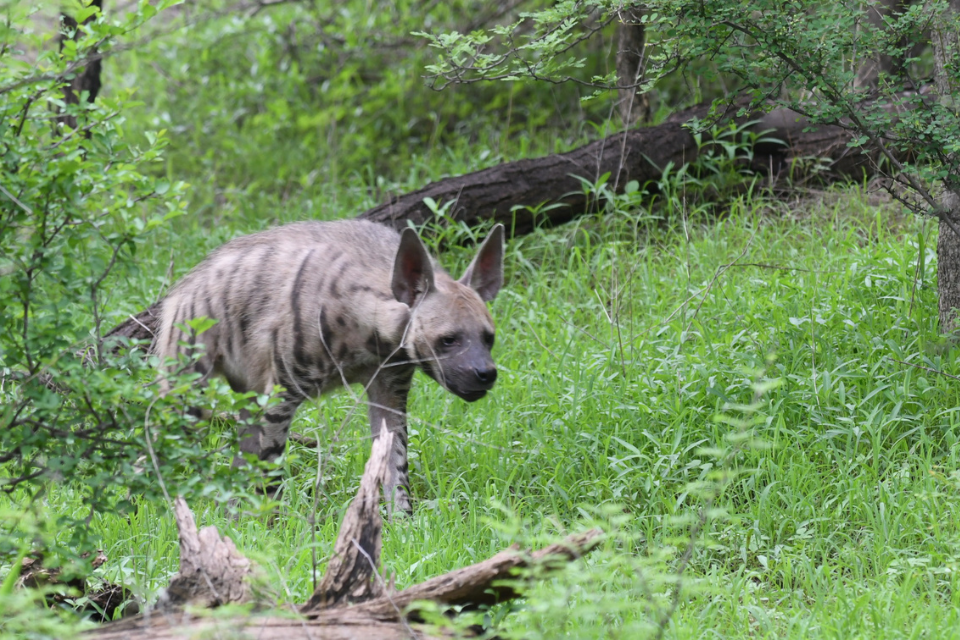
Leopards get the limelight in Jaipur—but the striped hyena (Hyaena hyaena) is the city’s most secretive star. Shy, mostly nocturnal, and surprisingly helpful to people (think: natural clean-up crew), striped hyenas slip through the same Aravalli folds as Jaipur’s big cats. This guide covers where you might encounter them (or their signs), how to look, and what to know so your visit stays respectful and safe.
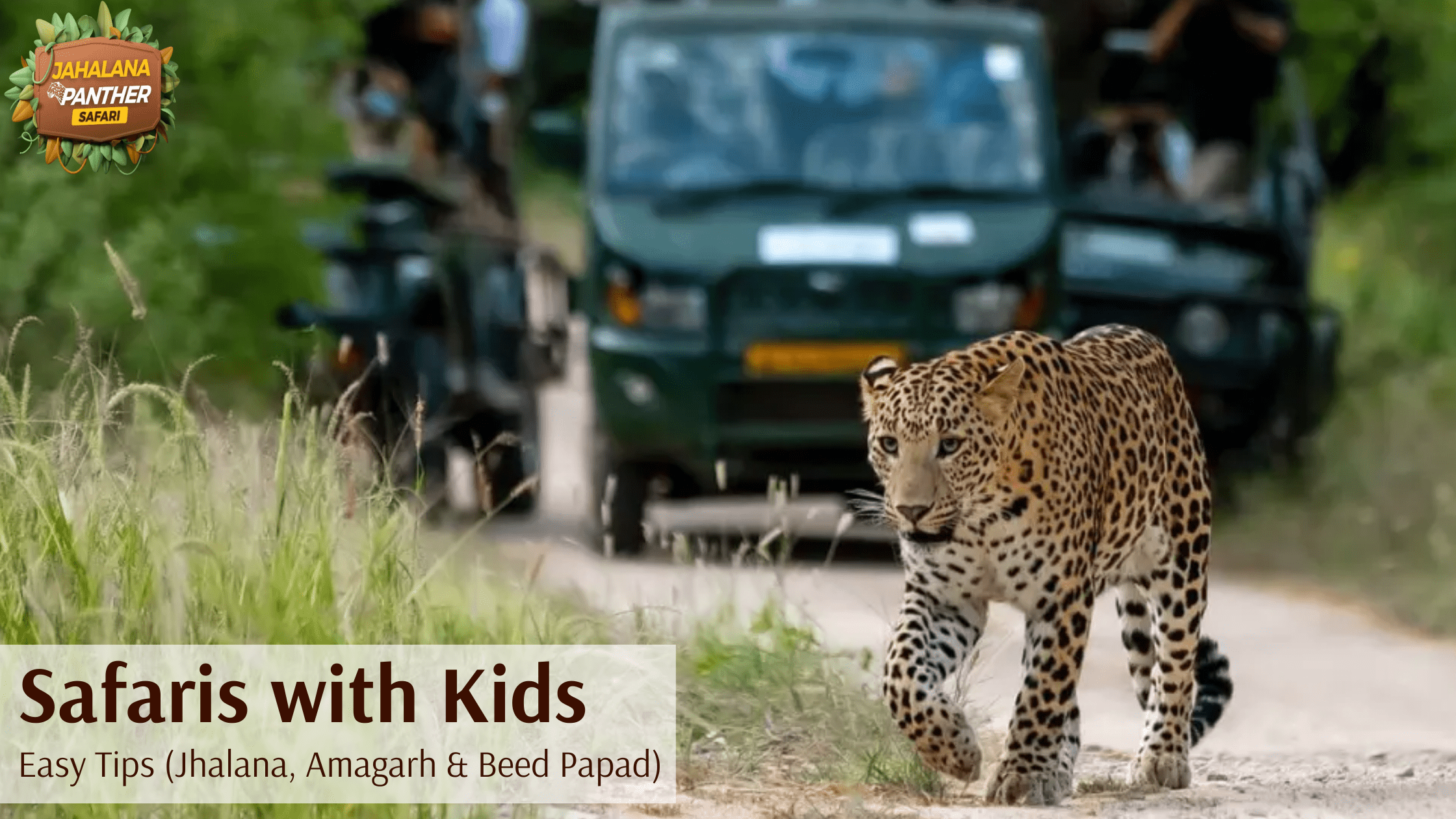
Safaris with Kids: Easy Tips (Jhalana, Amagarh & Beed Papad)
Because it’s short, close to the city, and wildly memorable. Jhalana, Amagarh, and Beed Papad are compact Aravalli habitats where drives last ~2–2.5 hours—perfect for small attention spans. You get real wildlife (leopards, hyenas, jackals, birds, reptiles) without an all-day commitment. With a little prep—quiet voices, middle seats for little ones, snacks, and sun/rain gear—you’ll turn “Are we there yet?” into “When can we go again?”
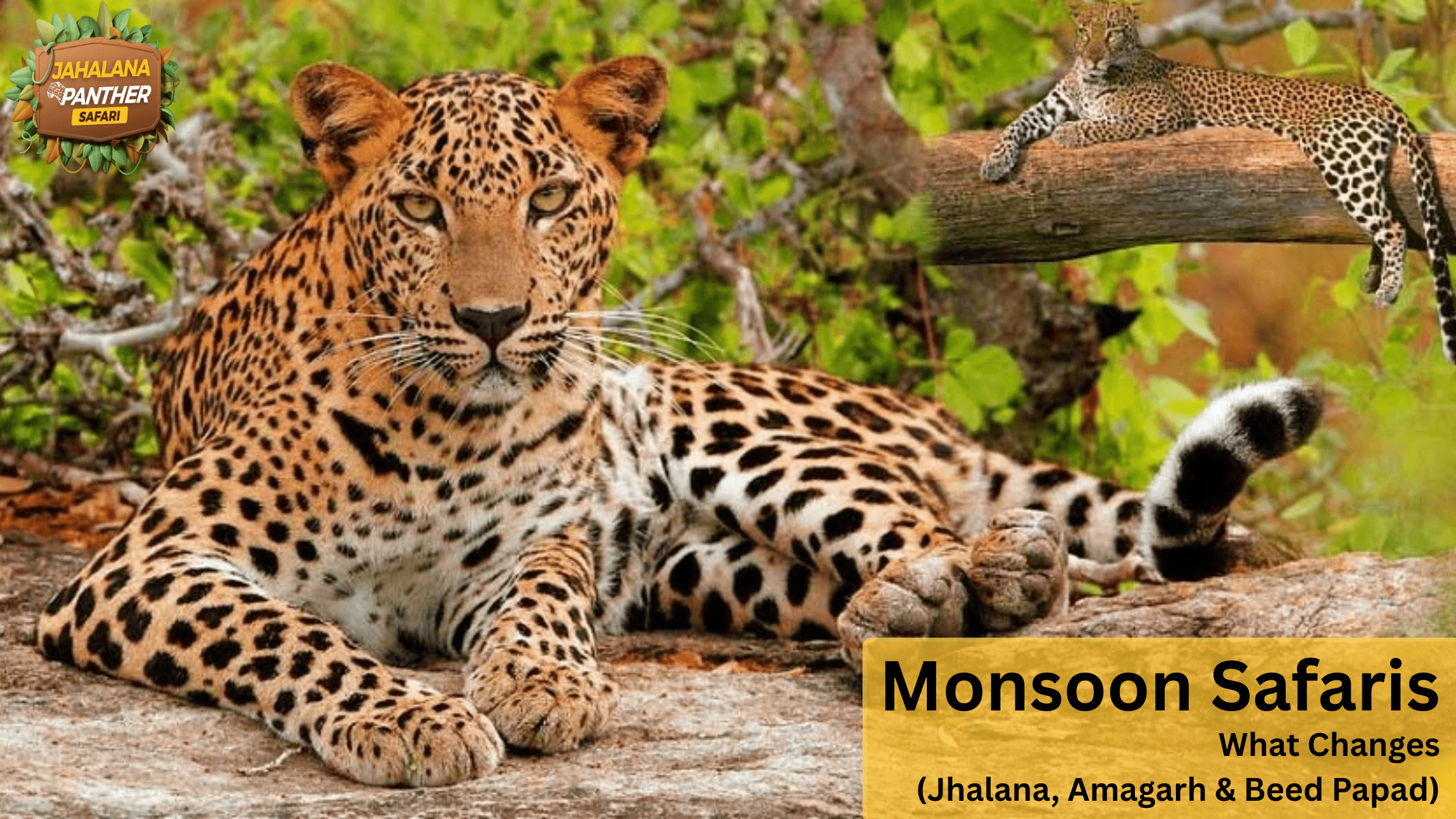
Monsoon Safaris: What Changes (Jhalana, Amagarh & Beed Papad)
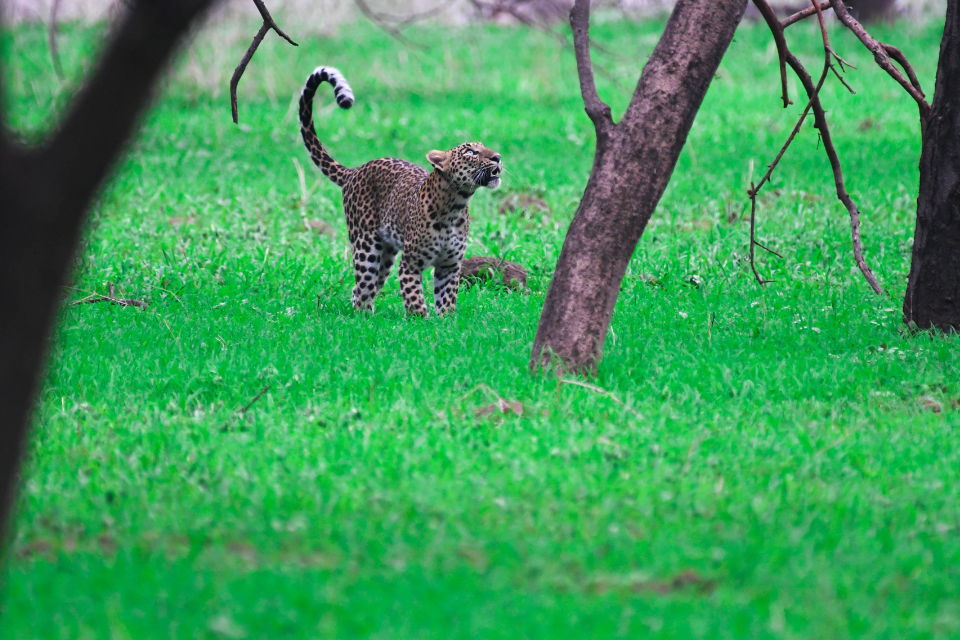
Monsoon (July–September) flips Jaipur’s leopard safaris from dusty browns to lush green. Sightings don’t stop, but they shift: animals spread out as water is everywhere, grass grows taller, and calls echo differently. You’ll rely more on tracks, alarm calls, and ridge scanning than on “wait at one waterhole.”
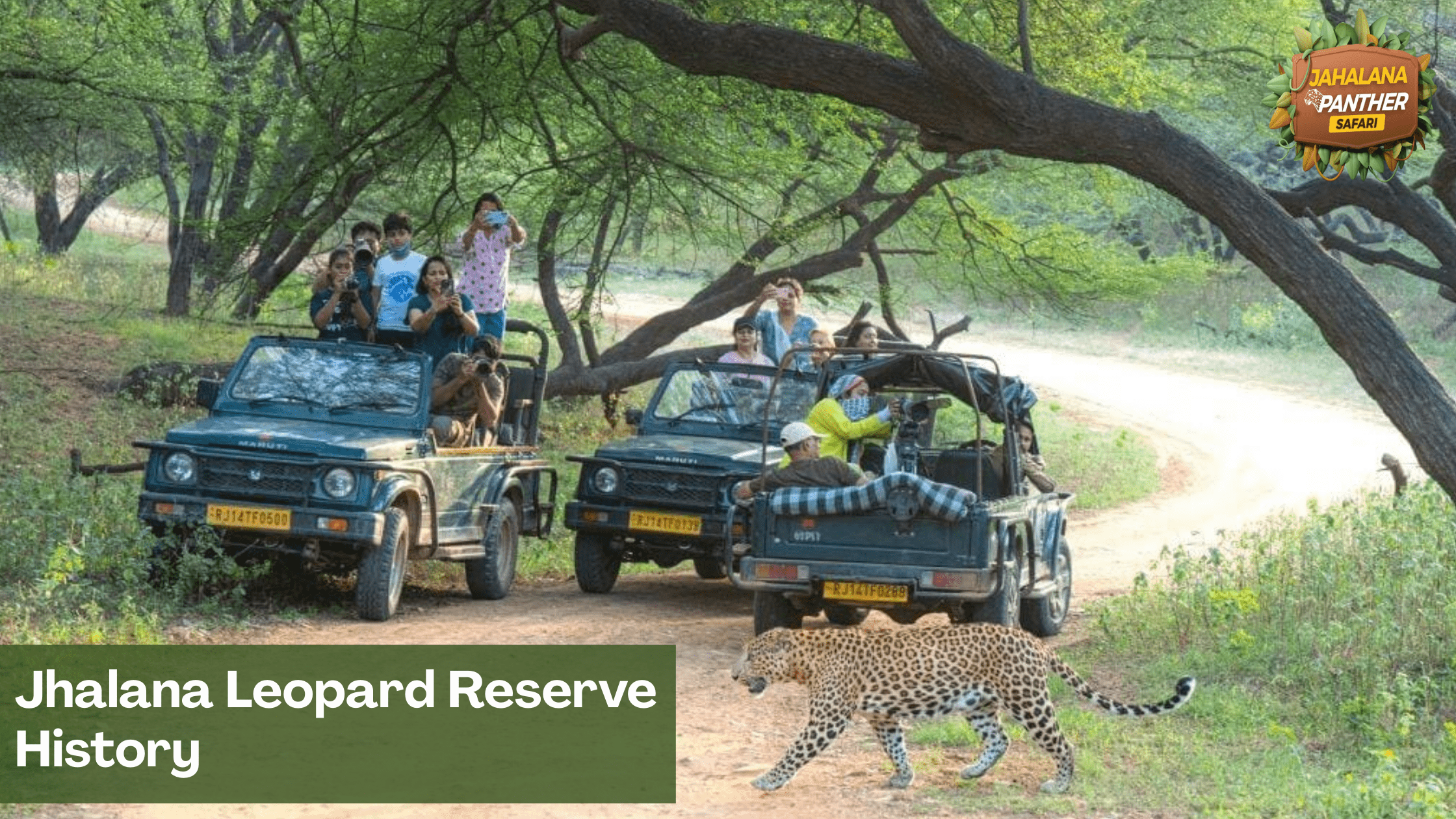
Jhalana Leopard Reserve History
Jhalana sits inside Jaipur’s expanding city limits—yet it shelters a thriving leopard population. The forest first opened to tourists in December 2016, and in 2017 it was designated India’s first dedicated leopard reserve—a big policy shift that turned a once-hunted landscape into a model for urban wildlife conservation.