
5 Ancient Secrets: The Billion-Year Throne of Jhalana Panther Safari (2026 Guide)
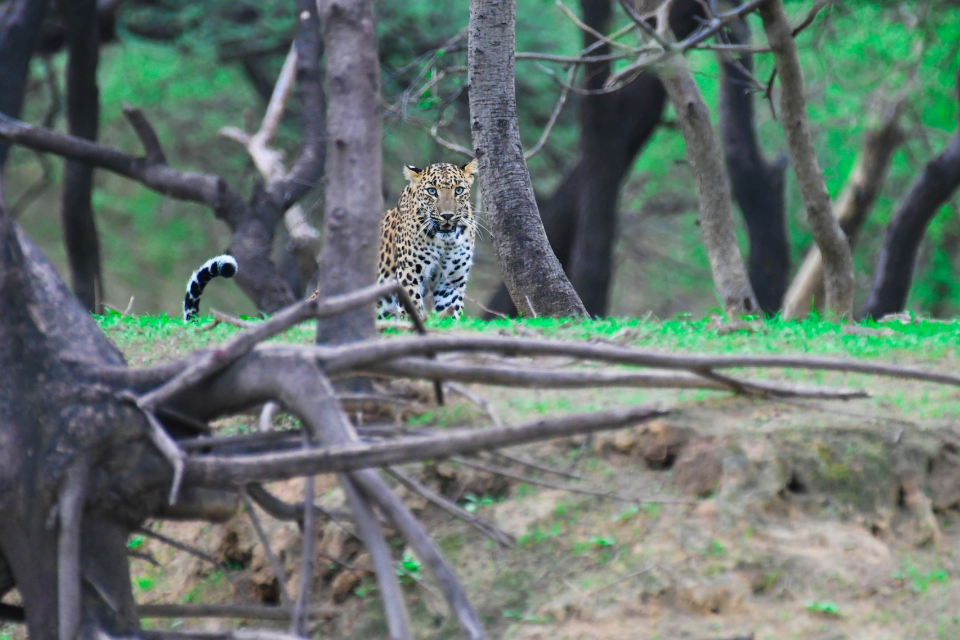
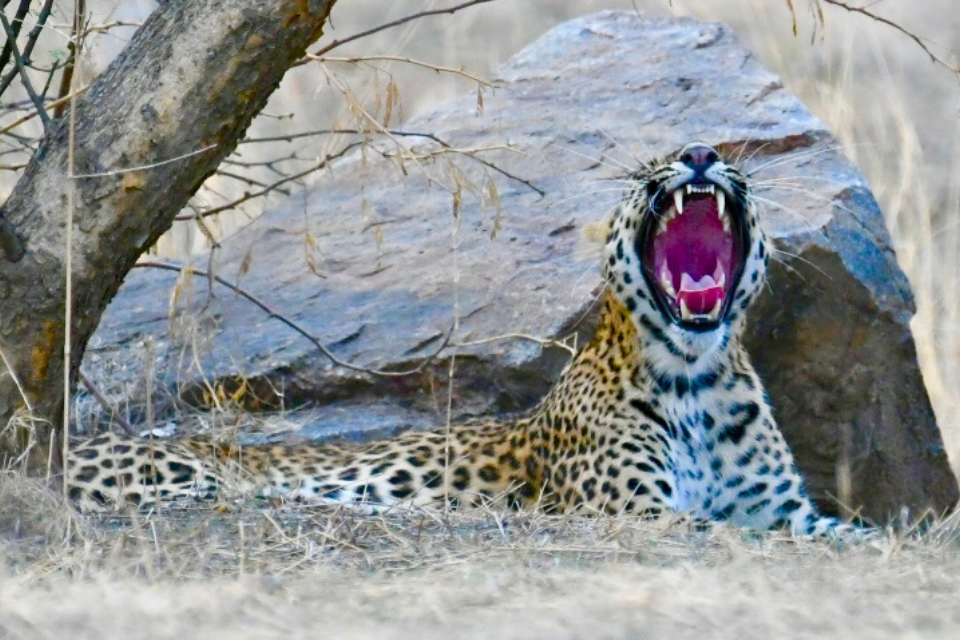
Step back in time! Discover how 2-billion-year-old Aravalli rocks create the ultimate fortress for Jaipur’s big cats. From prehistoric caves to mineral-matched camouflage, learn the 5 ancient secrets that make the Jhalana wildlife ecosystem a world-class sanctuary

5 Secrets: The Neon Jungle of Jhalana Panther Safari (2026 Guide)
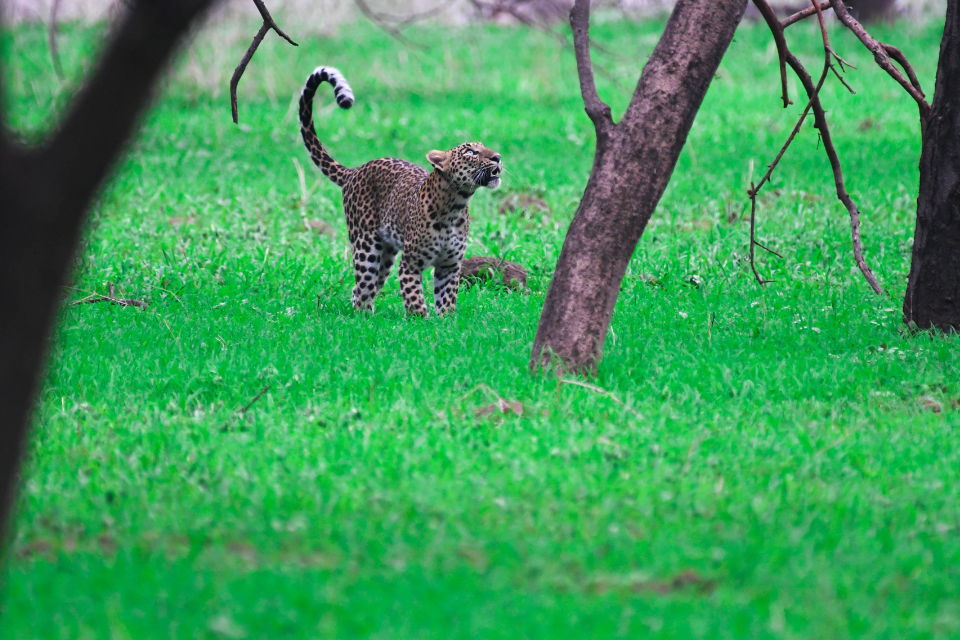
Witness the surreal “Neon Jungle” where ancient predators meet modern civilization. This unique Jhalana Panther Safari guide reveals the 5 secrets of how Jaipur’s leopards have adapted to city lights and urban sounds to become the ultimate masters of survival.
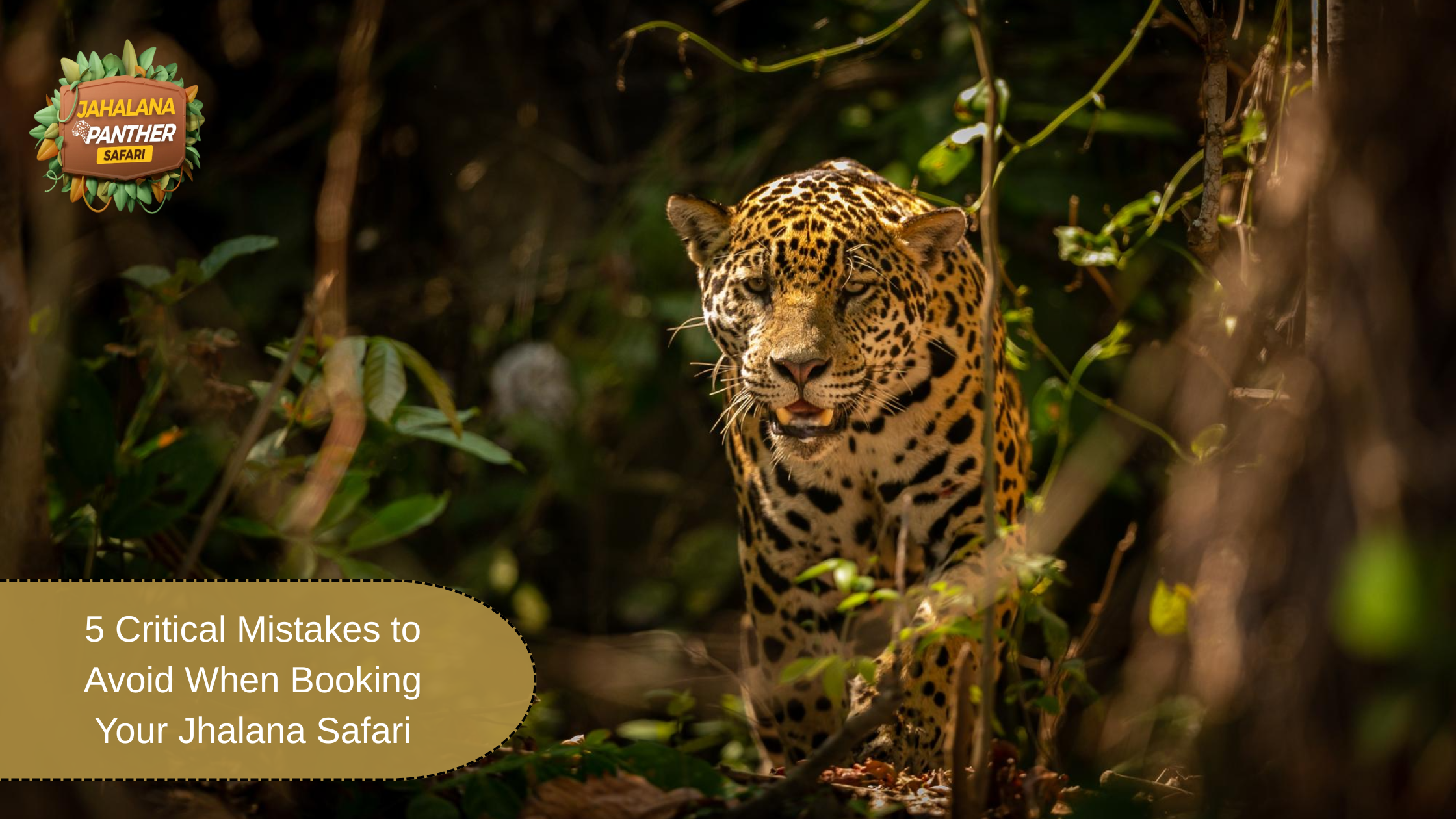
5 Critical Mistakes to Avoid When Booking Your Jhalana Safari
5 Critical Mistakes to Avoid When Booking Your Jhalana Safari Jhalana Leopard Reserve is a world-class destination where leopards are the undisputed apex predators. However,

Two-Day Jaipur Wildlife Itinerary: Combine Jhalana, Amagarh & Maila Bagh With City Sights
Planning a short Jaipur break that balances big-cat thrills with Old City charm? Here’s a 2 day Jaipur wildlife itinerary designed to maximize leopard safaris at Jhalana, Amagarh, and Maila Bagh (Beed Papad) while slotting in the must-see forts, palaces, and markets. You’ll get AM/PM slot pairings, hotel zone advice, typical commute times, and clear CTAs to book safaris and city add-ons—perfect for both inspiration and quick transactions.
________________________________________
Why this plan works (in 30 seconds)
• Three urban leopard landscapes within Jaipur: Jhalana (SE Jaipur), Amagarh (Galta/Agra Road hills), and Maila Bagh–Beed Papad (Nahargarh side). Maila Bagh opened as the city’s third safari in 2025, expanding tracks and visitor facilities.
• Two daily safari windows in Jaipur—morning and evening—let you pair game drives with city sights when the light is best. Typical slot bands vary by season; examples below.
• Short commutes from most hotel zones mean you can do two safaris per day without wasting hours in traffic.
Maila Bagh Safari Explained: Routes, Entry Gates, Ticketing & Best Time
The operational entry used by registered safari vehicles is via Vidyadhar Nagar (north/north-east Jaipur). Local coverage and operator pages consistently reference this approach for Maila Bagh–Beed Papad drives. Pin “Vidyadhar Nagar leopard safari entry” (near Bhuteshwar Mahadev / Papad Ke Hanumanji corridor) and then follow on-ground boards to the forest department check-post. Always buffer 20–25 minutes for paperwork/briefing.
Parking & reporting: Most operators ask you to report 30–40 minutes before your slot at the designated parking/assembly point, from where registered gypsies enter the safari in batches. Keep original ID handy.
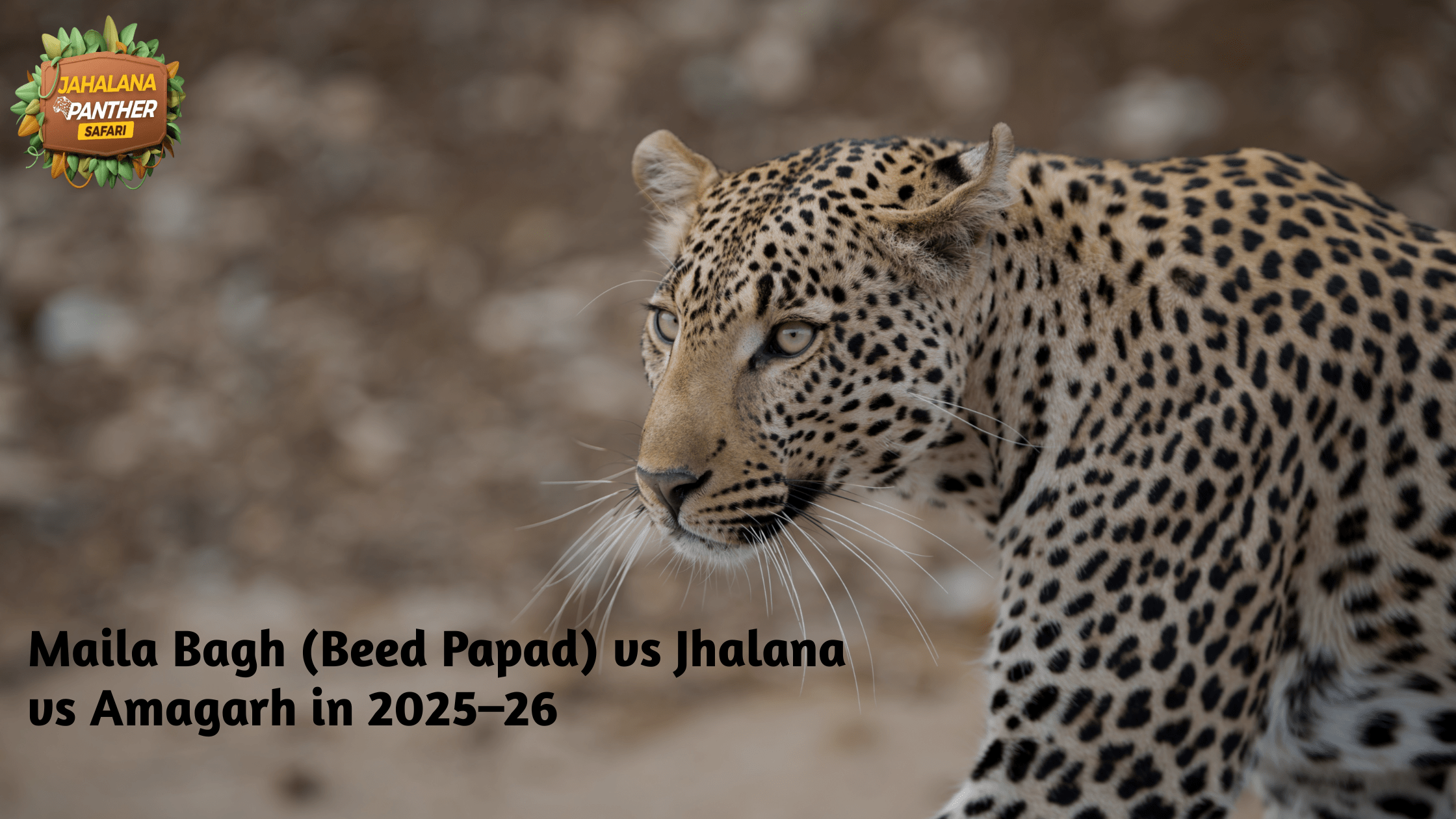
Maila Bagh (Beed Papad) vs Jhalana vs Amagarh in 2025–26:
if you’re chasing freshest routes and fewer crowds, Maila Bagh/Beed Papad is the hot, new third zone. For the most established logistics and “safe bet” urban leopard viewing, Jhalana remains the classic. If you want rugged terrain, birding variety and seasonal drama in the Aravallis, Amagarh is a strong middle path. This guide compares them head-to-head—pros/cons, access, leopard density, track networks, approximate booking caps, timings, and best months—and ends with a decision flowchart and FAQs so you can book with confidence.
Maila Bagh (often called Beed Papad Safari) was officially launched around World Environment Day, June 5, 2025, adding a third leopard-watching venue in Jaipur alongside Jhalana and Amagarh. Early coverage cited about 19 leopards, two primary routes (Kishan Bagh side and New Biological Park–Audhi Ramsagar linkage), roughly 15 km² of motorable tracks, and ~10 registered vehicles for guided tours, with access via Vidyadhar Nagar.

Top 10 Insider Secrets for a Stellar Leopard Safari Experience
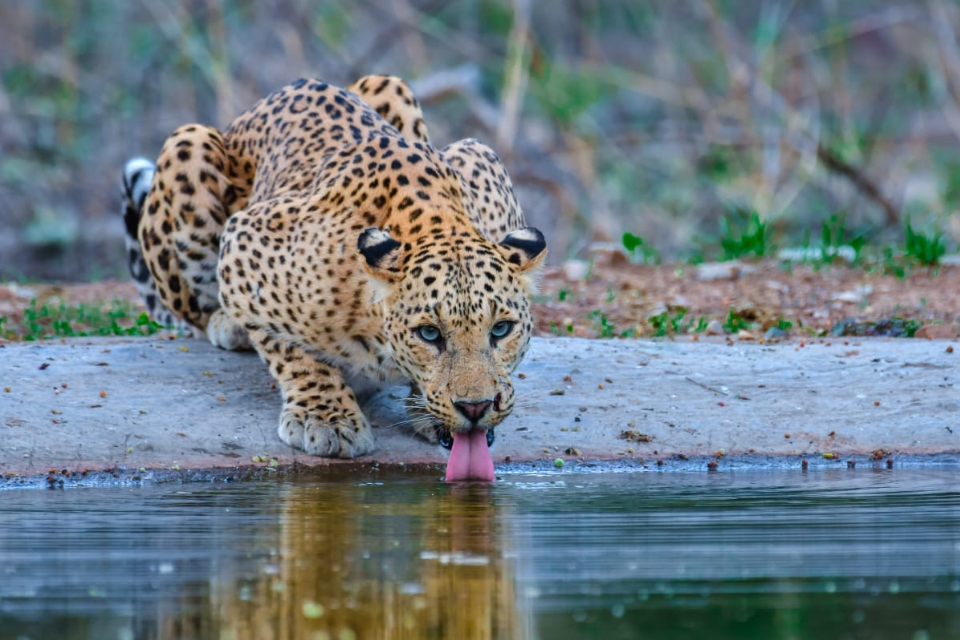
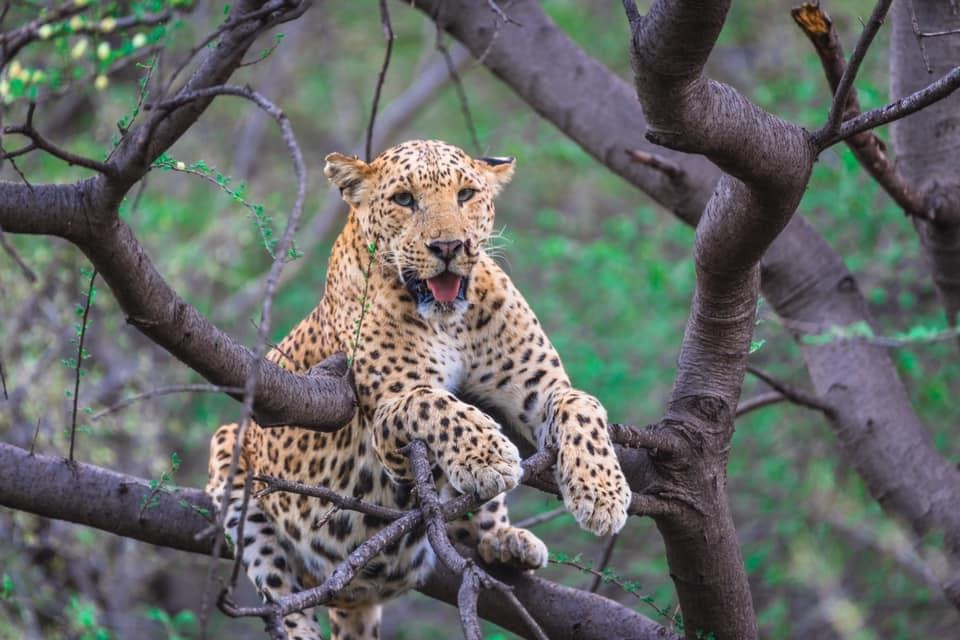
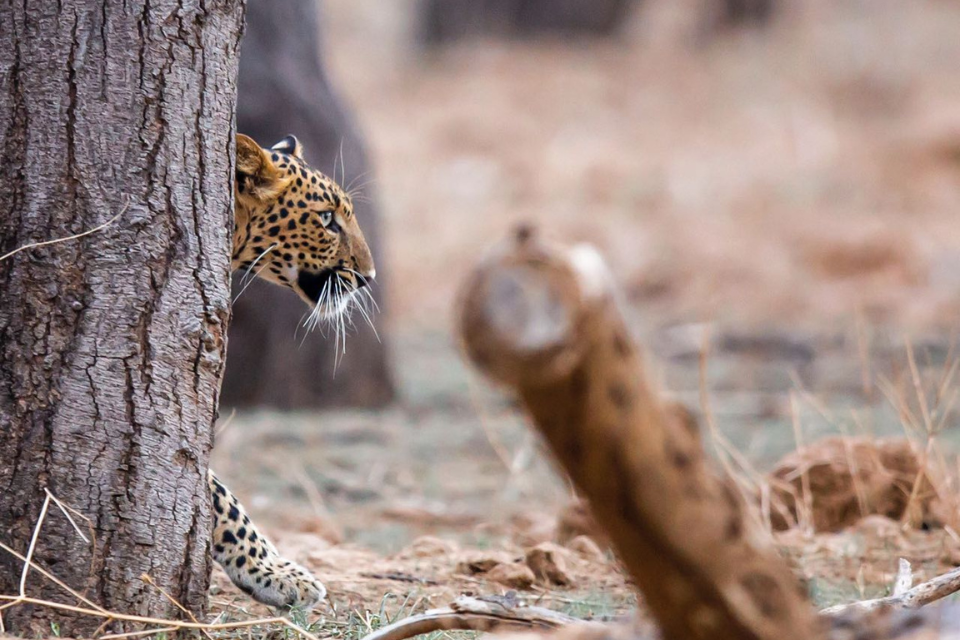
Leopards are the ghosts of the savannah and forest—present, watching, yet rarely seen on your schedule. While luck plays a role, seasoned guides know that a few quiet strategies dramatically improve the odds of a memorable encounter and the quality of your images. This guide distills those insider moves into 10 practical secrets you can use on your next safari—whether you’re in India’s rocky scrublands, Africa’s acacia savannahs, or the teak forests where leopards slink between sun and shade.
Promise of this guide: Not obvious clichés. You’ll get granular, field-useful tips about timing, vehicle etiquette, shot planning, gear setup, and ethical behavior that actually leads to calmer cats and better frames.
This month-by-month guide shows you what to expect in each window—weather, visibility, birdlife, track conditions, and how to tune your plan for families, photographers, or first-timers.
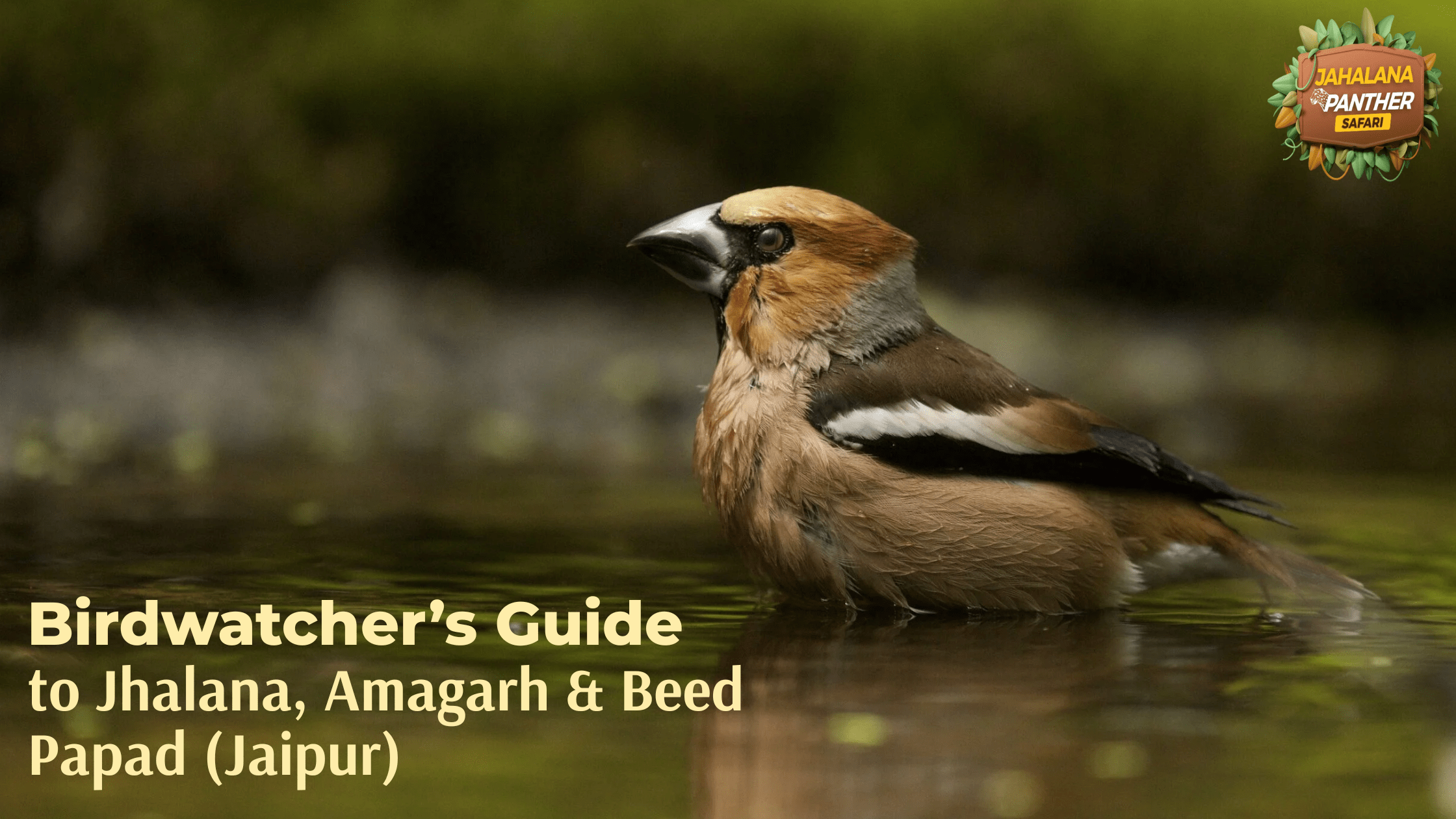
Birdwatcher’s Guide: Top Species to Spot in Jhalana, Amagarh & Beed Papad (Jaipur)
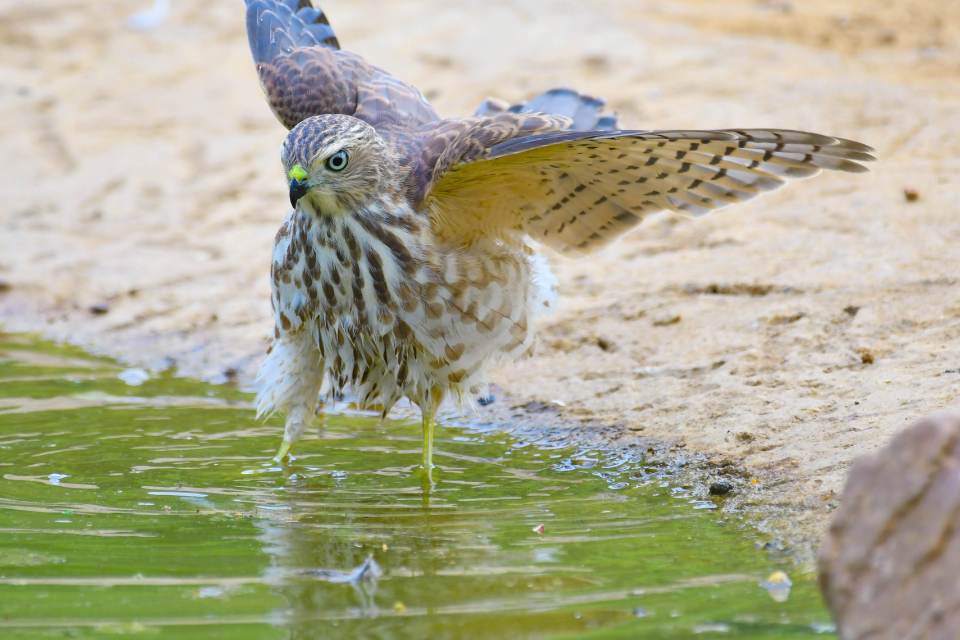
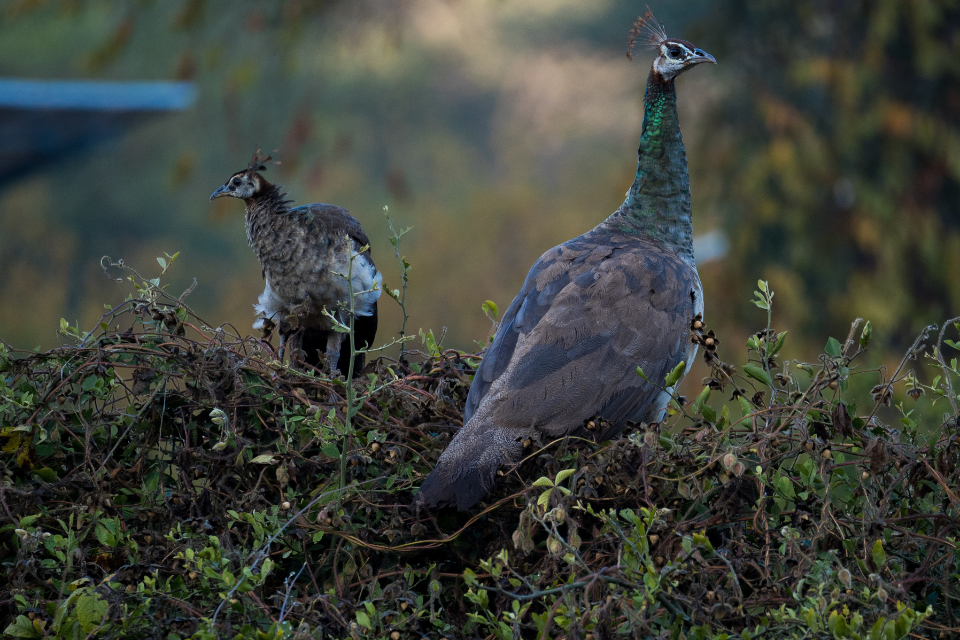
Jaipur isn’t just forts and palaces—it’s also one of North India’s easiest gateways to Aravalli scrub, rocky ravines, and monsoon woodlands that teem with birds. Within an hour of the Pink City center, three compact patches—Jhalana, Amagarh, and Beed Papad—offer year-round birding with a surprise at every bend: monsoon-fresh Indian pittas, winter raptors scanning from ridgelines, owls blinking from acacia shade, and sandgrouse rippling across gravel flats.
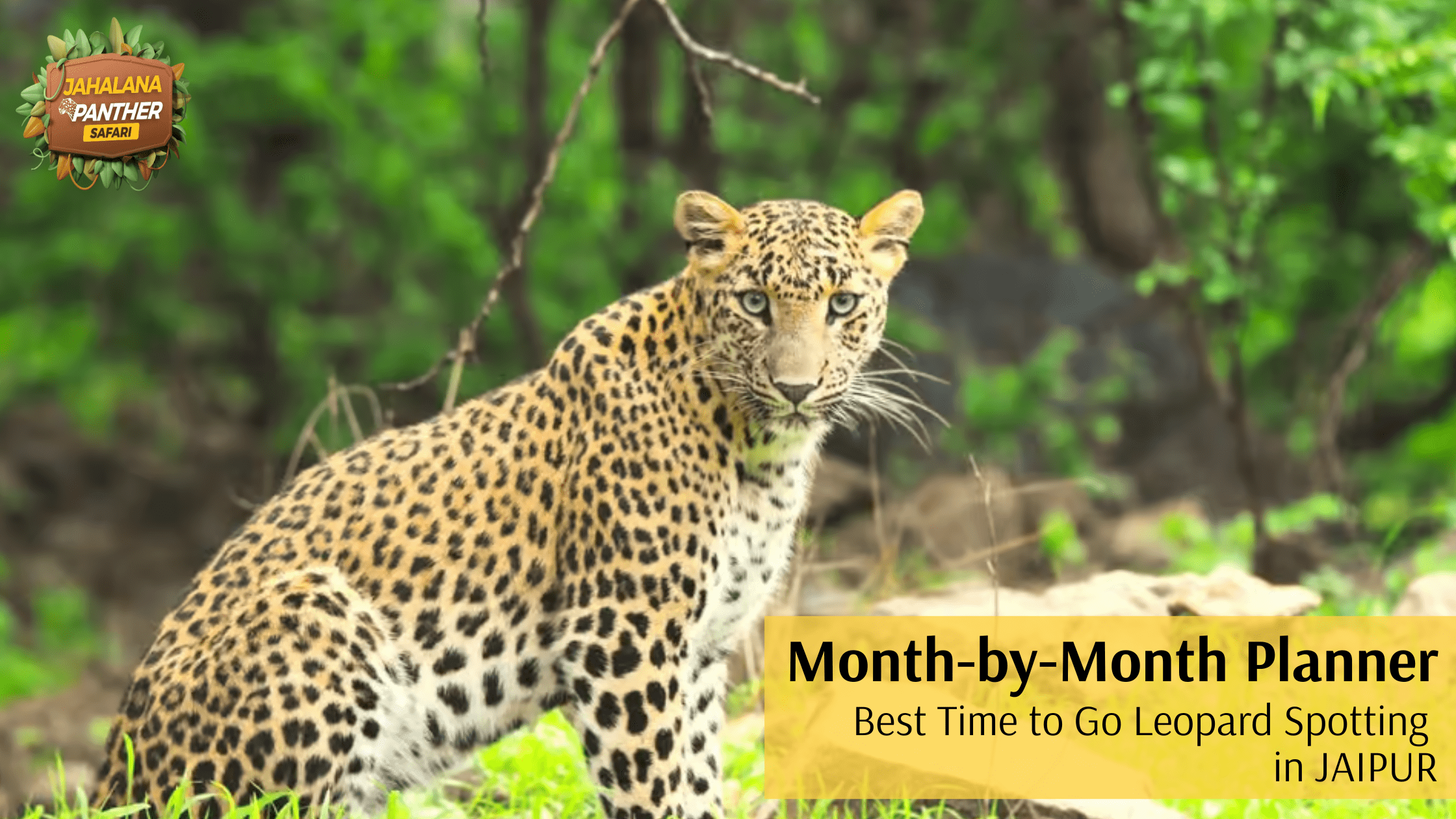
Month-by-Month Planner: Best Time to Go Leopard Spotting in Jaipur
Leopard safaris around Jaipur (Jhalana, Amagarh and Beed Papad/Maila Bagh) are unique: you’re tracking big cats in the Aravalli hills just minutes from a royal city. But “when” you go matters. Weather swings from crisp winter mornings to blazing pre-monsoon afternoons and lush green monsoon valleys.
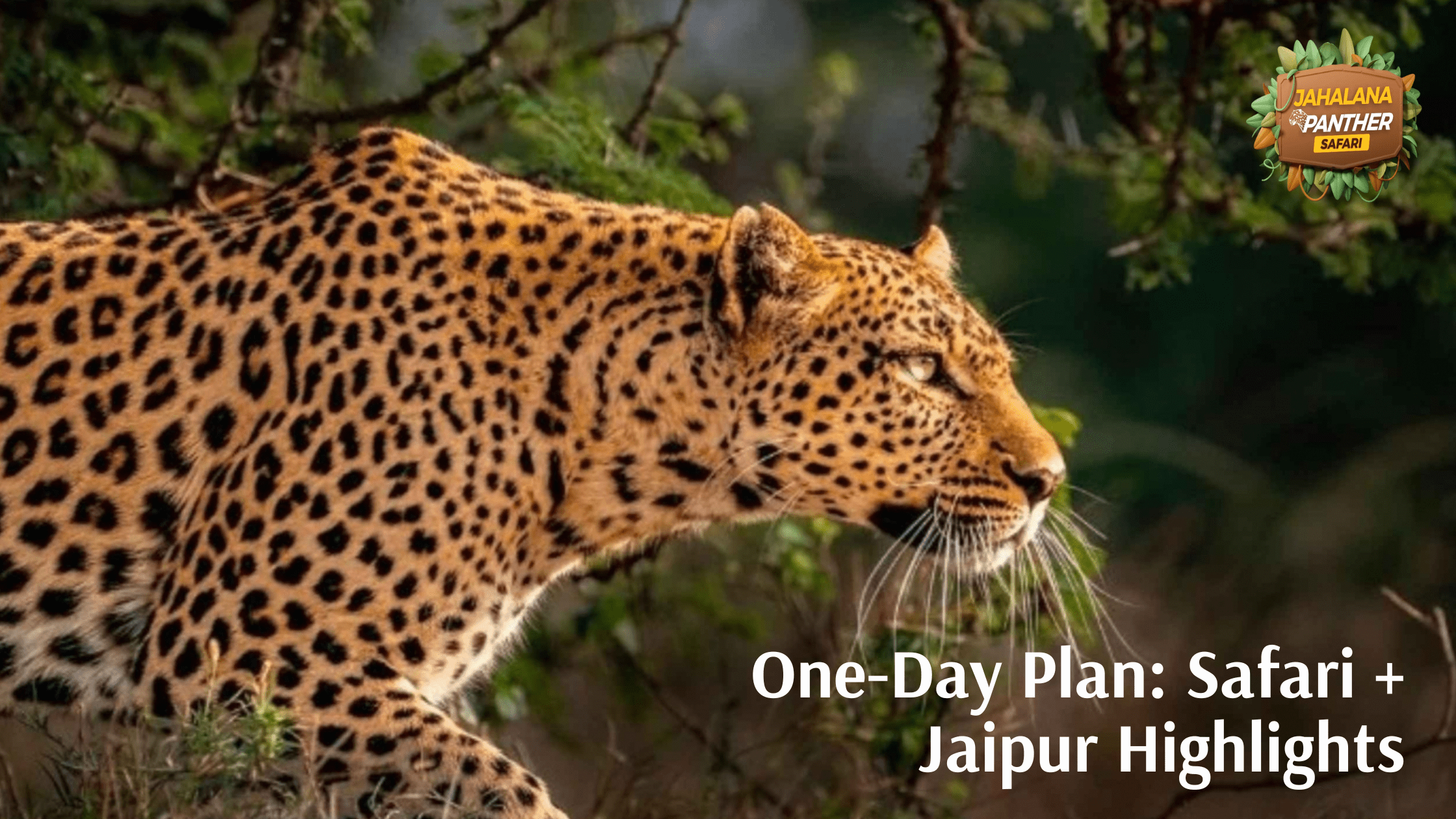
One-Day Plan: Safari & Jaipur Highlights (Perfect 24-Hour Itinerary)
Jaipur can feel like a maze of pink facades, palaces, and bazaars. Add a leopard safari to the mix and your day can either become unforgettable—or… very rushed. This plan blends wildlife and heritage in a sequence that respects actual opening times, traffic patterns, and energy levels. You’ll catch the calm of dawn in the forest, dive into royal history by late morning, and wrap with golden-hour photos.