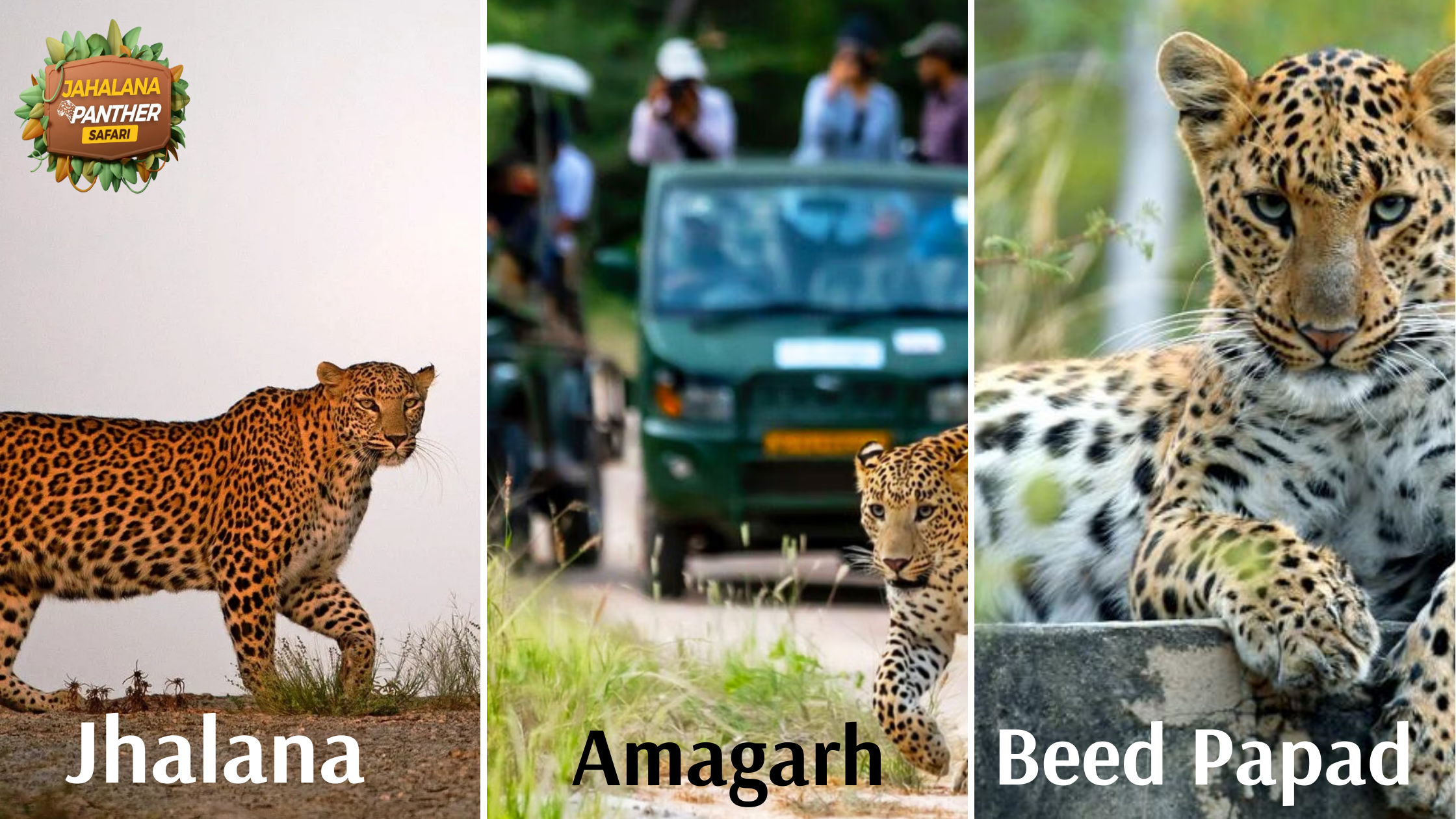
Routes Compared: Jhalana vs Amagarh vs Beed Papad (Jaipur Leopard Safaris)
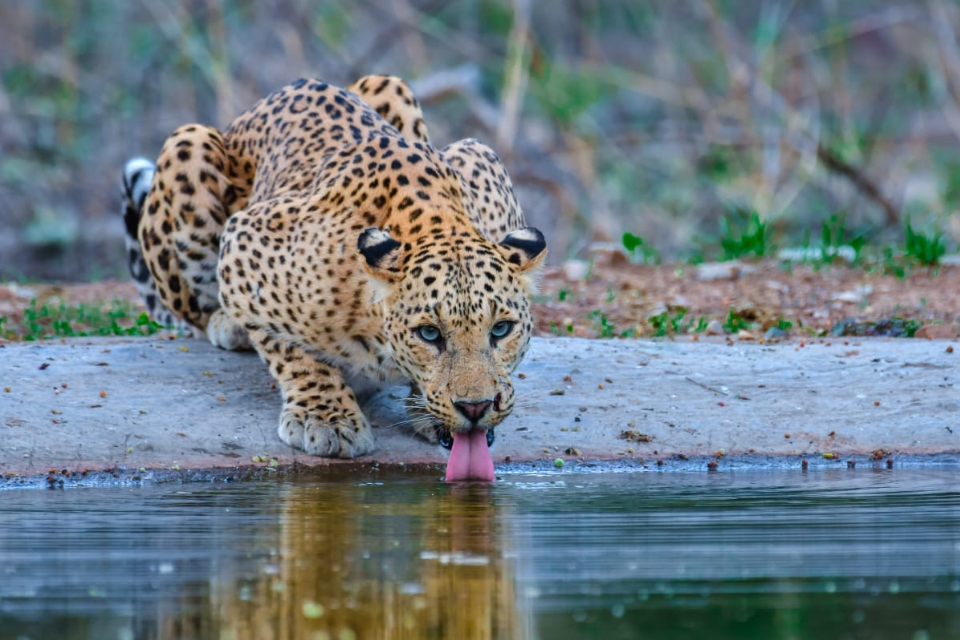
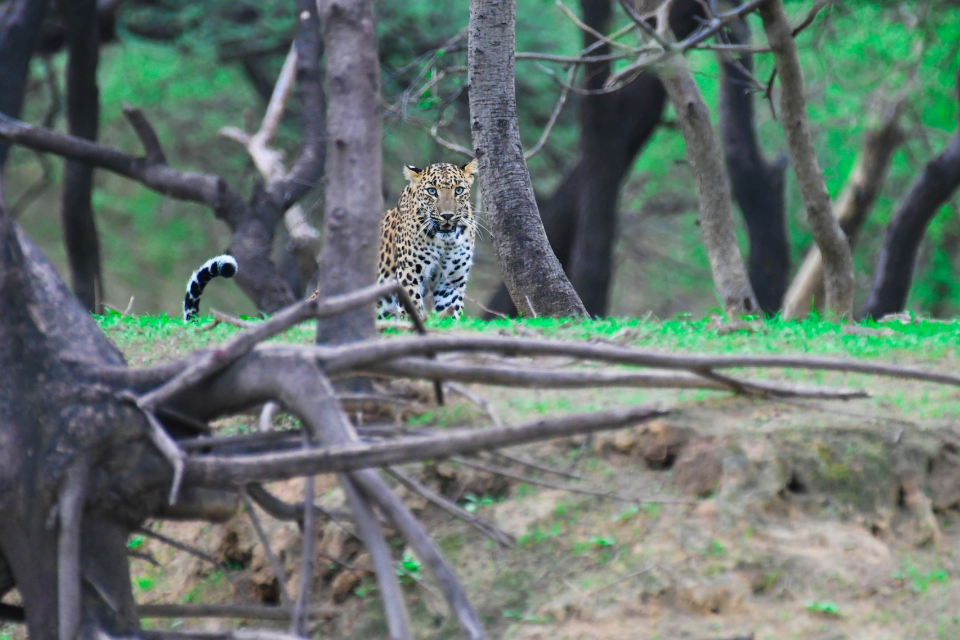
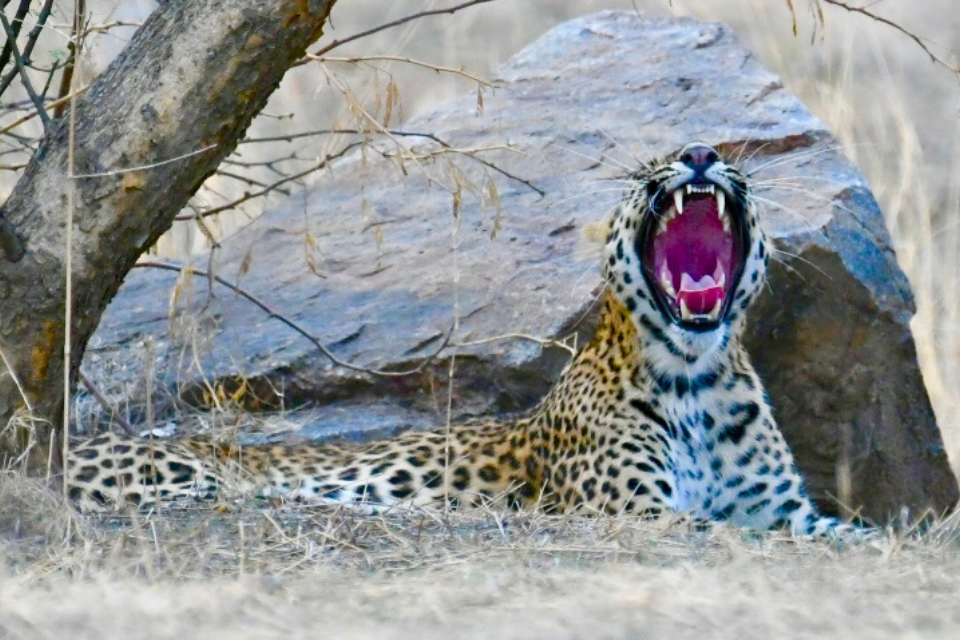
Picking a leopard safari near Jaipur? You’re spoiled for choice. Within a short drive of the Pink City, you can choose from the pioneering Jhalana, the atmospheric Amagarh near Galtaji, or Jaipur’s newest wild frontier—Beed Papad (Maila Bagh), a fresh route inside the broader Nahargarh landscape.
How to Book Jhalana, Amagarh & Beed Papad Leopard Safaris (Jaipur)
If you’ve been dreaming of a quick big-cat fix inside Jaipur city limits, the leopard safaris at Jhalana, Amagarh, and the newer Beed Papad/Maila Bagh corridor are hard to beat. The good news: you can book them online; the tricky part is knowing which official portal to use, when to book, and what to bring.
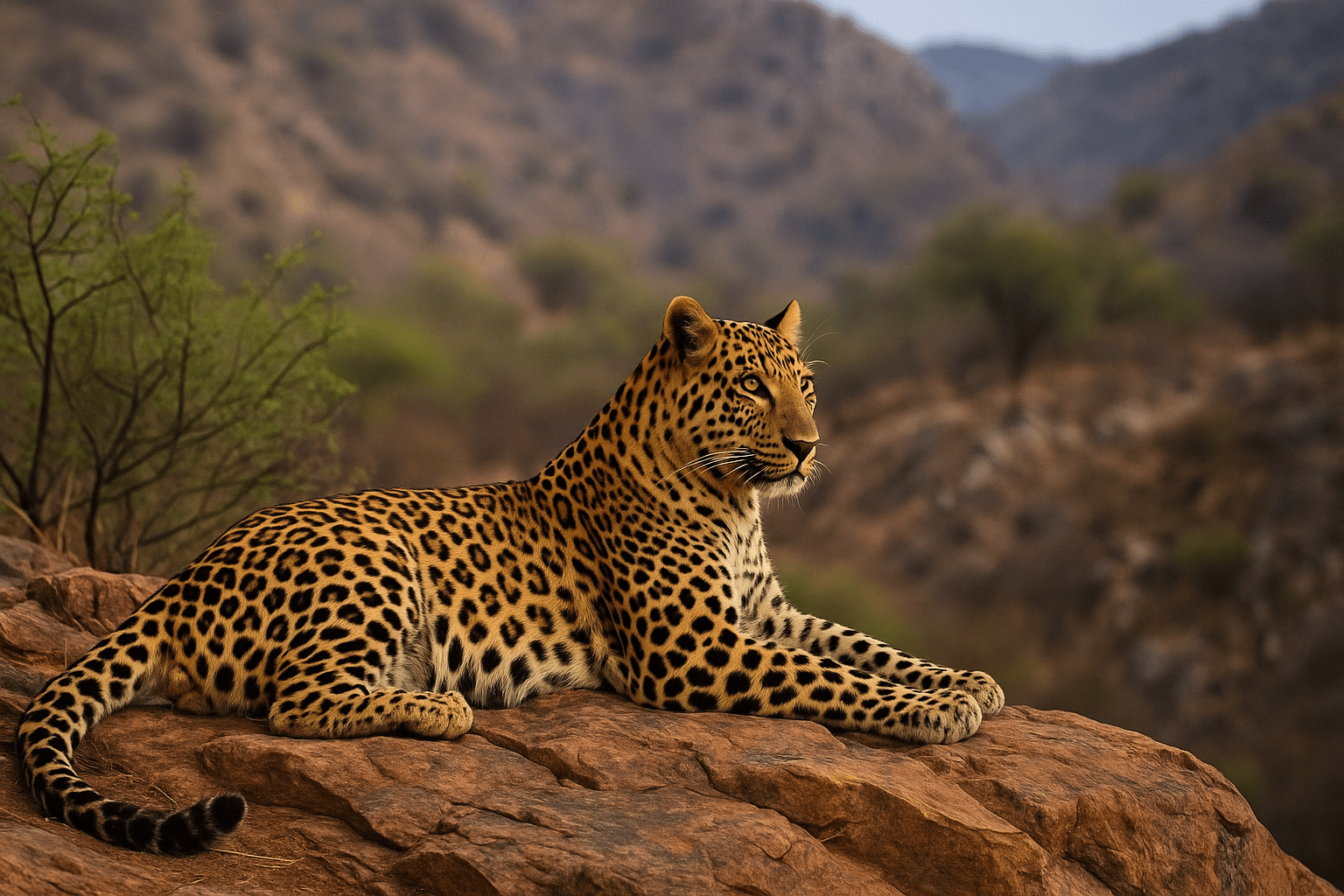
From Hunting Ground to Haven: Jhalana’s Conservation Journey
In 2017–18, Jhalana was declared India’s first dedicated leopard reserve, marking a milestone in conservation. Today, instead of gunshots, the rustle of safari jeeps and the click of cameras echo through its terrain.
Urban Leopards: Myths vs Facts
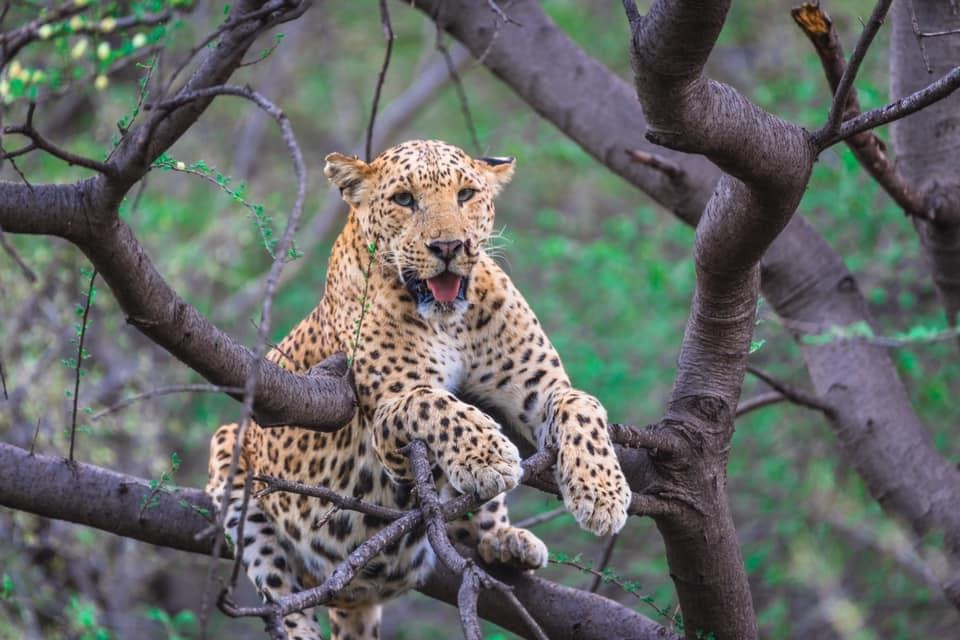
Leopards in cities sound like the plot of a thriller. In India, though, it’s everyday urban ecology. From Mumbai’s Aarey Colony to Bengaluru’s outskirts and Jaipur’s Jhalana Reserve, leopards prowl the edges of dense neighborhoods, railway embankments, and scrubby urban forests. Headlines often amplify fear, but decades of research paint a more nuanced picture: these big cats are remarkably adaptable—and our responses determine whether the story becomes conflict or coexistence.
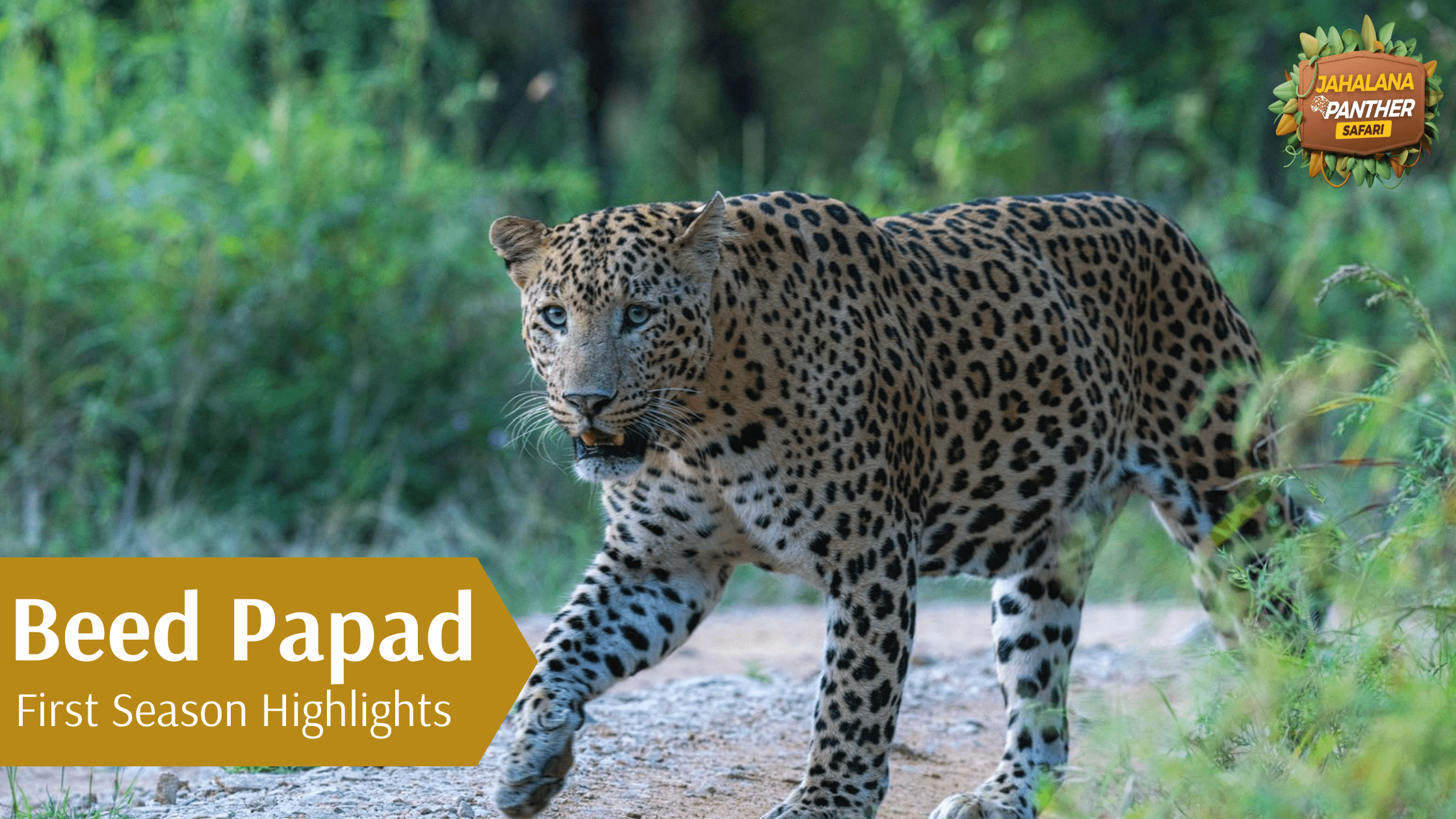
Beed Papad: First Season Highlights
If you love the electric hush of a waterhole at dusk, Jaipur just gave you a new place to listen. On June 5, 2025—World Environment Day, the Forest Department opened Beed Papad (Maila Bagh), adding a third leopard safari to a city already famous for Jhalana and Amagarh.
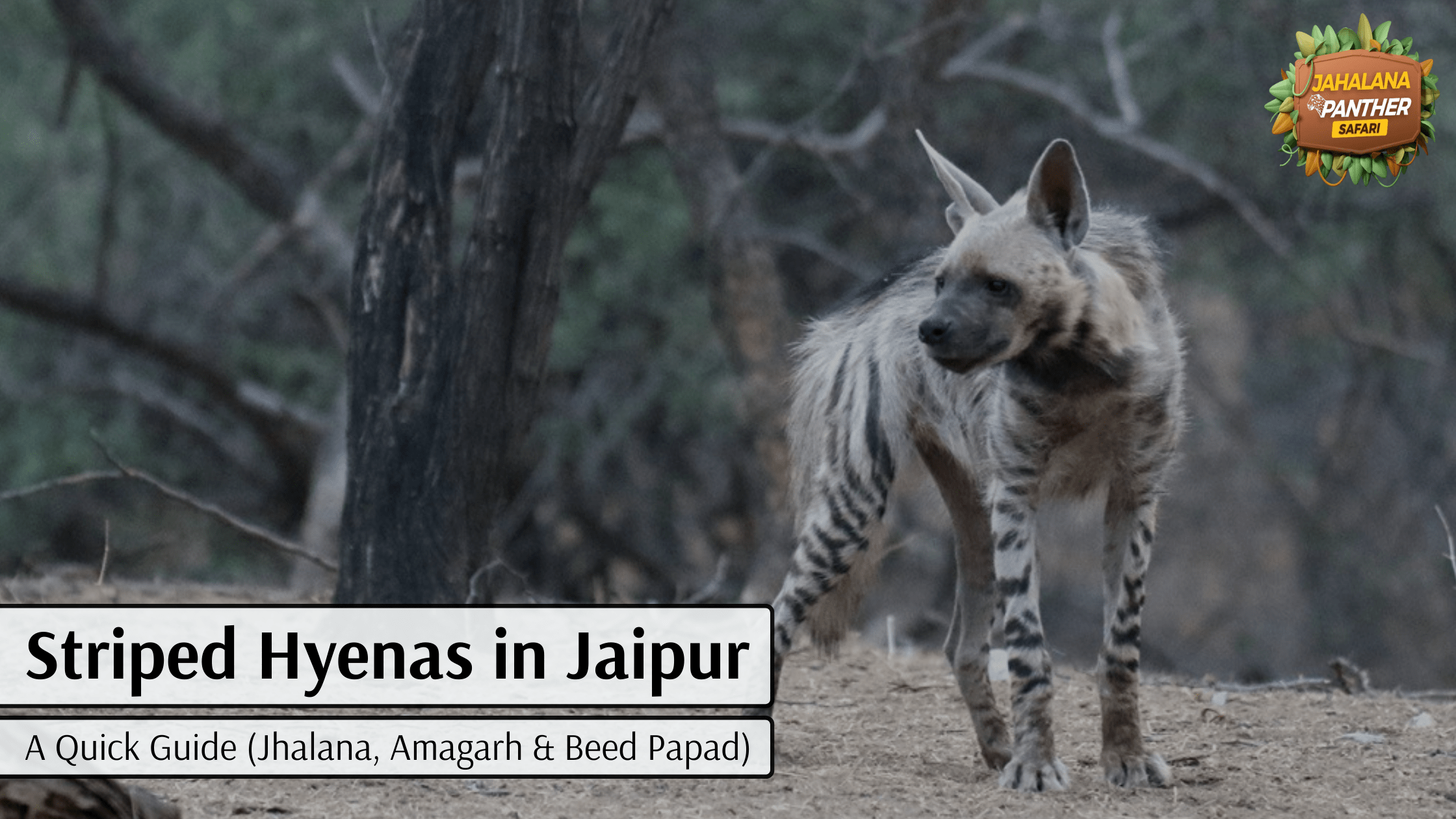
Striped Hyenas in Jaipur: A Quick Guide (Jhalana, Amagarh & Beed Papad)
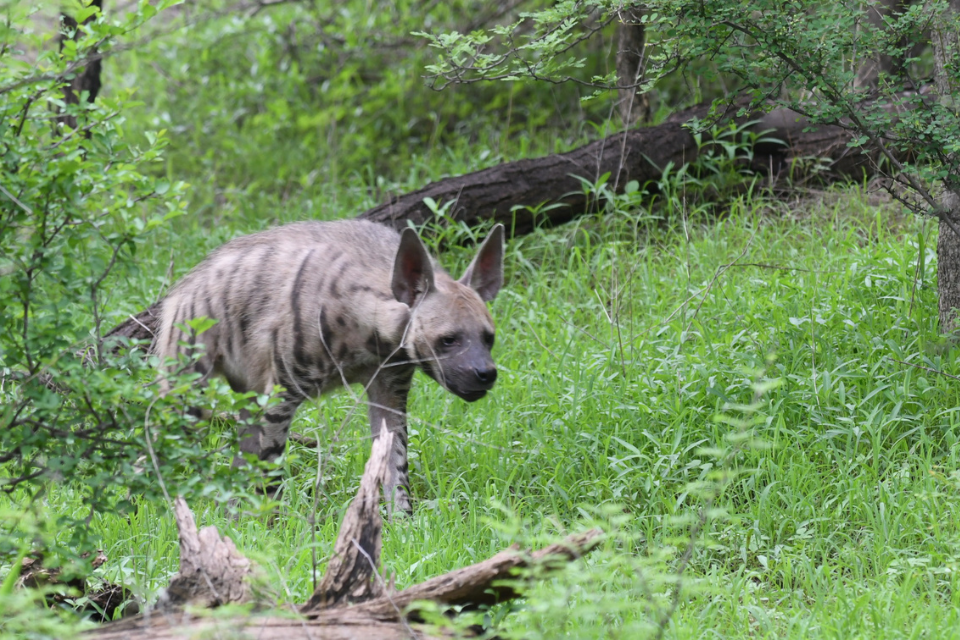
Leopards get the limelight in Jaipur—but the striped hyena (Hyaena hyaena) is the city’s most secretive star. Shy, mostly nocturnal, and surprisingly helpful to people (think: natural clean-up crew), striped hyenas slip through the same Aravalli folds as Jaipur’s big cats. This guide covers where you might encounter them (or their signs), how to look, and what to know so your visit stays respectful and safe.
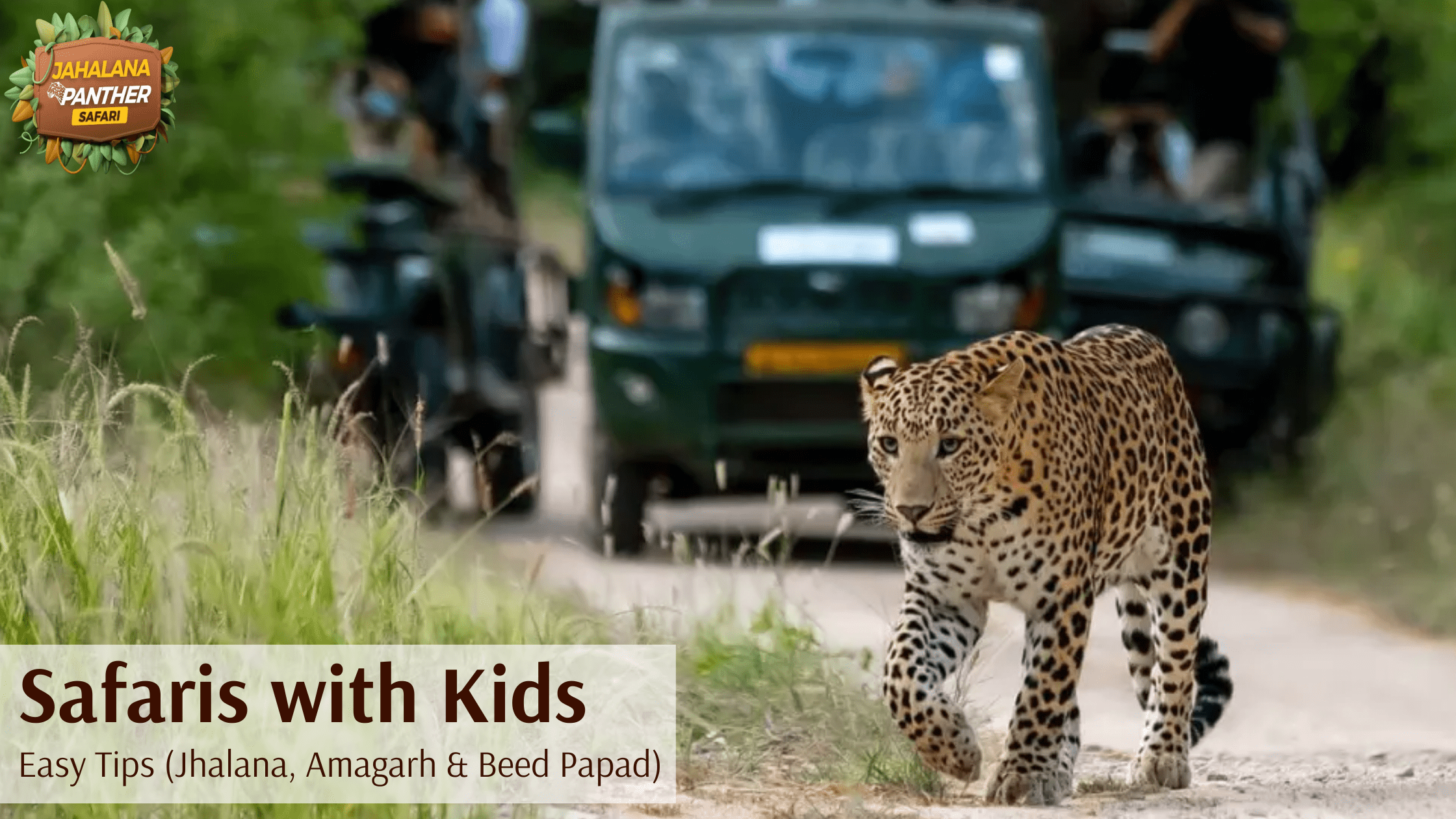
Safaris with Kids: Easy Tips (Jhalana, Amagarh & Beed Papad)
Because it’s short, close to the city, and wildly memorable. Jhalana, Amagarh, and Beed Papad are compact Aravalli habitats where drives last ~2–2.5 hours—perfect for small attention spans. You get real wildlife (leopards, hyenas, jackals, birds, reptiles) without an all-day commitment. With a little prep—quiet voices, middle seats for little ones, snacks, and sun/rain gear—you’ll turn “Are we there yet?” into “When can we go again?”
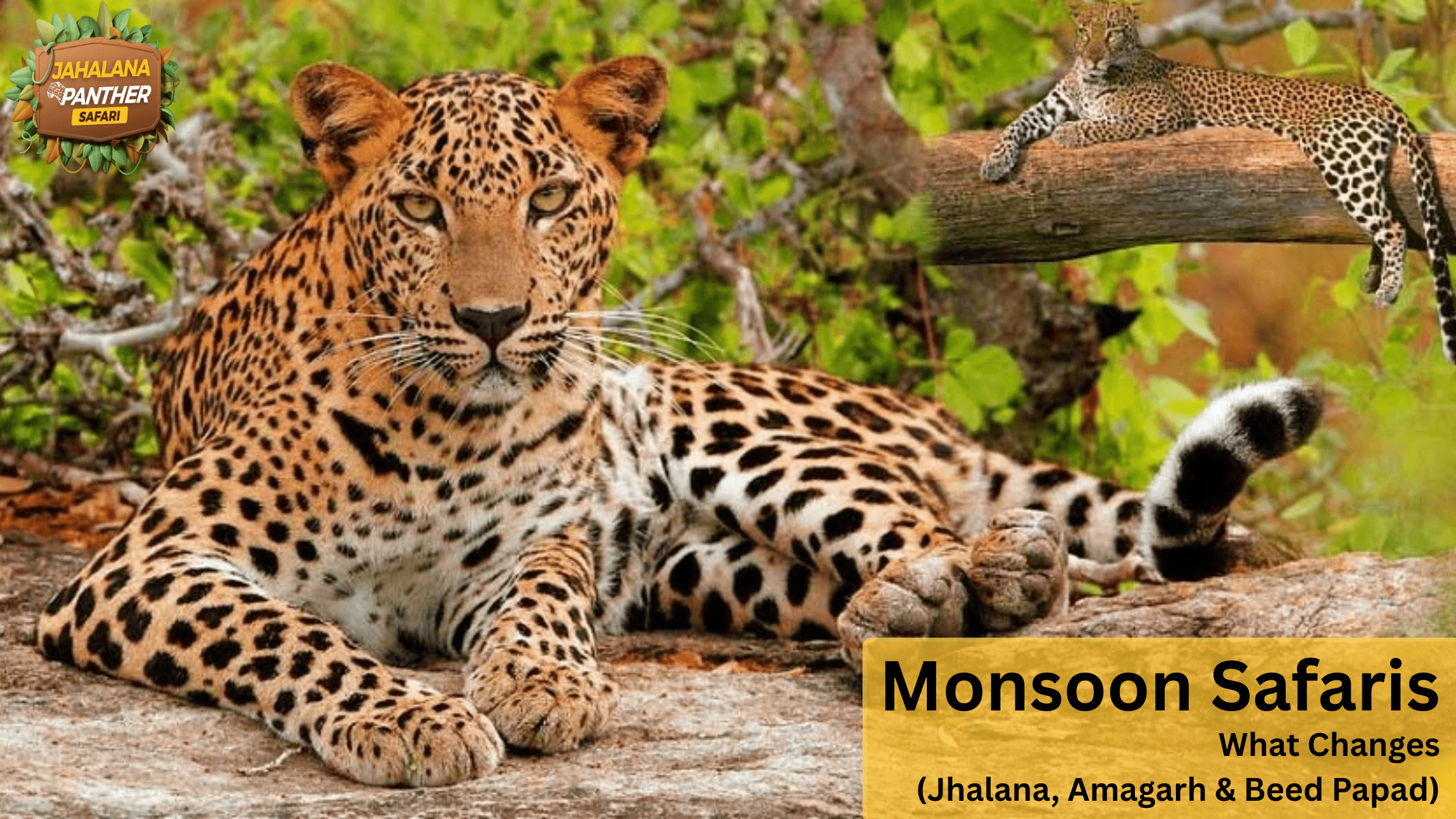
Monsoon Safaris: What Changes (Jhalana, Amagarh & Beed Papad)
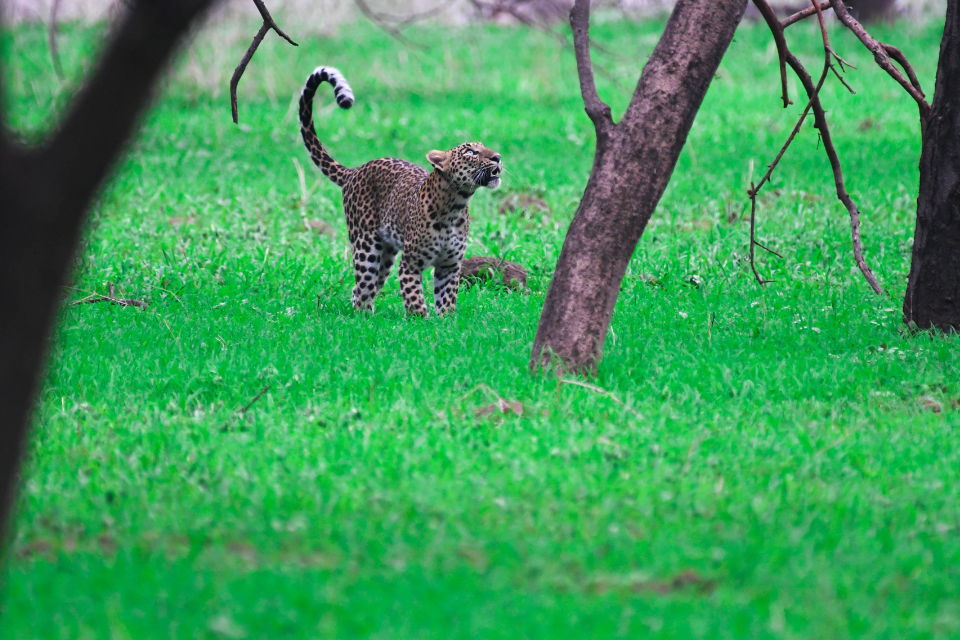
Monsoon (July–September) flips Jaipur’s leopard safaris from dusty browns to lush green. Sightings don’t stop, but they shift: animals spread out as water is everywhere, grass grows taller, and calls echo differently. You’ll rely more on tracks, alarm calls, and ridge scanning than on “wait at one waterhole.”
How to Book Jhalana, Amagarh & Beed Papad
If you’ve googled “Jhalana booking,” you’ve seen dozens of look-alike websites. Some are legit tour operators; many are just middlemen. The official ways to book are through Rajasthan’s government portals—primarily OBMS (Official Booking Portal) and the Aaranyak/FMDSS (“Forest & Wildlife”) citizen services. We’ll walk you through both, explain IDs, timings, and show you how to recover seats when a slot looks sold out.
How Guides Identify Individual Leopards (Jhalana, Amagarh & Beed Papad)
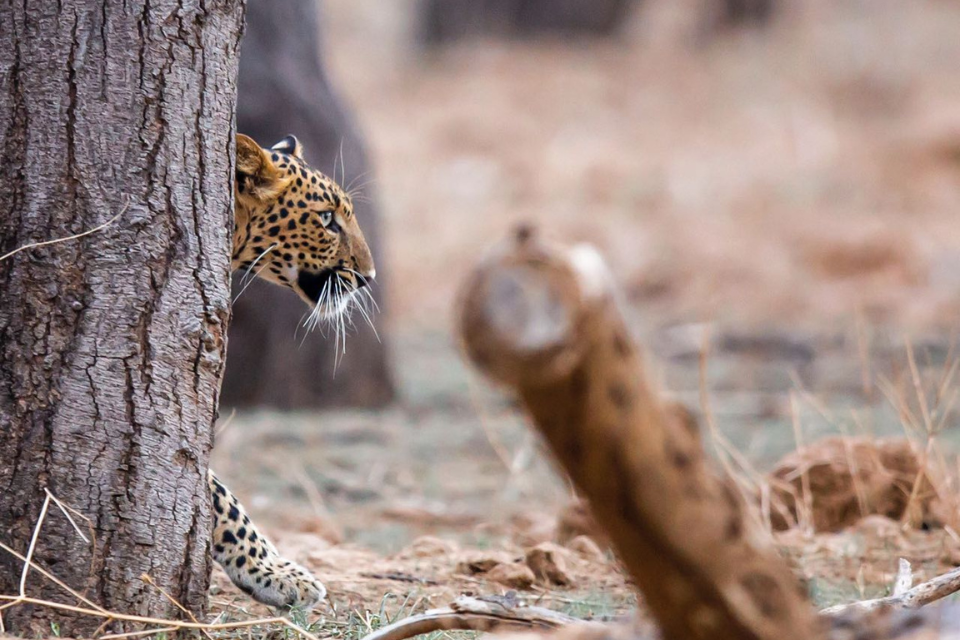
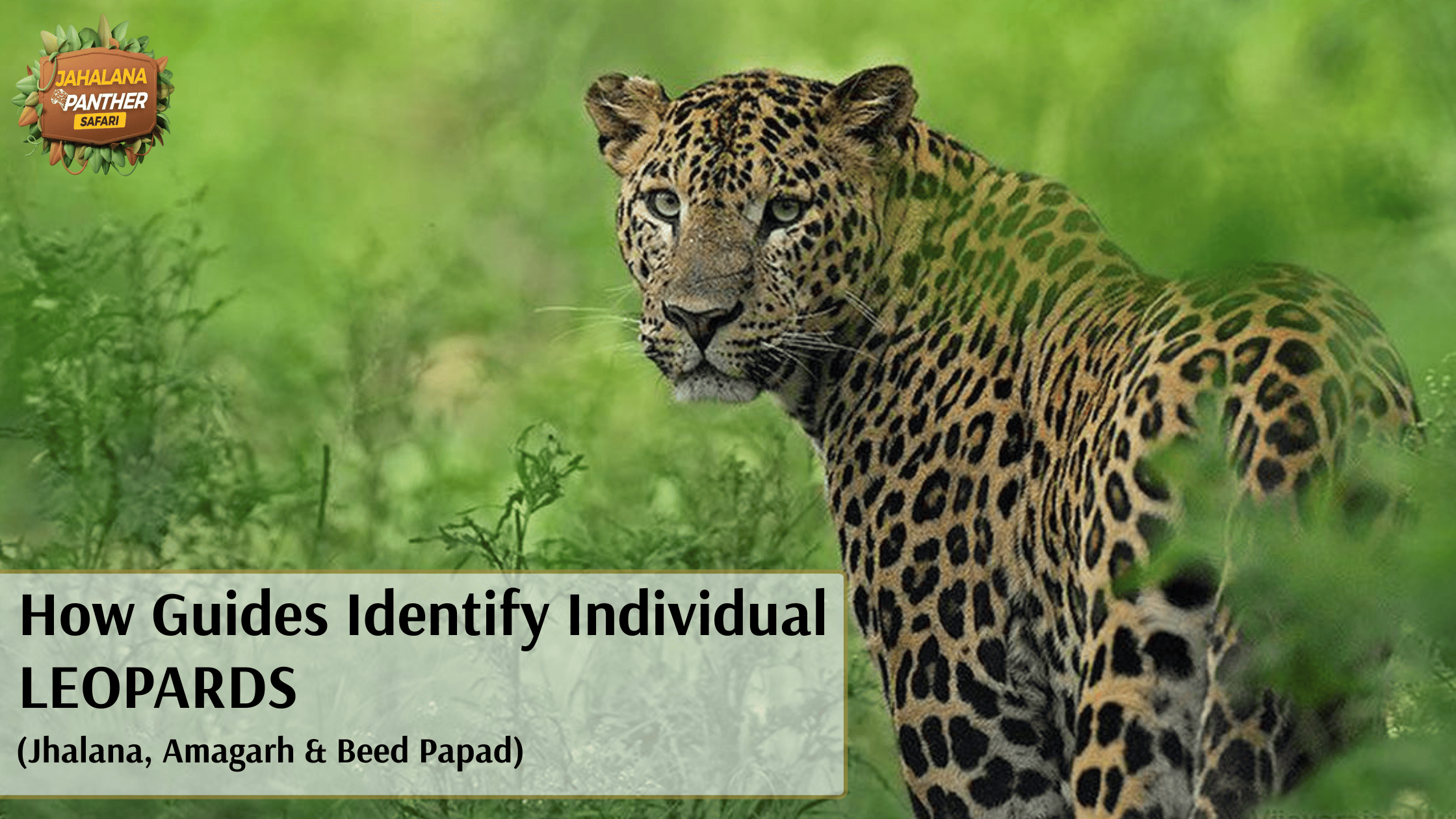
On safari, a guide might whisper, “That’s the same female from last week.” How do they know? Because every leopard wears a unique coat—a fingerprint of rosettes (the clusters of spots) that doesn’t repeat between individuals. Researchers, too, routinely identify leopards in camera-trap studies by their rosette patterns, often using both flanks for confirmation.