How to Book Jhalana, Amagarh & Beed Papad
If you’ve googled “Jhalana booking,” you’ve seen dozens of look-alike websites. Some are legit tour operators; many are just middlemen. The official ways to book are through Rajasthan’s government portals—primarily OBMS (Official Booking Portal) and the Aaranyak/FMDSS (“Forest & Wildlife”) citizen services. We’ll walk you through both, explain IDs, timings, and show you how to recover seats when a slot looks sold out.
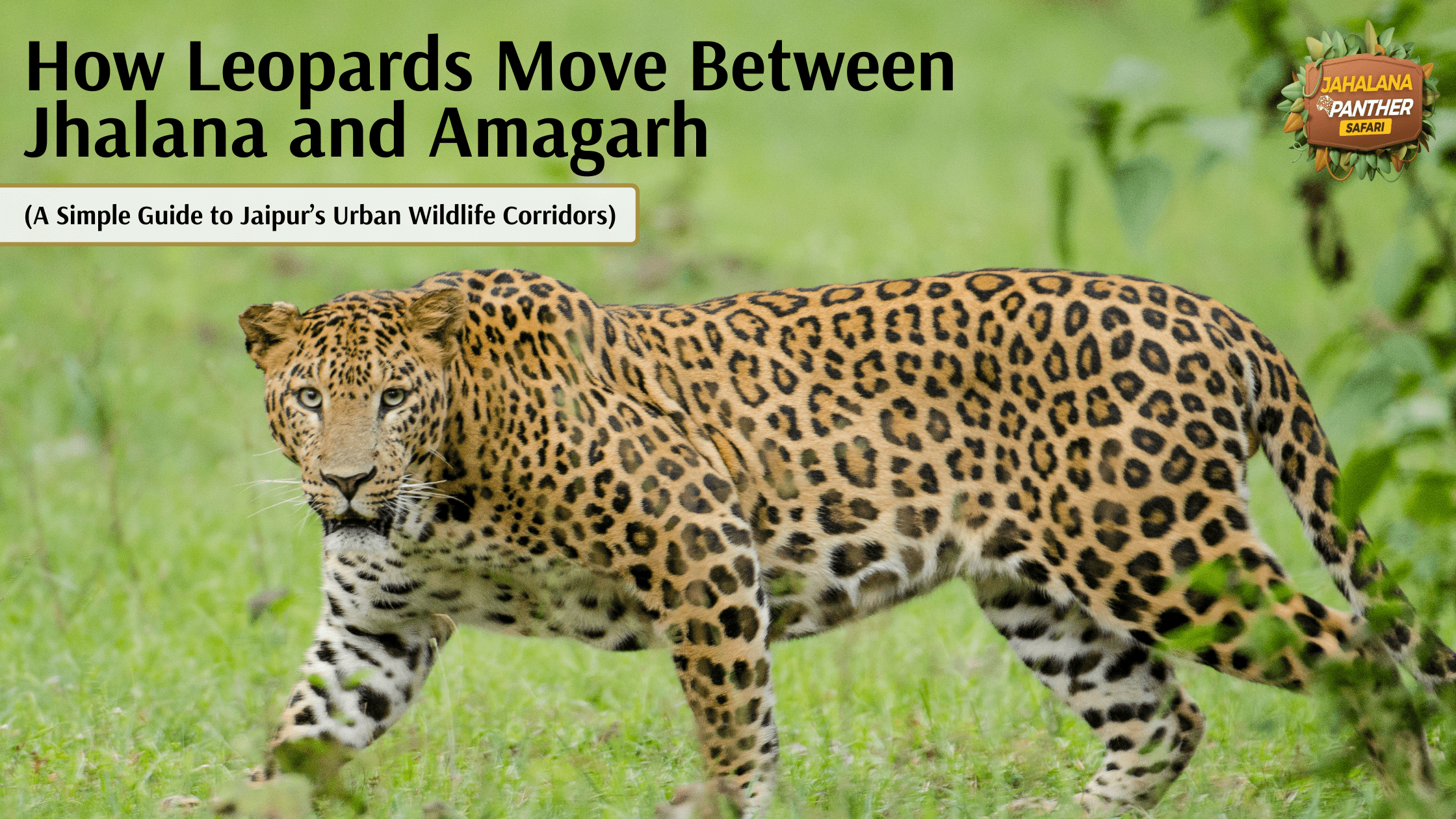
How Leopards Move Between Jhalana and Amagarh
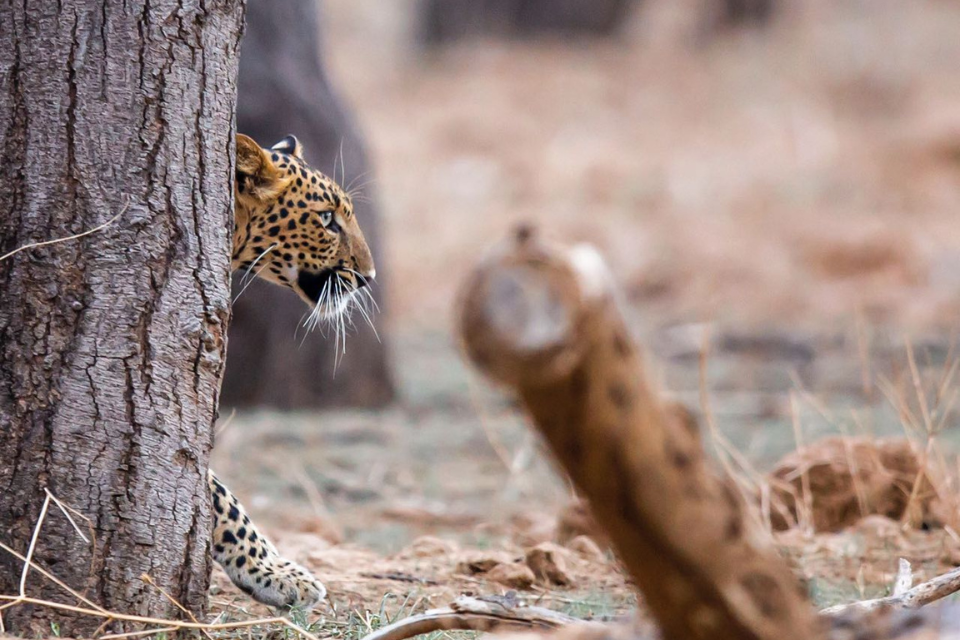
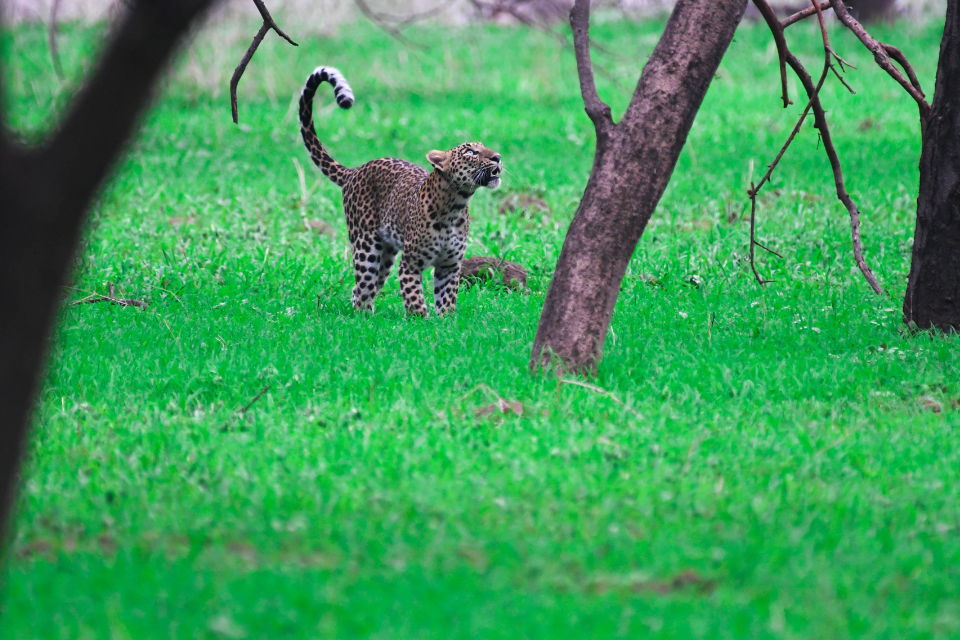
Leopards do move between Jhalana Leopard Reserve (Malviya Nagar side of Jaipur) and Amagarh (near Galta Ji/Agra Road). Their path is squeezed by city growth and a busy highway, so keeping (and improving) safe wildlife corridors is essential—for the cats’ gene flow and public safety.
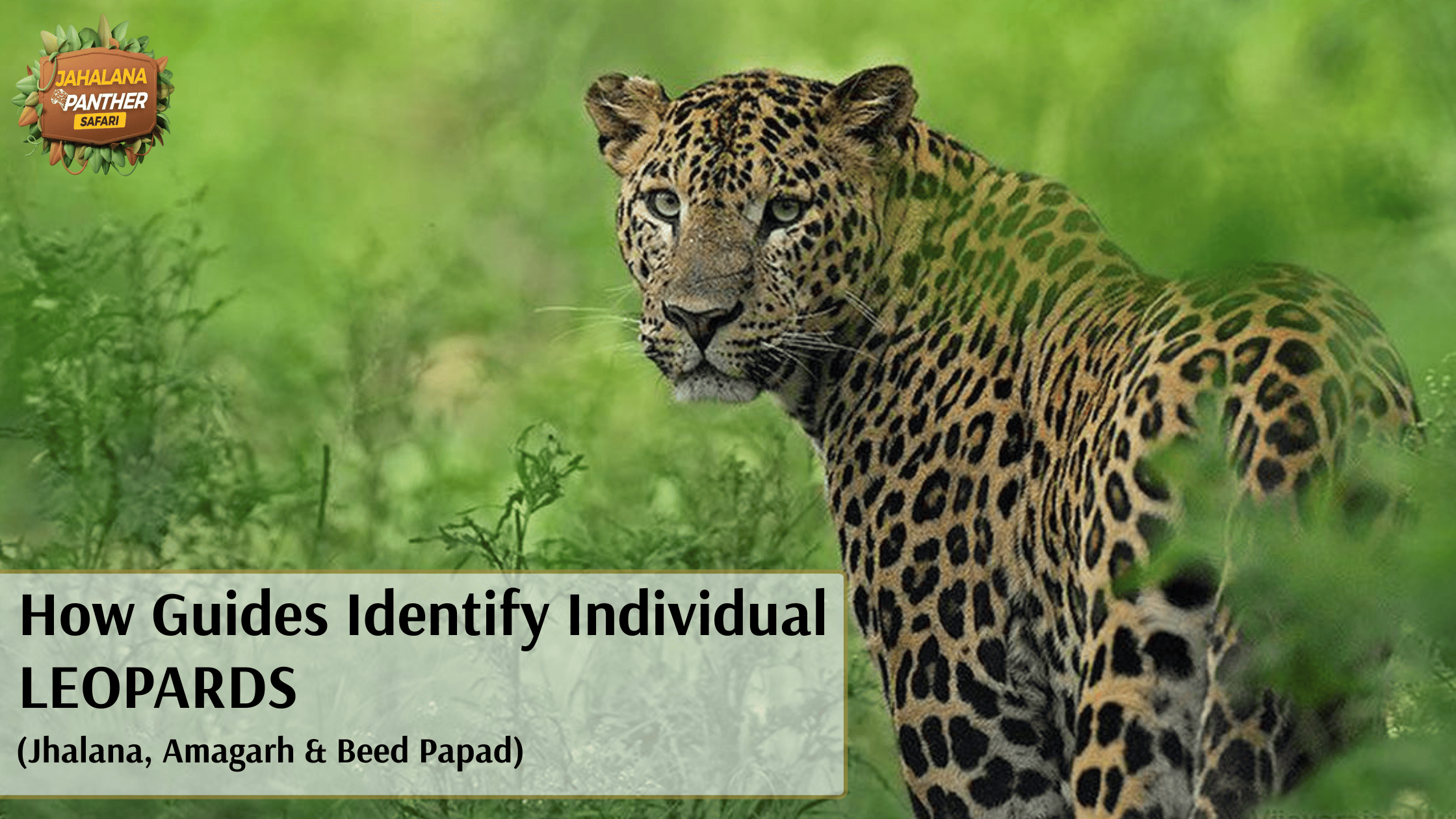
How Guides Identify Individual Leopards (Jhalana, Amagarh & Beed Papad)
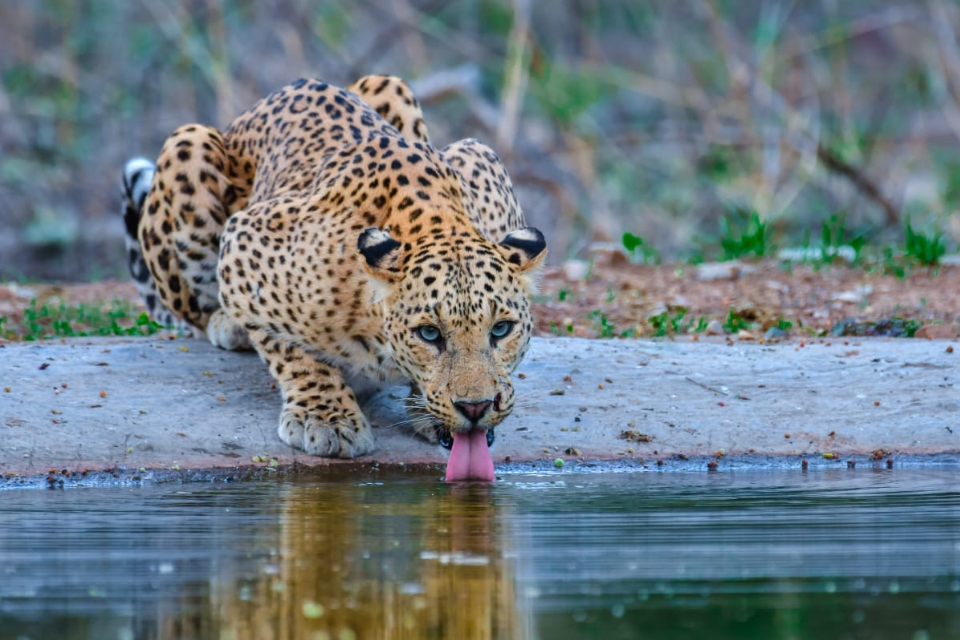
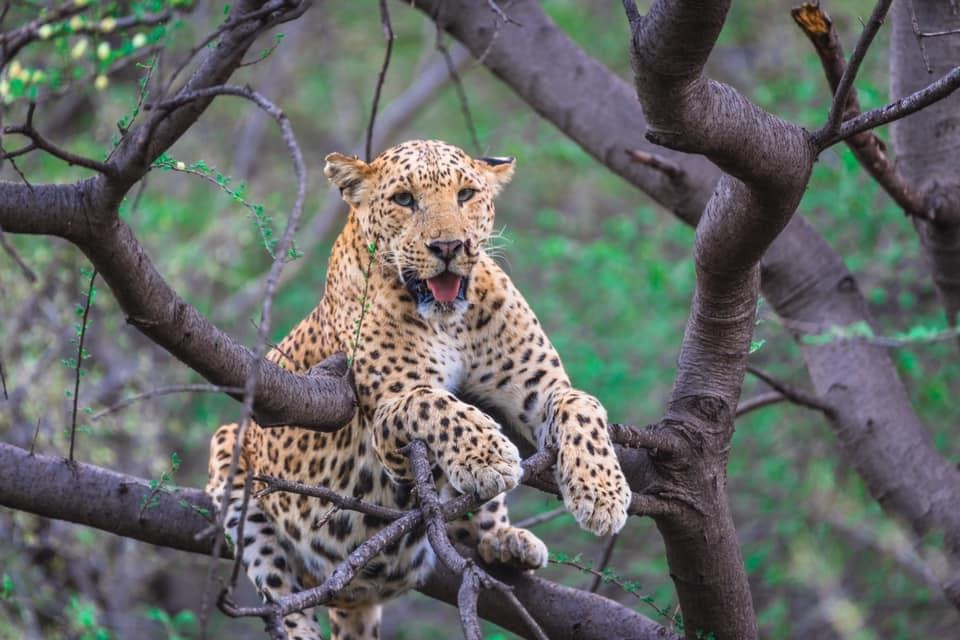
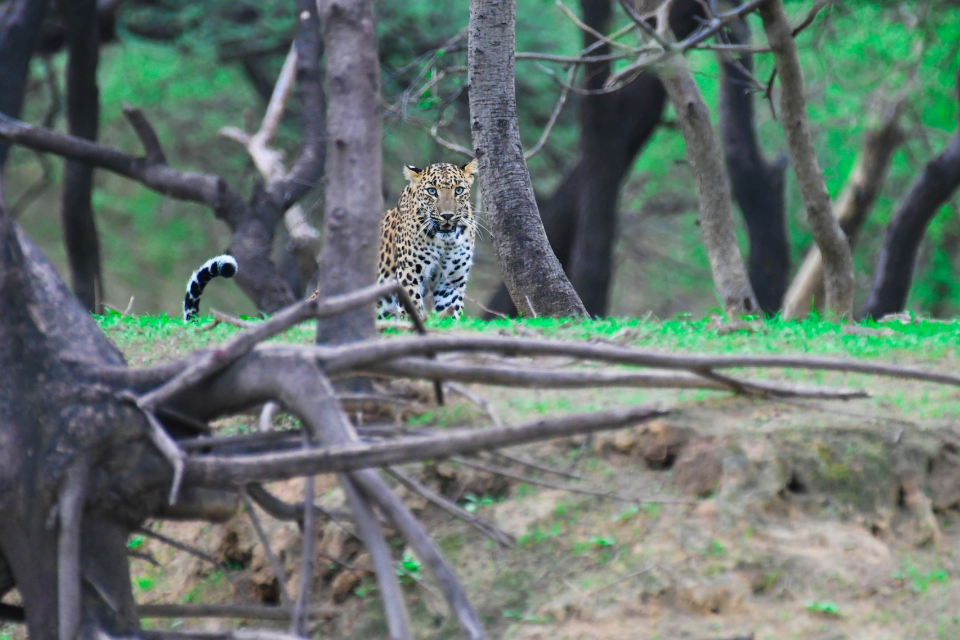
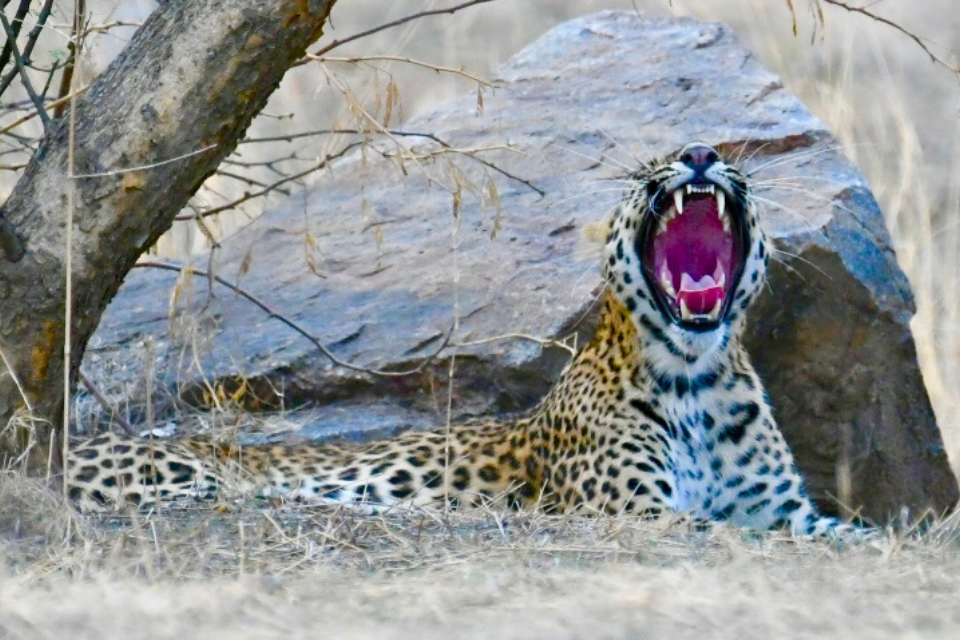
On safari, a guide might whisper, “That’s the same female from last week.” How do they know? Because every leopard wears a unique coat—a fingerprint of rosettes (the clusters of spots) that doesn’t repeat between individuals. Researchers, too, routinely identify leopards in camera-trap studies by their rosette patterns, often using both flanks for confirmation.
Leopard Territory: Comparing Jhalana, Amagarh, and Beed Papad Safari Zones in Jaipur
Explore the key differences between Jhalana, Amagarh, and Beed Papad Leopard Safaris in Jaipur. Compare their biodiversity, safari timings, zone types, access, and eco-tourism value.
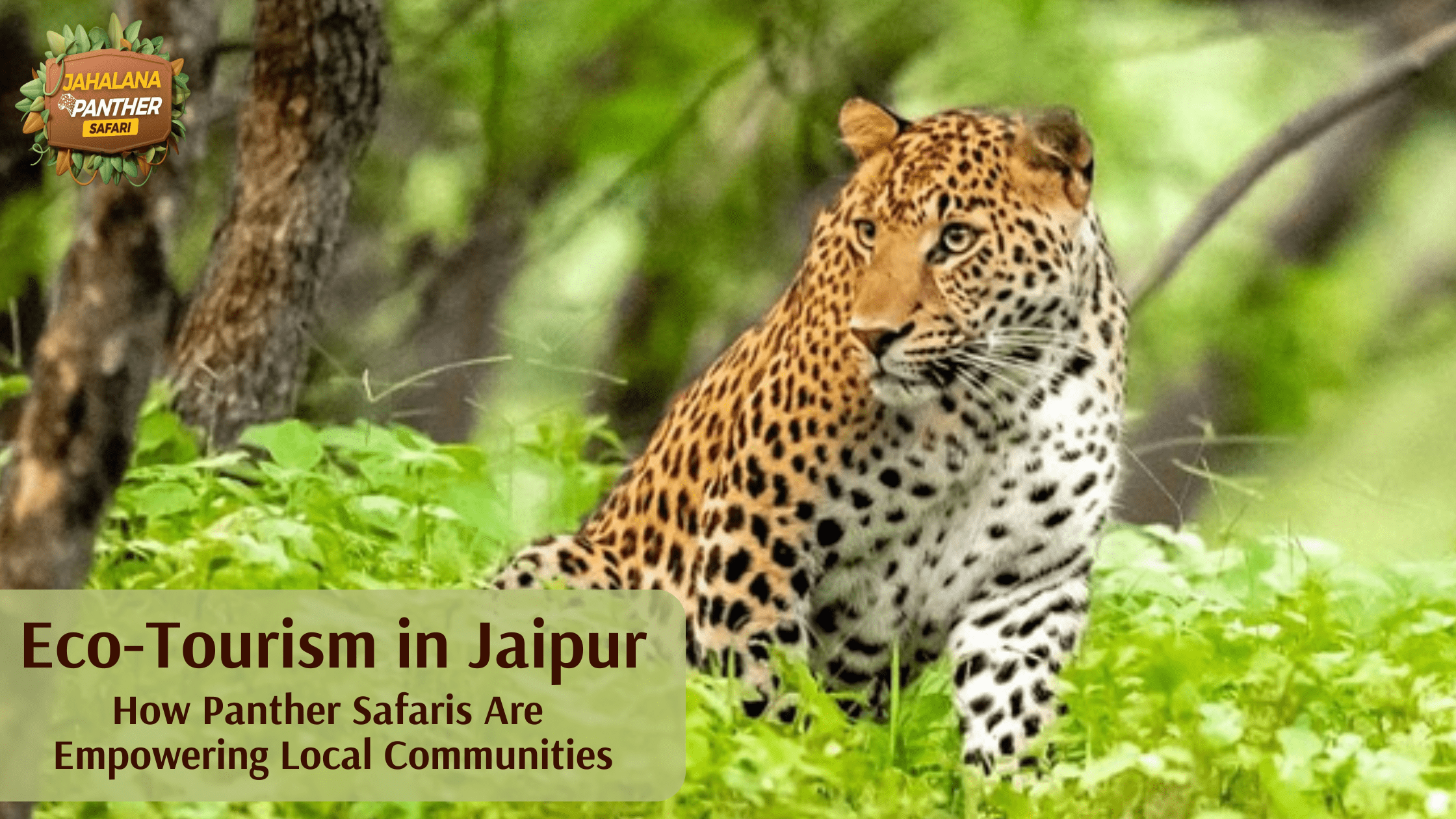
Eco-Tourism in Jaipur: How Panther Safaris Are Empowering Local Communities
Explore how Jaipur’s leopard safaris in Jhalana, Amagarh, and Beed Papad are promoting eco-tourism and empowering local communities through sustainable livelihoods, conservation awareness, and inclusive tourism models.
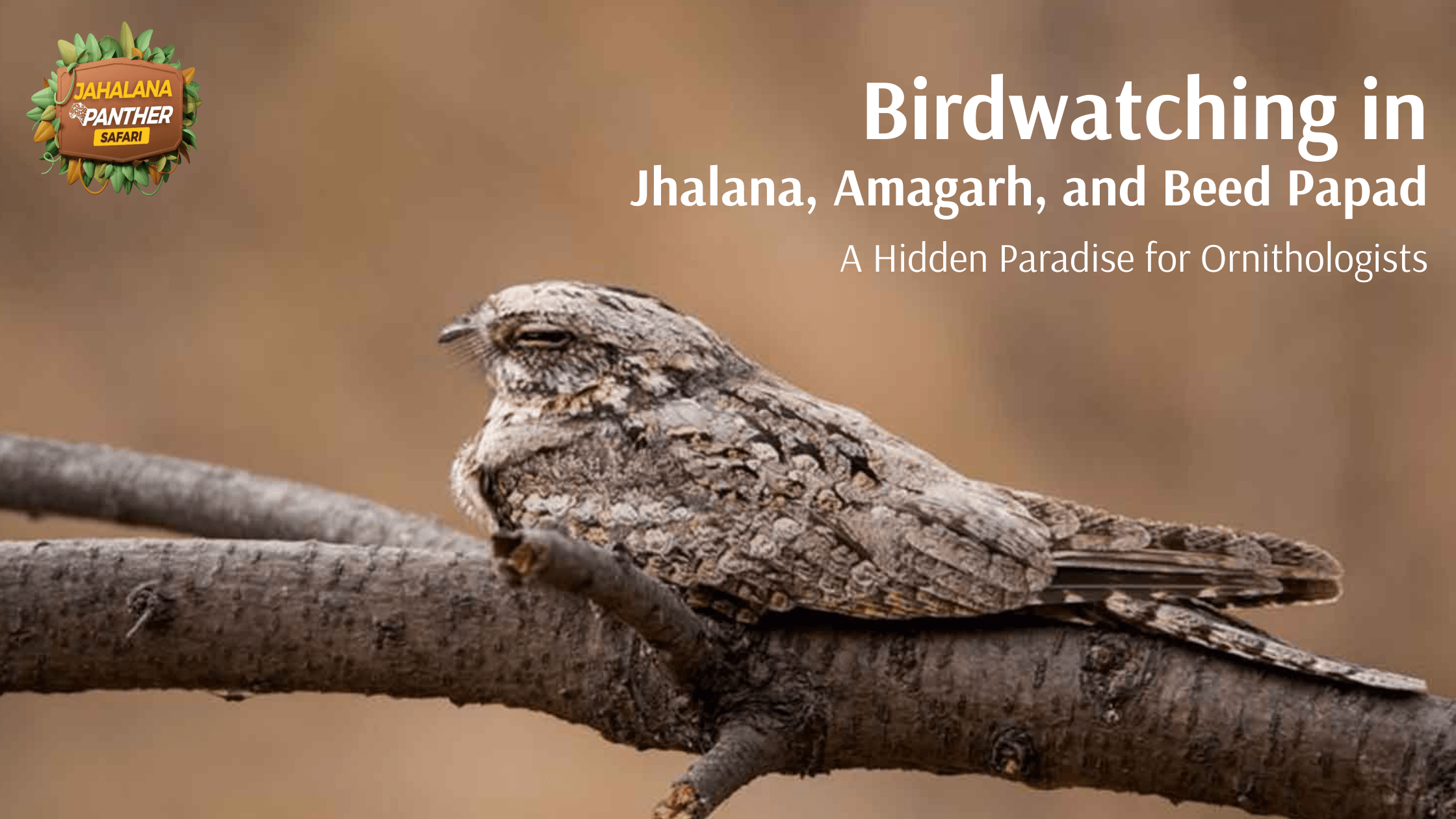
Birdwatching in Jhalana, Amagarh, and Beed Papad: A Hidden Paradise for Ornithologists
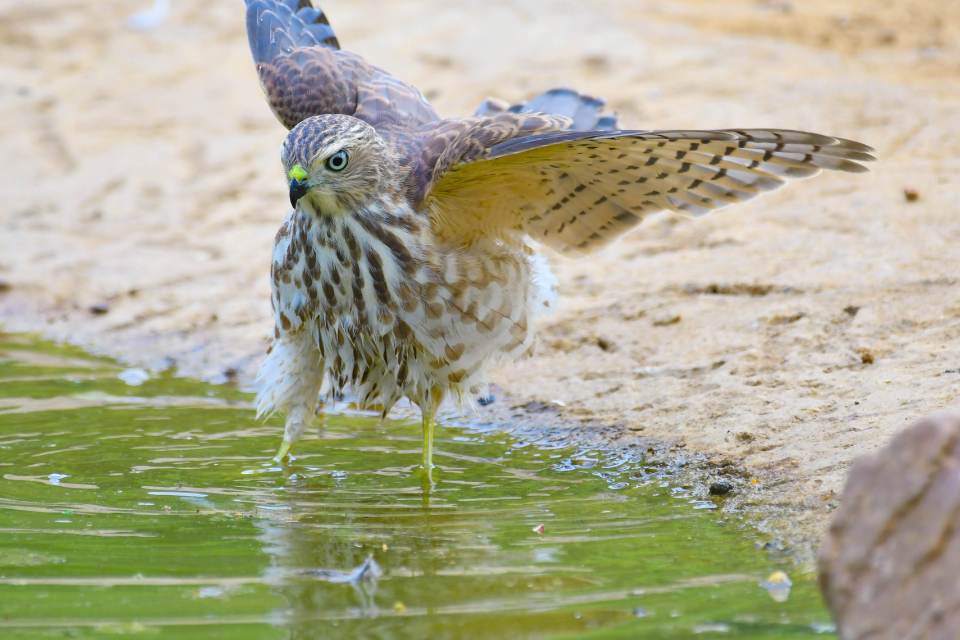
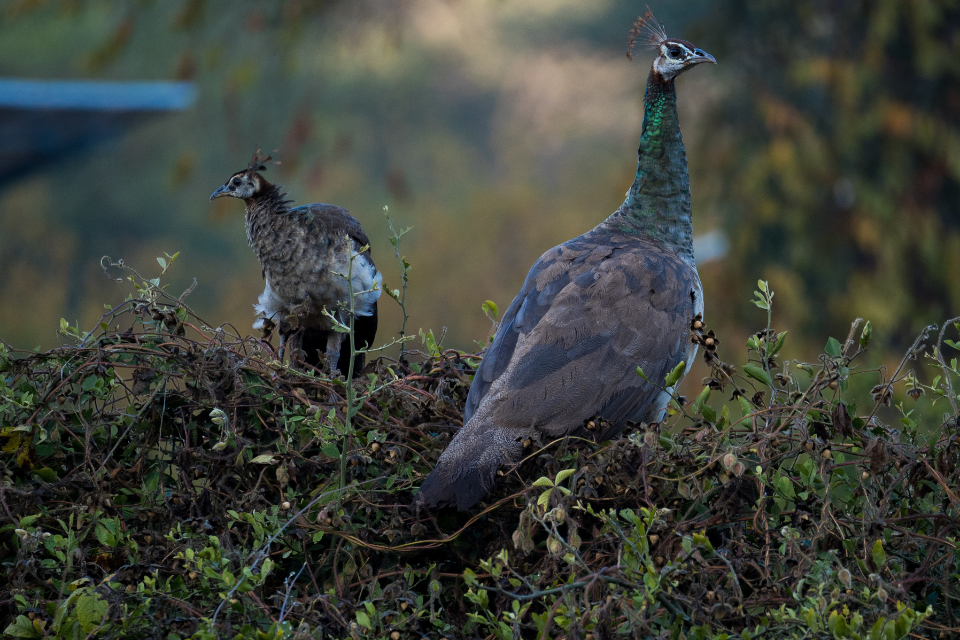
Discover why Jhalana, Amagarh, and Beed Papad Leopard Safari zones in Jaipur are also birdwatching paradises. Learn about the bird species, best seasons, and tips for ornithologists and nature lovers.
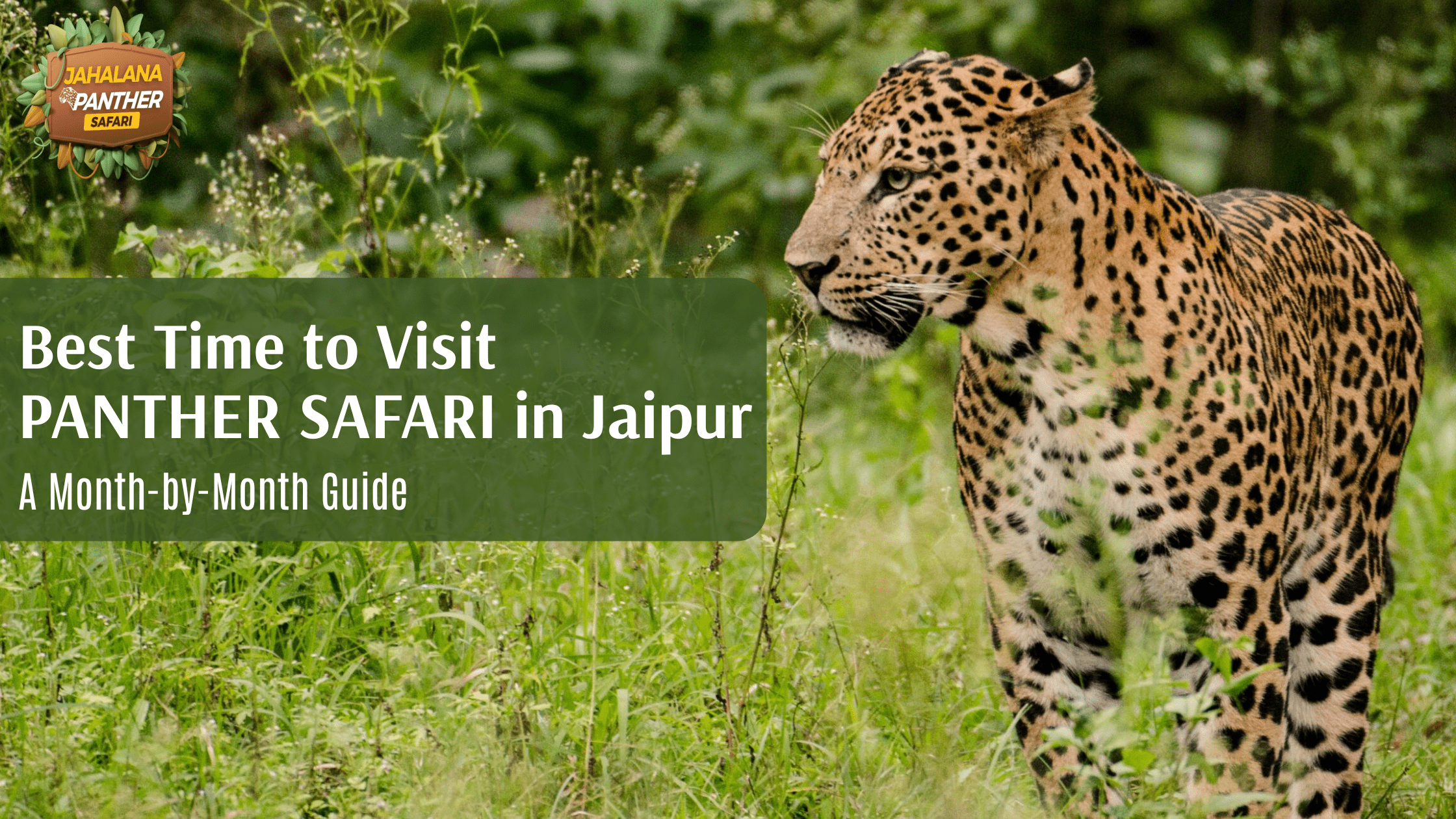
Best Time to Visit Panther Safari in Jaipur: A Month-by-Month Guide
Plan your perfect leopard safari in Jaipur with this month-wise guide to Jhalana, Amagarh, and Beed Papad Panther Safari zones. Understand weather, visibility, wildlife activity, and tips for each season.
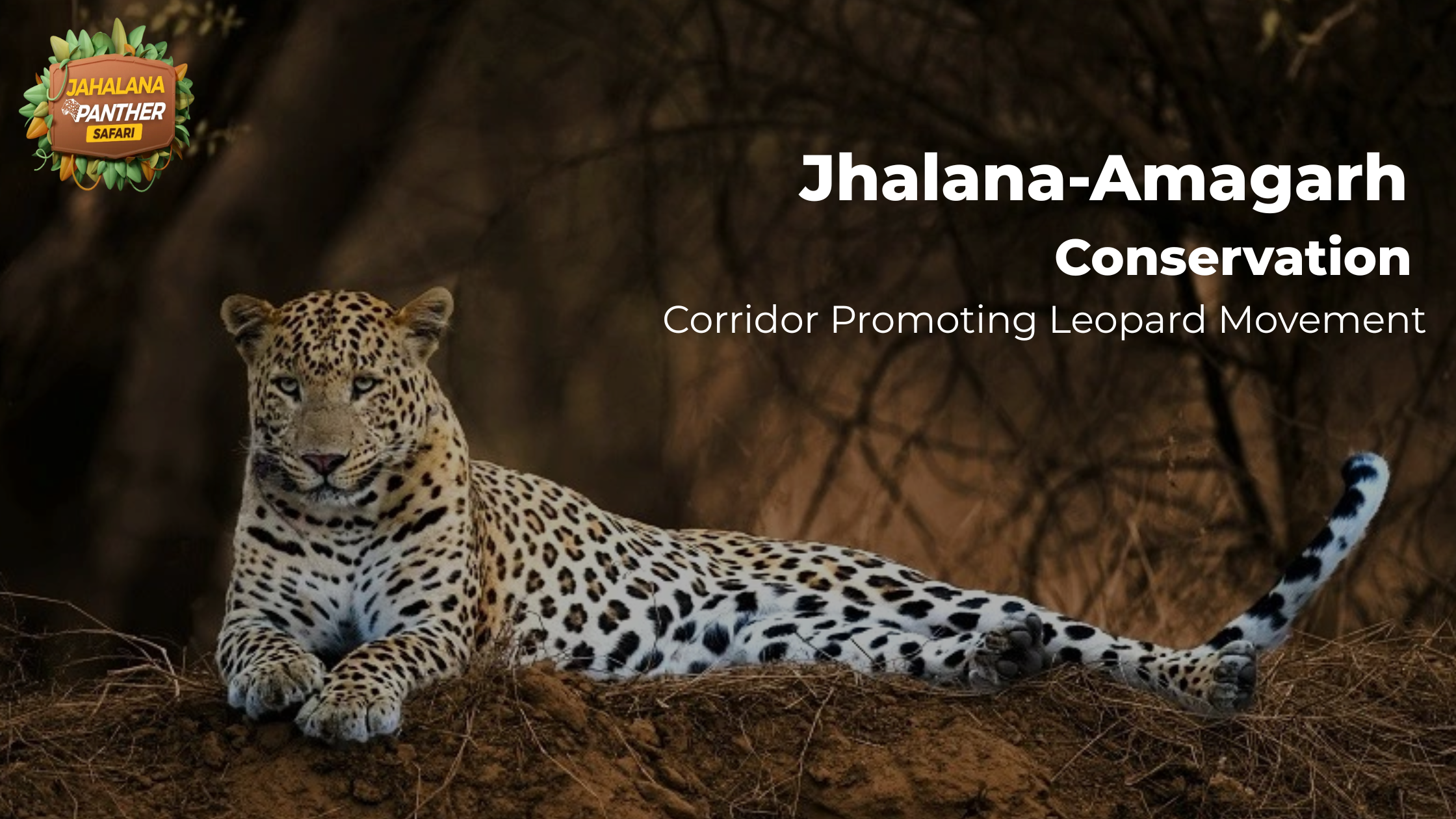
Jhalana-Amagarh Conservation Corridor Promoting Leopard Movement
When you talk leopards in Rajasthan, Jhalana in Jaipur springs to mind. But its true power lies in its connection with Amagarh and the broader Aravalli green network—a living Conservation Corridor that’s not only helping these majestic cats move freely but also maintaining genetic health, reducing conflicts, and preserving their habitat right within a buzzing urban sprawl.
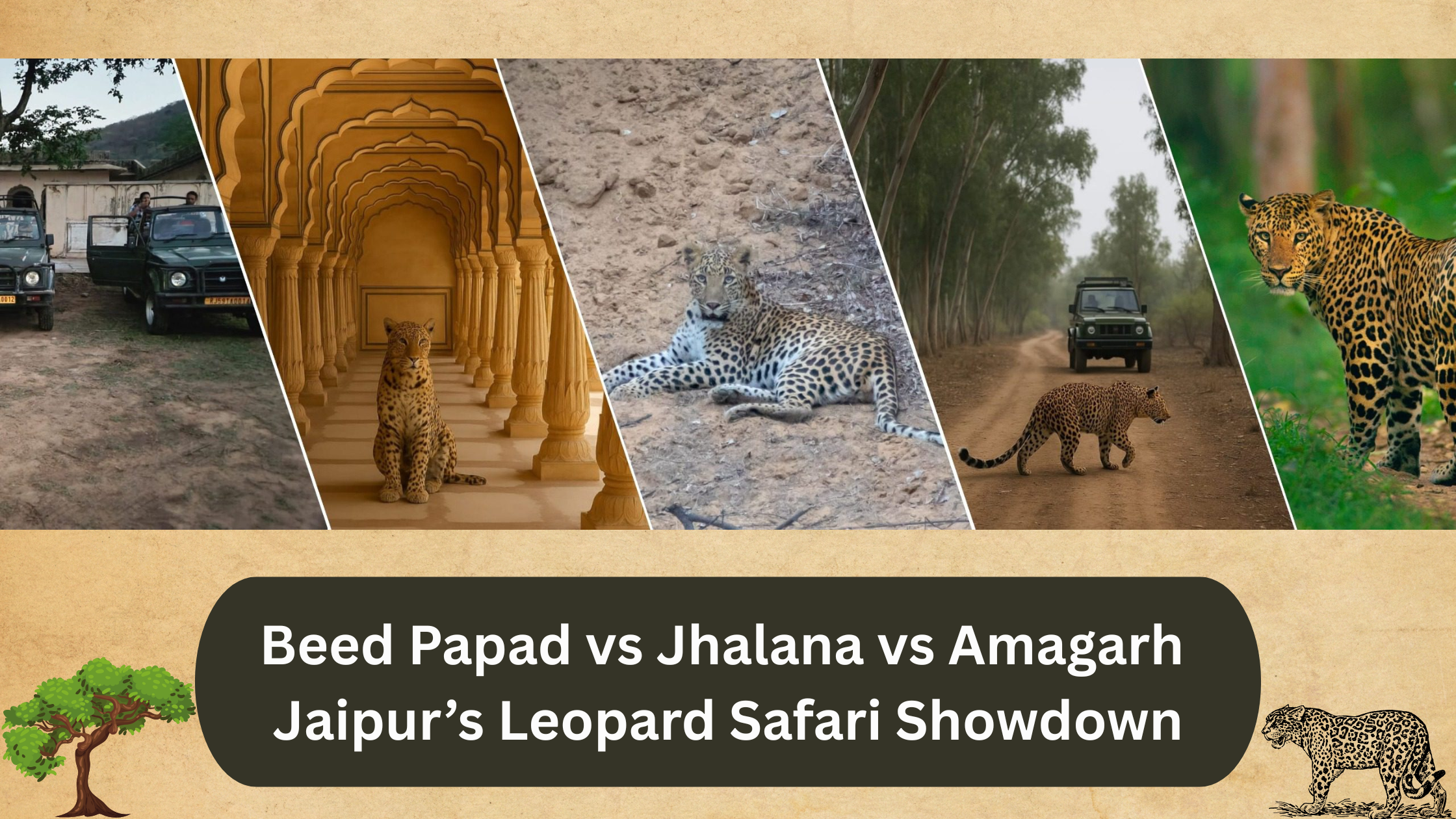
Beed Papad vs Jhalana vs Amagarh: Jaipur’s Leopard Safari Showdown
If Jaipur is known as the Pink City for its stunning architecture and heritage, it might as well be known as India’s Leopard City for its unique urban wildlife scene.
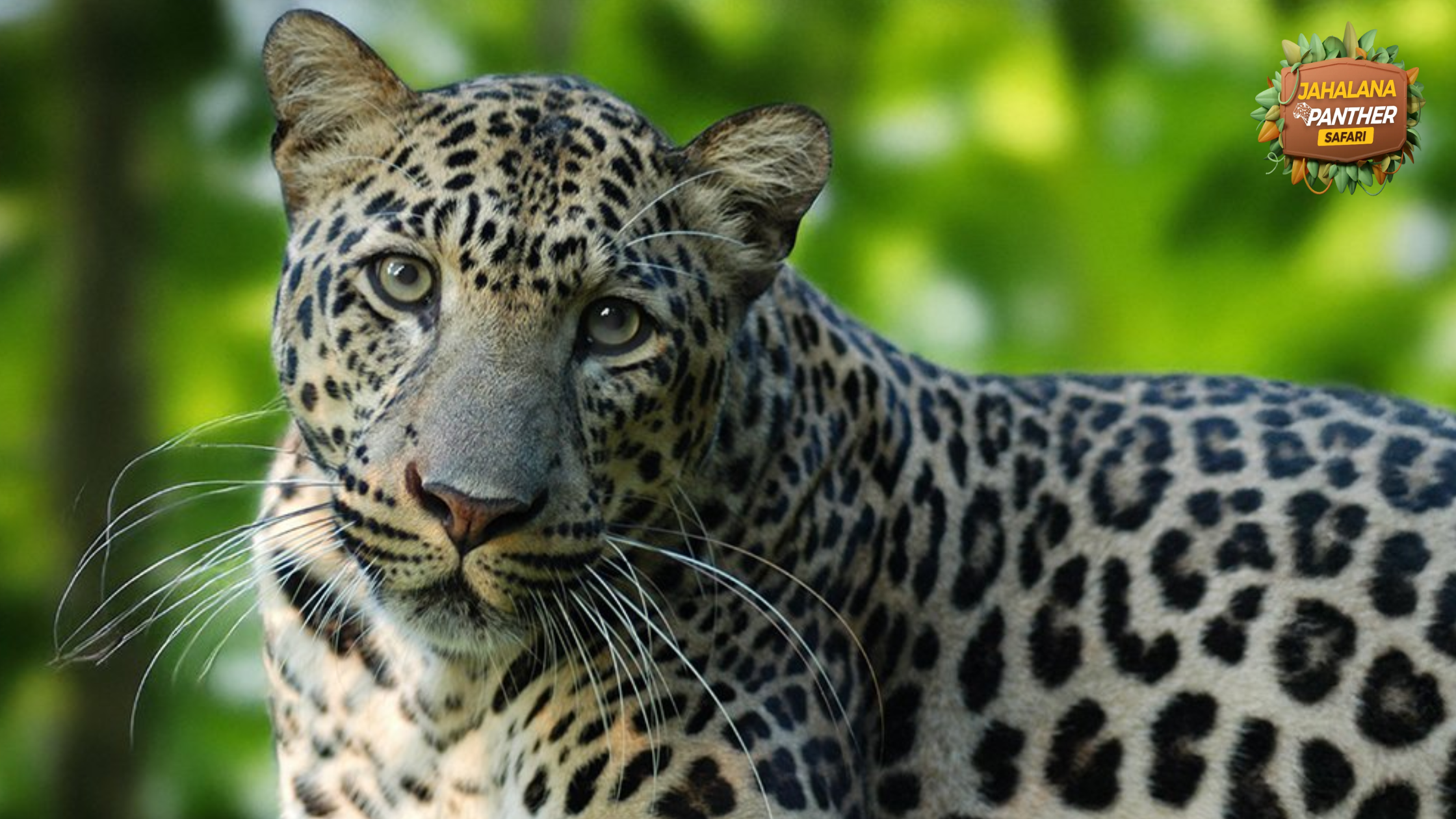
Amagarh Leopard Reserve: India’s Hidden Safari Gem
Nestled along the ancient Aravalli hills near Jaipur, Amagarh Leopard Reserve—also called Amagarh Safari Park—became Rajasthan’s second dedicated leopard reserve in May 2022. Spanning around 1,524 hectares, it offers a blend of rugged climate, rich biodiversity, and fewer crowds compared to more popular parks .