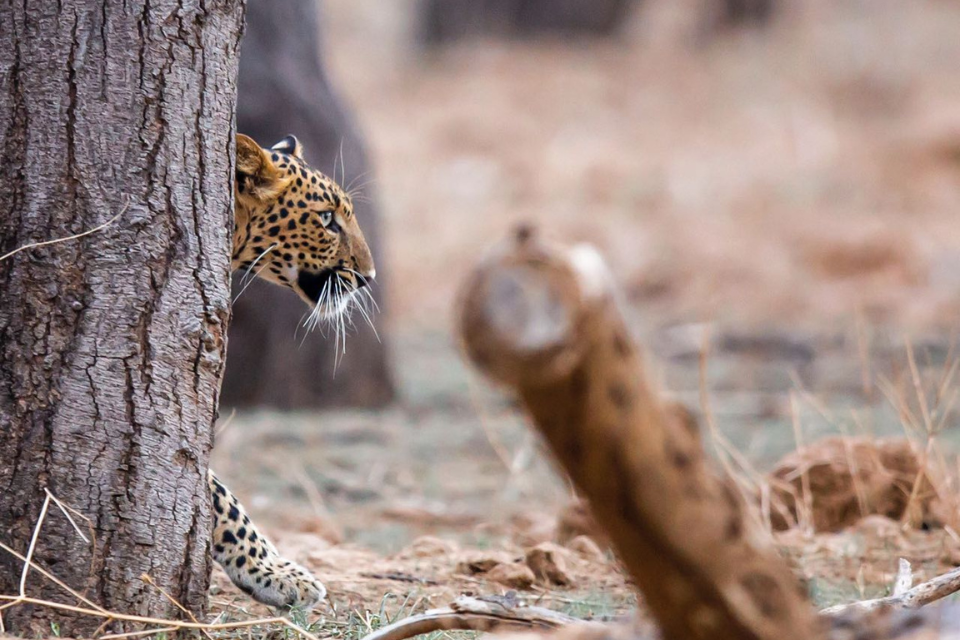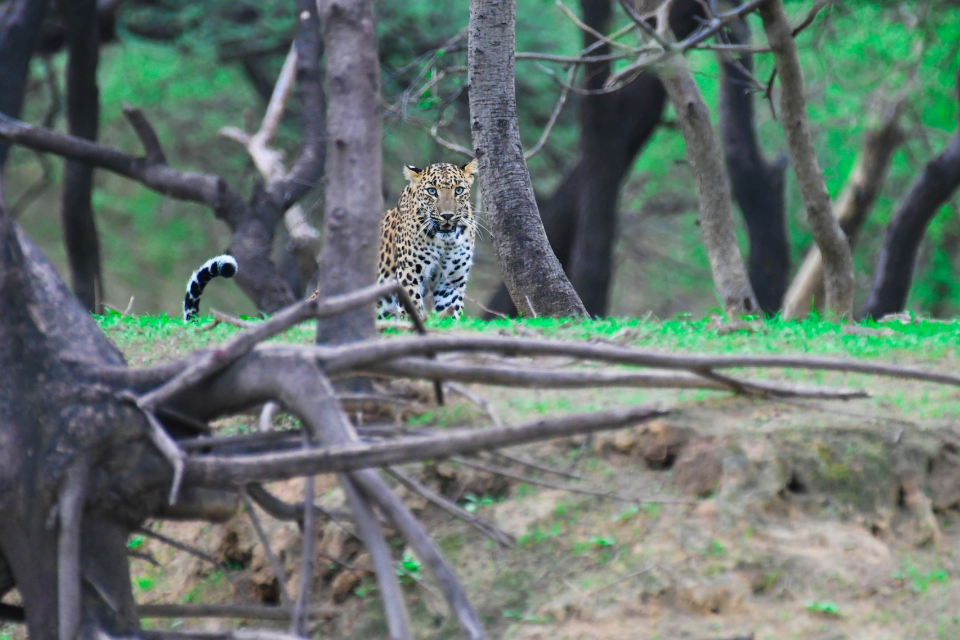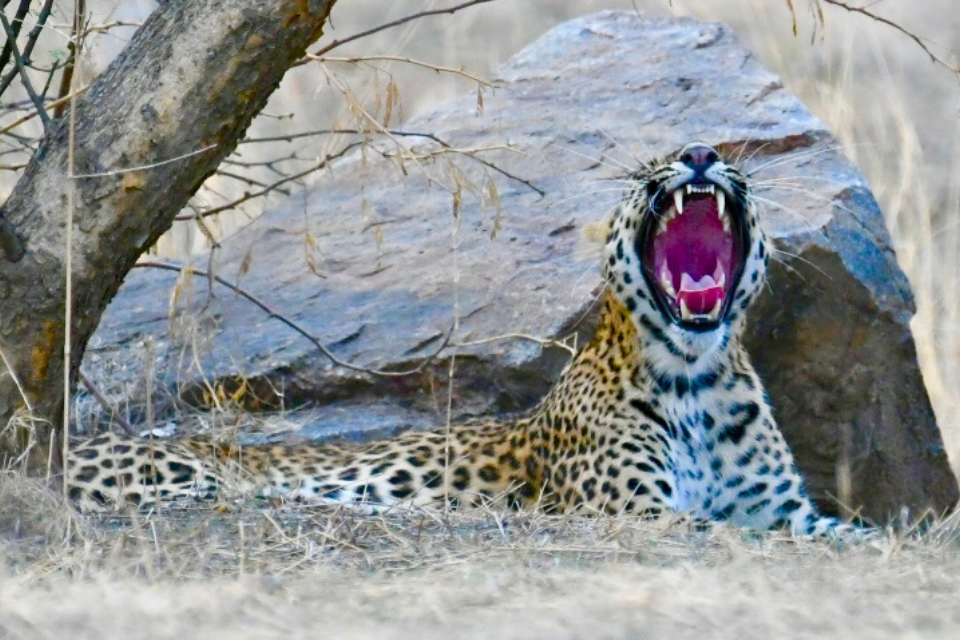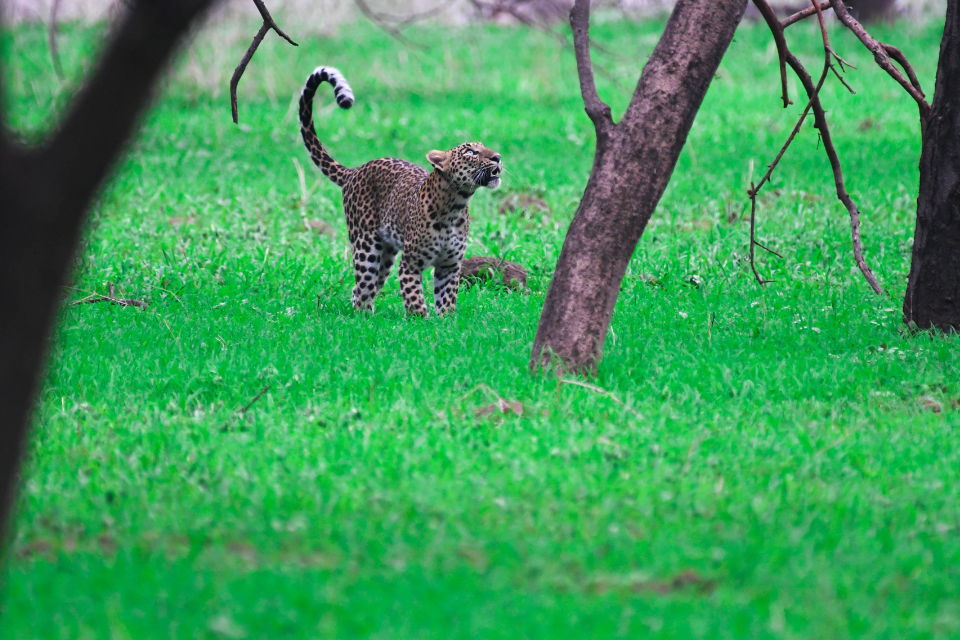
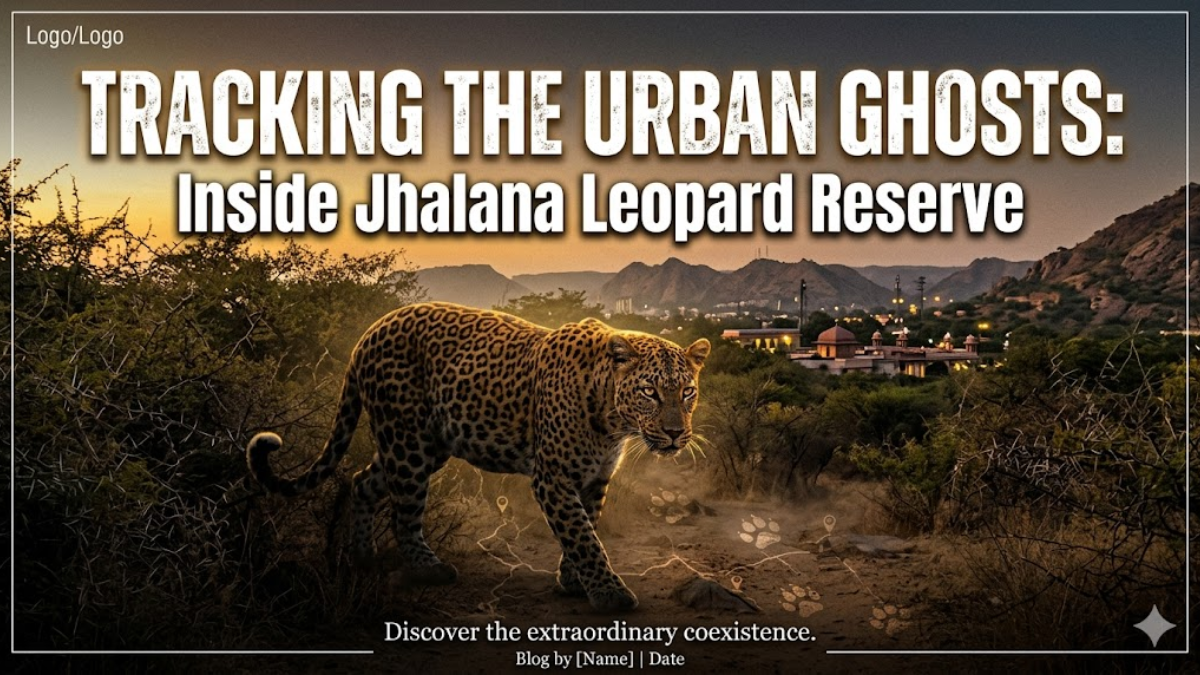
When you think of Jaipur, your mind instantly drifts toward magnificent palaces, rich Rajputana history, and the aroma of authentic local cuisine. But have you ever imagined that just a stone’s throw away from the bustling traffic and chaos of the Pink City lies a dense, silent forest where India’s most stealthy predators roam free?
Welcome to Jhalana Panther Safari—affectionately known among wildlife enthusiasts as “The Urban Forest of Jaipur.” This place is not your average sanctuary; it is a thrilling arena where urban development and raw nature stand eye-to-eye. If you are in Jaipur and looking for an adrenaline rush that will give you goosebumps, let’s take you down the rugged, rocky tracks of Jhalana, where leopards rule the land.
Why is Jhalana Called the Capital of Leopard Sightings?
In India, a wildlife safari usually means traveling to massive National Parks like Ranthambore, Jim Corbett, or Kanha, where you might drive for hours and sometimes not even catch a glimpse of a tiger. Jhalana, however, flips the script completely.
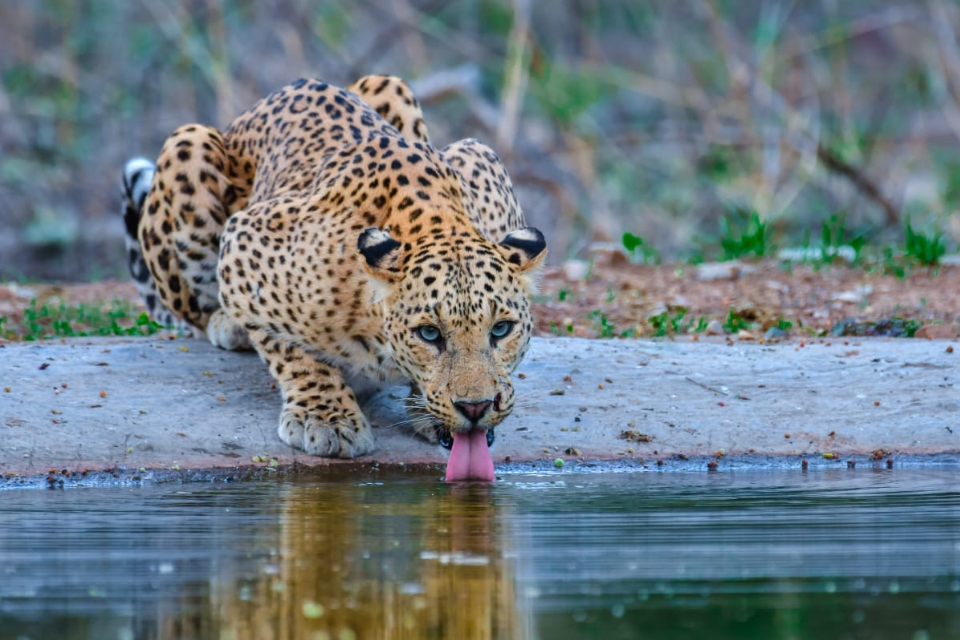
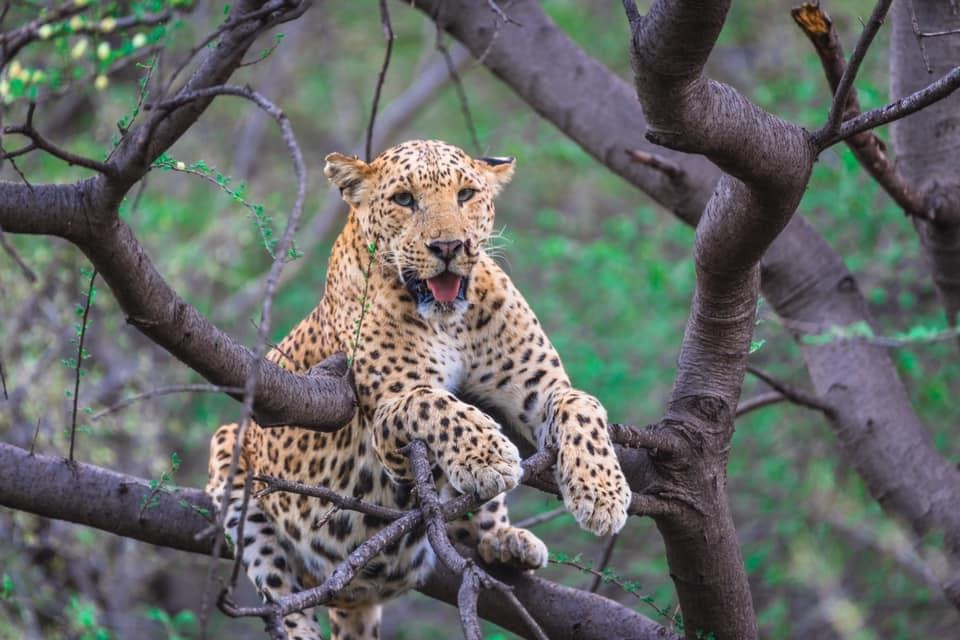
Spanning an area of just about 23 square kilometers, this compact, dry deciduous forest is home to more than 40 leopards. This means the population density of leopards per square kilometer here is exceptionally high. Because of this high density and the restricted forest area, Jhalana offers some of the highest and closest leopard sighting probabilities in the entire country.
Another fascinating aspect of Jhalana’s leopards is that they have become habituated to the open 4×4 safari Gypsies. Instead of darting into the thickets upon hearing a vehicle, they calmly cross the tracks or sit majestically on the rocks, staring right back at you. This unique behavior is exactly why they are called Jaipur’s “Urban Ghosts”—they live right next to the city, but they only appear on their own terms.
Meet the Celebs: The Famous Leopards of Jhalana
Just like Bollywood has its superstars, the jungle of Jhalana has its own iconic celebrities. These leopards rule specific territories and have unique stories that the local guides love to share:
-
Bahadur (The King): He is the largest and most dominant male leopard in Jhalana. Bahadur carries himself with pure royal attitude. When he walks, the jungle erupts with the frantic alarm calls of langurs and spotted deer. He is often spotted resting fearlessly right on the safari tracks.
-
Jalebi (The Photogenic Queen): Jalebi is one of the oldest and most photographed female leopards in the reserve. The rosettes on her coat are uniquely curved, resembling the swirls of the famous Indian sweet Jalebi, which is how she got her name. She is widely known for her calm demeanor and camera-friendly poses.
-
Flora (The Mountain Hunter): Flora is a young, incredibly cunning female leopard who is mostly seen along the steep rocky ridges of Route 2. Her camouflage and silent hunting techniques are so flawless that spotting her feels like winning a lottery.
Beyond Panthers: The Supporting Cast of Jhalana
If you think Jhalana is only about leopards, you are in for a wonderful surprise. The biodiversity packed into this small urban forest is truly remarkable:
1. The Striped Hyena (Zarakh)
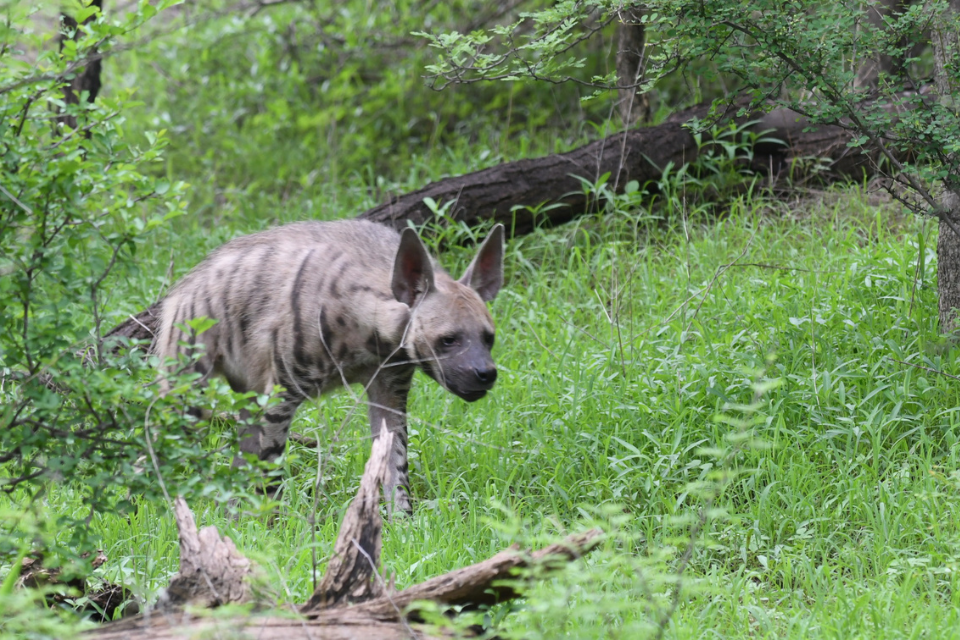
Apart from leopards, Jhalana’s biggest wildlife attraction is the Striped Hyena. While hyenas are naturally nocturnal (active at night), Jhalana is one of the very few places in India where this mysterious scavenger can be spotted basking in the sun outside its den during broad daylight.
2. Jungle Cats & Desert Foxes
As you drive past the dry bushes, you might catch a sudden golden flash. Those are the agile Jungle Cats or Desert Foxes of Jhalana. Watching these small hunters move stealthily through the undergrowth is an incredible sight for any nature lover.
3. Blue Bulls and Deer Herds
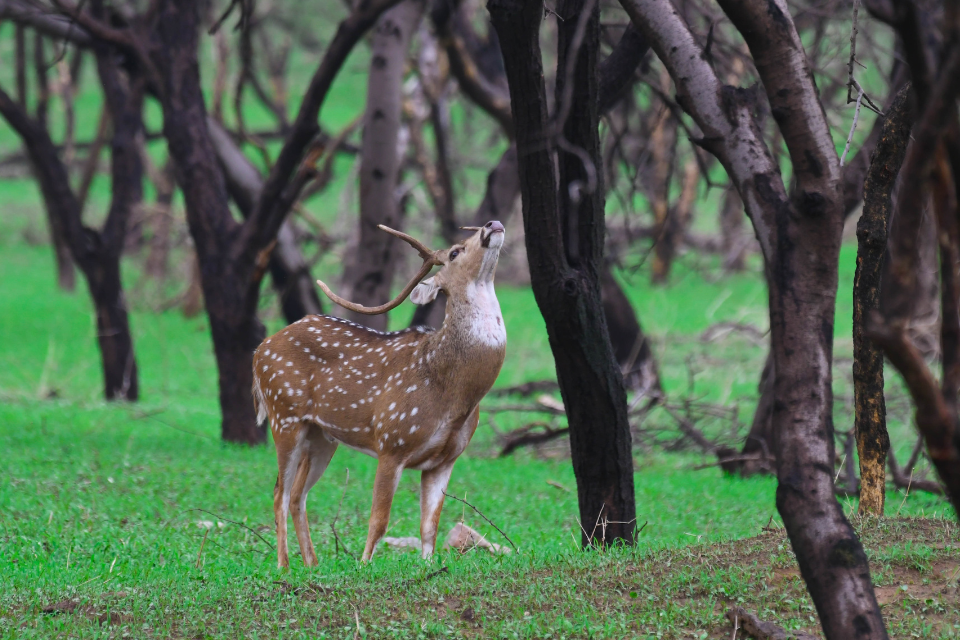
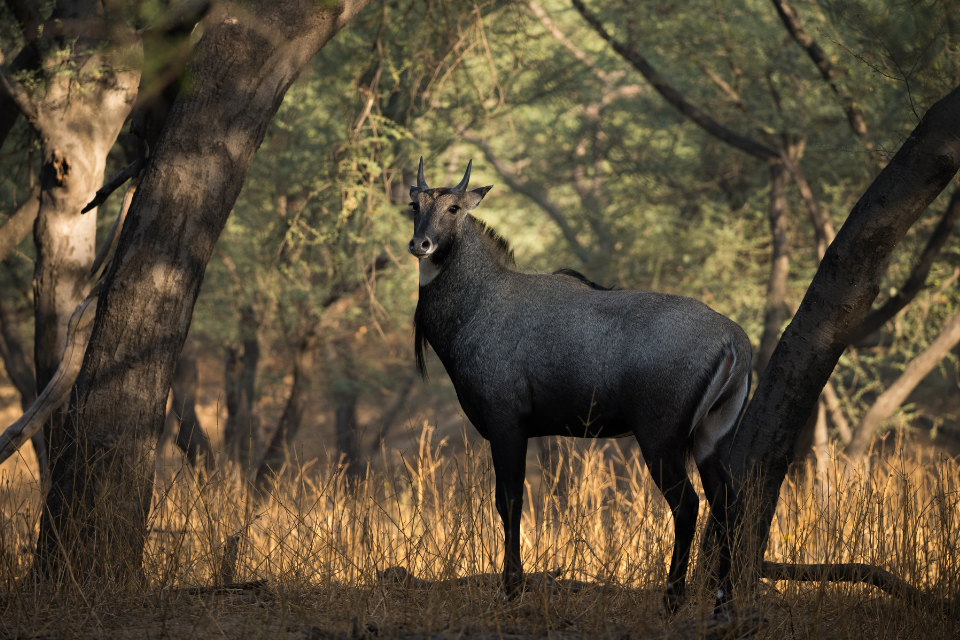
To sustain a healthy leopard population, nature has blessed Jhalana with a robust prey base. During your safari, you will frequently cross paths with large herds of Nilgai (Blue Bulls), elegant Chital (Spotted Deer), and heavy Sambar Deer leaping across the rocky terrain.
4. A Birdwatcher’s Paradise
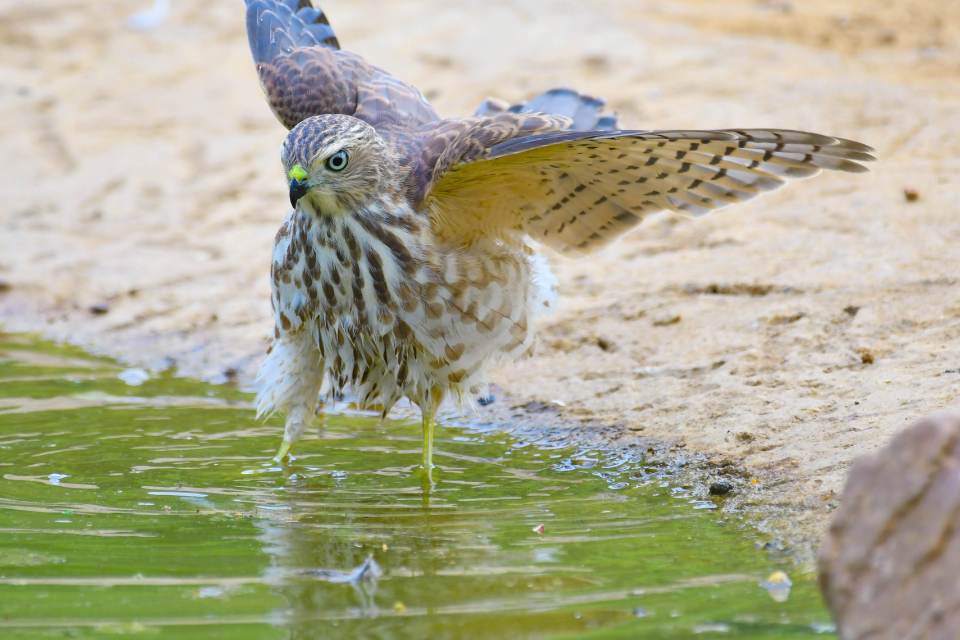
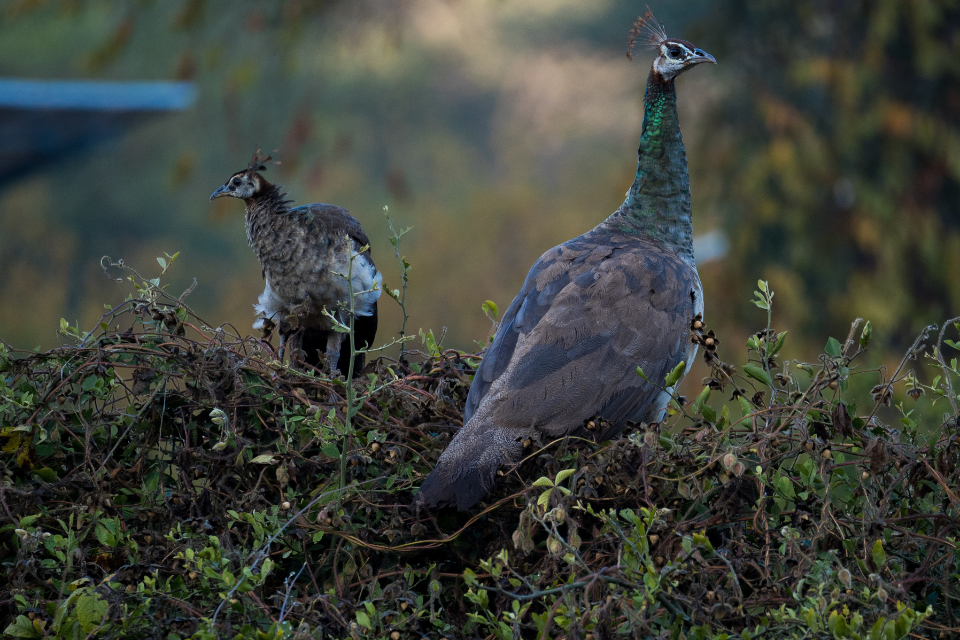
Jhalana is an absolute heaven for bird enthusiasts. While India’s national bird, the Peacock, can be seen on almost every second tree, the reserve is also home to Spotted Owlets, the vibrant Indian Pitta, Golden Orioles, and magnificent migratory raptors like Eagles and Falcons during the winter months.
Pro Photography Tips: How to Capture the Perfect Shot?
Jhalana is a dream playground for wildlife photographers. If you want to take professional-level portraits on your safari, keep these expert tips in mind:
-
Lens Choice Matters: Because the safari Gypsies can get remarkably close to the leopards, you don’t necessarily need a massive 600mm prime lens. A variable zoom lens like a 70-300mm or 100-400mm is ideal here. It gives you the flexibility to capture both wide environmental portraits and tight, dramatic close-ups.
-
Master the Golden Hour: The soil and rocky terrain of Jhalana have beautiful red-yellow undertones. When the soft morning light or the fading evening sun hits these rocks, it creates a stunning Golden Glow. Framing a leopard against this natural lighting results in purely magical photographs.
-
Beat the Dust: The safari tracks in Jhalana are completely unpaved. When vehicles drive ahead of you, they kick up a massive amount of fine dust. Always carry a lens sleeve or a clean cotton cloth to shield your camera body and gear, and only remove your lens cap when the vehicle comes to a complete halt.
-
Turn Off Flash & Shutter Sound: While the leopards are comfortable around vehicles, a sudden artificial Flash or digital camera beeps can startle or irritate them. Always switch your camera to Silent Shutter Mode and ensure your flash is completely turned off.
The Magical Landscape: Shikar Oudhi & Ancient Ruins
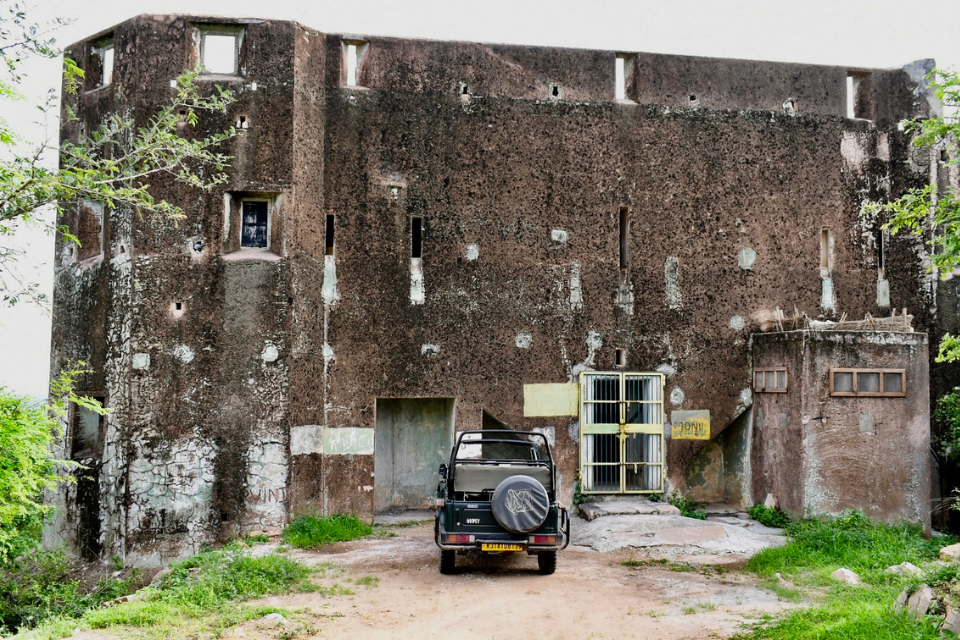
Jhalana is not just about the wildlife; its rugged landscape has a historical charm of its own. Right in the heart of the forest stands an ancient stone structure known as the Shikar Oudhi. This historic tower once served as a royal hunting lodge for the Maharajas of Jaipur.
Today, visitors can climb up this watchtower to get a panoramic 360-degree view of the entire forest canopy. Standing on top of this historic monument, looking at a dense, wild forest on one side and the modern high-rises of Jaipur on the other, makes you realize how vital Jhalana is. It serves as a crucial natural green lung for the city, absorbing urban pollution and preserving regional ecology.
Frequently Asked Questions (FAQs)
Is a leopard sighting guaranteed on a Jhalana Safari?
While wildlife sightings are never 100% guaranteed in nature, Jhalana offers the highest leopard sighting probability in India. Thanks to its high population density and smaller terrain, 8 out of 10 safaris end up spotting a leopard comfortably.
What is the best season to visit Jhalana Leopard Reserve?
Jhalana is open for tourism all 365 days a year. However, the summer months (April to June) are considered absolute best for wildlife sightings. The dry weather causes trees to shed their leaves (improving visibility), and leopards are forced to visit artificial water holes frequently. For pleasant weather, the winter months (October to March) are ideal.
Is there a night safari option available in Jhalana?
Yes! Jhalana has introduced a specialized Night Safari experience that runs after sunset (approx. 07:00 PM to 11:00 PM). Equipped with specialized, non-intrusive lights, this safari allows you to track elusive nocturnal animals like Hyenas, Porcupines, and Owls that only hunt under the cover of darkness.
How long does a single safari slot last?
A standard safari shift in Jhalana lasts for approximately 2.5 hours. Both the morning and evening shifts give you ample time to explore the various routes, tracks, and water holes of the reserve.
What kind of clothes should I wear for the safari?
To blend into the natural environment, it is highly recommended to wear Earthy Colors like Olive Green, Khaki, Tan, Brown, or Dull Grey. Avoid wearing bright neon colors, bright red, or bright yellow, as these sharp shades can alert the animals from a distance and cause them to retreat into the bushes.
Are we allowed to get down from the Gypsy to walk in the forest?
Absolutely not! Jhalana is a wild forest where apex predators roam completely free. According to strict forest department rules, stepping out of your safari vehicle is strictly prohibited and can attract heavy fines. You are only permitted to step down at designated safe zones, like the Shikar Oudhi watchtower.