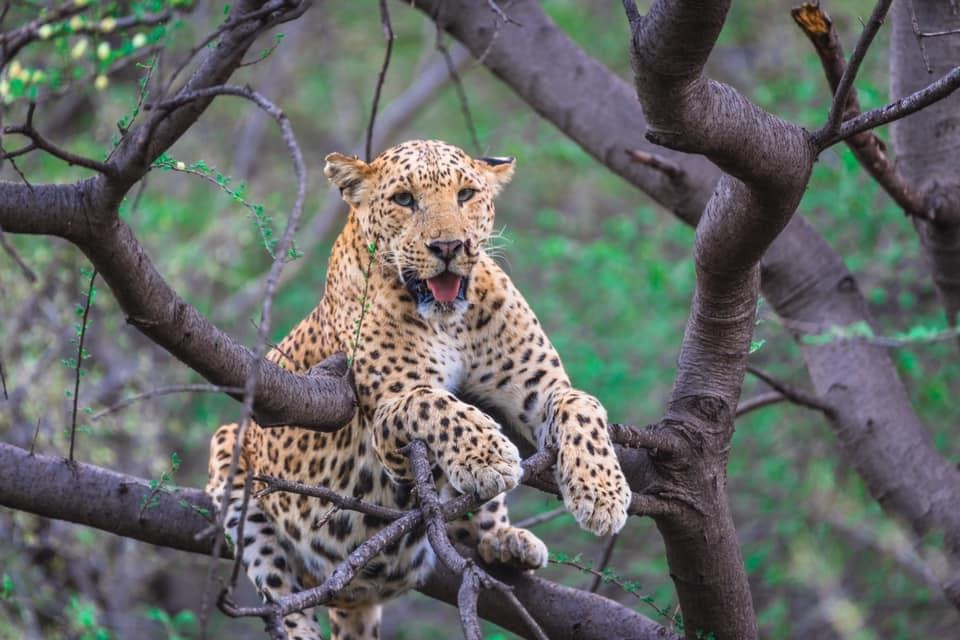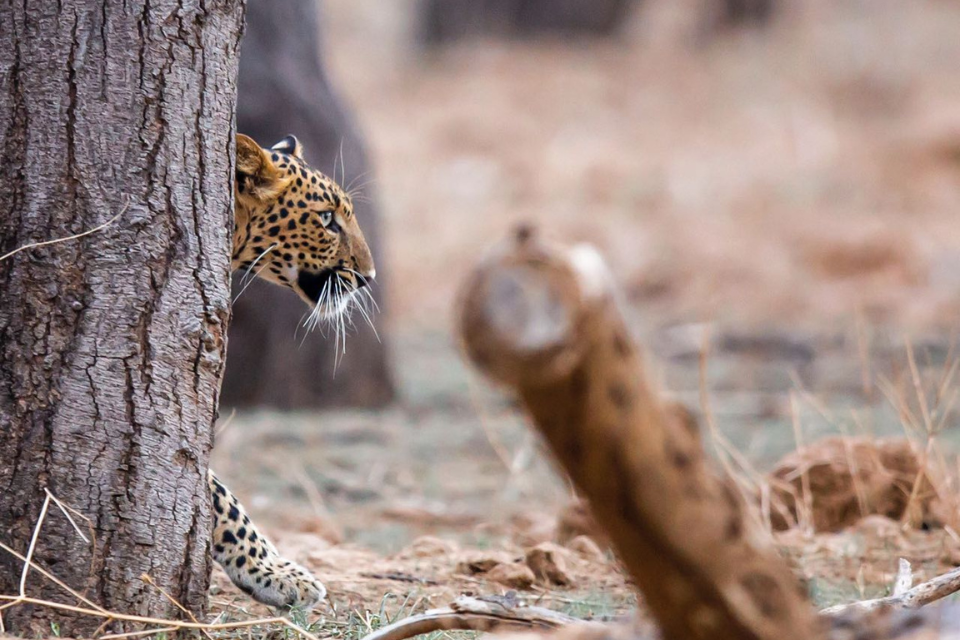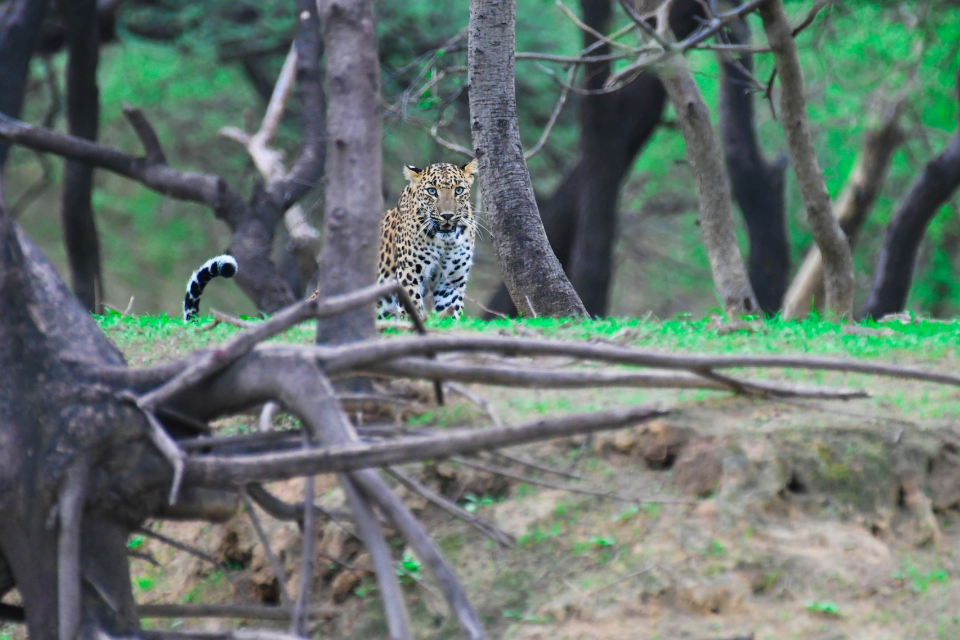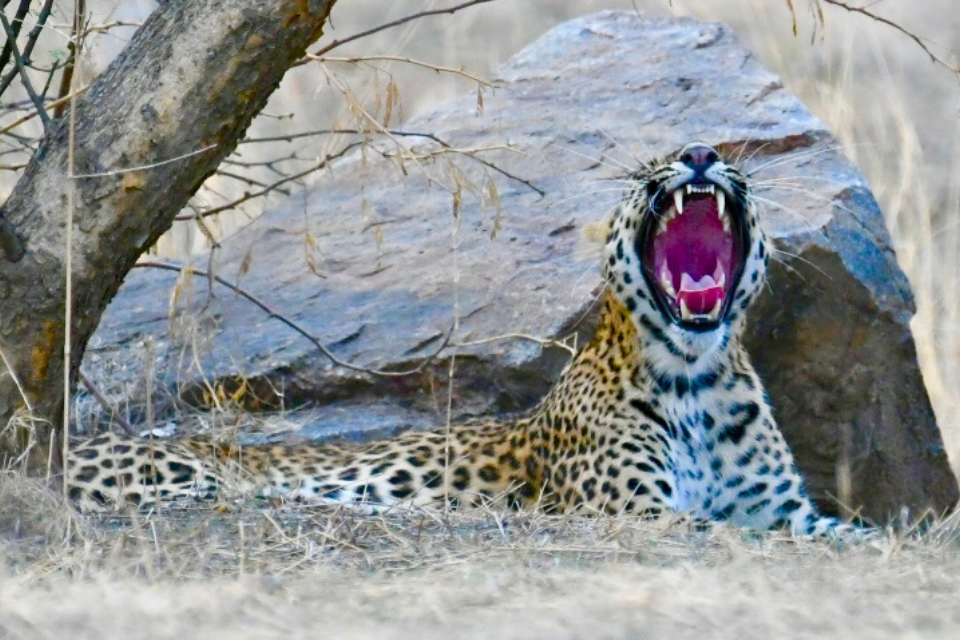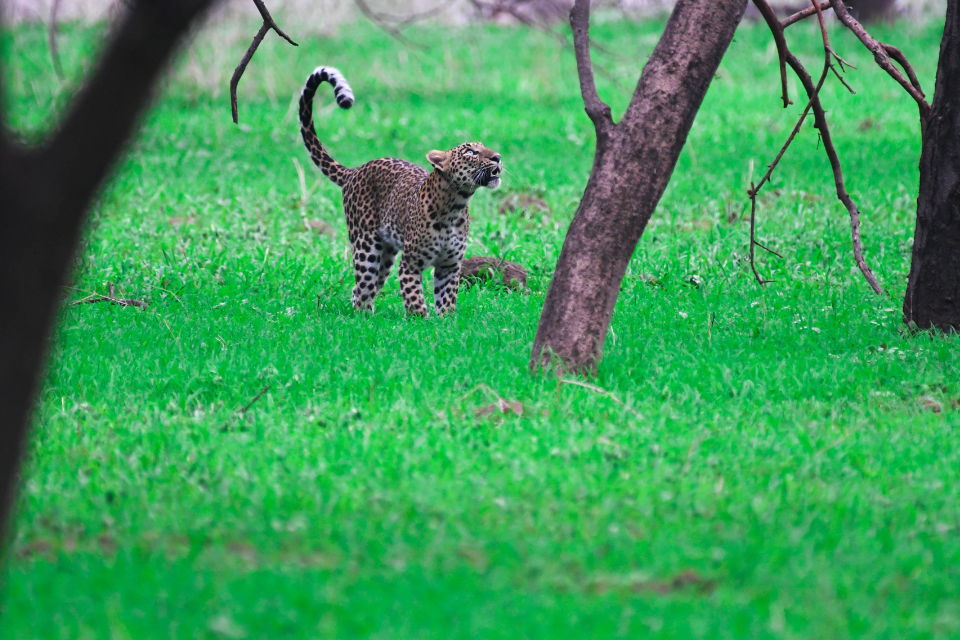
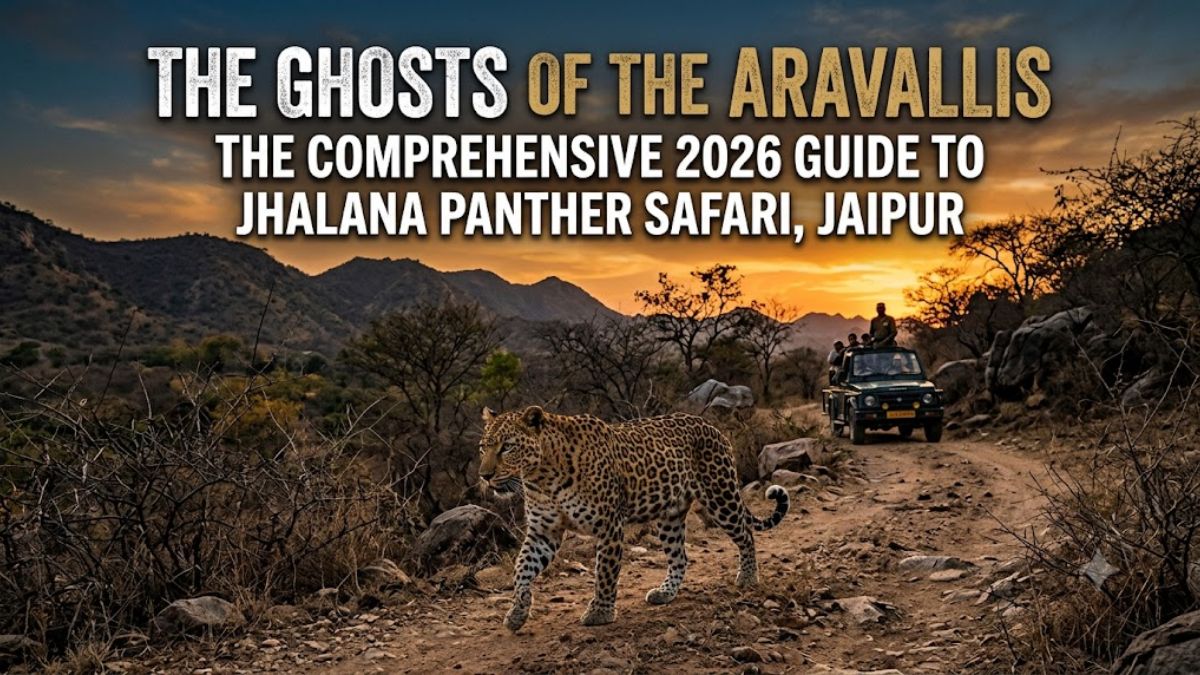
When travelers think of Jaipur, their minds instantly paint pictures of amber-hued forts, grand stepwells, and chaotic, colorful spice bazaars. Yet, hidden right on the immediate fringes of this bustling metropolitan landscape lies an entirely different world—a rugged, thorny forest where an absolute apex predator rules the terrain. Welcome to the Jhalana Panther Safari, India’s first exclusive reserve dedicated entirely to leopards (Panthera pardus, locally known as panthers).
Spanning roughly 23 square kilometers along the ancient Aravalli ridges, the Jhalana Leopard Reserve boasts one of the highest densities of leopards anywhere on the planet. For travelers looking for an adrenaline rush without traveling deep into remote rural wilderness, this urban sanctuary offers a highly predictable, heart-pounding wildlife experience just a 15-minute drive from Jaipur International Airport.
Whether you are a seasoned wildlife photographer looking to snap clean portraits or a curious vacationer eager to step off the beaten track, this exhaustive 2,500-word blueprint covers every hidden historical fact, operational dynamic, and strategic tip needed to navigate Jhalana in 2026.
The Ecological Paradox: Why Leopards Dominate Jhalana
To appreciate Jhalana, one must understand how unusual its ecosystem truly is. In massive national parks across India, such as Ranthambore or Sariska, leopards are notoriously elusive. They live in constant terror of larger tigers (Panthera tigris), which frequently kill leopards to eliminate resource competition. Consequently, in tiger reserves, leopards retreat to the steepest cliffs, hunt strictly at night, and stay hidden deep within the thickest canopies.
In Jhalana, the script is completely flipped.
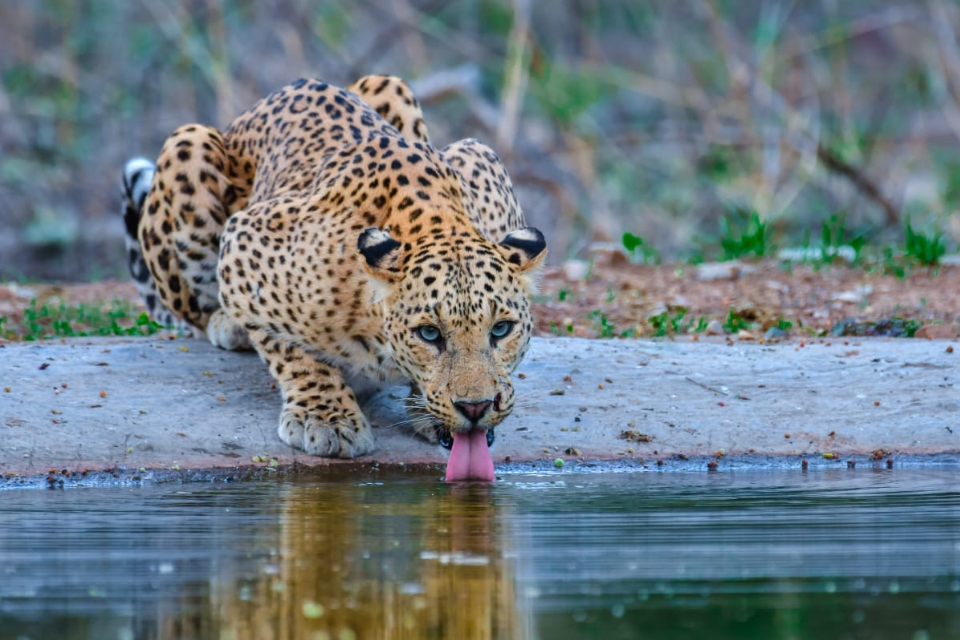
Because there are no tigers here to dominate them, the leopards of Jhalana have claimed the valley floors. They walk down the middle of dirt tracks, lounge openly on sun-warmed rocks during broad daylight, and raise their cubs right next to the park’s boundary walls. This absolute lack of fear has turned them into bold, confident cats, providing visitors with long-duration, high-quality sightings that are nearly impossible to replicate elsewhere in Asia.
The Urban Adaptation Factor
The approximately 35 to 40 leopards living inside Jhalana are uniquely adapted to urban environments. They have coexisted next to Jaipur’s expanding infrastructure for generations. While they hear the distant hum of city traffic or the roar of commercial planes overhead, they remain completely unfazed. More importantly, they are deeply habituated to the low-frequency rumble of open 4×4 safari gypsies. They treat vehicles not as a threat or a food source, but as a neutral, non-intrusive part of the landscape.
A Royal Sanctuary: The Legacy of Shikaar Audi
Long before it became a crown jewel of wildlife conservation in Rajasthan, Jhalana served a dark and aristocratic purpose. Throughout the 19th and early 20th centuries, these rugged hills were the private, protected hunting grounds (Shikaar Gah) for the Maharajas of Jaipur and prominent British Raj officials.
The Historic Architecture
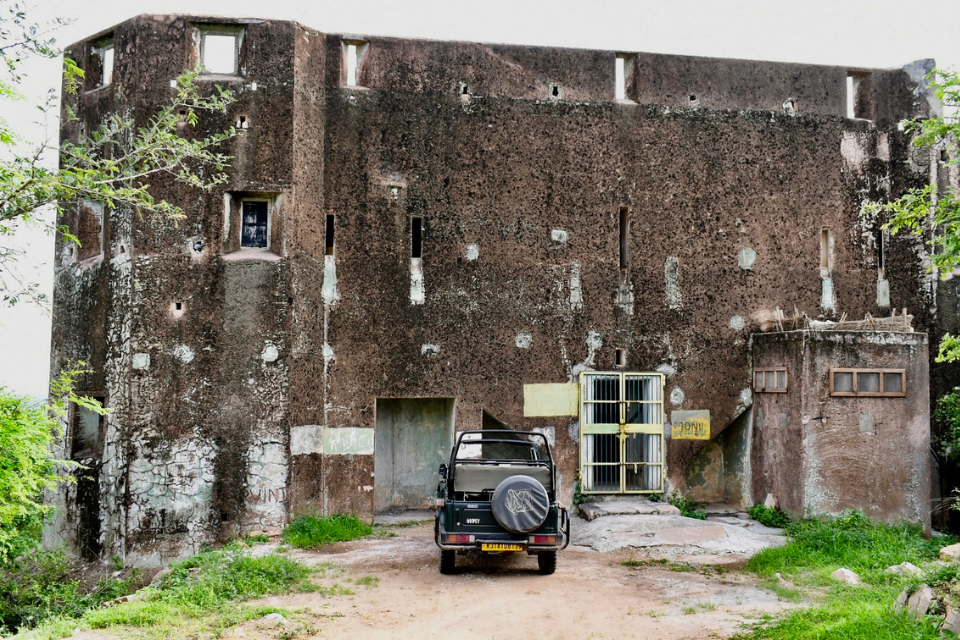
Deep within Zone 1 of the reserve stands the Shikaar Audi, a magnificent, three-story royal hunting lodge built of native stone. Decades ago, royals would sit on its elevated balconies while assistants laid out bait to attract big game. Historical records show that the very last wild tiger of Jhalana was shot from this region back in 1948.
Following that event, the tigers disappeared forever, but the highly resilient leopards reclaimed the territory. Today, the forest department has beautifully restored the Shikaar Audi. It no longer functions as a monument to the hunt, but rather as an official panoramic viewpoint. It is one of the rare spots inside the reserve where visitors are legally permitted to exit their vehicles, walk up the ancient stone steps, and scan the expansive canopy for movement.
Meet the Feline Legends of Jhalana
Because the reserve is relatively compact, local naturalists, forest guards, and trackers have mapped out the precise territories of individual leopards. Rather than referencing anonymous animals, trackers will introduce you to specific “celebrities” of the forest, each recognizable by their distinct rosette patterns and personality quirks:
Flora: The Uncrowned Queen
Flora is arguably the most famous and photographed leopardess in India. Known for her fearless matriarchal stance, she holds a massive territory cutting right through the central safari routes. Flora is legendary for using the smooth tire tracks of safari gypsies as her personal walking paths. It is not uncommon for her to stroll directly past a line of parked vehicles, ignoring the rapid fire of camera shutters completely.
Rana: The Alpha Male
Rana is a massive, battle-scarred male who rules the higher rocky inclines and deep valleys of the northern zone. He is the dominant male force in the park, known for his sheer muscular build and highly territorial nature. Hearing Rana’s deep, saw-like grunts echoing through the stone amphitheaters of the Aravallis at dusk is a spine-chilling highlight of the safari.
Juliet: The Valley Queen
Juliet is a sleek, beautiful female leopardess who dominates the flatter territories surrounding the central watering holes. Because her territory encompasses these critical hydration points, she is the most frequently sighted cat during hot summer afternoons when she emerges from the shade to drink.
The Supporting Cast: Flora and Fauna Breakdown
While the panther is the undisputed headliner, Jhalana’s dry deciduous scrub forest—dominated by the hardy Dhonk tree (Anogeissus pendula) and patches of thorny Juliflora—supports a complex, thriving food web. The arid nature of the bush means visibility remains high throughout the year, allowing you to easily spot the ecosystem’s other wild residents.
Predators and Scavengers
-
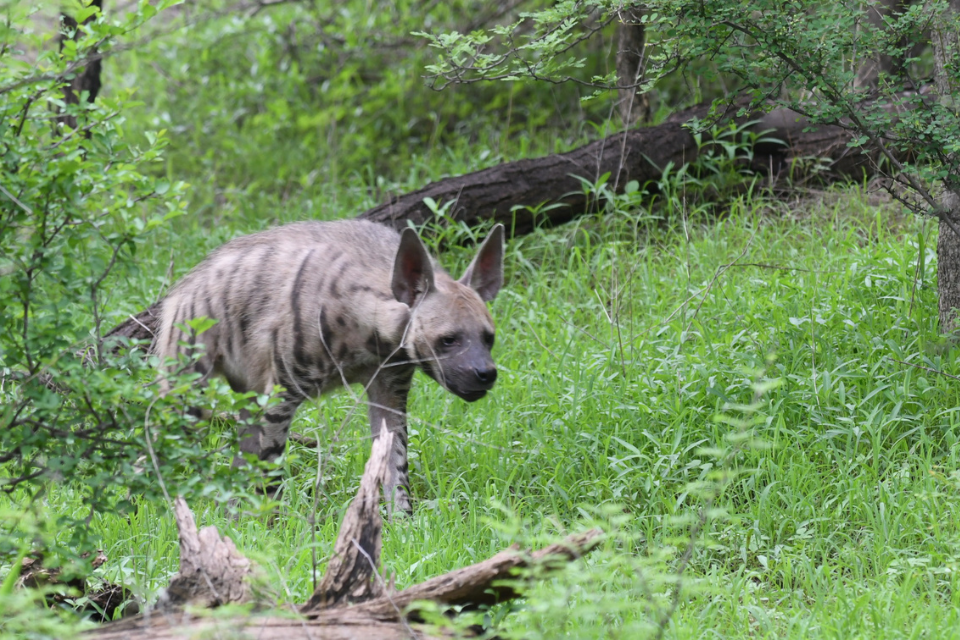
The Striped Hyena: Jhalana is one of the best places in India to see this nocturnal scavenger during the daytime. Hyenas here have become bolder, frequently trailing leopards to scavenge on their kills or resting near the mouths of old, abandoned mining caves.
-
Desert Foxes & Golden Jackals: These highly agile canines can be seen darting across open grasslands at dawn, hunting small rodents and ground-nesting birds.
-
Jungle Cats: Smaller but fierce, these long-legged cats hunt in the thick undergrowth and are often mistaken for leopard cubs by first-time visitors.
The Herbivore Foundation (Prey Base)
To keep 35+ leopards from venturing out into human colonies, the forest department maintains a robust prey base:
-
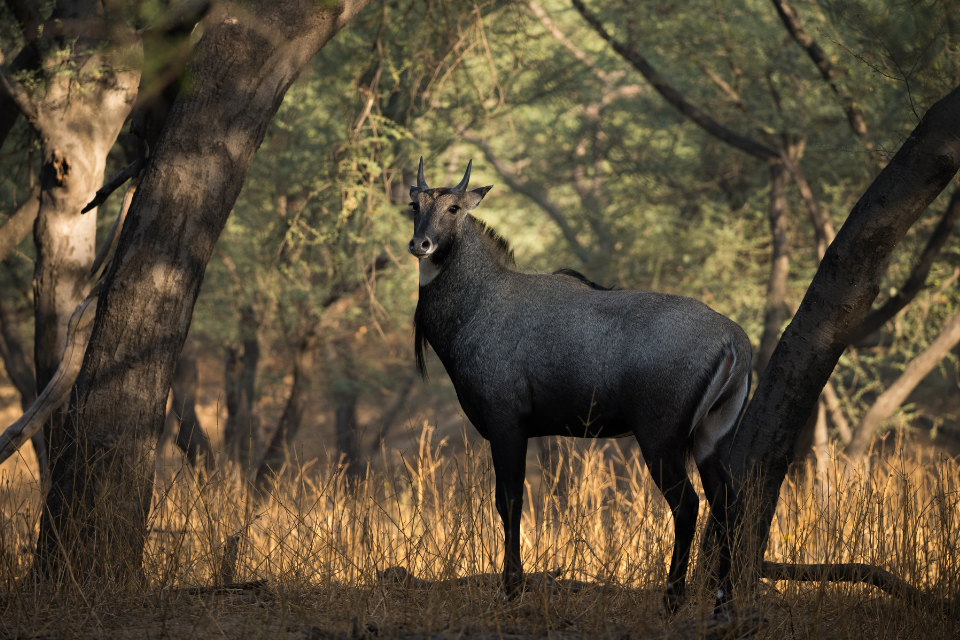
Blue Bulls (Nilgai): Asia’s largest antelope species. These massive, slate-grey animals roam the valleys in large family groups.
-
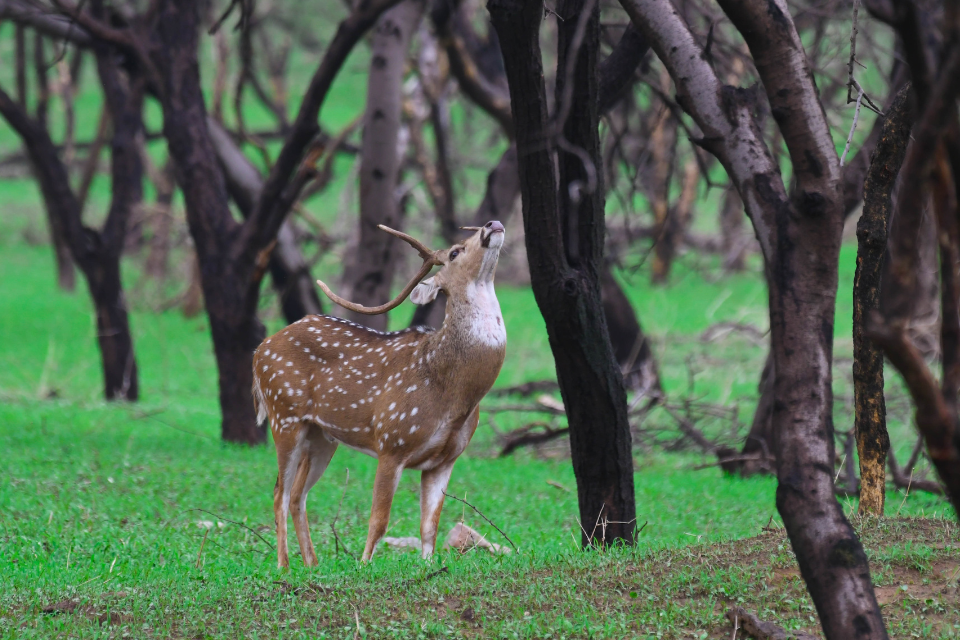
Spotted Deer (Chital) & Sambar: While Sambar deer prefer the rocky slopes, herds of Chital stay near open fields.
-
Hanuman Langurs: These monkeys occupy the tree canopies and serve a crucial role as the forest’s eyes and ears.
Avian Diversity
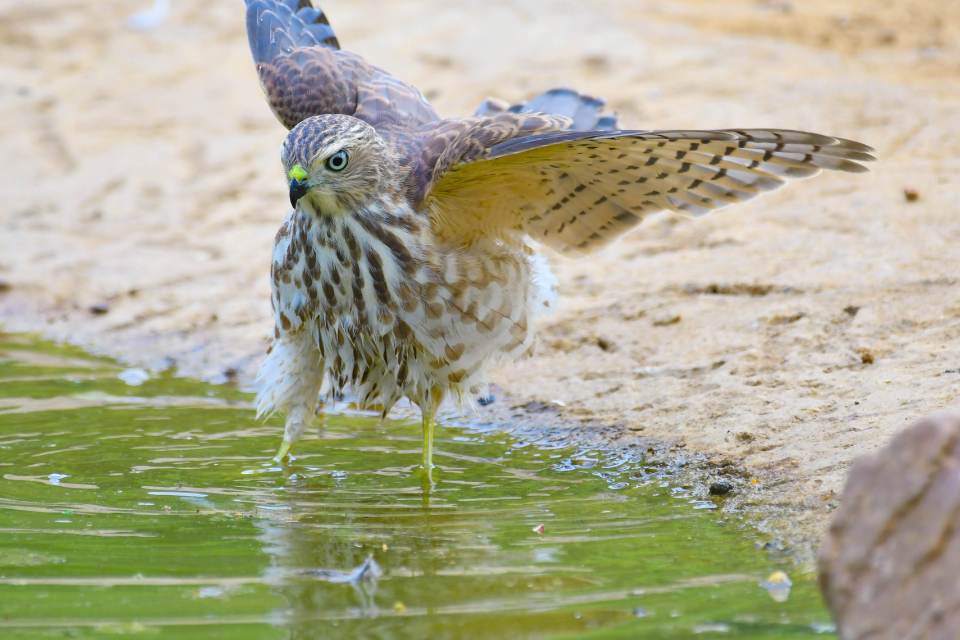
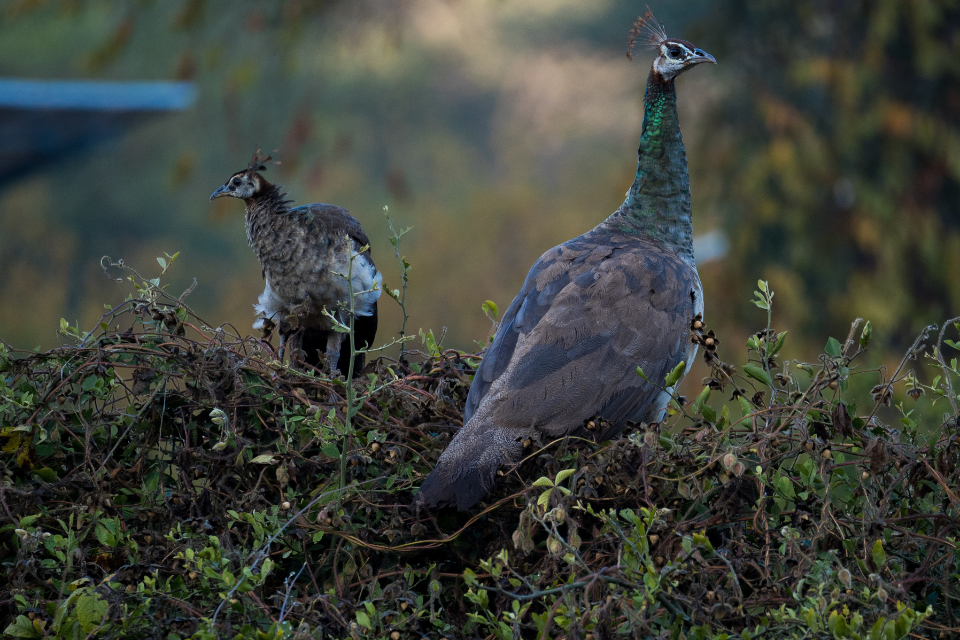
Jhalana is a recognized hotspot for birdwatching, harboring over 100 distinct species. During the monsoon, the park is filled with the calls of the rare, migratory Indian Pitta (a nine-colored ground bird). Year-round residents include spotted owlets, white-bellied drongos, Indian rollers, and massive golden eagles nesting high on the cliff faces.
Official 2026 Safari Timings and Seasonal Shifts
The Rajasthan Forest Department regulates entry into Jhalana with strict daily operational shifts. These shifts alter dynamically throughout the year to align perfectly with seasonal variations in sunrise and sunset:
| Operating Months | Morning Shift | Evening Shift |
| November 1 – January 31 (Winter Peak) | 07:00 AM – 09:30 AM | 03:15 PM – 05:45 PM |
| February 1 – March 31 (Spring Transition) | 06:15 AM – 08:45 AM | 03:45 PM – 06:15 PM |
| April 1 – May 31 (Summer High) | 05:45 AM – 08:15 AM | 04:15 PM – 06:45 PM |
| June 1 – July 31 (Monsoon Open) | 05:45 AM – 08:15 AM | 04:45 PM – 07:15 PM |
| August 1 – October 31 (Post-Monsoon) | 06:45 AM – 09:15 AM | 03:45 PM – 06:15 PM |
Important 2026 Innovation – The Night Safari: Jhalana now runs specialized night safari shifts operating between 07:00 PM and 11:00 PM along dedicated perimeter tracks. These vehicles utilize specialized, low-intensity filter lights that allow tourists to observe nocturnal hunting behaviors without blinding or distressing the animals.
Tariff Structure and Booking Logistics
To prevent environmental degradation, authorities enforce a strict vehicle cap of roughly 25 to 30 gypsies per shift. Permits can be secured either as a single seat in a shared vehicle or by reserving an entire private 4×4 Maruti Suzuki Gypsy.
Comprehensive Cost Baseline
| Visitor Category | Option Profile | Estimated Cost Base (2026) |
| Indian National | Shared Gypsy (Single Seat) | ₹1,250 – ₹1,350 / person |
| Indian National | Private Gypsy (Up to 6 Pax) | ₹6,700 – ₹7,000 / vehicle |
| Foreign National | Shared Gypsy (Single Seat) | ₹2,100 – ₹2,500 / person |
| Foreign National | Private Gypsy (Up to 6 Pax) | ₹12,000 – ₹12,600 / vehicle |
Note: Prices include the core forest permit, vehicle entry fee, driver remuneration, and mandatory naturalist guide charges. Private photography operators or luxury concierges may append nominal service fees.
Step-by-Step Online Reservation Process
Booking well in advance (30 to 45 days prior) is critical, particularly for weekend slots or national holiday windows. Follow this exact workflow to secure your permit:
1. Access the SSO Rajasthan Portal: Step 1.
Masterclass: Tracking Techniques and Jungle Rules
A safari at Jhalana is far more than a scenic drive; it is an active exercise in wilderness tracking. The most successful sightings occur when visitors collaborate with their tracking team by staying alert to subtle jungle signs.
Reading the Language of the Forest
Your driver and naturalist rely on sensory inputs rather than visual scanning alone to locate leopards:
-
The Alarm Call Network: Leopards are master ambushers. When a Hanuman Langur spots a leopard stalking through the tall yellow grass, it moves to the highest tree branches and emits a sharp, frantic, guttural barking sound. Similarly, Chital deer will stamp their feet and produce a high-pitched whistling blast. If your guide suddenly tells the driver to kill the engine, sit in absolute silence—an alarm call is being evaluated.
-
Pugmark Mapping: Sandy paths running through Jhalana act as a daily blackboard. Sharp, defined clawless indentations in the soft dust reveal whether a heavy male or a light female passed by, and more importantly, exactly how fresh the track is.
Photography Optimization Tips
-
Lens Selection: Because Jhalana’s leopards are highly comfortable around vehicles, they frequently cross tracks closely. You do not need ultra-telephoto prime lenses like 600mm. A highly versatile 70-200mm f/2.8 or a 100-400mm f/4.5-5.6 zoom lens is the perfect tool for tracking fast motion and framing tight environmental portraits.
-
ISO Capabilities: The steep rocky walls create dramatic shadows during the final hour of sunset. Ensure you are familiar with shooting at higher ISO levels (ISO 3200 to 6400) to keep shutter speeds fast enough to eliminate blur.
-
Flash Ban: Electronic flash or external spotlight attachments are strictly illegal inside the sanctuary. They can permanently damage the night vision of hunting felines or startle them into defensive actions.
Critical Booking Pitfalls to Avoid
To ensure your safari runs smoothly, avoid these common mistakes that often disrupt travelers’ plans at the entry gate:
The Digital ID Trap: Forest guards will not accept digital screenshots, soft PDFs on your mobile screen, or photocopies of your identification documents. You must present the physical, original ID card (Passport for foreigners, Aadhaar/Voter ID for Indians) entered during the portal application process. A single digit mismatch can result in immediate cancellation without a refund.
-
Ignoring the Color Code: Wearing bright, neon, or reflective clothing (like hot pinks, bright whites, or safety yellows) is a massive mistake. These high-contrast shades make you stand out against the landscape, causing shy wildlife to retreat into thick brush before your gypsy even arrives. Stick strictly to muted earth tones: olive greens, khakis, deep browns, and sand colors.
-
Misjudging Gate Logistics: Jaipur’s traffic near the Malviya Nagar and Jawahar Circle intersections can get extremely congested during morning and evening rush hours. Arriving late is fatal—the gates close precisely at the designated minute, and late arrivals forfeit their permits entirely. Plan to arrive at the safari reception lobby at least 30 minutes prior to your official gate opening time.
Frequently Asked Questions (FAQs)
Q1. Is the Jhalana Panther Safari open during the monsoon season?
Yes. This is one of the most unique aspects of Jhalana. While massive tiger reserves like Ranthambore or Kanha shut down completely from July to September due to washed-out dirt roads, Jhalana stays open all 12 months. The rocky, well-draining terrain keeps trails drivable, offering a rare opportunity to photograph leopards surrounded by lush, vibrant green foliage.
Q2. How many days or safari slots should I book to ensure a leopard sighting?
Because of the exceptionally high predator density, many travelers spot a leopard on their very first safari. However, wildlife movements are inherently unpredictable. To truly understand the forest dynamics and dramatically increase your chances of seeing multiple individual cats, we highly recommend booking 2 to 3 distinct safari shifts.
Q3. What is the newly added track in Jhalana for 2026?
To improve the visitor experience and reduce vehicle crowding on older routes, the forest department opened a new 5-to-6-kilometer safari track. This trail runs directly through the historic mining valley and connects to the rugged Nim Gatta hills. This section features a dense forest canopy and several natural water pools, making it a hotbed for recent leopard sightings.
Q4. How does Jhalana compare to the neighboring Amagarh Leopard Reserve?
Amagarh is a newer leopard reserve located along the same Aravalli range in Jaipur. While Amagarh offers stunning scenic vistas of historic temples and steep mountain passes, Jhalana remains the preferred choice for serious wildlife photographers due to its longer history of conservation, more habituated leopards, and flatter valley viewing paths.
Q5. Is the safari experience safe for young children and elderly travelers?
Yes, it is very safe and highly educational. The safaris are conducted in sturdy, open-top 4×4 gypsies driven by expert local drivers who follow strict speed limits. However, because the rocky trails can be bumpy and uneven, elderly travelers with severe back conditions or families traveling with infants should opt for private vehicle bookings to control the driving pace.
Q6. Are private personal cars allowed inside the forest tracks?
No. Private personal vehicles, commercial city cabs, and two-wheelers are completely prohibited past the main ticket gates. You are strictly required to travel inside the registered, forest-department-approved 4×4 safari gypsies driven by authorized local trackers.