- December 12, 2025
Compare & Choose: Jhalana vs. Amagarh (and Nearby Wildlife Parks)
Introduction
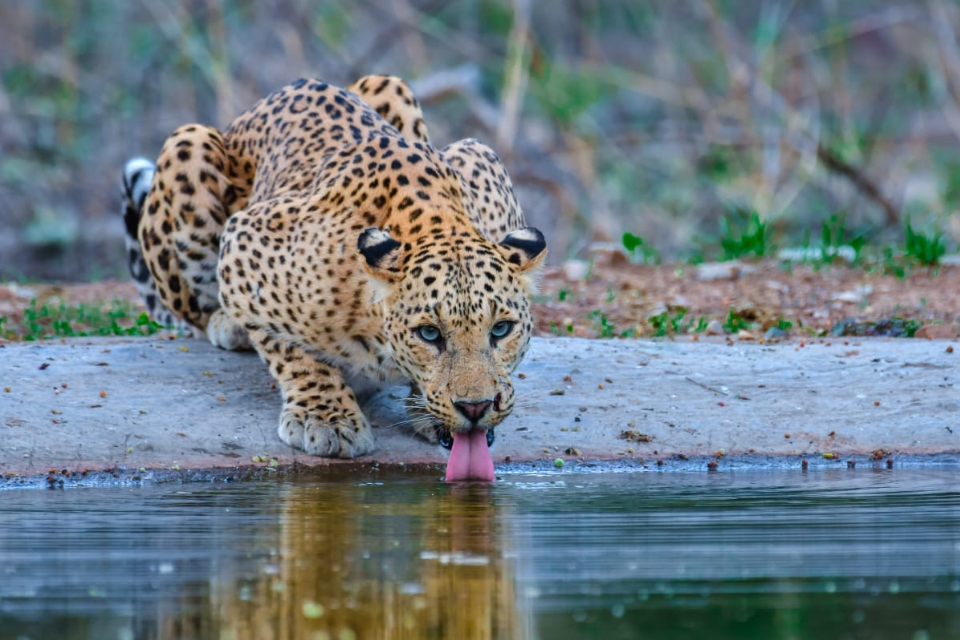
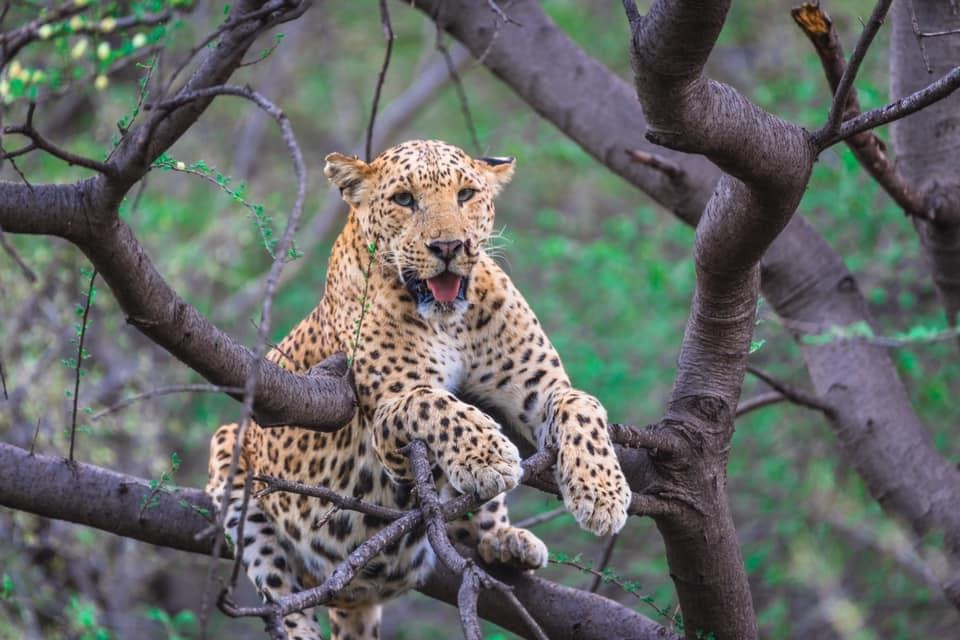
Jaipur was once known solely for its forts and palaces. Today, it holds a new, wilder title: The Leopard Capital of the World. Uniquely positioned right on the city’s edge, Jaipur offers travelers the rare chance to spot wild leopards in their natural habitat without traveling hours into the deep jungle.
But with the recent opening of the Amagarh Leopard Reserve and the Nahargarh Lion Safari, visitors face a dilemma. Should you stick with the famous, established Jhalana, or try the rugged, scenic Amagarh?
If you only have one day (or one morning) to spare, making the right choice is crucial. This comprehensive guide compares Jaipur’s top wildlife destinations head-to-head on sightings, terrain, crowd levels, and “wow” factor, so you can book with confidence.
- Jhalana Leopard Reserve: The “Sure Shot”
Best For: Serious wildlife photographers, first-timers, and those wanting the highest probability of sightings.
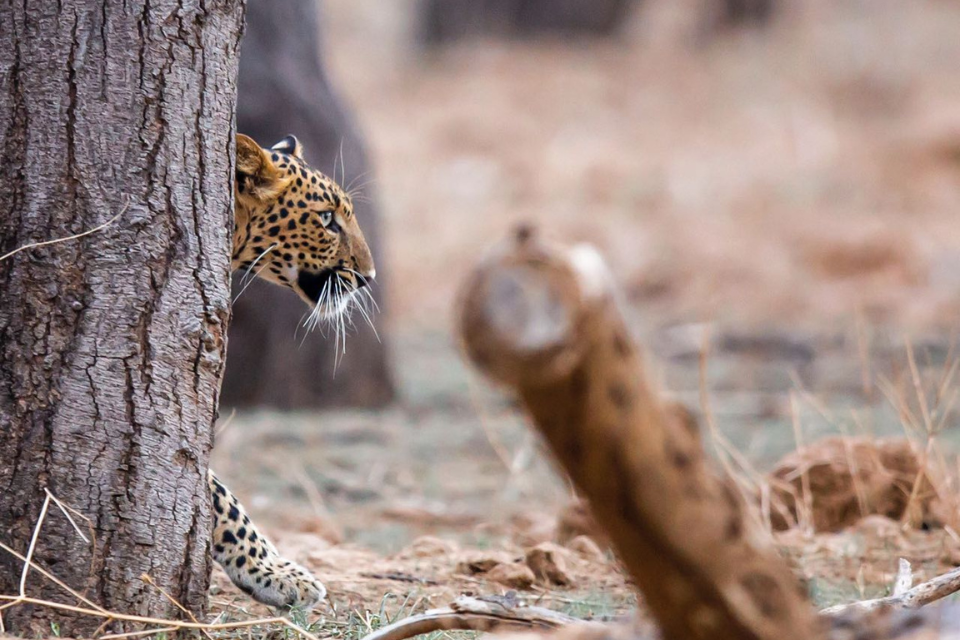
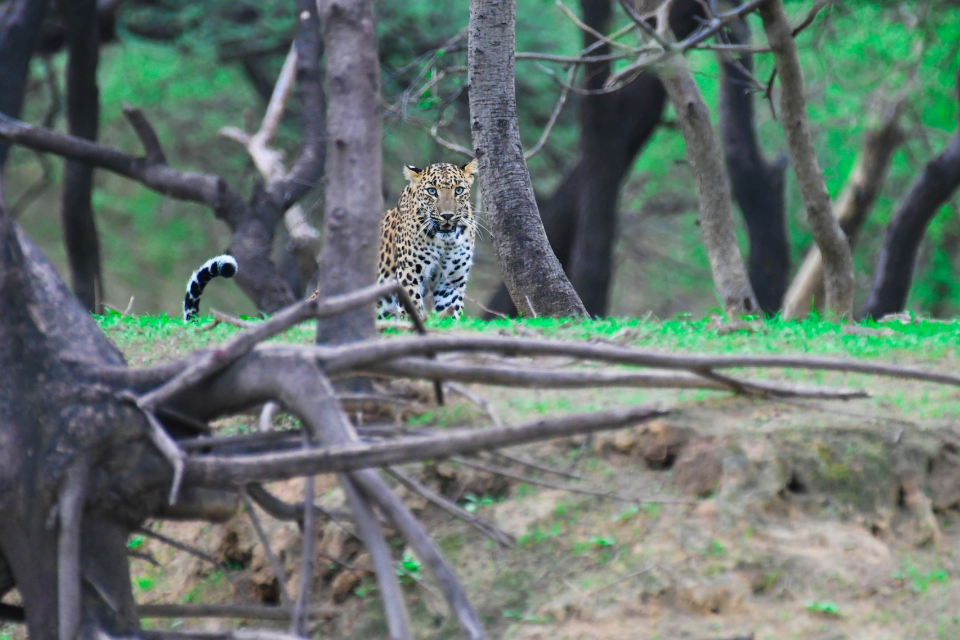
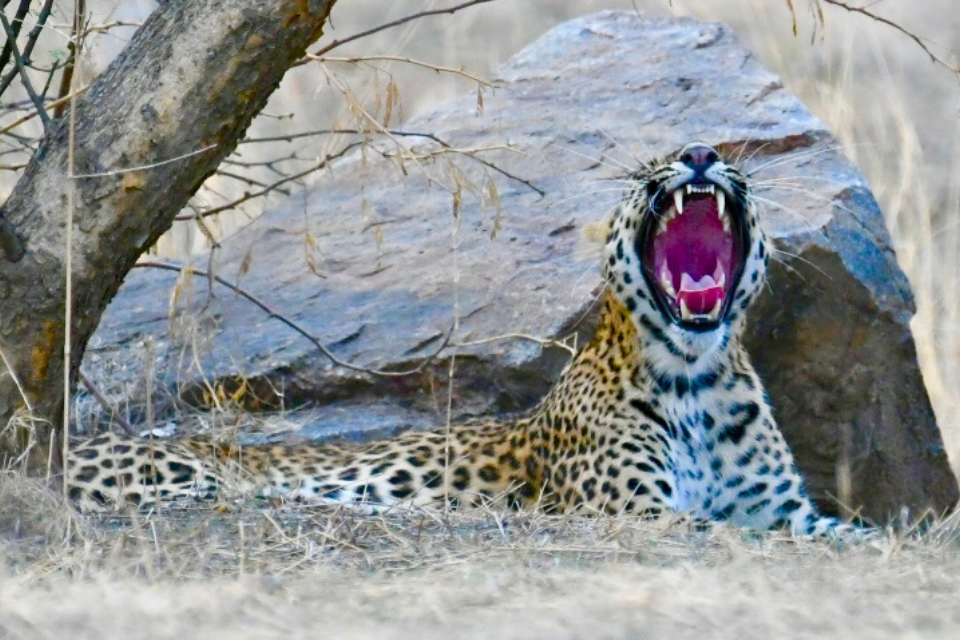
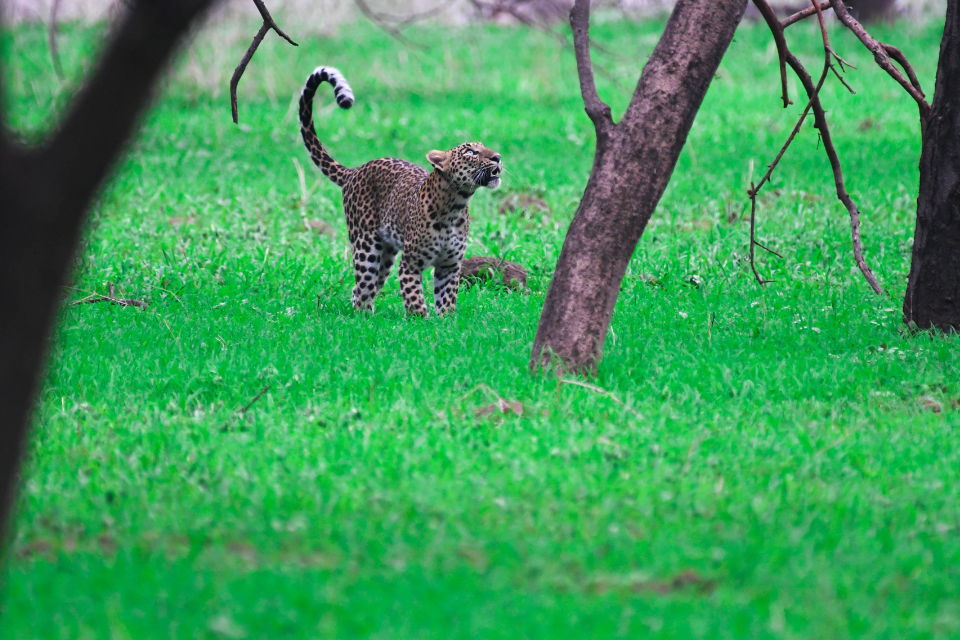
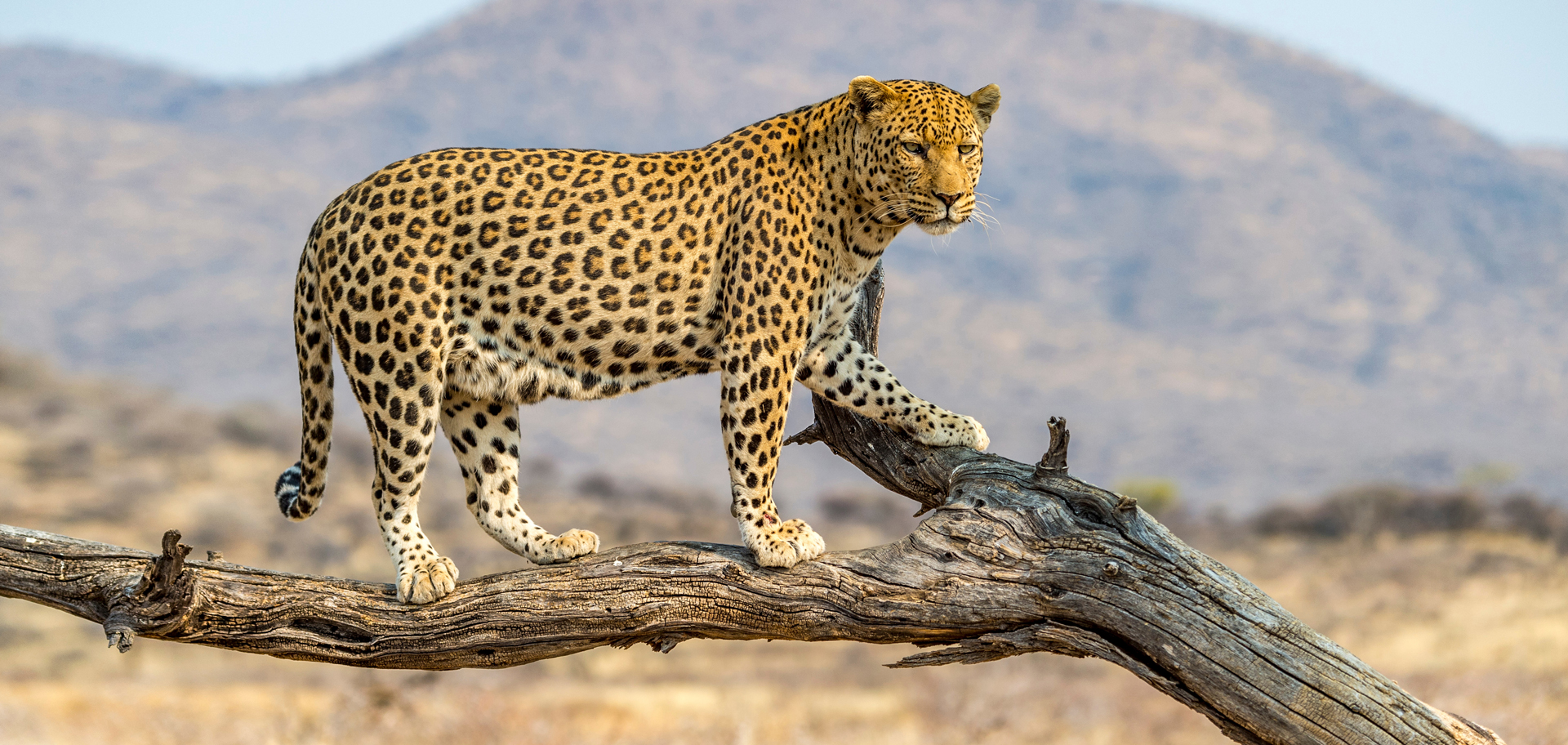
Jhalana is the “OG” of Jaipur safaris. Spread over 23 sq km, it was the first reserve in India dedicated specifically to leopards. Because the area is relatively small and the leopard density is incredibly high (estimates of 35-40+ leopards), Jhalana has gained a reputation for being one of the most reliable places on Earth to see these elusive cats.
The Experience
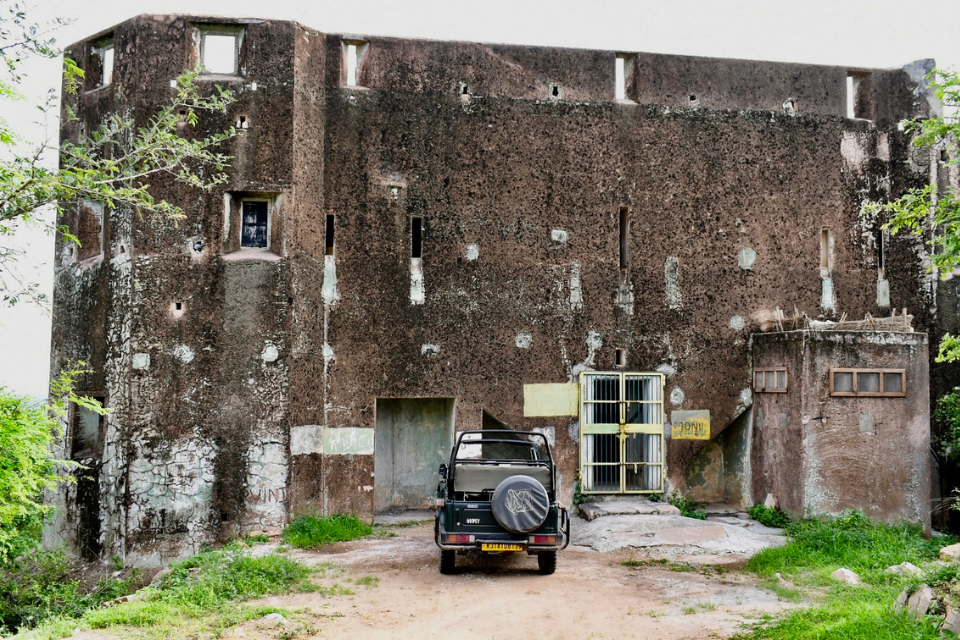
Jhalana feels like an urban jungle. You are often just minutes away from the city buzz, yet deep in the wild. The tracks are well-established, and the drivers know the leopards by name (literally—Flora, Juliet, and their cubs are local celebrities).
- Pros:
- High Sighting Probability: If seeing a leopard is your #1 priority, Jhalana is your safest bet.
- Proximity: It is located right in the city (Malviya Nagar area), making it very easy to reach.
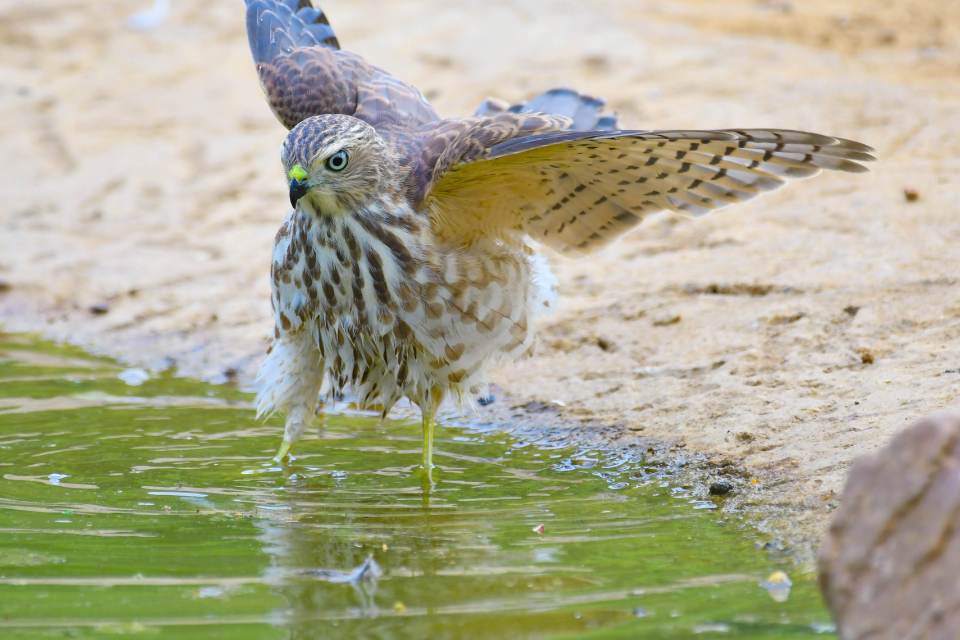
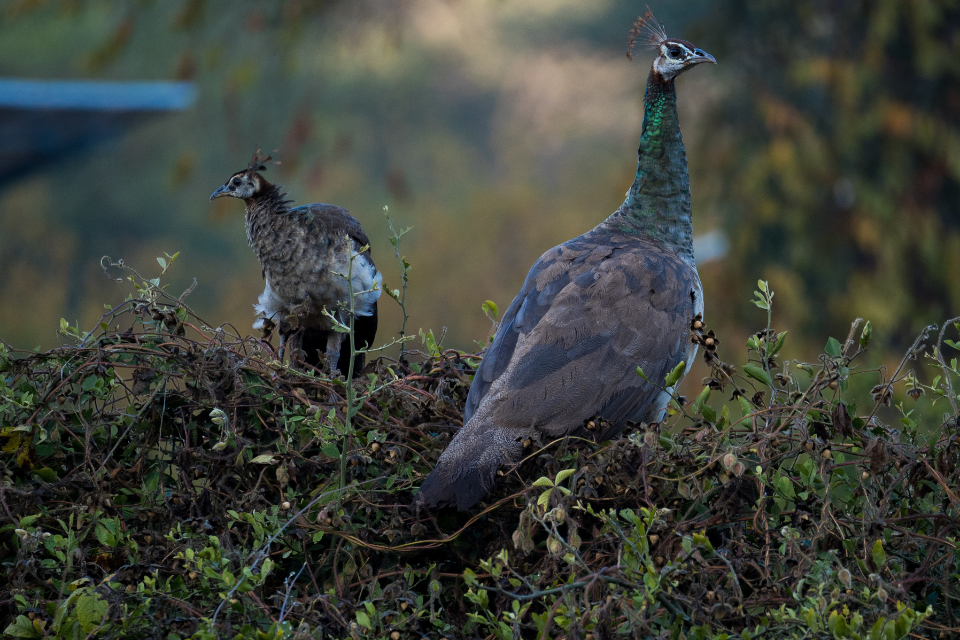
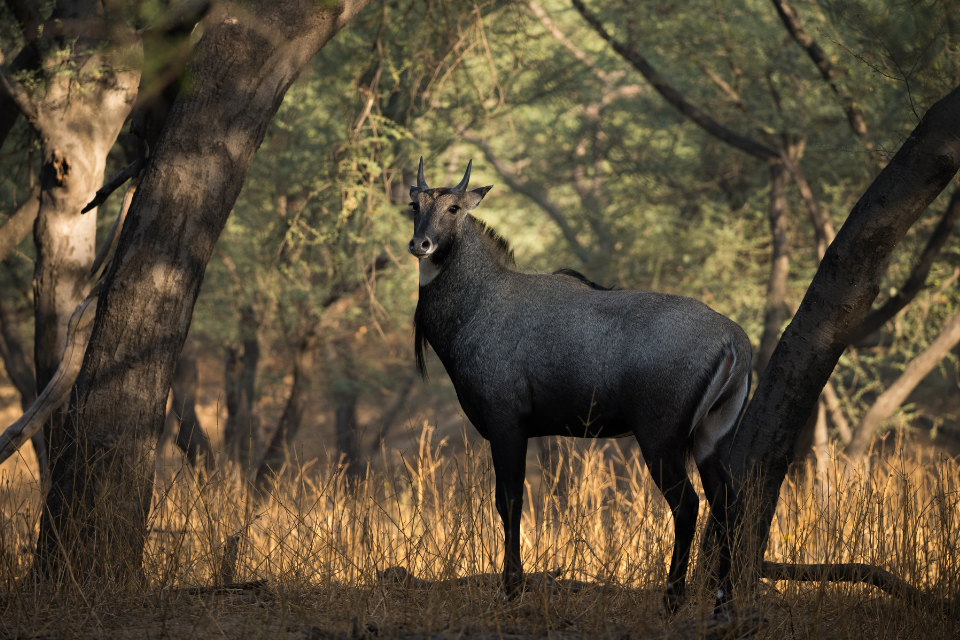
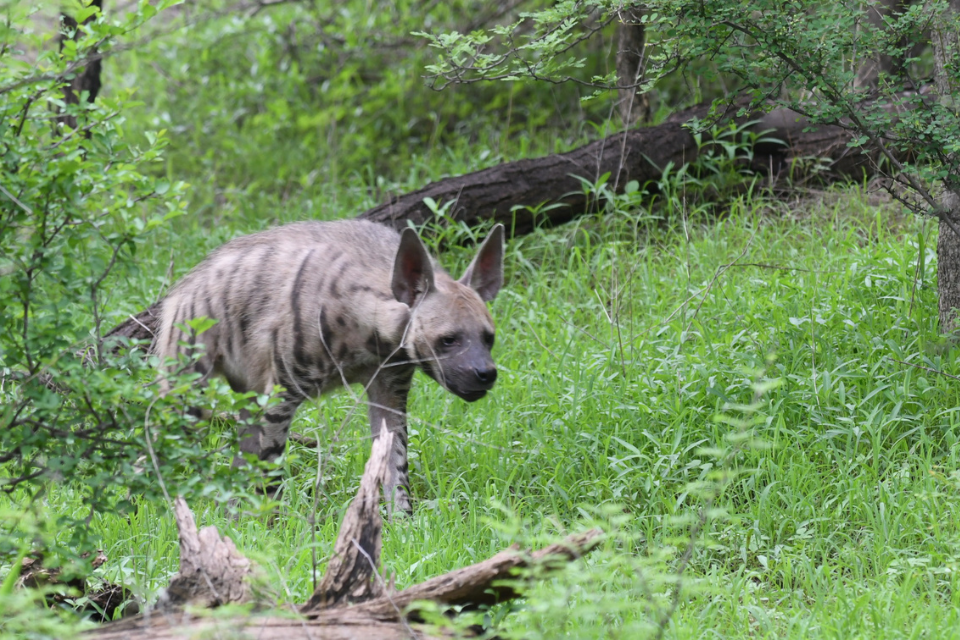
- Diverse Wildlife: Apart from leopards, you can spot Striped Hyenas, Desert Foxes, Golden Jackals, and the Indian Pitta bird.
- Smooth Operation: Being older, the tourism infrastructure (gypsies, guides, tracks) is very streamlined.
- Cons:
- Crowds: Because it is famous, it gets busy. You might find 5-6 jeeps converging on one spot when a leopard is sighted.
Hard to Book: Slots sell out weeks in advance, especially for weekends.
- Amagarh Leopard Reserve: The “Scenic Adventurer”
Best For: Nature lovers, landscape photographers, and those who hate crowds.
Opened recently to relieve the pressure on Jhalana, Amagarh is located in the Galta Hills (near the famous Monkey Temple). It offers a more “raw” and rugged experience. While Jhalana is flat and sandy, Amagarh is hilly, rocky, and dramatic.
The Experience
Amagarh feels wilder. The terrain is undulating, offering spectacular panoramic views of Jaipur’s forts and skyline from the hilltops. The leopards here are diurnal (active during the day), and while the density is lower than Jhalana (approx. 15-20 leopards), the sightings are becoming increasingly frequent as the animals get used to vehicles.
- Pros:
- Stunning Landscapes: The backdrop of ancient forts and rocky outcrops makes for arguably better composition photos than Jhalana.
- Less Crowded: Fewer jeeps are allowed in, meaning if you spot a leopard, you might have the moment all to yourself.
- Adventure Feel: The tracks are bumpier and the forest feels less “manicured.”
- Sunset Views: The evening safari offers breathtaking sunset views over the ridges.
- Cons:
- Lower Density: You have to work harder to find the cats compared to Jhalana.
- Rougher Ride: Not recommended for those with severe back issues due to the rocky terrain.
- The “Zoo” Alternatives: Nahargarh Biological Park
Best For: Families with small toddlers, budget travelers, or those who want to see Lions/Tigers specifically.
It is important not to confuse the Nahargarh Biological Park with the open reserves. This is essentially a large, open-air zoo located about 20km from the city on the Delhi highway.
- Lion/Tiger Safari: Here, the animals are kept in large, enclosed (fenced) areas. You take a bus or a caged jeep through the enclosure.
- The Difference: In Jhalana/Amagarh, the animals are free, and you are in a cage (the jeep). In Nahargarh Bio Park, the animals are enclosed.
- Verdict: Go here if you want a guaranteed sighting of a Lion or Tiger for your kids, but don’t expect the thrill of a true “hunt” or wild safari.
- Head-to-Head Comparison Table
To help you decide quickly, here is the breakdown:
Feature
Jhalana Leopard Reserve
Amagarh Leopard Reserve
Leopard Density
Very High (35+)
Medium (15-20)
Sighting Chance
80-90% (High)
60-70% (Medium-High)
Terrain
Flat, Sandy, Scrubland
Hilly, Rocky, Dramatic
Crowd Level
High (Popular)
Low to Medium (Peaceful)
Best For
First-timers & Leopard obsession
Landscape lovers & Adventure
Photography
Close-ups & Portraits
Habitat shots & Scenery
Entry Fee
Approx ₹1400/pax (Indian)
Approx ₹1400/pax (Indian)
Distance from City
~15 mins (Central)
~25 mins (East Jaipur)
5. Which One Should You Choose?
Choose Jhalana IF:
- You have never seen a leopard in the wild before.
- You are a serious wildlife photographer looking for that perfect close-up shot.
- You are short on time and want the quickest access from the city center.
Choose Amagarh IF:
- You have already done Jhalana and want something new.
- You prefer beautiful landscapes and sunsets over just “ticking off” an animal sighting.
- You dislike the feeling of being in a “conga line” of jeeps.
- You want to combine your trip with a visit to the Galta Ji (Monkey Temple).
Choose Nahargarh Bio Park IF:
- You are traveling with very young children (under 5) who might get bored on a 3-hour search.
- You specifically want to see a Lion or Tiger (not found in Jhalana/Amagarh).
6. Important Booking Info & Scams to Watch
Just like with elephant tourism, the safari booking ecosystem in Jaipur can be murky.
The “Full Jeep” vs. “Single Seat” Rule
- Single Seat: You book one seat and share the Gypsy with 5 other strangers. This is budget-friendly (approx. ₹1,300 – ₹1,500).
- Full Jeep: You book the entire vehicle for privacy. (Approx. ₹7,000 – ₹8,000).
- The Scam: Some agents will sell you a “Private Tour” but then shove you into a shared jeep. Always clarify if you are booking the vehicle or the seat.
The “Fake Website” Warning
There are dozens of websites that look like “Official Government” sites but are actually private aggregators charging 2x or 3x the price.
- Tip: If the website doesn’t ask for your ID details (Aadhar/Passport) immediately, it might not be legitimate.
7. Why Book Your Safari with Jhalana Panther Safari?
Planning a wildlife trip should be exciting, not stressful. We take the guesswork out of the booking process.
- We Know the Drivers: In a safari, the driver makes or breaks the trip. We request the most experienced trackers for our guests—guides who know where the leopards slept last night and where they will walk today.
- Honest Advice: If Jhalana is sold out, we won’t lie and sell you a “fake” slot. We will help you plan the best alternative at Amagarh or suggest the best waitlist options.
Complete Itinerary: We can arrange your pick-up, drop-off, and even a packed breakfast so you don’t go hungry during the morning prowl.

- Frequently Asked Questions (FAQ)
Q1: What is the best time of day for a safari?
A:
- Summer (Apr-June): Morning (5:30 AM) is best. Evenings are good, but mornings are cooler.
- Winter (Oct-Feb): Evening (3:30 PM) is often better as leopards come out to bask in the fading sun.
Q2: How many people fit in one Jeep?
A: A Gypsy accommodates 6 guests plus 1 driver and 1 nature guide.
Q3: Is it safe?
A: Yes. Leopards in Jaipur are generally shy and accustomed to vehicles. They do not attack jeeps. However, you must keep your arms inside and remain quiet.
Q4: Can I take my own car?
A: No. Private vehicles are strictly prohibited. You must use the registered safari Gypsies.
Q5: What should I wear?
A: Wear dull, earthy colors (Khaki, Green, Brown). Avoid bright Neon, Red, or White. In winter, dress very warmly (layers, gloves, beanies) because open jeeps get freezing cold in the morning wind.
Q6: How far in advance should I book?
A: For Jhalana, book at least 15-20 days in advance. Amagarh can often be booked 3-5 days in advance.
Q7: Are there restrooms inside the park?
A: There are basic restrooms at the entry gate and usually one rest stop/viewpoint inside the park (like Shikaar Audi in Jhalana), but it’s best to go before you enter.
Q8: What camera lens do I need?
A: A 300mm lens is good, but a 400mm or upwards is ideal. The animals can be close (10 feet) or far (100 feet).
Q9: Do I need an ID card?
A: Yes! You must carry the original ID (Passport for foreigners, Aadhar/DL for Indians) that you used for booking. The forest guard will check it at the gate.
Q10: Can I get a refund if I don’t see a leopard?
A: No. This is nature, not a zoo. Sightings are never guaranteed, though the chances in Jaipur are very high.
Conclusion
Whether you choose the dense trails of Jhalana or the scenic ridges of Amagarh, Jaipur offers a wildlife experience that rivals major national parks. The thrill of locking eyes with a wild leopard against the backdrop of a pink city sunset is a memory you will keep forever.
Disclaimer All images used in this blog are either sourced from public domain or credited to their respective owners. If you are the copyright holder of any image and wish to request its removal or proper attribution, please contact us at [email protected]