Maila Bagh Safari Explained: Routes, Entry Gates, Ticketing & Best Time
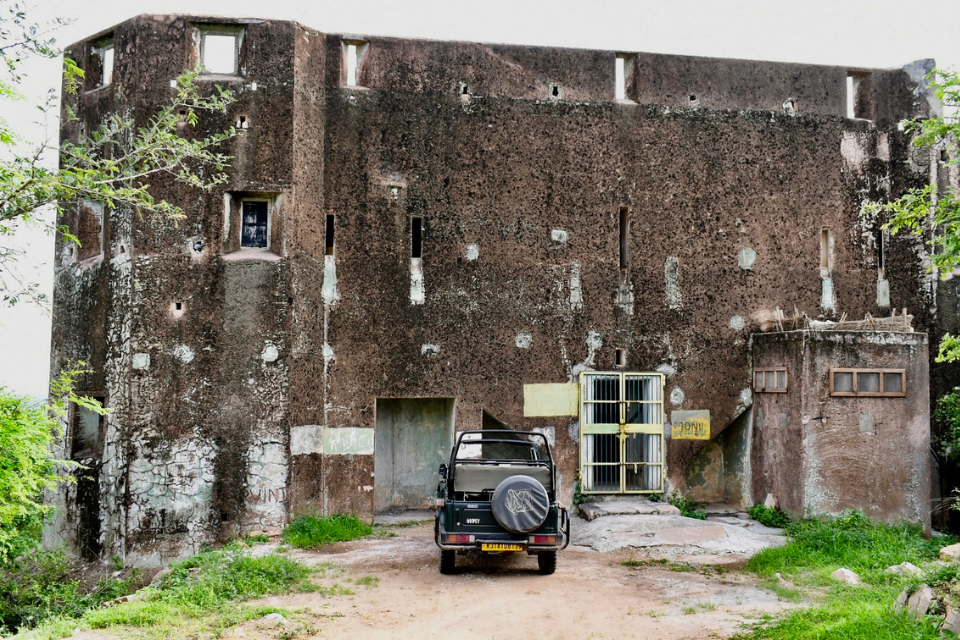
The operational entry used by registered safari vehicles is via Vidyadhar Nagar (north/north-east Jaipur). Local coverage and operator pages consistently reference this approach for Maila Bagh–Beed Papad drives. Pin “Vidyadhar Nagar leopard safari entry” (near Bhuteshwar Mahadev / Papad Ke Hanumanji corridor) and then follow on-ground boards to the forest department check-post. Always buffer 20–25 minutes for paperwork/briefing.
Parking & reporting: Most operators ask you to report 30–40 minutes before your slot at the designated parking/assembly point, from where registered gypsies enter the safari in batches. Keep original ID handy.
Maila Bagh (Beed Papad) vs Jhalana vs Amagarh in 2025–26:
if you’re chasing freshest routes and fewer crowds, Maila Bagh/Beed Papad is the hot, new third zone. For the most established logistics and “safe bet” urban leopard viewing, Jhalana remains the classic. If you want rugged terrain, birding variety and seasonal drama in the Aravallis, Amagarh is a strong middle path. This guide compares them head-to-head—pros/cons, access, leopard density, track networks, approximate booking caps, timings, and best months—and ends with a decision flowchart and FAQs so you can book with confidence.
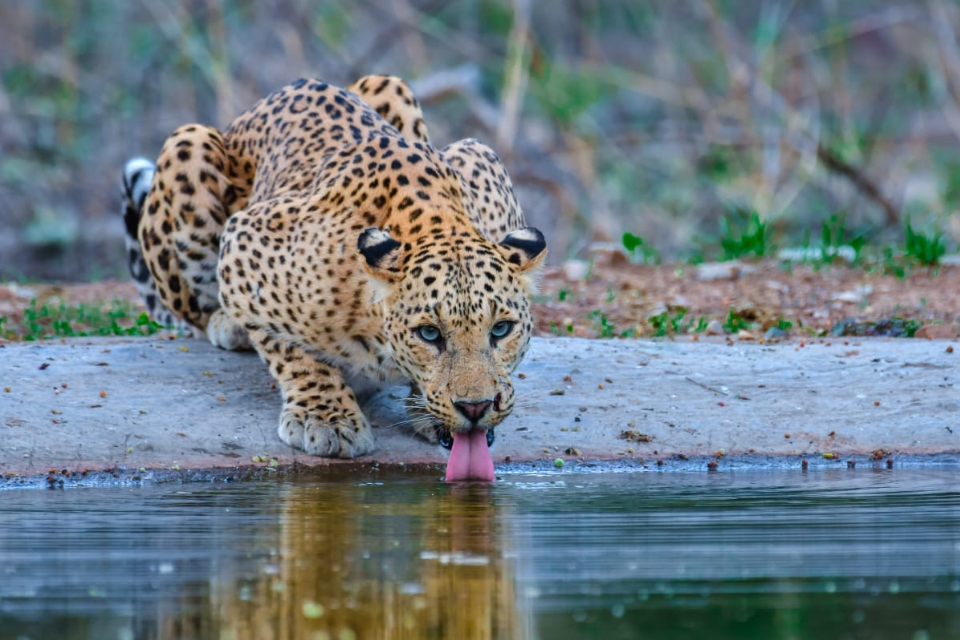
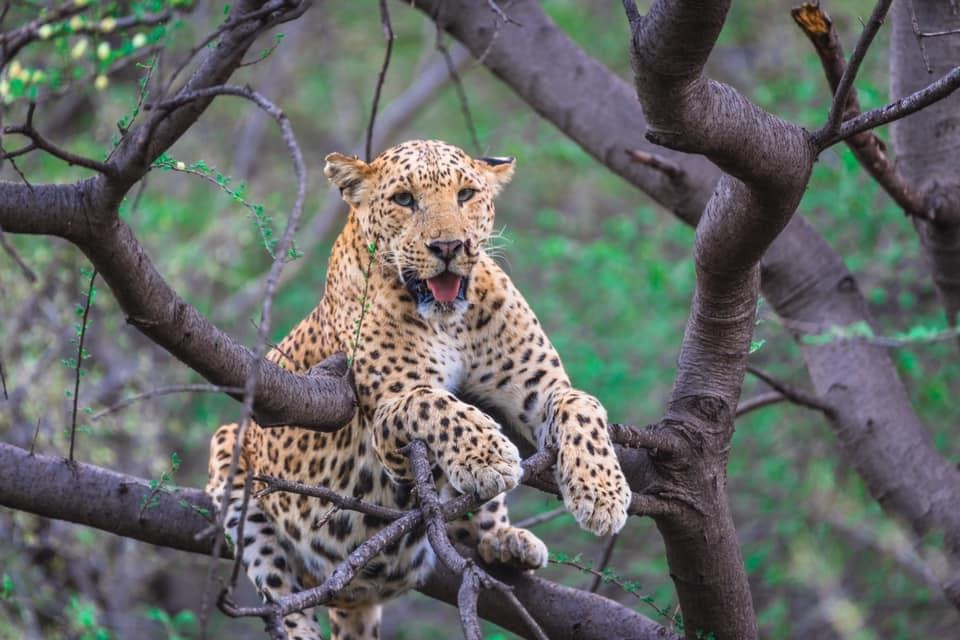
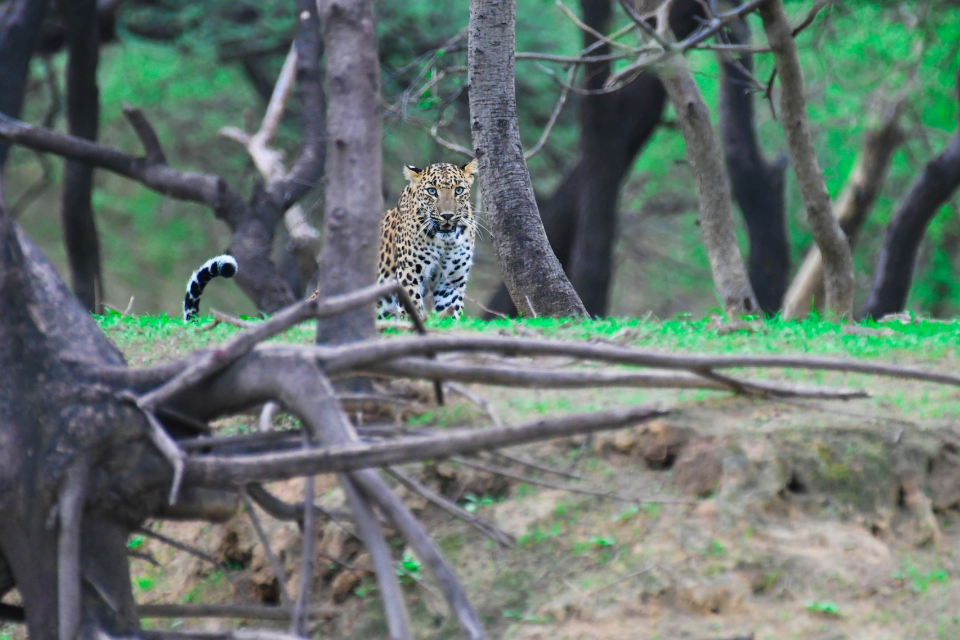
Maila Bagh (often called Beed Papad Safari) was officially launched around World Environment Day, June 5, 2025, adding a third leopard-watching venue in Jaipur alongside Jhalana and Amagarh. Early coverage cited about 19 leopards, two primary routes (Kishan Bagh side and New Biological Park–Audhi Ramsagar linkage), roughly 15 km² of motorable tracks, and ~10 registered vehicles for guided tours, with access via Vidyadhar Nagar.
Top 10 Insider Secrets for a Stellar Leopard Safari Experience
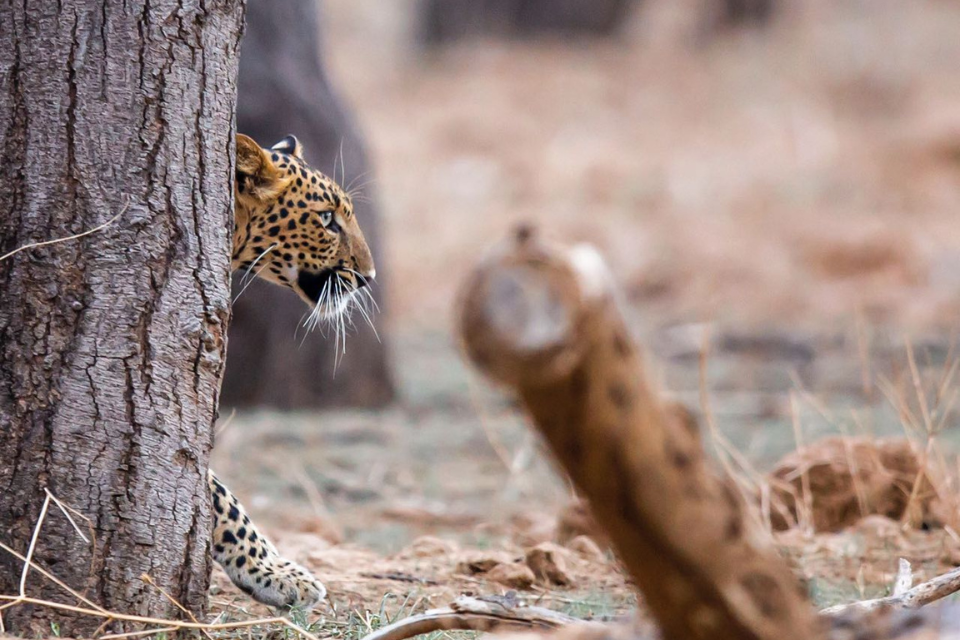
Leopards are the ghosts of the savannah and forest—present, watching, yet rarely seen on your schedule. While luck plays a role, seasoned guides know that a few quiet strategies dramatically improve the odds of a memorable encounter and the quality of your images. This guide distills those insider moves into 10 practical secrets you can use on your next safari—whether you’re in India’s rocky scrublands, Africa’s acacia savannahs, or the teak forests where leopards slink between sun and shade.
Promise of this guide: Not obvious clichés. You’ll get granular, field-useful tips about timing, vehicle etiquette, shot planning, gear setup, and ethical behavior that actually leads to calmer cats and better frames.
This month-by-month guide shows you what to expect in each window—weather, visibility, birdlife, track conditions, and how to tune your plan for families, photographers, or first-timers.
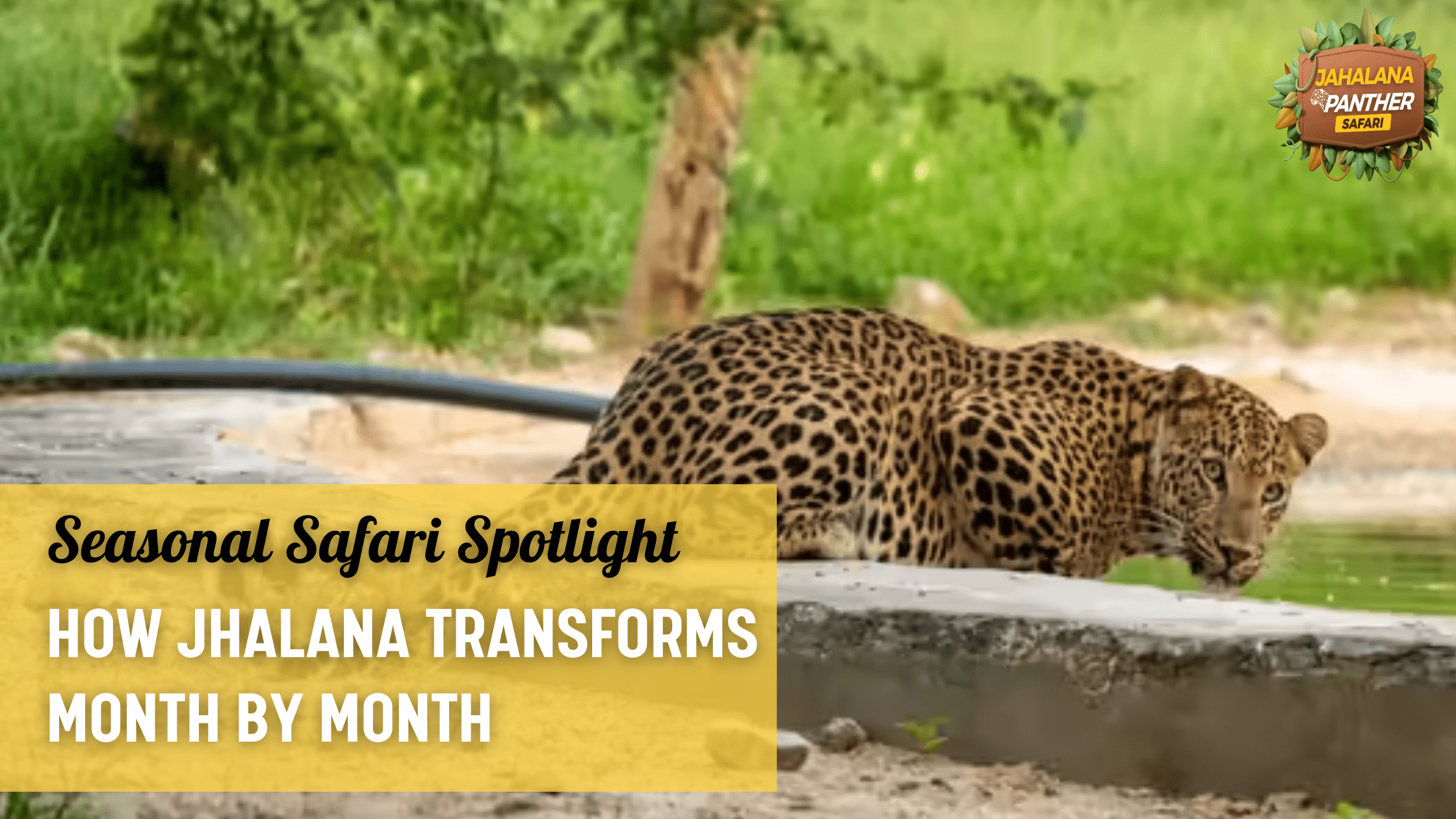
Seasonal Safari Spotlight: How Jhalana Transforms Month by Month
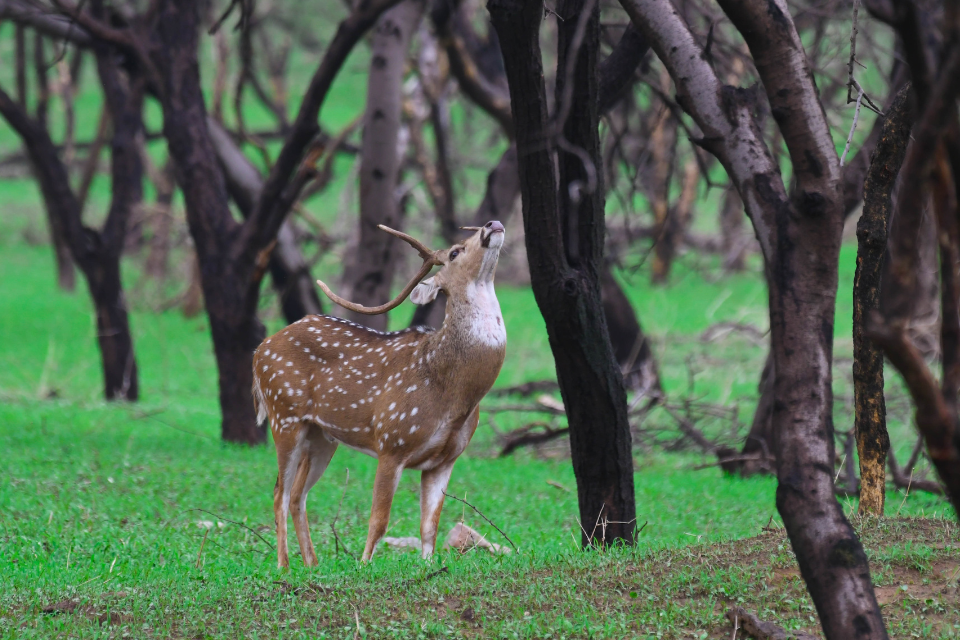
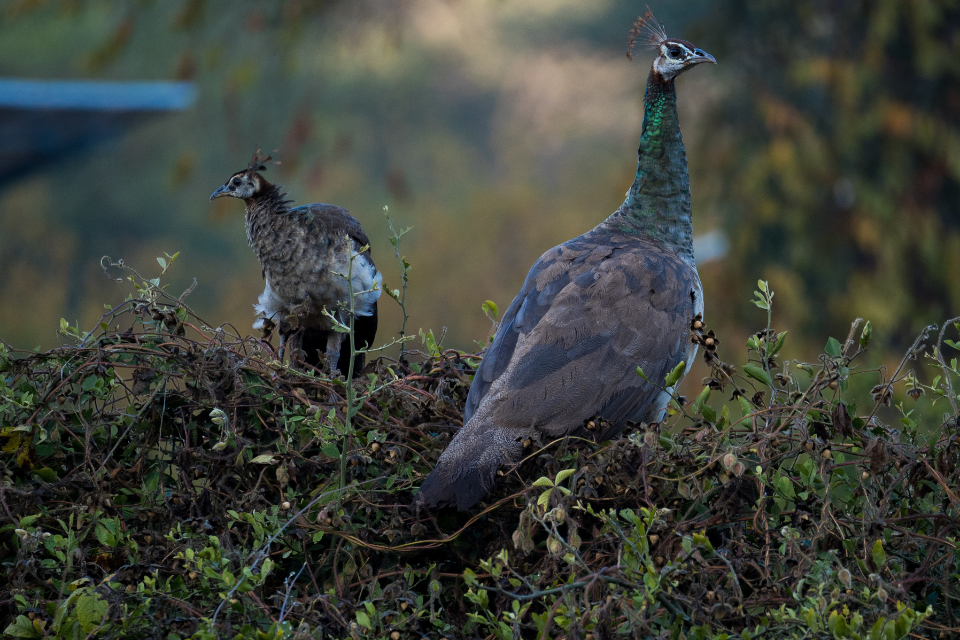
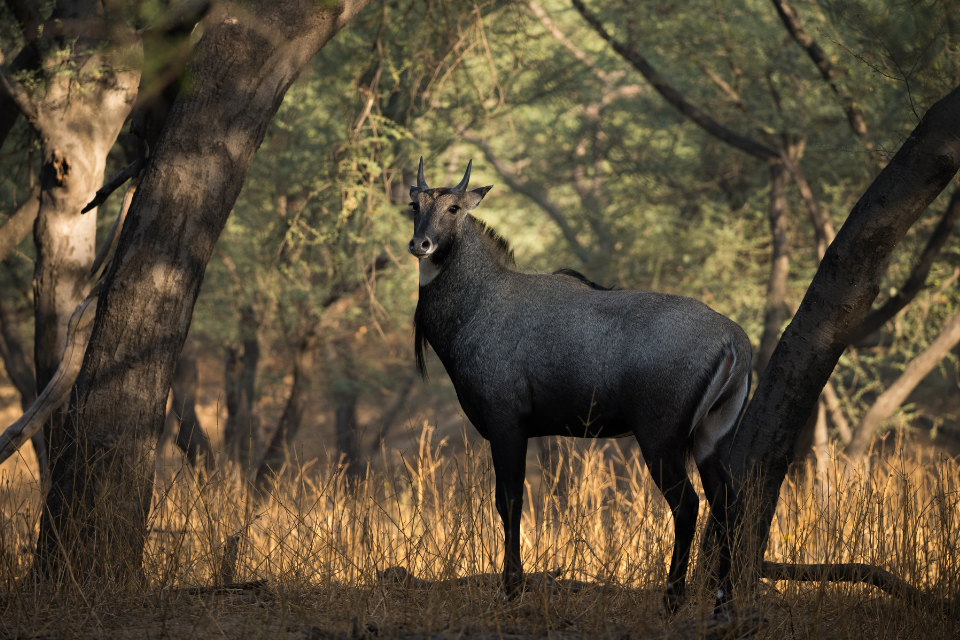
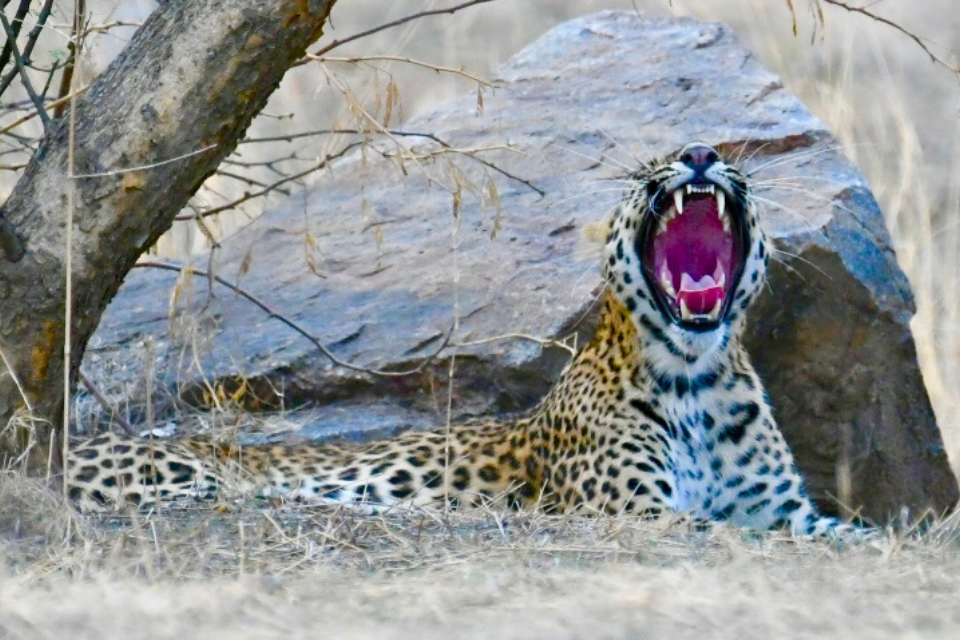
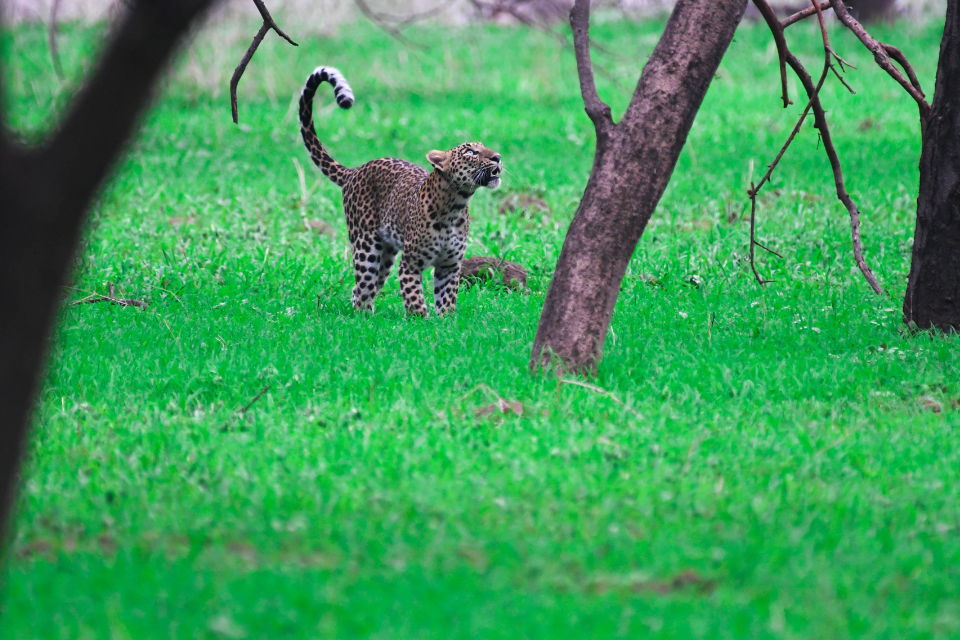
If you’ve ever dreamed of seeing leopards against a backdrop of Aravalli hills, Jhalana Leopard Safari is your kind of wild. Spread across scrub forests and rocky outcrops on Jaipur’s edge, this urban wilderness punches far above its size with surprisingly reliable leopard activity, rich birdlife, and a cast of supporting characters—hyenas, jackals, desert foxes, nilgai, and peacocks that seem to know exactly where the camera is. What makes Jhalana truly special, though, is how dramatically it changes month by month. One visit isn’t like the next: post-monsoon the forest glows green; winter pulls in migratory birds; summer bakes the landscape into tawny minimalism that’s perfect for big-cat photography.
This month-by-month guide shows you what to expect in each window—weather, visibility, birdlife, track conditions, and how to tune your plan for families, photographers, or first-timers.
Flora That Feeds the Forest: Jhalana’s Trees, Shrubs, and Medicinal Plants
Tucked inside Jaipur’s urban sprawl, Jhalana Leopard Reserve is known for big cats—but its quiet backbone is green. The dry-deciduous woodland and scrub of the Aravalli foothills hold hardy trees, thorny shrubs, and time-tested medicinal plants that literally feed the forest—by shading soil, seeding food webs, and buffering heat. Jhalana is a mosaic of stony hillsides, gullies, and flats that flush emerald in the monsoon, then bronze through a long dry spell. That shifting rhythm shapes what survives here: plants built for drought, heat, and hungry mouths.
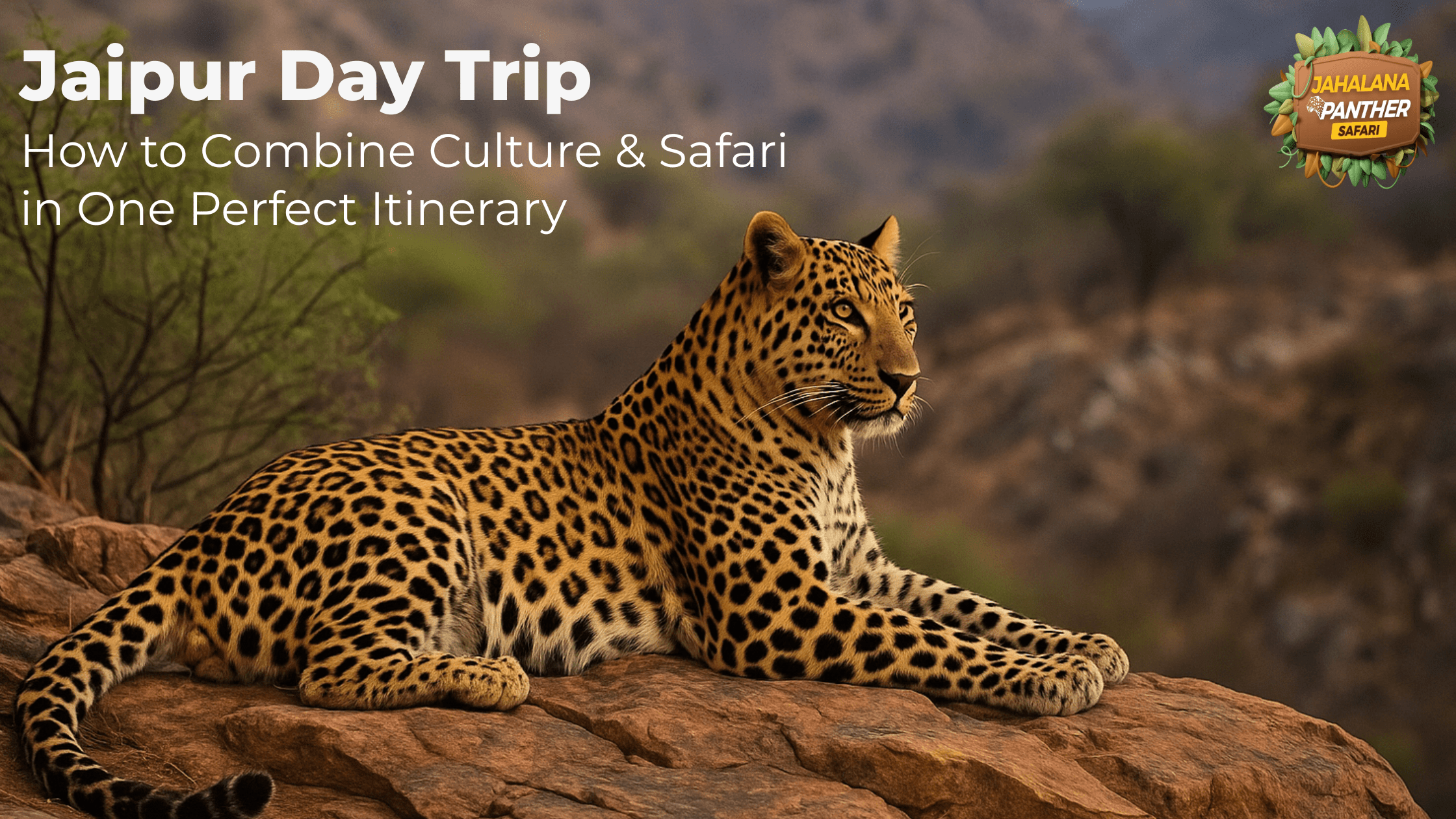
Jaipur Day Trip: How to Combine Culture and Safari in One Perfect Itinerary
If you’ve ever debated whether Jaipur is a culture trip or a wildlife escape, good news—it’s both. Thanks to the city’s compact layout and the leopard-bearing Aravalli hills skirting its eastern and northern edges, you can spend a morning (or golden-hour evening) tracking leopards in scrub-forest and still have time for the Pink City’s royal palaces, observatories, stepwells, and bazaars. This guide gives you a step-by-step, same-day plan that combines Jaipur’s star monuments with a responsibly run leopard safari—plus booking tips, transport advice, and a realistic timeline that won’t leave you rushed.
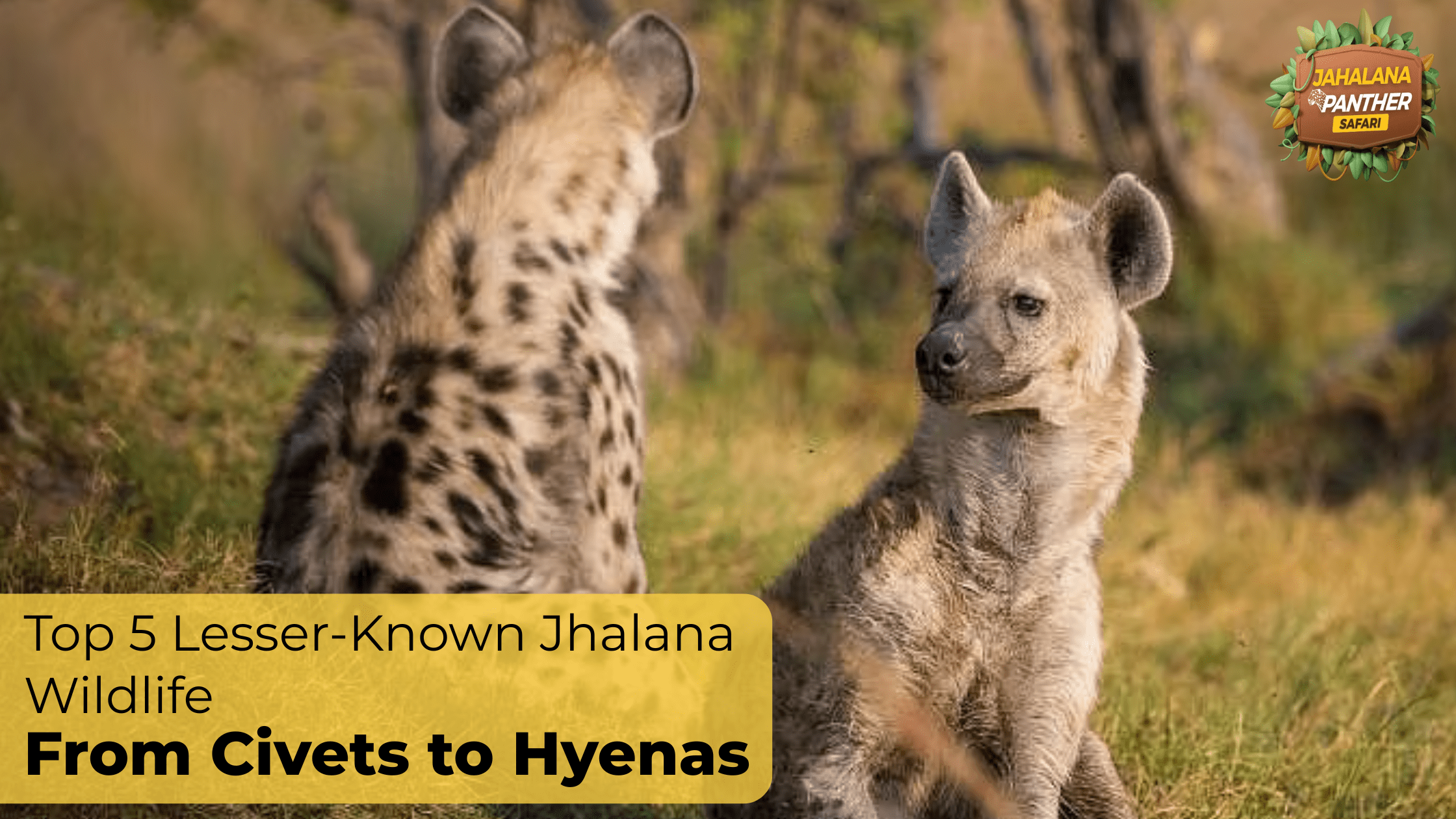
Top 5 Lesser-Known Jhalana Wildlife—From Civets to Hyenas
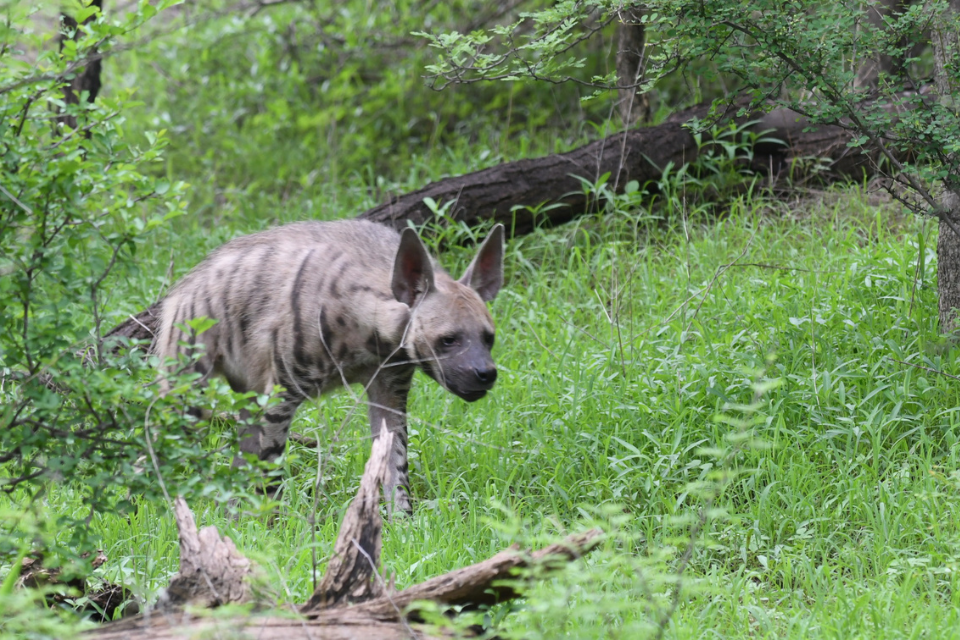
When people think of Jhalana Leopard Reserve in Jaipur, the first image is—surprise—leopards. And fair enough: this 17–20 sq km patch of Aravalli scrub-forest became India’s first dedicated leopard reserve in 2017 and sits almost inside the city limits. But look beyond the headline cat and you’ll find a cast of fascinating, low-profile creatures that thrive in Jhalana’s dry deciduous ridges, gullies and grass patches. Think civets slinking through tree canopies, striped hyenas patrolling at night, desert foxes ghosting the scrub, jungle cats flicking through grass, and porcupines leaving quill-lined calling cards.
Urban Conservation Models: Why Jhalana’s Success Matters
Urban conservation is often framed as “nice to have”—plant a few trees, fence a patch, put up some signs. Jhalana, tucked within Jaipur’s city limits, flips that script. In a ~19.94–20 km² dry deciduous forest bordered by neighborhoods and a national highway, leopards not only persist—they breed and are routinely sighted on regulated safaris.
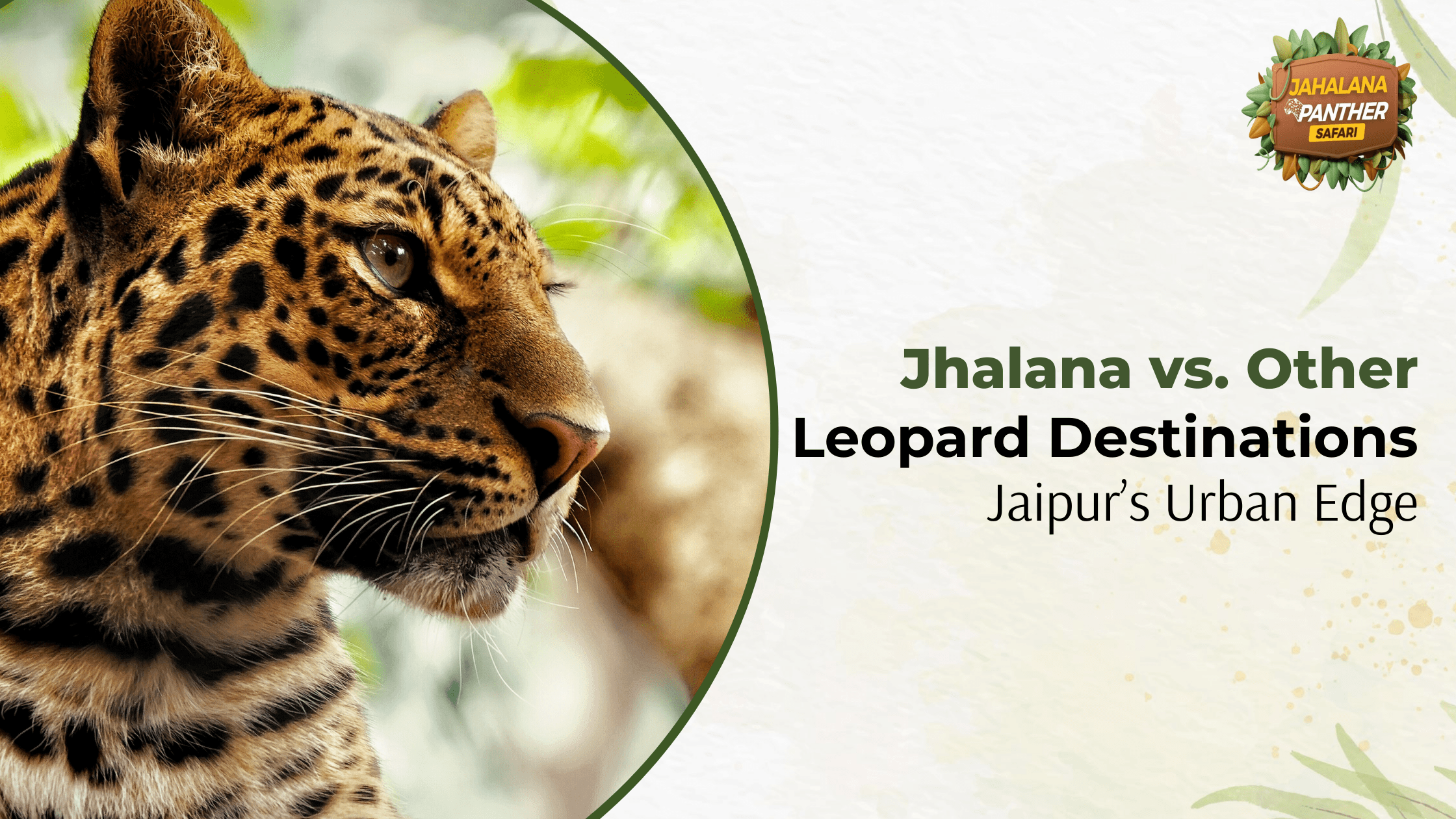
Jhalana vs. Other Leopard Destinations: Jaipur’s Urban Edge
If you want a leopard-focused safari that’s easily slotted into a Jaipur trip, Jhalana Leopard Reserve is hard to beat. It sits inside the city limits, offers year-round drives, and has become a model for urban-wildlife viewing done responsibly. Compare that with Jawai/Bera—a raw granite landscape where leopards share space with Rabari herders—and Mumbai’s SGNP (Sanjay Gandhi National Park)—an even larger, complex urban interface studied globally for human–leopard coexistence. Each destination is incredible, but their habitats, logistics, and ethics differ in ways that will shape your experience. Jhalana’s edge? Access, time-efficiency, and a city-break vibe without compromising the thrill of big-cat tracking.
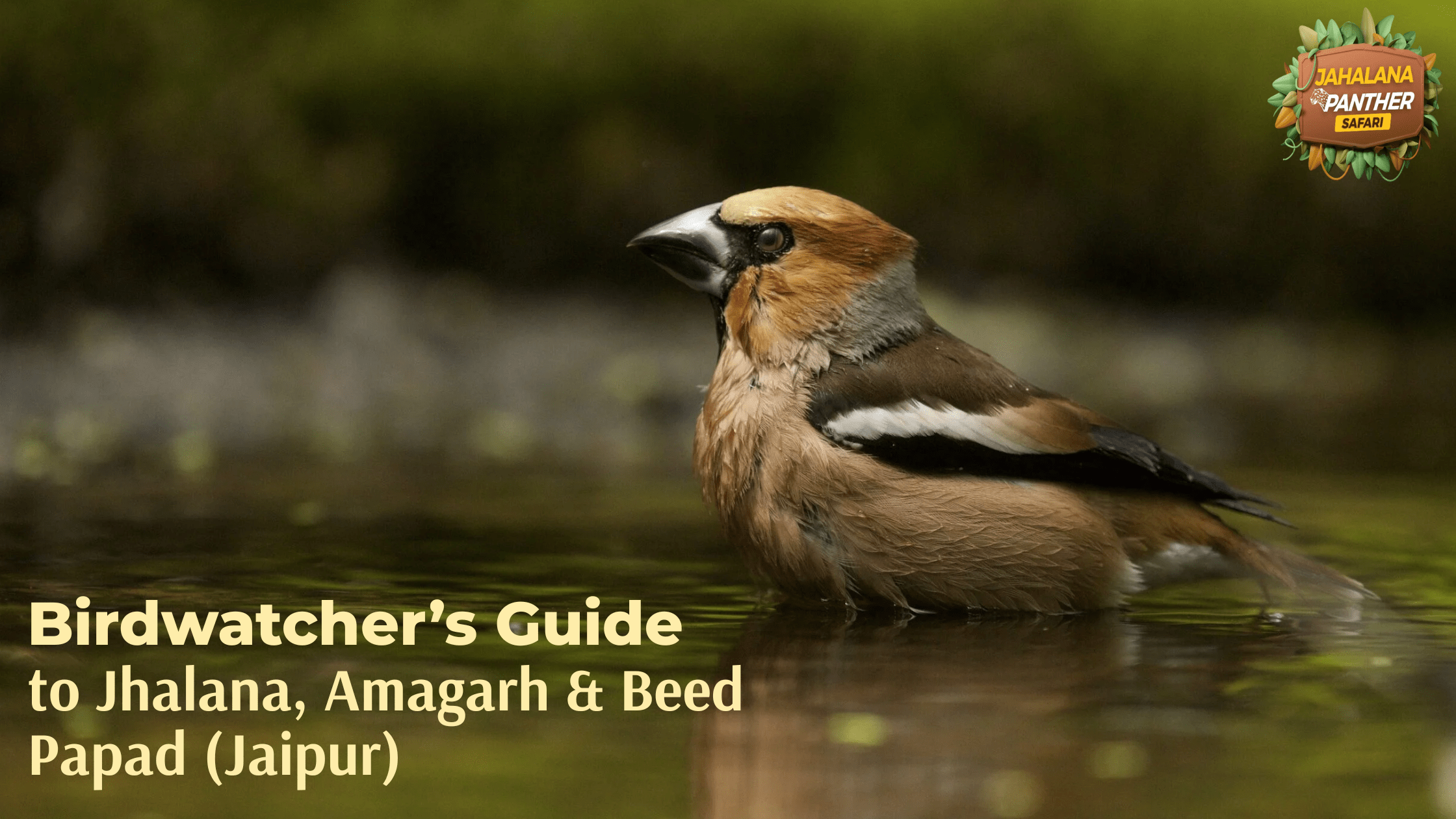
Birdwatcher’s Guide: Top Species to Spot in Jhalana, Amagarh & Beed Papad (Jaipur)
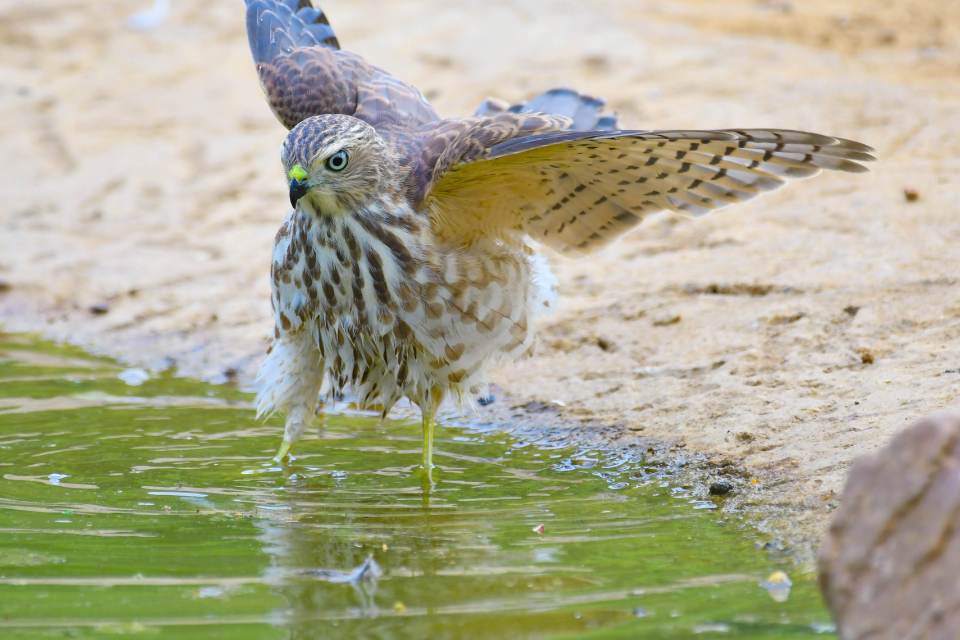
Jaipur isn’t just forts and palaces—it’s also one of North India’s easiest gateways to Aravalli scrub, rocky ravines, and monsoon woodlands that teem with birds. Within an hour of the Pink City center, three compact patches—Jhalana, Amagarh, and Beed Papad—offer year-round birding with a surprise at every bend: monsoon-fresh Indian pittas, winter raptors scanning from ridgelines, owls blinking from acacia shade, and sandgrouse rippling across gravel flats.