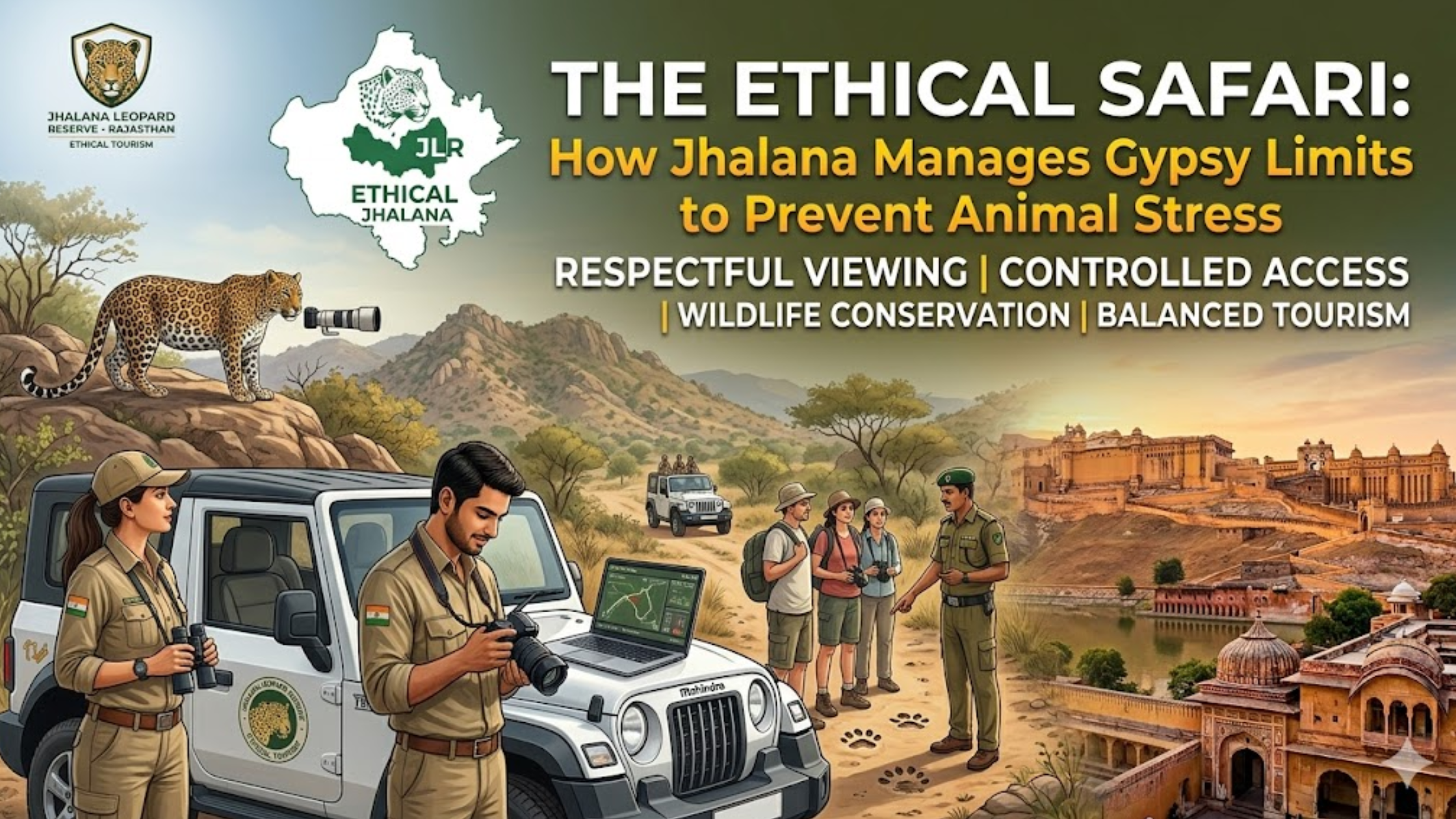
The Ethical Safari: How Jhalana Manages Gypsy Limits to Prevent Animal Stress
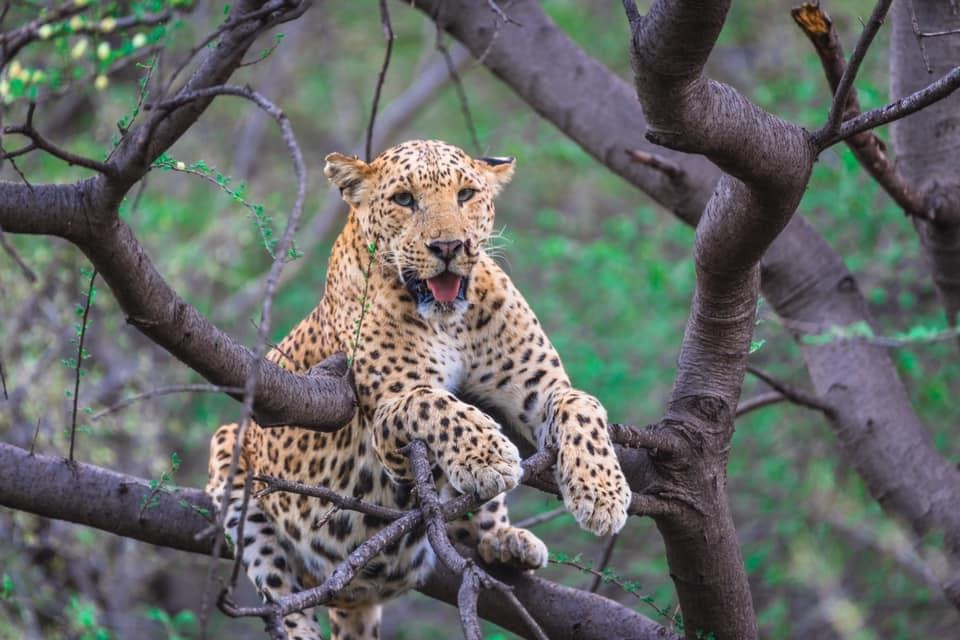
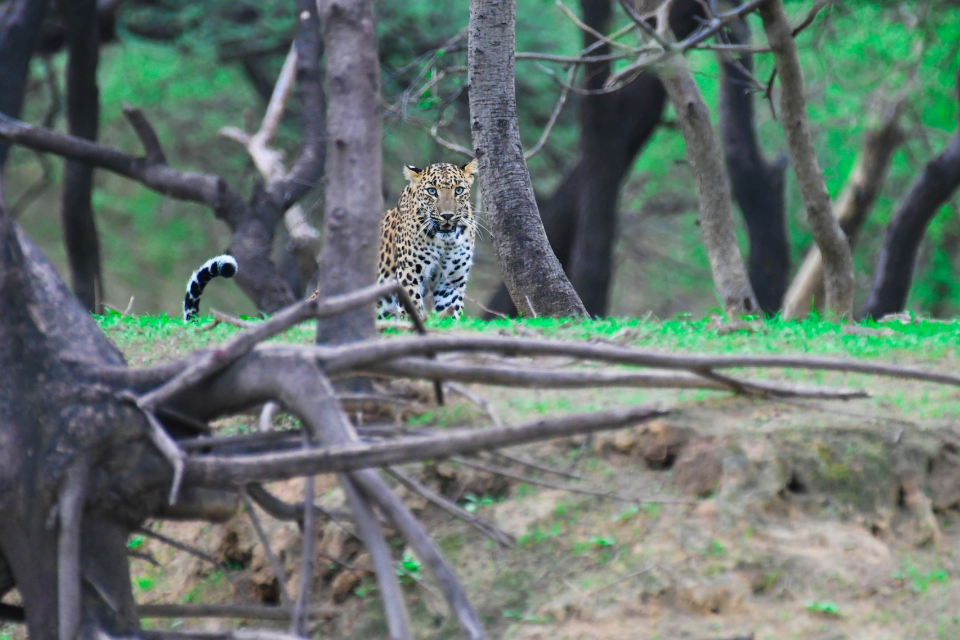
Imagine a dense scrub forest where the golden hour light filters through the acacia trees, illuminating the rosettes of a silent predator. You are in a quiet gypsy, holding your breath, as a leopard crosses the trail just meters away. There is no honking, no crowding, and no frantic shouting. This is not a lucky break; it is the result of a meticulously managed conservation model.
In the heart of Jaipur, Jhalana Panther Safari stands as a global example of how urban expansion and wildlife can coexist through a philosophy of “Less is More.” By strictly controlling the human footprint, Jhalana has transformed from a neglected forest into a thriving sanctuary. This article explores the mechanics of the Ethical wildlife tourism in India movement and how Jhalana’s management of gypsy limits is the secret to its leopard conservation success.
The Science of Silence: Understanding Animal Stress
Wildlife stress is a physiological response to external disturbances. In many crowded parks, “tiger-centric” tourism often leads to “gypsy jams,” where dozens of vehicles surround a single animal. This causes:
-
Disruption of Hunting: Predators may abandon a stalk if they feel exposed or if the noise alerts the prey.
-
Maternal Stress: Mothers may move cubs to less ideal locations to avoid noise, increasing the risk of infanticide or starvation.
-
Behavioral Changes: Animals may become strictly nocturnal to avoid the daytime “human rush,” altering their natural biological rhythms.
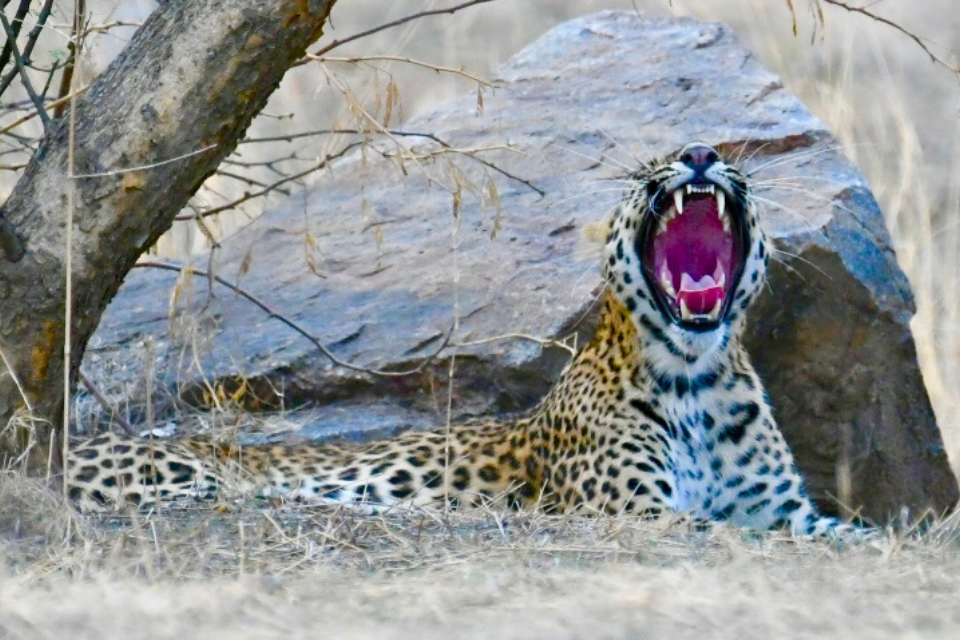
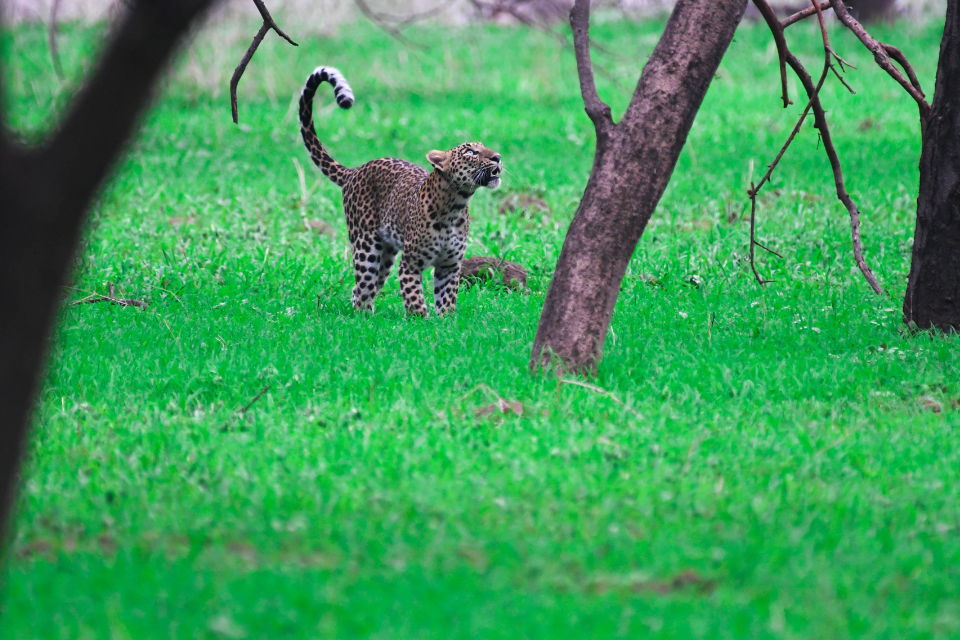
To combat this, Jhalana utilizes leopard conservation Jhalana strategies that prioritize the animal’s psychological well-being over the tourist’s “perfect shot.” By maintaining a low noise floor, the reserve allows leopards to express their natural behaviors—such as grooming, mating, and playing—right in front of visitors.
Deciphering Jhalana Gypsy Limits: The Numbers Behind the Ethics
One of the primary tools for animal welfare Rajasthan is the strict cap on vehicle entry. Unlike larger parks that allow hundreds of vehicles, Jhalana operates with a “High Quality, Low Impact” model.
Vehicle Caps and Zoning
The reserve typically limits the number of vehicles to approximately 10 to 15 gypsies per shift. These are distributed across distinct zones. By restricting the number of engines running at any given time, the park ensures that the “soundscape” remains dominated by nature rather than diesel vibrations.
The Buffer Effect
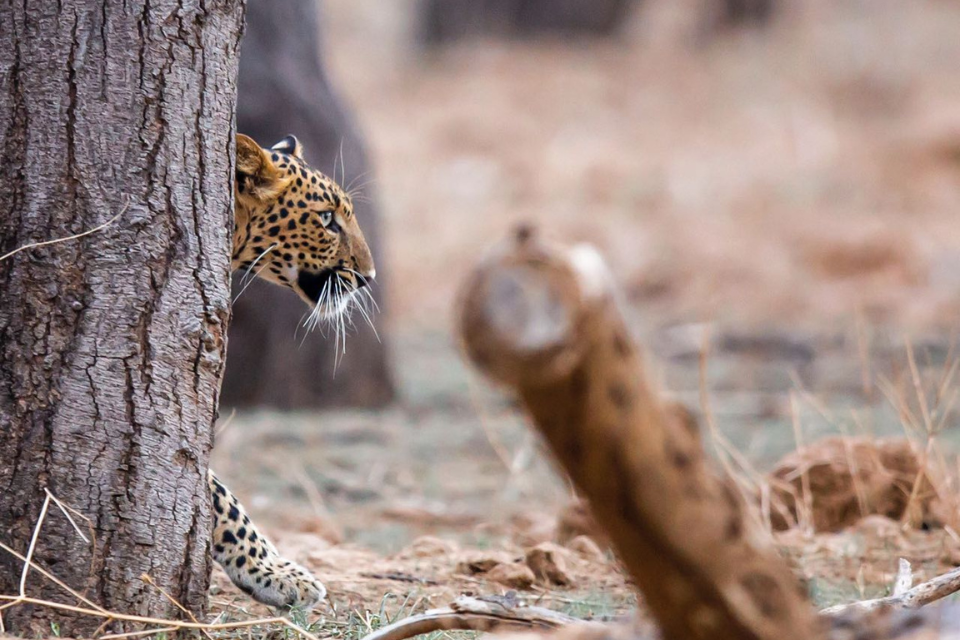
Jhalana’s small geographical area (approx. 20 sq. km) makes it highly susceptible to overcrowding. By maintaining strict Jhalana gypsy limits, the forest department creates “quiet corridors.” If a leopard is spotted in Zone 1, the management ensures that vehicles from other zones don’t swarm the area, maintaining a respectful distance that prevents the animal from feeling cornered or threatened.
Responsible Travel India: Tips for an Ethical Safari
As a traveler, your behavior directly impacts the success of a sustainable safari Jaipur. Here is how you can contribute to an ethical environment:
-
Embrace the Silence: Keep conversations to a whisper. Leopards have incredibly sensitive hearing; a loud laugh can be as jarring to them as a siren is to us.
-
Neutral Palette: Wear earthy tones—greens, browns, and tans. Bright colors can act as a visual “alarm” for wildlife.
-
No “Chasing” Requests: Never pressure your driver or guide to get closer. A professional guide knows the animal’s “comfort zone.” Respecting that zone is the hallmark of responsible travel India.
-
Patience over Proximity: Sometimes, the best sightings happen from a distance through a pair of binoculars. Allowing the animal space ensures it doesn’t flee, providing a longer viewing experience for everyone.
The Economic Logic of Sustainable Safari Jaipur
Many wonder: Does limiting vehicles hurt the local economy? In Jhalana, the opposite is true.
By creating an exclusive, high-value experience, Jhalana attracts serious wildlife enthusiasts and photographers who value quality over quantity. This “boutique safari” model ensures:
-
Higher Sightings Success: With fewer vehicles to scare them away, leopards in Jhalana have become habituated to a limited and consistent human presence, leading to some of the highest sighting frequencies in the world.
-
Local Livelihoods: Guides and drivers are trained as naturalists, not just “spotters.” This professionalization leads to better tips and stable income, proving that ethical wildlife tourism India is financially viable.
-
Community Pride: When locals see that people from around the world come to see “their” leopards in a respectful setting, they become the strongest protectors of the forest.
Technology in Conservation: Monitoring the Stress
Beyond just counting gypsies, the management employs modern tech to ensure animal welfare Rajasthan:
-
Camera Traps: These monitor leopard health and movement without human interference, allowing rangers to track the population 24/7.
-
GPS Tracking of Vehicles: Every gypsy is monitored to ensure they stay on designated tracks and don’t overstay their time at a sighting. This prevents “encirclement” of the wildlife.
-
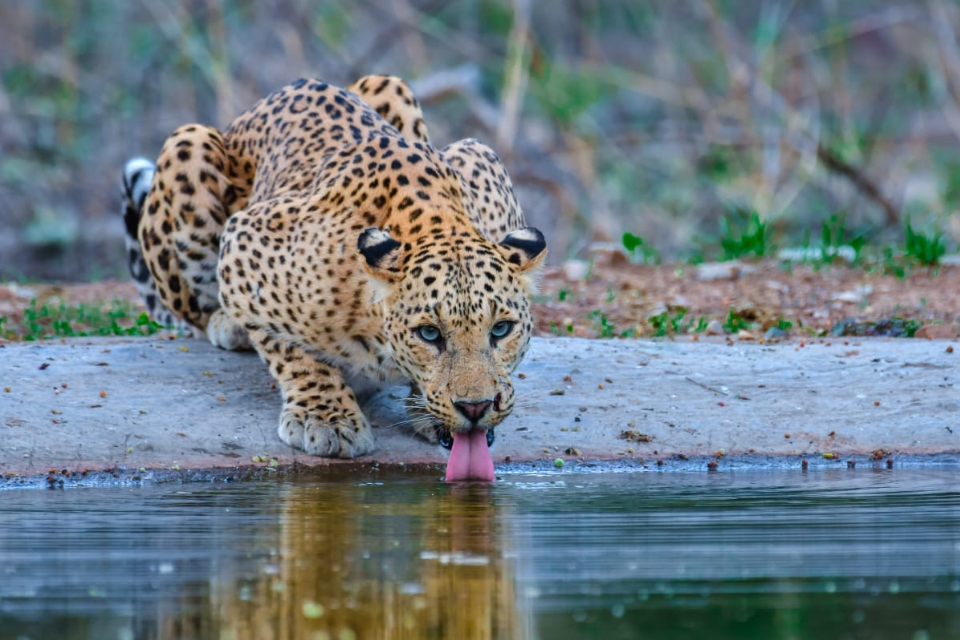
Waterhole Management: Artificial waterholes are strategically placed away from primary tourist tracks to give animals a “private” space to drink during the scorching Rajasthan summers.
The Urban Miracle: Leopards in the City’s Backyard
Jhalana is unique because it is hemmed in by the city of Jaipur. This proximity makes leopard conservation Jhalana even more critical. If the leopards become too stressed or if their habitat is degraded by over-tourism, they may stray into human settlements, leading to human-wildlife conflict.
The gypsy limits act as a “psychological fence.” By ensuring the forest remains a peaceful sanctuary, the leopards have no reason to leave. They find everything they need—food, water, and security—within the regulated boundaries of the reserve.
Frequently Asked Questions (FAQs)
Q1: Why are there so few gypsies allowed in Jhalana compared to Ranthambore?
A: Jhalana is a relatively small “urban forest” island. Allowing too many vehicles would cause immense stress to the leopards, who have nowhere else to migrate. The limits are set to match the specific carrying capacity of this unique ecosystem.
Q2: Does the gypsy limit make it harder to book a safari?
A: Yes, tickets sell out quickly, especially during weekends and peak seasons. It is highly recommended to book your permit at least 30–60 days in advance to secure a spot in this ethical ecosystem.
Q3: How does the “Shikar Oudi” contribute to leopard conservation?
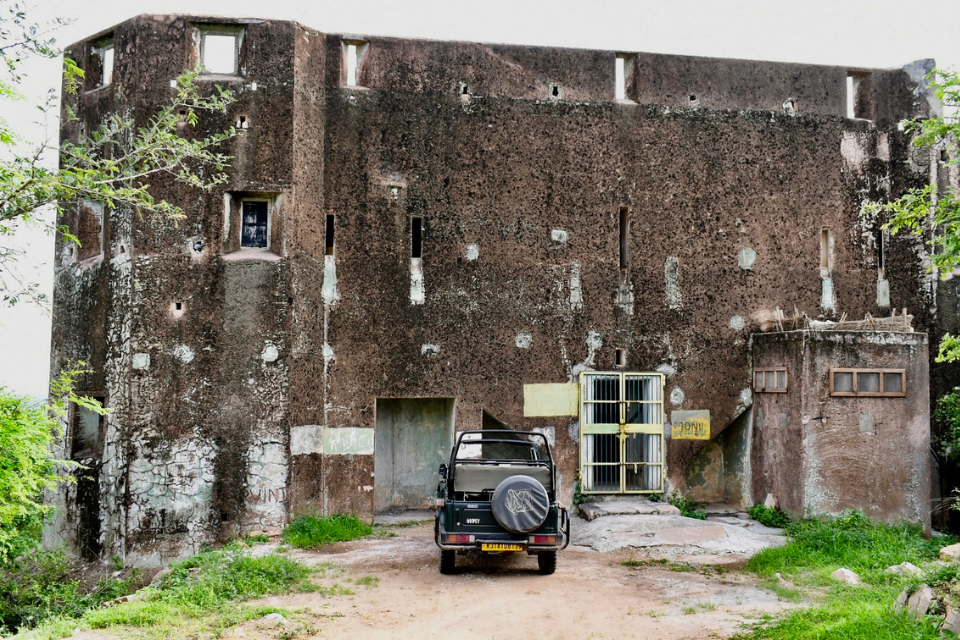
A: The Shikar Oudi (historic hunting lodge) now serves as a high-altitude monitoring point. It allows tourists to observe the landscape without being at eye level with the animals, reducing the “intimidation factor” often associated with ground vehicles.
Q4: Are the leopards in Jhalana “tame” because they are near the city?
A: Absolutely not. They are wild apex predators. Their comfort around vehicles is a sign of trust in the regulated, non-threatening behavior of the safari
i gypsies, not a sign of domestication.
Q5: What happens if a gypsy breaks the rules (off-roading/over-speeding)?
A: The Rajasthan Forest Department is strict. Penalties include heavy fines and the permanent suspension of the vehicle’s permit. This ensures that every operator adheres to the Responsible Travel India guidelines.
Q6: What is the best time for an ethical leopard sighting in Jhalana?
A: Early mornings (October to March) are ideal for light and temperature. However, the ethical management ensures that sightings are possible year-round without compromising the animals’ health or safety.
Q7: Can I take a private car inside Jhalana?
A: No. To maintain noise and emission standards, only registered, forest department-approved gypsies are allowed. This ensures that every vehicle is driven by someone trained in ethical wildlife viewing protocols.
Conclusion: The Future of the Wild
The story of Jhalana is a reminder that we are guests in the leopards’ home. The Jhalana gypsy limits are not just administrative hurdles; they are the boundaries of respect. By choosing a sustainable safari Jaipur, you are supporting a model where the predator’s peace of mind is just as important as the tourist’s thrill.
When you book your next adventure, remember that your choice to support leopard conservation Jhalana helps preserve this “urban miracle” for generations to come. Let’s keep the wild, wild.