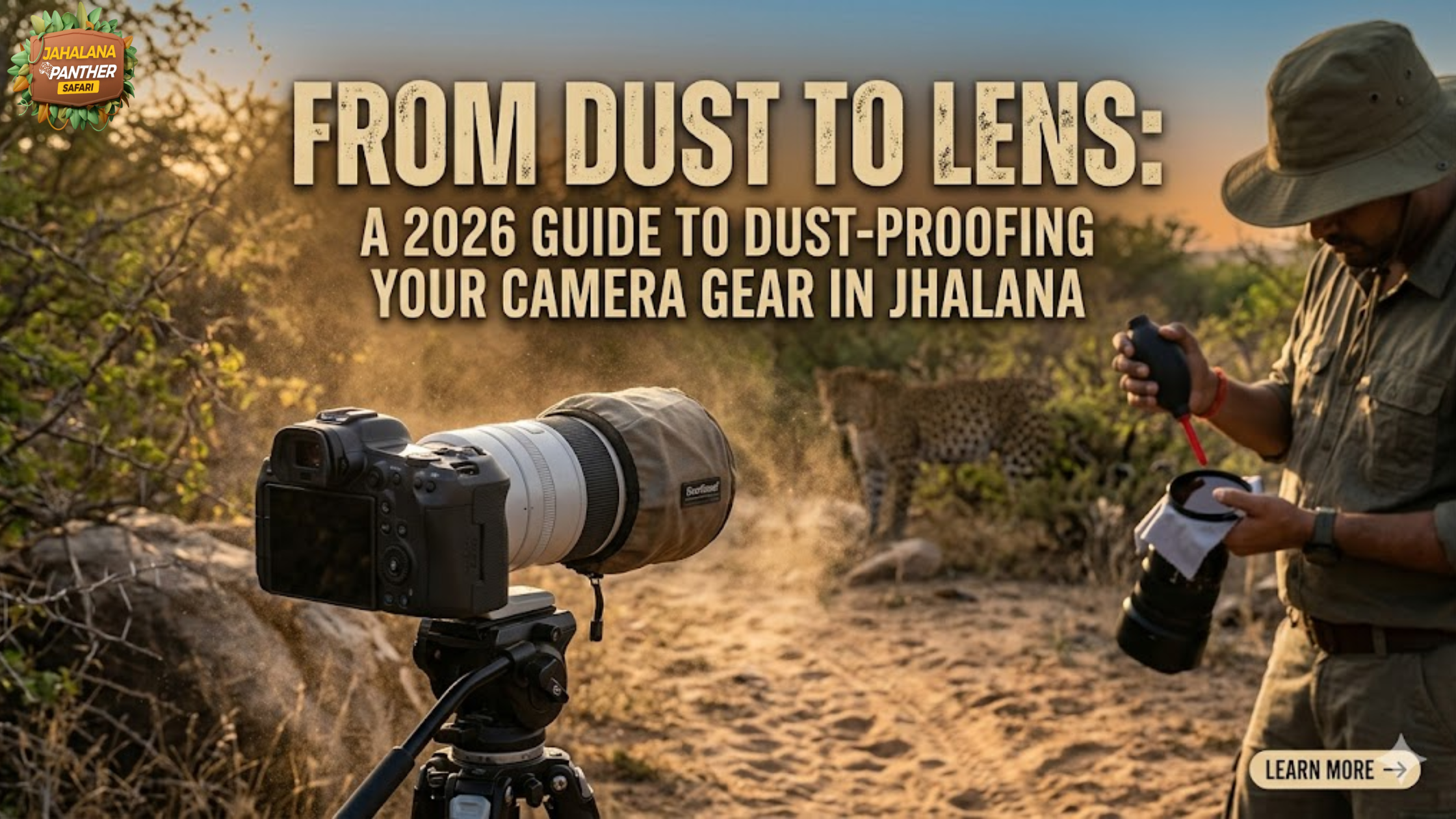
From Dust to Lens: A 2026 Guide to Dust-Proofing Your Camera Gear in Jhalana
The Golden Ghost and the Gritty Reality
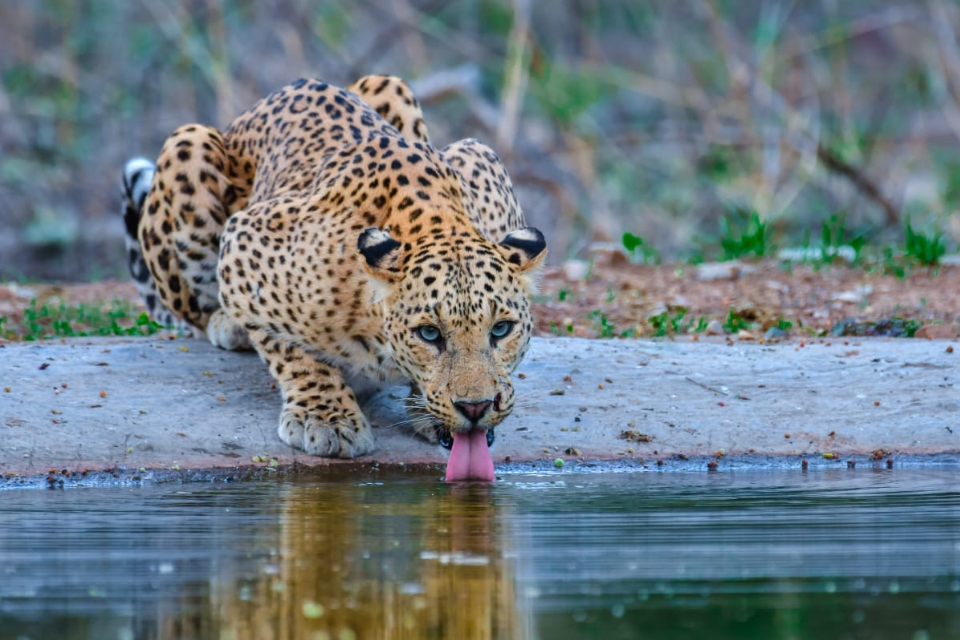
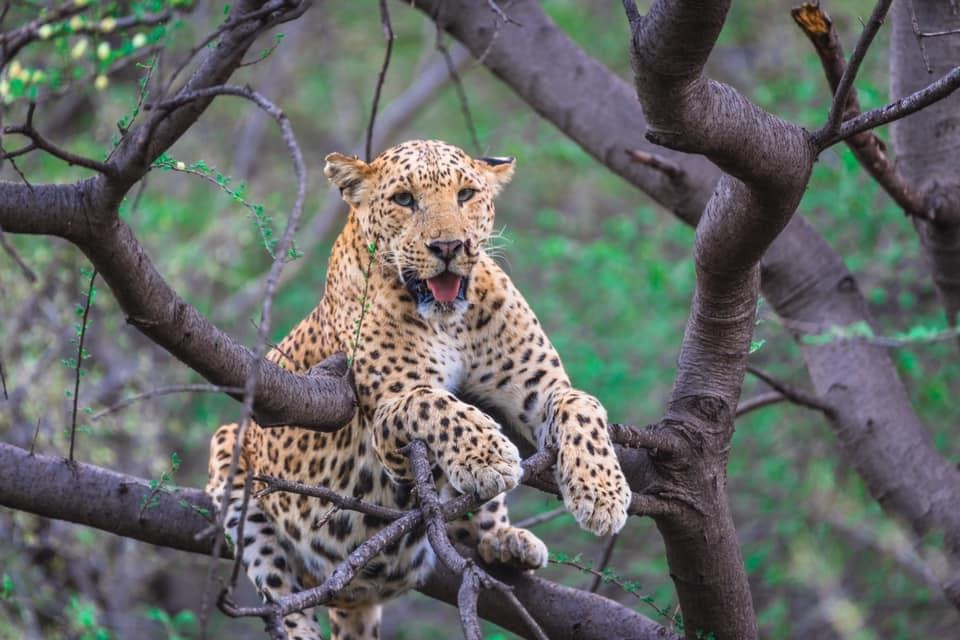
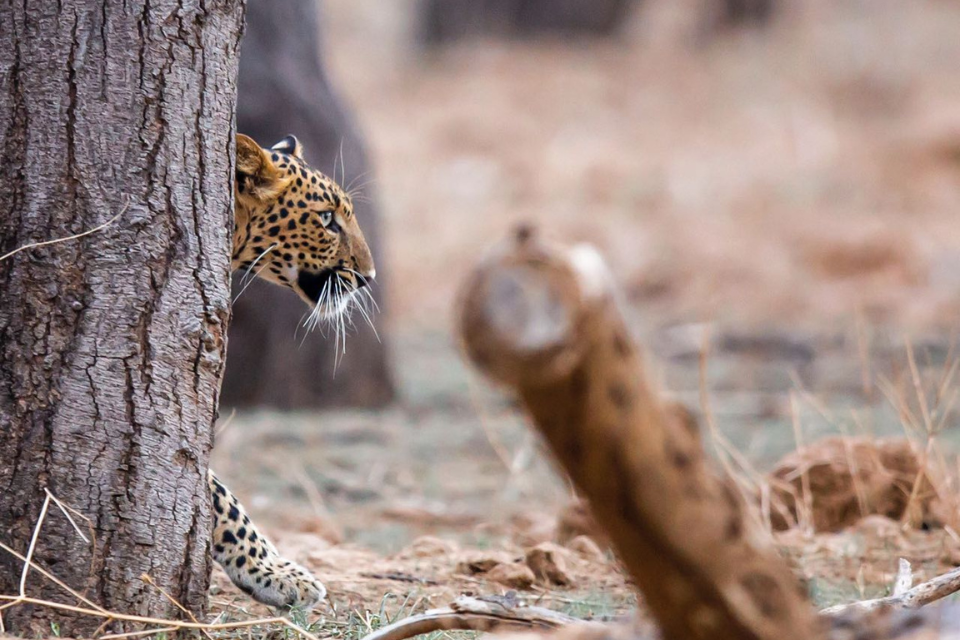
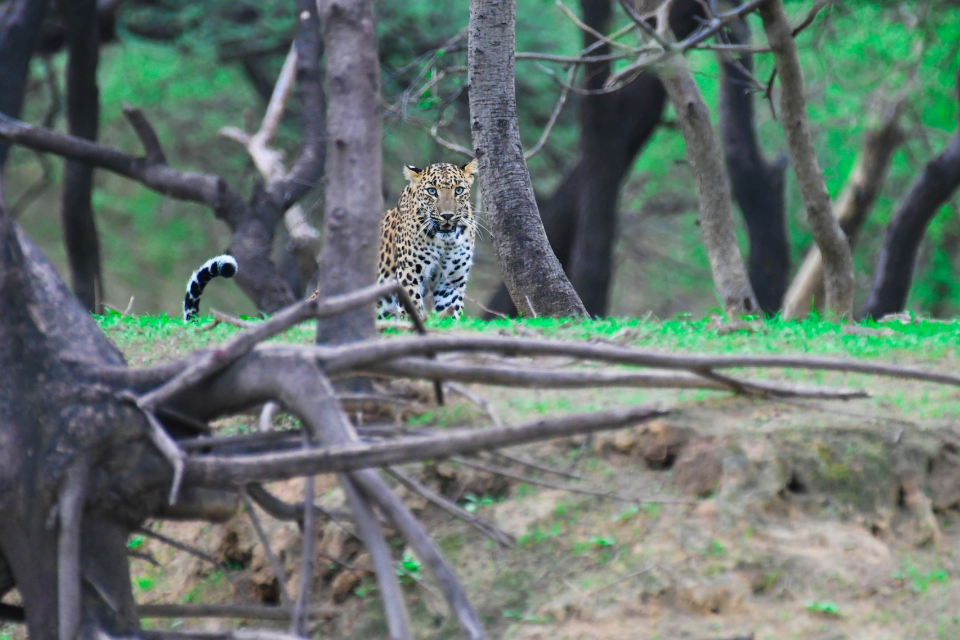
The engine kills. Silence descends over the scrubland of Jhalana Leopard Reserve. Through the dry Khejri branches, a flick of a rosette-patterned tail betrays the presence of a leopard. You lift your 600mm lens, your finger hovers over the shutter, and then you see it—a blurred speck in the viewfinder. Or worse, a grinding sound as your zoom ring struggles against a microscopic intruder.
In the arid landscapes of Rajasthan, dust is the invisible predator of high-end optics. As we head into the 2026 safari season, Jhalana remains one of the world’s most accessible leopard hotspots, but its fine, volcanic-silica dust is a nightmare for digital sensors. Whether you are using your own kit or opted for a camera rental Jaipur service, protecting your glass is as vital as finding the cat. This guide explores the art of dust protection camera strategies specifically tailored for the unforgiving Rajasthani wilderness.
Why Jhalana is Different: The Science of Rajasthan’s Dust
Unlike the humid jungles of Central India, Jhalana is a dry deciduous forest characterized by fine particulate matter. During a Jhalana safari photography session, the open-top gypsies kick up a “dust cloud” that lingers in the air long after the vehicle has passed.
The Impact on Modern Gear
Modern mirrorless cameras, while technologically superior, are more vulnerable than older DSLRs because their sensors are often exposed directly behind the lens mount without a mirror box. Even with “weather-sealing,” the fine dust of Jaipur can penetrate zoom barrels and battery compartments. Maintaining equipment in Rajasthan requires a proactive approach rather than a reactive cleaning habit.
Pre-Safari Preparation: Building Your Fortress
Victory over dust starts in your hotel room before the morning alarm rings. Wildlife photography gear care begins with “environmental sealing.”
The “No-Exposure” Rule
- Lens Choice: Decide on your lens before you enter the park. Changing lenses inside an open gypsy is the #1 cause of sensor spots.
- Protective Skins: Use silicone “skins” or camouflage neoprene covers (like LensCoat). These don’t just provide camouflage; they act as a secondary skin against fine sand.
- UV Filters (The Sacrificial Glass): In Jhalana, a high-quality UV filter is mandatory. It is much cheaper to replace a scratched or dust-pitted filter than the front element of a $10,000 prime lens.
On Safari: Tactical Dust Management
While the thrill of the chase is real, your gear needs a tactical defense system. Apply these safari photography tips to keep your images crisp.
The “Shower Cap” Hack
A simple, clear plastic rain cover is your best friend. Even if it isn’t raining, keep the cover over the camera body and the lens barrel. It creates a physical barrier against the dust kicked up by other gypsies during a “sighting rush.”
Safe Storage Between Sightings
Do not keep your camera on your lap or hanging from your neck while the vehicle is moving.
- Dry Bags: Place your camera inside a roll-top dry bag between sightings.
- The Damp Cloth Technique: Keeping a slightly damp (not dripping) microfiber cloth over your camera bag can help trap floating dust particles before they settle on your gear.
The Art of Maintaining Equipment in Rajasthan
If you are spending multiple days in the park, a daily cleaning ritual is non-negotiable.
The Daily Three-Step Process:
- The External Blast: Use a large manual air blower (like a Rocket Blower) to remove loose dust from the body and lens barrel. Never use canned air, as the pressure can force dust into the seals.
- The Brush Down: Use a soft-bristled brush to clean the crevices of the buttons and dials.
- The Wipe: Use a damp (distilled water) cloth to wipe the exterior of the body, followed by a dry microfiber cloth for the glass.
Sensor Safety in the Field
Despite your best efforts, a speck might land on your sensor. Dust protection camera protocols dictate that you should never attempt a wet sensor scrub in the field.
- Self-Cleaning Mode: Run your camera’s internal sensor cleaning cycle multiple times.
- Aperture Check: Shoot a clear blue sky at f/22. If the dust spots are visible, they are on the sensor. If you can live with them until you return to Jaipur, do so. Post-processing can fix a spot; a scratched sensor cannot be fixed.
Camera Rental Jaipur: The Smart Choice for Tourists
Many photographers visiting Jaipur prefer not to risk their primary gear in the desert heat and dust. Opting for a camera rental Jaipur service allows you to use professional-grade, weather-sealed bodies and lenses without the long-term wear and tear on your own equipment.
Benefits of Local Rental:
- Specialized Gear: Access to 400mm or 600mm lenses specifically suited for leopards.
- Maintenance-Free: Rental agencies handle the deep cleaning after the safari.
- Backup Security: If dust does compromise a lens, you can easily swap it out at the local shop.
Psychological Stress vs. Gear Stress
The fear of dust often stops photographers from getting the shot. Remember, gear is a tool. Wildlife photography gear care is about balance. Don’t be so afraid of the dust that you miss the leopard jumping across the track. The goal of this guide is to give you the confidence to shoot in “dusty” conditions by having a system in place.
Essential Kit for Jhalana Photographers (The Checklist)
Before you head to the gate, ensure your bag has:
- [ ] Manual Air Blower: To remove loose grit.
- [ ] Lens Pen: For smudges.
- [ ] Microfiber Cloths: At least three (one for glass, one for body, one spare).
- [ ] Plastic Rain Sleeve: For 100% dust isolation.
- [ ] Small Paintbrush: To clean between buttons and dials.
The 2026 Perspective: AI and Dust
As we move through 2026, AI-integrated software (like Topaz or Lightroom’s Generative Remove) has made dust spot removal easier than ever. However, “fixing it in post” doesn’t help with mechanical failure. If dust gets into your lens’s autofocus motor, no software can save the shot. Prevention remains the gold standard of maintaining equipment in Rajasthan.
Conclusion: Respect the Dust, Capture the Leopard
Jhalana is a magical place. The sight of a leopard against the backdrop of the Aravalli hills is a reward like no other. By mastering dust protection camera techniques, you ensure that your focus remains on the animal, not on a malfunctioning piece of glass.
Respect the terrain, protect your tools, and the desert will reward you with the shots of a lifetime. Whether you bring your own kit or utilize camera rental Jaipur, your commitment to wildlife photography gear care will be visible in every crisp, speck-free image you take home.
Frequently Asked Questions (FAQs)
Q1. Can I change lenses during a Jhalana safari?
It is strongly discouraged. The open-air environment is highly prone to dust. It is better to carry two bodies with different focal lengths or use a versatile zoom lens (like a 100-500mm).
Q2. Is weather-sealed gear enough for Rajasthan’s dust?
No. Weather sealing protects against moisture and light splashes, but Jhalana’s fine dust can still find its way into moving parts. Always use an additional cover.
Q3. How do I find a reliable camera rental in Jaipur?
Look for rentals that specifically cater to wildlife photographers. Ensure they provide a clean sensor and a UV filter with every lens.
Q4. What is the most important tool for dust protection camera care?
A high-quality manual air blower. It is the safest way to remove particles without touching sensitive surfaces.
Q5. Does dust affect image quality?
Large particles on the front element usually don’t show up in photos, but they can reduce contrast and cause flaring. Sensor dust, however, creates dark spots that are very visible in sky areas.
Q6. Is it safe to use an iPhone for Jhalana safari photography?
Yes, modern smartphones are quite dust-resistant, but they lack the reach for wildlife. Use them for landscapes, but rely on a dedicated camera for the leopards.
Q7. Should I clean my sensor myself in Jhalana?
Only if you are highly experienced. The dry air can cause static, which attracts more dust during the cleaning process. It’s better to have it professionally cleaned in Jaipur.