Top Mistakes Tourists Make When Booking a Safari in India
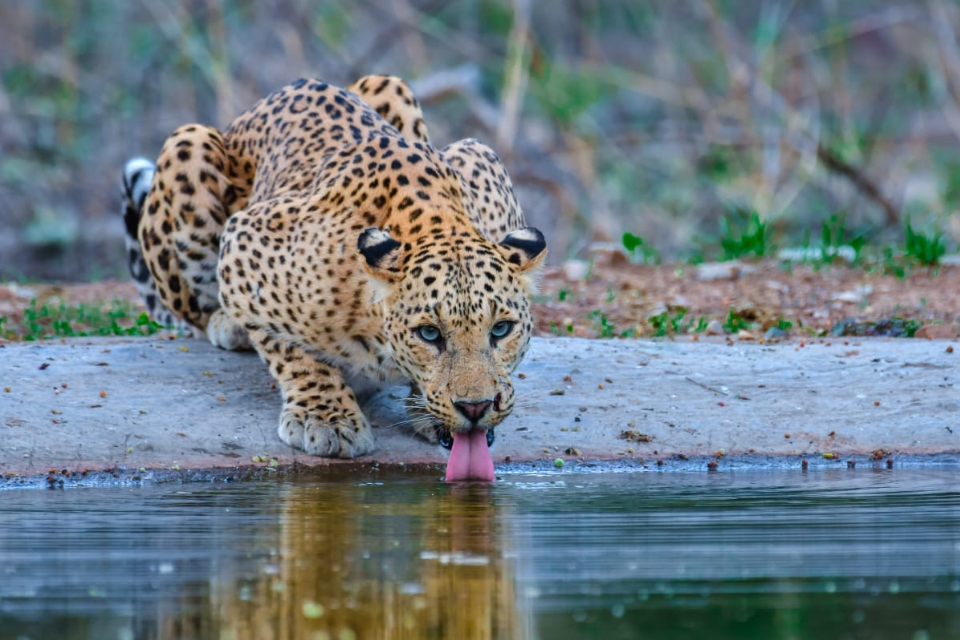
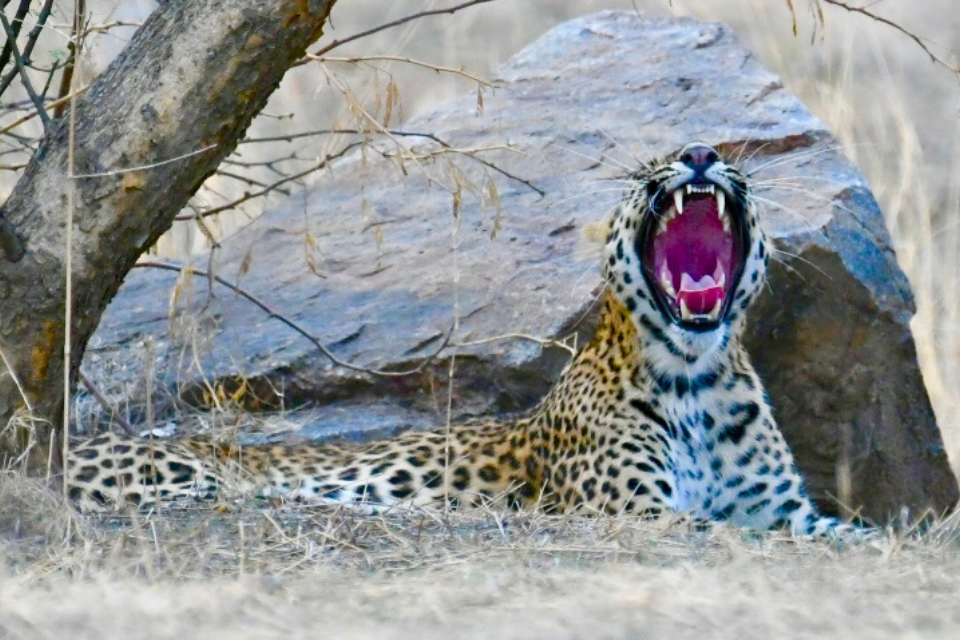
The dream of seeing a Royal Bengal Tiger in the wild or a leopard perched on a granite hill is what brings millions of travelers to India’s national parks. However, a safari in India is not a “walk-in” experience. Unlike some international reserves that allow self-driving, India’s wildlife tourism is highly regulated, seasonal, and hyper-competitive.
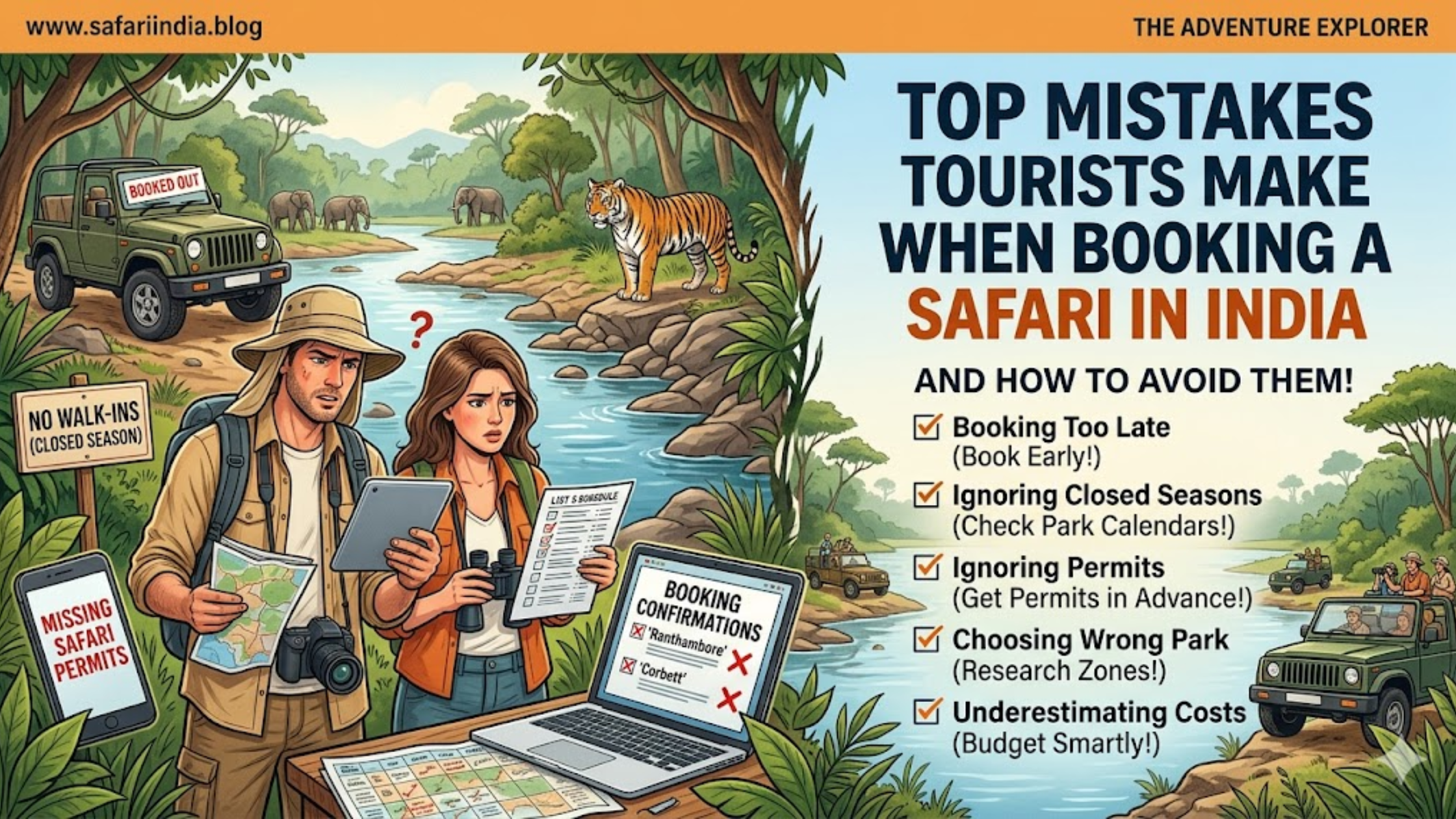
Many travelers arrive only to find that all jeep slots are booked, the park is closed, or they are in the wrong zone for sightings. To ensure your adventure is successful, here are the top mistakes tourists make when booking a safari in India and how you can avoid them.
Waiting Until the Last Minute to Book
This is the single most common mistake. In popular parks like Ranthambore, Jim Corbett, or Bandhavgarh, safari permits for the “premium zones” open 90 to 120 days in advance.
-
The Reality: Permits are limited by the forest department to maintain ecological balance. Once the online quota is full, you are left at the mercy of “last-minute” bookings which are expensive and never guaranteed.
-
The Fix: Plan your trip at least 3-4 months ahead. Even for specialized urban wildlife experiences like the jhalanapanthersafari, weekend slots can fill up weeks in advance.
Ignoring “Zone” Selection
Not all parts of a national park are created equal. Parks in India are divided into “Zones.” Some zones are famous for high feline density, while others are better for birdwatching or landscape photography.
-
The Mistake: Tourists often book “any available zone” just to get into the park, only to realize later that the tigers haven’t been seen in that area for months.
-
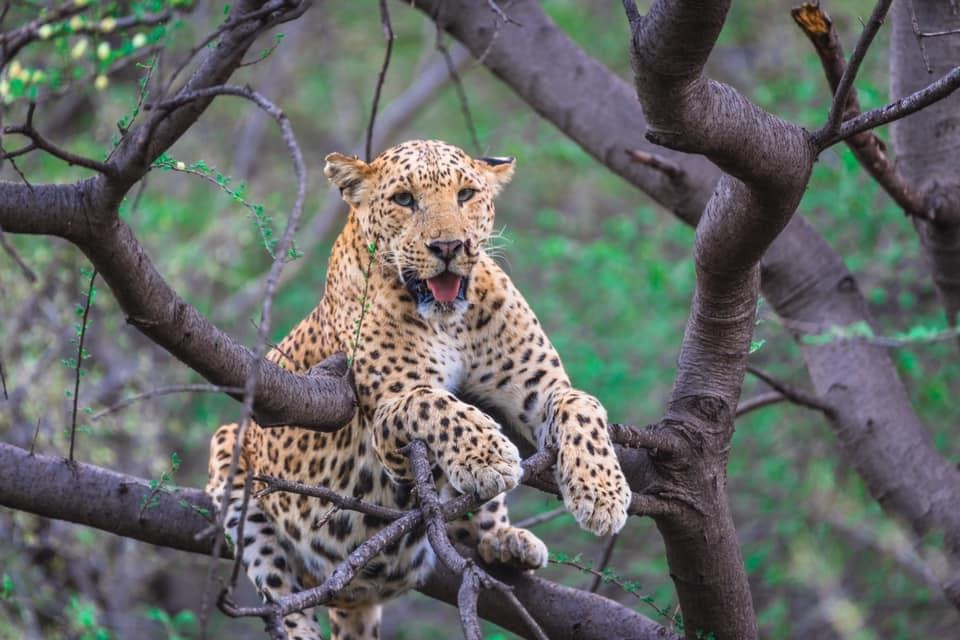
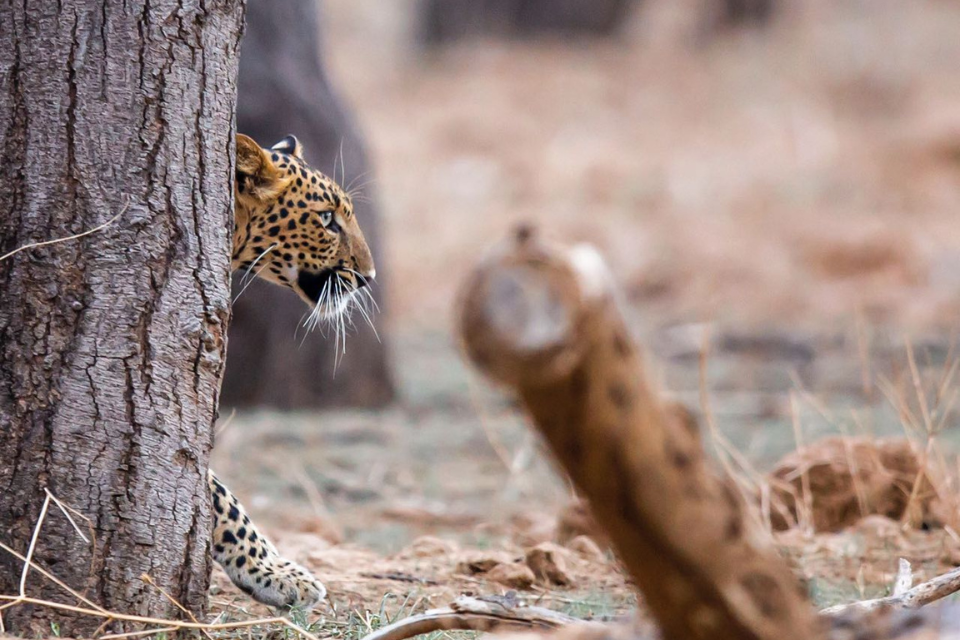
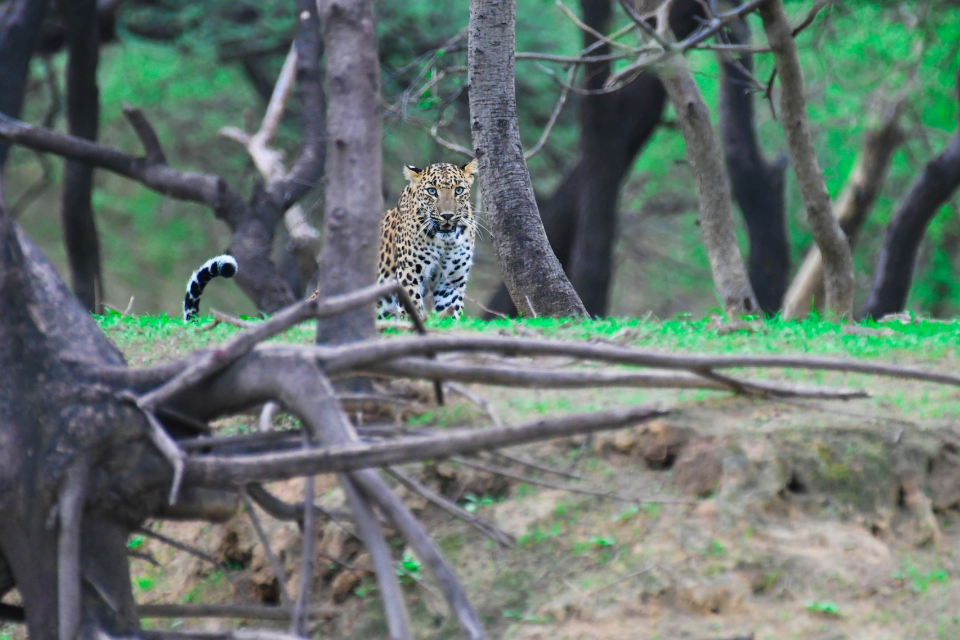
The Fix: Research recent sighting reports. For example, in Ranthambore, Zones 1-5 are historically known for better tiger sightings than 6-10. For a jhalanapanthersafari, ensure you understand the difference between the various routes to maximize your chances of spotting a leopard.
Misunderstanding the Indian “Safari Season”
India’s wildlife parks do not stay open year-round. A major mistake is booking a flight to India in August expecting to see tigers.
-
The Seasonal Rule: Most tiger reserves close during the Monsoon season (July to September/October) because the forest roads become impassable and it is breeding season for many animals.
-
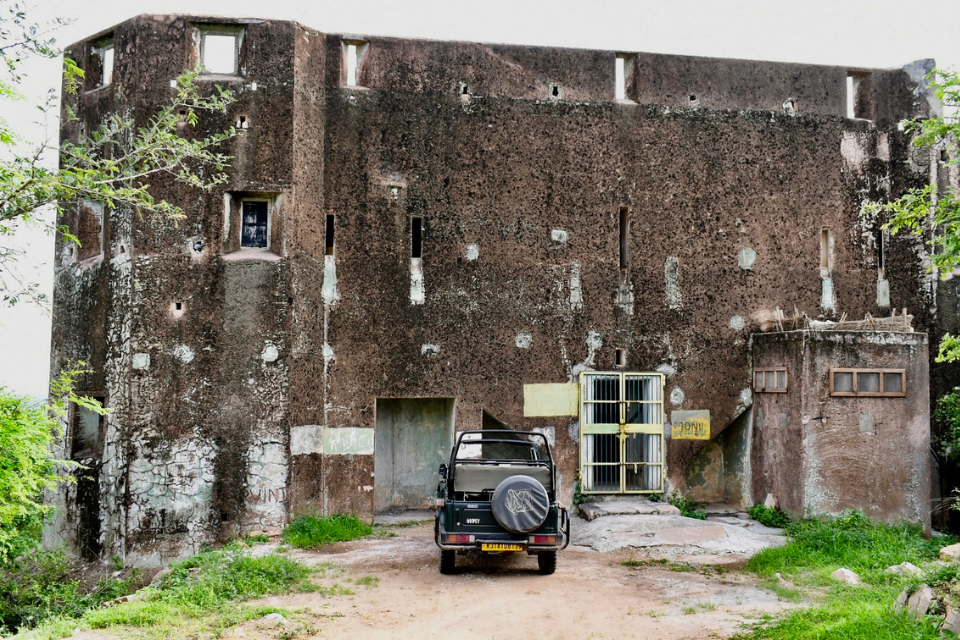
The Exception: Some parks, like the jhalanapanthersafari in Jaipur, often stay open year-round or have specific zones that remain accessible, but you must check the status before traveling.
Packing the Wrong Gear and Clothing
A safari is a sensory experience, and being uncomfortable can ruin it.
-
Color Mistakes: Wearing bright neon colors or white can startle animals and attract insects.
-
Weather Oversight: Even in Rajasthan, early morning safaris in December and January are bone-chillingly cold in an open-top gypsy.
-
The Fix: Wear earth tones (khaki, olive green, brown). Layer your clothing so you can strip down as the sun gets hotter. Don’t forget a high-quality dust mask or scarf—Indian safari tracks are incredibly dusty.
Expecting a “Zoo” Experience (The Tiger Obsession)
Many tourists enter the gates with a “Tiger or Nothing” mindset. This leads to disappointment and puts undue pressure on the drivers and guides.
-
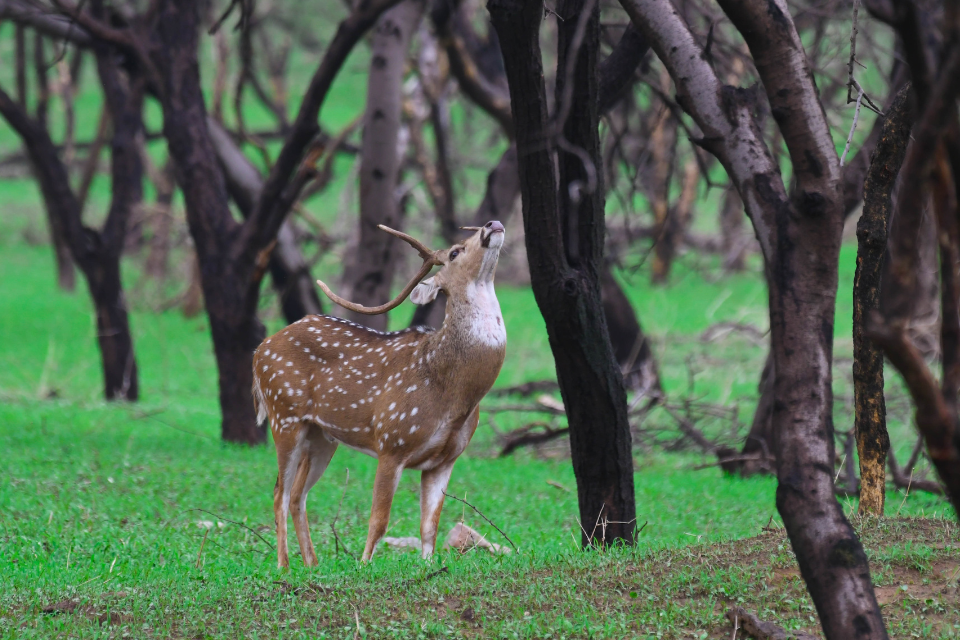
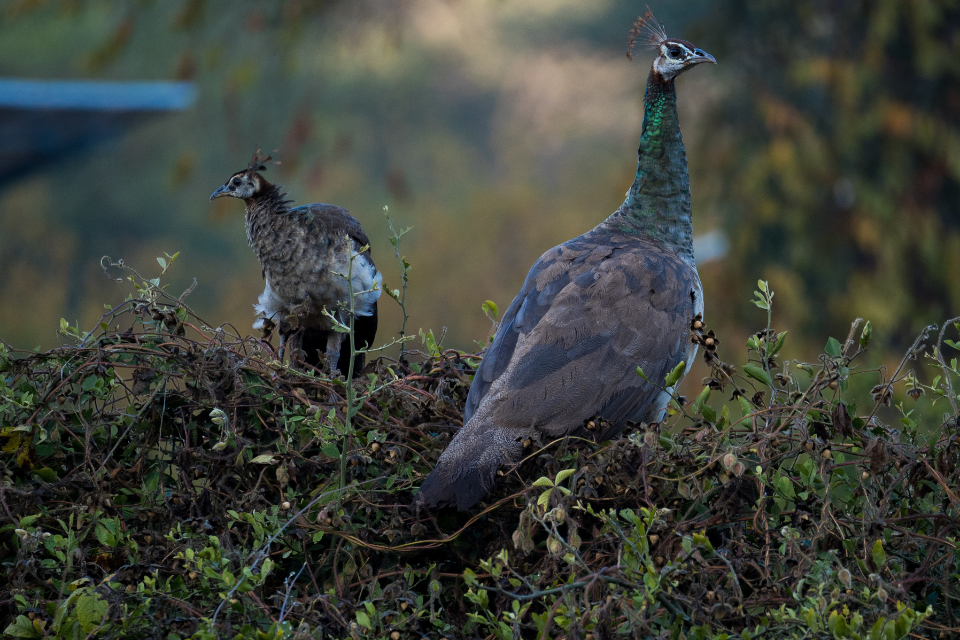
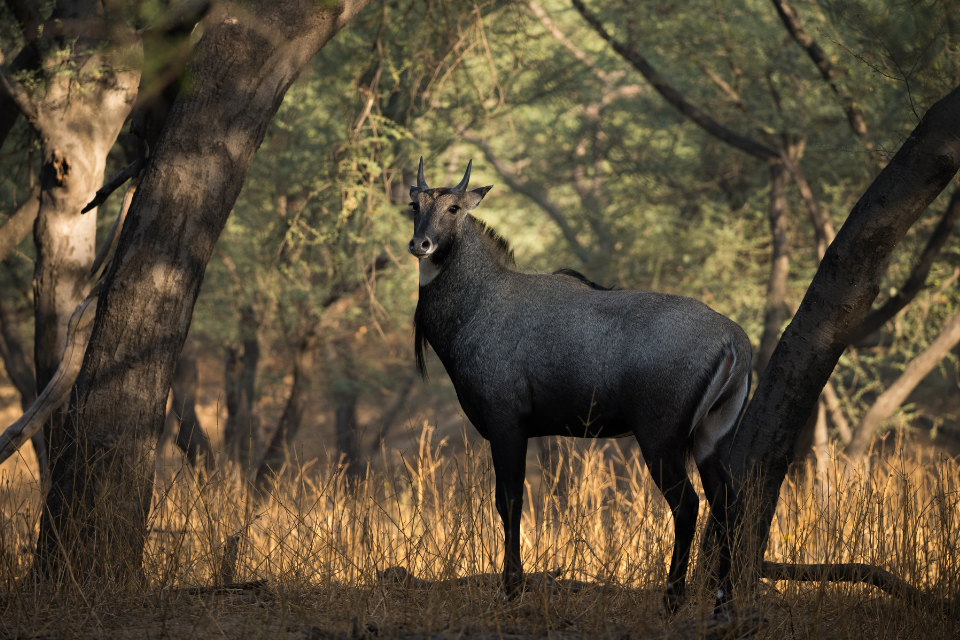
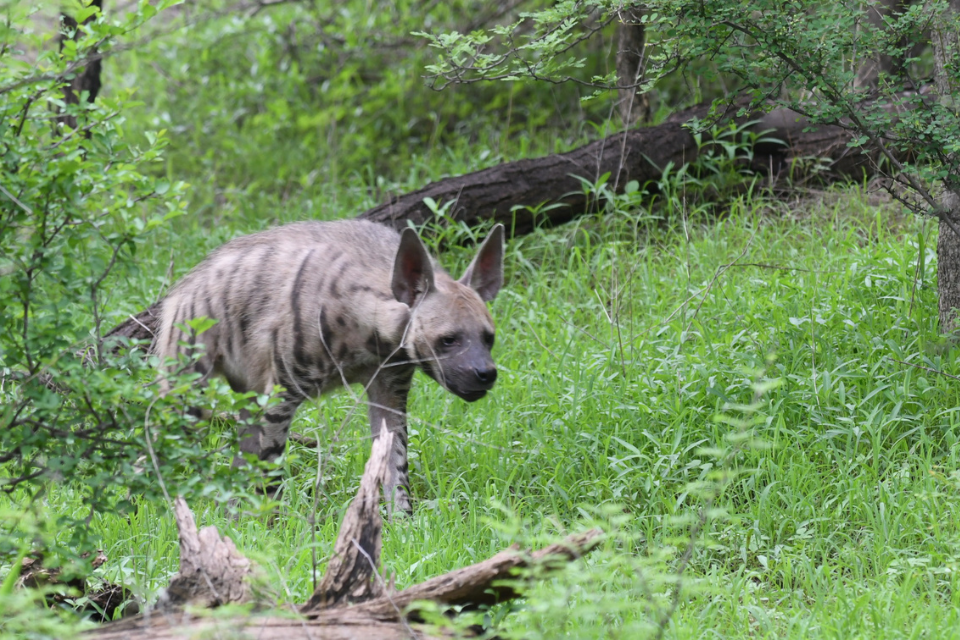
The Mistake: Only looking for the big cats. India’s forests offer sloth bears, hyenas, barking deer, and hundreds of exotic bird species.
-
The Fix: Enjoy the “Gaze of the Forest.” When you stop obsessing over one animal, you start noticing the alarm calls of the Langurs and the tracks on the ground, which makes the eventual sighting much more rewarding.
Not Checking Permit Requirements (ID Proofs)
In India, your safari permit is linked to your specific ID (Passport for foreigners, Aadhaar/Voter ID for Indians).
-
The Trap: If the name on your permit doesn’t match your ID exactly, or if you bring a different ID than the one used for booking, the forest guards will not let you enter.
-
The Fix: Carry the original ID used during the booking process. Digital copies on a phone are often not accepted at the entry gate.
Booking Only One Safari
Statistically, your chances of seeing a big cat in a single 3-hour window are relatively low.
-
The Pro Tip: Book at least 3 to 4 safaris across different zones and different times (morning and afternoon). This significantly increases your hit rate and gives you a better feel for the forest’s rhythm.
Summary of Safari Booking Do’s and Don’ts
Conclusion: Preparation is the Key to the Wild
A safari in India is a majestic experience, but it rewards the prepared traveler. By avoiding these common pitfalls—like late bookings and poor zone research—you transform a stressful trip into a seamless adventure. Whether you are navigating the rugged terrain of the jhalanapanthersafari or the deep jungles of Central India, remember that the forest belongs to the animals. Respect the rules, stay patient, and the wild will eventually reveal its secrets to you.
Ready to track the stripes and spots? Start your booking today and ensure your IDs and dates are perfectly aligned for the ultimate Indian wildlife experience!
FAQs
1. Can I book a safari directly at the park gate?
It is very risky. While some parks have a small counter for “Current Bookings,” these are usually for leftover seats and sell out within minutes. Online booking is always the safest route.
2. What is the difference between a Jeep (Gypsy) and a Canter?
A Jeep is a 6-seater, private, and silent vehicle—best for photographers. A Canter is a large 20-seater bus. Canters are cheaper but noisier and cannot navigate narrow tracks as easily as a Jeep.
3. Is it safe to do a safari in an open vehicle?
Yes. Indian forest guides and drivers are highly trained. As long as you stay inside the vehicle and follow the “No shouting” and “No feeding” rules, it is perfectly safe.
4. Which park is best for seeing leopards in Rajasthan?
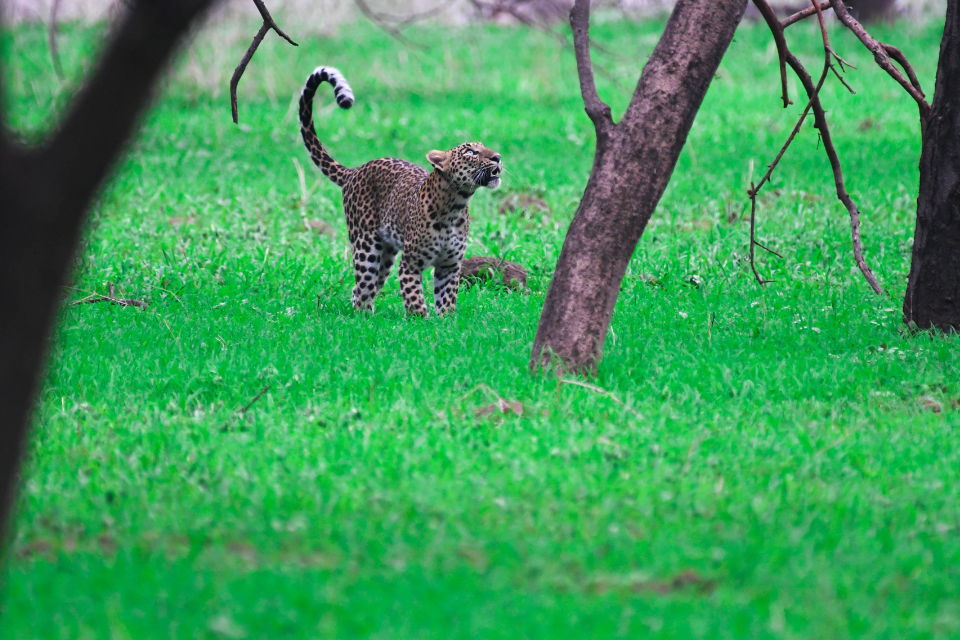
The jhalanapanthersafari in Jaipur is world-famous for its high leopard density and is one of the best places in India to see these elusive cats in their natural habitat.
5. What time of day is best for a safari?
Early morning (at sunrise) and late afternoon (before sunset) are the best times. Animals are most active during these cooler hours when they come out to hunt or drink water.
6. Do I need a guide for the safari?
In India, a registered forest department guide is mandatory for every vehicle entering a national park. They are essential for tracking animals and ensuring you follow park etiquette.