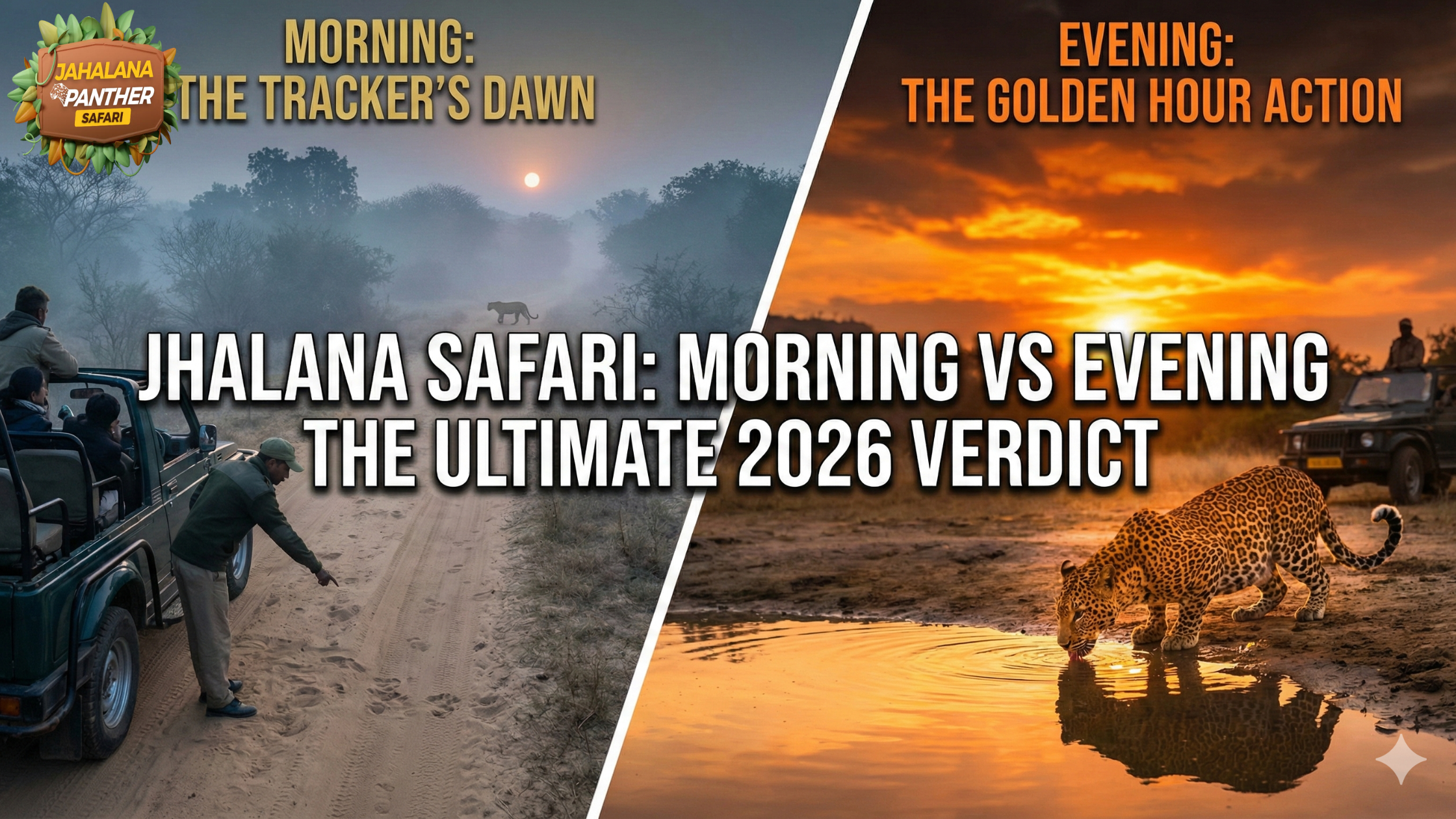
Morning vs. Evening Safari: Which Jhalana Slot is Best in 2026?
You have navigated the complexities of choosing a date. You have successfully debated the merits of Zone 1 versus Zone 2. You are practically at the finish line of booking your dream wildlife trip to Jaipur.
But the Rajasthan SSO portal has one final question for you: “Select Shift.”
You are presented with two simple options:
- Morning (Starts approx. 6:00 AM)
- Evening (Starts approx. 3:30 PM)
For the uninitiated traveler, this choice often feels arbitrary. Is there really a difference? Does it matter if I go at dawn or dusk as long as I get into the jeep?
The answer is a resounding yes.
In the compact ecosystem of the Jhalana Leopard Reserve, the forest transforms completely over the course of 12 hours. The light shifts from cool blues to fiery oranges. The bird activity spikes and crashes. But most importantly, the leopards change their personality.
In this definitive guide, we settle the jhalana-morning-vs-evening debate once and for all. We break down the decision based on animal psychology, photographic conditions, and seasonal weather patterns to help you book the slot that guarantees the best experience for your specific needs in 2026.
The Science of “Crepuscular” Movement
To understand the jhalana-morning-vs-evening choice, you must first understand the animal.
Leopards are crepuscular predators. This means they are biologically wired to be most active during the twilight hours—dawn and dusk. They are rarely active in the blazing midday sun.
Therefore, both the Morning and Evening slots are designed to capture these peak activity windows. However, the type of activity differs.
- Morning: The leopard is ending its night. It is tired, full (if it hunted), and looking for a place to rest.
- Evening: The leopard is waking up. It is hungry, thirsty, and preparing to patrol.
This fundamental behavioral difference is the compass that should guide your booking decision.
Deep Dive: The Morning Safari (The “Tracker’s Choice”)
For wildlife purists and veteran naturalists, the morning slot is often considered the “intellectual” safari.
-
The Thrill of “Fresh Tracks”
The biggest advantage of the morning slot in the jhalana morning-vs-evening comparison is the “Clean Slate” effect.
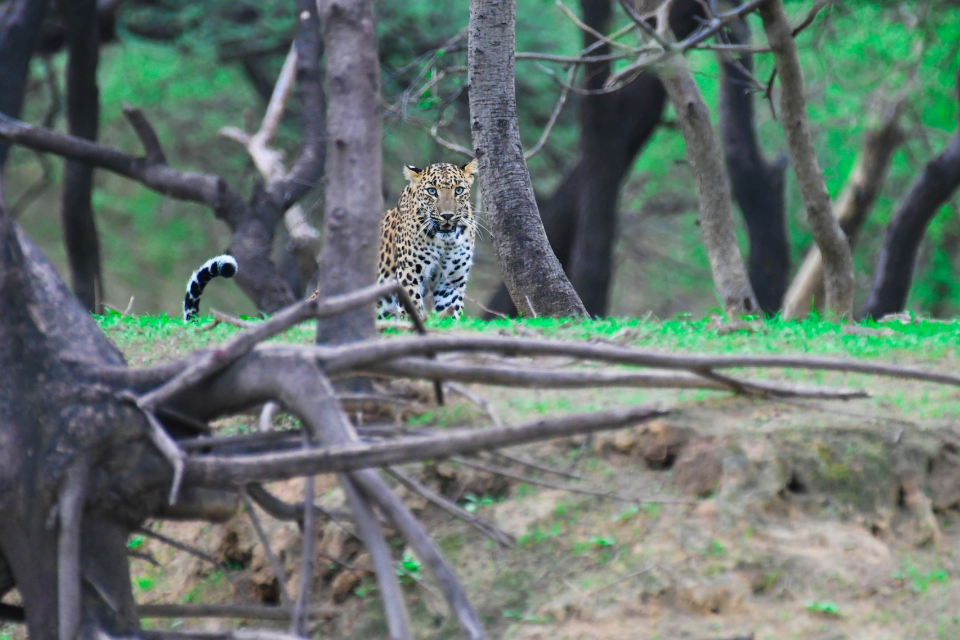
- The Scenario: When you enter the gate at 6:15 AM, no vehicle has driven on the tracks for 12 hours. The sandy paths are covered in fresh pugmarks (footprints) from the night’s activity.
- The Experience: You aren’t just driving aimlessly. You are watching your guide lean out of the Gypsy, reading the ground like a newspaper. “Male leopard passed here 30 minutes ago,” they might whisper. You follow the tracks, listening for alarm calls. The suspense of tracking a leopard to its daytime hideout is a thrill unique to the morning.
-
The “Basking” Phenomenon (Winter Special)
If you are visiting between November and February, the morning is statistically superior.
- Why: Leopards are cats, and like domestic cats, they hate the cold. After a freezing desert night (where temperatures drop to 4°C), Jhalana’s leopards seek heat.
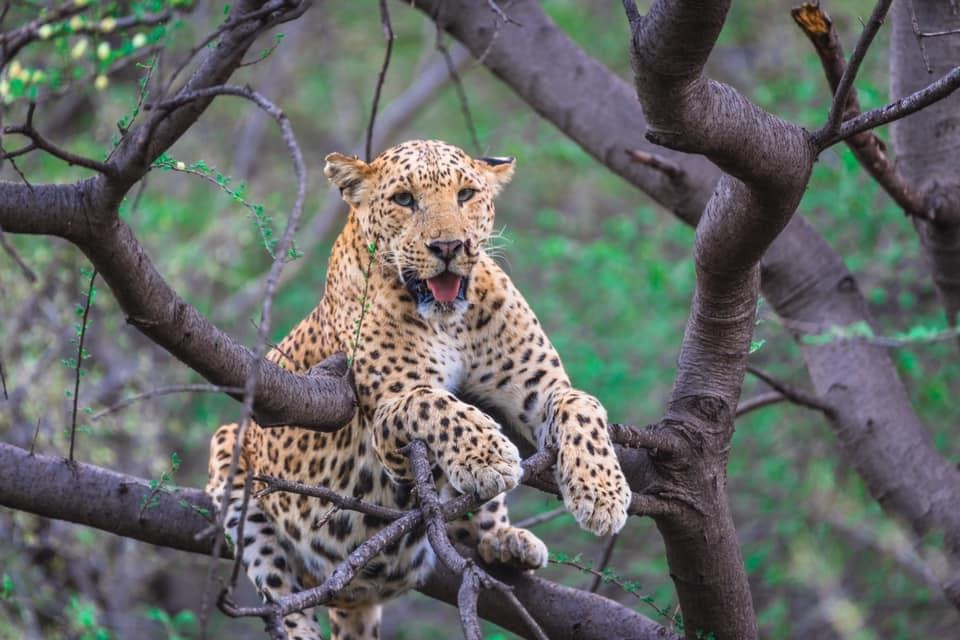
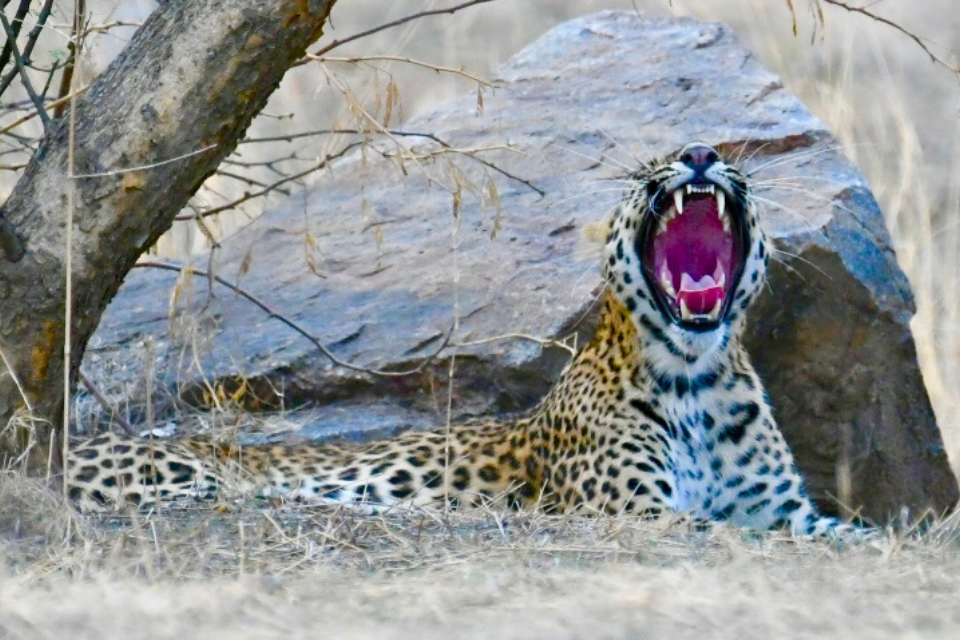
- The Sighting: Around 7:30 AM or 8:00 AM, as the sun hits the upper ridges of the Aravalli hills, leopards will climb onto the high quartzite rocks to sunbathe. These sightings are stationary, open, and often last for 20–30 minutes, allowing you to observe grooming behavior that you rarely see in the evening.
- Photography: The “Soft Light” Advantage
Ask any professional photographer about the jhalana-morning-vs-evening dilemma, and they will likely vote Morning.
- Dust Control: The dust from the day hasn’t settled yet. The air is cleaner.
- Backlighting: The rising sun creates a “rim light” effect. If a leopard walks between you and the sun, their fur glows with a halo of light.
- Tyndall Effect: In the winter mornings, the sunlight filters through the mist and the Dhok trees in shafts (God Rays), creating a mystical, moody atmosphere that evening light simply cannot replicate.
Deep Dive: The Evening Safari (The “Action Hero”)
If the morning is for the thinkers, the evening is for the thrill-seekers. The energy of the jungle shifts from “relaxation” to “anticipation.”
-
The “Waterhole” Strategy
This is the single strongest argument for the Evening slot in the jhalana-morning-vs-evening debate.
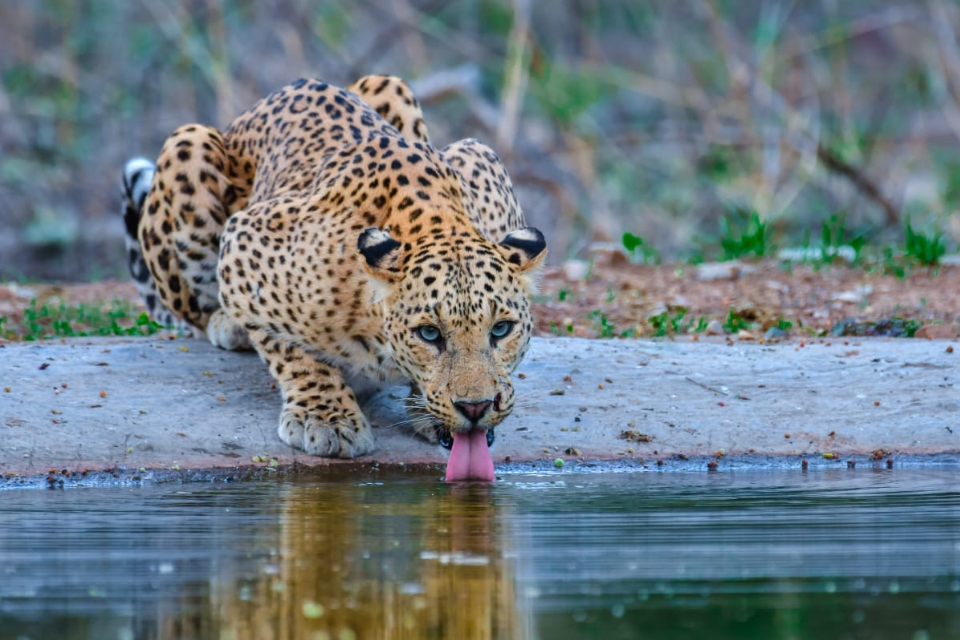
- The Biological Need: By 5:00 PM, the day’s heat has peaked. Leopards, especially lactating mothers like Flora, are dehydrated. They must drink before they start their night patrol.
- The Setup: In Zone 1 (Shikar Audi) and Zone 2, there are designated artificial waterholes. In the evening, your driver will often park near one and simply wait. The probability of a leopard walking out of the bushes to drink is incredibly high, especially in the summer. It requires less tracking luck and more patience.
-
The “Golden Hour” Saturation
While morning light is soft, evening light is dramatic.
- The Color Palette: The setting Rajasthan sun casts a deep, warm, orange-red glow. This color contrasts beautifully with the leopard’s yellow-gold coat and the brown scrubland.
- The Contrast: The shadows get longer and darker, adding drama to the images. If you want that classic “National Geographic” shot of a predator glowing in the sunset, the evening is your winner.
-
Predator Movement: “Stalking Mode”


In the last 30 minutes of the evening safari (dusk), the leopard’s demeanor changes.
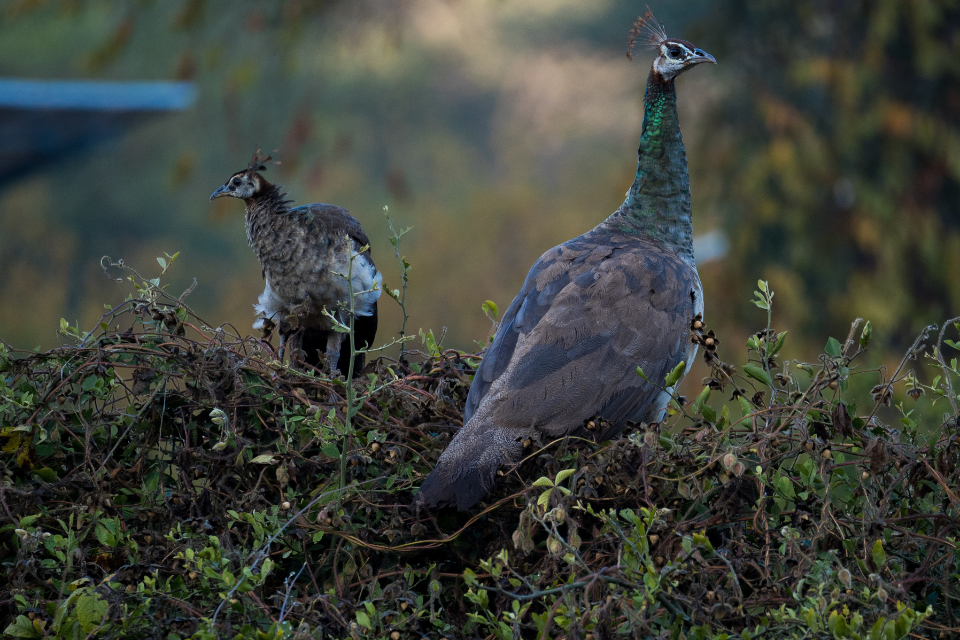
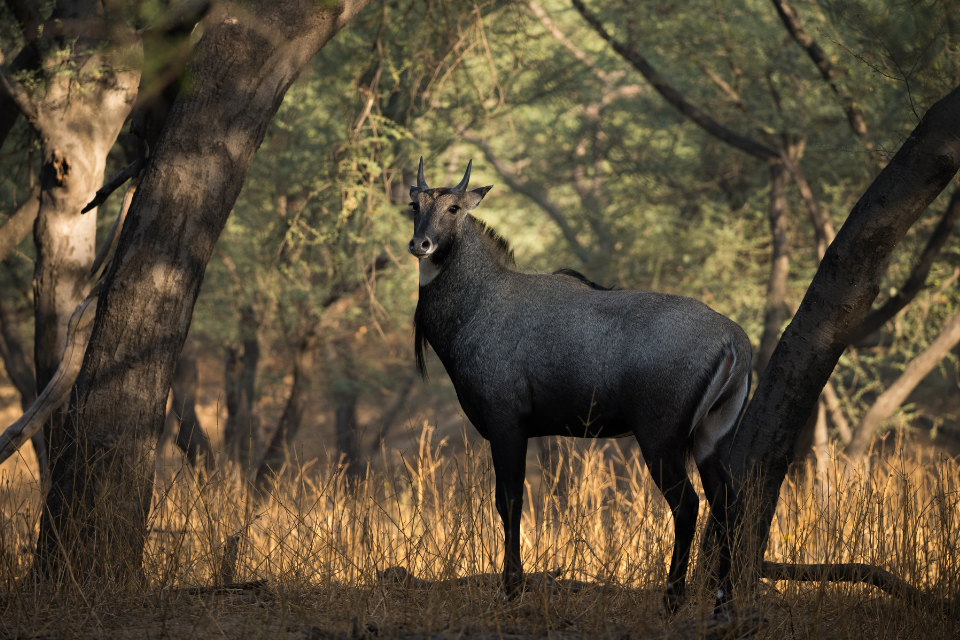
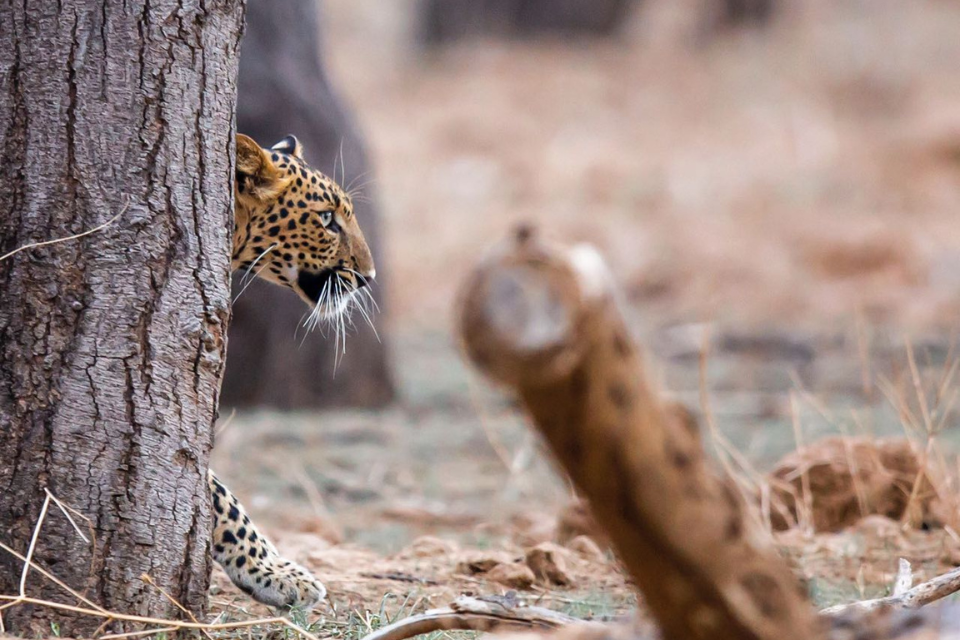
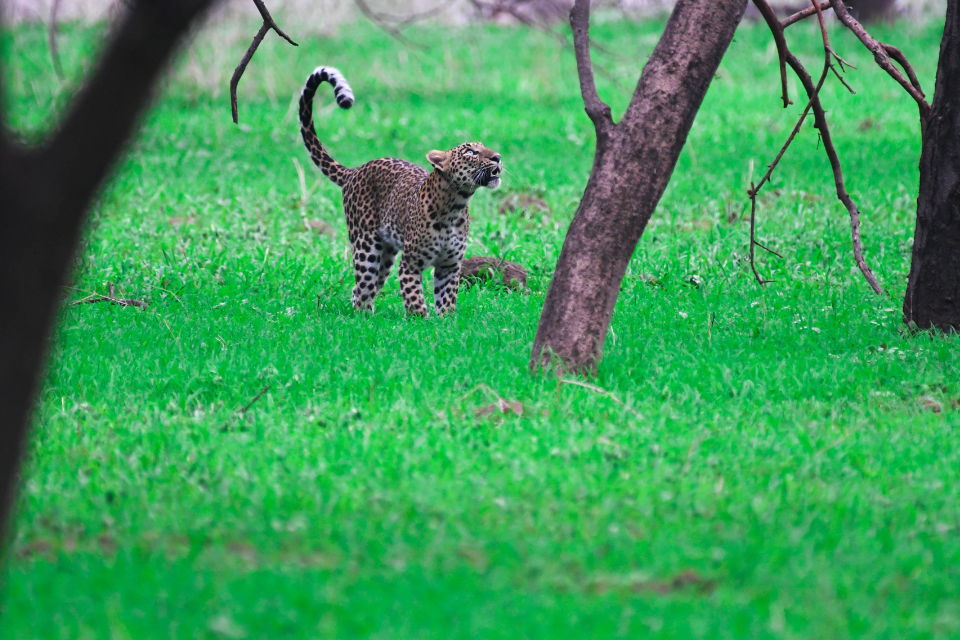
- The Shift: You might see them crouching low, ears flattened, tail twitching. They are spotting prey (Peacocks or Blue Bulls). Witnessing a leopard switch into “Hunt Mode” is an adrenaline spike that is rare in the morning when they are generally lethargic.
The Seasonal Factor: The Decision Breaker
You cannot answer the jhalana-morning-vs-evening question without looking at the calendar. The “Best” slot flips depending on the month.
-
The Summer Rule (April – June)
Verdict: EVENING WINS.
- The Logic: It is brutally hot (40°C+). In the morning, the leopards retreat into deep caves very early (by 7:00 AM) to escape the rising sun. Sightings are brief.
- The Evening Edge: In the evening, the thirst drives them out. They are forced to come to the waterholes. The sighting probability on a summer evening is arguably the highest of the entire year.
-
The Winter Rule (November – February)
Verdict: MORNING WINS.
- The Logic: Evenings get dark very fast (by 5:45 PM), cutting your safari short. The cold also keeps animals hidden in the bushes for warmth.
- The Morning Edge: As mentioned earlier, the “Basking Behavior” is the key. You want to be there when the sun hits the rocks. The morning slot feels longer and more productive in winter.
-
The Monsoon Rule (July – September)
Verdict: MORNING WINS.
- The Logic: In Jaipur, rainstorms typically build up in the afternoon due to convection. Evening safaris are at higher risk of being washed out or canceled due to heavy rain. Mornings are generally clearer and fresher, and the lush green forest looks vibrant in the early light.
Crowd Control: The “Traffic” Reality
There is a practical, non-wildlife aspect to the jhalana-morning-vs-evening choice:
Jhalana is an urban forest. It is accessible.
- The Evening Rush: Most tourists visiting Jaipur follow a standard itinerary: Amer Fort in the morning, lunch, and then Jhalana in the evening. This makes the Evening slot significantly more crowded. You are more likely to end up in a “Jam” (10+ Gypsies at one spot) in the PM slot.
- The Morning Peace: Waking up at 5:00 AM acts as a filter. Casual tourists often skip the morning slot. If you want a quieter, more private experience with nature, the morning is statistically less chaotic.
Head-to-Head Comparison Table
To visualize the jhalana-morning-vs-evening trade-offs, here is the breakdown for 2026.
| Feature | Morning Safari | Evening Safari | Winner |
| Primary Activity | Tracking / Basking on Rocks | Drinking at Waterholes | Depends |
| Light Quality | Soft, Diffused, Rim Light | Hard, Warm, Golden | Tie |
| Duration of Light | Increases (Gets better) | Decreases (Fades fast) | Morning |
| Sighting Probability (Summer) | Moderate | Very High | Evening |
| Sighting Probability (Winter) | Very High | Moderate | Morning |
| Crowd Levels | Low to Moderate | High | Morning |
| Birdwatching | Excellent (Active & Calling) | Good (Roosting) | Morning |
| Convenience | Difficult (Early Wake-up) | Easy | Evening |
Who Should Pick What? (User Personas)
- The “Instagram Photographer”
Your Pick: Evening (Summer) / Morning (Winter).
You want the “Golden Hour.” In summer, the evening dust creates an atmosphere. In winter, the morning mist creates a mood.
- The Family with Kids
Your Pick: Evening.
Dragging children out of bed at 5:00 AM can ruin the mood before you even reach the gate. The evening slot is relaxed, fits well after lunch, and the “sitting at a waterhole” style is easier for kids than a bumpy 2-hour search.
- The Wildlife Enthusiast
Your Pick: Morning.
You care about behavior, not just a photo. You want to see the tracks, hear the alarm calls, and understand the patrol routes. The morning safari tells a clearer story of the jungle’s night.
Conclusion: The Final Verdict for 2026
So, how do you resolve the jhalana-morning-vs-evening dilemma?
If you can only pick one, let the Temperature be your guide.
- If you are wearing a T-shirt (Hot): Go in the Evening.
- If you are wearing a Jacket (Cold): Go in the Morning.
However, the ultimate “Pro Tip” for 2026 remains the Full Day or Double Shift strategy. Jhalana is small enough and affordable enough that doing both slots in one day is feasible. You can track the fresh pugmarks at dawn and watch the thirsty queen drink at dusk.
In the end, whether you choose the jhalana-morning-vs-evening, remember that the leopard keeps its own watch. The “best” time is simply whenever you are there to witness it.
FAQ: Common Questions About Jhalana Timings
- Does the jhalana-morning-vs-evening price differ?
A. No. The government pricing is identical for both shifts (approx. ₹1,350 for Indians / ₹2,500 for Foreigners). There is no premium for the “Golden Hour.”
- Which slot is safer?
A. Both are equally safe. Jhalana is a strictly controlled environment with trained drivers. The leopards are habituated to vehicles in both the jhalana-morning-vs-evening slots and generally ignore humans.
- What if I am late for the Morning slot?
A. Punctuality is critical. The gate closes 15 minutes after the start time. If you miss the entry window for the jhalana-morning-vs-evening, your ticket is forfeited. Evening slots are slightly more forgiving with traffic delays, but strictness is the norm.
- Can I book a “Full Day” to avoid choosing?
A. Yes! Jhalana offers “Half-Day” and “Full-Day” permits. These allow you to enter early, stay through the lunch break (in designated zones), and exit late. This removes the jhalana-morning-vs-evening stress entirely, giving you 12 hours of access.
Disclaimer
The information regarding jhalana-morning-vs-evening, including sighting probabilities, lighting conditions, and seasonal trends, is based on historical data and observations as of 2026. Wildlife is unpredictable; a leopard may choose to sleep all evening or hunt all morning.
- Safari timings (Start/End times) change throughout the year based on sunrise and sunset. Always verify the exact reporting time on your ticket or the SSO portal.
- Weather conditions (fog in winter, rain in monsoon) can impact visibility and safari operations in both slots.
- Mention of specific behaviors (basking/drinking) serves as a general guide and does not guarantee a sighting.