Is Jhalana Safe for Solo Female Travellers? Practical Tips & Cultural Insights
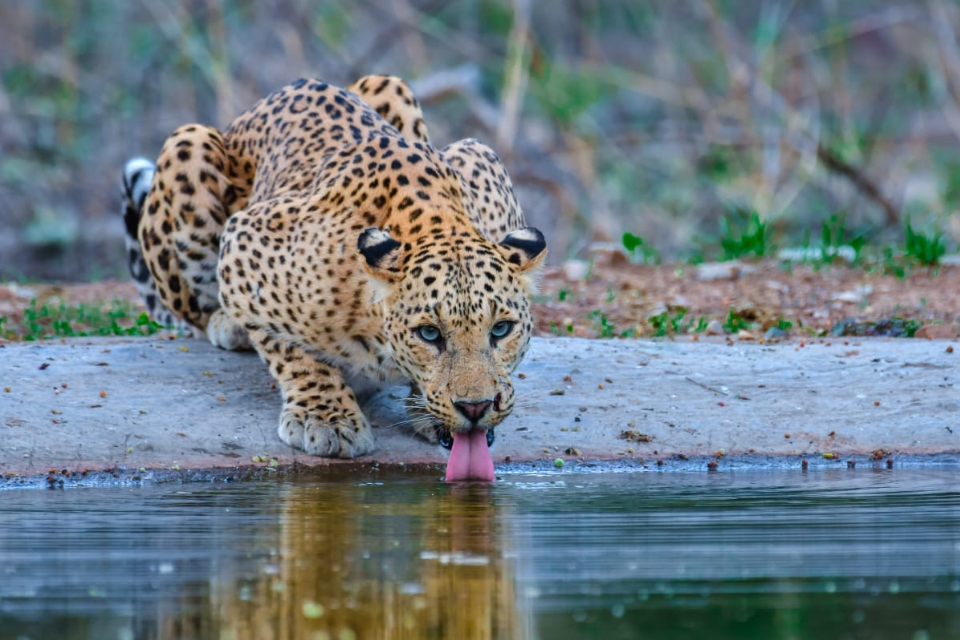
The thrill of spotting a leopard in the wild, just a few kilometers from the bustling streets of the Pink City, is an experience that draws thousands to the Jhalana Leopard Reserve. However, for a woman exploring the world on her own, the excitement is often accompanied by a crucial question: Is Jhalana safe for solo female travellers?
The short answer is a resounding yes. Jhalana is one of the most structured and well-monitored wildlife experiences in India. But as with any journey, success lies in the details. Whether you are navigating the technicalities of solo female travel in Jaipur or seeking broader women’s travel safety advice in Rajasthan, this guide provides the cultural context and practical insights you need for a secure and breathtaking safari.
Understanding the Jhalana Landscape: Safety by Design
Jhalana is not your typical remote jungle. Its unique location—tucked right into the urban fabric of Jaipur—gives it a “controlled” feel that many solo travellers find reassuring.
The Role of the Forest Department
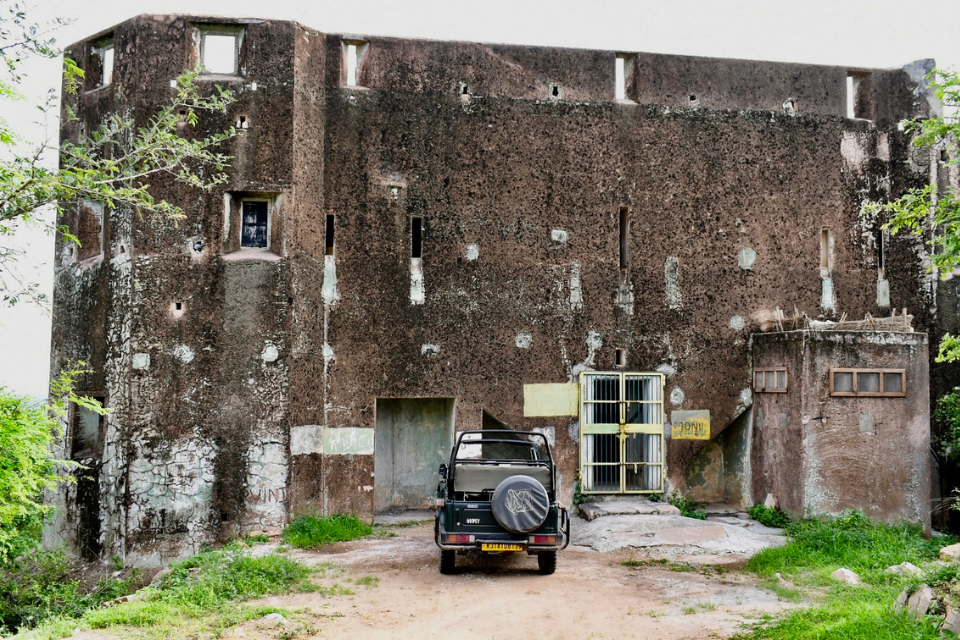
The reserve is strictly managed by the Rajasthan Forest Department. Every safari vehicle is registered, and every trip is accompanied by a certified naturalist guide and a driver. For a woman travelling alone, this means you are never truly “isolated” in the wild. The guides are not just experts in tracking paw prints; they are trained professionals responsible for your safety and etiquette within the park.
Proximity to the City
Unlike Ranthambore or Sariska, which require long drives into remote areas, Jhalana is accessible within 15–20 minutes from major hubs like C-Scheme or Malviya Nagar. This proximity ensures that you can enjoy a sunrise safari and be back in a crowded, safe cafe by mid-morning, making it a cornerstone of short trips in the region.
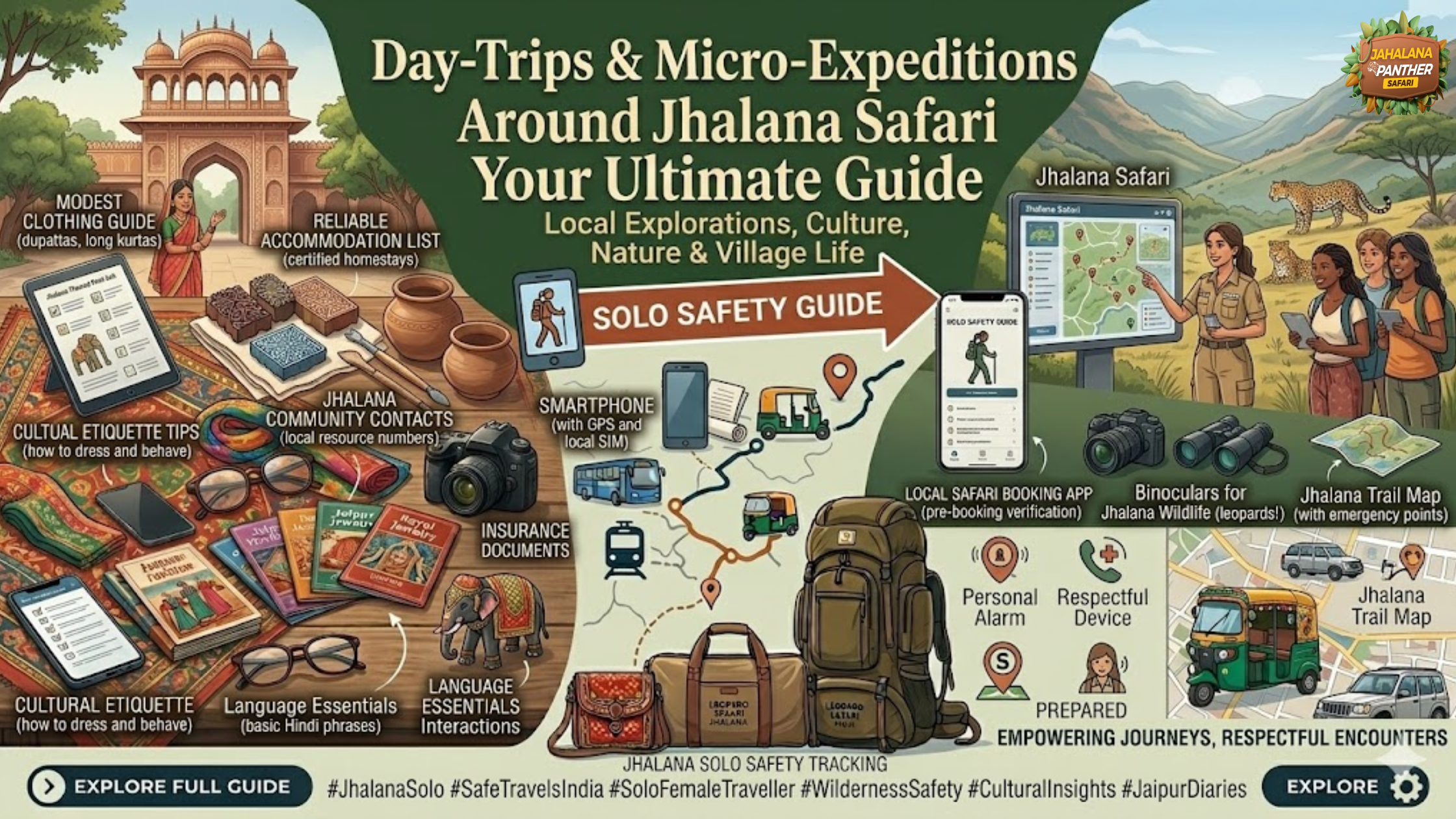
Practical Jhalana Safety Guide for Solo Women
To ensure your trip is as smooth as possible, follow these specific strategies designed for the solo adventurer. This Jhalana safety guide is built on the experiences of frequent travelers and local experts.
Booking Your Safari: Shared vs. Private
When booking through the official portal, you have two choices:
-
The Full Gypsy: You hire the entire 6-seater vehicle. This is great for privacy and photography, but more expensive.
-
Shared Seat: You pay for a single seat and share the Gypsy with other tourists. Safe Travel Tip: For solo females, a shared seat is often better. Being surrounded by other families or tourists adds an immediate layer of social safety and reduces the “lonely” factor in a wild environment.
Arrival and Departure
-
Pre-Booked Transport: Do not rely on finding an auto-rickshaw at the park gate at 6:00 AM. Use trusted app-based cabs (like Uber or Ola) or ask your hotel to arrange a drop-off and pick-up.
-
Daylight Advantage: Stick to the morning or afternoon slots. Jhalana timings are strictly regulated by sunset, so you will never be left in the dark inside the reserve.
Essential Women Travel Safety Rajasthan: The Cultural Context
Rajasthan is a land of deep traditions and hospitality (Atithi Devo Bhava), but it is also a place where cultural norms matter.
Dress Code and “Blending In”
In a wildlife setting, “modest” also means “functional.”
-
Attire: Opt for long trousers and breathable cotton shirts in earth tones (beige, olive, or brown). This respects local sensibilities while protecting you from the thorns of the scrub forest and the sun.
-
Avoid Bright Colors: While it might look great for Instagram, bright reds or whites can be distracting for wildlife and draw unnecessary attention in rural transit areas.
Interacting with Staff
The guides and drivers in Jaipur are generally very respectful. However, maintaining a professional and friendly boundary is key to solo female travel in Jaipur.
-
Tip: If you feel uncomfortable with a particular individual’s behavior, do not hesitate to report it to the Forest Range Officer at the gate immediately upon return.
Safety Tips India Travel: Your Universal Toolkit
While Jhalana is a safe pocket, your journey through Jaipur requires a few universal safety tips for India travel:
-
Offline Maps: Download the Jaipur map on Google Maps. Signal can be spotty near the Aravalli ridges.
-
Stay Connected: Always share your “Live Location” with a friend or family member before you enter the park.
-
Emergency Numbers: Keep the Rajasthan Women Helpline (1090) and the Tourist Police numbers saved in your favorites.
-
Trust Your Gut: If a driver or a situation feels “off,” cancel the ride or move to a crowded area. Your intuition is your best travel companion.
The Wildlife Experience: Respecting the Apex Predator
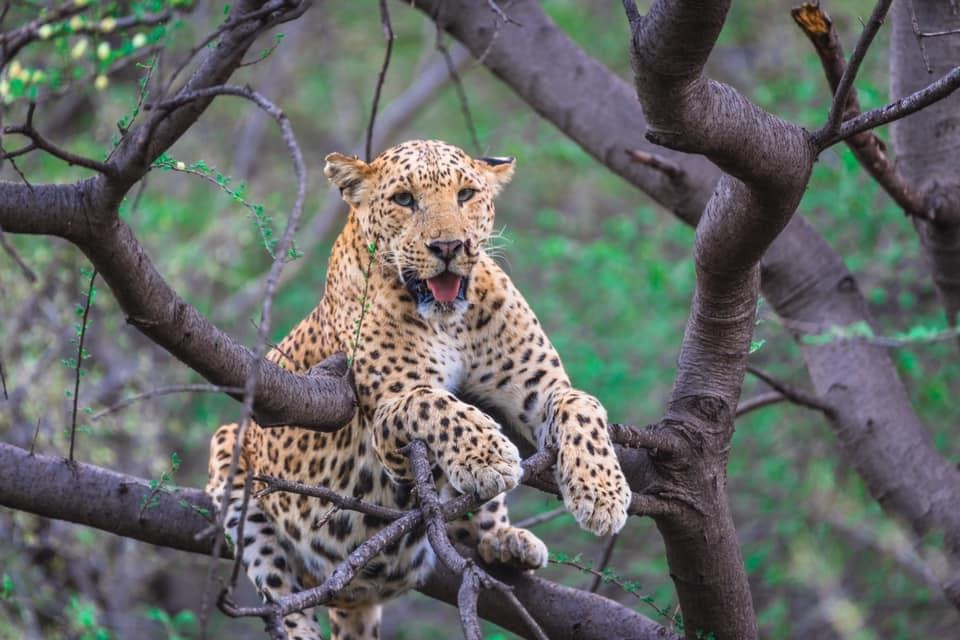
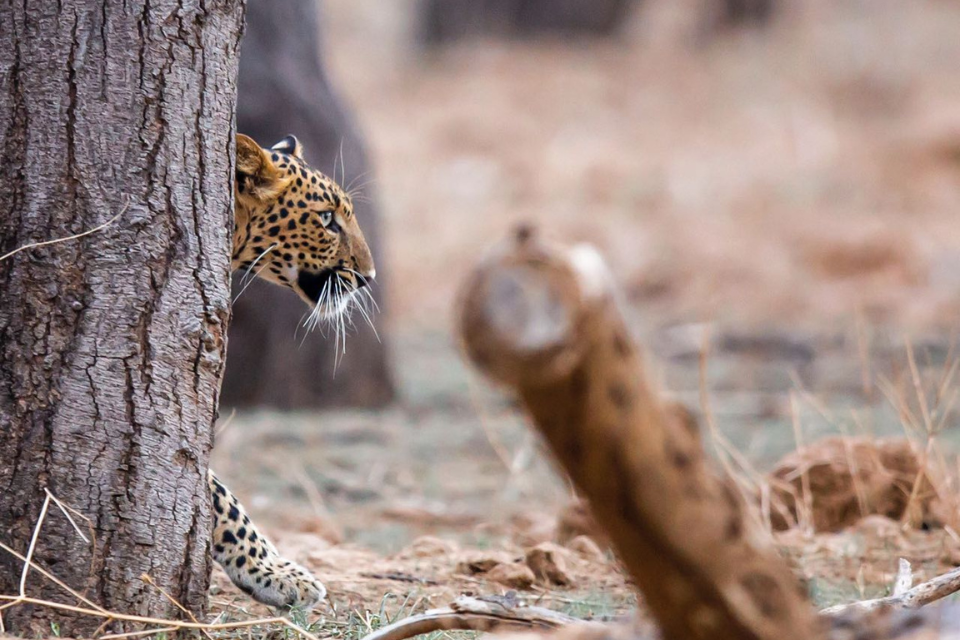
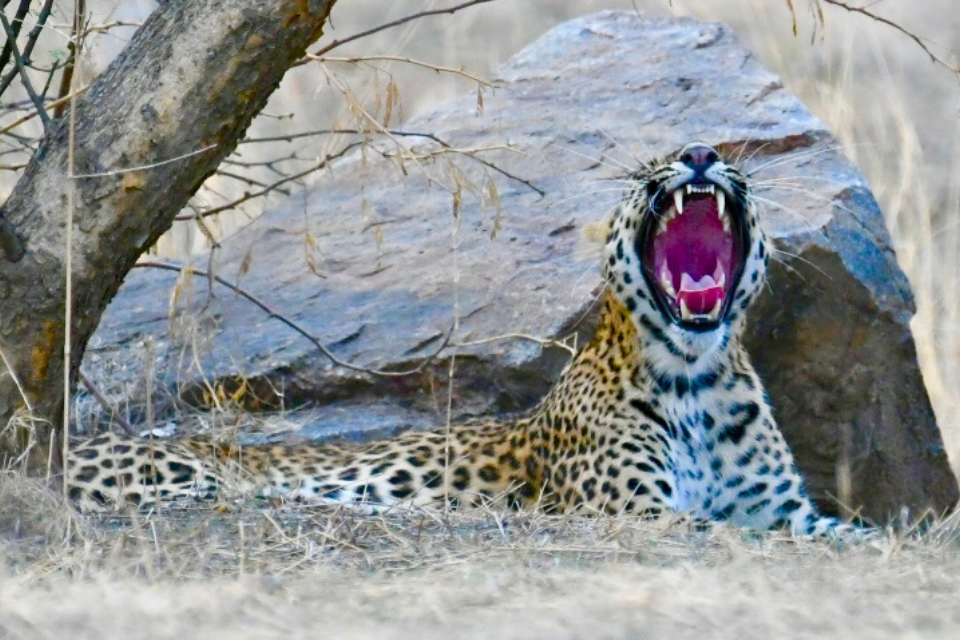
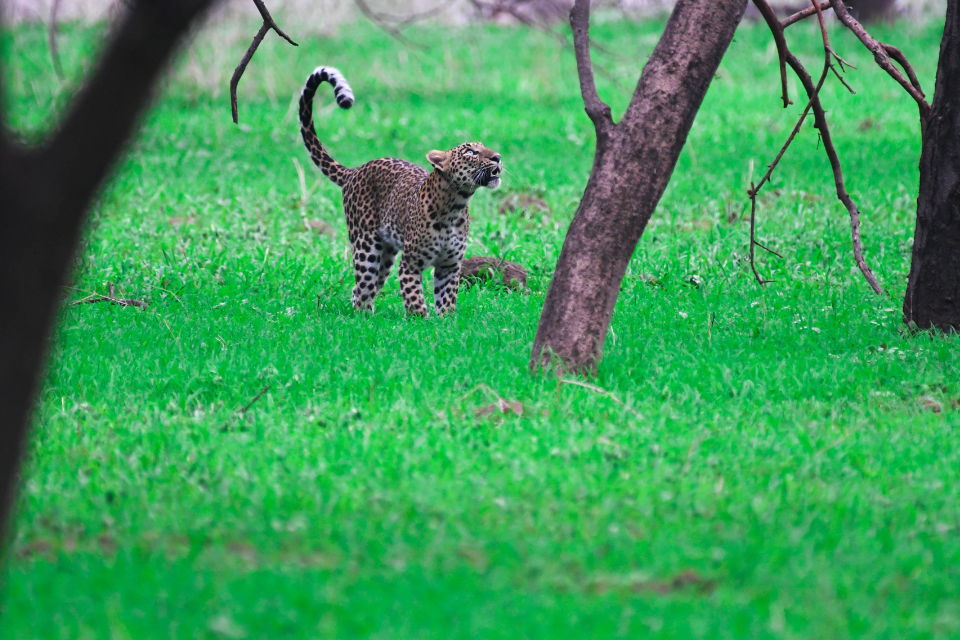
When you embark on a Jhalana Panther Safari, you are entering the home of one of nature’s most elusive cats. Safety here isn’t just about human interaction; it’s about respecting the animals.
-
Stay in the Vehicle: Never attempt to step out of the Gypsy unless your guide explicitly says it is a designated safe zone.
-
Silence is Key: High-pitched voices can startle animals or irritate other travelers. Keep your excitement contained to whispers.
-
No Flash Photography: This can blind the leopards temporarily and is strictly prohibited for the animal’s safety.
Beyond Jhalana: Exploring Jaipur Safely
If you have enjoyed your safari, you might consider other local excursions. Areas like the Aravalli hills offer hiking trails, but these should never be done solo. Always join a walking group or hire a certified local guide. For a different kind of animal interaction, many travelers visit the outskirts to see how elephants are cared for, but ensure you choose ethical, government-approved sites.
Frequently Asked Questions (FAQs)
Q1: Is it safe to do the evening safari alone?
A: Yes. The evening safari ends before it gets completely dark. As long as your transport back to the hotel is pre-arranged via a reputable app or hotel car, it is perfectly safe.
Q2: Will I be the only woman in the safari Gypsy?
A: Unlikely. Jhalana is very popular with families, couples, and photography groups. Even if you book a “shared seat,” you will almost always be with other travelers.
Q3: Are there toilets and facilities at Jhalana?
A: There are basic facilities at the entry gate. Once you are inside the reserve (a 2.5-hour drive), there are no restrooms. Plan accordingly before the gate opens.
Q4: Should I carry a lot of cash?
A: No. Pre-pay for your safari online. Carry only a small amount of cash for tips (usually ₹200–₹500 for the guide/driver) or small snacks at the gate.
Q5: Is the “buffer zone” safe for walking?
A: The buffer zones are near local residential areas. While safe during the day, solo women should avoid walking in these isolated forest-fringe areas alone after sunset or before dawn.
Q6: What if I feel sick during the safari?
A: Inform your guide immediately. They have wireless sets to communicate with the base and can exit the park quickly if there is a health emergency.
Q7: Is the mobile network strong inside Jhalana?
A: It is intermittent. You might get signal in high spots but lose it in the valleys. This is why having offline maps and pre-arranged transport is vital.
Conclusion: Empowerment Through Exploration
Jhalana Leopard Reserve is more than just a wildlife destination; it is a testament to how nature and urban life can coexist. For the solo woman traveler, it offers a rare opportunity to witness the “Apex Predator” of the Aravallis in a setting that feels secure, organized, and deeply rewarding.
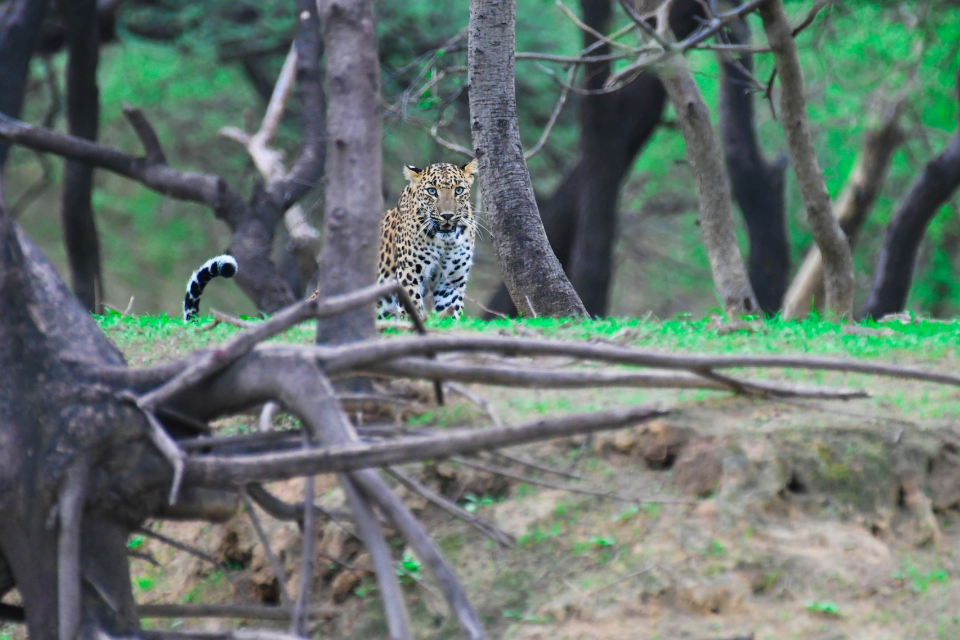
By following this guide and staying mindful of general women’s travel safety in Rajasthan, you can focus on what really matters: the silent grace of a leopard moving through the golden grass.