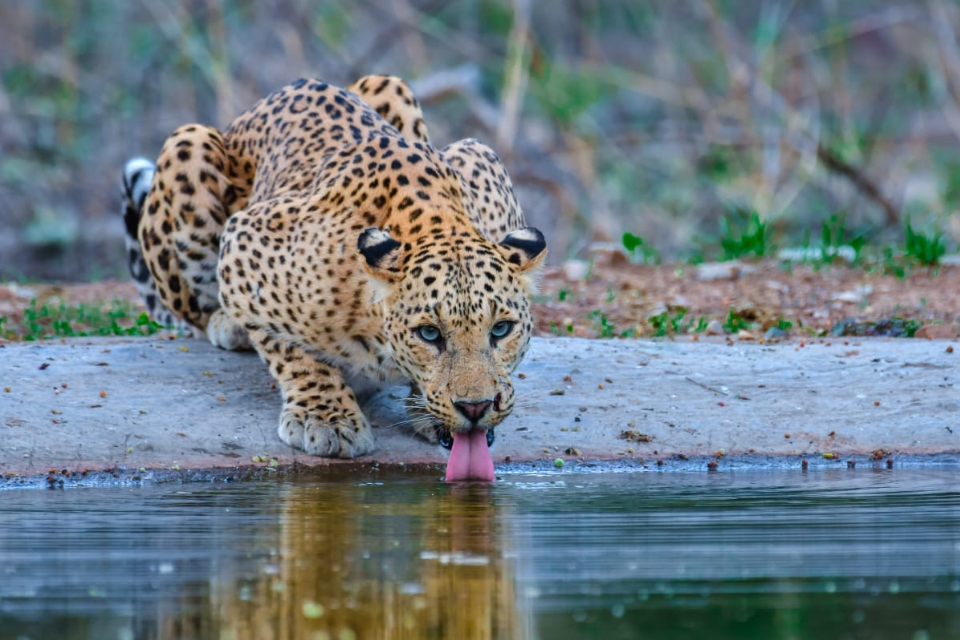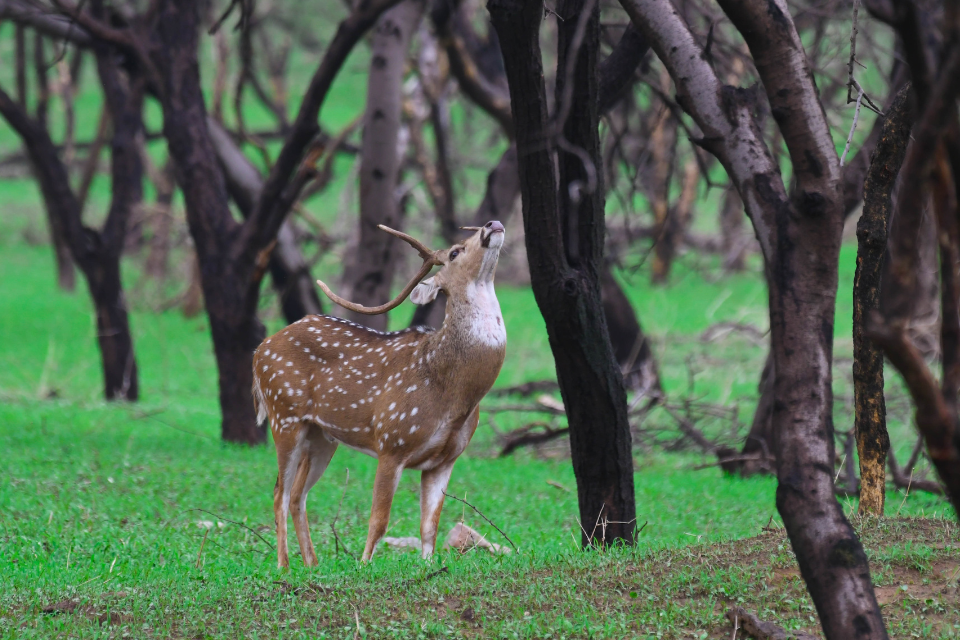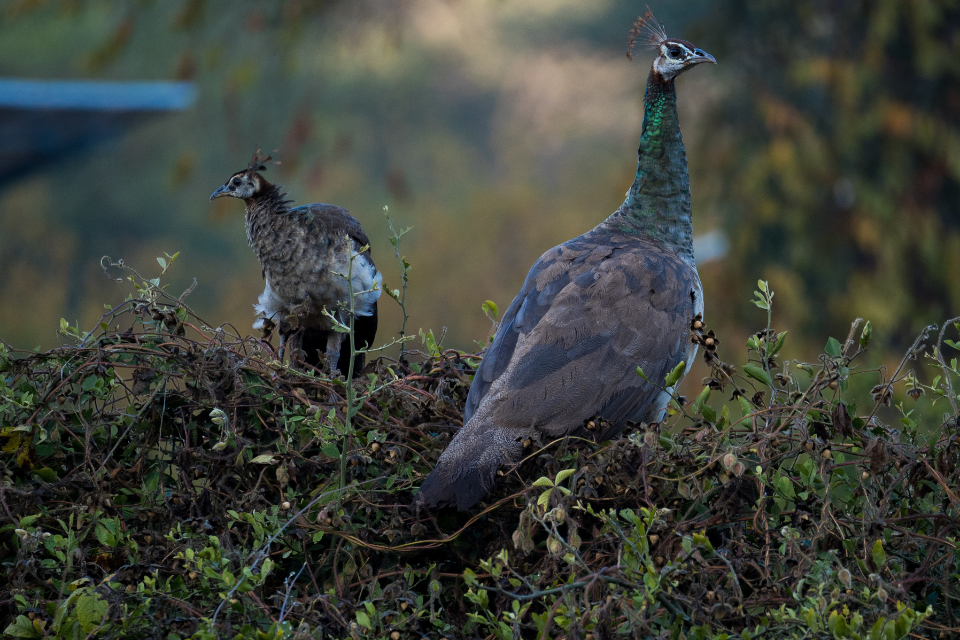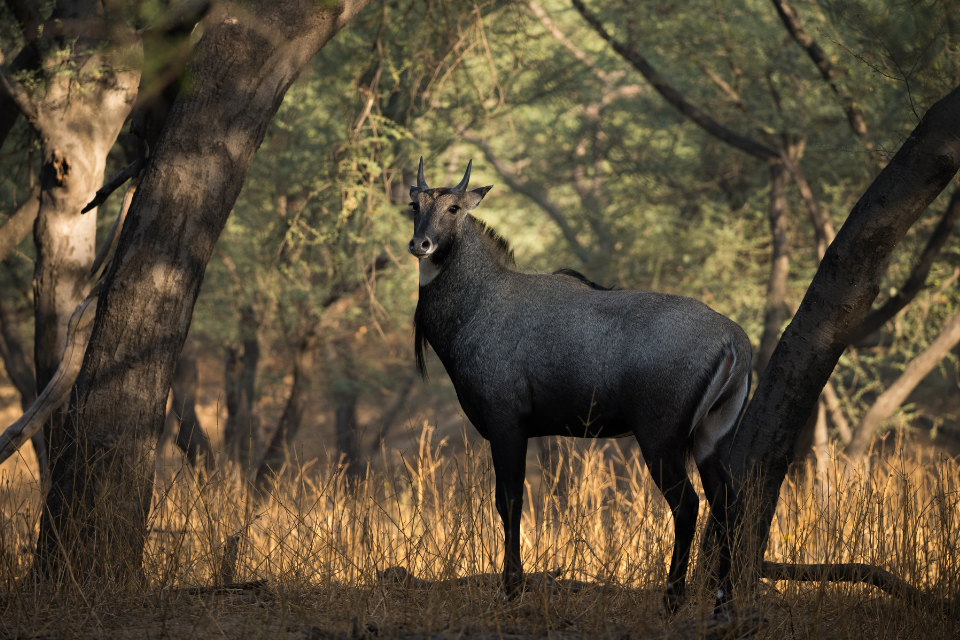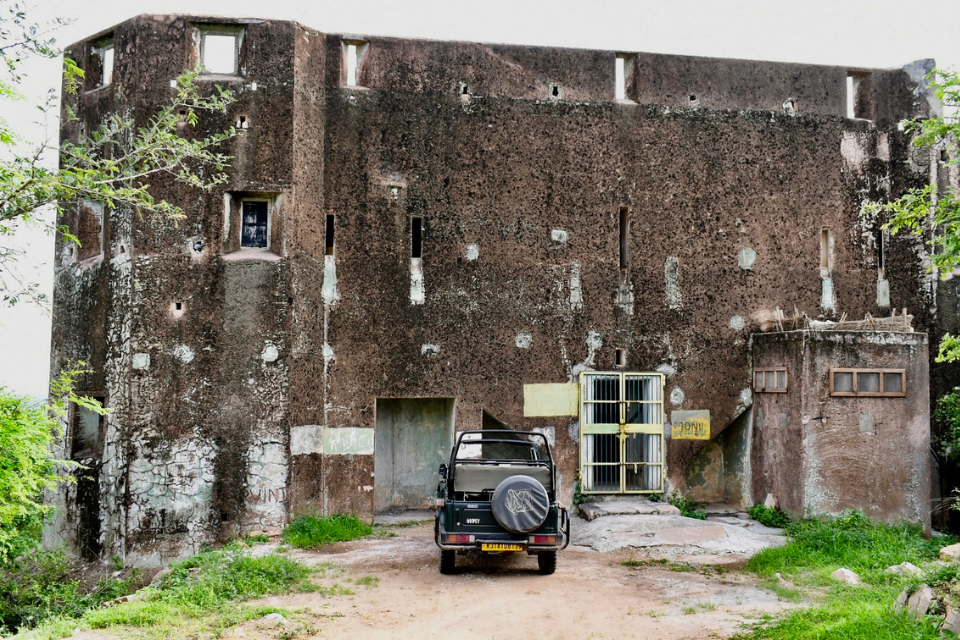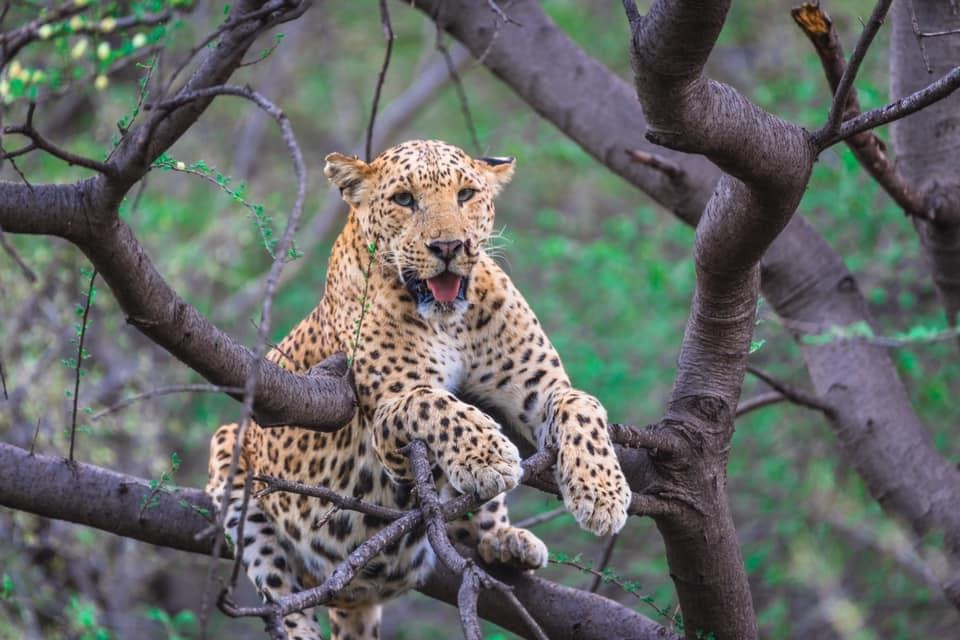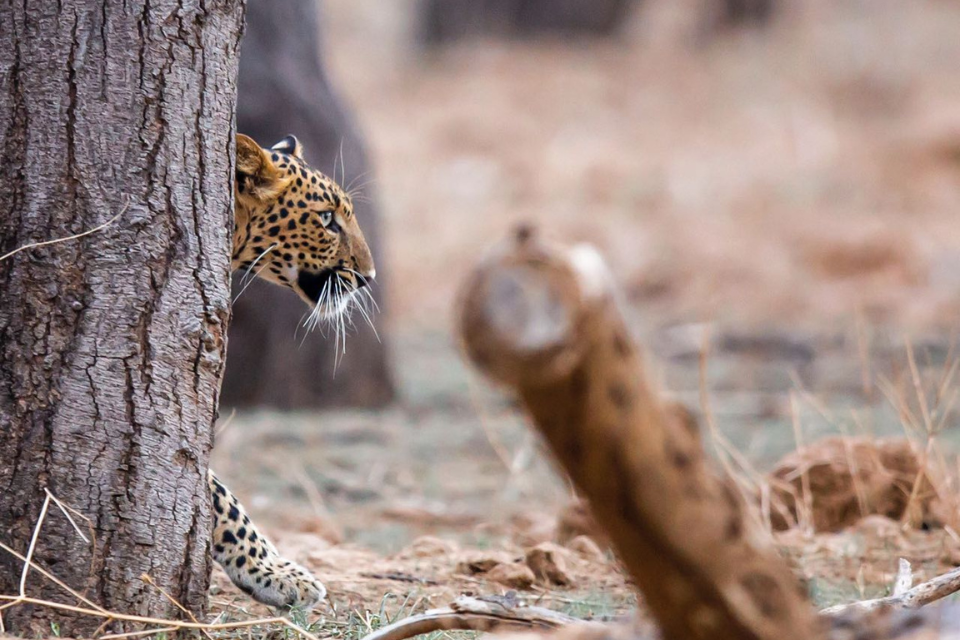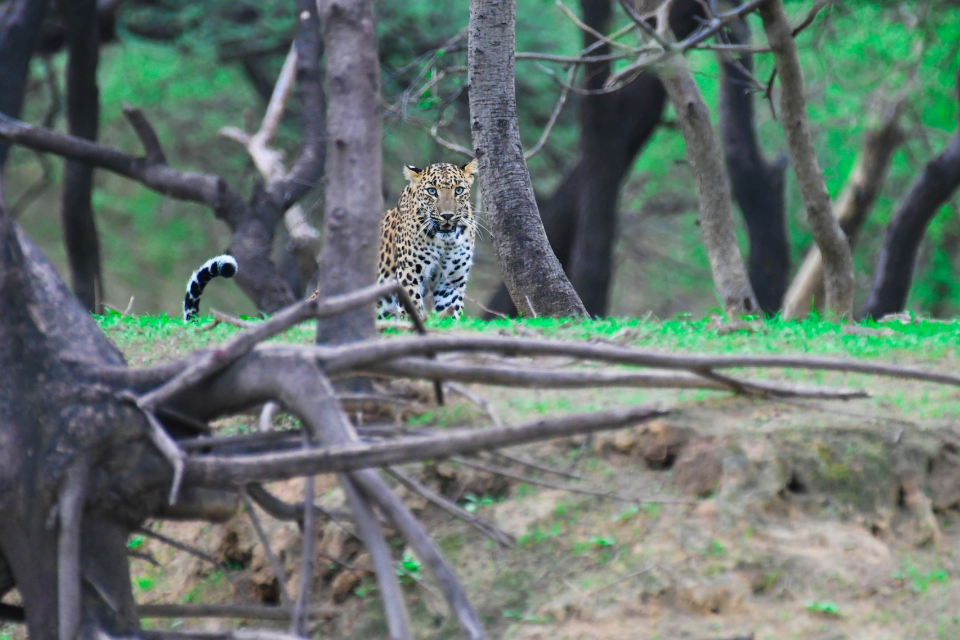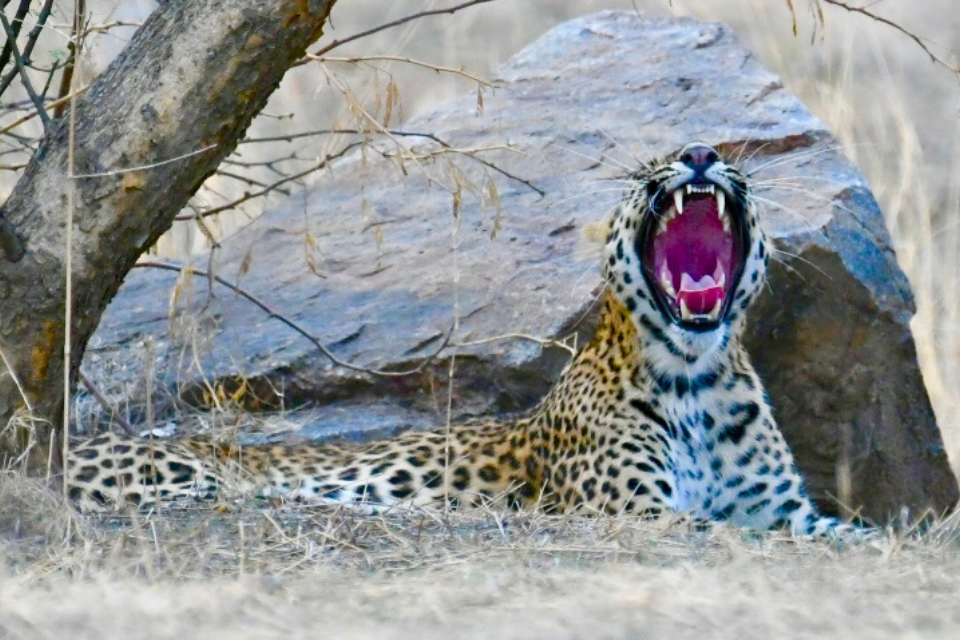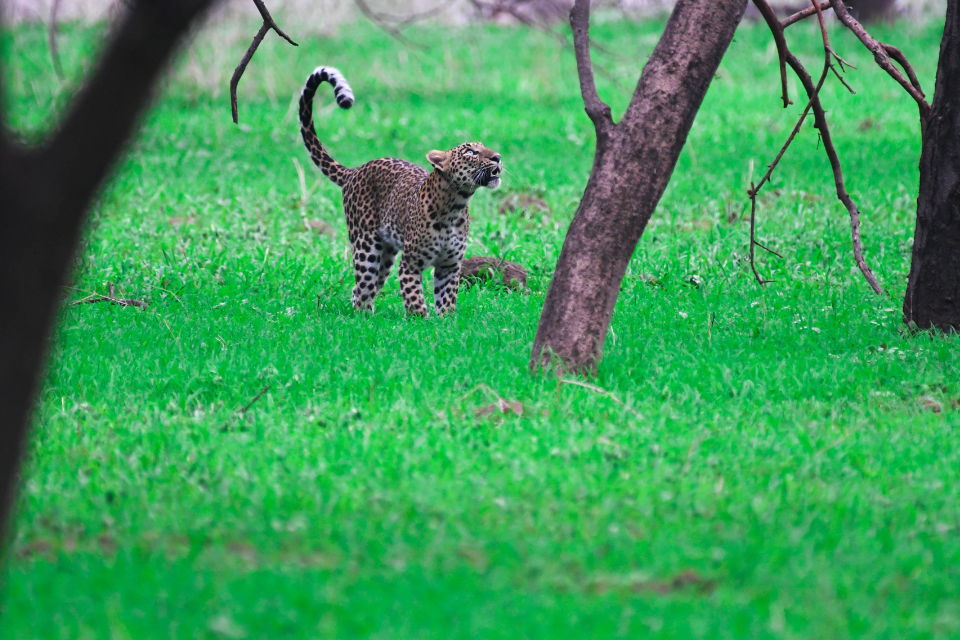
For decades, the “Pink City” was synonymous with the grandeur of the Hawa Mahal and the golden sandstone of Amer Fort. But in 2026, a new shadow moves across the Aravalli hills—not of a king, but of a predator. Jaipur has rapidly emerged as a global hub for city wildlife tourism, where the elusive Indian leopard thrives just minutes away from metropolitan high-rises.
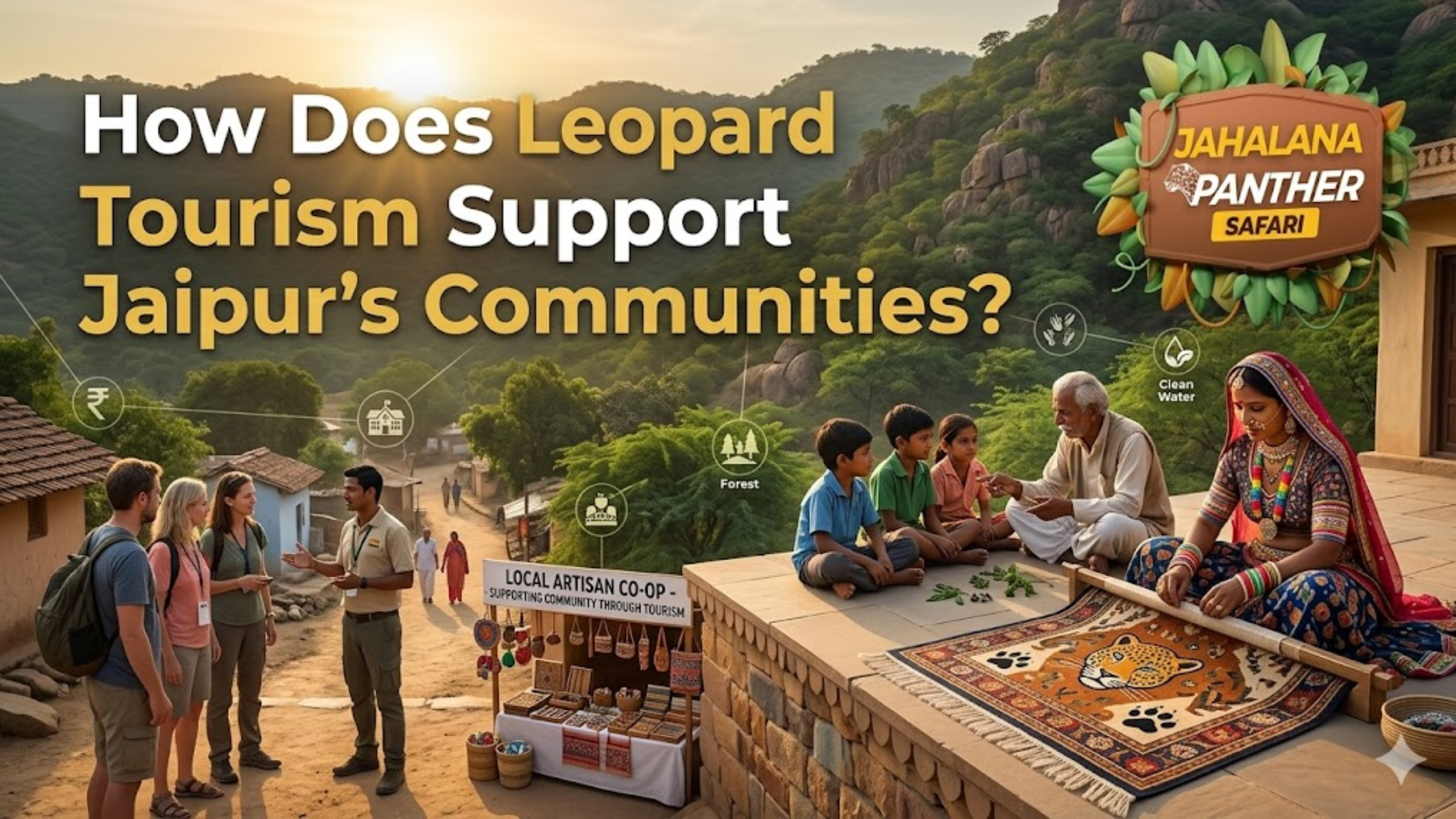
However, the true success story of the Jhalana and Amagarh Leopard Reserves isn’t just about the rising number of big cats. It’s about the people. From the nomadic Pardhi trackers to the rural women of Beed Papad, leopard tourism is rewriting the socio-economic fabric of Rajasthan. This post explores how leopard conservation Rajasthan has become a powerful engine for community tourism Jaipur, proving that protecting a predator can actually provide for a village.
Beyond the Binoculars: Wildlife Tourism Benefits India
In a developing economy, conservation cannot exist in a vacuum. For a forest to survive, the people living on its fringes must see it as an asset, not a threat. In Jaipur, the shift from “conflict” to “coexistence” is driven by tangible wildlife tourism benefits India.
- Direct Revenue: In 2025 alone, the Jaipur Forest Department earned over ₹5.6 crore in revenue from wildlife tourism. A significant portion of these funds is channeled back into habitat restoration and village development.
- Diversification of Income: Traditionally, communities around Jhalana relied on seasonal labor or livestock grazing. Today, the “Leopard Economy” provides year-round stability through safari operations.
- Infrastructure Growth: Eco-tourism funds often support the cleaning of heritage sites (like the Amagarh Fort), installation of solar lights in peripheral villages, and improved road connectivity.
The Rise of Community Tourism Jaipur: Who Benefits?
The eco tourism impact is most visible in the lives of the local youth and women who have transitioned from forest-dependent livelihoods to conservation leaders.
The New Guardians: Drivers and Guides
Every safari vehicle in Jhalana and Amagarh is operated by a local. These drivers and naturalists aren’t just employees; they are “Wildlife Ambassadors.”
- Training Programs: The Forest Department and NGOs conduct rigorous workshops on leopard behavior, bird calls, and tourist etiquette.
- Certified Expertise: Many youth from nearby settlements like Malviya Nagar and Kanota are now certified eco-guides, earning a dignified living while sharing their ancestral knowledge of the Aravallis.
Women in Conservation: A 2026 Milestone
One of the most inspiring shifts in community tourism Jaipur is the active participation of women.
- Eco-Volunteers: Women from rural clusters are now being trained as ticketing agents, eco-store operators, and even nature guides in the newly opened Beed Papad zone.
- Financial Independence: By managing souvenir shops that sell handmade, eco-friendly crafts, these women are achieving financial autonomy that was previously unimaginable.
Leopard Conservation Rajasthan: A Model of Coexistence
How do you convince a farmer to protect an animal that might prey on his goat? Through a delicate balance of culture and compensation.
- Cultural Reverence: In Rajasthan, elephants and leopards have long held a “mythical” status. Tourism taps into this cultural pride, rebranding the leopard as the “Pride of Jaipur” rather than a “pest.”
- The “Ganesha Test” for Ethics: As mentioned in local lore, treating an animal as a Jiva (soul) rather than a commodity is central to the Rajasthani spirit. Tourism provides the economic justification for this spiritual belief.
- Reduced Conflict: With better monitoring (GPS and camera traps) funded by tourism, the Forest Department can track leopard movement in real-time, alerting villagers and reducing human-wildlife encounters.
Practical Tips for the Responsible Traveler
Your visit can either disrupt an ecosystem or sustain it. Here is how you can ensure your eco tourism impact is positive:
- Book Verified: Always book through official portals like jhalanapanthersafari. This ensures your money goes to the government and local co-operatives, not middlemen.
- Buy Local: Skip the mall. Buy your souvenirs from the eco-stores at the park gates. These products are often made by local self-help groups.
- Respect the Silence: Leopards are sensitive. By following the “no-noise” rule, you ensure the animals don’t get stressed, which keeps them—and the local guides—safe.
- Stay in Homestays: Consider staying in peripheral guesthouses. This directly puts money into the hands of a Jaipur family.
Comparing the Impact: Then vs. Now
| Feature | Before Leopard Tourism (Pre-2017) | Current Status (2026) |
| Primary Livelihood | Unregulated grazing/Daily labor | Certified Guides/Safari Operators |
| View of Leopards | Threat to livestock | Symbol of pride and income |
| Forest Health | Encroachment/Invasive species | Restored grasslands/Protected walls |
| Local Revenue | Negligible | Over ₹5 Crore annually |
Frequently Asked Questions (FAQs)
1. Does the money from my ticket really help the locals?
Yes. A significant portion of the entry and vehicle fees goes into the Tiger/Leopard Conservation Foundation, which funds local employment, forest guard salaries, and village development projects.
2. Is leopard tourism safe for the villagers living nearby?
Actually, tourism has made it safer. The revenue has funded the construction of 30km+ boundary walls and high-tech monitoring, which significantly reduces the chances of leopards straying into human settlements.
3. Can I meet the local communities during my safari?
While safaris stay on forest tracks, many tours offer “Village Visits” to nearby settlements. This is a great way to see how the Rabari or Meena communities live in harmony with the wild.
4. Are there jobs for women in the safari parks?
Absolutely. Since 2024, there has been a major push for women in eco-tourism. You will find women working as naturalists, ticketing staff, and managing eco-friendly souvenir shops.
5. What is “Sattvic” tourism?
It is a concept gaining ground in Jaipur where the focus is on “Pure” and “Non-violent” travel. This means choosing experiences that do not harm animals (like no-riding) and eating locally sourced, vegetarian food.
6. How has tourism affected leopard behavior?
While leopards have become “habituated” (used to) vehicles, the Forest Department strictly regulates the number of jeeps to prevent “over-tourism.” This ensures the leopards maintain their natural hunting and breeding cycles.
7. Why is Jhalana called a “Conservation Reserve” and not a National Park?
A Conservation Reserve allows for a higher degree of community participation. It acts as a buffer zone where the rights of local people and the needs of wildlife are balanced through collaborative management.
8. How can I contribute beyond buying a ticket?
You can support NGOs like the Wildlife Conservation Trust or local Jaipur groups that provide training to Mahouts and Pardhi trackers. Buying locally-made handicrafts is also a direct way to help.
Conclusion: A Shared Future
The story of leopard tourism in Jaipur is a testament to the fact that conservation is a human endeavor. When we protect the “Ghost of the Aravallis,” we aren’t just saving a species; we are empowering a guide, educating a child, and providing a mother with a sustainable livelihood.
In 2026, leopard conservation Rajasthan stands as a global example: when the community wins, the wildlife wins. The next time you see a leopard through your camera lens, remember that the person behind the steering wheel is the reason that leopard is still there.