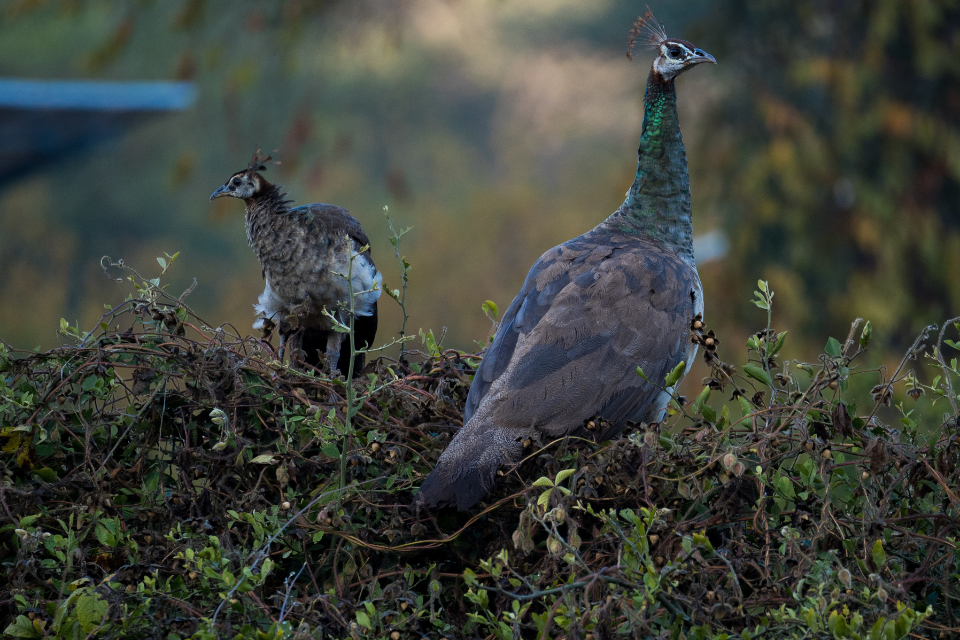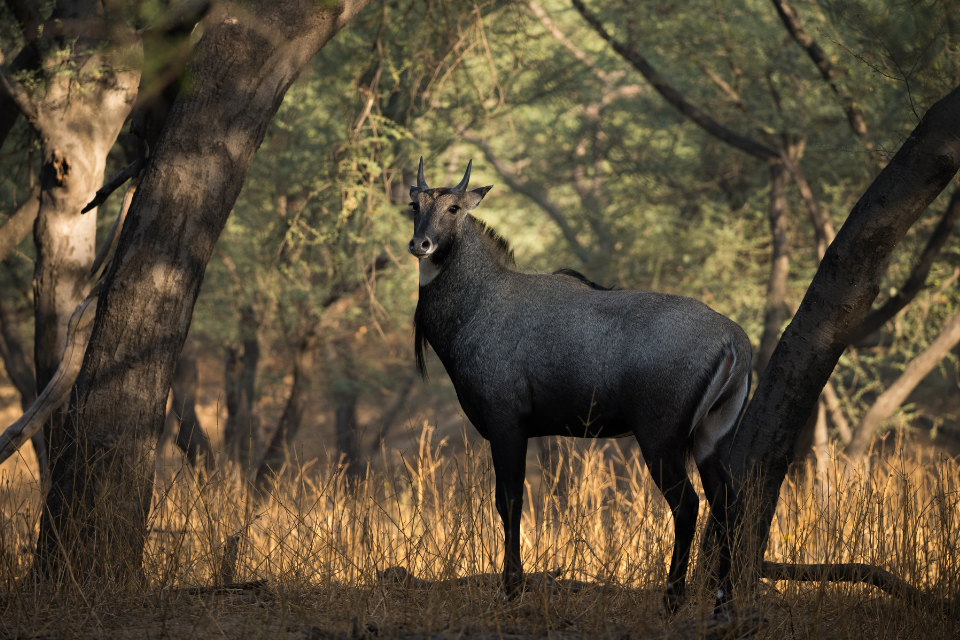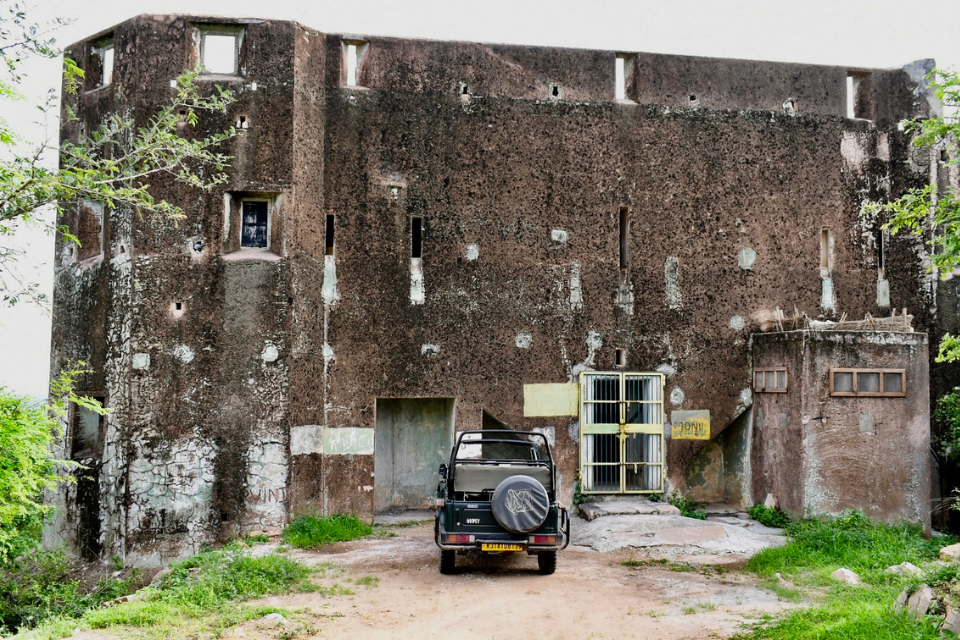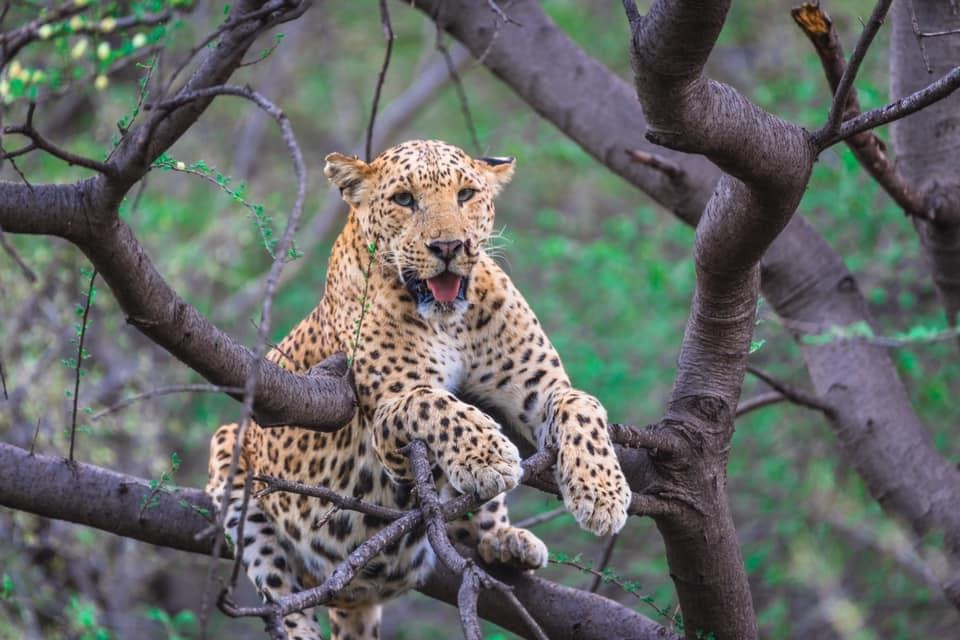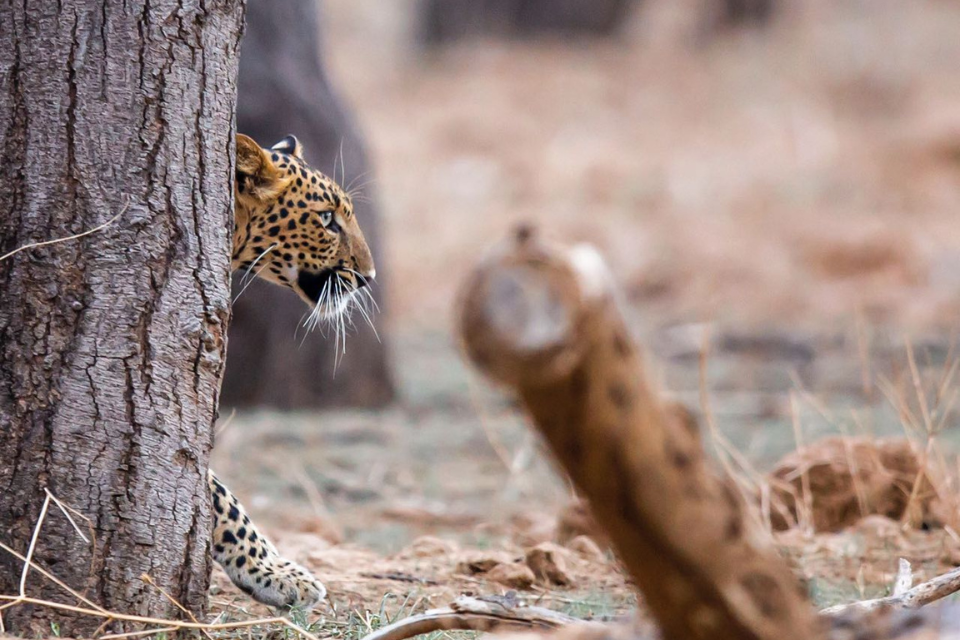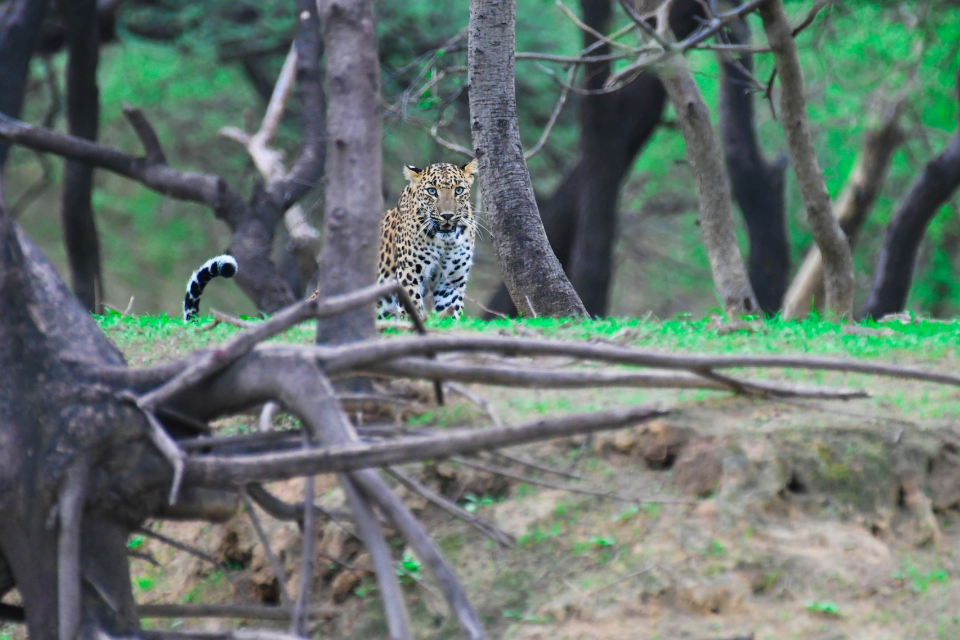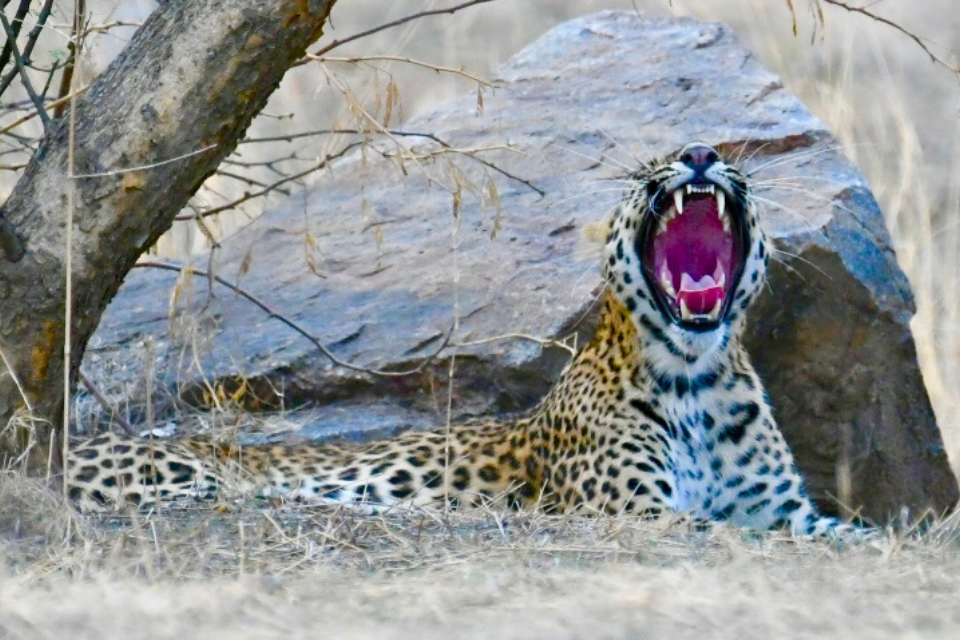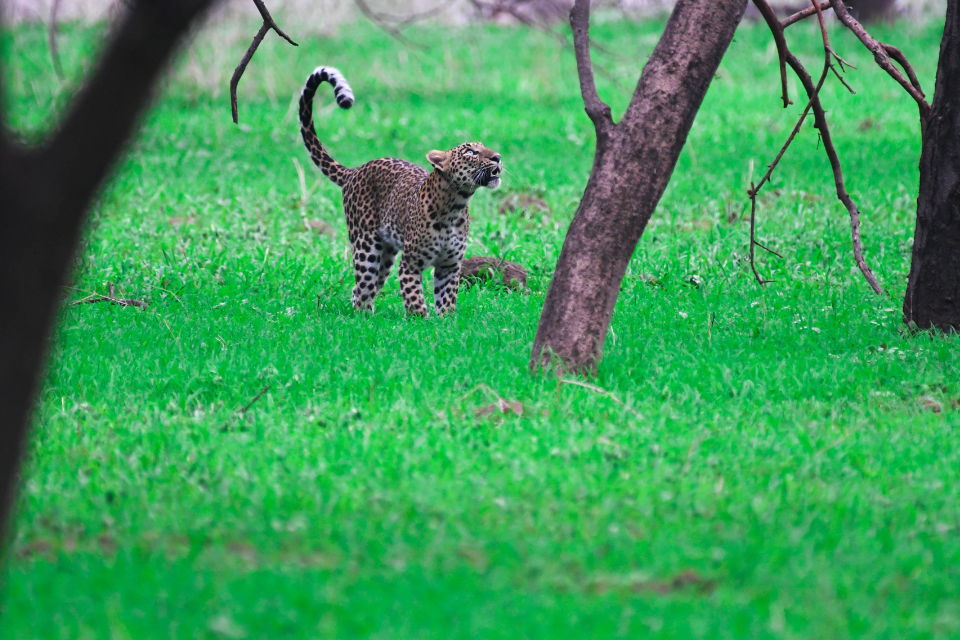
Jaipur, famously known as the Pink City, has officially claimed a new global title in 2026: the Leopard Capital of the World. While other metropolises struggle with urban encroachment, Jaipur has turned its rugged Aravalli backyard into a wildlife miracle. It is now the only city on the planet to host three distinct, thriving leopard reserves within its municipal limits.
If you’re planning a trip to Rajasthan, you no longer have to drive five hours to Ranthambore to see a big cat. However, with three options on the table, a new dilemma arises. Should you head to the legendary Jhalana, the scenic Amagarh, or the newly minted Beed Papad?
In this ultimate Jaipur leopard safari comparison, we dive into the terrain, the sighting probabilities, and the unique “soul” of each park to help you discover the best safari Jaipur has for your wild heart.
Jhalana Leopard Reserve: The “Heavyweight” Champion
While many call it Jhalana, the official Jhalana Panther Safari experience is what truly transformed Jaipur into a wildlife hotspot, proving that big cats can thrive right next to a bustling city.
- The Vibe: Efficient, high-octane, and “predictable.” Jhalana is often called the “Disneyland” of leopard safaris because the cats here are incredibly habituated to Jeeps.
- The Terrain: A relatively flat valley “bowl” filled with dry deciduous scrub. This lack of verticality makes spotting a leopard much easier than in the hills.
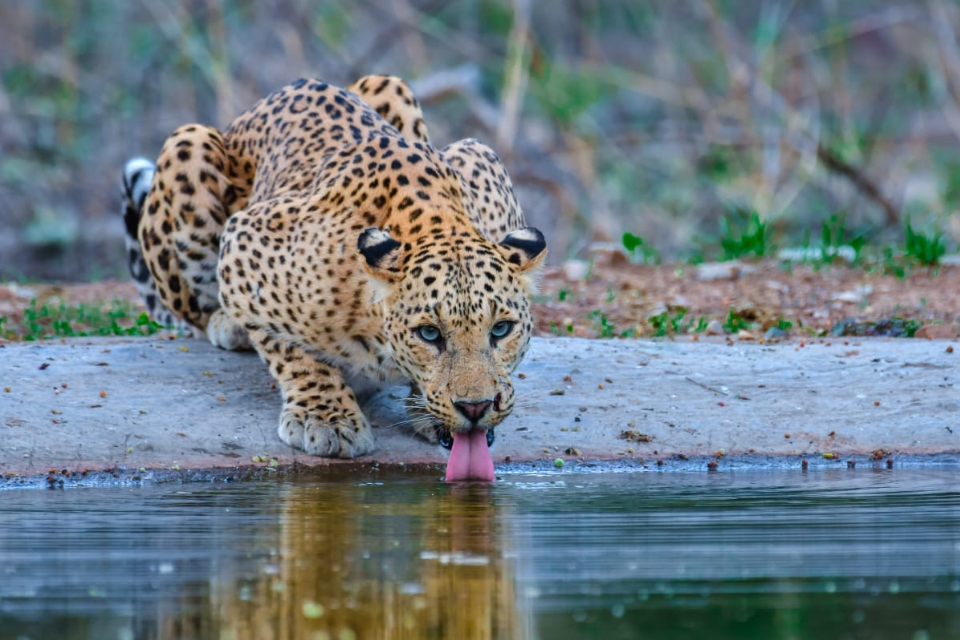
- Sighting Odds: 90%+. With over 40 leopards in just 20 square kilometers, Jhalana offers the highest leopard density in the world.
Why it might be the Best Safari Jaipur offers you:
- For Families: Kids have short attention spans. Jhalana delivers sightings fast, often within the first 30 minutes.
- For Close-ups: Leopards here like Flora and Rana are so comfortable they might walk right past your Gypsy, offering world-class portrait opportunities.
Amagarh Leopard Reserve: The “Artist’s” Choice
When you weigh Jhalana vs Amagarh safari, you are choosing between “quantity” and “quality.” Opened in 2022, Amagarh (located near the Galta Ji Temple) is widely considered the most beautiful of the three.
- The Vibe: Dramatic, vertical, and historic. Amagarh is quieter than Jhalana and feels much more like a traditional wilderness trek.
- The Terrain: Elevated Aravalli ridges and deep valleys. It offers a “mountain safari” feel where you look up at leopards perched on rocky outcrops.
- Sighting Odds: 70–80%. There are roughly 20 leopards here, and while they are plentiful, the hilly terrain requires a bit more patience to spot them.
Why it might be the Best Safari Jaipur offers you:
- The “Fort Frame”: Amagarh is the only place where you can photograph a wild leopard with the 18th-century Amagarh Fort or the sun-drenched Galta Temple in the background.
- Sunset Lovers: The views of the city skyline from the Amagarh ridges during an evening safari are unmatched.
Beed Papad Leopard Safari: The “Explorer’s” Frontier
Inaugurated on June 5, 2025, the Beed Papad leopard safari (also known as the Maila Bagh safari) is the newest addition to the circuit. Nestled within the northern reaches of the Nahargarh Wildlife Sanctuary, it offers a raw, untouched experience.
- The Vibe: Silent, rugged, and authentic. Because it is the newest, the leopards here are still “wild”—they are less used to vehicles, which adds a genuine thrill to the tracking process.
- The Terrain: A fascinating mix of dense juliflora forest, rocky hills, and—uniquely—rolling semi-desert sand dunes.
- Sighting Odds: 50–60%. There are about 15–20 leopards reported here, but you’ll have to work harder (and listen for alarm calls) to find them.
Why it might be the Best Safari Jaipur offers you:
- Solitude: If you hate “Jeep traffic jams,” Beed Papad is your sanctuary. Fewer permits are released, meaning you might be the only vehicle at a sighting.
- The Desert Edge: It is the only safari in Jaipur where you can experience both a jungle and a desert landscape in one 2.5-hour loop.
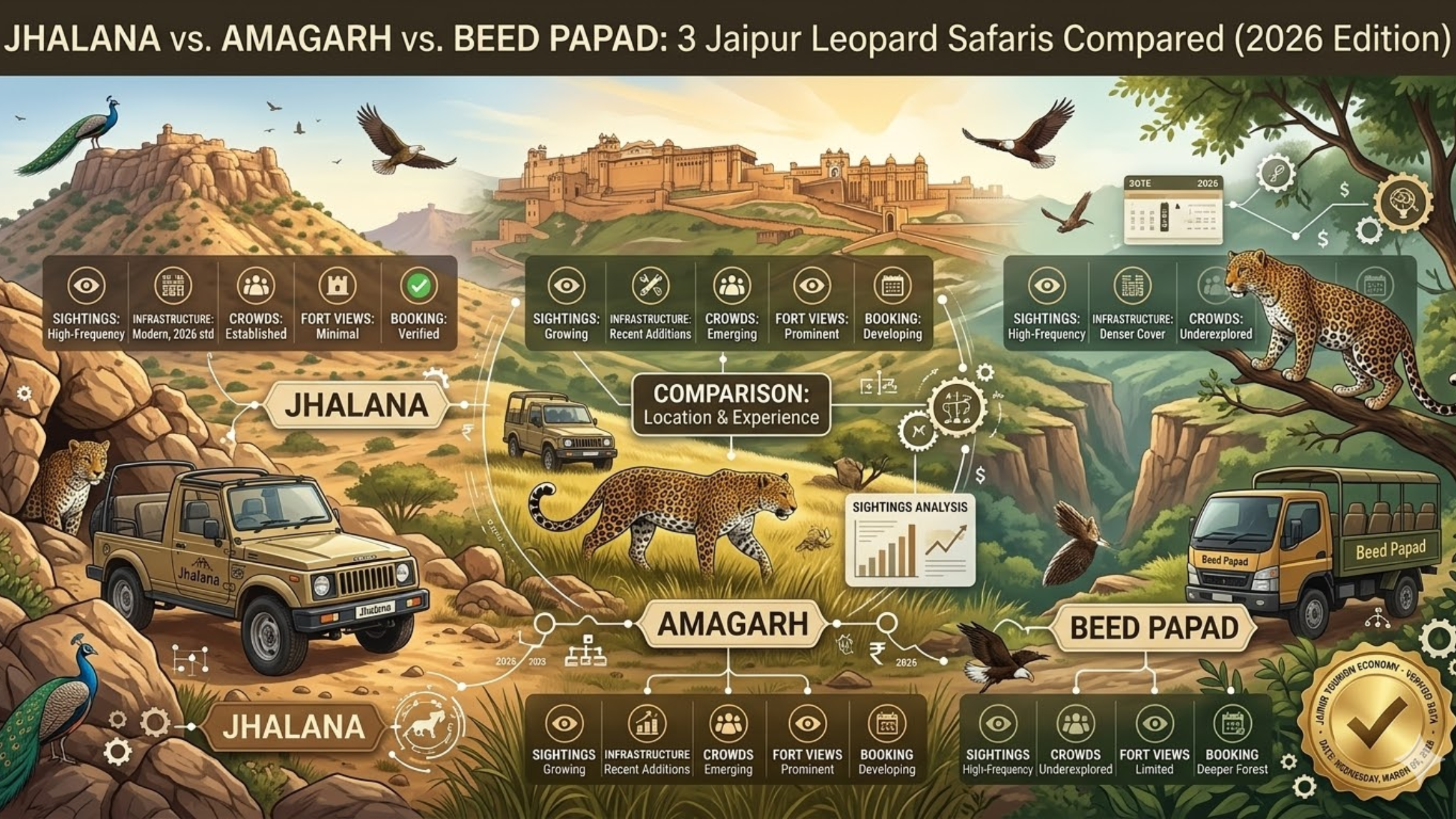
The 2026 Comparison Matrix: At a Glance
| Feature | Jhalana | Amagarh | Beed Papad |
| Primary Draw | Highest Sighting Probability | Stunning Scenery & Heritage | Solitude & Raw Adventure |
| Leopard Density | 40+ (Very High) | 20+ (High) | 15–19 (Moderate) |
| Crowd Level | High (Busy) | Medium | Very Low (Quiet) |
| Photography | Face-to-Face Portraits | Landscapes with Forts | Habitat & Action Shots |
| Location | Near Airport / Malviya Nagar | Near Galta Ji / Agra Road | Near Vidhyadhar Nagar |
| 2026 Price (Est.) | ₹1,200 (Share) / ₹7,000 (Private) | ₹1,350 (Share) / ₹7,000 (Private) | ₹1,200 (Share) / ₹7,000 (Private) |
Practical Survival Tips for Your Safari
To make the most of your Jaipur leopard safari comparison trip, keep these logistics in mind:
- Booking: All three must be booked via the official Rajasthan Forest Department SSO portal. In 2026, slots for Jhalana often sell out 15 days in advance, so plan early!
- The “Double Shift” Strategy: Many pro-travelers now book Jhalana for the morning (to guarantee a sighting) and Amagarh for the evening (to get those sunset-over-fort photos).
- Dress Code: Avoid bright whites or neons. Wear forest-friendly tones like olive, khaki, or navy blue to blend into the scrubland.
- Equipment: A 70–200mm lens is perfect for Jhalana’s close-ups, but bring a 400mm+ for Amagarh and Beed Papad to capture leopards on the distant ridges.
The Verdict: Which One Should You Book?
Choosing the best safari Jaipur offers depends entirely on your personality:
- The “I Just Want to See a Leopard” Traveler: Choose Jhalana. It is the most reliable “sighting machine” in India.
- The Instagrammer / Landscape Photographer: Choose Amagarh. The heritage backdrops and ridge-line views are a photographer’s dream.
- The Serious Wildlife Purist: Choose Beed Papad. The thrill of actual tracking and the absence of other tourists make it the most “authentic” jungle experience.
Frequently Asked Questions
Q 1: Which is the best safari Jaipur has for guaranteed leopard sightings?
Jhalana Panther Safari is the most reliable option with a sighting probability of over 90%. Because the leopards here are well-habituated to vehicles, it is considered the “Heavyweight Champion” for quick and close-up sightings.
Q 2: What is the main difference between Jhalana and Amagarh safaris?
The main difference lies in the terrain and the “vibe.” Jhalana is a flat valley with high leopard density (best for portraits), while Amagarh offers elevated Aravalli ridges with stunning views of the city and historic forts (best for landscape photography).
Q 3: Is the new Beed Papad Leopard Safari worth visiting in 2026?
Yes, especially if you prefer solitude. Beed Papad (Maila Bagh) is the newest frontier with fewer crowds. It offers a raw, authentic tracking experience across unique landscapes like rocky hills and semi-desert sand dunes.
Q 4: How can I book a leopard safari in Jaipur?
All three safaris—Jhalana, Amagarh, and Beed Papad—must be booked through the official Rajasthan Forest Department SSO portal. It is highly recommended to book at least 15 days in advance during the peak season of 2026.
Q 5: Can I visit all three leopard reserves in one trip?
Absolutely. Many wildlife enthusiasts now follow the “Jaipur Leopard Circuit,” booking a morning shift at Jhalana for a guaranteed sighting and an evening shift at Amagarh for the sunset views. Beed Papad can be covered on the second day for a rugged experience.
Q 6: What is the best time of year for a Jaipur leopard safari?
The ideal time is from October to March when the weather is pleasant. However, unlike many tiger reserves, Jaipur’s leopard safaris stay open throughout the year, including the monsoon season.
Q 7: What should I wear for a leopard safari in Jaipur?
Answer: You should wear earthy or neutral tones like khaki, olive green, or brown to blend into the scrubland. Avoid bright neon colors or whites, as they can startle the animals and attract unwanted attention from insects.
Conclusion: A City Like No Other
Whether you choose the legendary trails of Jhalana, the majestic cliffs of Amagarh, or the quiet dunes of Beed Papad, you are witnessing one of the world’s greatest conservation success stories. Jaipur has proven that humans and big cats can coexist, creating a “Leopard Circuit” that is now a mandatory stop for any global traveler.