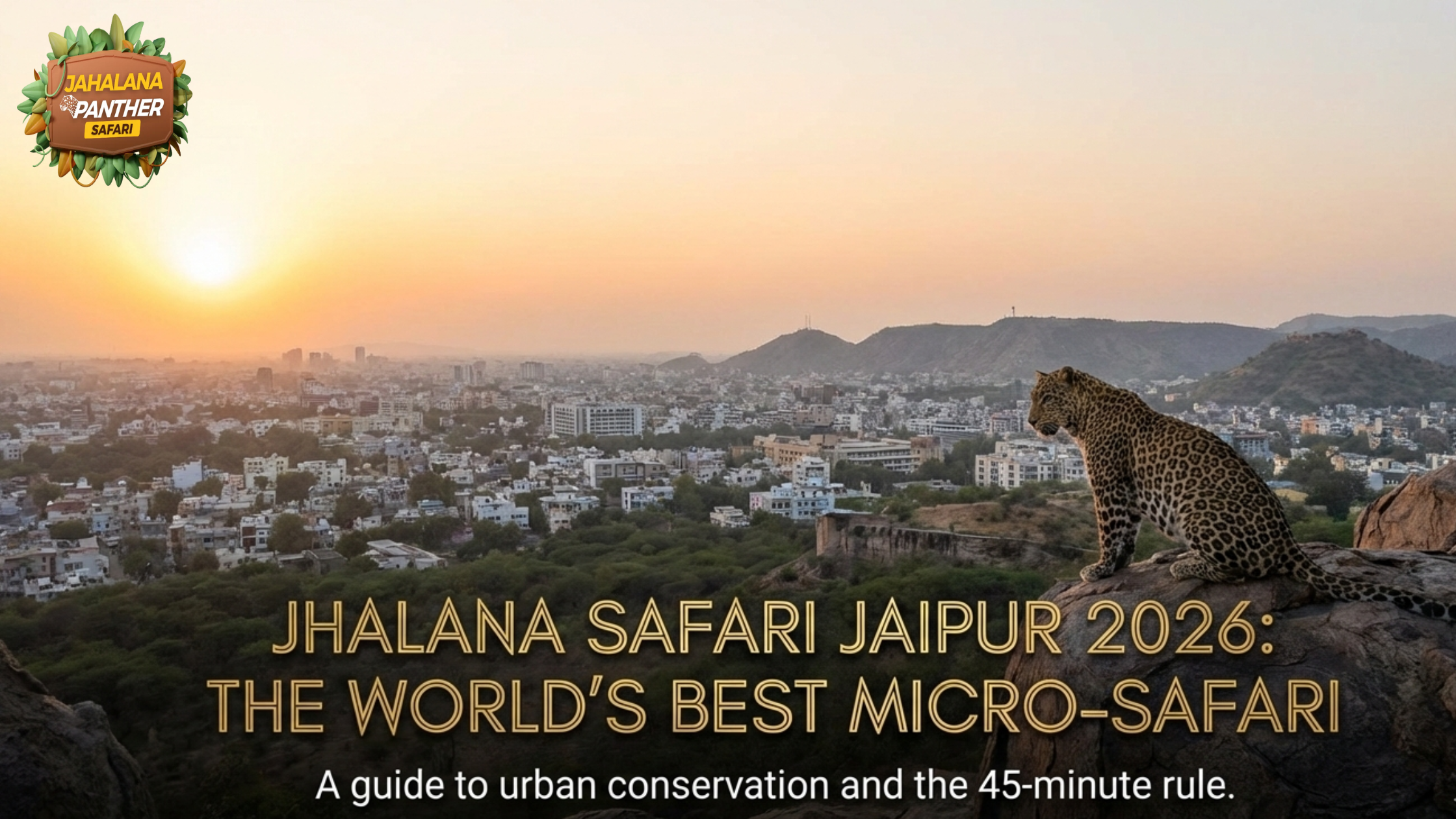
Jhalana Safari Jaipur 2026: The Rise of the World’s Best Micro-Safari
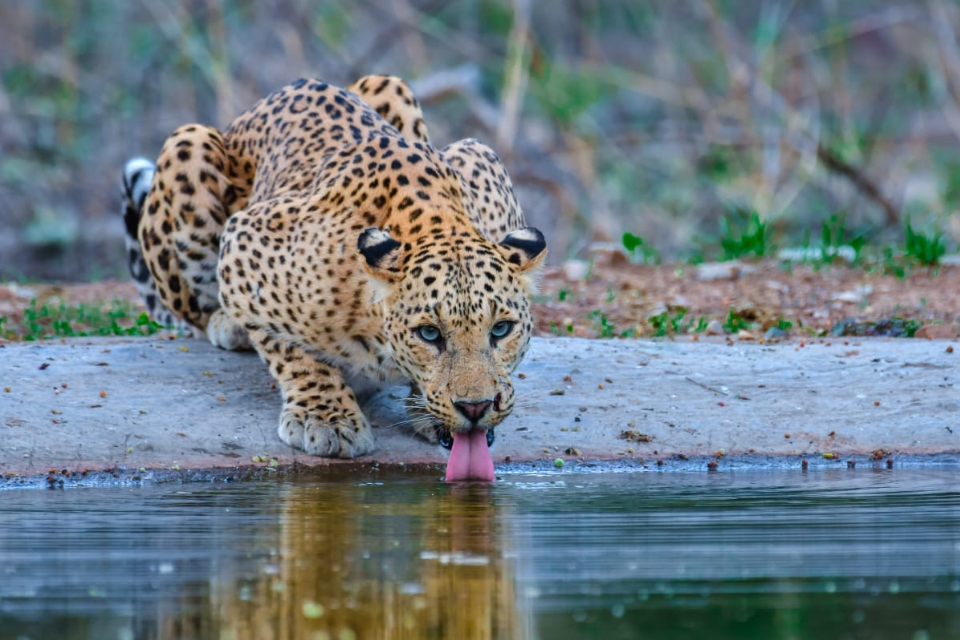
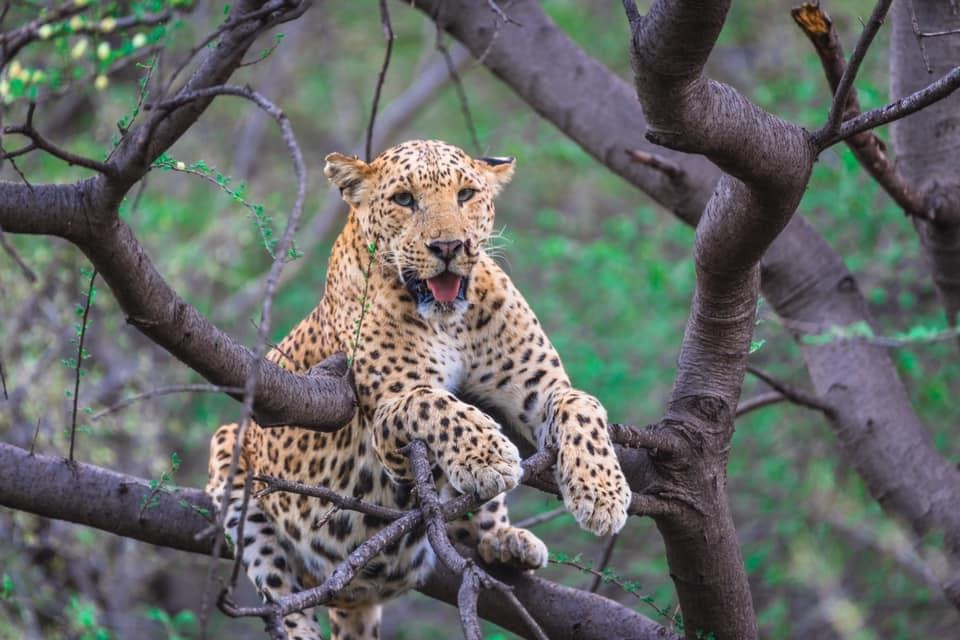
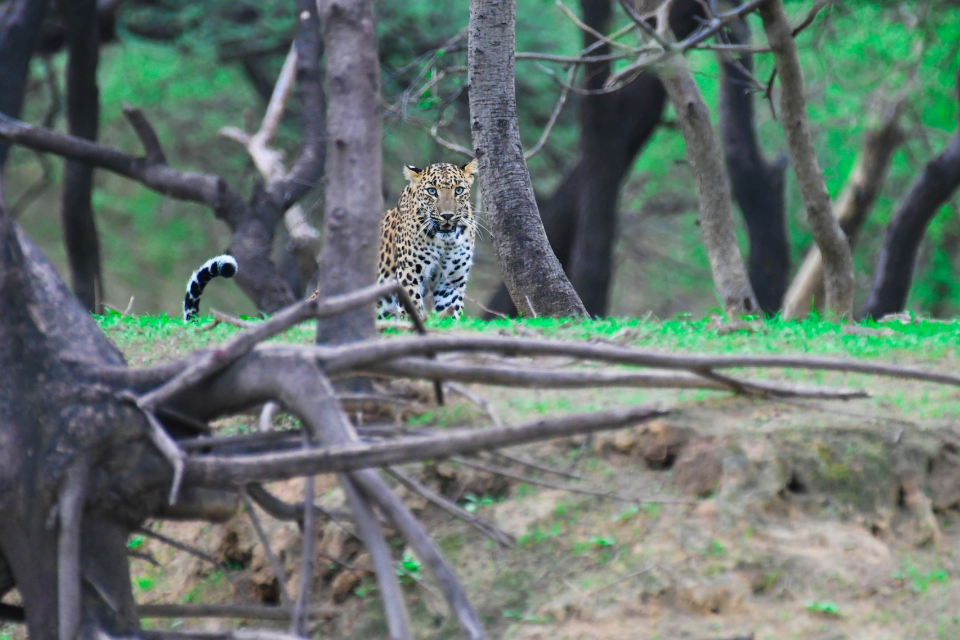
Imagine this: At 6:00 AM, you are sipping a latte in a high-rise café in the center of Jaipur. By 6:45 AM, you are looking into the emerald eyes of an apex predator perched on a prehistoric quartzite ridge. This isn’t a dream; it is the reality of Jhalana Safari Jaipur 2026.
In an era where time is the ultimate luxury, Jhalana has emerged as a global case study for the “Micro-Safari.” While traditional parks like Ranthambore or Kanha require days of travel and hours of bone-jarring drives just to reach the gate, Jhalana Safari Jaipur 2026 offers a high-octane wildlife experience that fits perfectly between a business meeting and a sunset dinner.
1. The 45-Minute Rule: Why Efficiency is the New Luxury
The primary reason Jhalana Safari Jaipur 2026 has become a viral sensation among global travelers is its proximity. Located literally within the city limits, it is perhaps the only place on Earth where the “commute” to the jungle is shorter than the morning school run.
From Airport to Apex Predator
In 2026, international travelers landing at Jaipur International Airport can be inside the reserve within 20 minutes of clearing customs. This accessibility has birthed the “Transit Safari” trend. For a busy executive or a digital nomad, Jhalana Safari Jaipur 2026 provides the maximum ROI (Return on Investment) for every minute spent in the gypsy.
The High-Density Advantage
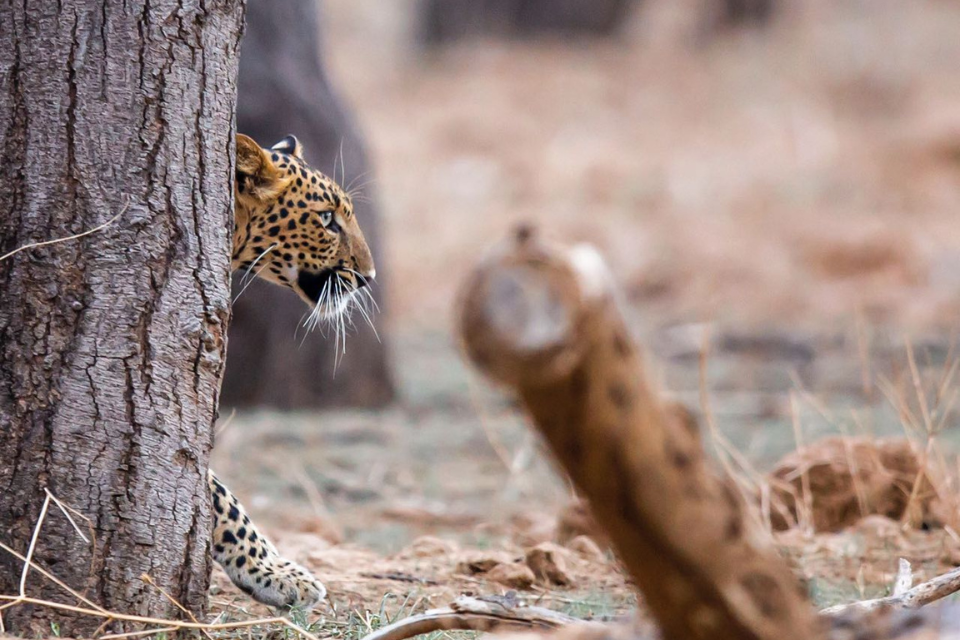
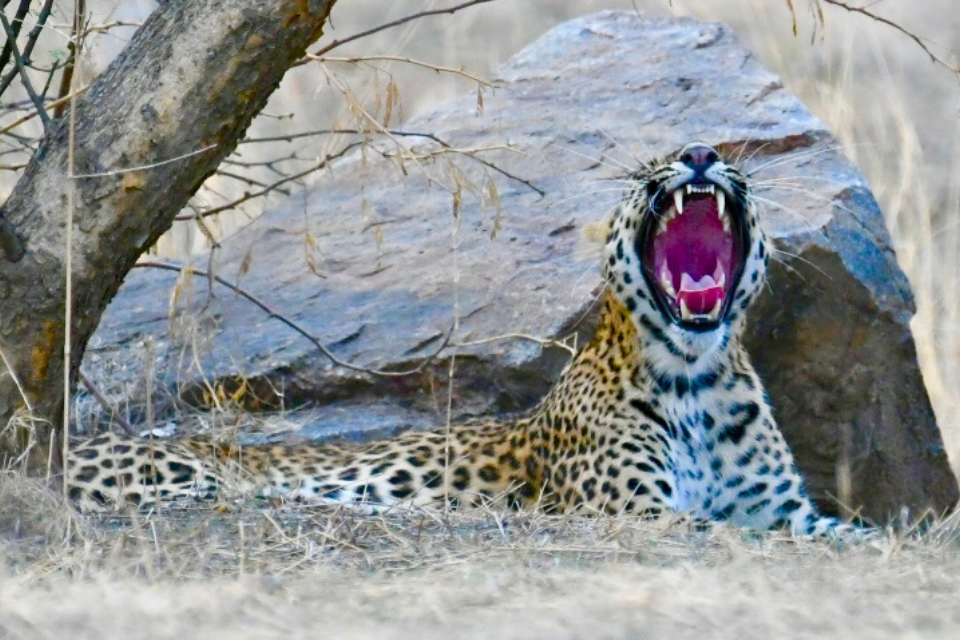
Efficiency isn’t just about the drive; it’s about the sightings. Because Jhalana is a relatively compact 20 square kilometers, the leopard density is among the highest in the world. On a Jhalana Safari Jaipur 2026, you aren’t searching for a needle in a haystack; you are exploring a concentrated kingdom where every turn of the track could reveal a leopard.
2. The 2026 Photography Revolution: Capturing the “Urban Ghost.”
Photography has always been at the heart of the Jhalana experience, but in 2026, the technology has caught up with the terrain.
Low-Light Mastery
Jhalana’s deep valleys and high ridges create dramatic lighting, often referred to by professionals as “The Chiaroscuro of the Scrub.” Modern mirrorless cameras and AI-enhanced sensors now allow photographers on a Jhalana Safari Jaipur 2026 to capture crystal-clear images of leopards in the “Blue Hour”—that magical time just before sunrise and after sunset when the big cats are most active.
The Contrast of Concrete and Cat
The most sought-after shot in Jhalana Safari Jaipur 2026 is the “Urban Leopard” portrait—a leopard sitting on a ridge with the shimmering lights of Jaipur’s skyline or the iconic Patrika Gate in the distant background. This visual juxtaposition of ancient wild and modern urbanity is the hallmark of the Jhalana brand.
3. Meet the Matriarchs: The Social Structure of 2026
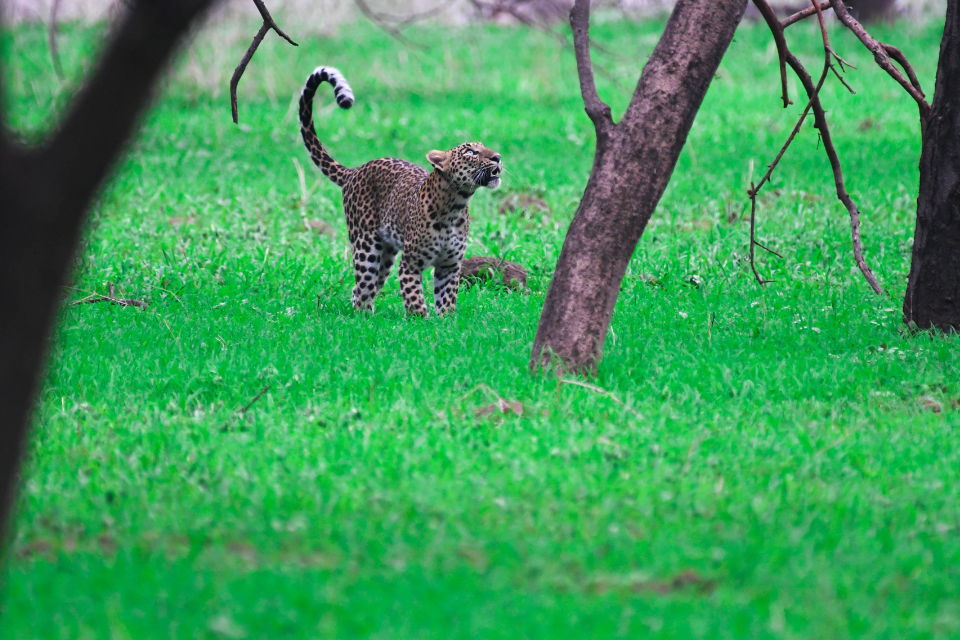
Leopards are traditionally solitary, but Jhalana’s unique environment has led to fascinating social observations. On your Jhalana Safari Jaipur 2026, you aren’t just seeing animals; you are witnessing a soap opera of the Aravallis.
The Legend of Flora and Her Dynasty
Flora, the undisputed queen of the reserve, continues to be the star attraction. In 2026, her lineage has expanded, with her daughters carving out territories in the southern blocks. Watching the maternal instincts of a leopard—an animal usually known for its cold, calculating nature—is a highlight of any Jhalana Safari Jaipur 2026.
The Territorial Tug-of-War
With the high density comes high drama. The northern ridges are currently a battlefield between dominant males like Bahubali and younger challengers. Tracking these movements is a core part of the Jhalana Safari Jaipur 2026 experience, as naturalists provide real-time updates on which “Royal” holds which ridge.
4. The Geologic Soul: Tracking Through Prehistory
To truly appreciate Jhalana Safari Jaipur 2026, one must look beneath the spots of the leopard and into the rocks of the Aravallis.
The Oldest Fold Mountains
The ridges you traverse on a Jhalana Safari Jaipur 2026 are part of one of the oldest geological formations in the world. These quartzite and shale formations predate the Himalayas by hundreds of millions of years. This rocky “skeleton” of the earth provides the perfect camouflage for leopards.
The Cave Dwellers
The weathering of these ancient rocks has created a labyrinth of caves and “hollows.” On a Jhalana Safari Jaipur 2026, your guide will often scan these dark openings. These are the nurseries of the forest, where leopard mothers keep their cubs safe from the wandering hyenas. Understanding this geology is key to understanding why Jhalana supports such a high population of predators.
5. The Digital Nomad’s Safari: Work-Life Wild Balance
The year 2026 has seen a massive shift in who visits the reserve. Jhalana is no longer just for the retired birdwatcher; it is the office of the future.
The Morning Meeting, The Evening Stalk
Because Jaipur is a major tech and cultural hub, Jhalana Safari Jaipur 2026 has become the ultimate “wellness break” for digital professionals. Many visitors spend their mornings on a Zoom call in a Jaipur co-working space and their afternoons in a 4×4. The psychological benefits of this immediate transition from digital to visceral are a major driver of the park’s popularity.
High-Speed Connectivity at the Gate
While the interior of the park remains a sanctuary of silence, the periphery of Jhalana Safari Jaipur 2026 is well-connected. This allows travelers to stay in touch with the world right up until they enter the “Zone of Silence,” making it the most practical wildlife destination for the modern, connected traveler.
6. Beyond the Leopard: The “Supporting Cast” of the Aravallis
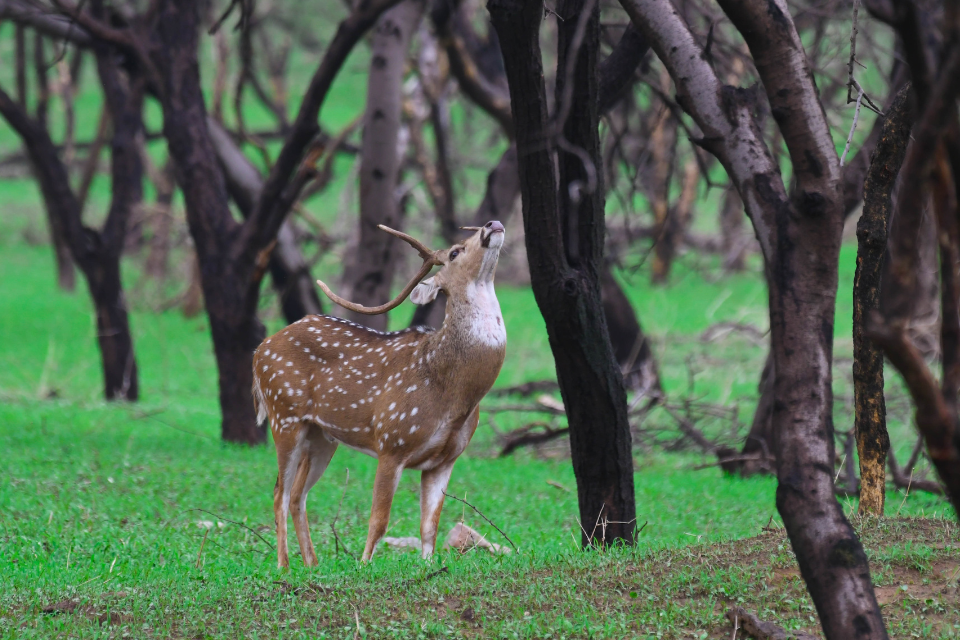
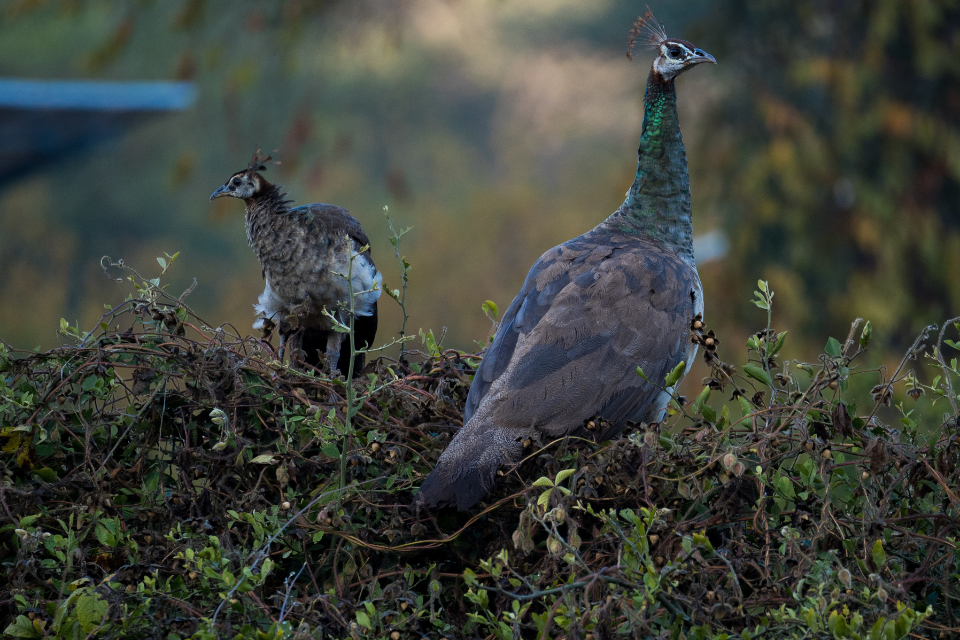
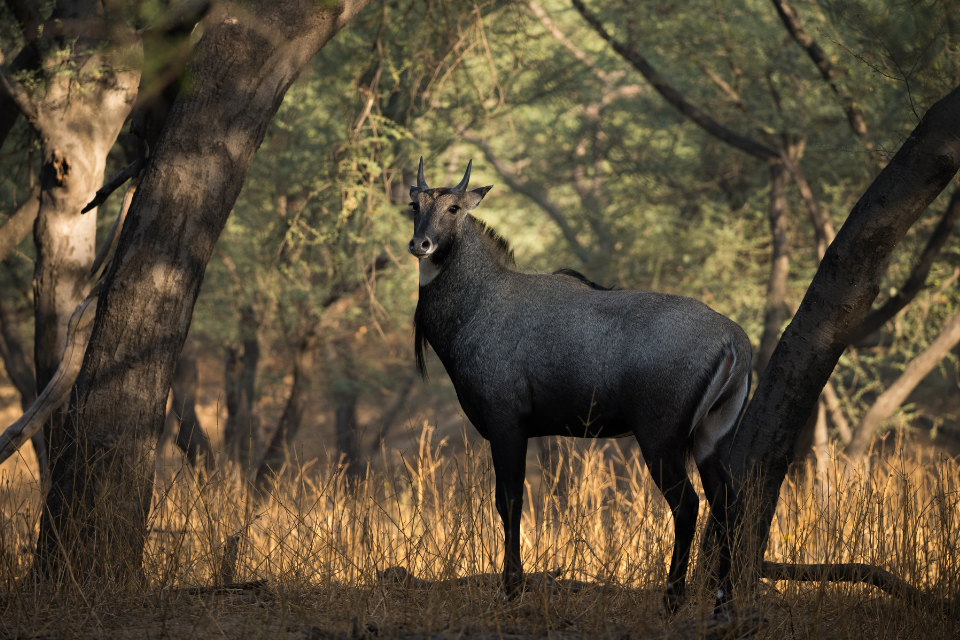
While the panther is the protagonist, a Jhalana Safari Jaipur 2026 reveals a rich tapestry of biodiversity that often surprises first-time visitors.
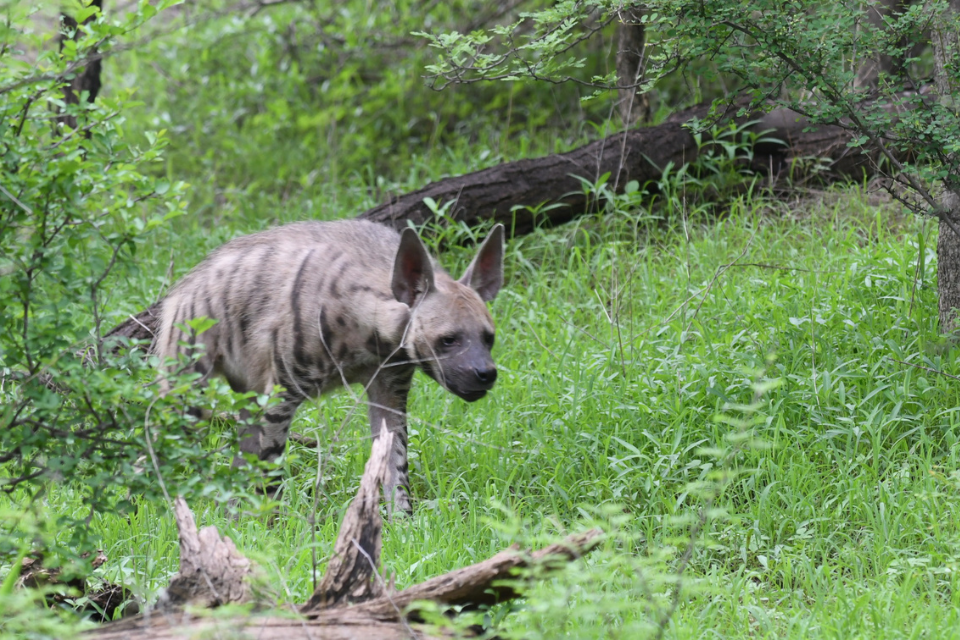
- The Striped Hyena: Often seen in the evening shifts, these “Scavengers of the Shadows” have become much bolder in 2026, frequently crossing the main tracks near the Kali Mata temple.
- The Desert Fox: A flash of fur and a bushy tail, the fox is the shyest resident of the reserve.
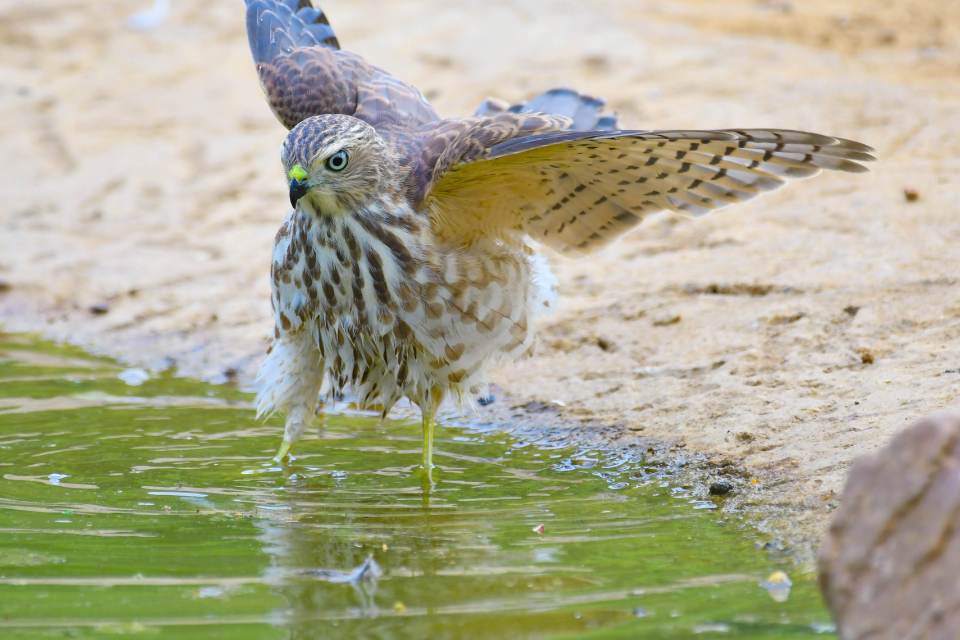
- The Indian Pitta: During the monsoon months, this “bird of nine colors” turns a Jhalana Safari Jaipur 2026 into an avian paradise.
7. The Philosophy of Urban Wilds: Why Jhalana Matters
As we move deeper into the decade, Jhalana Safari Jaipur 2026 stands as a beacon of hope for urban conservation globally.
Reclaiming the Edge
For years, urban expansion was seen as the death knell for wildlife. Jhalana proves the opposite. By fencing the boundaries and restoring the native Dhok (Anogeissus pendula) forest, Jaipur has reclaimed its wild edge. A Jhalana Safari Jaipur 2026 isn’t just about seeing an animal; it’s about witnessing the success of a conservation model that can be replicated in cities like Nairobi, Mumbai, and Los Angeles.
The Psychology of the Urban Predator
Leopards here are “street smart.” They have adapted to the sounds of temple bells, distant traffic, and even the occasional airplane overhead. On a Jhalana Safari Jaipur 2026, you are observing an evolutionary marvel: a predator that has learned to thrive in the shadow of man without losing its wild essence.
8. Planning Your Visit: Tips for the 2026 Traveler
- Book Electronically: In 2026, the paperless permit system is faster than ever. Ensure you book at least 3 weeks in advance for weekend slots for your Jhalana Safari Jaipur 2026.
- Clothing: Wear “Aravalli Grey” or “Dust Brown.” Bright colors are a distraction for the cats and your fellow photographers.
- Silence is Golden: The leopards of Jhalana are habituated to engine noise but sensitive to human voices. Keep the chatter low to witness natural behavior.
Conclusion: The Future is Wild, The Future is Jhalana
The Jhalana Safari Jaipur 2026 represents a shift in how we perceive nature. It is no longer something “out there” that requires a pilgrimage to see. It is right here, breathing alongside our cities. Jhalana is a reminder that even in the heart of a bustling metropolis, the wild finds a way to thrive. Whether you are a seasoned wildlife pro or a curious traveler with only three hours to spare, Jhalana is ready to show you the spots.
Important Disclaimer: The Nature of the Wild
- No Guarantees: While sightings in Jhalana Safari Jaipur 2026 are frequent, they are never guaranteed. The animals are free-roaming and wild.
- Safety First: Never attempt to dismount from the gypsy or feed the animals.
- Weather Conditions: Safaris may be canceled due to extreme weather or forest department orders for animal safety.
FAQ: Jhalana Safari Jaipur 2026
- How long is a typical Jhalana Safari Jaipur 2026 shift?
A. Each shift lasts approximately 2.5 to 3 hours. There are two main shifts: Morning (starting around sunrise) and Afternoon (ending around sunset).
- Is Jhalana Safari Jaipur 2026 safe for children?
A. Absolutely. It is a fantastic educational experience for children. However, they must remain seated and quiet throughout the duration of the drive.
- Can I bring my own vehicle?
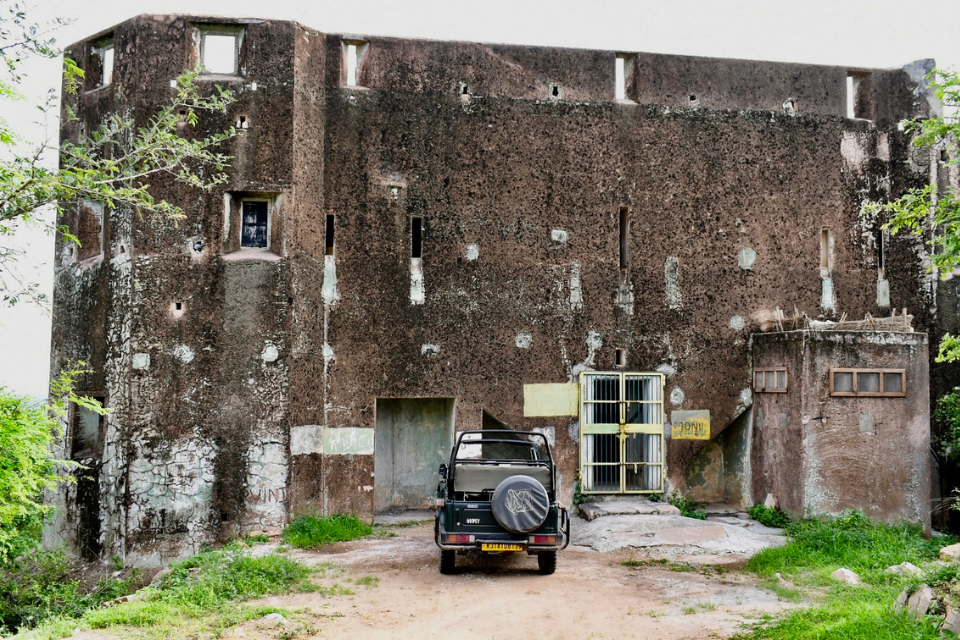
A. No. Only authorized forest department gypsies are allowed inside the reserve to minimize noise and environmental impact on the Jhalana Safari Jaipur 2026 tracks.
- What is the best zone for sightings in 2026?
A. While leopards move between zones, Zone 1 and Zone 2 remain the most consistent for sightings of the dominant residents like Flora and Bahubali.
Disclaimer: Navigating the Wild
- Sightings: Wildlife is unpredictable; sightings in Jhalana Safari Jaipur 2026 are frequent but never guaranteed.
- Safety: Visitors enter at their own risk; you must remain in the vehicle and follow all forest department rules.
- Environment: We operate a strict “Zero-Waste” policy. Littering or disturbing the peace will lead to immediate expulsion from the reserve.