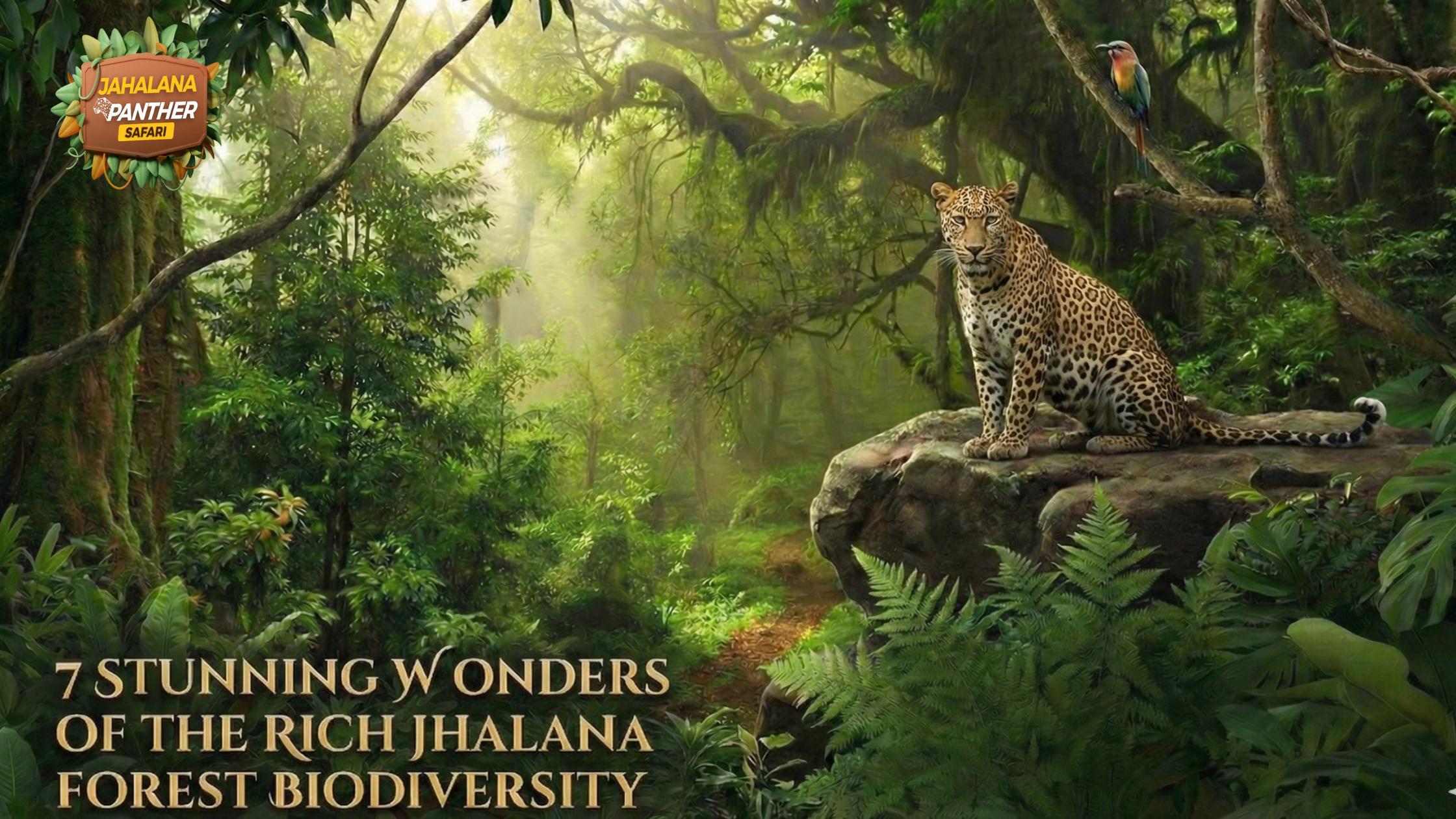
7 Stunning Wonders of the Rich Jhalana Forest Biodiversity
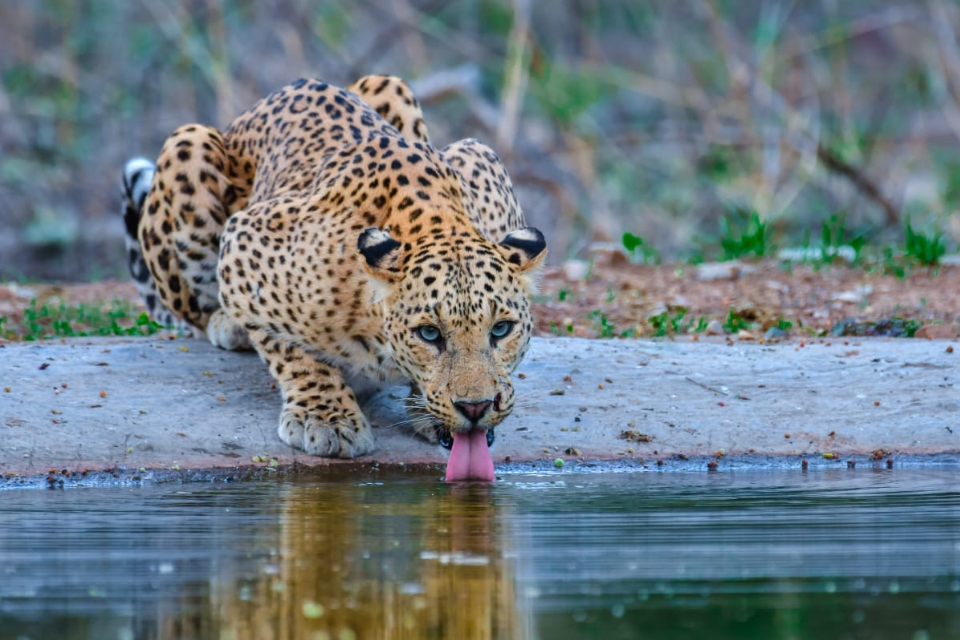
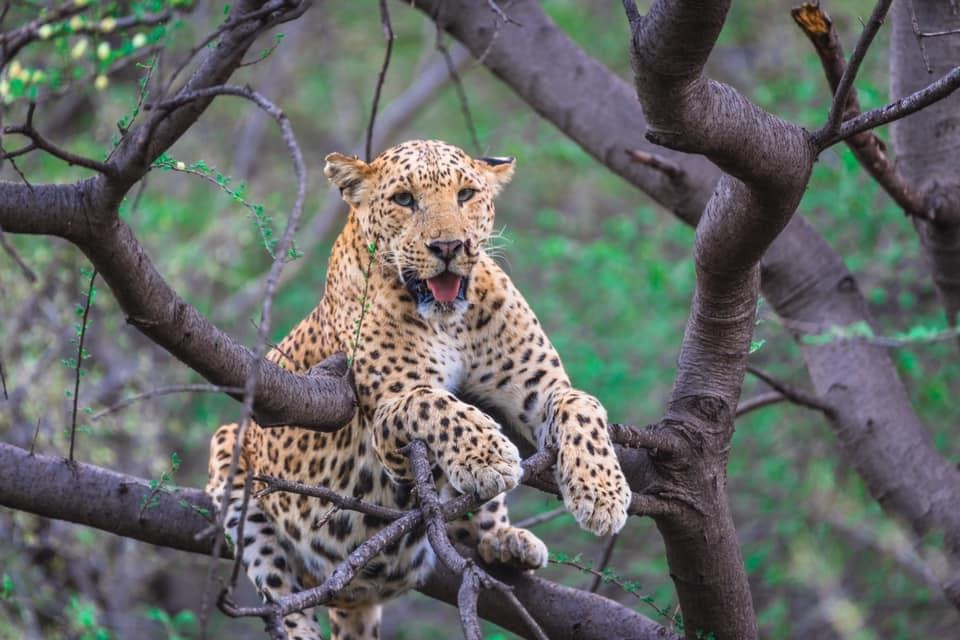
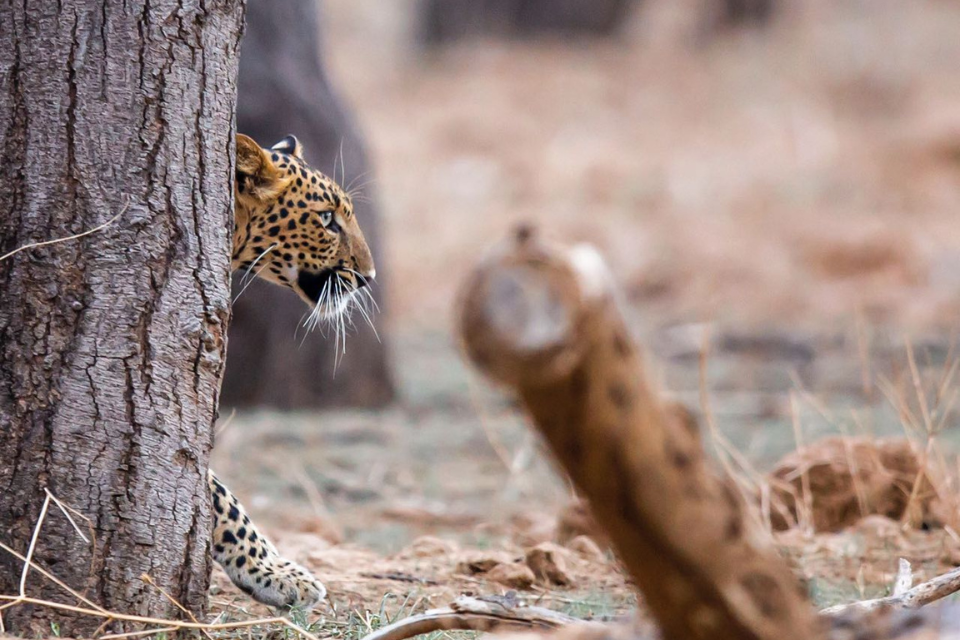
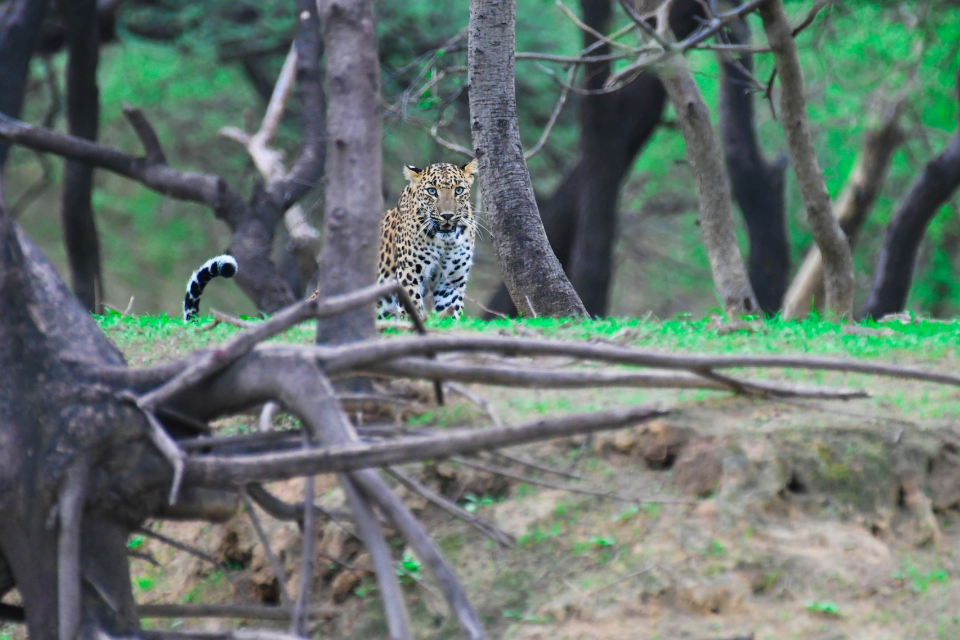
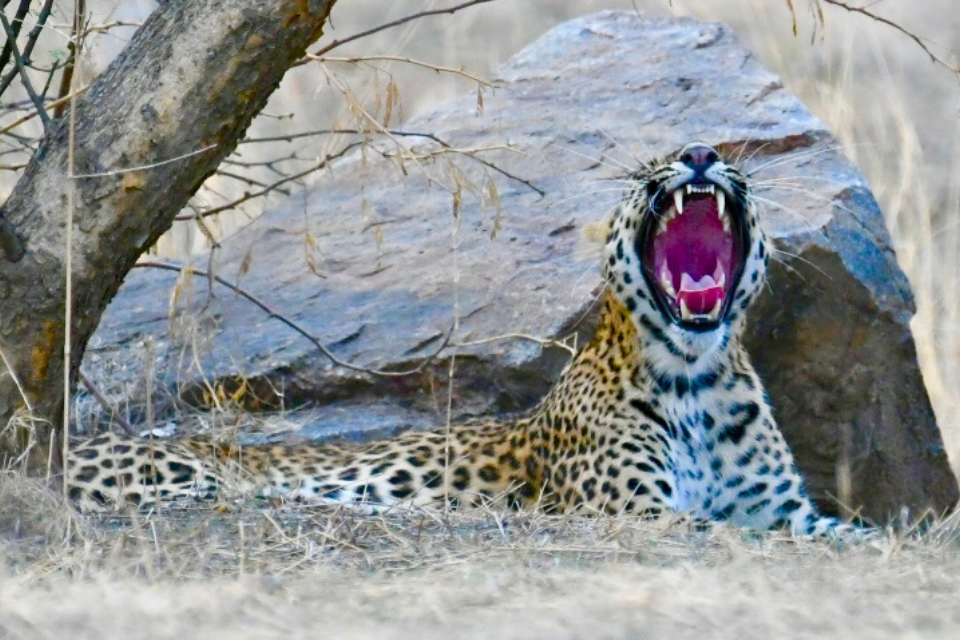
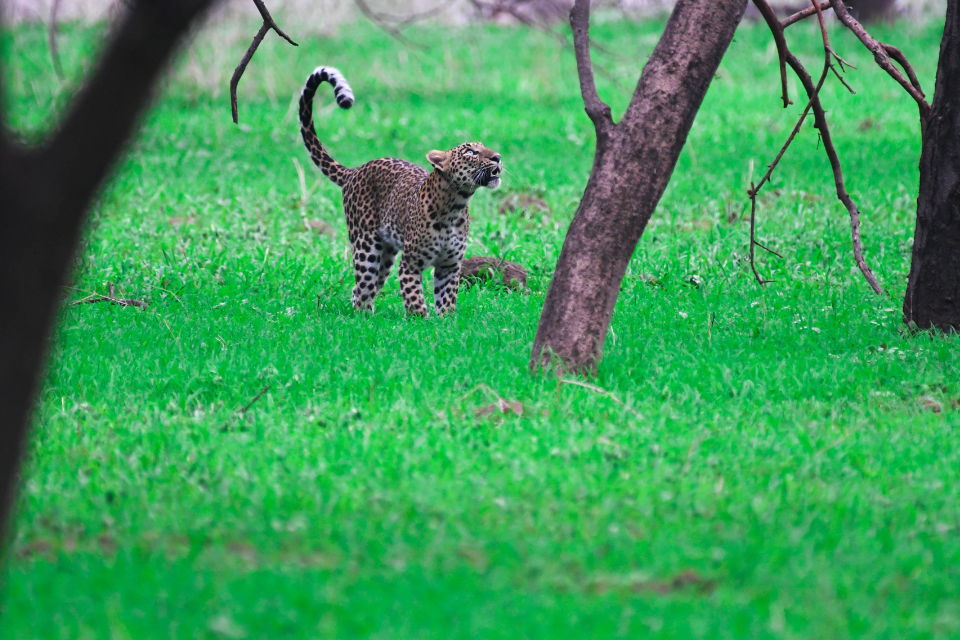
When the gypsy engine roars to life at the gates of Jhalana, there is a singular tension in the air. Everyone is looking for one thing: the rosette-patterned coat of Panthera pardus fusca, the Indian Leopard. As the apex predator with a high population density, the leopard is undeniably the star of the show.
However, to focus solely on the leopard is to miss the intricate, vibrant machinery that keeps this urban forest alive. Jhalana is not just a leopard park; it is a complex, thriving Jhalana forest biodiversity nestled in the ancient Aravalli hills. It is a theater where every character, from the towering Nilgai to the scavenging Hyena and the watchful Langur, plays a critical role.
This guide is an invitation to widen your lens. We will explore the remarkable biodiversity that exists “beyond the spots,” giving you a deeper appreciation for the delicate balance of this unique forest.
The Scavengers: Nature’s Cleanup Crew
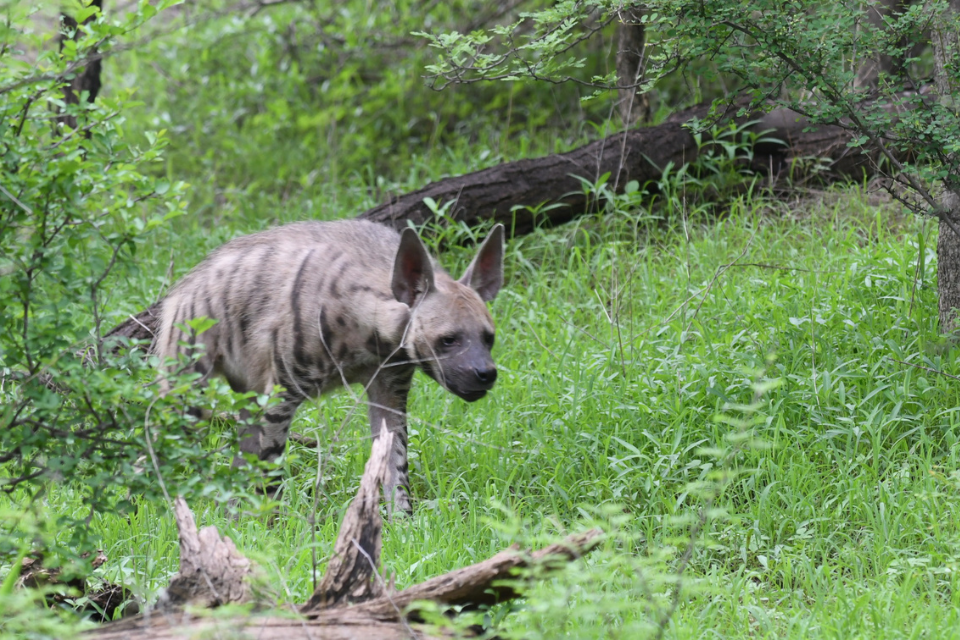
A healthy ecosystem requires efficient waste management, and Jhalana forest biodiversity has one of the best in the business: the Striped Hyena (Hyaena hyaena). This scavenger is a cornerstone of the Jhalana forest biodiversity
The Misunderstood Hyena
Often vilified, the striped hyena is a fascinating and crucial part of the Jhalana forest biodiversity. While they are known to conflict with leopards over food, they primarily act as scavengers. With jaws capable of exerting tremendous pressure, they can crush bones that leopards leave behind, ensuring that carcasses are completely consumed. This prevents the spread of disease and keeps the forest clean. Seeing this nocturnal, shaggy-coated animal loping back to its den in the early morning light is a highlight for any serious wildlife enthusiast.
The Smaller Cleanup Agents
Supporting the hyena are smaller carnivores like the Golden Jackal and the Indian Fox. These opportunistic feeders patrol the scrubland, hunting small rodents and cleaning up smaller scraps. Their presence indicates a healthy food web extending all the way down to the smallest creatures.
The Prey Base: Fueling Jhalana Forest Biodiversity
The health of herbivores is a key indicator of the overall Jhalana forest biodiversity. A high density of leopards requires a high density of prey. The visibility and health of herbivores in Jhalana are key indicators of the ecosystem’s overall vitality.
The Giants of Jhalana
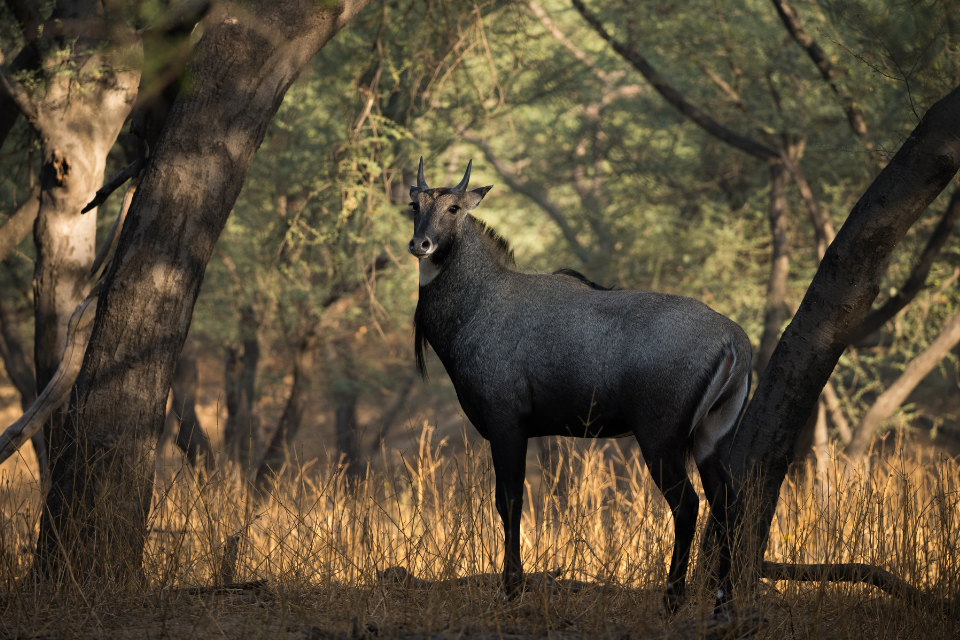
The Blue Bull, or Nilgai (Boselaphus tragocamelus), is the largest antelope in Asia and a common sight here. These massive, horse-like animals are a critical food source for adult leopards. Seeing a herd of Nilgai navigating the rocky terrain gives you a sense of the scale of the landscape.
The Spotted Deer (Chital)
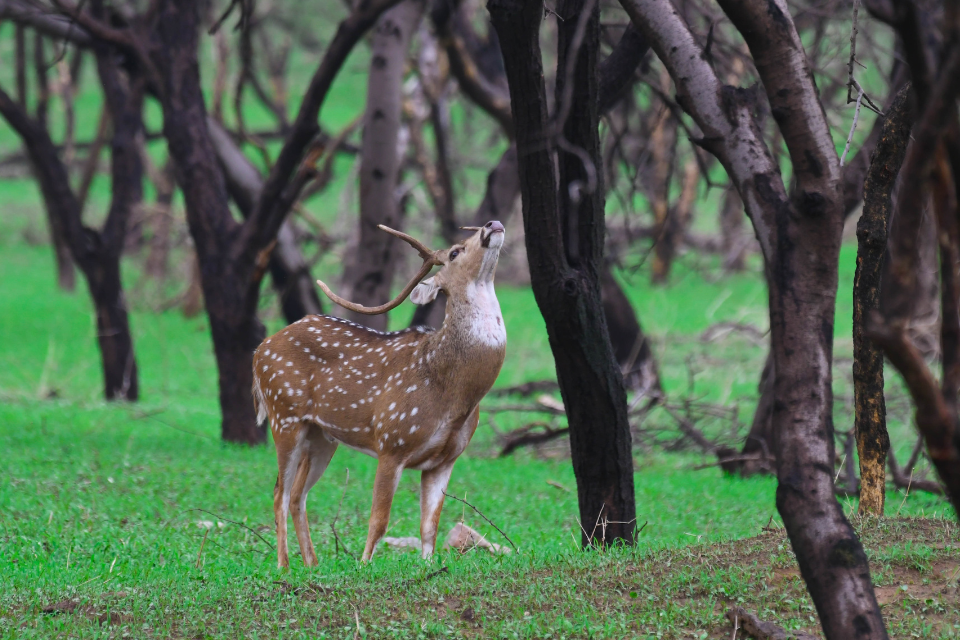
The graceful Chital is another essential prey species. Their large herds are often found in the flatter areas of the reserve. Their constant vigilance and synchronized movements are a study in prey behavior. The abundance of both Nilgai and Chital ensures that the leopards have enough food without needing to stray too often into human settlements.
The Sentinels of the Jhalana Forest Biodiversity: The Jungle’s Alarm System
If you want to find a leopard, you first have to listen to the Jhalana forest biodiversity. The forest has its own early warning system composed of species that constantly scan for danger, ensuring the survival of the Jhalana forest biodiversity.
The Langur Troop
The Northern Plains Gray Langur is the eyes of the jungle from above. Perched high in the trees, they can spot a leopard’s movement long before a human on the ground can. Their guttural, coughing alarm calls are the most reliable indicator that a predator is on the move. Watching their behavior—where they are looking, how urgent their calls are—is a masterclass in tracking.
The Peafowl’s Cry
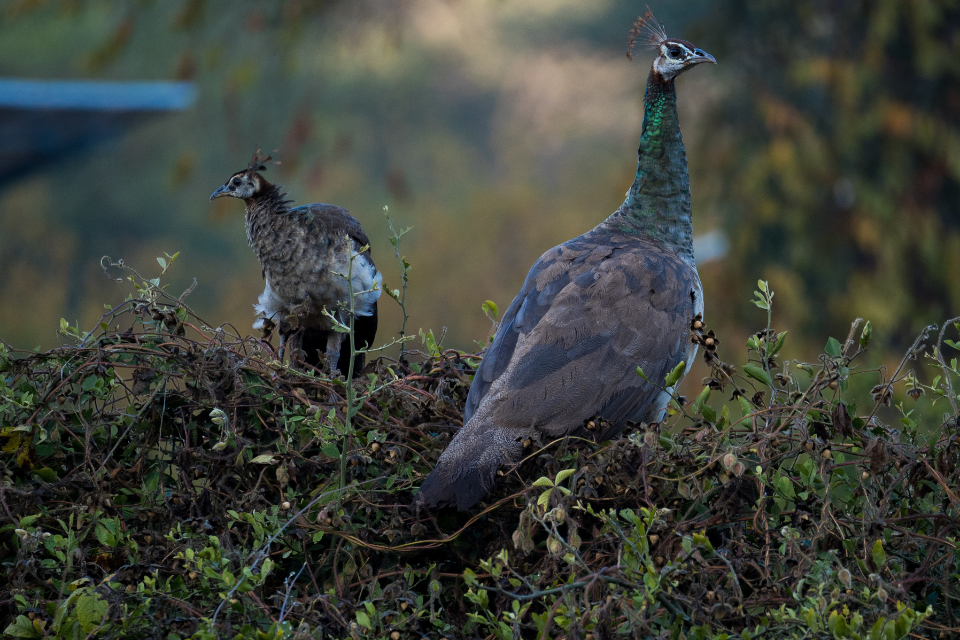
The Indian Peafowl is abundant in Jhalana. While the males are admired for their stunning plumage, they are also effective ground-level sentries. A sudden, frantic burst of squawking from a peacock often indicates a predator nearby, potentially even a smaller threat like a jungle cat or a snake.
The Nocturnal Underworld: Mysterious Residents
While the leopard captures the spotlight, the Jhalana forest biodiversity comes alive at night with a cast of smaller, equally fascinating mammals. These creatures are the “silent engineers” of the scrubland.
The Indian Crested Porcupine
Often spotted during late-evening safaris, the Indian Crested Porcupine is a vital component of the Jhalana forest biodiversity. By foraging for roots and tubers, these large rodents help aerate the hard, rocky soil of the Aravallis, allowing new seeds to take root. Their presence is a sign of a healthy, functioning forest floor.
Small Carnivores: Civets and Mongooses
The Common Palm Civet and the Small Indian Mongoose are the “shadow hunters” of the undergrowth. These agile animals play a critical role in controlling the population of insects and small rodents within the Jhalana forest biodiversity. The Civet, in particular, is a key seed disperser, as it consumes various forest fruits and deposits the seeds across the rocky terrain, aiding in the natural expansion of the forest canopy.
The Avian World: A Birder’s Paradise
While many keep their cameras trained on the ground, the skies and canopy of Jhalana are teeming with avian life. The reserve is a fantastic destination for birdwatching.
Raptors and Residents
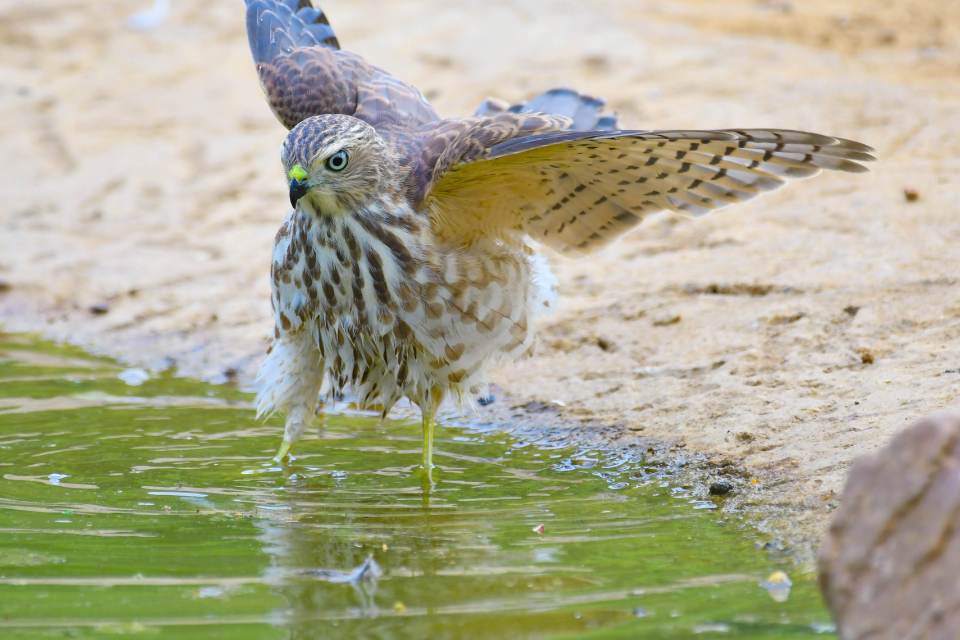
The rocky cliffs provide perfect nesting sites for various raptors, including eagles, falcons, and owls. The Indian Pitta, with its brilliant colors, visits during the monsoon, while various flycatchers, robins, and babblers are year-round residents. The diversity of birdlife adds a layer of constant color and sound to the safari experience, ensuring there is never a dull moment, even when the big cats are sleeping.
The Scaly Guardians: Reptilian Diversity
No study of the Jhalana forest biodiversity is complete without acknowledging its reptilian residents. These cold-blooded predators are essential for maintaining the balance between the forest’s micro-fauna and its larger inhabitants.
The Bengal Monitor Lizard
A common sight on the quartzite rocks during the summer months is the Bengal Monitor Lizard. As both a predator of small birds and eggs and a prey item for young leopards, the monitor lizard is a central link in the Jhalana forest biodiversity food web. Their ability to thrive in the harsh, dry heat of Rajasthan is a testament to the resilience of the Aravalli biodiversity.
The Indian Rock Python
Though elusive, the Indian Rock Python is the “silent giant” of the rocky crevices. By preying on larger rodents and the occasional small mammal, these pythons prevent overgrazing of the delicate Dhok tree saplings, indirectly protecting the foundation of the entire Jhalana forest biodiversity. Seeing a python basking near a natural water hole is a rare highlight of any professional safari experience.
The Flora: The Foundation of the Aravallis
The unique flora of the Aravalli range sets the stage for all this drama.
The Dhok Tree
The dominating tree species is Anogeissus pendula, locally known as Dhok. This tree is perfectly adapted to the rocky, dry terrain. In the dry season, it sheds its leaves, creating the open visibility that Jhalana is famous for. In the monsoon, it leafs out in vibrant green. The Dhok forest provides the essential cover for leopards to stalk and the shade for prey species to rest. Understanding the vegetation is key to understanding how animals move through the landscape.
Conclusion: The Sum of Its Parts
A safari in Jhalana is greatly enriched when you view it not just as a leopard hunt, but as an immersion into a vibrant Jhalana forest biodiversity. The leopard may be the king, but the hyena is the caretaker, the langur is the watchman, and the Nilgai is the fuel. Each species, from the ancient Dhok tree rooted in quartzite rock to the smallest insect, plays a vital role in maintaining this remarkable urban wilderness. By appreciating the entire cast of characters, your experience becomes deeper, richer, and far more rewarding.
FAQ: Jhalana’s Biodiversity
1. Are there tigers in Jhalana?
A. No, there are no tigers in Jhalana. The apex predator in this ecosystem is the leopard.
2. How common are hyena sightings?
A. While leopards are seen more frequently, striped hyenas are regularly sighted, especially during early morning or late evening safaris near their denning sites.
3. Is Jhalana good for bird photography?
A. Yes, excellent. With a wide variety of resident and migratory birds, including photogenic species like peacocks and raptors, it offers great opportunities for bird photographers.
4. What is the role of reptiles in the Jhalana forest biodiversity?
A. Reptiles like the Bengal Monitor Lizard and Indian Rock Python control rodent and insect populations and serve as a secondary food source for larger predators.
5. What is the best time to see the flora at its greenest?
A. The monsoon season (July to September) is when the dry deciduous forest transforms into a lush green landscape.
6. Do the animals in Jhalana interact with the city surrounding them?
A. Yes. Because it is an urban forest, the ecosystem is influenced by its surroundings. Animals are often used to city sounds, and fences are maintained to keep wildlife inside the reserve.
Important Disclaimer
- Respect All Life: Every creature in the ecosystem, from the smallest reptile to the largest antelope, deserves respect. Do not ask the driver to speed past “common” animals just to find a leopard.
- Do Not Feed: Never attempt to feed any animal in the reserve, including monkeys. Feeding disrupts their natural diet and habituates them to humans, leading to conflict.
- Stay in the Vehicle: You are a guest in their home. Getting out of the safari vehicle is strictly prohibited and extremely dangerous.
- Look Up and Down: Don’t just scan the horizon. Look at the tracks on the road, the birds in the bushes, and the monkeys in the trees to truly understand the ecosystem in action.