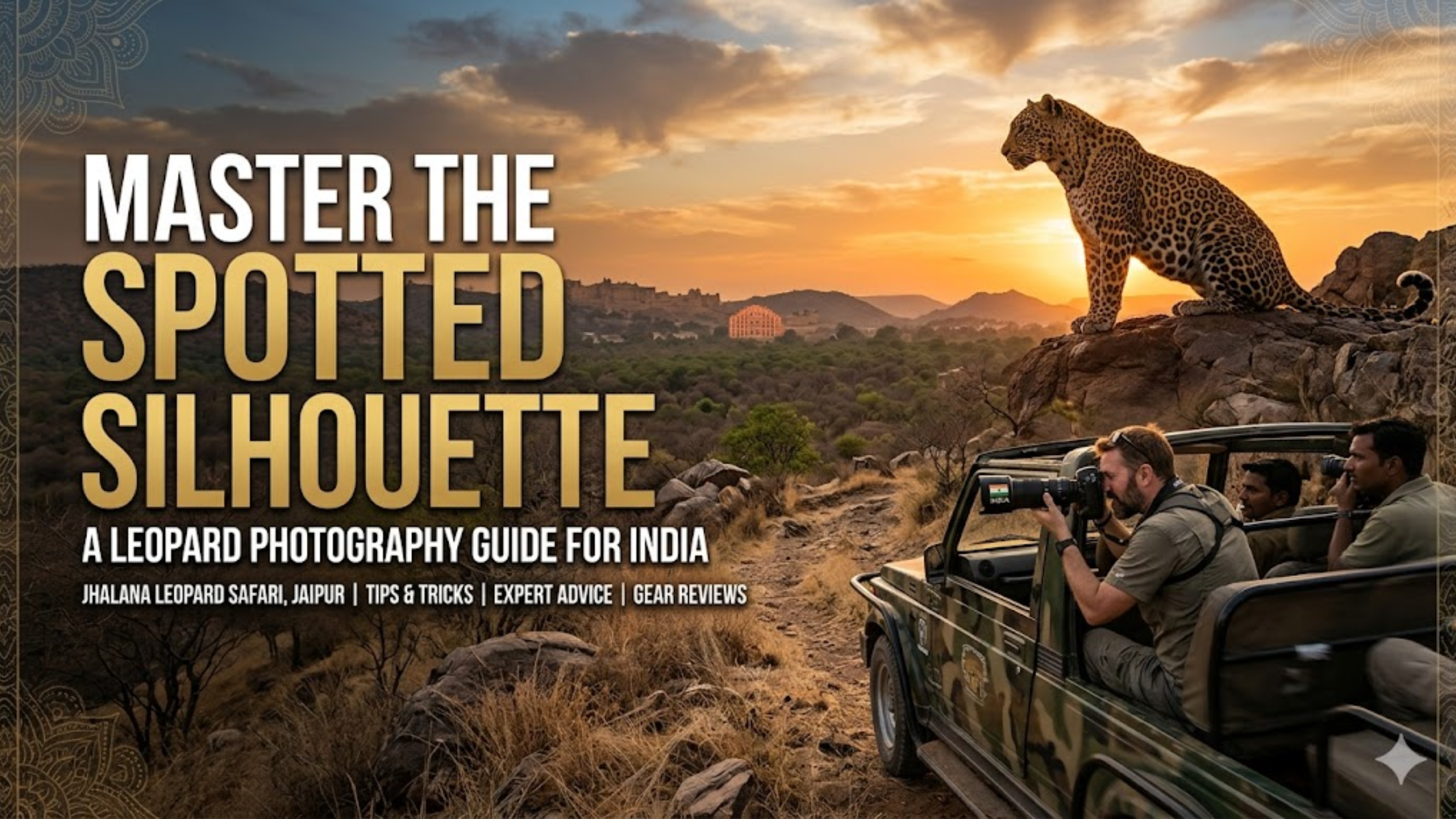
Master the Spotted Silhouette: A Leopard Photography Guide for India
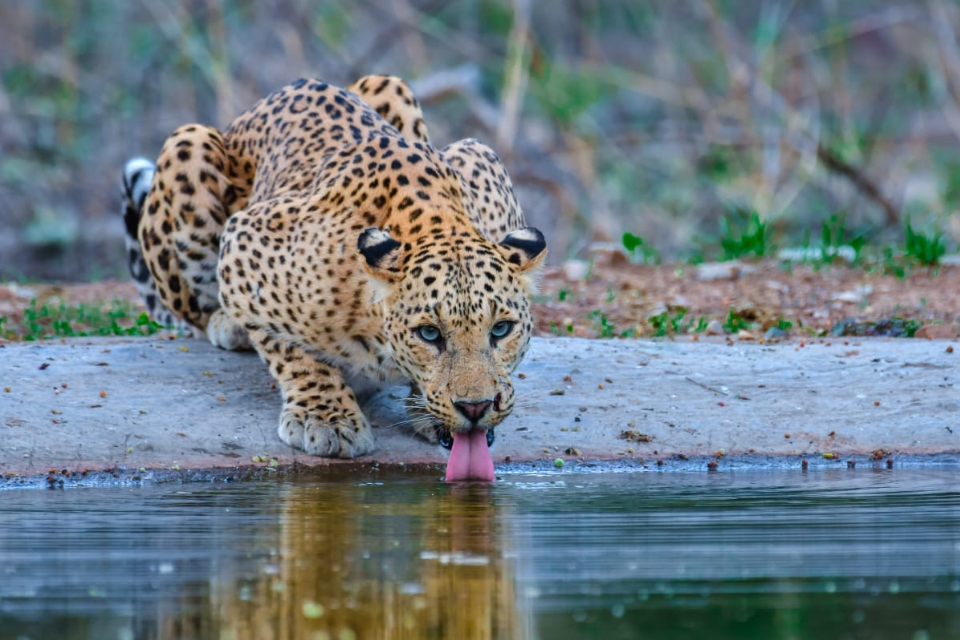
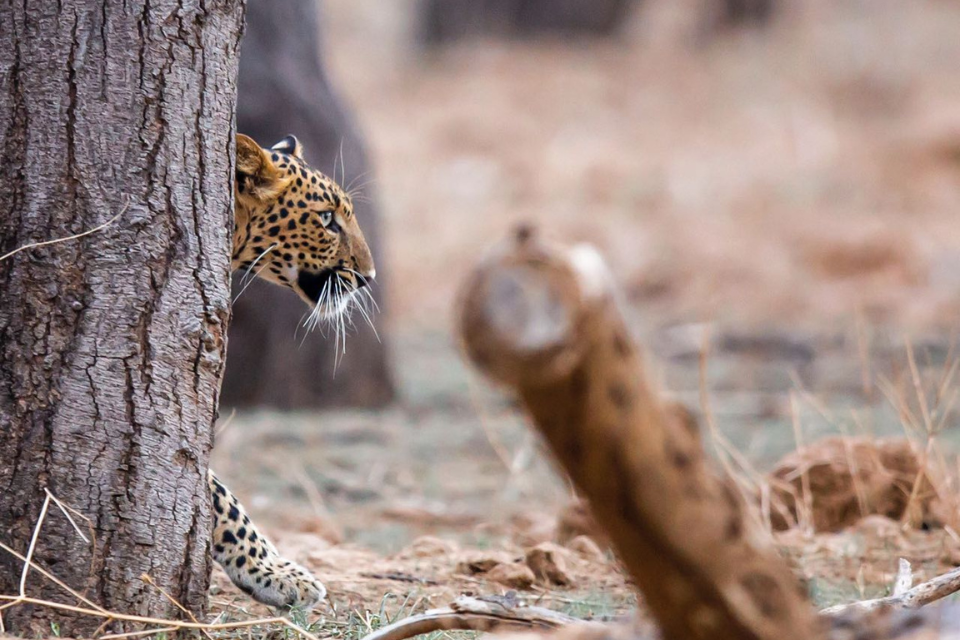
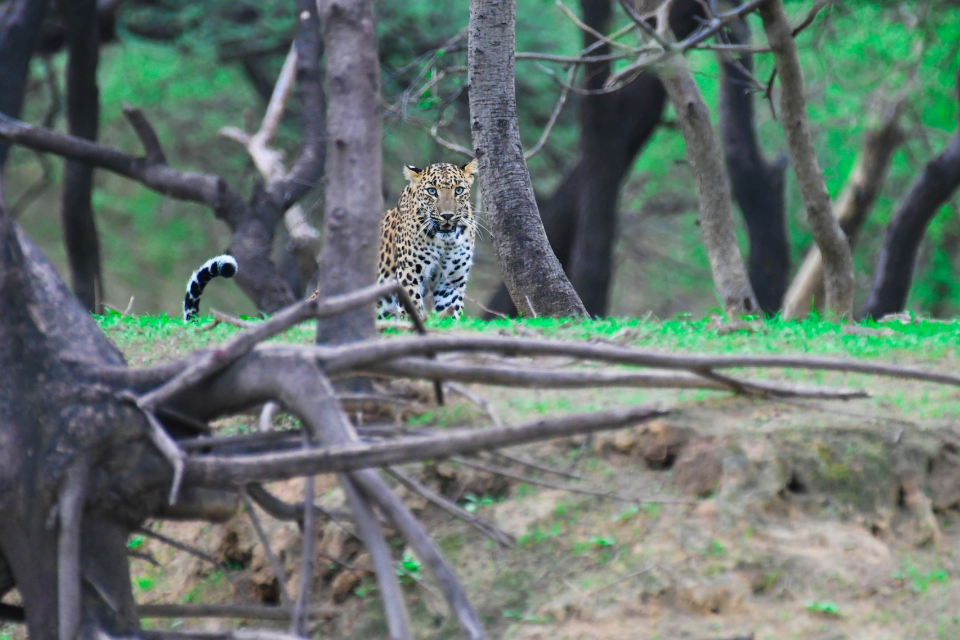
The leopard is the ultimate phantom of the Indian wilderness. Unlike the bold tiger, a leopard is a master of camouflage, a dappled ghost that vanishes into the shadows of a rocky hill or the golden hue of dry grass. Capturing a high-quality photograph of this elusive predator requires more than just luck; it demands technical precision, patience, and the right equipment.
If you are planning a trip to the rocky terrains of Rajasthan, specifically the famous leopard corridors of Jhalana or Jawai, you are in for a thrill. This leopard photography guide will walk you through the essential techniques, settings, and secrets to getting that award-winning shot, along with where to find the best camera rental Jaipur services to power your safari.
Understanding the Challenge: Why Leopard Photography is Unique
Leopards are primarily nocturnal or crepuscular, meaning they are most active during the low-light hours of dawn and dusk. This presents a significant challenge for wildlife photography India.
- Camouflage: Their rosettes are designed to break up their outline against rocks and trees.
- Speed: A leopard can move from a state of total stillness to a high-speed spring in seconds.
- Distance: Unlike tigers, leopards often keep a distance or perch high on granite hills, requiring significant focal length.
Essential Safari Photography Tips for Leopards
To succeed in the field, you need to prepare your mind and your camera before the jeep even enters the gate.
Master the “Golden Hour” Settings
The best sightings usually happen when the sun is low. To combat low light without losing image quality:
- Push the ISO: Modern mirrorless and DSLR cameras can handle ISO 1600 or 3200 with minimal noise. Don’t be afraid of a little grain; a sharp, grainy photo is better than a blurry one.
- Wide Aperture: Use a lens with a wide aperture (f/2.8 or f/4) to let in maximum light and create a beautiful “bokeh” (blurred background) that makes the leopard pop.
Focus on the Eyes
In wildlife photography, if the eyes aren’t sharp, the photo is a “miss.”
- Animal Eye Autofocus: If your camera has this feature, turn it on. It is a game-changer for tracking a leopard moving through thick brush.
- Single Point Focus: If you are shooting manually, keep your focus point on the eye closest to the camera.
Anticipate the Behavior
Don’t just take a photo of the leopard sitting. Wait for the “action.”
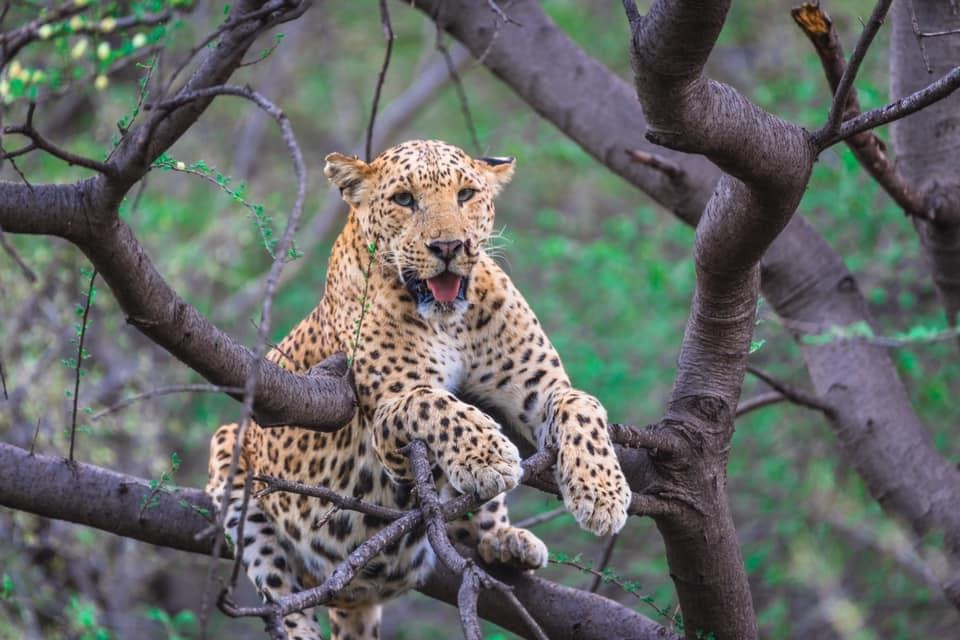
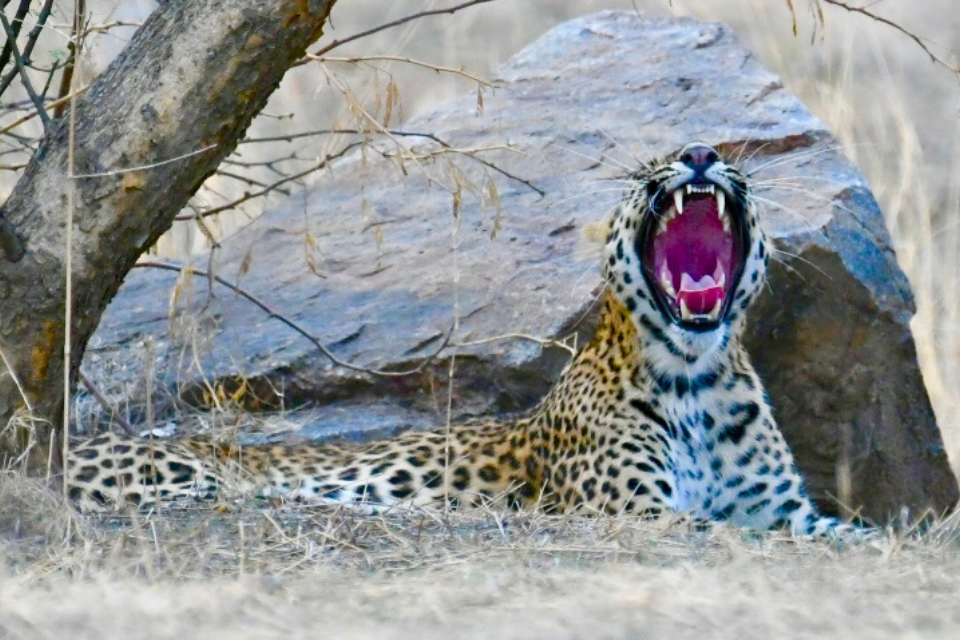
- The Yawn: Leopards often yawn after waking up from a nap—this is a classic shot.
- The Descent: If a leopard is on a tree or a hill, watch for the moment it tenses its muscles to jump down.
The Gear List: What You Actually Need
You don’t necessarily need to own ₹5,00,000 worth of gear to take great photos. Many professionals and hobbyists prefer camera rental Jaipur options to access high-end lenses just for the duration of their safari.
Recommended Lenses
- The 100-400mm or 150-600mm: These are the “workhorse” lenses for safari photography tips. They offer the flexibility to capture a wide environmental shot and a tight close-up of the face.
- The 600mm Prime: If you are shooting in Jawai, where leopards are often on distant hills, this extra reach is vital.
Camera Bodies
Full-frame cameras are preferred for their low-light performance. If you are a beginner, a crop-sensor camera is also excellent as it gives your lens “extra reach” (a 400mm lens acts like a 600mm on a crop sensor).
Where to Rent Gear: Camera Rental Jaipur & Beyond
Jaipur has become a hub for wildlife enthusiasts because of its proximity to Jhalana Leopard Reserve. If you are flying into the Pink City, you don’t need to carry heavy lenses through airport security.
Why choose camera rental in Jaipur?
- Cost-Effective: Rent a ₹12,000-a-day lens for a fraction of its purchase price.
- Try Before You Buy: Test the latest Sony, Canon, or Nikon mirrorless systems.
- Local Expertise: Rental shops in Jaipur often know exactly which lenses are performing best in the current Jhalana conditions.
Pro-Tip: Always book your rental at least a week in advance, especially during the peak safari season (October to March).
Composition: Telling a Story with Your Lens
A great leopard photograph isn’t just a “mugshot” of the animal. It’s about the environment.
- Environmental Portraits: Zoom out a little. Show the leopard perched on the rugged Aravalli rocks. This tells the viewer where the animal lives.
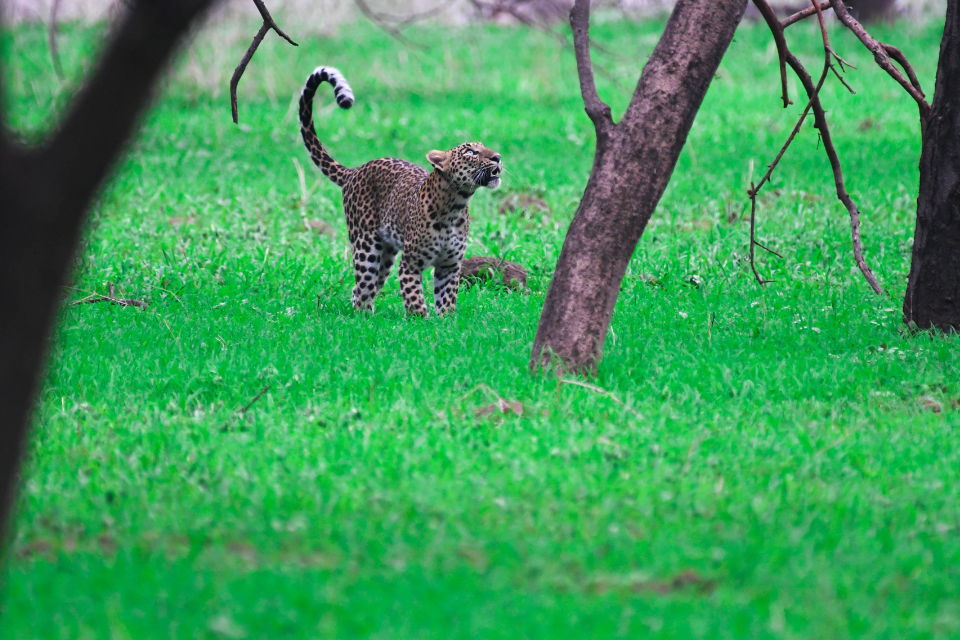
- The Rule of Thirds: Avoid putting the leopard right in the center. Place it on the left or right third of the frame, looking into the empty space of the photo.
- Low Angle: If your safari vehicle allows, try to get as low as possible. Shooting at the leopard’s eye level creates a sense of intimacy and power.
Ethical Wildlife Photography in India
As a photographer, your first priority is the welfare of the animal.
- Silence is Golden: Never shout or whistle to get a leopard to look at you.
- Respect the Distance: Do not encourage your driver to go off-track or get too close. A stressed leopard will hide, ruining the experience for everyone.
- Flash is a No-Go: Never use an external flash on a leopard. It can temporarily blind them and disrupt their hunting patterns.
Conclusion: Capture the Spirit of the Wild
Leopard photography is a test of your skills as much as it is a tribute to the beauty of the wild. By utilizing professional safari photography tips, mastering your gear, and taking advantage of camera rental Jaipur services, you can walk away with images that do justice to India’s most graceful big cat.
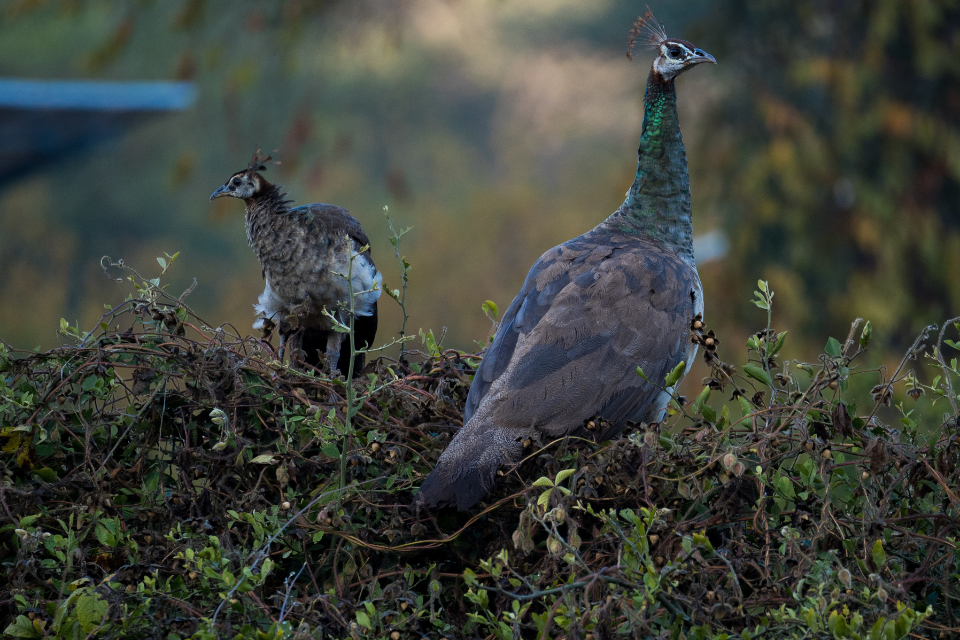
The next time you hear the alarm call of a langur or a peacock in the scrub forests of Rajasthan, get your camera ready, check your shutter speed, and wait for the ghost to appear.
Frequently Asked Questions (FAQs)
- What is the best time of year for leopard photography in India? The summer months (April to June) are excellent because water is scarce, and leopards frequent known water holes. However, the winter months (November to February) offer beautiful soft light and a more comfortable safari experience.
- Which is better for leopards: Jhalana or Jawai? Jhalana (in Jaipur) is best for close-up encounters in a forest setting. Jawai is famous for seeing leopards on open granite rocks, providing a very different, dramatic landscape for your photos.
- Is a tripod necessary for safari photography? Generally, no. Safari jeeps are cramped, and a tripod is hard to set up. Instead, use a beanbag to rest your lens on the side of the vehicle for stability.
- Can I get a good photo with my phone? While modern phones are great, they lack the optical zoom needed for wildlife. For a leopard, you typically need at least a 300mm focal length to get a clear, detailed shot without disturbing the animal.
- How much does a camera rental in Jaipur usually cost? Depending on the lens and body, prices can range from ₹1,500 to ₹8,000 per day. Professional telephoto lenses (like the 200-600mm) are usually in the middle of that range.
- What camera settings should I use for a moving leopard? Keep your shutter speed at a minimum of 1/1000s. Leopards are incredibly fast, and any slower shutter speed might result in motion blur if they start to walk or run.
- Do I need a permit for photography in Indian National Parks? Standard photography with a handheld camera is included in your safari permit. However, if you are using professional cinema cameras or drones, you will need special, high-cost commercial permits from the Forest Department.