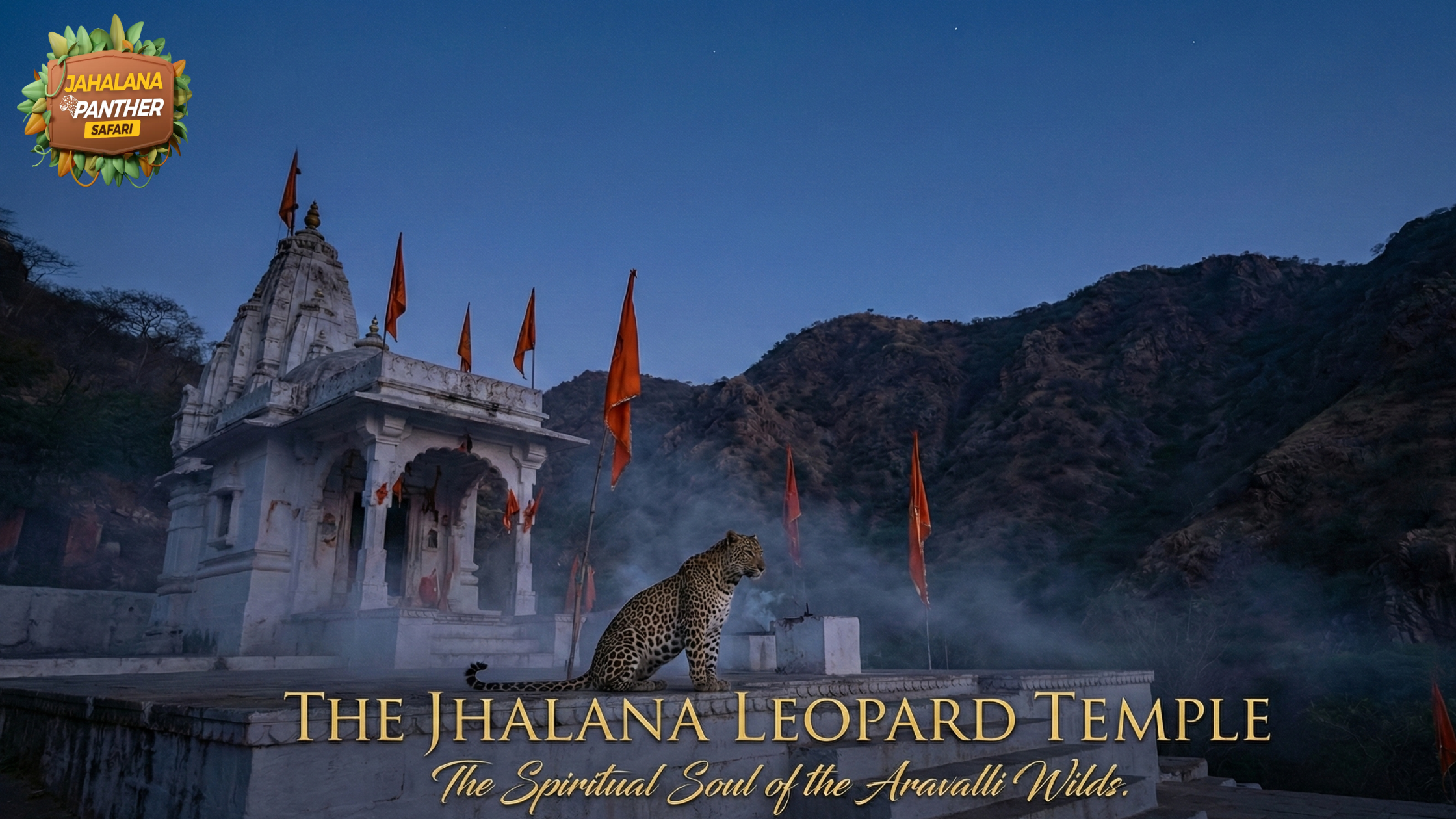
Jhalana Leopard Temple: The Spiritual Soul of the Aravalli Wilds
In the heart of the Jaipur leopard reserve, there is a place where the roar of the city fades into the ancient silence of the Aravallis, and the scent of ritual incense mingles with the heavy musk of the predator. The Jhalana Leopard Temple, dedicated to the fierce goddess Kali Mata, is far more than a place of worship; it is the spiritual anchor and the psychological heart of the entire ecosystem.
As we navigate the travel landscape of 2026, visitors are increasingly seeking “Transformational Travel”—experiences that offer more than just a fleeting photo of an animal. They are looking for a story that bridges the gap between the modern world and the ancient wild. The story of the Jhalana Leopard Temple is arguably the most compelling in all of India. It is a narrative of how a goddess and a “Ghost” have coexisted for centuries, literally within sight of the skyscraper rooftops of Rajasthan’s capital.
1. The Kali Mata Shrine: A Sanctuary Within a Sanctuary
Perched on a rugged, quartzite incline in the southern reaches of Zone 1, the Jhalana Leopard Temple is the mandatory stop for what naturalists call the “spiritual shift” of the safari. While leopards are the biological masters of this forest, the local Rajasthani community firmly believes that Kali Mata is the spiritual master of the leopards.
The Leopard’s Walk: A Daily Ritual
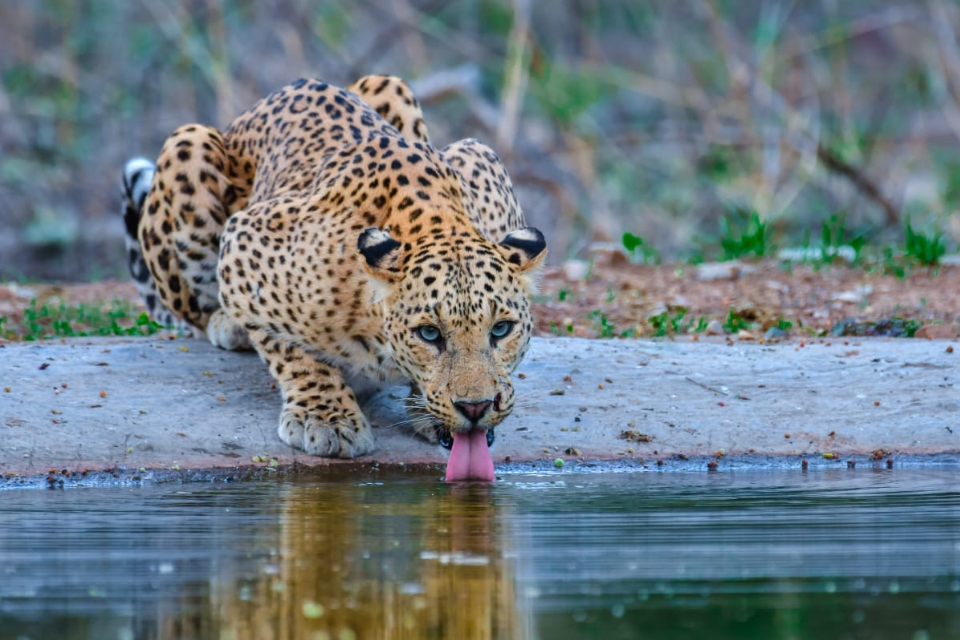
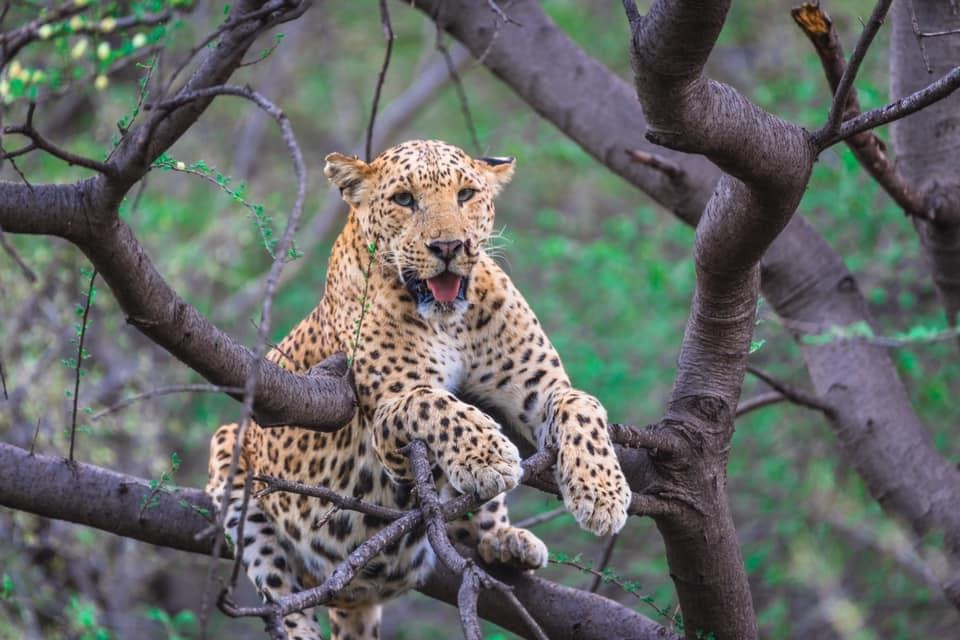
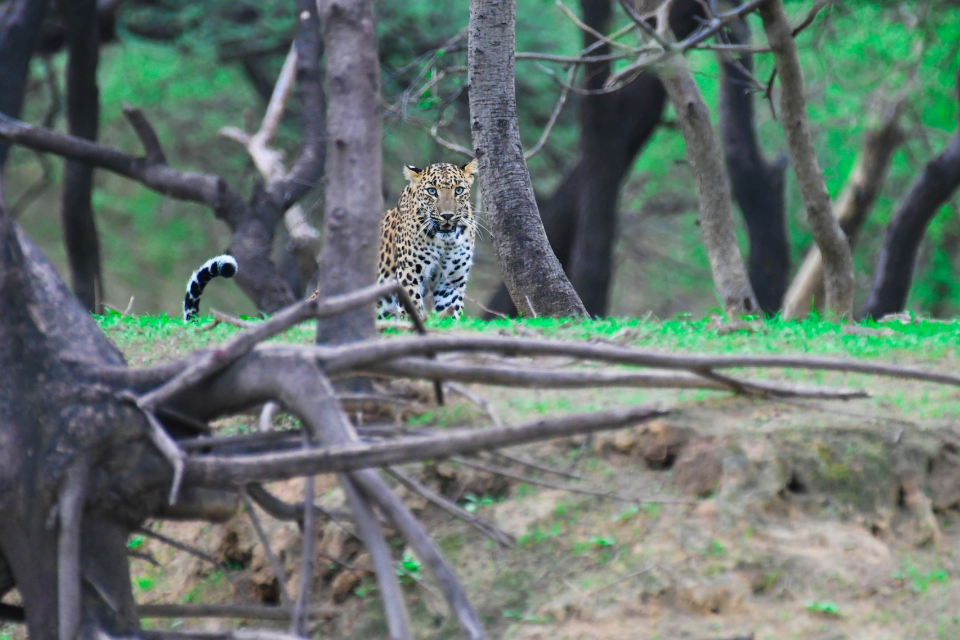
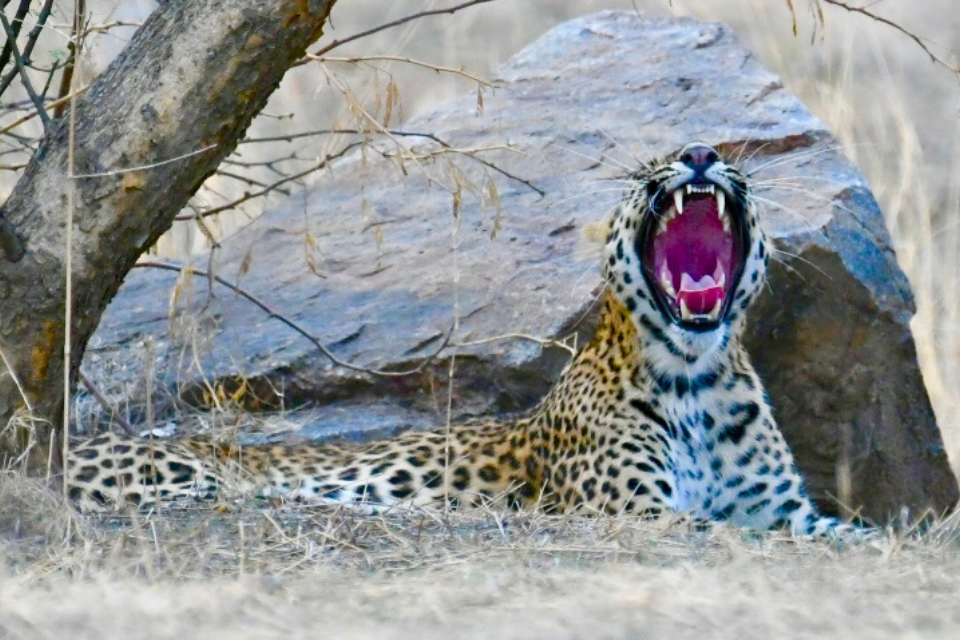
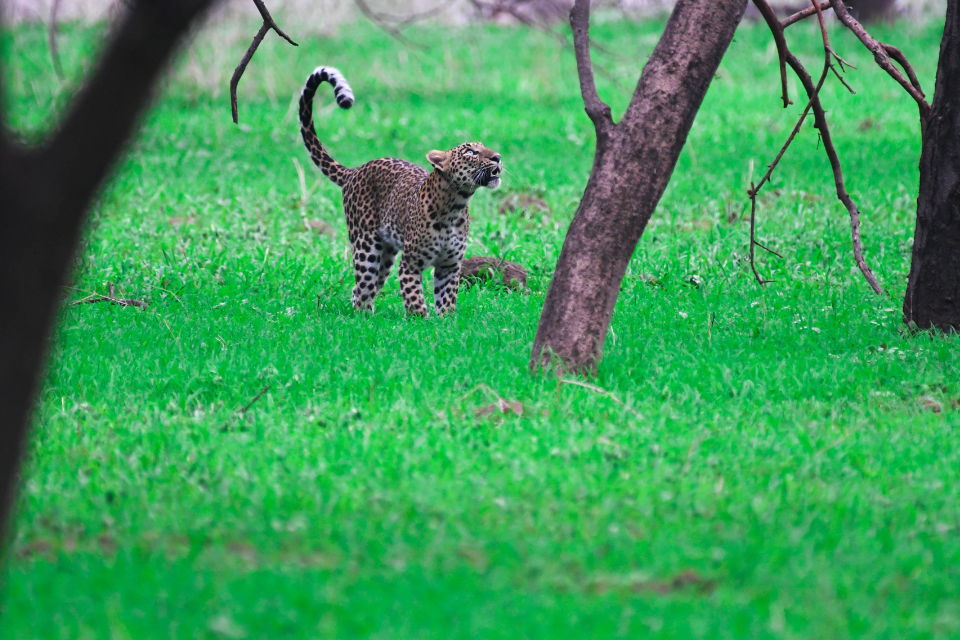
It is not merely a legend, but a documented daily occurrence: pilgrims and priests at the Jhalana Leopard Temple often witness leopards lounging on the temple’s stone steps in the pre-dawn hours. In the context of 2026 wildlife behavior, this is a prime example of “Coexistence Habituation.”
At the Jhalana Leopard Temple, the barrier between the divine and the wild is almost non-existent. The leopards do not view the temple as a human intrusion, but as a natural part of their territory. For the “Ethical Traveler,” this site has become a pilgrimage in itself—a rare opportunity to witness a predator that feels so secure in its environment that it shares a staircase with a priest.
The “Blessing” of a Sighting
For the seasoned trackers of Jaipur, seeing a leopard in the immediate vicinity of the Jhalana Leopard Temple is considered the highest omen of a successful safari. It is believed that the leopards are the Vahana (vehicles) or the guardians of the goddess. When you visit the Jhalana Leopard Temple, you are transitioning from being a “tourist” to being a “guest” in a sacred precinct where the panther is the permanent, honored resident.
2. The Cultural Tapestry: Why Jaipur Protects Its Leopards
A common question asked by international visitors in 2026 is: How can a city of 4 million people coexist with over 40 leopards without conflict? The answer is found in the cultural reverence surrounding the Jhalana Leopard Temple.
Ahimsa and the Aravallis
The Rajasthani philosophy of Ahimsa (active non-violence) is woven into the DNA of the communities living around the reserve. Unlike other parts of the world where predators are seen as “pests” to be eradicated, the people of Jaipur view the leopards around the Jhalana Leopard Temple as neighbors.
This cultural shield is the primary reason why Jhalana has maintained a near-zero rate of retaliatory killing. In 2026, where global human-wildlife conflict is at an all-time high, the Jhalana Leopard Temple loop stands as a miracle of community-led conservation. The goddess protects the leopard, and in turn, the leopard protects the forest.
3. The Architecture of the Ridge: Burlap-Luxury Design
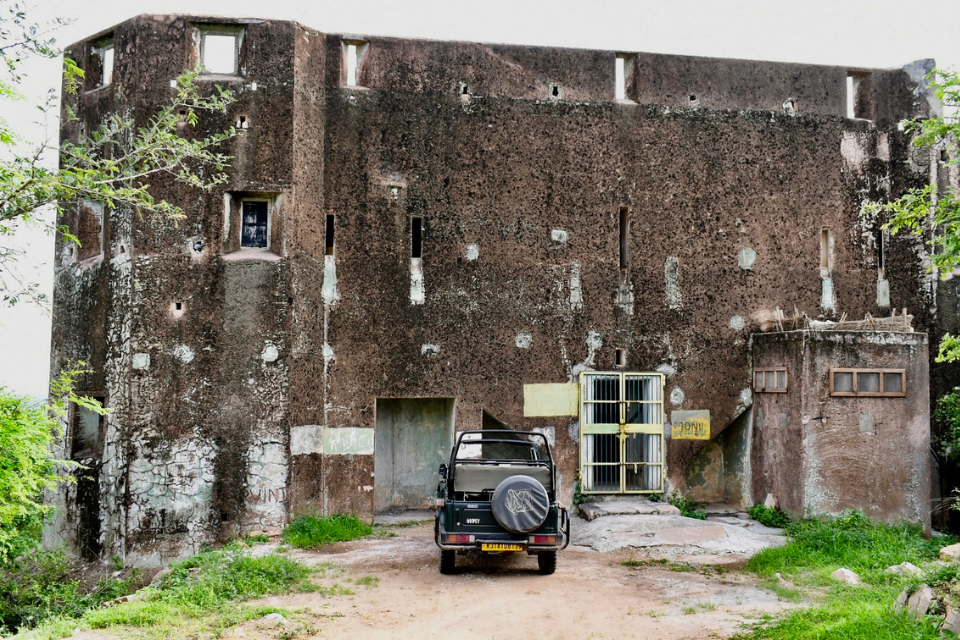
The Jhalana Leopard Temple is a masterpiece of vernacular Aravalli architecture. Built directly into the steep quartzite rock, the structure seems to grow out of the mountain itself.
Materiality and Integration
The temple uses local stone and lime mortar, allowing it to maintain a cool internal temperature even during the peak of the Rajasthan summer. This design philosophy aligns perfectly with the 2026 “Burlap-Luxury” trend—using raw, unpolished, and sustainable materials to create a premium experience that respects its environment.
| Feature | Jhalana Leopard Temple Technical Profile |
| Material | Hand-cut Aravalli Quartzite and traditional Lime. |
| Zone Location | Elevated ridge in the Southern Block (Zone 1). |
| Bio-Diversity | Home to colonies of Indian Fruit Bats and Rock Pigeons. |
| Vegetation | Ancient Gular (Fig) trees and sacred Neem. |
4. The Night Rituals: The “Ghost” in the Moonlight
One of the most exclusive and cinematic experiences available in 2026 is the late-evening transit past the Jhalana Leopard Temple. As the sun begins to set behind the Jaipur skyline, the atmosphere changes from solar energy to lunar mystery.
The “Blue Hour” Encounter
When the temple bells begin to chime for the evening Aarti, the sound echoes through the valleys. This often acts as a trigger for the leopards to begin their nocturnal movements. Watching a leopard emerge from a cave near the Jhalana Leopard Temple under the cobalt light of the “Blue Hour” is an experience that defies traditional wildlife photography.
The white-washed walls of the shrine provide a stark, dramatic contrast to the dark, rosetted coat of the panther. The Jhalana Leopard Temple effectively acts as a beacon, marking the boundary where the human city ends and the leopard’s kingdom begins.
5. Deep-Dive: The Geology of the Temple Site
To understand why the leopards favor the Jhalana Leopard Temple area, we must look at the science of the Aravallis. This is one of the oldest geological formations in the world, and the temple is situated on a “fault line” of biodiversity.
Natural Water Retention
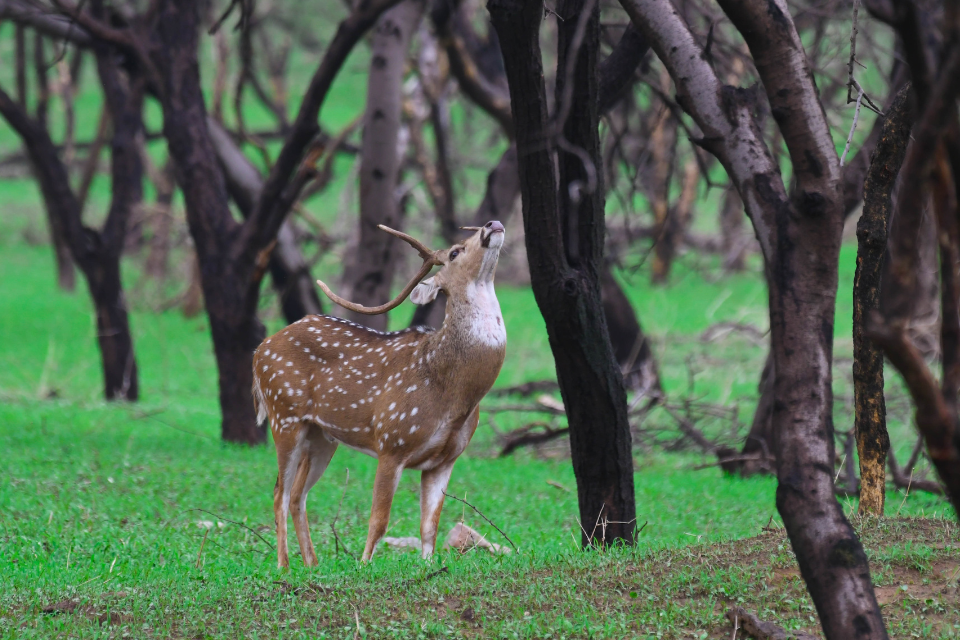
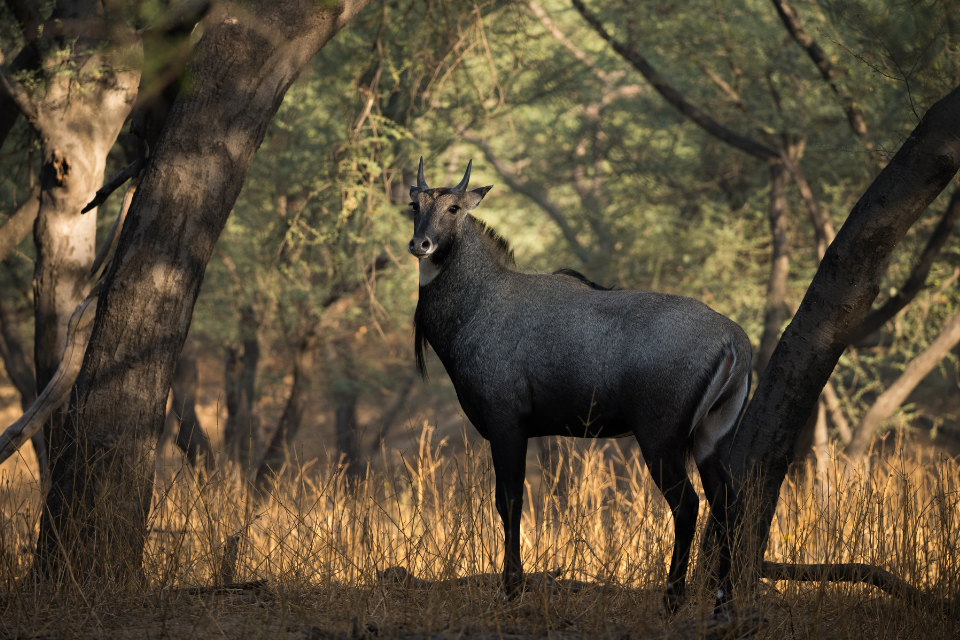
The ancient rocks around the Jhalana Leopard Temple are highly porous in certain sections, allowing for the creation of natural “saucers” or waterholes that hold moisture long after the monsoon has passed. This reliable water source is the reason why prey animals like the Nilgai (Blue Bull) and Chital (Spotted Deer) congregate here, which in turn keeps the leopards close to the temple grounds.
The Cave Systems
The weathering of the quartzite at the Jhalana Leopard Temple site has created a series of deep “hollows.” These caves serve as the primary nurseries for leopard mothers. In 2026, several famous litters have been raised within 500 meters of the temple, proving that the goddess’s sanctuary is the safest place in the forest for the next generation of panthers.
6. Photography Masterclass: Capturing the Sacred Loop
Photographing a leopard at the Jhalana Leopard Temple is the “holy grail” for wildlife artists in 2026. However, it requires a different technical approach than a standard bush sighting.
- Environmental Storytelling: Do not just zoom in on the leopard’s face. Use a wider focal length (35mm or 50mm) to include the temple bells or the saffron flags in the frame. This creates an “Environmental Portrait” that tells the story of the Jhalana Leopard Temple.
- Low-Light Management: Because the temple is in a valley shadow, you will need a lens with a wide aperture ($f/2.8$ or $f/4$). In 2026, the best shots are taken at ISO 3200+ to capture the grain and “grit” of the stone.
- The “Saffron Frame”: Use the temple’s flags as a blurred foreground element. The splash of orange against the leopard’s spots is a classic Jaipur aesthetic.
7. Slow Travel: The Philosophy of the “Micro-Safari”
In 2026, Jhalana has pioneered the “Micro-Safari,” and the Jhalana Leopard Temple is its centerpiece. Unlike the massive parks of Central India, Jhalana is about the “Intimate Encounter.”
Quality Over Quantity
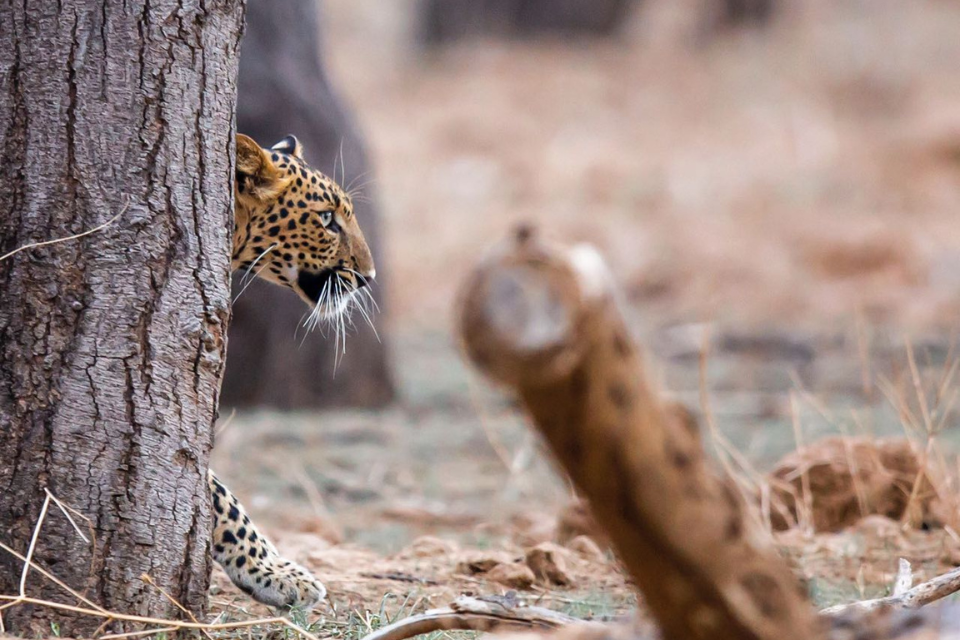
A visit to the Jhalana Leopard Temple encourages travelers to slow down. Instead of racing from one zone to another, seasoned naturalists recommend “parking and pondering.” By sitting quietly near the temple, you allow the forest to accept your presence. It is in these moments of stillness that the “Ghost” usually reveals itself.
8. Comparisons: Jhalana vs. Other Sacred Wildlife Sites
India has a long history of “Sacred Wildlife.” How does the Jhalana Leopard Temple compare to other famous sites like the Karni Mata Temple (Deshnoke) or the Gir National Park shrines?
- Jhalana vs. Deshnoke: While Karni Mata is famous for its rats, the Jhalana Leopard Temple is about a large apex predator. The “danger” element makes the Jhalana experience much more visceral.
- Jhalana vs. Gir: In Gir, the temples are often deep in the jungle and inaccessible. The Jhalana Leopard Temple is unique because it is so close to a major urban center, highlighting the 2026 theme of “Urban Wilds.”
9. Conservation Through Culture: The 2026 Model
The Jhalana Leopard Temple is a living case study in what ecologists call “Cultural Conservation.”
“By protecting the shrine, the community has inadvertently protected the ‘core’ of the leopard’s habitat. The temple serves as a buffer zone where hunting or wood-cutting is strictly taboo.”
This model is being studied by urban planners in 2026 as they look for ways to integrate wildlife corridors into “Smart Cities.” The lesson from the Jhalana Leopard Temple is clear: If you want to protect an animal, you must first engage the spirit of the people who live alongside it.
10. Conclusion: The Eternal Heartbeat
The Jhalana Leopard Temple is more than just a waypoint on a safari map; it is the soul of the Aravallis. It is a reminder that in our high-speed, digital-first world, there are still places where time is measured by the chime of a bell and the footfall of a panther.
When you stand at the gates of the temple and hear the distant alarm call of a langur echoing through the ridges, you aren’t just a visitor—you are a witness to an ancient, beautiful, and incredibly fragile balance. Plan your 2026 journey to include the Jhalana Leopard Temple loop. It’s time to see the forest through the eyes of the goddess.
11. Disclaimer: Respecting the Sacred and the Wild
- Modesty and Silence: The Jhalana Leopard Temple is an active place of worship. Please dress in respectful, earthy tones and keep your voice to a whisper.
- Vehicle Safety: Leopards in this zone are extremely confident. Never leave your vehicle unless specifically permitted by your naturalist in the designated temple parking zone.
- Offerings: Under no circumstances should you throw “Prasad” or food offerings out of the gypsy. This disrupts the leopard’s natural diet and leads to dangerous habituation.
- Permit Check: Zone 1 permits are required to access the Jhalana Leopard Temple road. These must be booked at least 15 days in advance during the 2026 winter season.
FAQ: Deep Dive into the Jhalana Leopard Temple
- Can I visit the Jhalana Leopard Temple without a safari booking?
In 2026, access is strictly controlled to minimize human-wildlife conflict. You must be in a registered Forest Department vehicle to reach the Jhalana Leopard Temple.
- Is the temple safe during the monsoon?
Yes, but the road to the Jhalana Leopard Temple can be slippery. The Aravalli quartzite becomes quite slick, and certain steep sections of Zone 1 may be closed for safety during heavy rains.
- Who is the priest of the Jhalana Leopard Temple?
The temple is maintained by a local family of pujaris who have lived on the edge of the forest for generations. They are often the best source for “real-time” leopard sightings, as they observe the cats’ movements daily.
- What is the best time for a “Temple Sight”?
The 6:30 AM shift is unbeatable. As the first light hits the white spire of the Jhalana Leopard Temple, the “Ghosts” are often seen descending the cliffs to reach the valley floor.