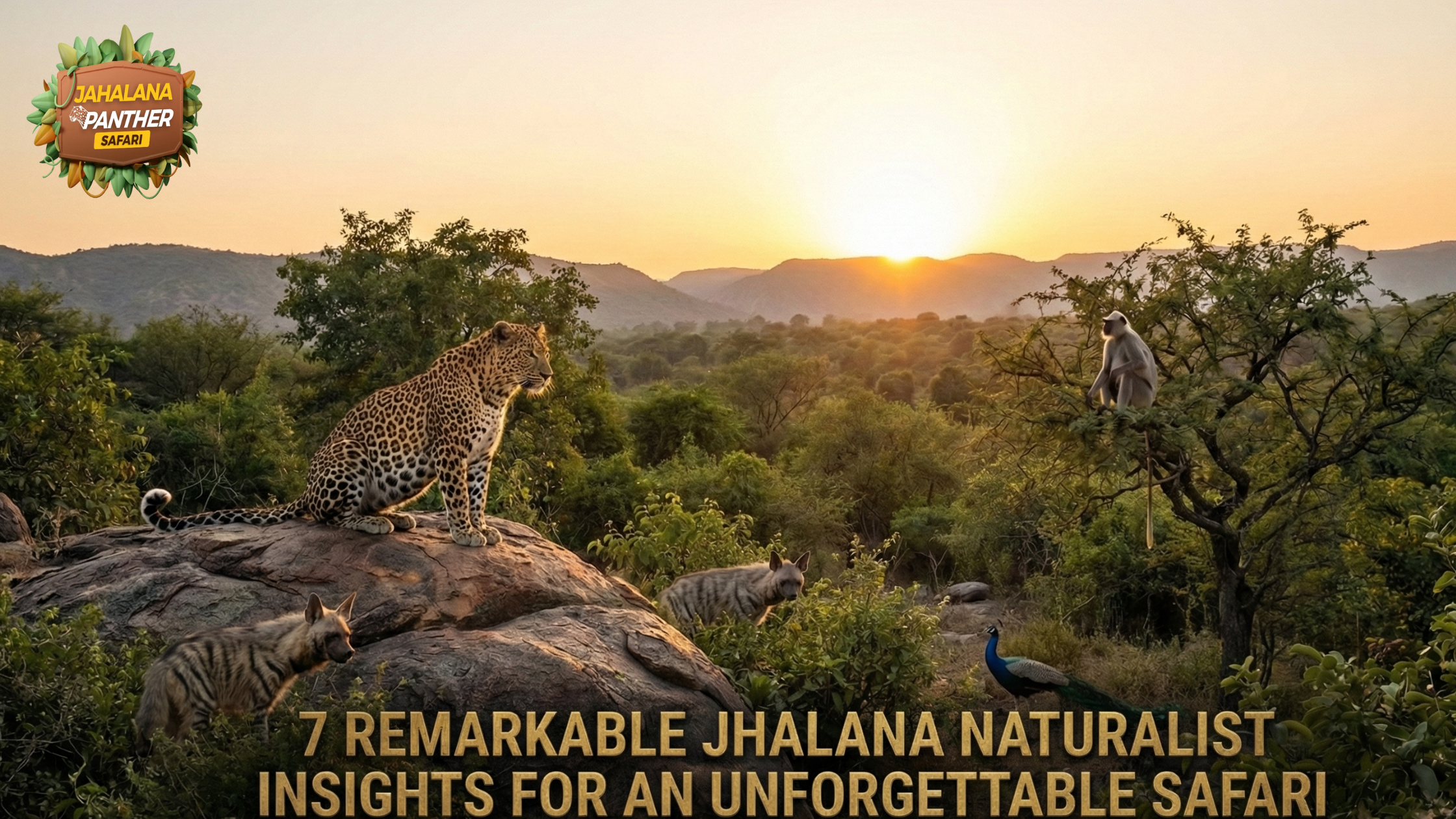
7 Remarkable Jhalana Naturalist Insights for an Unforgettable Safari (2026 Guide)
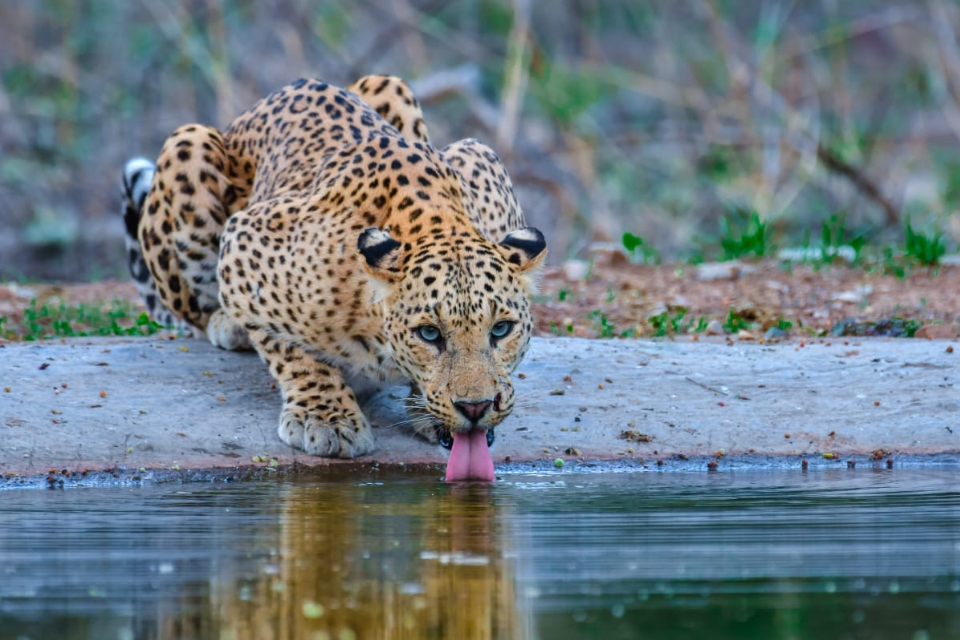
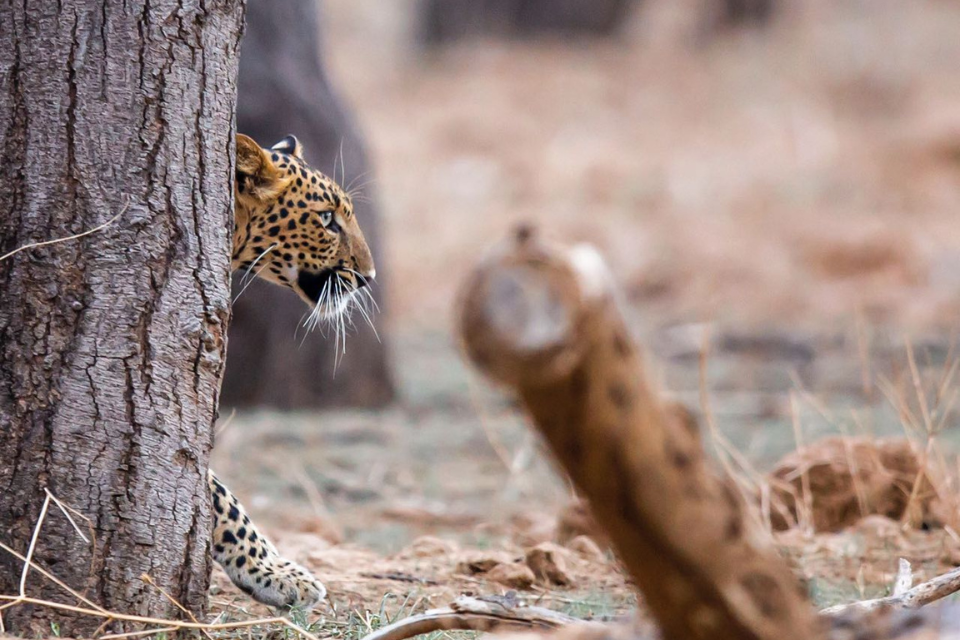
For the average visitor, a safari is a game of chance. You sit in a gypsy, eyes scanning the scrub, hoping that a flash of gold and black rosettes will appear among the rocks. However, for the experts who spend every day within the Aravalli ridges, finding a leopard isn’t about luck—it’s about a complex, multi-sensory language.
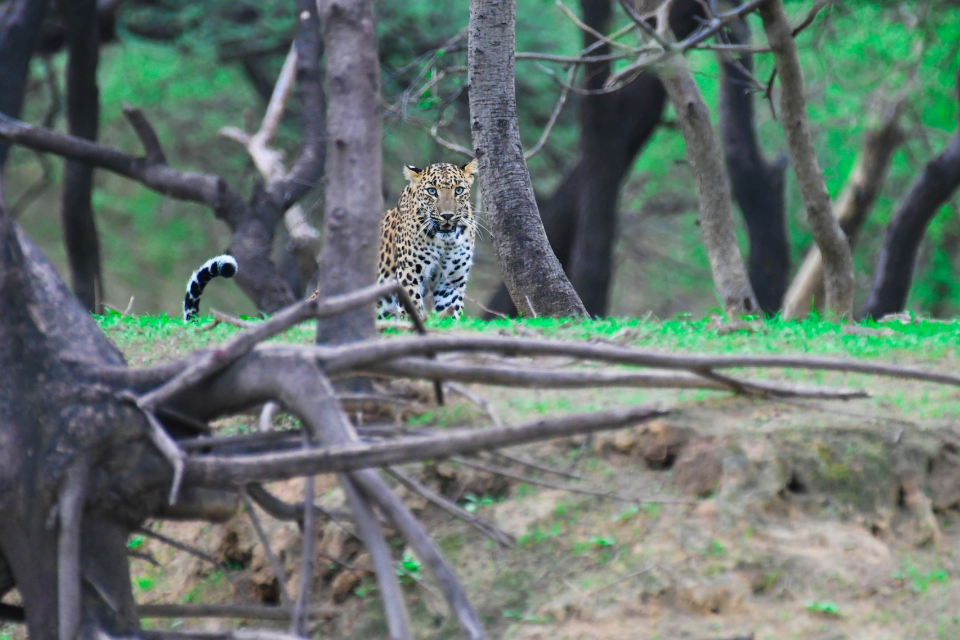
To truly understand this forest, one must step into the shoes of those who live and breathe its rhythms. These Jhalana naturalist insights transform a simple ride through the woods into a masterclass in ancient tracking techniques. In this 2026 guide, we go behind the scenes to reveal how the “Ghost of the Aravallis” is tracked, identified, and protected.
1. The Language of the “Jungle Telegraph.”
One of the most profound Jhalana naturalist insights is that you don’t find the leopard; the forest tells you where it is. This is known as the “Jungle Telegraph.”
Deciphering the Langur’s Cough
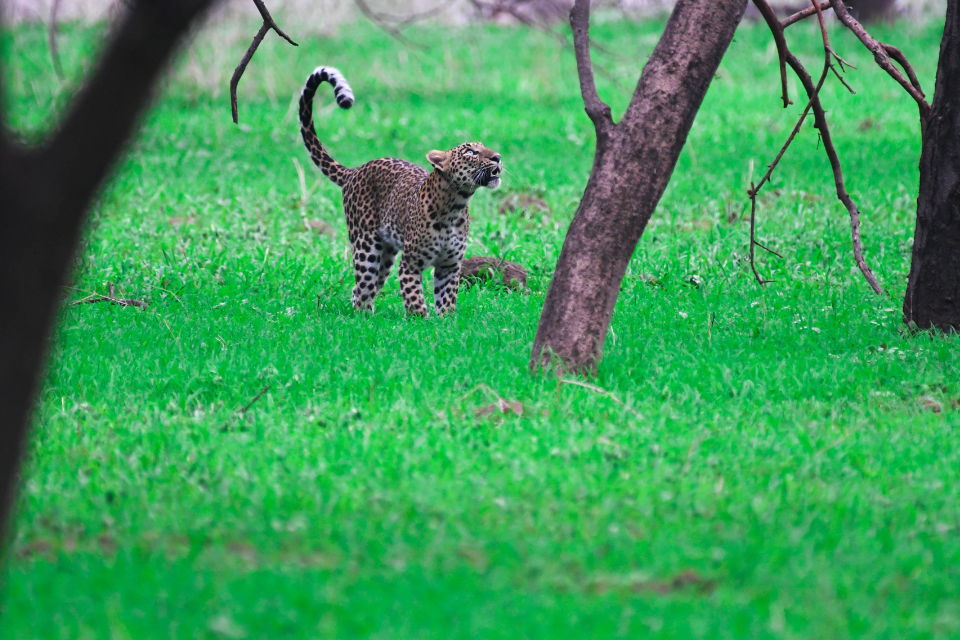
The Northern Plains Gray Langur is the most reliable informant in the forest. Naturalists listen for a specific, guttural “khok-khok” sound. A casual call might mean a snake or a domestic dog near the fence, but a series of urgent, rapid coughs from the treetops usually means a leopard is moving directly below them. Learning to distinguish these sounds is one of the most practical Jhalana naturalist insights you can acquire.
The Peafowl’s Hysteria
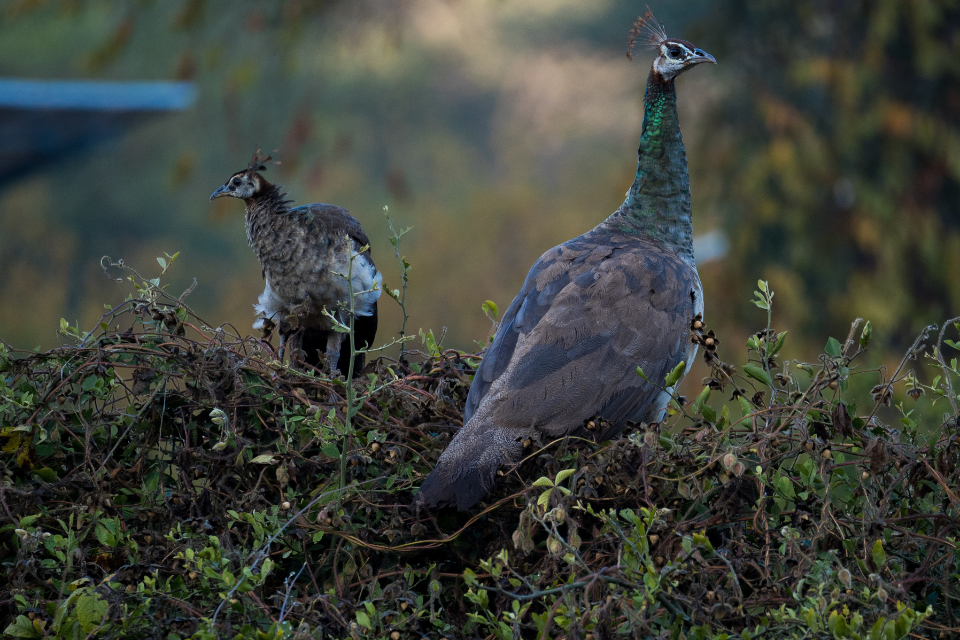
While beautiful, the Indian Peafowl is a nervous sentry. When a leopard is on the prowl, peacocks emit a loud, metallic “phee-han” call. An expert naturalist can tell the difference between a peacock just calling for a mate and one that has spotted a predator based on the frequency and direction of the bird’s gaze.
2. Reading the “Dust Diary”: The Art of Pugmarks
Before the sun is fully up, naturalists are already reading the “Dust Diary” left on the safari tracks. Every animal that moved during the night has left a signature, and interpreting them is a core part of Jhalana’s naturalist insights.
Freshness and Direction
One of the key Jhalana naturalist insights involves determining how “fresh” a pugmark is. By looking at the sharpness of the edges in the sand and whether any insects have crawled across the print, a tracker can tell if a leopard passed by five minutes ago or five hours ago. Expert naturalists often look for “scat” (droppings) near these tracks; if the scat is still moist, it provides a definitive Jhalana naturalist insight that the predator is likely within a 200-meter radius.
Male vs. Female Prints
Expert trackers can often tell which specific leopard is in the area just by the shape of the print. Male leopards, like the famous Bahubali, have larger, more rounded toes, while females like Flora often have more elongated, oval-shaped pugmarks. Naturalists also look for “drag marks”—thin lines in the dust—which indicate a leopard has successfully hunted and is moving its kill to a secluded bush. Recognizing these marks is a vital Jhalana naturalist insight for finding leopards in a relaxed, stationary state.
3. The “Throne” Selection: Predicting Leopard Behavior
Leopards are creatures of habit. They don’t just sit anywhere; they choose “thrones” that offer tactical advantages.
Thermal Regulation and Viewpoints
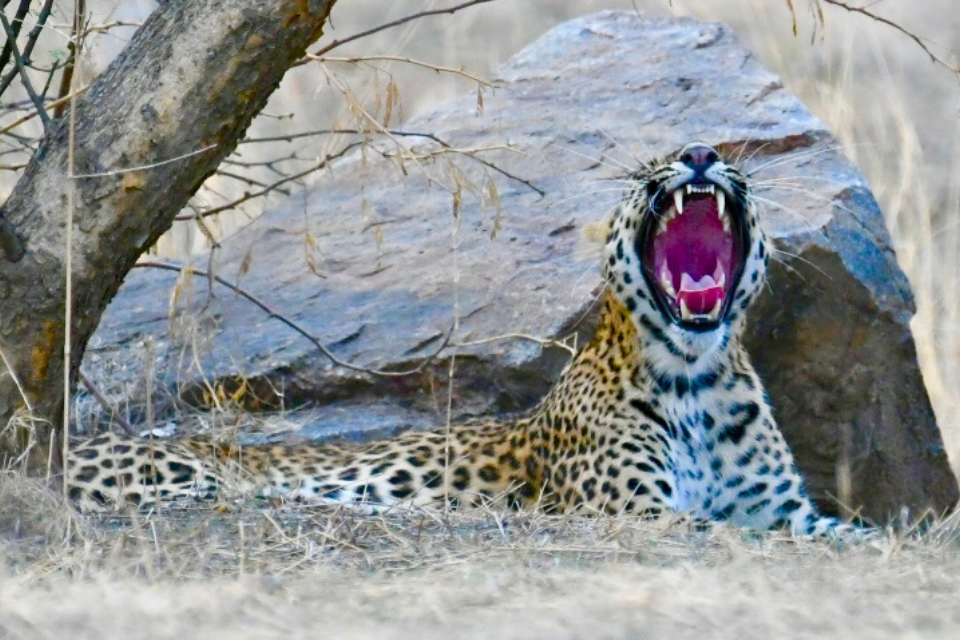
Naturalists know that on a cold winter morning, leopards will be on the eastern faces of the quartzite ridges to catch the first rays of the sun. Conversely, in the scorching Jaipur summer, they retreat into the deep, shaded crevices and caves that offer natural air conditioning. Using these Jhalana naturalist insights increases your sighting chances significantly.
The High-Ground Advantage
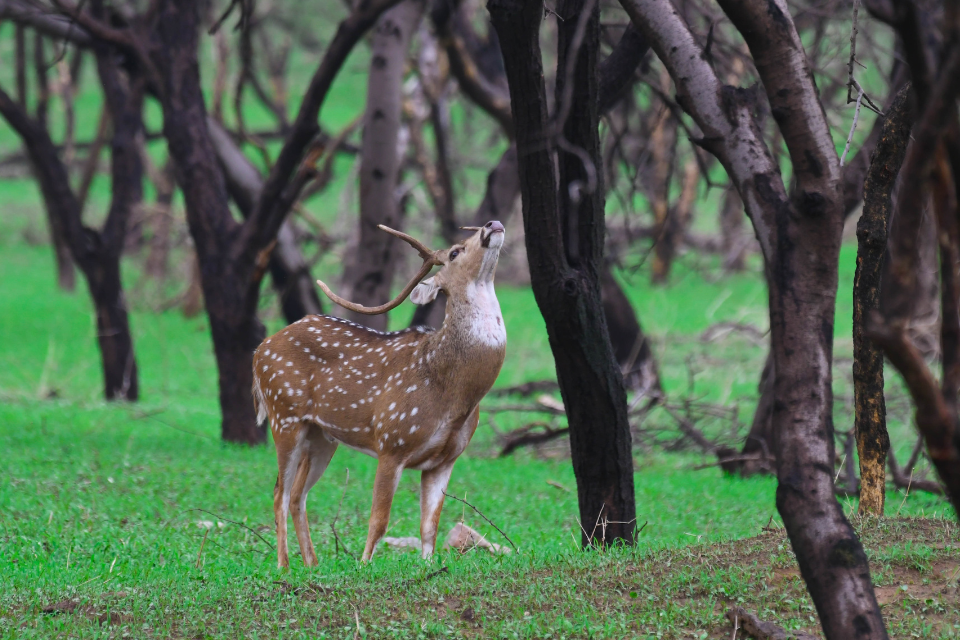
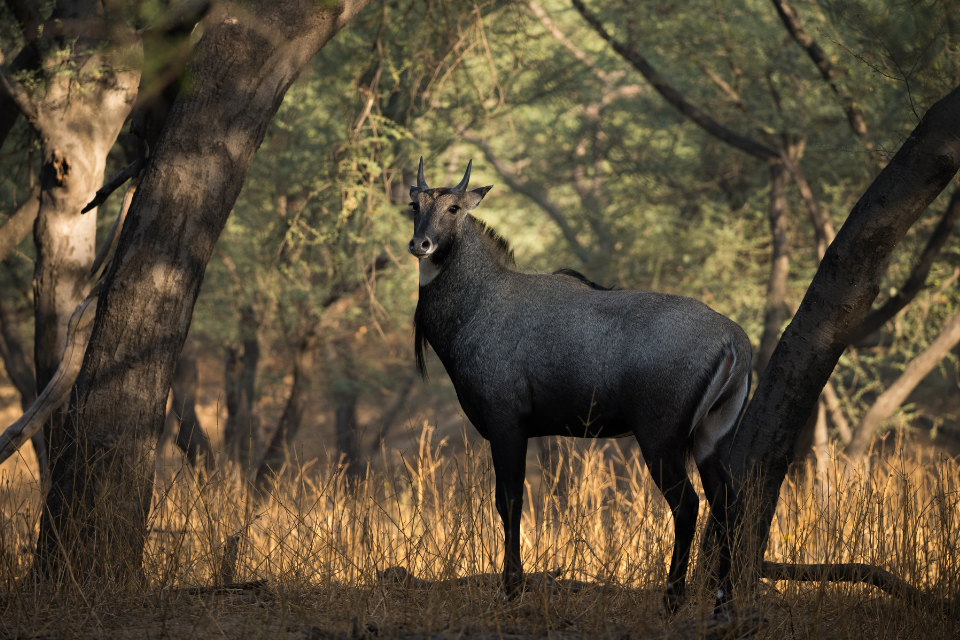
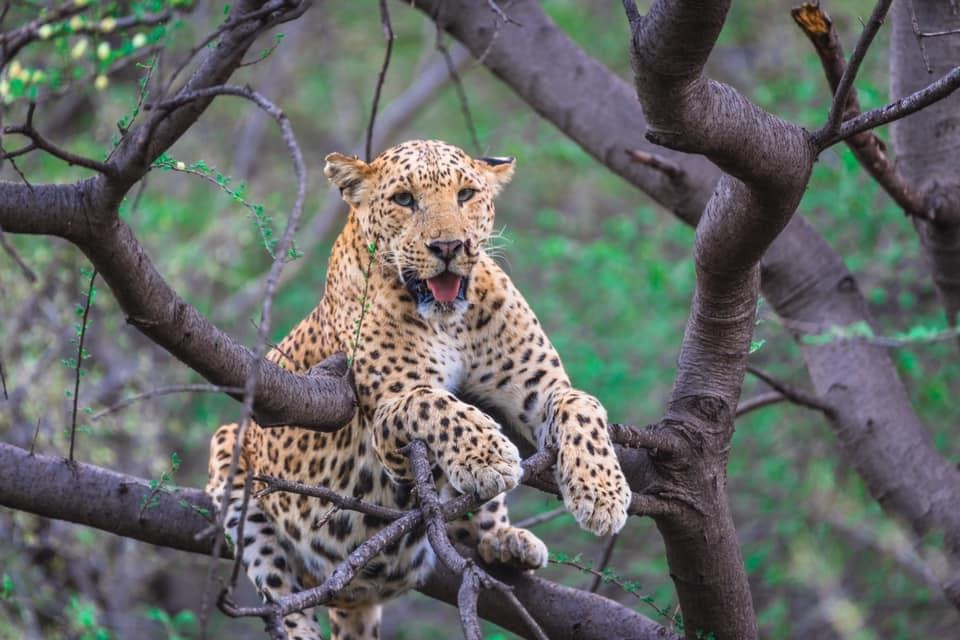
A leopard is a master of verticality. One of the most important Jhalana naturalist insights is to always “look up.” Leopards often use the highest ridges to monitor the movement of prey like Nilgai and Chital in the valley below.
4. Character-Driven Conservation: Knowing the Individuals
In Jhalana, leopards aren’t just numbers; they are individuals with distinct personalities.
The Legend of Bahubali
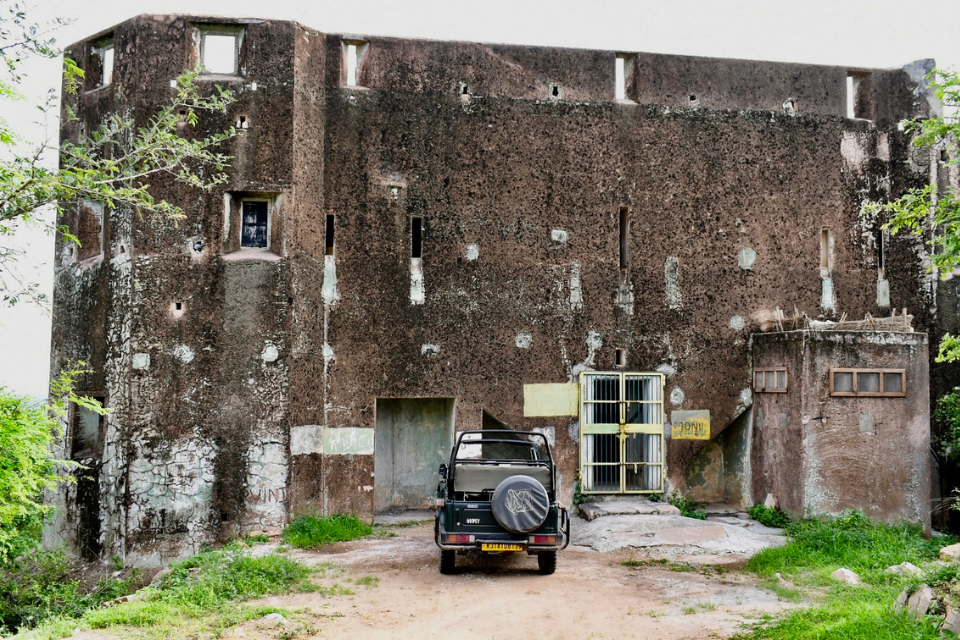
Named for his immense size and strength, Bahubali is the dominant male of the central range. Naturalists have observed him for years, documenting his territorial battles and his preferred hunting grounds. Knowing his temperament—that he is relatively bold and unbothered by vehicles—is among the most valuable Jhalana naturalist insights for photographers. He is even known to use safari vehicles as “blinds” to sneak up on prey, a behavior that showcases the high intelligence and adaptability found within Jhalana’s naturalist insights.
The Resilience of Flora
Flora is perhaps the most famous female in the reserve. Watching her raise multiple litters of cubs against the backdrop of an urban forest has provided invaluable data on leopard maternal behavior. Naturalists have noted that Flora often chooses denning sites near the higher ridges during the monsoon to avoid flash floods in the valley. These Jhalana naturalist insights into maternal instincts help the forest department ensure that certain zones remain quiet during the cub-rearing season to minimize stress on the family.
5. The Scavenger’s Secret: Tracking the Hyena
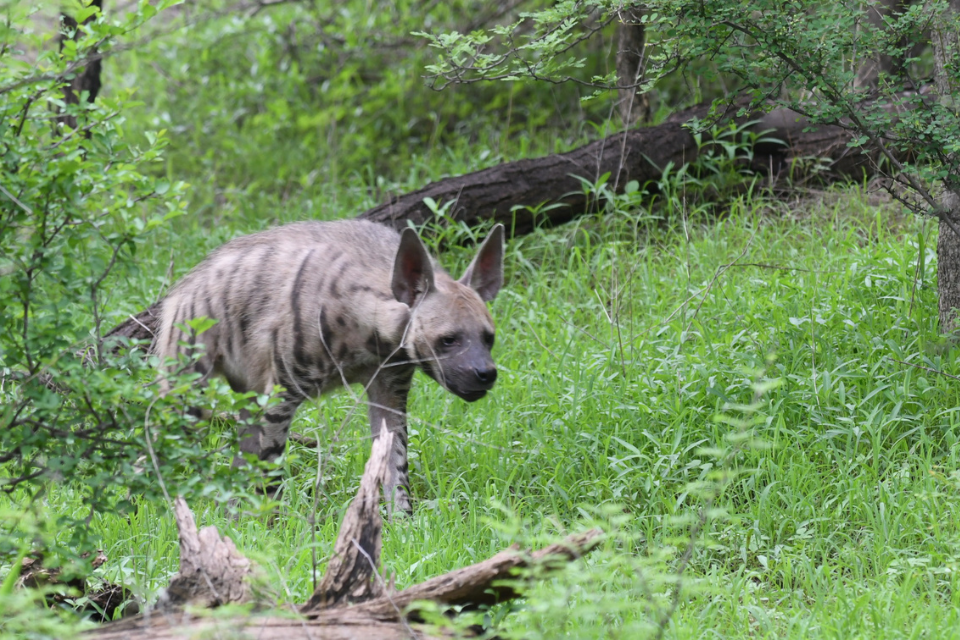
While everyone wants to see a leopard, a naturalist knows that the Striped Hyena is the key to understanding the forest’s health.
Denning Sites and Activity
Hyenas are elusive and mostly nocturnal. Trackers look for “latrine sites” or specific bone-scattered areas near rocky caves to identify active dens. Because hyenas and leopards often compete for the same rocky shelters, using Jhalana naturalist insights to find a hyena den is often a clue that a leopard might be lurking in the ridges nearby.
6. The “Golden Hour” Photography Tips
A naturalist isn’t just a tracker; they are often expert photographers who know exactly how the light interacts with the Aravalli landscape.
Quartzite Glow
The rocks in Jhalana contain high amounts of quartz. During the “Golden Hour”—the hour after sunrise and before sunset—the grey rocks turn a fiery copper color. Naturalists will often position a vehicle so that the leopard is backlit against this glowing stone, creating the iconic “Jhalana Portrait.” This is one of the most frequently shared Jhalana naturalist insights among wildlife photographers visiting Jaipur.
7. The Ethical Tracker: Respecting the Silence
Perhaps the most vital of all Jhalana naturalist insights is the ethics of tracking. A true expert knows when to push for a sighting and when to back away.
Managing the “Jungle Telegraph”
When a leopard is spotted, naturalists use silent hand signals or low-frequency radios to alert others. They ensure that vehicles don’t crowd the animal or block its path to water or its kill. A crucial Jhalana naturalist insight that tourists should respect is the “Engine Off” rule. When a leopard is near, turning off the engine reduces vibrations and noise, allowing the animal to remain in its natural state. This respect for the animal’s personal space is why Jhalana remains one of the world’s best places for close-range leopard sightings.
The Future of Urban Tracking
As Jaipur expands, these Jhalana naturalist insights are becoming even more important for conservation. Naturalists act as the bridge between the wild and the urban, monitoring the fence lines and ensuring the leopards don’t wander into human settlements. Their daily logs and observations form a database that helps scientists understand how urban leopards are evolving. By visiting the reserve, you aren’t just a spectator; you are supporting the naturalists who use these Jhalana naturalist insights to keep this unique ecosystem alive.
Conclusion: Seeing the Forest Through New Eyes
The next time you enter the gates of the reserve, remember these Jhalana naturalist insights. Don’t just look for a leopard; listen for the langur, read the dust on the track, and observe the angle of the sun on the quartzite rocks. When you begin to understand the language of the Aravallis through these Jhalana naturalist insights, the forest stops being a collection of trees and becomes a living, breathing story. By applying these Jhalana naturalist insights, your safari experience will transform from a simple outing into a deep immersion in one of India’s most successful urban wildlife stories.
FAQ: Jhalana Naturalist Insights
- How do naturalists identify individual leopards?
A. They use unique rosette patterns on the leopard’s face and flanks, which are as distinct as human fingerprints. - Can I ask my guide to teach me tracking?
A. Yes! Most naturalists are happy to share their Jhalana naturalist insights and point out pugmarks or explain alarm calls during the safari. - What is the best time for tracking?
A. The early morning shift is best for reading fresh pugmarks from the night before, while the evening shift is great for hearing the “Jungle Telegraph” as predators wake up. - Why do leopards stay near the roads?
A. Leopards often use the cleared safari tracks because they are easier and quieter to walk on than the dry, crunchy Dhok leaves of the forest floor. This is a common Jhalana naturalist insight shared with first-time visitors. - Do naturalists use GPS to find leopards?
A. No. Tracking is done entirely through traditional methods like alarm calls, pugmarks, and an intimate knowledge of the leopard’s territory.
Important Disclaimer
Trust Your Guide: Your naturalist’s primary job is the safety of both you and the wildlife. Always follow their Jhalana naturalist insights and instructions.
Stay Quiet: Sound carries in the rocky valleys of the Aravallis. Silence is your best tool for a successful sighting and is a key part of Jhalana’s naturalist insights.
Patience is Key: Tracking is an art that requires time. Apply these Jhalana naturalist insights with patience, and the forest will reward you with a memory of a lifetime.