
5 Ancient Secrets: The Billion-Year Throne of Jhalana Panther Safari (2026 Guide)
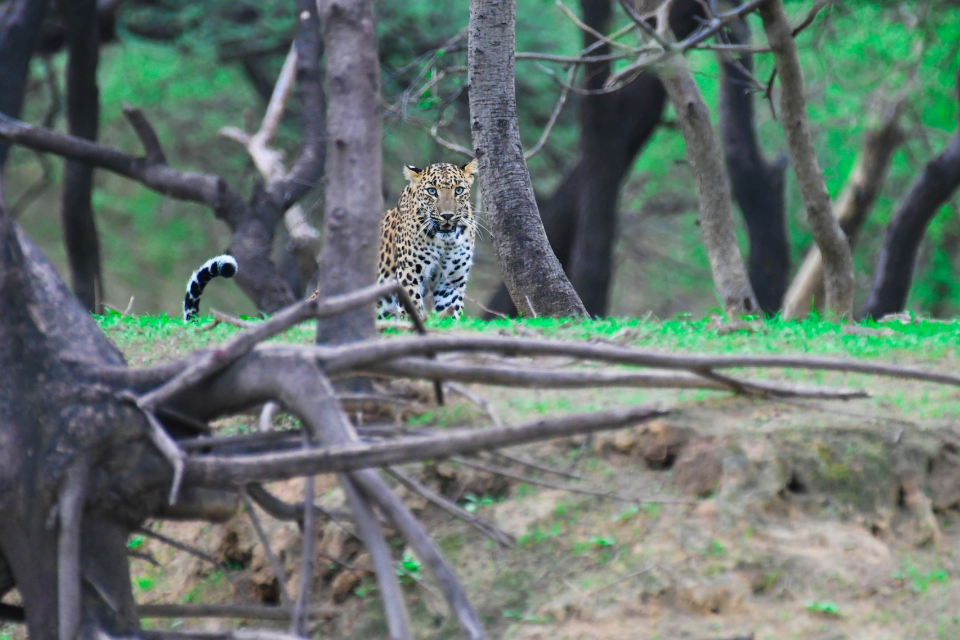
When you board a gypsy for a Jhalana wildlife ecosystem, your eyes are naturally tuned to find the spotted coat of a leopard against the scrub. But beneath the paws of these apex predators lies a story far older than any living creature on Earth. You are traversing the Aravalli Range—one of the oldest geological features on our planet, older even than the mighty Himalayas.
Jhalana is not just a forest; it is a billion-year-old fortress. While the city of Jaipur has risen and changed over centuries, these rocks have remained a silent sanctuary. In this comprehensive 2026 guide, we explore the “Billion-Year Throne” and reveal how the unique geology of the Aravallis is the true secret behind the success of the Jhalana wildlife ecosystem.
Secret 1: The Prehistoric Fortress of the Aravallis
The Aravalli Range dates back to the Proterozoic Era, making these hills nearly 2 billion years old. This isn’t just a fun fact; it is the foundation of the entire ecosystem you see during a Jhalana wildlife ecosystem.
A Natural Bunker for Big Cats
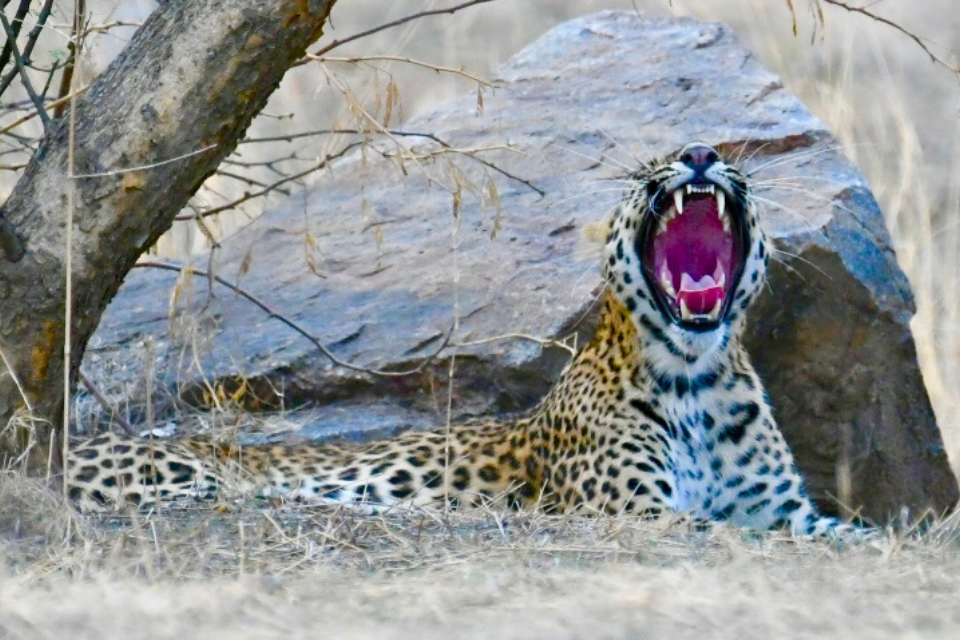
Unlike the soft, eroding soil of the plains, the quartzite and metamorphic rocks of Jhalana are incredibly hard and durable. Over millions of years, they have fractured to create deep crevices, narrow overhangs, and natural caves. For a leopard—an animal that thrives on stealth and verticality—these rocks are the perfect “natural bunker.” They provide thermal cooling during Jaipur’s scorching summers and impenetrable hiding spots where they can raise cubs far from the eyes of competitors.
Secret 2: The “Quartzite Corridor” and Leopard Camouflage
Have you ever wondered why Jhalana’s leopards are so difficult to spot until they move? The answer lies in the mineral composition of the rocks.
Mineral-Matched Stealth
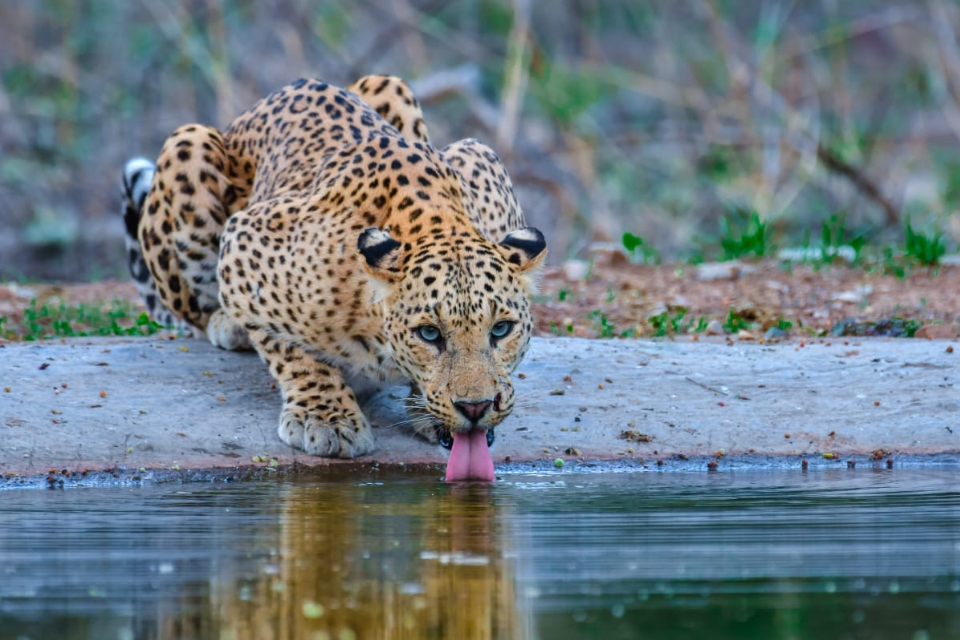
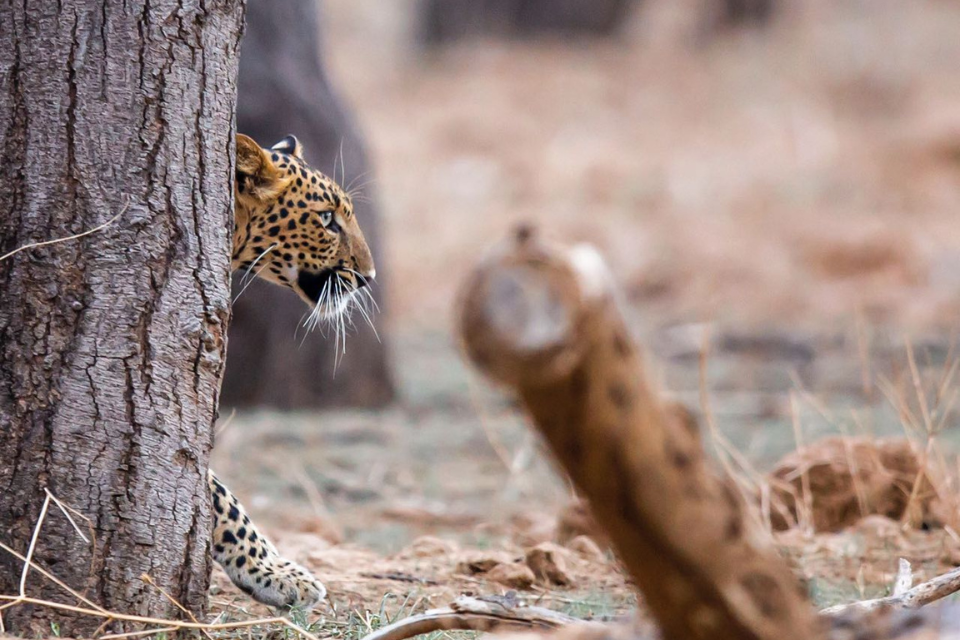
The rocks in Jhalana are predominantly composed of quartzites and schists, which have a distinctive grey, pinkish, and tawny hue. Over thousands of years, the leopards of the Jhalana wildlife ecosystem have evolved a coat color that mimics the dappled light reflecting off these specific minerals. When a leopard sits motionless on a “throne” of Aravalli quartzite, its rosettes break up its silhouette, making it virtually invisible. This geological camouflage is what makes tracking them such a rewarding challenge for wildlife enthusiasts.
Secret 3: The Ancient Water Traps
In a semi-arid landscape like Rajasthan, water is more precious than gold. The geology of Jhalana plays a critical role in water conservation, which in turn supports the high density of wildlife.
The Fault Lines of Life
The Aravalli hills in Jhalana are crisscrossed with ancient fault lines and “check-dams” formed by natural depressions in the rock. These formations act as giant stone bowls, trapping rainwater during the monsoon and holding it deep within the rocky crevices long into the dry summer months. During your Jhalana wildlife ecosystem, you will often notice that the most active wildlife sightings occur near these rocky depressions. Without this 2-billion-year-old “plumbing system,” the forest could never support the 40+ leopards that call it home today.
Secret 4: Verticality and the “High-Ground” Advantage
A leopard is a master of the three-dimensional world. In the flat forests of central India, leopards often have to compete with tigers. But in the vertical world of the Aravallis, the leopard is the undisputed king.
Dominating the Ridges
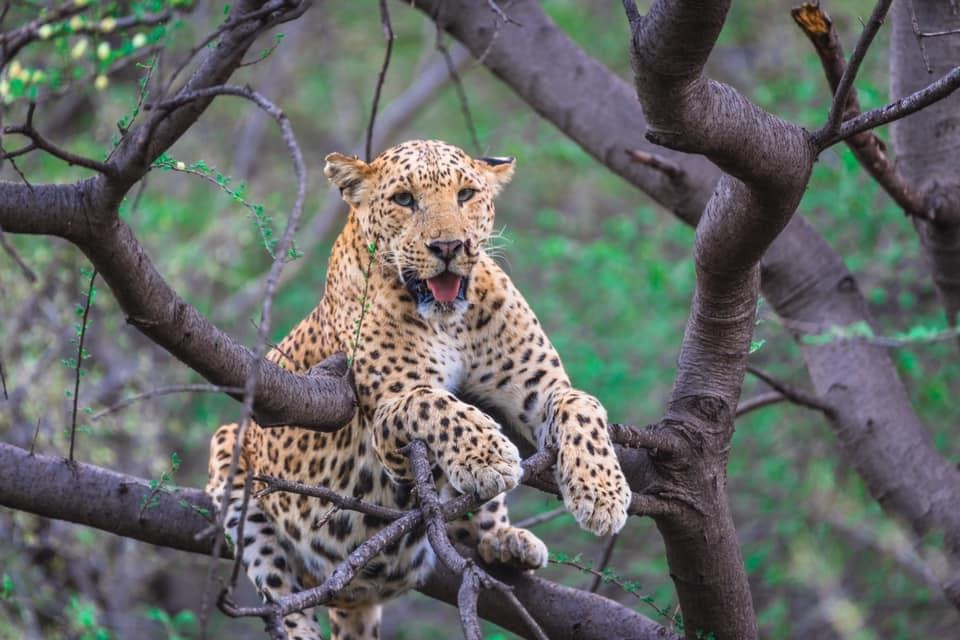
The steep gradients of Jhalana provide a tactical advantage. During a Jhalana wildlife ecosystem, you will often see leopards like “Bahubali” or “Flora” perched on the very highest ridges, looking down into the valley. From this height, they can monitor the movement of prey (and safari vehicles) with ease. The “High-Ground” isn’t just a place to sleep; it’s a strategic lookout that has allowed this population to thrive in such a small geographical area.
Secret 5: The Fossilized Silence of the Scrub
The flora of Jhalana—the Anogeissus pendula (Dhok) trees—is as ancient in its lineage as the rocks themselves. These trees have a symbiotic relationship with the Aravalli soil.
The Dhok Tree Symphony
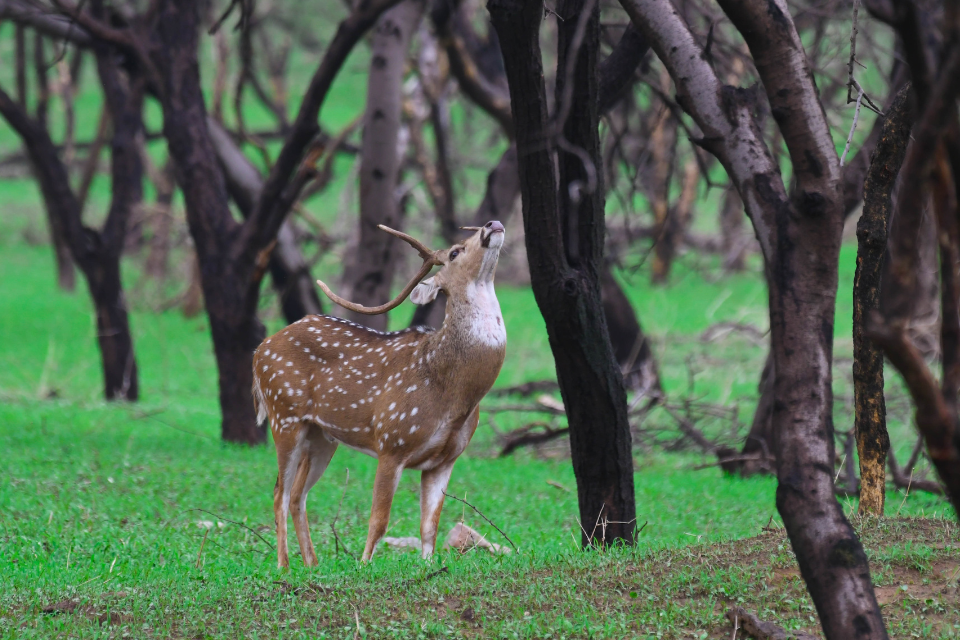
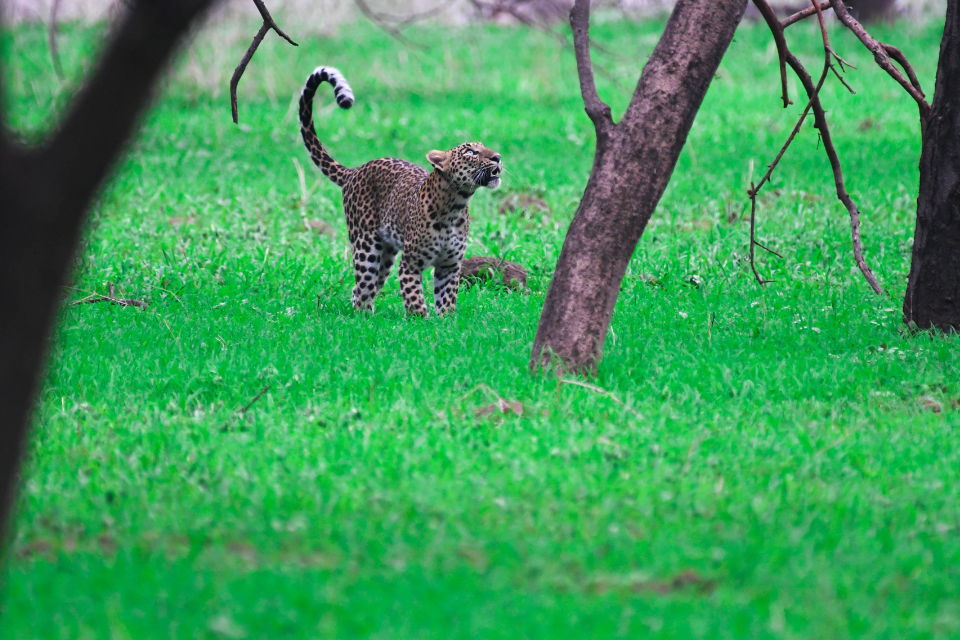
The Dhok tree is a specialist of the Aravallis. It grows slowly, its roots gripping the ancient quartzite with incredible strength. During the dry season, the leaves turn a beautiful reddish-brown, perfectly matching the geological tones of the hills. On a Safari in the Jhalana wildlife ecosystem, the “fossilized silence” of the dry scrub is your best friend. The sound of a leopard’s paw on dry Dhok leaves is a subtle cue that only the most experienced trackers can hear.
Photography Tips: Capturing the Ancient Aesthetic
To truly honor the geology of Jhalana in your photos, follow these expert tips:
- Highlight Texture: The ancient rocks have incredible textures. Use a narrow aperture (f/8 or f/11) when a leopard is sitting on a rock to ensure both the predator and the 2-billion-year-old “throne” are in sharp focus.
- The Golden Hour Glow: The quartz in the rocks reflects light beautifully during the last hour of the Jhalana Panther Safari. This “Golden Hour” turns the grey rocks into glowing copper, creating a majestic backdrop for leopard portraits.
- Scale and Perspective: Occasionally, zoom out. Capture the leopard as a small part of the massive Aravalli landscape. This emphasizes the “Billion-Year” scale of their home.
Why Understanding Geology Enhances Your Safari
Most visitors come to Jhalana for a “quick look at a cat.” But when you understand that you are standing on one of the oldest landmasses on Earth, the experience transforms. You realize that the journey to the Jhalana wildlife ecosystem is a journey into deep time. It makes every sighting feel more significant—you are witnessing a modern predator navigating an ancient world that has remained largely unchanged for eons.
FAQ: Deep History of Jhalana
1. Are the Aravallis really older than the Himalayas?
A. Yes, significantly. The Aravallis are approximately 1.8 to 2.5 billion years old, whereas the Himalayas are only about 40 to 50 million years old.
2. Do the leopards live in caves in Jhalana?
A. Yes. Many leopards use the natural rocky crevices and caves formed in the quartzite for shelter and to den their cubs.
3. Can I take a rock from the Jhalana wildlife ecosystem as a souvenir?
A. No. Removing anything—rocks, feathers, or wood—from the reserve is strictly prohibited and punishable by law.
4. How does the rocky terrain affect safari vehicle movement?
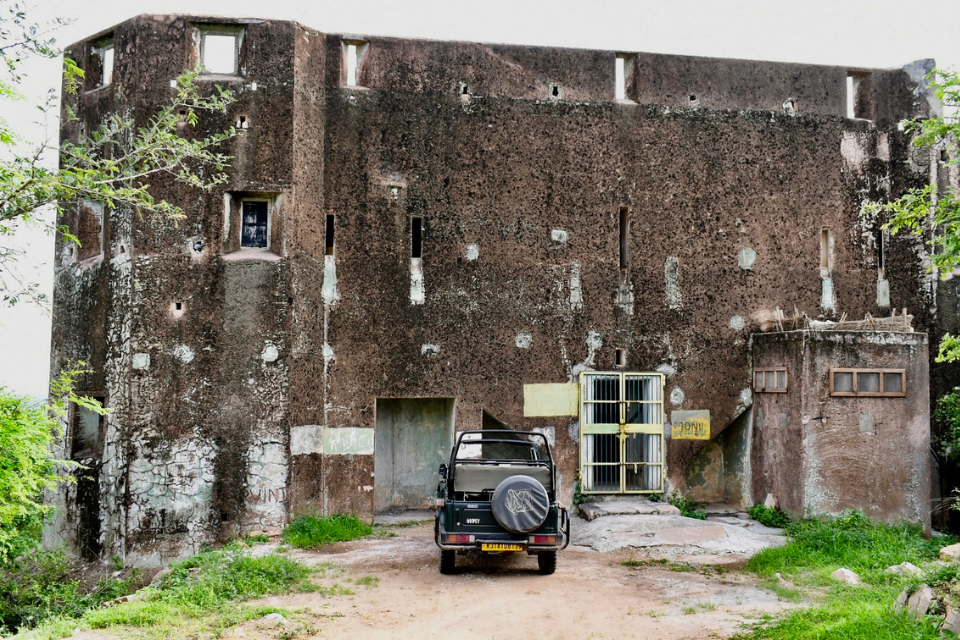
A. The journey in the Jhalana wildlife ecosystem uses modified 4×4 Gypsies specifically designed to handle the steep, rocky inclines of the Aravallis.
5. Is the “Dhok” tree found anywhere else?
A. Anogeissus pendula is almost exclusively found in the Aravalli and Vindhyan ranges of India, making it a “specialist” of this ancient soil.
6. Are there any fossils in Jhalana?
A. While you won’t find dinosaur bones (the rocks are too old!), the Aravallis contain some of the oldest evidence of life in the form of stromatolites (algal mats).
7. Why are the rocks in Jhalana so colorful?
A. The colors come from minerals like iron oxide (reds/pinks) and manganese, which have leached into the quartzite over millions of years.
8. Does the rocky terrain make it harder to see leopards?
A. It makes them harder to find, but when you do see them, the elevated rocky perches offer some of the best unobstructed views in India.
9. What is the highest point in Jhalana?
A. The ridges near the Kali Mata Temple offer the highest vantage points, providing a panoramic view of Jaipur and the forest.
10. How can I book a “Geology-focused” safari?
A. When you book your Safari for the Jhalana wildlife ecosystem through our website, you can request a naturalist who specializes in the history and geology of the Aravallis.
Conclusion: Respecting the Ancient Throne
The Jhalana Panther Safari is a testament to the endurance of the natural world. The leopard is the “King of the Hill,” but the Hill itself is the true hero of the story. By preserving these ancient rocks, we have maintained the leopard. As you leave the forest and return to the modern streets of Jaipur, take a moment to look back at the ridges. You aren’t just looking at a forest; you are looking at a billion years of history, still standing tall.
Important Disclaimer
To ensure the preservation of this ancient landscape:
- No Off-Roading: The rocky soil of the Aravallis is fragile despite its hardness. Always stay on the designated tracks to prevent erosion.
- Respect the Silence: Sounds echo differently in rocky valleys. Maintain absolute silence to avoid disturbing the animals and to better hear the “Jungle Telegraph.”
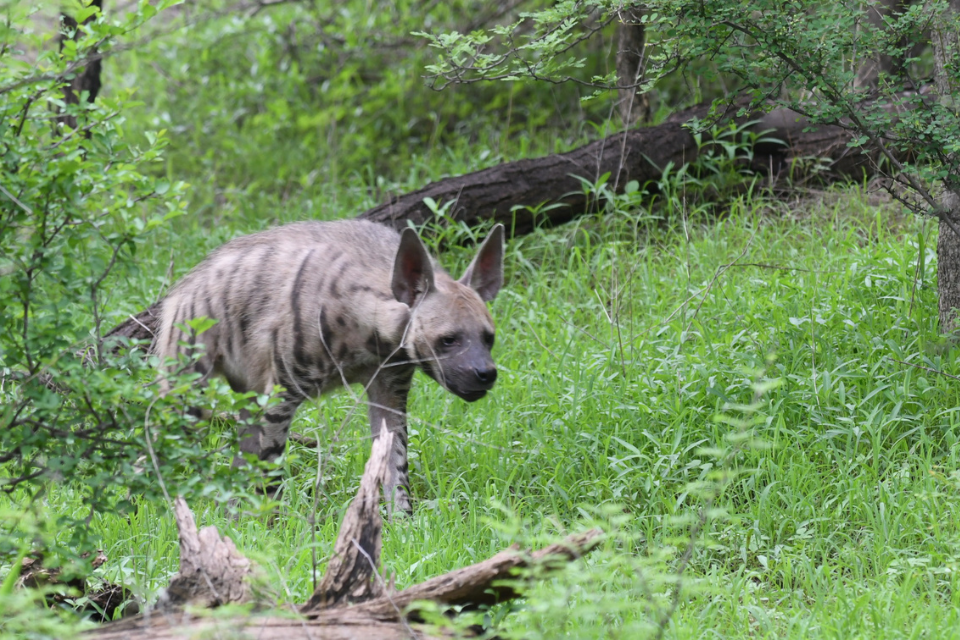
- Safety First: Never attempt to climb out of the vehicle to touch the rocks or enter a cave. These are the private residences of leopards and hyenas.
- Booking Integrity: Always use official channels for your Safari booking to the Jhalana wildlife ecosystem to ensure your fees go toward the conservation of this prehistoric site.