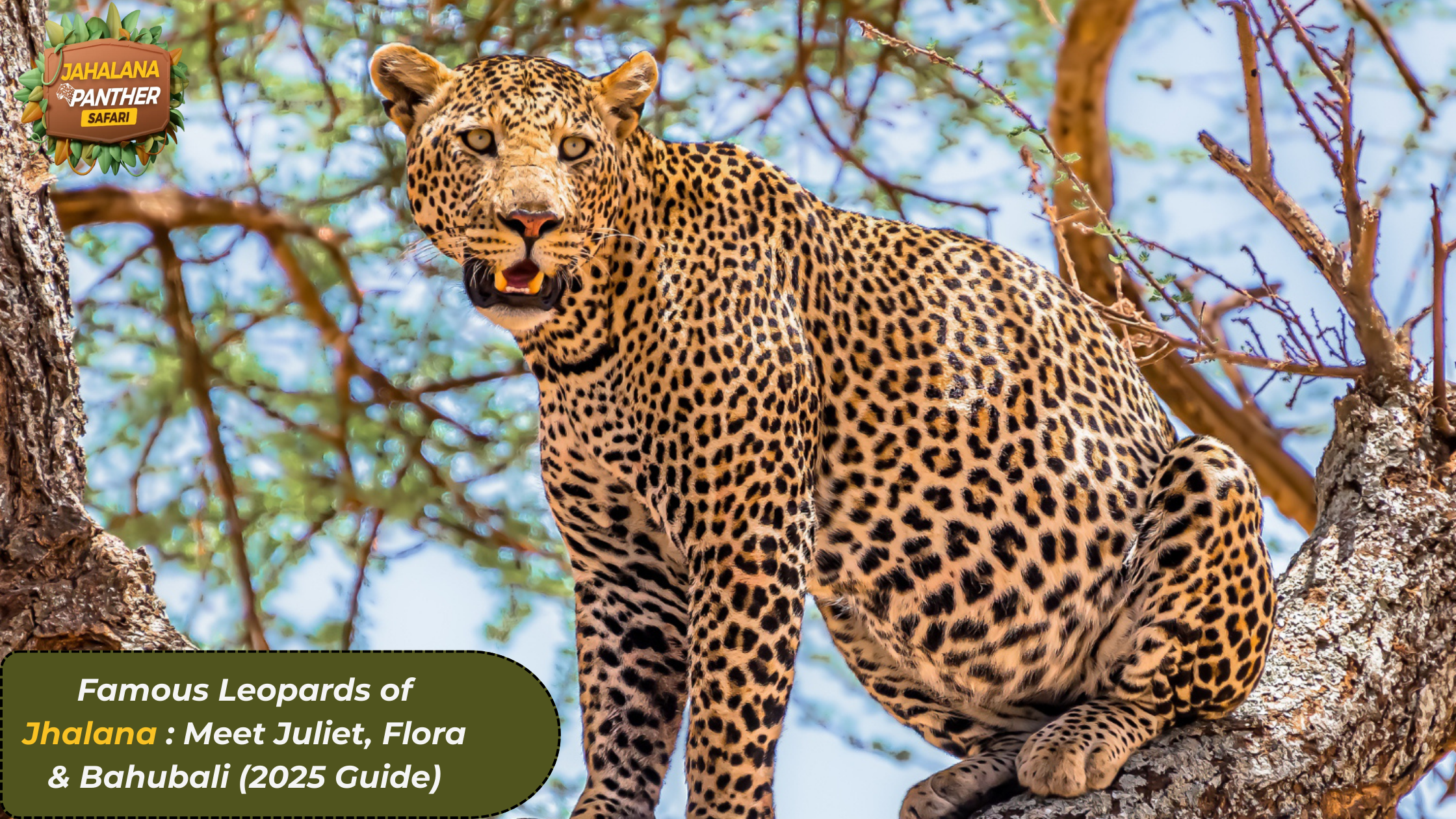
Famous Leopards of Jhalana: Meet Juliet, Flora & Bahubali (2025 Guide)
In the vast landscape of Indian wildlife, most encounters are fleeting. You might see a tiger’s tail disappearing into the grass in Ranthambore or catch a glimpse of a lion’s mane in Gir. The animals remain anonymous, mysterious, and distant.
But Jhalana Safari in Jaipur offers something radically different. It offers intimacy.
Here, the jungle isn’t just a habitat; it’s a stage. And the actors are some of the most charismatic big cats on the planet. The famous leopards of Jhalana are not just wild animals; they are local celebrities with names, histories, feuds, and distinct personalities that are documented daily by a passionate community of guides and photographers.
When you book a safari here, you aren’t just looking for “a leopard.” You are looking for Juliet, the bold queen who loves the camera. You are tracking Flora, the wise matriarch who has raised generations of cubs. You are listening for the roar of Bahubali, the scarred warrior king.
This guide is your backstage pass. If you are planning a trip to Jaipur in 2025, this is everything you need to know about the famous leopards of Jhalana—who they are, where to find them, and why they have captured the hearts of wildlife lovers worldwide.
The Unique Ecosystem: Why Jhalana Leopards are Different
To understand why we know these leopards by name, you must first understand their home. Jhalana is an “Urban Forest,” an island of wilderness surrounded by the bustling city of Jaipur.
In most forests, leopards are the “underdogs.” They live in fear of tigers, hiding in the shadows and staying strictly nocturnal. But in Jhalana, there are no tigers.
- The Apex Predators: Here, the leopard is the undisputed King.
- Diurnal Behavior: Because they have no larger threats, they are active during the day (diurnal).
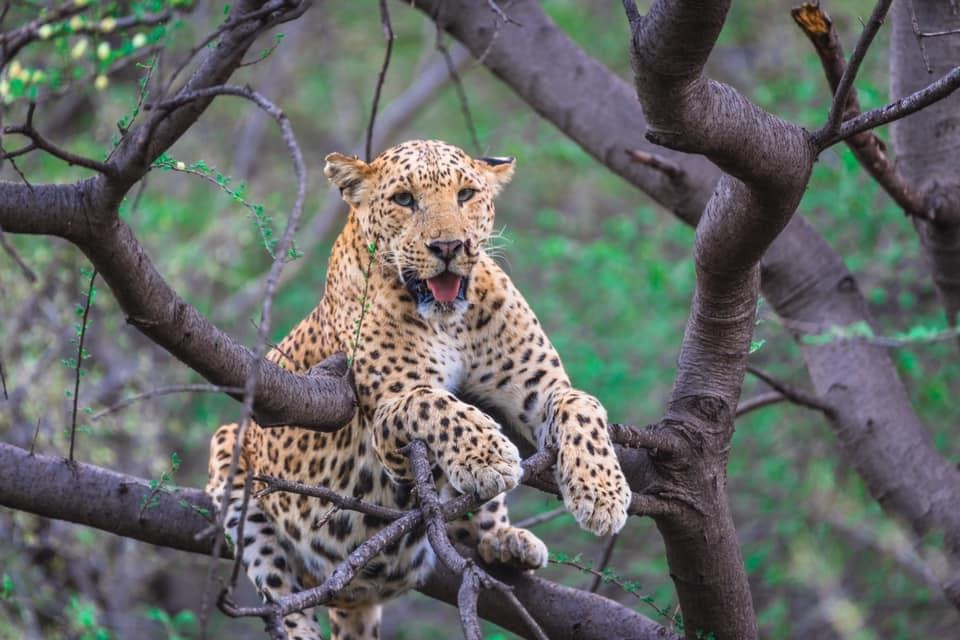
- Habituation: Having lived near the city for generations, the famous leopards of Jhalana have grown accustomed to the sights and sounds of humans. They do not view safari gypsies as threats, allowing for sightings that are often incredibly close and prolonged.
This unique confidence is what allows us to know their personalities so well.
1. Flora: The Matriarch & The Survivor
- Status: The Queen Mother
- Territory: Zone 1 (High Ridges & Boundary Walls)
If you trace the family tree of most cats in the reserve, the roots often lead back to Flora. She is the grand dame among the famous leopards of Jhalana.
Her Story: Flora is a legend not because of her size, but because of her success rate. In the wild, raising cubs to adulthood is incredibly difficult. Mortality rates are high due to disease, starvation, and male leopards. Yet, Flora has defied the odds. She is a “Supermom,” having successfully raised multiple litters over the last decade.
Personality & Quirks: Flora is the definition of wisdom. She is cautious and calculated. You will rarely see her walking recklessly in the open like her daughter, Juliet. Instead, Flora prefers the high vantage points. She often sits on the boundary walls of the reserve, watching the city traffic on one side and the jungle on the other—a perfect symbol of Jhalana’s dual nature.
How to Identify Her: Flora has a slightly smaller build compared to the younger females. Her coat is a deeper gold, and her eyes carry a calm, intense gaze that only an experienced mother possesses.
2. Juliet: The Diva of Jhalana
- Status: The Reigning Queen
- Territory: Zone 1 (The Tourist Tracks)
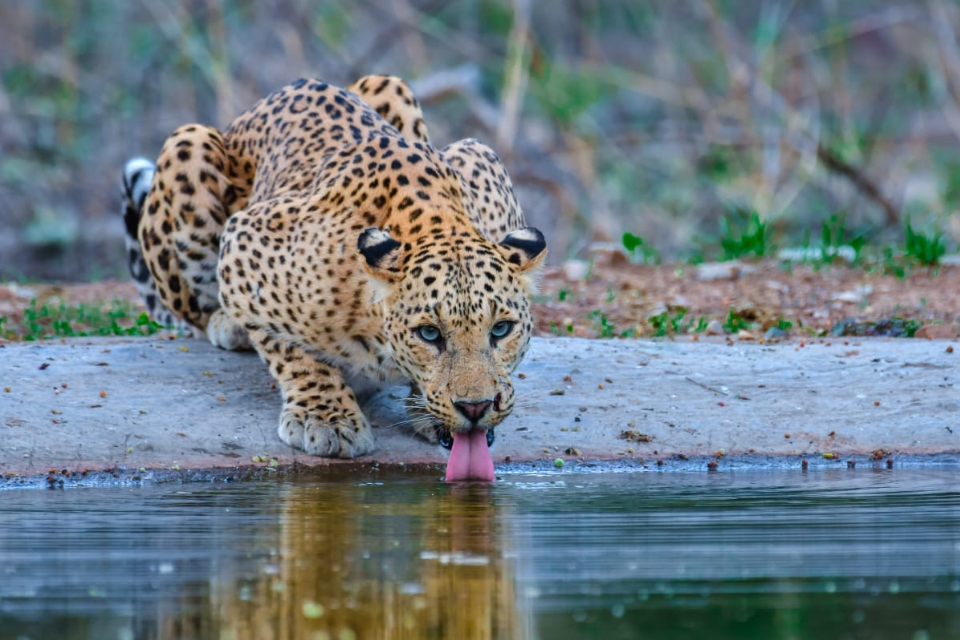
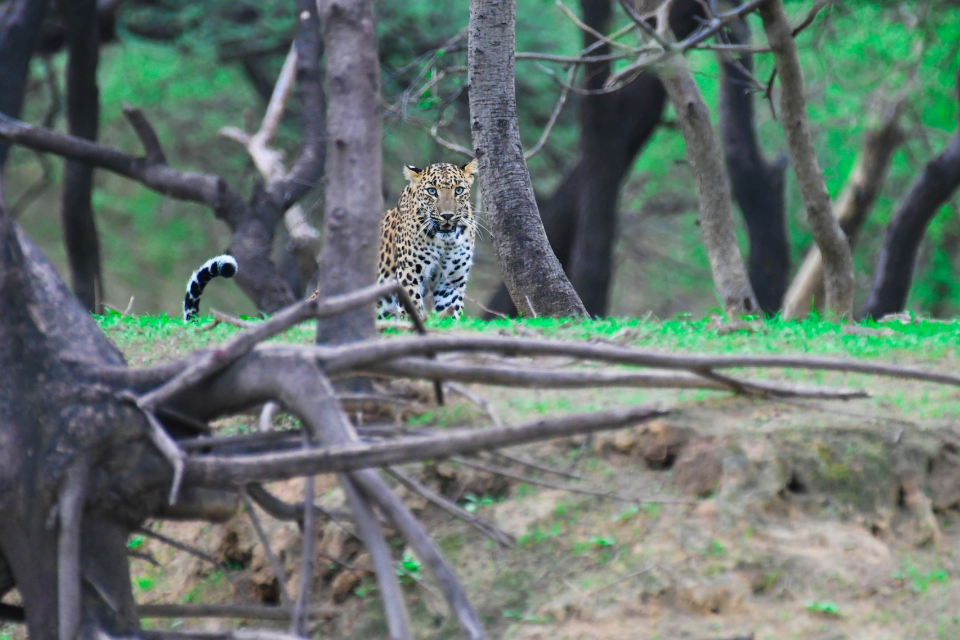
If Flora is the wise grandmother, Juliet is the Hollywood superstar. Among all the famous leopards of Jhalana, she is undoubtedly the most photographed and the most sought-after by tourists.
Her Story: Juliet is Flora’s daughter, but she has a personality entirely her own. She appeared on the scene a few years ago and quickly claimed the prime territory in Zone 1. What makes Juliet special is her absolute lack of fear. She doesn’t just tolerate safari vehicles; she seems to perform for them.
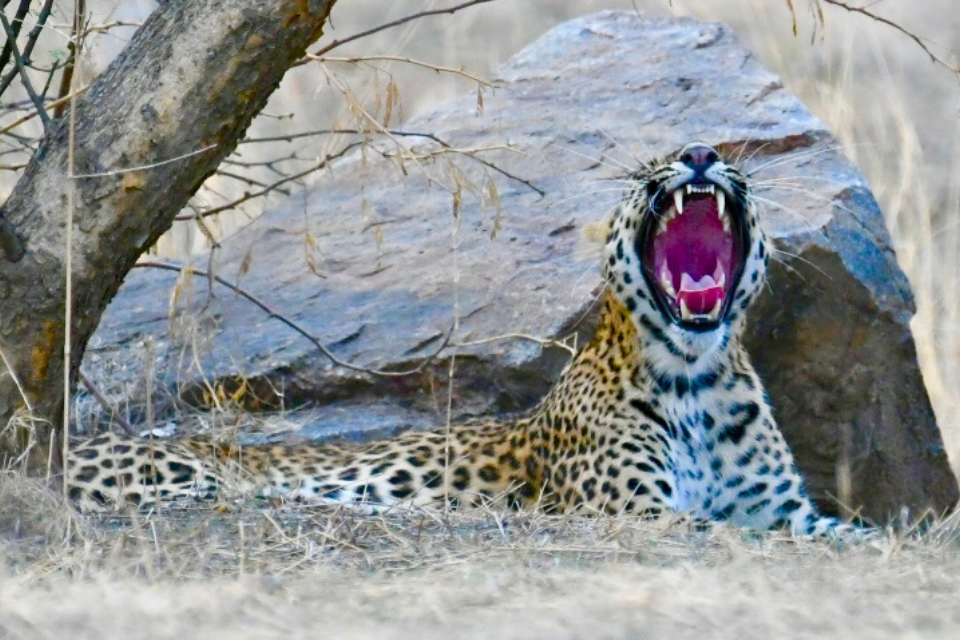
The “Juliet Walk”: Guides often talk about the “Juliet Walk.” While other leopards might scurry across the road, Juliet owns it. She walks slowly, right down the middle of the safari track, often leading a convoy of jeeps for 10-15 minutes. She will stop, look back at the cameras, yawn, groom her paws, and then continue.
A Photographer’s Dream: Juliet is responsible for some of the most viral images coming out of Jaipur. If you see a photo of a leopard looking straight into a wide-angle lens, chances are, it’s Juliet.
3. Bahubali (Rana): The Warrior King
- Status: The Dominant Male
- Territory: Zone 1 & Zone 2 (Overlapping multiple females)
Every kingdom needs a ruler, and for years, that title has been held by Bahubali (also known as Rana). He is the heavyweight champion among the famous leopards of Jhalana.
His Story: Bahubali is a massive male. In the world of leopards, size matters. A larger male can defend a larger territory and mate with more females. Bahubali has fought hard for his crown. His face and neck often bear fresh scratches and scars—souvenirs from territorial battles with rival males who try to encroach on his land.
Personality: Bahubali is elusive but imposing. He is less “showy” than Juliet. Sightings of him are often filled with tension. You might hear his deep, sawing roar echoing from the valley before you see him. When he does appear, the jungle goes silent. The monkeys stop chattering; the deer freeze. He moves with a heavy, rolling gait that exudes power.
Where to Find Him: Males roam much larger distances than females. Bahubali patrols both zones, marking his territory with scent and scratch marks on trees. Catching him requires a bit of luck and excellent tracking by your guide.
4. The Next Generation: Princes and Princesses
The hierarchy of the famous leopards of Jhalana is always shifting. As the older cats age, new challengers rise.
Nathwali
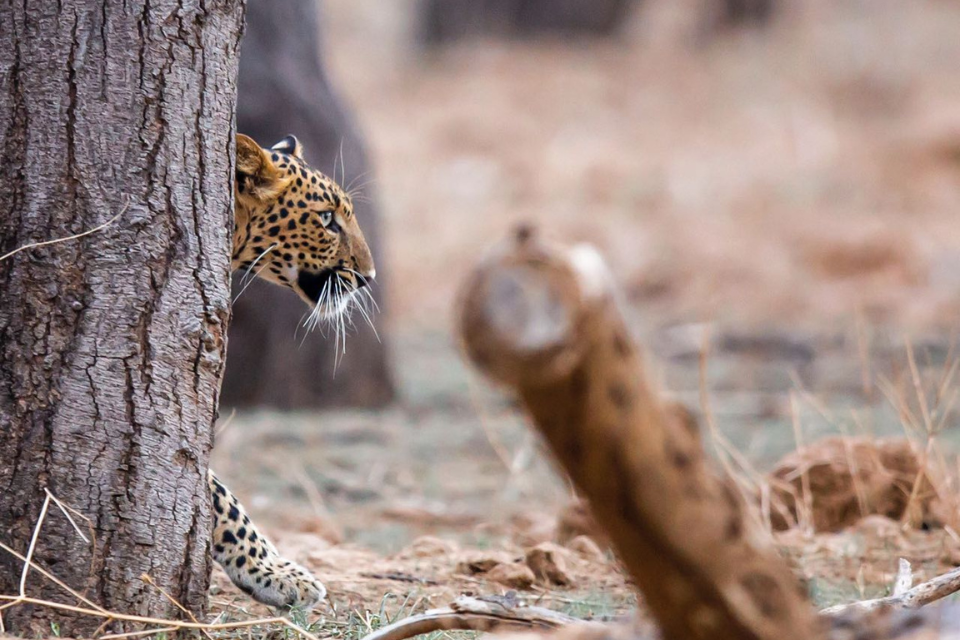
Recognizable by a distinct injury mark near her nose (hence the name, referring to a nose ring), Nathwali is a fierce hunter. She is often seen near the waterholes in Zone 1. She is younger and more aggressive than Juliet, often engaging in standoffs over territory.
Cleopatra
Juliet’s sister, Cleopatra, is the “Introvert” to Juliet’s “Extrovert.” She occupies the deeper, denser parts of the forest. Sightings of her are rarer, making her a prized catch for serious wildlife enthusiasts who enjoy the thrill of the hunt.
Tim-Tim
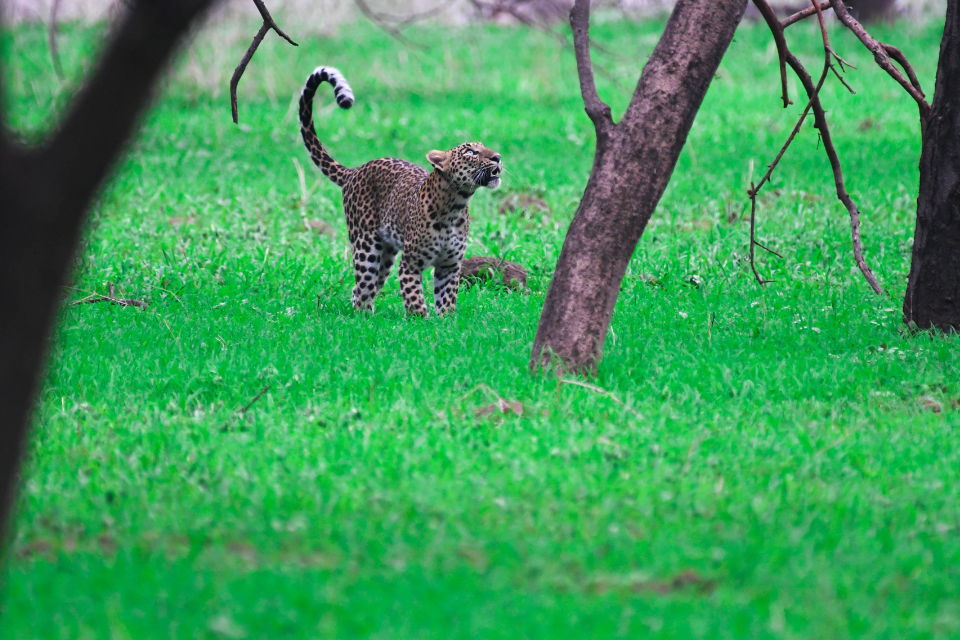
A rising star, Tim-Tim is a young male often seen testing his boundaries. Watching a sub-adult male like him is fascinating—he is essentially a teenager, awkward and curious, still learning the rules of the jungle from the adults.
The Science of Identification: How Do We Know Who is Who?
You might wonder: How do guides know for sure that it’s Juliet or Flora? Do they wear collars?
No, they do not wear collars. The identification of the famous leopards of Jhalana is done through a method as precise as fingerprinting: Rosette Mapping.
- The “Fingerprint” Pattern: Every leopard has a unique pattern of black spots (rosettes) on its body.
- Key ID Areas: Guides and researchers focus on specific areas—usually the forehead, the area above the eyes, or the base of the tail.
- Example: Juliet might have a specific “triangle” shape of dots above her left eye.
- Example: Bahubali might be identified by a “C” shape on his flank, along with his visible scars.
- The Guide’s Role: Our drivers and naturalists have spent years observing these patterns. They carry mental (and often physical) catalogs of these patterns. When a leopard steps out, they don’t just see a cat; they recognize an old friend.
A Day in the Life: Tracking the Royals
What does it feel like to search for the famous leopards of Jhalana?
06:00 AM: Enter the crisp Aravalli sunrise. By 06:30, fresh pugmarks hint at Bahubali’s presence. Tension builds until 07:20, when alarm calls shatter the silence. Then, at 07:30, Juliet emerges. She drinks deeply, eyeing your jeep with regal indifference, holding court for 20 unforgettable minutes.
Photography Tips: Capturing the Personalities
To get the best photos of the famous leopards of Jhalana, you need to adjust your strategy based on who you find.
- For Juliet (The Poser): She comes close. You don’t always need a massive 600mm lens. A 70-200mm or 100-400mm zoom is perfect. Focus on her eyes. Try to get a wide shot that shows her in the context of the track or the jeep to tell the story of the “Urban Leopard.”
- For Flora (The Watcher): She is often on high ridges. You will need to reach here (500mm or 600mm). Look for silhouettes. A shot of Flora sitting on a ridge with the blue sky behind her is iconic.
- For Bahubali (The King): He is often on the move. Keep your shutter speed high (1/1000 or faster) to freeze his motion. Focus on the textures—his scars and muscles tell a story of survival.
Conservation: The Future of Urban Leopards
The story of the famous leopards of Jhalana is also a story of conservation success. These cats are thriving on a small island of forest surrounded by millions of people.
However, their fame brings responsibility.
- Genetic Diversity: Being an isolated population, inbreeding is a long-term risk.
- Human-Wildlife Conflict: As the leopard population grows, young males like Tim-Tim are pushed to the edges, sometimes venturing into the city.
By visiting Jhalana, you are directly funding the protection of this habitat. Your ticket money goes toward maintaining the boundary walls, filling waterholes in summer, and paying the forest guards who protect Juliet, Flora, and Bahubali from poachers.
Frequently Asked Questions (FAQ)
- Is a sighting of Juliet guaranteed?
A. No wildlife sighting is ever 100% guaranteed. Leopards are wild animals and move freely. However, Juliet is very active in Zone 1, and our guides have a high success rate in tracking her. - Which zone is best to see the famous leopards?
A. Zone 1 is generally considered the “hotspot” for Juliet and Flora. Zone 2 is excellent for spotting males like Bahubali and for scenic landscape shots. - Can I name a leopard if I find a new one?
A. Naming is usually done by the forest department or the regular guide community to ensure consistency in records. - Are the leopards dangerous to tourists?
A. The famous leopards of Jhalana are habituated to jeeps. They do not see the vehicle as prey. As long as you stay seated and quiet, there is zero danger. - How many leopards are there in total?
A. Estimates suggest there are between 30 to 40 leopards in the reserve, but only about 10-12 are “famous” or frequently sighted regulars. - What happens if two male leopards meet?
A. Territorial fights can happen, though they usually try to avoid each other with vocal warnings. If a fight breaks out, it is a rare and intense sighting. - Do these leopards hunt during the day?
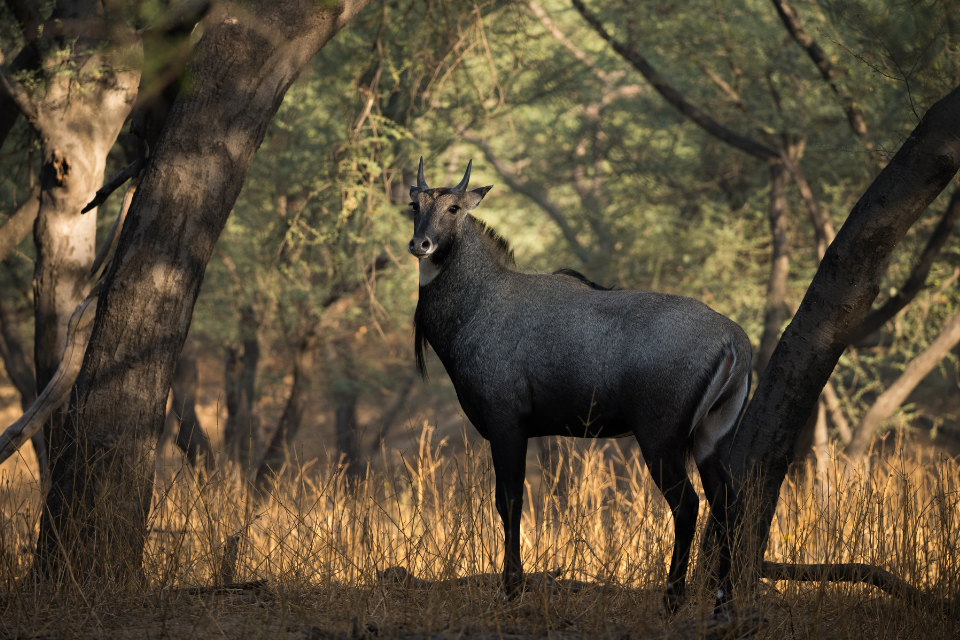
A. Yes! Because there are no tigers, Jhalana leopards are diurnal. It is not uncommon to see them stalking Blue Bulls or Peacocks in broad daylight. - Can I book a full-day safari to track them?
A. Yes, “Full Day” and “Half Day” permits allow you to stay in the park longer and move between zones, significantly increasing your chances of finding a specific cat.
Conclusion: A Date with Royalty
Jhalana is not just a place to see animals; it is a place to meet characters. The drama of the royal family plays out every single day by famous leopards of Jhalana —territories are won, cubs are raised, and legends are born.
Whether it’s the heart-stopping gaze of Juliet, the quiet wisdom of Flora, or the raw power of Bahubali, a trip to Jhalana is an emotional journey into the lives of these magnificent cats.
The jungle is open. The Royals are waiting. The only question is: Who will you meet?
Disclaimer
This blog is for informational purposes. Wildlife sightings are subject to nature and luck. The names used (Juliet, Flora, and Bahubali) are nicknames of Famous Leopards of Jhalana, used by the local guide and photography community for identification; these are wild animals living in a natural reserve. Please respect the forest rules: maintain silence, keep distance, and never feed the animals.