- September 16, 2025
Urban Conservation Models: Why Jhalana’s Success Matters
TL;DR (Key takeaways)
- Jhalana shows cities can protect apex predators in small, fragmented forests when protection, science, and community buy-in move in step.
- Policy mattered: Rajasthan launched Project Leopard in 2017 and made Jhalana India’s first dedicated leopard reserve; in 2023, Jhalana–Amagarh was notified as a Conservation Reserve.
- Engineering + monitoring work: an 8-foot perimeter wall along ~30.6 km, new waterholes/grasslands, and thermal/camera surveillance reduced conflict and improved habitat.
- Numbers rebounded: multiple sources report ~40–47 leopards in ~20 km² by the late 2010s/early 2020s—exceptional for an urban patch.
- The model is replicable—with corridors, strict tourism caps, tech-led monitoring, and neighborhood engagement. Studies across India show leopards adapting to city edges when habitat is managed.
The big idea: Urban conservation that actually works
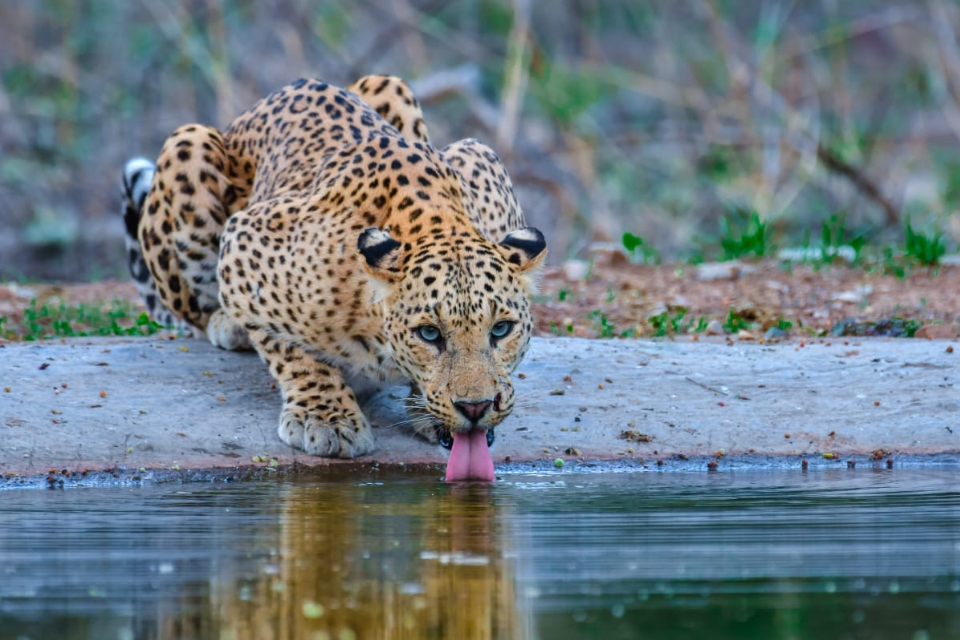
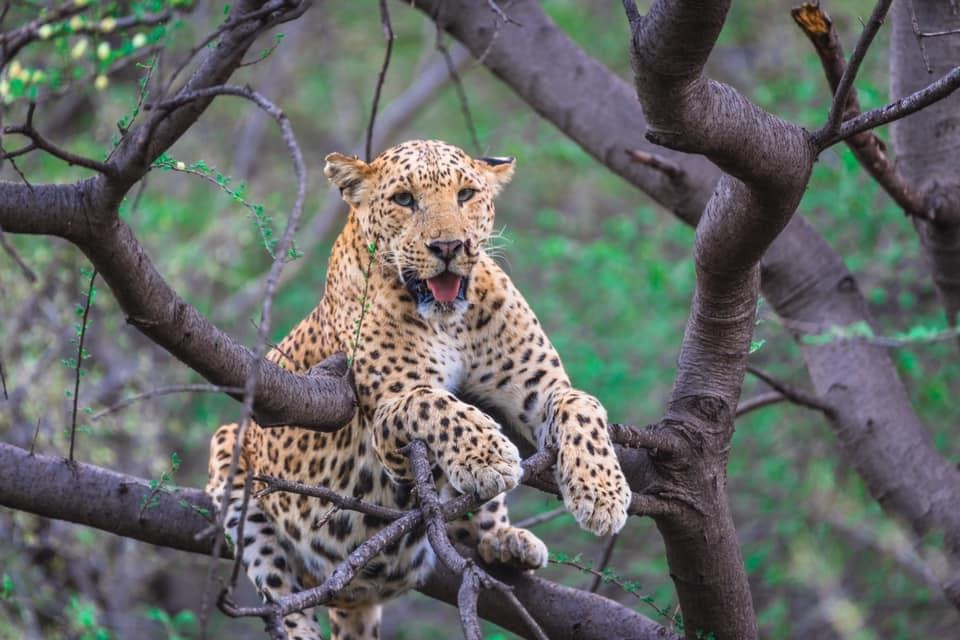
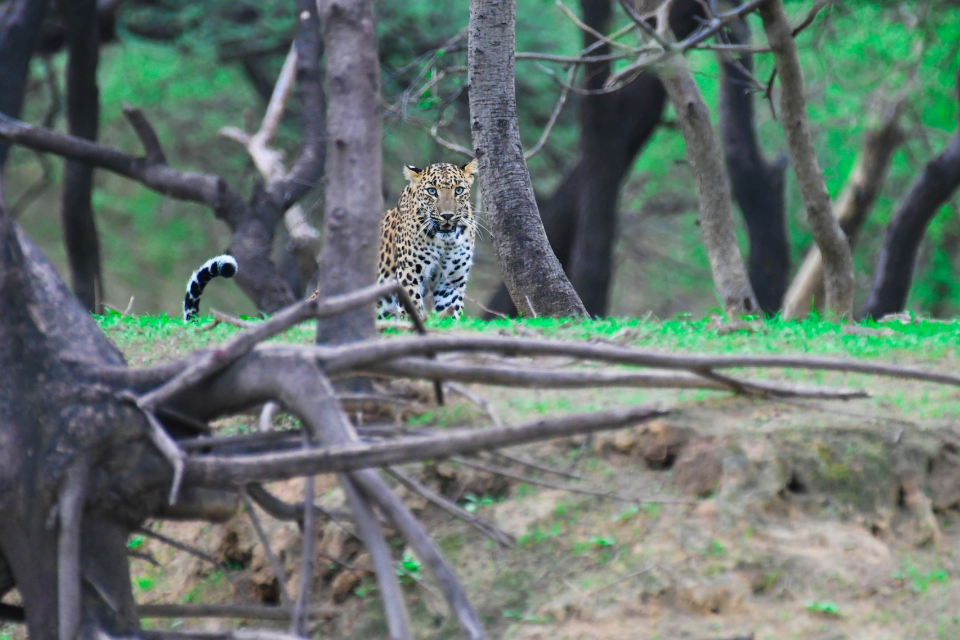
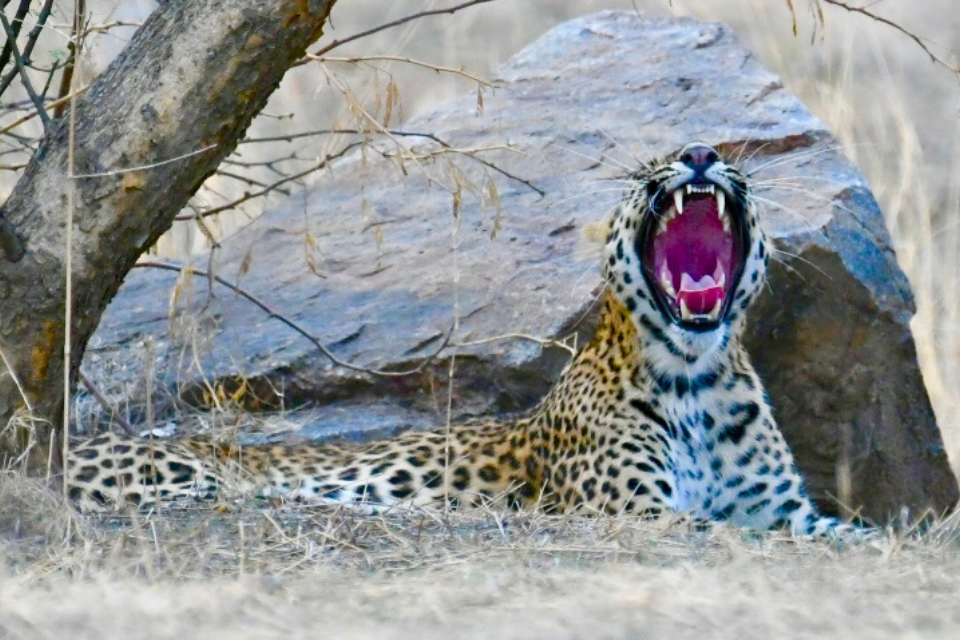
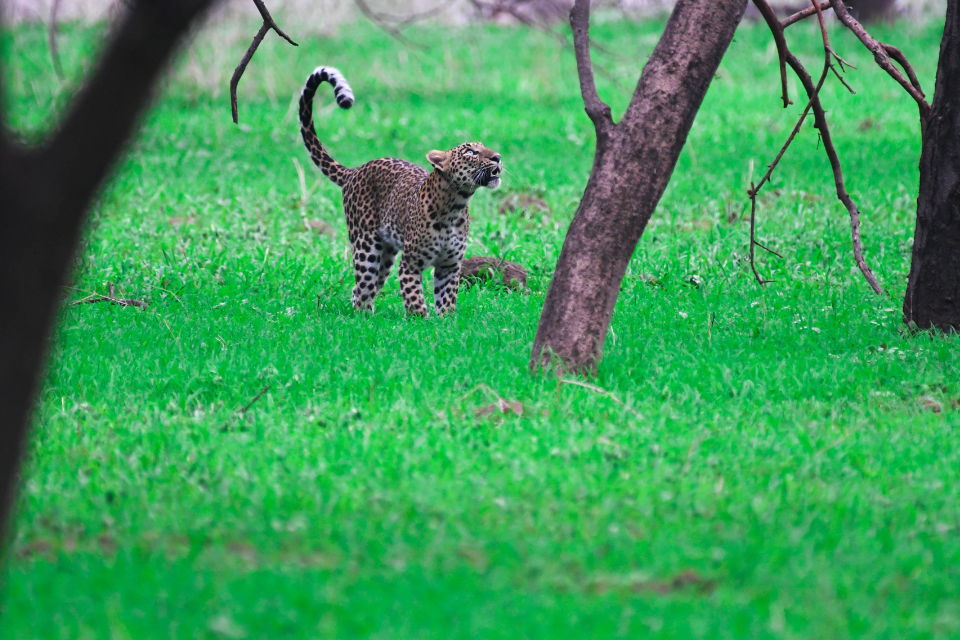
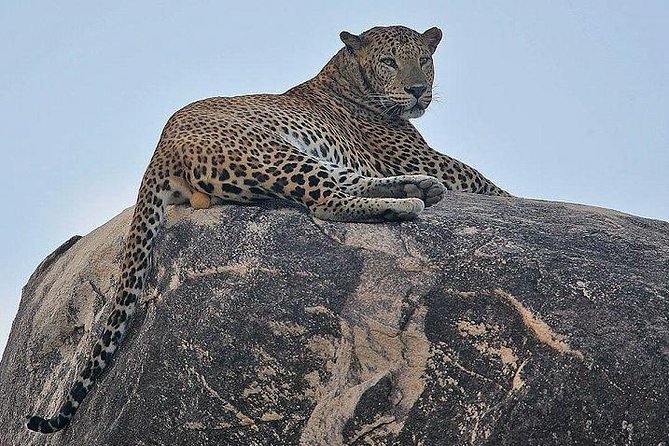
Urban conservation is often framed as “nice to have”—plant a few trees, fence a patch, put up some signs. Jhalana, tucked within Jaipur’s city limits, flips that script. In a ~19.94–20 km² dry deciduous forest bordered by neighborhoods and a national highway, leopards not only persist—they breed and are routinely sighted on regulated safaris.
What makes Jhalana special isn’t just the charisma of big cats. It’s the system: policy commitment, habitat engineering, science-grade monitoring, smart tourism, and consistent community messaging. Together, those parts make a template other cities can adapt.
Jhalana in a nutshell
- Where & how big: Southeast Jaipur, Aravalli foothills; ~19.94–20 km² of dry deciduous forest.
- Tourism milestone: official, capped safaris began in 2016, with trained local guides and online booking.
- Policy leap: In 2017, Rajasthan chose Jhalana as the pilot for Project Leopard, making it India’s first dedicated leopard reserve.
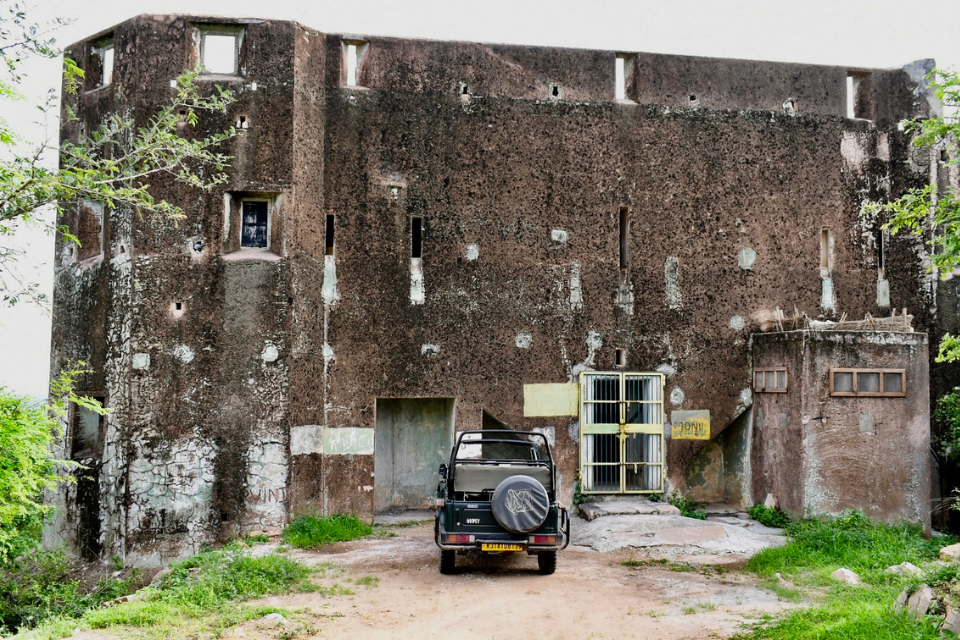
- Upgrades that mattered: an 8-foot peripheral wall (~30.6 km) to deter encroachment and reduce conflict; rain-water harvesting ponds, invasive Prosopis removal, and grassland development to strengthen prey base.
- Population trend: community-led ID work and department monitoring reported dozens of resident leopards by 2019; official notes cite 40+ adults by 2023 as Jhalana–Amagarh became a Conservation Reserve.
This is urban biodiversity on hard mode: real predators, city edge, tiny habitat—and still a success story.
Why Jhalana’s success matters far beyond Jaipur
1) Proof of concept: Big cats can live next to big cities
India’s urban expansion is inevitable—but conflict isn’t. Studies show leopards adapt to changing cityscapes when prey, cover, and low harassment are ensured. Jhalana demonstrates coexistence at scale in a small patch, shifting the mindset from “remove the predator” to “steward the habitat.”
2) A policy blueprint others can copy
Jhalana’s leap from a neglected city forest to a named reserve (2017) and then part of the Jhalana–Amagarh Conservation Reserve (2023) shows the value of formal designation: it unlocks budgets, staffing, rules, and consistent planning. Cities often have green patches but lack legal status—Jhalana shows why that status matters.
3) Smart engineering reduces everyday conflict
The continuous wall and better water management reduced illegal grazing/woodcutting and helped hold wildlife inside—critical in a forest ringed by housing. That’s old-school engineering paired with modern ecological goals.
4) Tech brings transparency and speed
Camera traps, thermal surveillance, and expanded patrol routes gave managers eyes on the full forest, allowing faster responses to straying animals or illegal activity. Tech built trust in reported numbers and made tourism safer.
5) Tourism that pays for protection
Capped vehicles, trained local guides, and online booking systems keep pressure manageable while creating jobs—so the neighborhood earns from keeping wildlife safe. (Official booking is routed through Rajasthan’s OBMS platform.)
6) Safety record builds public support
Even with regular sightings, Jhalana has no record of leopard attacks on humans in recent news—public confidence is priceless in city reserves.
7) A regional multiplier effect
Jhalana’s success helped seed additional leopard safaris in Jaipur’s landscape mosaic, including Amagarh and, more recently, Maila Bagh—expanding habitat management and visitor capacity while relieving pressure on a single patch.
How the model works (and what to copy)
1) Governance & policy
- Designate small urban forests under appropriate categories (e.g., Conservation Reserve) to unlock budgets and rules.
- Launch targeted programs (e.g., Project Leopard), with a ring-fenced plan for prey base, monitoring, and conflict mitigation.
2) Habitat engineering
- Perimeter security: walls/fences or natural barriers to reduce trespass and illegal resource extraction.
- Hydrology: dig ponds, harvest rain, and add solar pumps to withstand dry seasons.
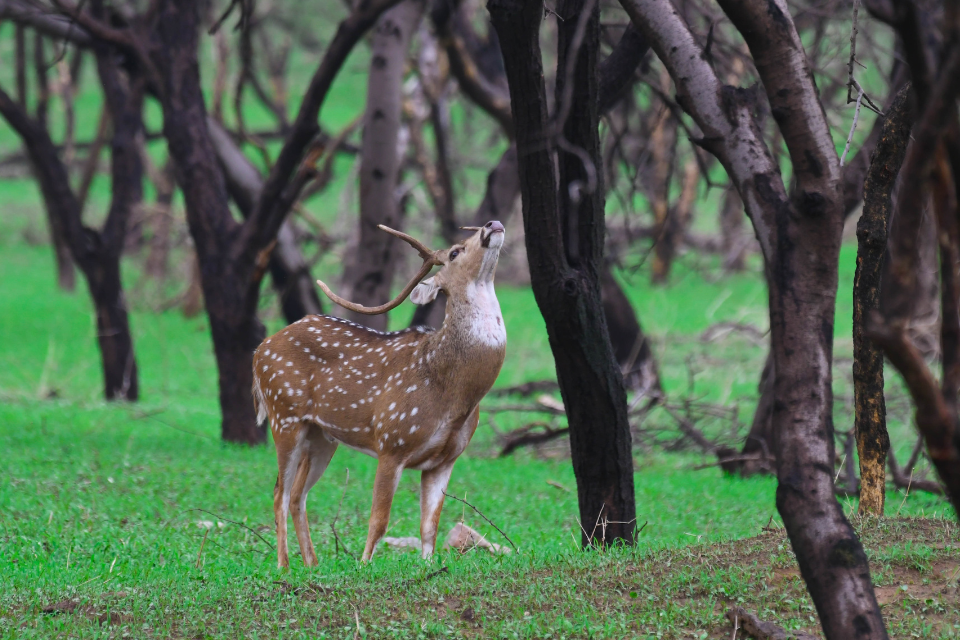
- Vegetation: control invasives (Prosopis juliflora) and develop grasslands to support chital/other prey.
3) Science & monitoring
- Camera traps + thermal towers for 24/7 coverage, plus patrol routes on foot/vehicle.
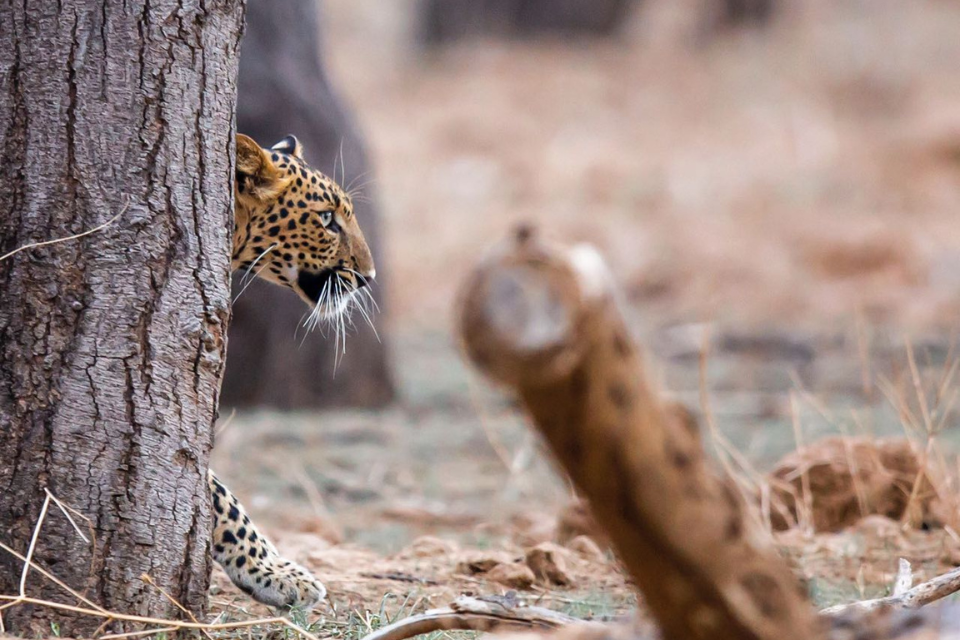
- Photo-ID catalogs of leopards (rosette-pattern “fingerprints”) to track individuals.
- Data transparency to build credibility with locals, researchers, and visitors.
4) Controlled, community-first tourism
- Capped vehicles per shift, trained local guides/drivers, interpretation centers, and online booking to prevent overcrowding and ensure local livelihoods.
5) Communication & coexistence
- Clear SOPs for straying animals; community hotlines; rapid response with veterinarians.
- Consistent messaging: don’t feed wildlife, report sightings, respect buffers.
- Leverage the no-attack record to calm fears and sustain support.
Challenges to watch (and fix early)
- Genetic isolation & road mortality
Jhalana and Amagarh are split by a six-lane highway. Animal deaths are recorded; gene flow suffers. Wildlife overpasses/underpasses and a protected corridor between patches are urgent. - Carrying capacity
Reports suggest 40+ leopards in ~20 km²—spectacular but tight. Without adequate prey and dispersal paths, subadults may roam into industrial/residential pockets (as a 2025 rescue illustrated). Active dispersion planning is key. - Invasive plants and prey imbalance
Prosopis crowds out grass and limits food for herbivores; managers must keep at invasive removal and grassland restoration to stabilize the prey base. - Climate variability
Heat waves and erratic monsoons stress waterholes. The answer: redundant water sources and energy-efficient pumping. - Tourism pressure creep
Success invites more jeeps. Stick to caps, rotate routes, and measure stress indicators (time budgets, sighting distance) so photo-ops don’t become pressure.
Can other cities do this?
Yes—with humility and context. Leopards already use edges of Indian cities more than most people realize; success comes from investing in habitat quality, corridors, low harassment, and citizen cooperation. National coverage and new studies show how leopards adapt in human-dominated landscapes when baseline needs are met.
A 10-point checklist for city leaders
- Give it status: Notified reserve/conservation category with clear boundaries.
- Map a corridor plan: Identify adjacent patches and safe crossings over/under highways.
- Engineer for coexistence: Perimeter controls where needed; remove risky attractants (garbage, livestock pens at edge).
- Water & grass: Invest in rainwater harvesting and grassland development for prey.
- Instrument the forest: Camera traps + thermal towers + patrols; publish periodic monitoring briefs.
- Cap & train tourism: Fix daily vehicle limits, certify local guides, and establish an interpretation center.
- Crisis SOPs: Rapid response for strays; temporary road closures if needed; humane captures led by vets.
- Neighborhood outreach: Resident WhatsApp groups, school programs, and signage on do’s/don’ts.
- Data partnerships: Collaborate with universities/NGOs to study movement, diet, and population.
Budget honesty: Ring-fence funds for maintenance (walls, pumps, grassland cycles) and staff up for continuity.

Jhalana in context: a growing urban-leopard landscape
Jaipur isn’t alone. Bengaluru’s peri-urban wild spaces and other central-Indian city edges show leopards using mosaic habitats of scrub, drains, and farms—rebutting the myth that big carnivores need endless forest, while underlining why well-designed city reserves matter.
Strengthening the broader, city-wide nature network is also catching on: Jaipur is adding managed leopard safaris at Amagarh and Maila Bagh to spread visitors, resources, and management attention across multiple nodes.
Planning a visit (and what your ticket funds)
Visitors typically book through Rajasthan’s OBMS portal; Jhalana runs two daily, time-capped safari shifts with trained guides and limited vehicles per round. Revenue supports local jobs and the constant work of maintaining waterholes, surveillance towers, and habitat.
FAQs
Is Jhalana really an “urban” leopard reserve?
Yes. The forest sits inside Jaipur’s urban footprint, bordered by neighborhoods and a major highway—making it a genuine test case for city-edge conservation.
How big is the reserve?
Roughly 19.94–20 km² (about 7.7 square miles). You can cross it by jeep in a single safari, which is why strict vehicle caps and route rotation are important.
How many leopards live here?
Numbers fluctuate, but multiple sources report around 40–47 in recent years across Jhalana (and, in broader reporting, the Jhalana–Amagarh complex). That’s remarkably high density for a small urban patch.
Is it safe for visitors and nearby residents?
Recent coverage notes no record of leopard attacks on humans at Jhalana, and the forest department maintains rapid-response protocols for straying animals. As always, follow official guidance and stay inside your vehicle.
What’s the best time to go?
Safaris run year-round. Post-winter to pre-monsoon tends to improve visibility as foliage thins; summer waterholes also concentrate wildlife. (Check current timing/slot availability on the OBMS portal.)
Why is the 2017–2023 policy arc significant?
2017 marked Jhalana’s designation as India’s first leopard reserve under Project Leopard; 2023 recognized the Jhalana–Amagarh Conservation Reserve, securing a city-scale nature network.
Conclusion: A small forest with big lessons
Jhalana proves that urban conservation is not a consolation prize—it can be frontline conservation. The reserve’s success came from naming and protecting the patch, engineering for day-to-day realities, instrumenting it with technology, capping how people use it, and earning community trust with safety and jobs.
If your city holds even a few square kilometers of scrub, ridge, or riparian land, Jhalana shows the playbook: protect it in law, stitch it to neighbors with corridors, invest in water and grass, and train the people who’ll welcome visitors. Do that—and your “little” urban forest can hold an entire food web, not just a lawn.
Disclaimer All images used in this blog are either sourced from public domain or credited to their respective owners. If you are the copyright holder of any image and wish to request its removal or proper attribution, please contact us at [email protected]